Attractions and Places To See in Milan - Top 20
Best attractions and places to see in Milan include historical landmarks, cultural sites, and natural features. Milan is a global capital of fashion and design, offering a rich tapestry of experiences. While the city center is known for its urban landscape, several natural escapes and canal systems are accessible within and near the city. The region provides a diverse range of points of interest for visitors.
Best attractions and places to see in Milan
- The most popular attractions is Martesana Canal Cycle Path, a cycle way that offers an escape from the city. This historic canal, built in 1460, provides opportunities to discover the region's history and natural beauty.
- Another must-see spot is Galleria Vittorio Emanuele II, a man-made monument. This 19th-century shopping arcade is Italy's oldest, featuring glass and steel architecture, luxury boutiques, and historic cafes.
- Visitors also love The Rudun Water Wheel, Groppello d'Adda, a man-made monument. This famous water wheel, built around 1600, is known locally as 'el rudun' and is said to have been designed by Leonardo da Vinci.
- Milan is known for its cycle ways, historical sites, and man-made monuments. The city offers a variety of attractions, from urban architectural marvels to scenic canal paths and historical structures.
- The attractions in Milan are appreciated by the komoot community, with more than 1000 upvotes and 88 photos shared across various highlights.
Last updated: July 6, 2026
Martesana Canal Cycle Path
Highlight (Segment) • Cycleway
Translated by Google •
Tip by

Gaggiano Bridge
Highlight • Bridge
Translated by Google •
Tip by

Sign up now to discover places like this
Get recommendations on the best single tracks, peaks, & plenty of other exciting outdoor places.
Sign up for free
Martesana Canal
Highlight • Cycleway
Translated by Google •
Tip by

Martesana Canal Cycle Path
Highlight • Cycleway
Translated by Google •
Tip by

Naviglio Martesana Cycle Path Between Bellinzago Lombardo and Inzago
Highlight (Segment) • Cycleway
Translated by Google •
Tip by

Galleria Vittorio Emanuele II
Highlight • Monument
This arcaded street which serves as a showcase and a walk to have an aperitif or dine after the Opera is the oldest shopping center in Italy, decorated with mosaics, caryatids, decorations that surround windows and balconies. Inside there are the shops of the most luxurious brands, but also historic restaurants and starred chefs.
In the center of the Gallery, on the mosaic floor, a bull is represented. There is a superstitious rite, which consists of turning the bull's testicles three times with the heel of the right foot to guarantee fertility or a return to Milan, or good luck for the new year.
Translated by Google •
Tip by

Naviglio Grande at Abbiategrasso
Highlight • River
Translated by Google •
Tip by
The Rudun Water Wheel, Groppello d'Adda
Highlight • Monument
Translated by Google •
Tip by

Villoresi Canal Cycle Path
Highlight • Cycleway
Translated by Google •
Tip by

Naviglio Grande
Highlight • River
Translated by Google •
Tip by

Sign up for free to discover even more attractions in Milan.
Sign up for free
Already have an account?
Start today with a free account
Your next adventure awaits.
Login or Signup
Popular around Milan
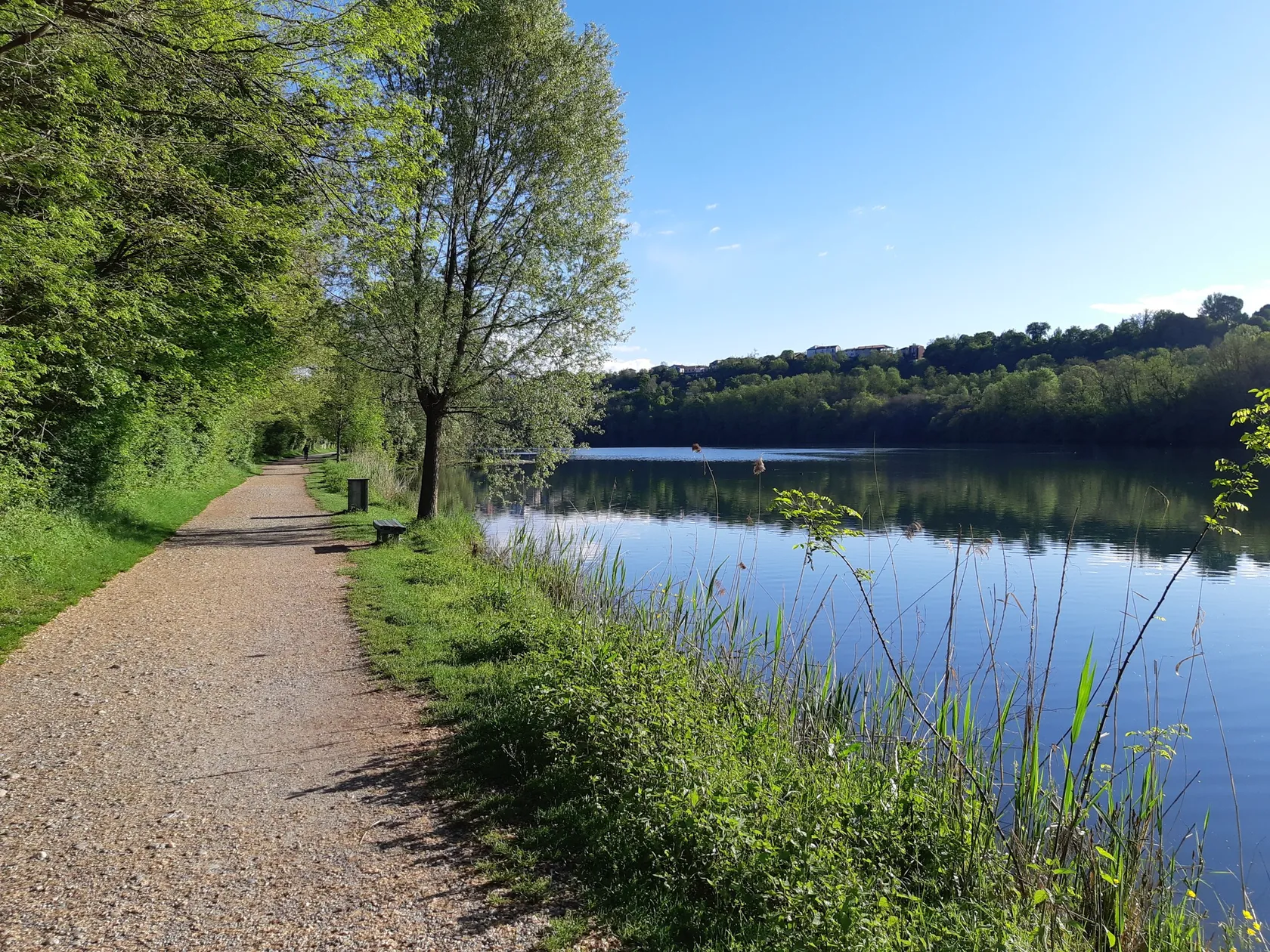
Lombardy by bike – discover historic villages and natural beauty
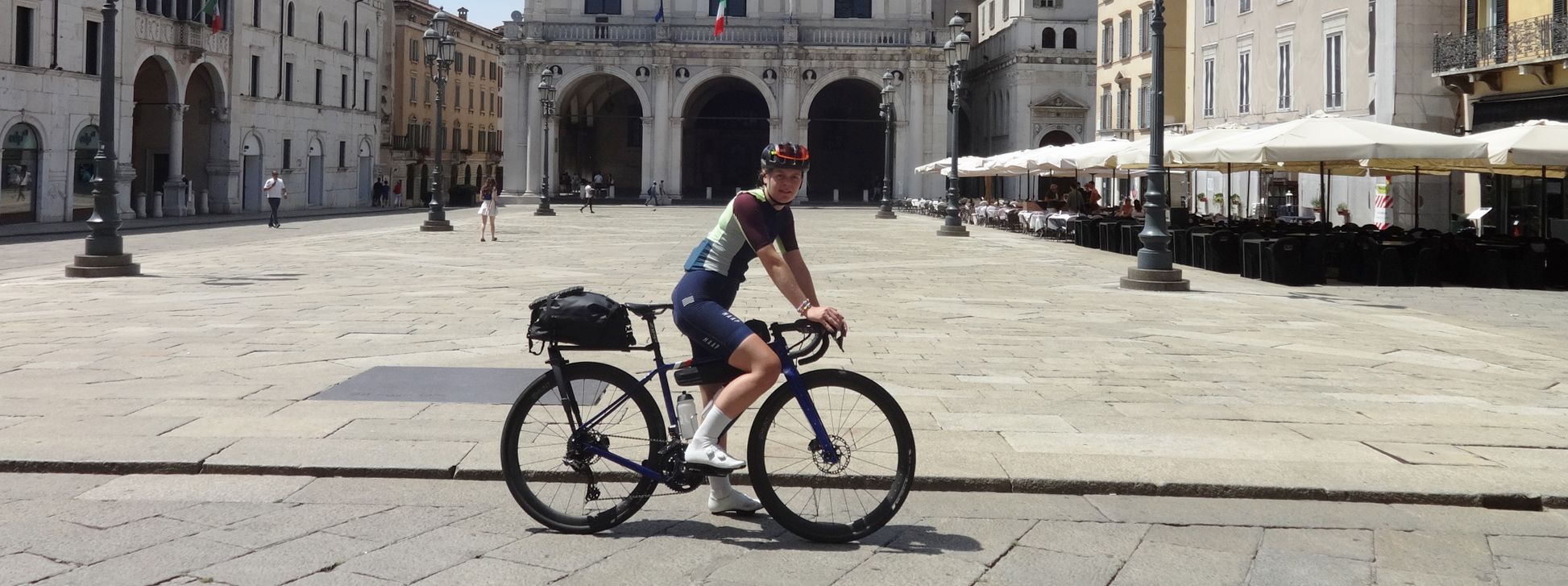
The Pizza Pilgrimage – Milan to Naples, fuelled by pizza
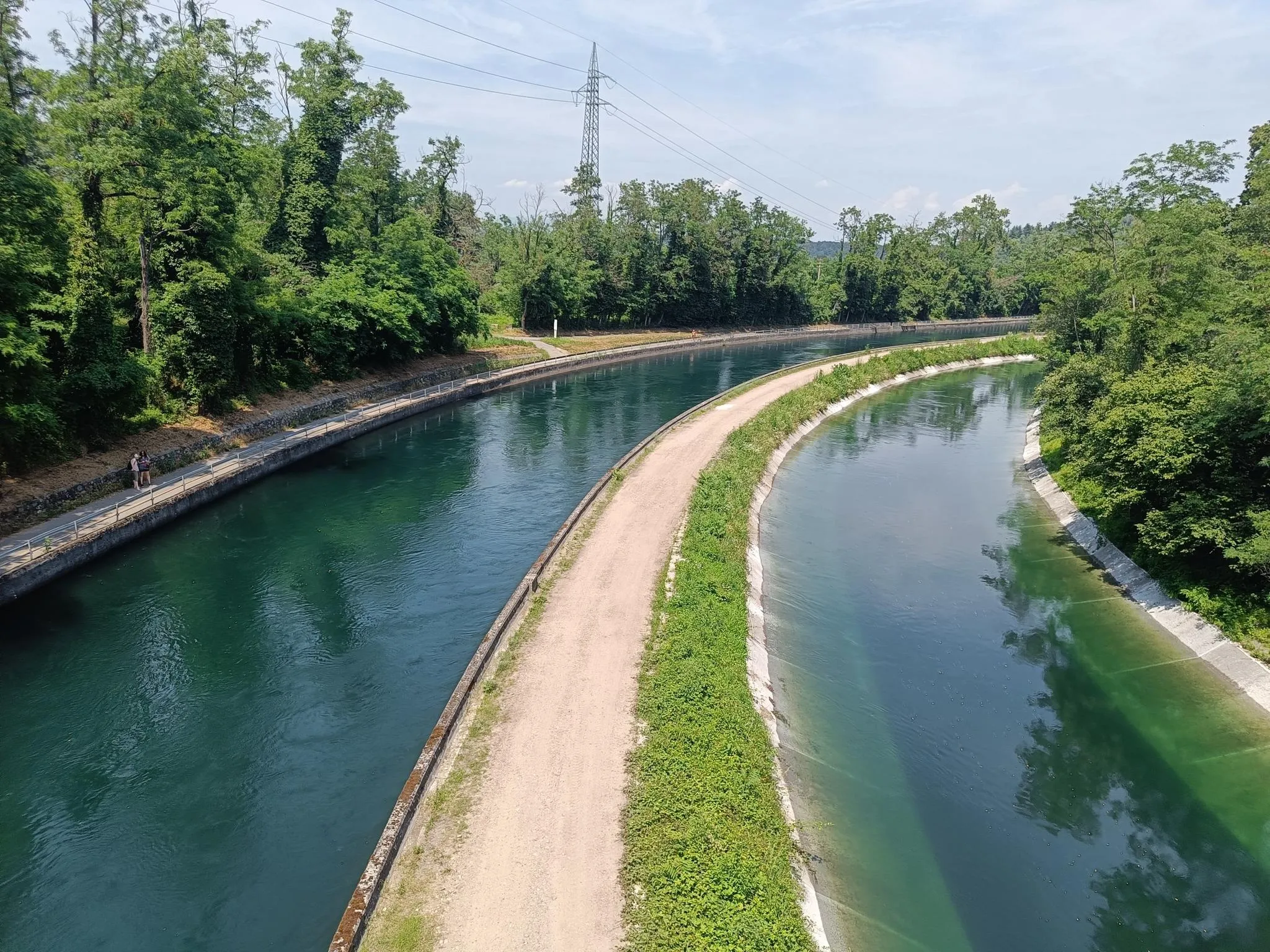
Pedal along water – loop from Milan to Lake Maggiore
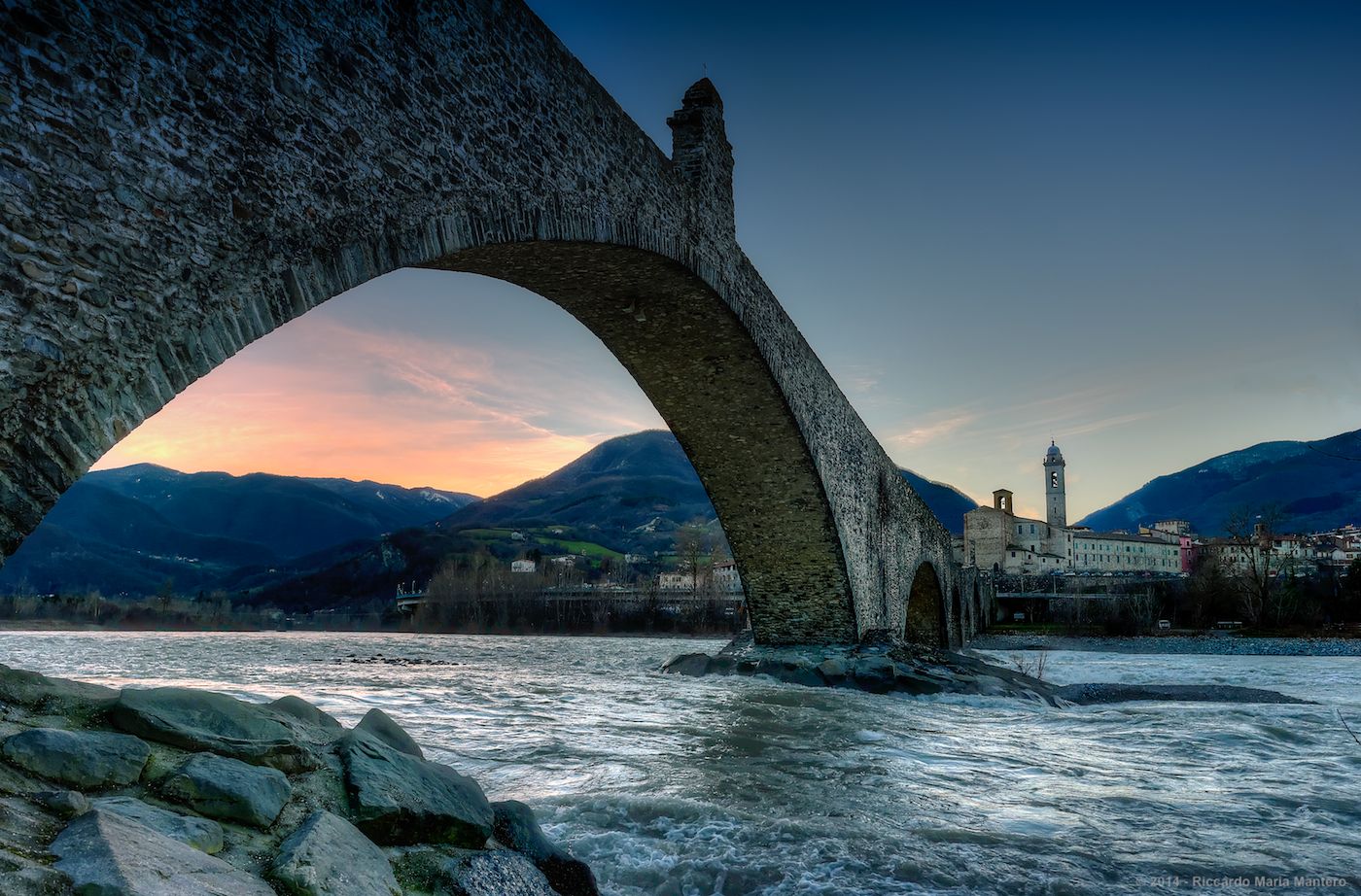
Hike from Milan to the sea – Path of the Celts and Ligurians
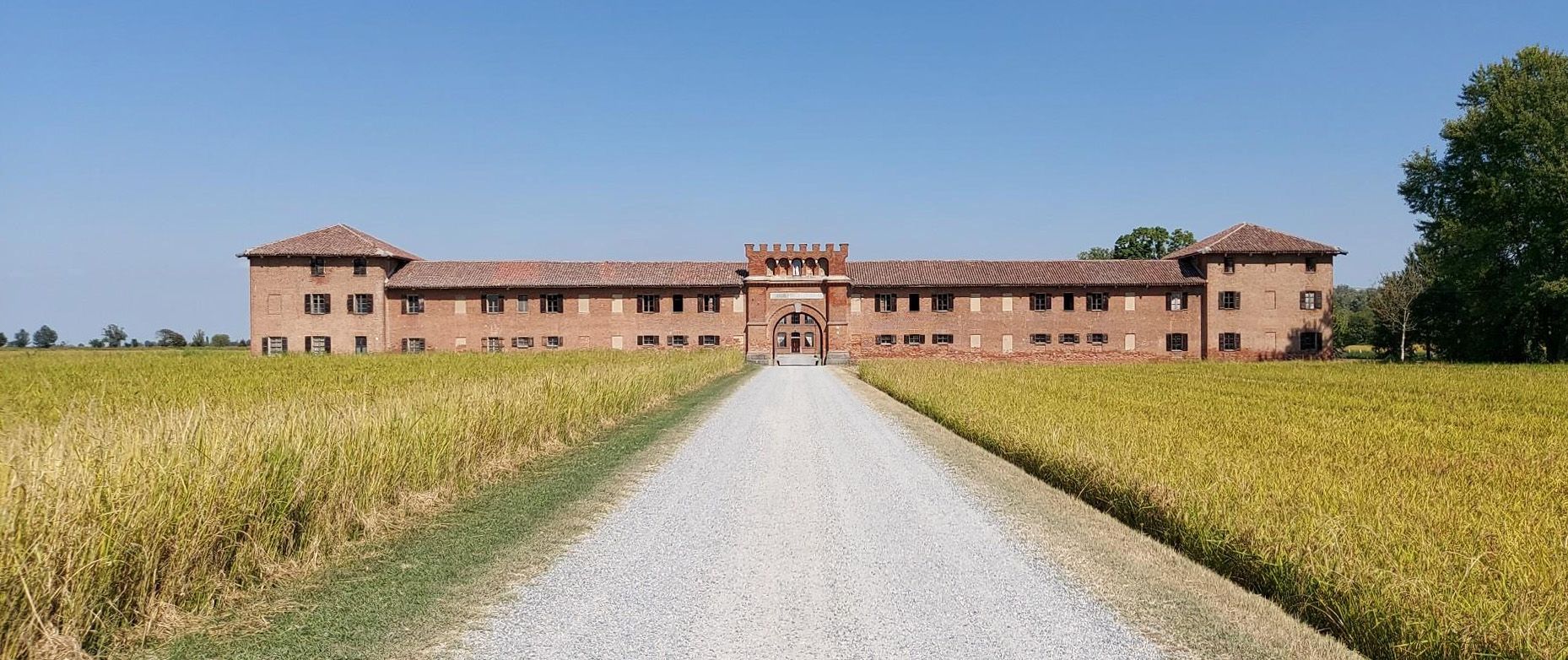
Away with the train – cycle paths within an hour of Milan
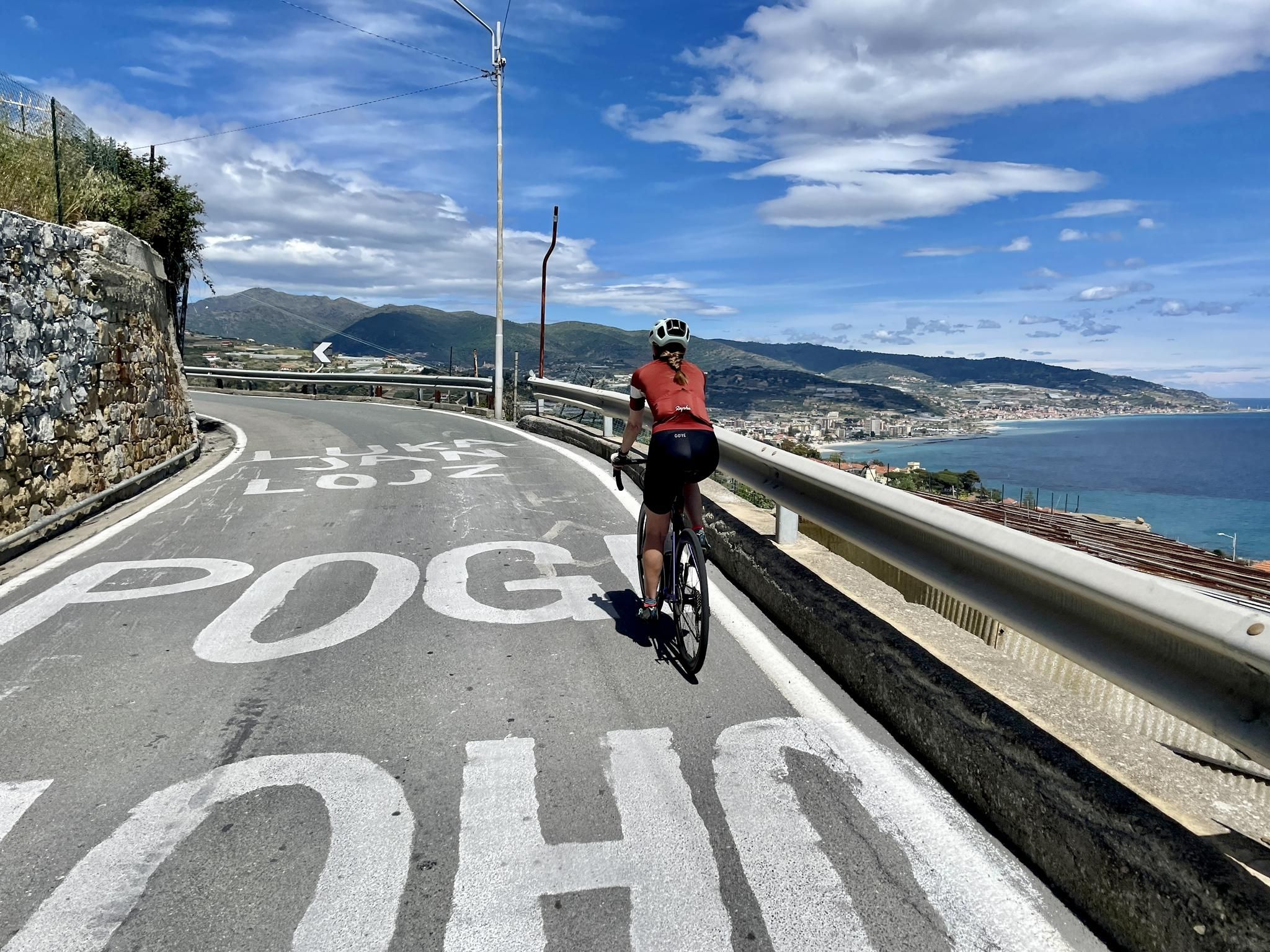
La Classicissima – cycling the Milan-San Remo
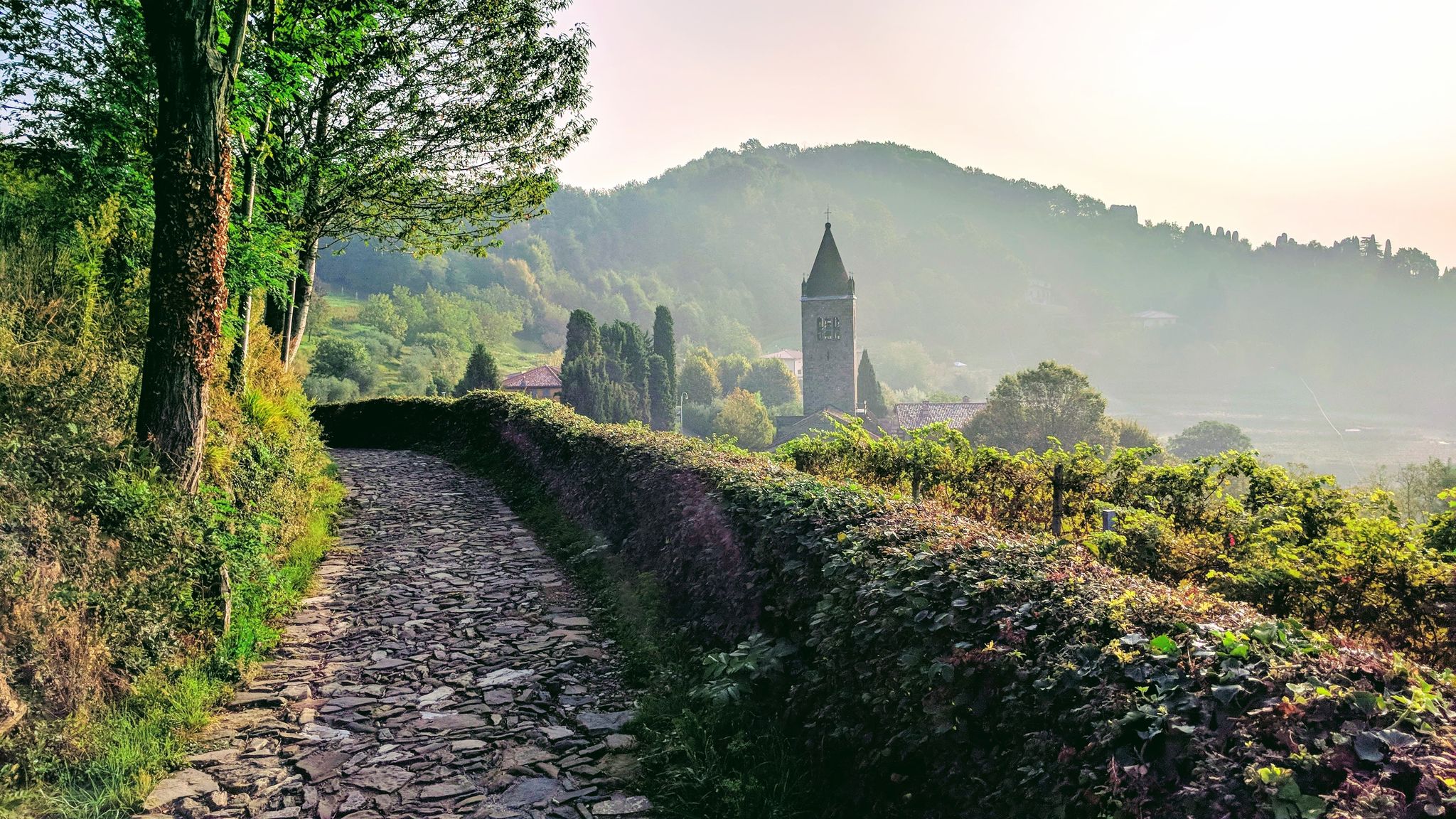
Away with the train – trekking an hour from Milan
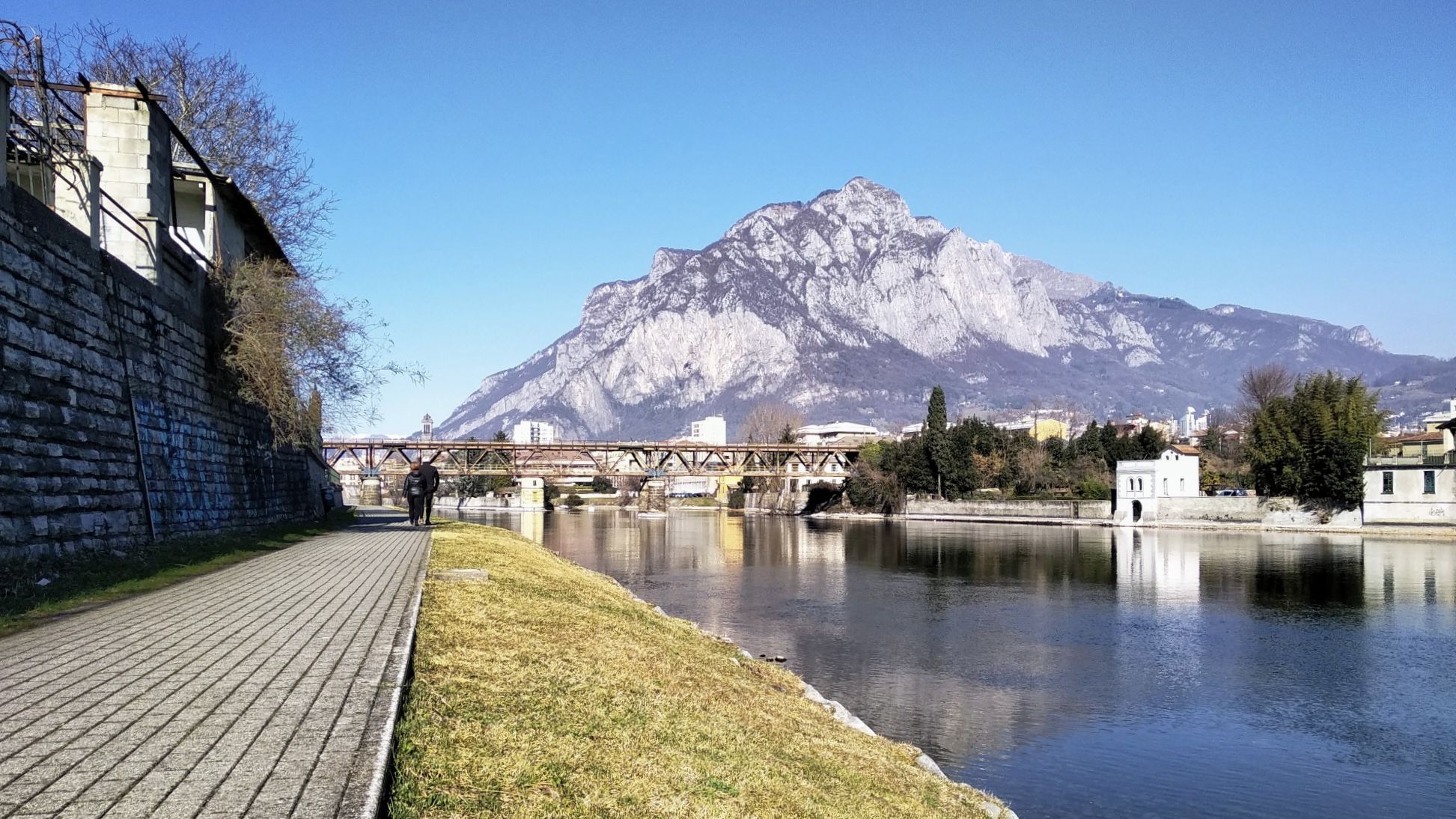
Lecco Pre-Alps to the Po Valley – Adda Cycle Route
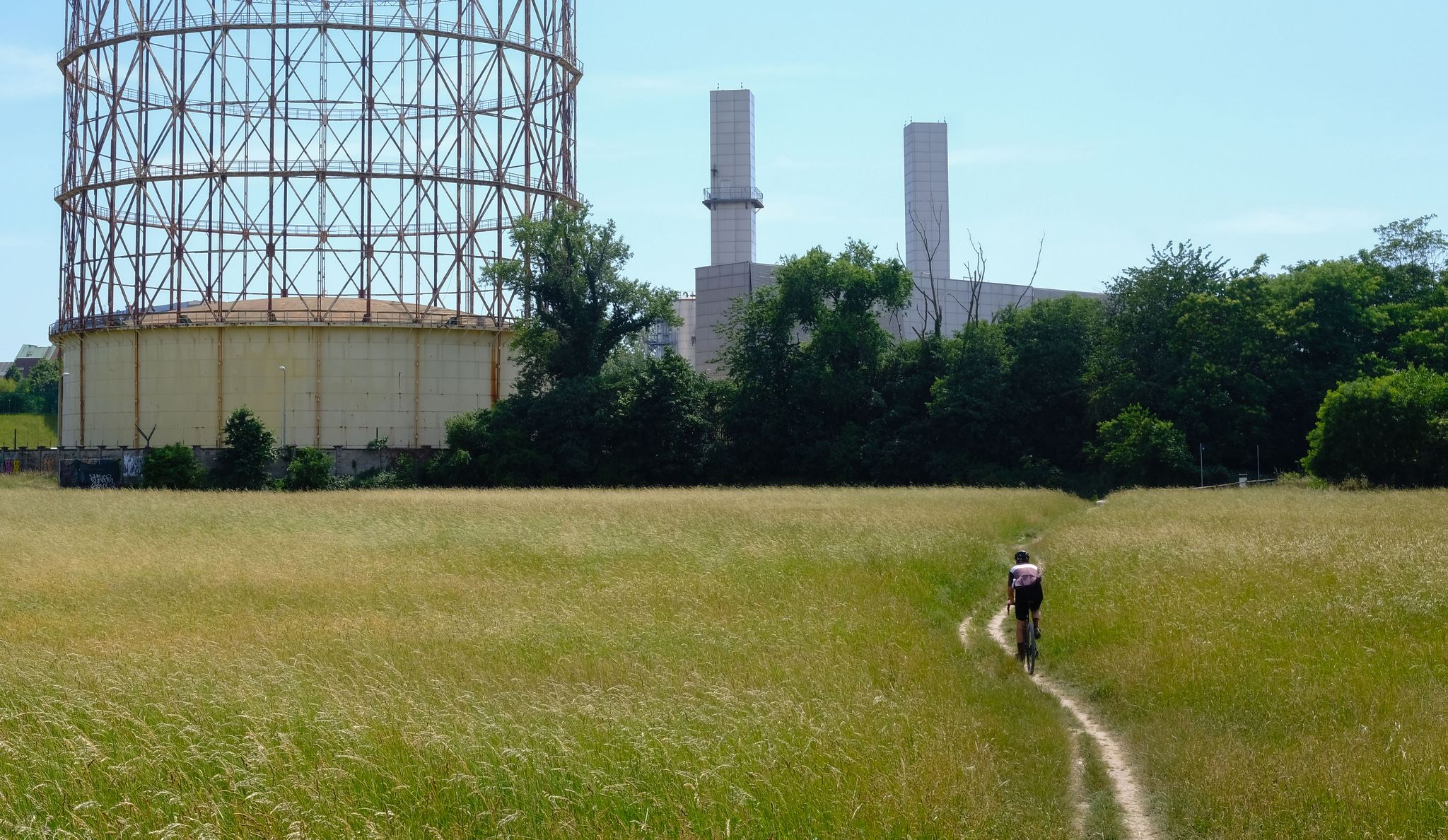
Escape from Milan – bike, mud, gravel and cows
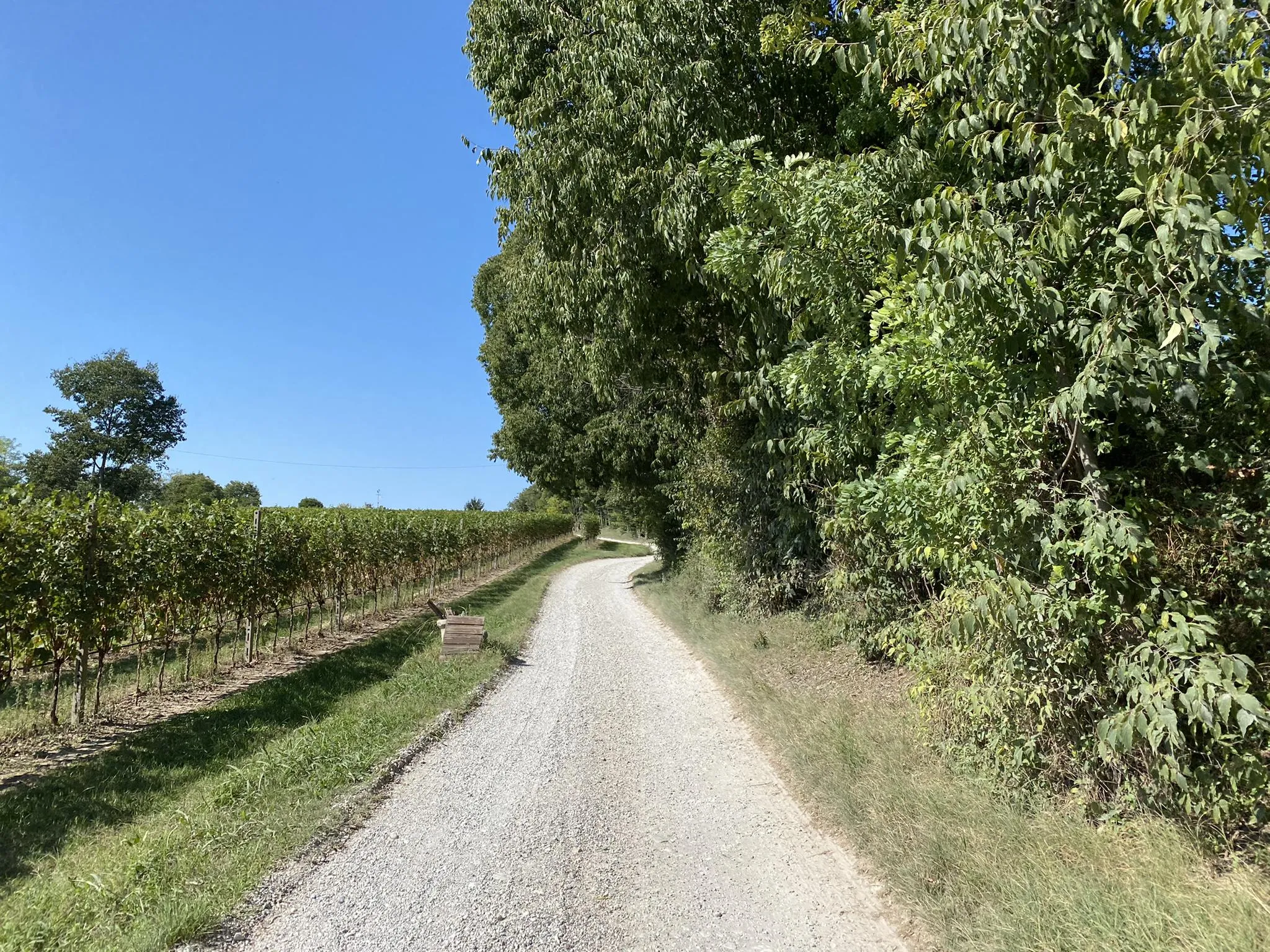
A bike Tour from Moncenisio to Verona – AIDA (western part)
Other adventures in Milan


Tips from the Community

The Naviglio Grande in Abbiategrasso is a crucial hydraulic and historical hub: here the canal makes an elbow bend, turning east towards Milan, and crosses history with the Castelletto di Abbiategrasso and the Naviglio di Bereguardo. It is an ideal area for cycle tourism, with flat routes connecting the nature of the Ticino to the city.
0
0

Easy cycle path suitable for everyone!
3
0

The Naviglio della Martesana, definitively completed in 1496 under the leadership of Ludovico il Moro, flows from Trezzo sull’Adda to Milan for a total length of 38 km. The route runs alongside the ancient Roman road (the current SS 11 padana superiore) which crossed the Adda with two branches: at Vaprio and Cassano. The irrigation of the lands located above the spring belt was for a long time the predominant use of the canal, so much so that initially navigation was limited to two days a week; concurrently with the improvement of the agricultural structure thanks to irrigation, a notable flourishing of stately homes occurred in the Baroque era, aimed at enjoying the convenience of travel on water and controlling the owned lands.
0
0
The Naviglio della Martesana, initially known as Naviglio Piccolo, is one of the Milanese canals that connects Milan with the course of the Adda river through the municipalities of Martesana. Commissioned in the 15th century by Francesco Sforza, it was used for irrigating the countryside but also represented the ambitious project of connecting Milan with Lake Como and thus with the Alps and Ticino. The Naviglio della Martesana is a place rich in history and beauty, a heritage for everyone that, however, today is still little known and protected. Along the Naviglio runs a rather busy cycle path, which allows you to admire the landscape and cultural beauties, such as the rich flora, fauna, or the numerous historic villas, including the Renaissance Villa Melzi d’Eril in Vaprio d’Adda.
1
0
The Naviglio Martesana cycle path is a 30-35 km cycle and pedestrian route that connects Milan (Cassina de' Pomm/via Melchiorre Gioia area) to Trezzo sull'Adda, running alongside the homonymous canal. It is a predominantly asphalted, flat, easy route suitable for everyone, passing through parks, rural areas, and historic noble villas from the 17th-18th centuries.
0
0
The Naviglio Martesana cycle path is a cycle-pedestrian route of about 30-35 km that connects Milan (Cassina de' Pomm/via Melchiorre Gioia area) to Trezzo sull'Adda, running alongside the canal of the same name. It is a predominantly asphalted, flat, easy route suitable for everyone, which crosses parks, rural areas, and historic noble villas from the 17th-18th centuries.
2
0

An excellent stopping point if you're travelling along the Naviglio.
3
0

An evocative place, with houses overlooking the Naviglio
1
0
Frequently Asked Questions
What are some popular outdoor activities and cycle paths in Milan?
Milan offers numerous opportunities for outdoor enthusiasts, particularly along its historic canal systems. The Martesana Canal Cycle Path is a highly popular escape from the city, offering a journey through history and natural beauty. You can also explore the Naviglio Martesana Cycle Path Between Bellinzago Lombardo and Inzago or the Villoresi Canal Cycle Path. For more extensive cycling, consider routes along the Naviglio Grande or Naviglio di Bereguardo. Komoot offers various Road Cycling Routes in Milan, MTB Trails in Milan, and Running Trails in Milan.
Which historical landmarks should I visit in Milan?
Beyond the well-known Duomo, Milan boasts several significant historical landmarks. The Galleria Vittorio Emanuele II is Italy's oldest shopping arcade, known for its stunning 19th-century architecture. You can also visit the Rudun Water Wheel, Groppello d'Adda, a famous water wheel built around 1600 and possibly designed by Leonardo da Vinci. Other notable sites include Castello Sforzesco, a 14th-century fortress housing various museums, and the Basilica di Sant'Ambrogio, an early example of Lombard Romanesque architecture.
Are there any family-friendly attractions in Milan?
Many attractions in Milan are suitable for families. The canal cycle paths, such as the Martesana Canal Cycle Path, are great for leisurely rides or walks. Parks like Parco Sempione offer open spaces for children to play. The Museo della Scienza e della Tecnologia Leonardo da Vinci provides interactive exhibits based on Leonardo's designs, which can be engaging for all ages. The Galleria Vittorio Emanuele II is also considered family-friendly for its architectural beauty and shops.
What cultural sites are a must-see for art and history lovers?
Milan is rich in cultural sites. Art enthusiasts should not miss Leonardo da Vinci's iconic 'The Last Supper' at Santa Maria delle Grazie church (booking well in advance is essential). The Pinacoteca di Brera, located in the charming Brera district, houses masterpieces by Italian artists. For performing arts, Teatro alla Scala is one of the world's most prestigious opera houses. The Chiesa di San Maurizio al Monastero Maggiore, often called the 'Sistine Chapel of Milan,' is celebrated for its stunning frescoes.
Where can I find modern architecture and vibrant city life in Milan?
For a glimpse into contemporary Milan, visit Piazza Gae Aulenti, a modern square surrounded by skyscrapers. The Bosco Verticale (Vertical Forest) residential towers are a striking example of innovative architecture integrating hundreds of trees and plants. For vibrant city life, the Navigli District is famous for its picturesque canals, lively nightlife, and numerous restaurants and bars, especially in the evenings.
What are some natural escapes or green spaces within or near Milan?
While Milan is an urban center, it offers several green spaces. Parco Sempione, located behind Castello Sforzesco, is a large English-style park perfect for walks. Other beautiful parks include Indro Montanelli Gardens and Giardini della Guastalla. For more extensive natural beauty, the region around Milan offers stunning lakes like Lake Como and Lake Iseo, which are accessible for day trips. The Martesana Canal Cycle Path also provides a natural escape close to the city.
Are there any less crowded or 'hidden gem' attractions in Milan?
For a less crowded experience, consider exploring the Cimitero Monumentale, an open-air museum known for its elaborate and artistic tombs. The Brera District, with its cobblestone streets, art galleries, and artisan shops, offers a charming, bohemian atmosphere away from the main tourist throngs. The various canal paths, such as the Martesana Canal, provide serene routes for walking or cycling, offering a different perspective of the region.
What is the best way to experience Milan's fashion and shopping scene?
Milan is a global fashion capital. The Quadrilatero della Moda (Fashion District), encompassing streets like Via Monte Napoleone and Via della Spiga, is the prime destination for luxury boutiques and designer showrooms. For a blend of shopping and historical architecture, the Galleria Vittorio Emanuele II offers high-end stores within a stunning 19th-century setting.
Which attractions are easily accessible by public transport in Milan?
Many of Milan's central attractions are well-served by public transport. The Duomo and Galleria Vittorio Emanuele II are centrally located and easily reachable. Castello Sforzesco and Parco Sempione are also conveniently accessible. Milan has an efficient metro, tram, and bus network that connects most major points of interest, making it easy to navigate the city without a car.
What do visitors enjoy most about the attractions in Milan?
Visitors frequently appreciate the blend of historical grandeur and modern vibrancy. The intricate architecture of sites like the Duomo and the Galleria Vittorio Emanuele II often receives high praise. The peaceful escape offered by the canal cycle paths, such as the Martesana Canal Cycle Path, is also a popular highlight, allowing visitors to discover the region's history and natural beauty. The city's rich cultural offerings, from world-class art to opera, are also highly valued.
Are there any attractions related to Leonardo da Vinci in Milan?
Yes, Milan has strong ties to Leonardo da Vinci. His iconic mural 'The Last Supper' is housed in the refectory of Santa Maria delle Grazie church. Additionally, the Museo della Scienza e della Tecnologia Leonardo da Vinci features interactive exhibits and models based on his sketch work. The Rudun Water Wheel, Groppello d'Adda, a historical water wheel, is also said to have been designed by him.
What are some unique architectural sights in Milan?
Beyond the Gothic splendor of the Duomo, Milan offers unique architectural sights. The Galleria Vittorio Emanuele II is a stunning 19th-century glass and steel arcade. The Bosco Verticale (Vertical Forest) residential towers are a modern marvel, integrating extensive greenery into their facades. Even the Milano Centrale Railway Station is considered one of Europe's most spectacular railway stations, showcasing impressive architecture.
Can I find viewpoints to see Milan from above?
Yes, for breathtaking city views, you can climb to the rooftop terraces of the Duomo di Milano. While not a natural viewpoint, it offers an unparalleled panorama of the city and its intricate Gothic details. The Gaggiano Bridge and The Rudun Water Wheel, Groppello d'Adda also offer picturesque views of the canals and surrounding areas.
Most popular routes in Milan
Most popular attractions in Milan

Get inspired with the komoot mobile app


Didn’t find what you were looking for?
Are you keen on exploring more awesome places nearby? Browse our guides:
Explore more
Still not found the Highlight you’re looking for? See guides of the top attractions in other regions:
