The best gravel rides in the Crete
3.0
(2)
14
riders
3
rides
Gravel biking in the Crete is characterized by a diverse and rugged landscape, featuring three major mountain ranges: Lefka Ori, Ida Mountains, and Dikti Mountains. The island's terrain includes numerous gorges, plateaus like Lassithi and Omalos, and varied coastlines. This composition provides a mix of challenging mountain passes, quiet inland roads, and coastal paths suitable for gravel cycling.
Best gravel bike trails in the Crete
- The most popular gravel bike trail is View of the Rodopou Peninsula – View of Balos Beach and the lagoon loop from Kissamos, a 20.5 miles (33.0 km) trail that takes 2 hours 19 minutes to complete. This difficult route offers significant elevation gain and panoramic views.
- Another top favourite among local gravel bikers is Taverna With Panoramic View – Taverna Koxos loop from Fortress of Kales, a difficult 25.5 miles (41.1 km) path. This route leads through mountainous terrain with notable elevation changes.
- Local gravel bikers also love the Arkadi Monastery – View of Arkadi Monastery loop from Monastery of Arkadi, a 15.4 miles (24.7 km) trail leading through varied landscapes, often completed in about 2 hours 6 minutes.
- Gravel biking in the Crete is defined by mountainous ascents, coastal paths, and inland plateaus. The network offers options for different ability levels, from moderate rides to challenging multi-hour routes.
- The routes in Crete are highly rated by the komoot community with an average score of 3.0 stars from over 2 reviews. More than 10 gravel bikers have used komoot to explore Crete's varied terrain.
Last updated: October 3, 2026
3.0
(2)
5
riders
Hard gravel ride. Very good fitness required. Mostly paved surfaces. Suitable for all skill levels.
3
riders
Hard gravel ride. Very good fitness required. Mostly paved surfaces. Suitable for all skill levels.

2
riders
24.7km
02:06
660m
660m
Hard gravel ride. Very good fitness required. Mostly paved surfaces. Suitable for all skill levels.
Our route recommendations are based on thousands of hikes, rides, and runs completed by other people on komoot.
Start today with a free account
Your next adventure awaits.
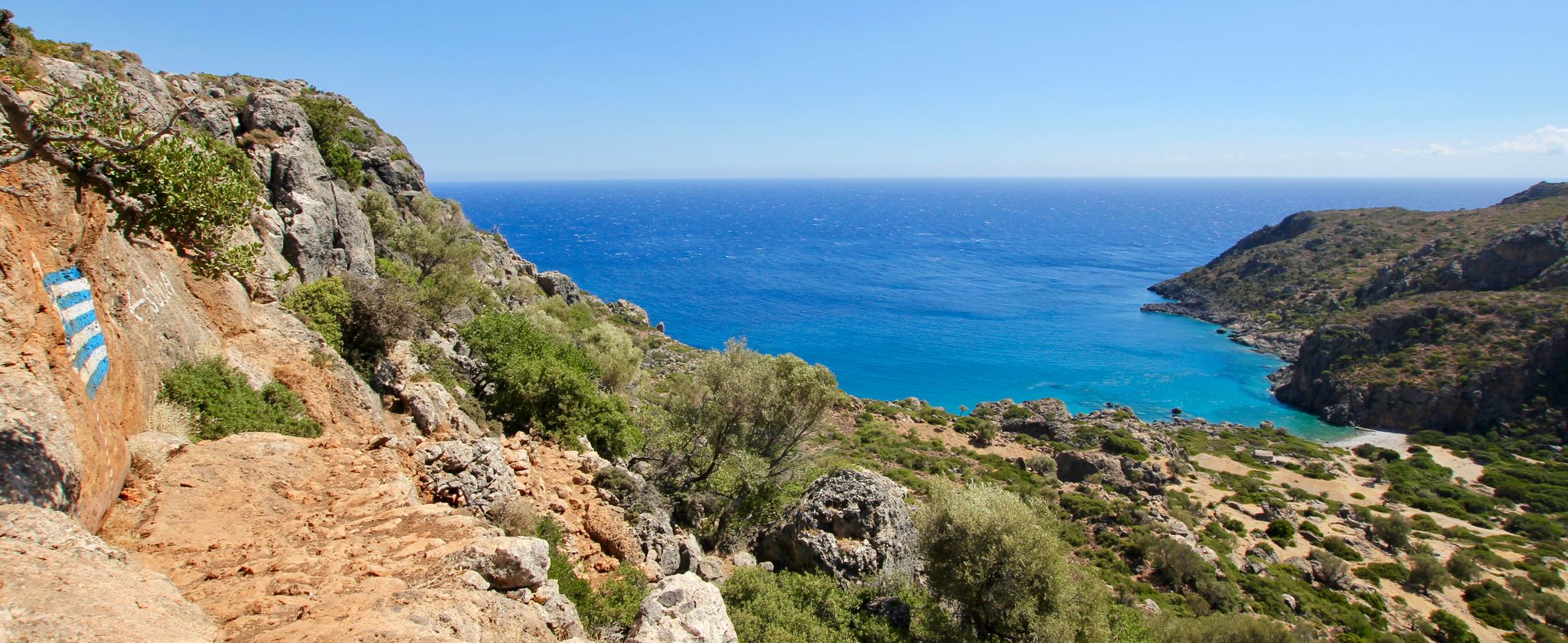
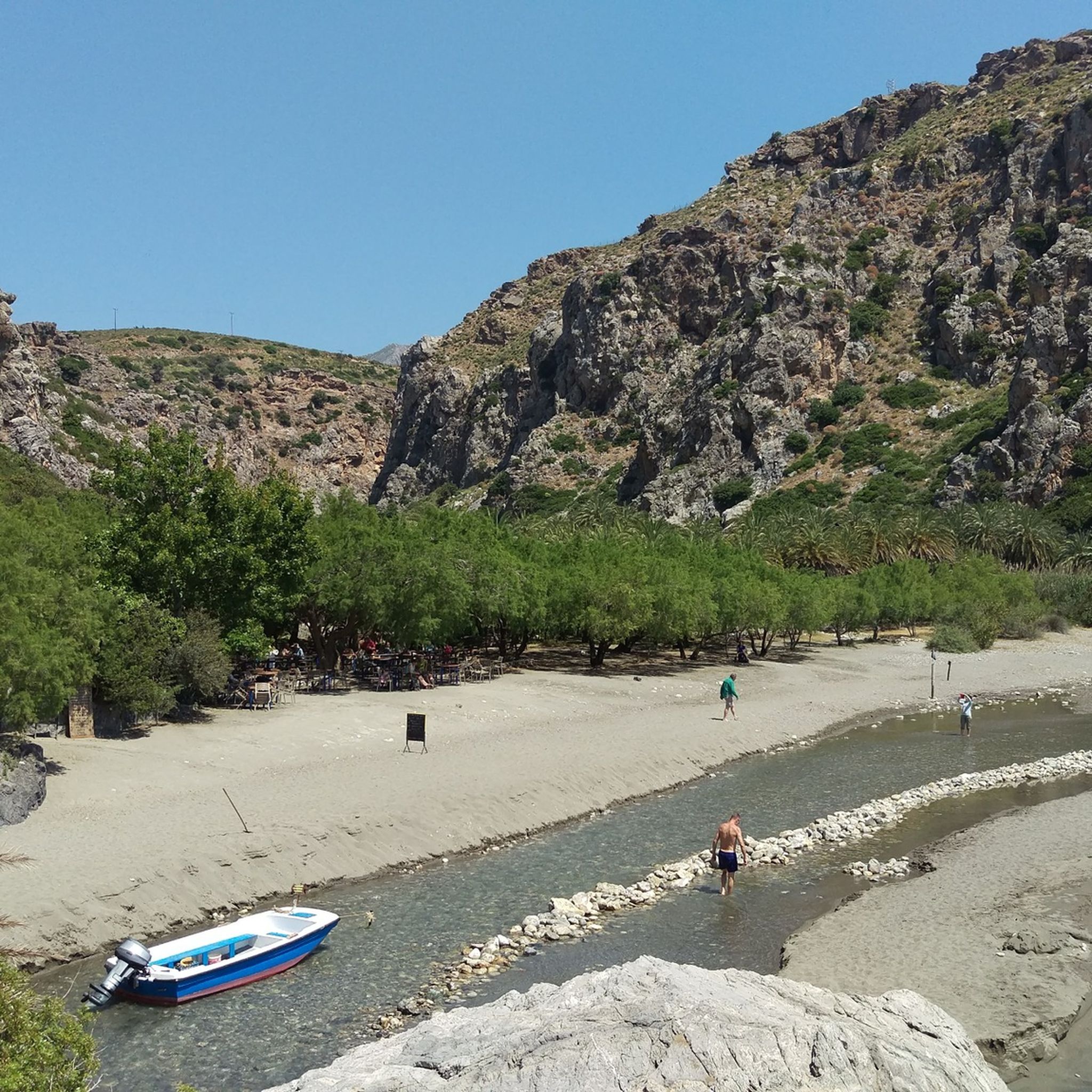
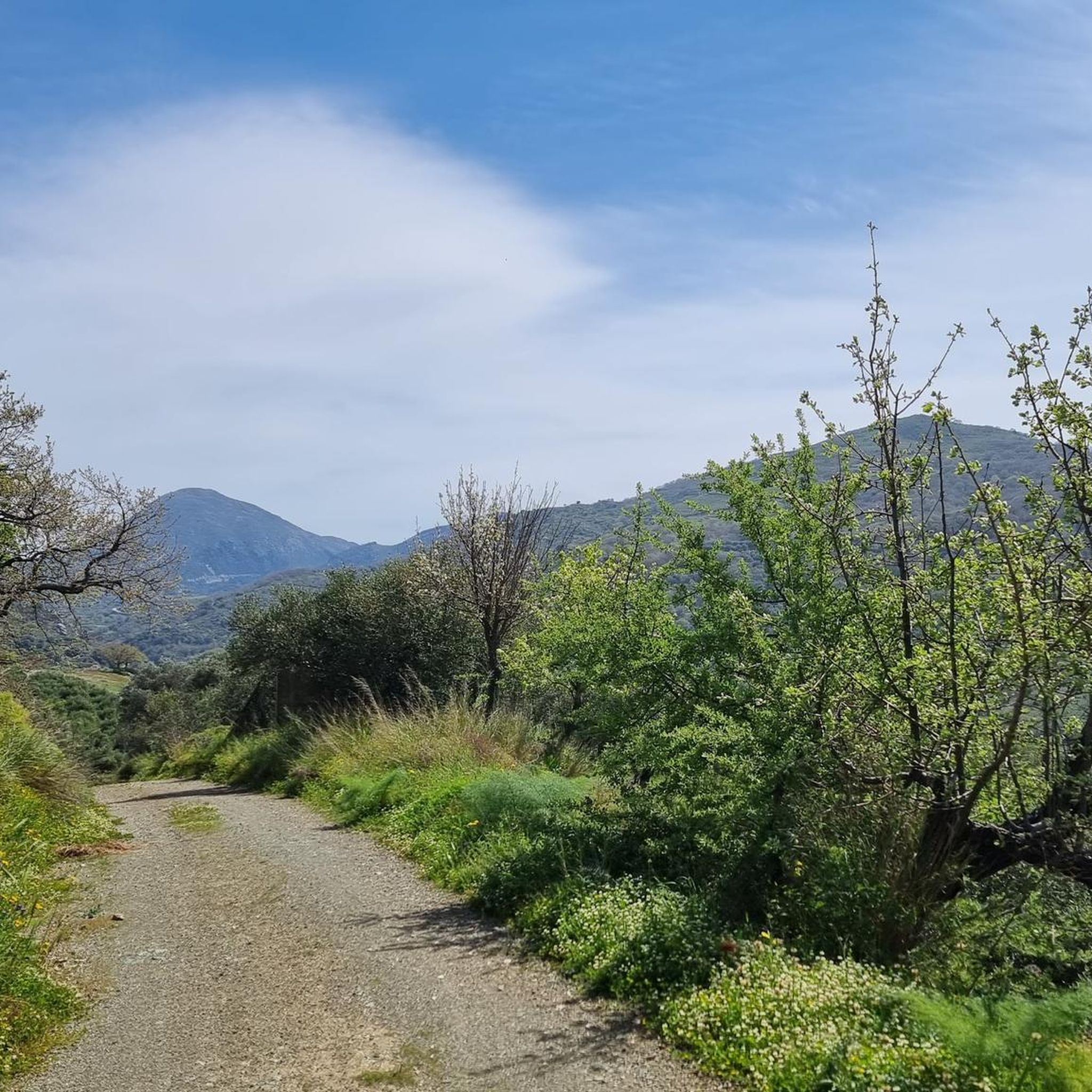
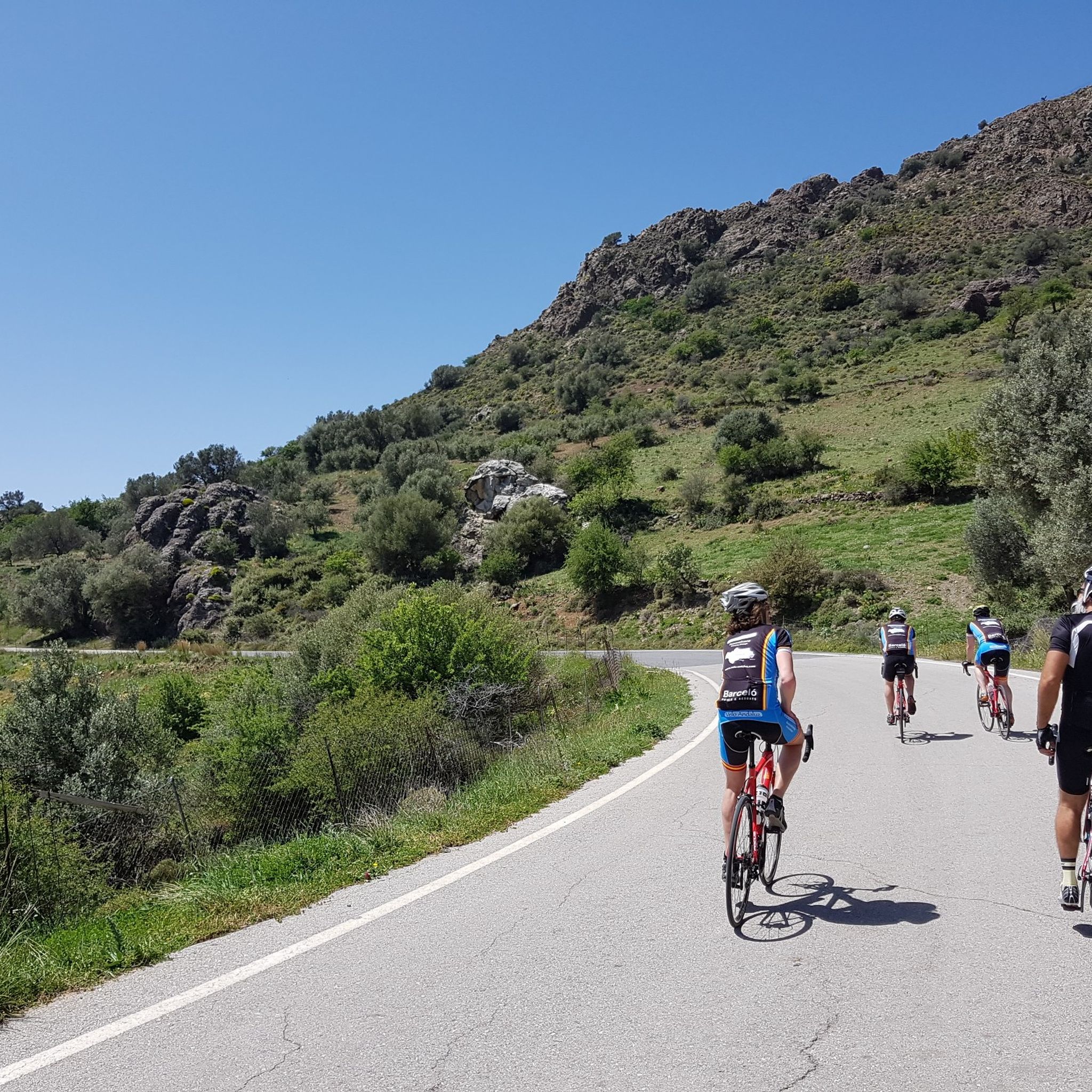
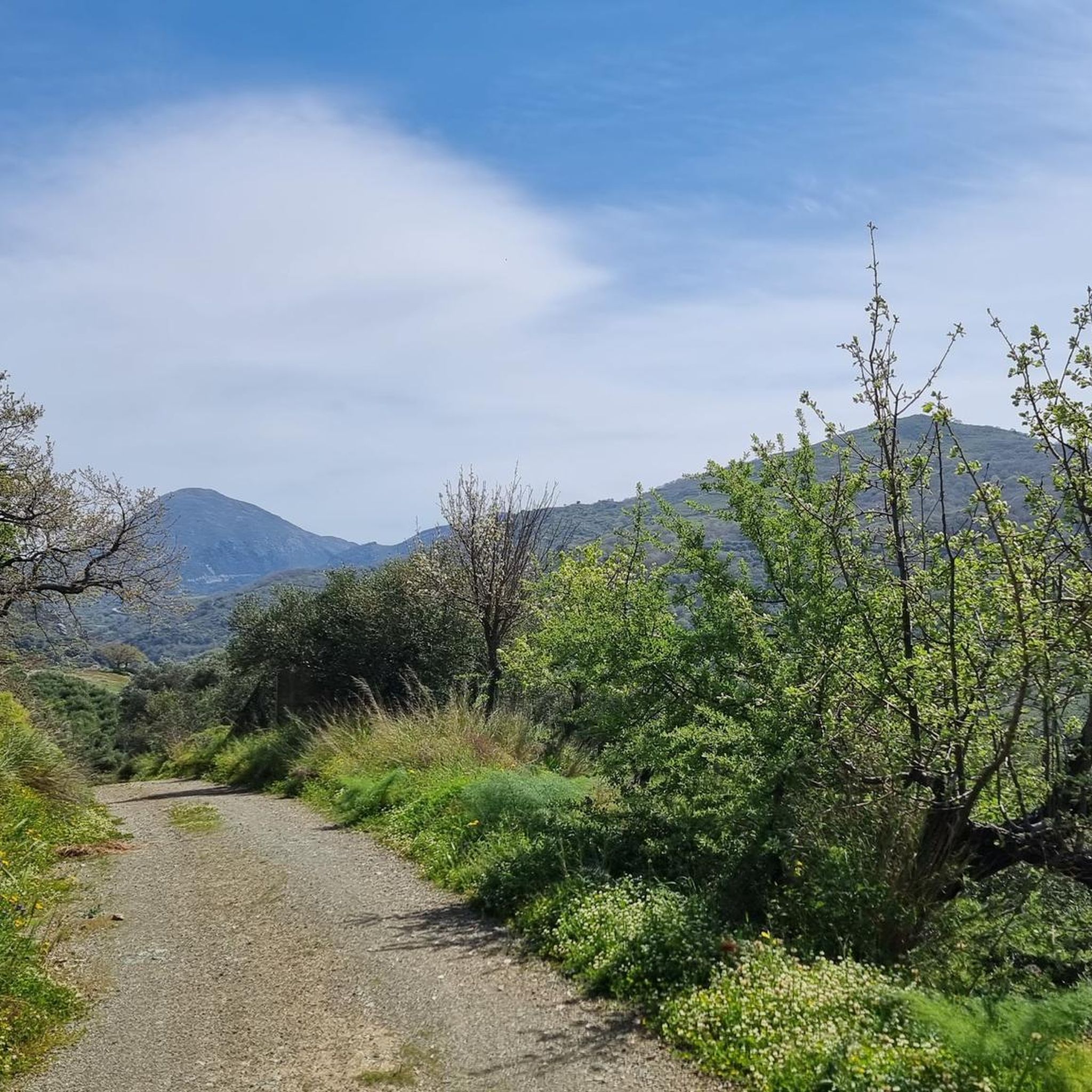
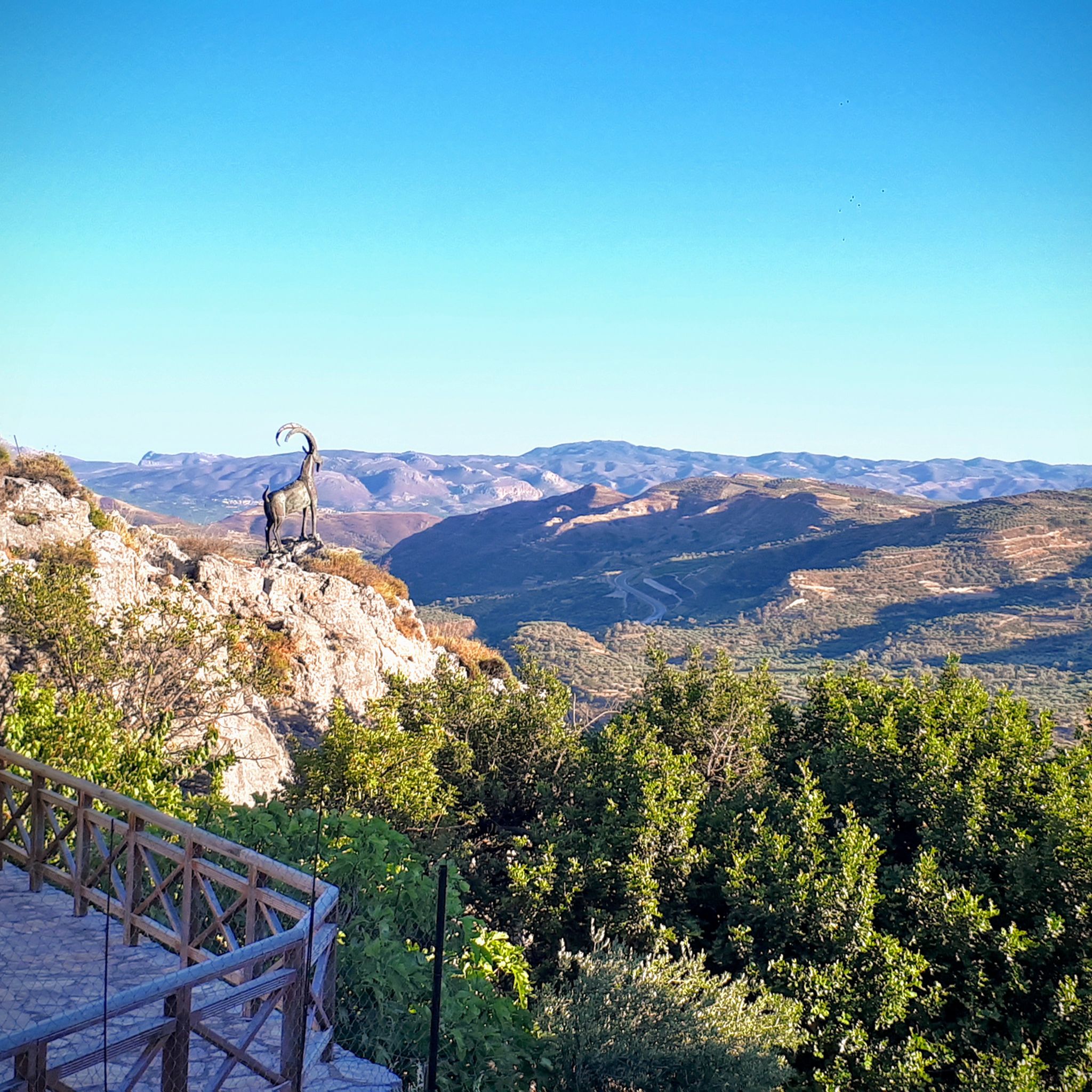
Other adventures in the Crete

Tips from the Community

Good driving conditions; no car traffic here, at least in winter.
0
0

The lagoon, located east of Balos Bay (Όρμος Μπάλος) between the Gramvousa Peninsula and the adjacent Cape Tigani (Ακρωτήρι Τηγάνι, meaning "pan") to the west, has a northern connection to the open sea at Gramvousa Bay (Όρμος Γραμβούσας), to which the lagoon technically belongs. The Cape Tigani Peninsula, approximately one kilometer long and 700 meters wide, rising to a height of 117 meters, is connected to the mainland at Balos only by a shallow, roughly 50-meter-wide isthmus. The lagoon extends east of this land bridge with an east-west extent of about 400 meters and approximately 600 meters south from the open sea.
2
0
Balos Bay lies on the western side of the now uninhabited Gramvousa peninsula. The peninsula, four kilometers wide in the south, stretches 12 kilometers north from the last settlement, Kaliviani, to Cape Vouxa, the northwesternmost point of Crete. At Balos, five kilometers southwest of Cape Vouxa, Gramvousa narrows to about one kilometer in width.
2
0
The Rodopos Peninsula, approximately 18 kilometers long, juts out into the Cretan Sea like an outstretched finger, measuring about 5 kilometers at its widest point. The peninsula is located in the western part of Crete's north coast. To its west lies the Bay of Kissamos and, about 15 kilometers away, the Gramvousa Peninsula with its offshore rocky islets of Imeri Gramvousa and Agria Gramvousa. To the east of Rodopos stretches the Bay of Chania. A mountain ridge runs through the peninsula from north to south, its highest peaks being Onichas (748 meters) and Spitakiou Korfi (646 meters). The northwesternmost point is Cape Spatha, which also marks the northernmost extent of the island of Crete.
2
0
Kissamos, also known as Kastelli, is a historic city on the island of Crete, Greece. It was once the port of Polyrrinia in antiquity and flourished particularly during the Roman and Byzantine eras. The Romans valued its strategic location and built an aqueduct, roads, and temples. However, the city suffered considerable damage from earthquakes in 66 AD and 365 AD. During the Byzantine period, it became a bishopric, and numerous churches were built on the ruins of Roman temples. In 1252, the Venetians conquered the city, divided it into 90 cavalry, and constructed the city walls of Kastelli, along with an urban plan. The Turkish occupation brought difficult times, with the city changing hands several times until Crete was finally liberated. Kissamos was last besieged in 1897, suffered bombing and looting during World War II, but after the war it became a popular tourist destination known for its natural beauty.
1
0
Balos (Greek: Μπάλος) is a bay with a lagoon behind it on the west coast of the Greek Mediterranean island of Crete. It is located in the municipality of Kissamos in the regional unit of Chania.
2
0
Rodopos (Greek: Χερσόνησος Ροδοπού) is a sparsely populated peninsula in the northwestern part of the Greek island of Crete. Smaller settlements exist only in the southern part of the peninsula. The north, where the remains of an ancient sanctuary are located, is largely undeveloped. In antiquity, the peninsula was called Tityros (Τίτυρος).
2
0
Frequently Asked Questions
How many gravel bike trails are available in Crete?
Crete offers a diverse range of gravel biking experiences, with over 5 routes currently available. These routes cater to various skill levels, from moderate coastal rides to challenging mountain ascents.
What is the best time of year for gravel biking in Crete?
The ideal seasons for gravel biking in Crete are spring (March to May) and fall (September to October). During these months, temperatures are moderate, and the natural landscape is vibrant. While summer can be hot, early morning or late evening rides are still possible.
Are there options for less experienced gravel bikers in Crete?
Yes, Crete has routes suitable for less experienced riders. For example, the Hersonissos Village Square – Beach loop from Limenas Chersonisou is a moderate 12.6-mile (20.3 km) path featuring coastal scenery and passing through urban areas, offering a less strenuous option.
What kind of terrain can I expect on Crete's gravel bike trails?
Crete's gravel bike trails are incredibly diverse, encompassing rugged mountain ranges like the Lefka Ori and Ida Mountains, dramatic gorges, and fertile plateaus such as Lassithi. You'll encounter a mix of challenging mountain passes, quiet inland roads through olive groves, and scenic coastal paths, providing varied asphalt and gravel surfaces.
Are there challenging gravel bike routes for experienced riders?
Absolutely. Experienced gravel bikers will find plenty of challenging routes in Crete. The island's mountainous terrain offers significant elevation gains. For instance, the View of the Rodopou Peninsula – View of Balos Beach and the lagoon loop from Kissamos is a difficult 20.5-mile (33.0 km) trail with substantial elevation gain and panoramic views, perfect for those seeking a demanding ride.
Can I find gravel bike routes that pass through traditional villages?
Many gravel routes in Crete offer opportunities to explore traditional villages, especially in areas like the Lassithi Plateau and the Amari Valley. These routes provide a cultural dimension to your ride, allowing you to experience local life and architecture. The Dikti Mountains, in particular, are known for less-traveled roads connecting traditional villages.
Are there any circular gravel biking routes in Crete?
Yes, several routes are designed as loops, allowing you to start and end at the same point. An example is the Cave in Thrypti, Ierapetra – Taverna With Panoramic View loop from Fortress of Kales, a 25.1-mile (40.5 km) trail through mountainous terrain.
Which routes offer the most scenic viewpoints?
Crete is renowned for its stunning vistas. Routes in the Lefka Ori (White Mountains) and Ida Mountains often provide panoramic views from high elevations. The View of the Rodopou Peninsula – View of Balos Beach and the lagoon loop from Kissamos is specifically highlighted for its panoramic views, including the iconic Balos Beach and lagoon.
What attractions can I explore along the gravel bike trails in Crete?
Gravel biking in Crete allows you to discover a wealth of attractions. You can encounter historical sites like the Milia Mountain Retreat & Restaurant or the Arkadi Monastery. The island also features natural wonders such as the Psiloritis (Timios Stavros) Summit and various gorges, offering a blend of cultural and natural exploration.
Where can I find parking for gravel bike trails in Crete?
Parking availability varies by location. For routes starting near towns or popular attractions, you can often find designated parking areas. In more remote areas, roadside parking might be an option, but it's always advisable to check local regulations and ensure your vehicle is safely parked without obstructing traffic or access.
What do other gravel bikers say about the trails in Crete?
The gravel biking routes in Crete are highly rated by the komoot community, with an average score of 3.0 stars. Reviewers often praise the diverse terrain, the blend of challenging ascents and scenic descents, and the opportunity to explore both coastal beauty and rugged inland landscapes.
Are there less crowded gravel bike routes in Crete?
To find less crowded routes, consider exploring trails in the Dikti Mountains or the Amari Valley, which are known for their quiet, less-traveled roads and trails. These areas often provide a more serene gravel biking experience away from the main tourist hubs, allowing for long trips through the interior.
Most popular routes in the Crete
Most popular attractions in the Crete

Get inspired with the komoot mobile app


Explore more
Browse the best Gravel rides in other regions.
