The best traffic-free bike rides in the Crete
4.5
(717)
9,484
riders
57
rides
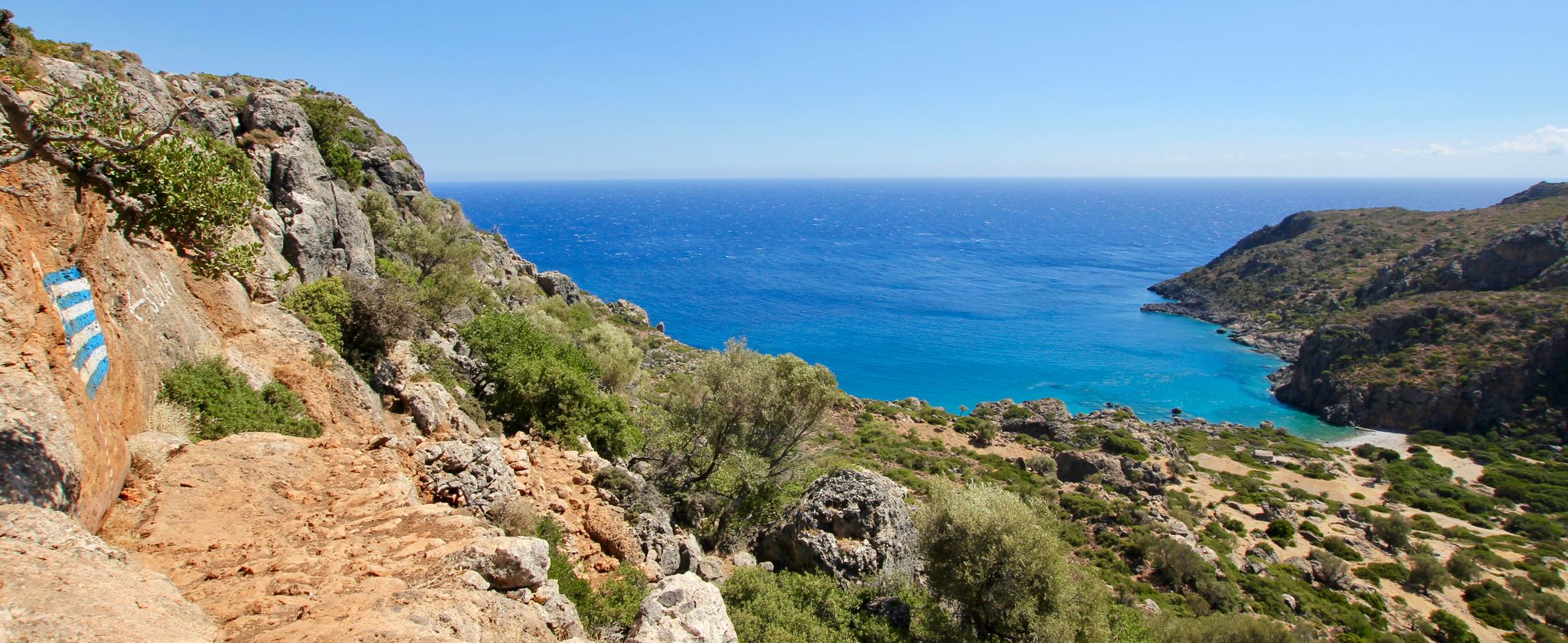
No traffic road cycling routes in Crete traverse a diverse landscape characterized by extensive mountain ranges, deep gorges, and fertile plateaus. The island's geography offers a dynamic backdrop for exploration, from challenging mountain passes with significant elevation gains to scenic coastal roads. Cyclists can navigate quiet country roads through olive groves and traditional villages, providing varied terrain for different skill levels.
Best no traffic road cycling routes in the Crete
- The most popular no traffic road cycling route is Meseleri Pass – Agios Nikolaos Harbor loop from Kato Chorio, a 46.4 miles (74.6 km) trail that takes 4 hours 7 minutes to complete. This difficult route offers significant elevation gain through mountainous terrain.
- Another top favourite among local road cyclists is Roadbike loop from Gazi, a difficult 25.3 miles (40.6 km) path. This route features varied terrain with notable climbs, providing a challenging experience.
- Local road cyclists also love the Koufara Valley – Alpine Ascent Near Anogeia loop from Agios Nikolaos, a 34.2 miles (55.0 km) trail leading through mountain valleys and near alpine ascents, often completed in about 3 hours 6 minutes.
- Road cycling in Crete is defined by challenging mountain passes, dramatic gorges, and scenic coastal roads. The network offers options for different ability levels, from demanding climbs to more moderate routes through rural landscapes.
- The routes in Crete are highly rated by the komoot community with an average score of 4.5 stars from more than 600 reviews. More than 8,700 road cyclists have used komoot to explore Crete's varied terrain.
Last updated: August 22, 2026
4.9
(8)
88
riders
72.3km
04:07
1,400m
1,400m
Hard road ride. Very good fitness required. Some segments of this route may be unpaved and difficult to ride.
5.0
(3)
82
riders
40.6km
02:19
930m
930m
Hard road ride. Very good fitness required. Mostly well-paved surfaces and easy to ride.

Sign up for free
4.8
(5)
49
riders
55.0km
03:06
1,150m
1,150m
Hard road ride. Very good fitness required. Mostly well-paved surfaces and easy to ride.
5.0
(2)
43
riders
Hard road ride. Very good fitness required. Some segments of this route may be unpaved and difficult to ride.
5.0
(1)
30
riders
40.7km
02:28
1,050m
1,050m
Hard road ride. Very good fitness required. Mostly well-paved surfaces and easy to ride.
Get access to more routes and recommendations from other explorers.
Sign up for free
Already have an account?
Our route recommendations are based on thousands of hikes, rides, and runs completed by other people on komoot.
Start today with a free account
Your next adventure awaits.
Login or Signup

Other adventures in the Crete

Tips from the Community

The name Agia Galini (meaning "Saint Galini") is associated with Saint Galini, who was martyred in Corinth in the 3rd century AD. According to Cretan mythology, Agia Galini was the place where Daedalus and his son Icarus escaped from the captivity of King Minos.
1
0
Agia Galini lies in southern Crete on the Libyan Sea. Nearby villages include Melambes, Kria Vrisi, and Agios Pavlos. Together with the village of Xirokambos, the port town forms a local community within the municipality of Agios Vasilios. East of Agia Galini, the Platis River flows into the Libyan Sea. Off the coast lie the two uninhabited Paximadia Islands (also known as the Zwieback Islands).
1
0

Bourolos Pass 818 m Quäldich Pass Description: Anyone traveling from the Rethymnon area towards the Imbros or Kallikratis-Kapsodasos Passes must first conquer the Bourolos Pass, unless they choose a longer detour via Sellia along the south coast of Crete. The pass runs roughly west-east, with two ascents from the east. The southern ascent offers several options at the beginning. The eastern ascents are quite scenic, while the pass summit itself is barren and unspectacular.
0
0
The name Frangokastello comes from a Venetian castle built in 1371 on a low peninsula, the crenellated outer walls of which still stand today. Above the south gate of the fortress, the coat of arms of the Venetian builders, the Lion of Saint Mark, is still well preserved. Inside the structure, however, only the foundations of the complex are visible. The castle, which was restored again by the Venetians under their commander Nicolo Dona in 1593, was later abandoned. Subsequently, the local inhabitants of Sfakio removed the beams from the towers and rooms.
1
0

Beautiful shady route
2
1

This village was total death, not a car and no people.....but i loved to experience this silence
0
0

Beautiful, approximately 400-meter-long sandy beach. Crystal-clear water and very clean.
3
1
Frequently Asked Questions
How many no-traffic road cycling routes are available in Crete?
There are nearly 60 dedicated no-traffic road cycling routes in Crete, offering a wide range of experiences. These include 3 easy routes, 28 moderate routes, and 26 difficult routes, ensuring options for various skill levels.
What is the best time of year for no-traffic road cycling in Crete?
The ideal seasons for road cycling in Crete are spring (April-May) and fall (September-October). During these months, temperatures are moderate, and tourist crowds are thinner, providing a more pleasant and tranquil cycling experience on the island's quiet roads.
Are there any easy no-traffic road cycling routes suitable for beginners in Crete?
Yes, Crete offers a few easy no-traffic road cycling routes perfect for beginners or those seeking a more relaxed ride. These routes often pass through tranquil plateaus, olive groves, and traditional villages, allowing for a gentle introduction to the island's beauty without significant climbs.
What kind of landscapes can I expect on no-traffic road cycling routes in Crete?
Crete's no-traffic routes traverse diverse landscapes. You can expect challenging mountain passes in areas like the Lefka Ori or Ida Mountains, scenic coastal roads with breathtaking sea views, and tranquil routes through fertile plateaus like Lasithi, famous for its traditional windmills. Many routes also wind through ancient olive groves and charming traditional villages.
Are there any circular no-traffic road cycling routes in Crete?
Yes, many of the no-traffic road cycling routes in Crete are designed as loops, allowing you to start and finish at the same point. For example, you could explore the Meseleri Pass – Agios Nikolaos Harbor loop from Kato Chorio or the Roadbike loop from Gazi, which offer varied terrain and scenic vistas.
What are some notable viewpoints or attractions along these routes?
Crete's no-traffic routes offer numerous scenic viewpoints and attractions. You might encounter dramatic gorges, traditional villages, or historical sites. Specific highlights include the Kallikratis Pass, the summit of Psiloritis, or the historic Windmills at Ambelos Pass. Routes like the Frangokastello Castle – View of Souda Beach loop also offer historical landmarks.
What do other cyclists enjoy most about no-traffic road cycling in Crete?
The komoot community highly rates road cycling in Crete, with an average score of 4.5 stars from over 600 reviews. Cyclists frequently praise the island's diverse and rugged landscapes, the challenge of its mountain passes, and the tranquility of its quiet, traffic-free roads that allow for deep immersion in the local culture and stunning natural beauty.
Are there any coastal no-traffic road cycling routes?
Yes, Crete's extensive coastline provides numerous scenic no-traffic routes with breathtaking sea views. These routes are often ideal for more relaxed rides with gentle ascents and descents. An example is the Agia Galini – Scenic Coastal Road loop from Agia Galini, which offers picturesque views along the coast.
Can I find cafes or places to stop for refreshments along the no-traffic routes?
Absolutely. Many no-traffic road cycling routes in Crete pass through traditional villages and towns where you can find local eateries, traditional tavernas, and cafes. These stops offer a chance to refuel, experience local hospitality, and immerse yourself in the island's culture away from the main tourist hubs.
What should I wear for no-traffic road biking in Crete during spring?
During spring (April-May), Crete's weather is generally mild and pleasant. We recommend wearing layers, as temperatures can vary throughout the day and with elevation changes. A lightweight, breathable jersey, cycling shorts, arm warmers, and a windproof gilet or jacket are usually suitable. Don't forget sunglasses and sunscreen, as the sun can be strong.
Are there any advanced or challenging no-traffic road cycling routes in Crete?
Yes, Crete is well-known for its challenging terrain, and many no-traffic routes cater to advanced cyclists. These routes often feature significant elevation gains and long climbs through mountain ranges like the Ida Mountains. The Koufara Valley – Alpine Ascent Near Anogeia loop from Agios Nikolaos is a good example of a difficult route offering substantial climbs and rewarding views.
Most popular routes in the Crete
Most popular attractions in the Crete

Get inspired with the komoot mobile app


Explore more
Browse the best Road cycling routes in other regions.
