Top 5 Lakes around Caston
Best lakes around Caston are characterized by unique post-glacial depressions known as pingos, which form a distinctive landscape. This area, particularly Thompson Common, is a significant natural habitat managed by the Norfolk Wildlife Trust. It features a diverse ecosystem with numerous plant and insect species, including a high concentration of dragonflies and damselflies. The region offers opportunities for exploring these geological formations and observing local wildlife.
Best lakes around Caston
- The most popular lakes is Thompson Water, a lake…
Last updated: October 1, 2026
Thompson Water
Highlight • Lake
Tip by

Pingo Pond on the Pingo Trail
Highlight • Natural
Tip by

Sign up now to discover places like this
Get recommendations on the best single tracks, peaks, & plenty of other exciting outdoor places.
Thompson Common Pingos and Ponds
Highlight • Lake
Tip by
Langmere Lake
Highlight • Natural
Tip by
East Wretham Heath Nature Reserve
Highlight • Natural
Tip by
Start today with a free account
Your next adventure awaits.




Tips from the Community

Take time to go off the trail to the bird hides and vantage points around the water. The route is best in spring before the nettles take over the path in summer!
0
0

The pub in Thomson (The Chequers) on Griston Road is worth a visit...old with lots of character.
0
0

Not so good spot for lunch, move on and find a better place
0
2
Really nice easy walk good on a warm day with shelter from the forests
1
0

Thompson Water and the common form an SSSI managed by the Norfolk Wildlife Trust. It's a particularly important area for dragonflies and damselflies.
0
0

The Pingo Trail is an 8 mile hike around Thompson Common which takes in the delights of the ice age pools known as pingos. As the ground froze, water underneath froze to create little hills. When the ice melted the earth dropped back down and created the pingos. They are usually found in places such as Greenland and Alaska so it is an interesting and unique place to visit.
1
0
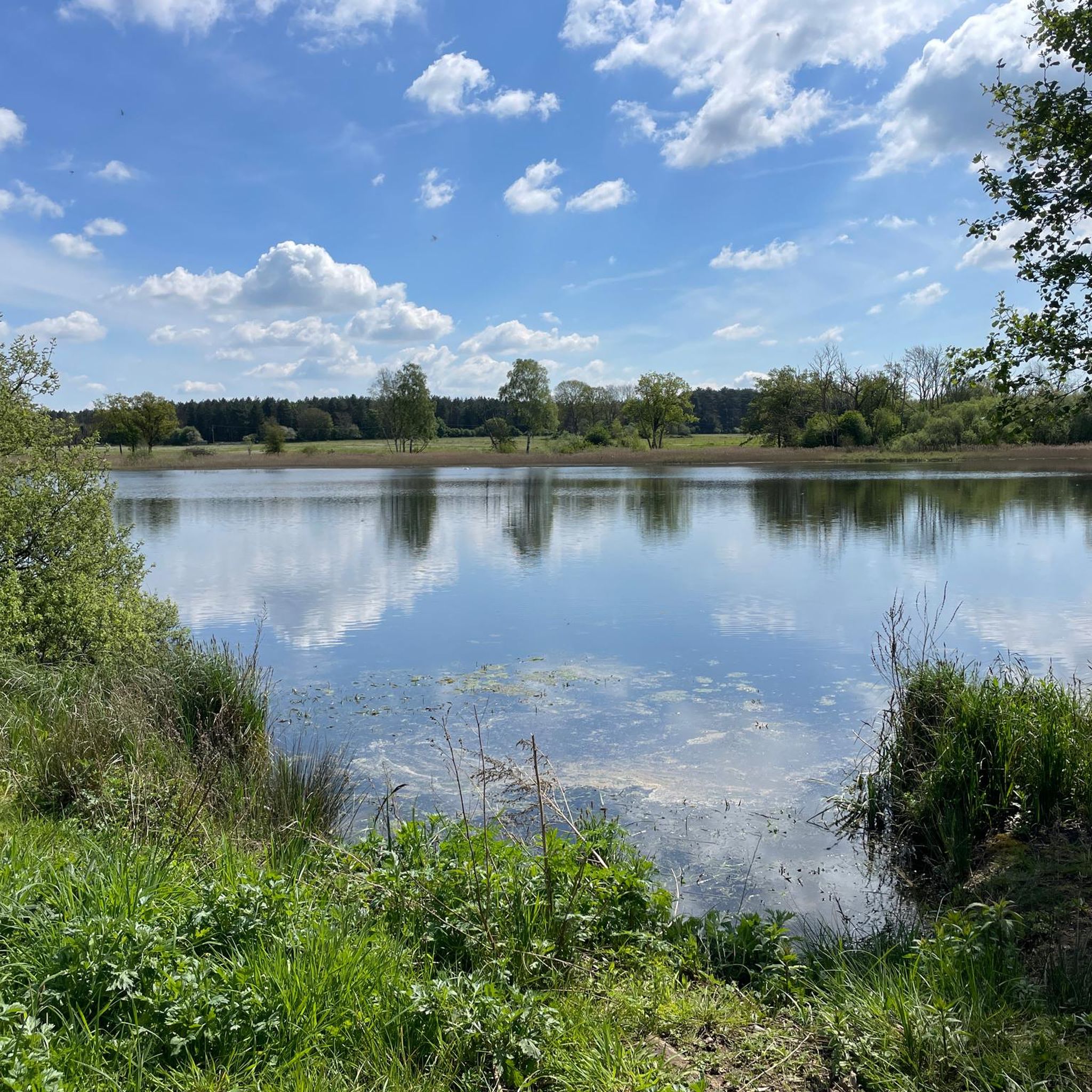
Thompson Common is an important habitat for wildlife, with dragonflies, damselflies, otters and pool frogs all in residence. The common is famous for its pingos, post glacial depressions that look like small ponds.
1
0
Frequently Asked Questions
What makes the lakes around Caston unique?
The lakes around Caston are distinctive due to their 'pingos,' which are unique post-glacial depressions formed by melting ice during the ice age. These geological features are more commonly found in regions like Greenland and Alaska, making the Caston area a particularly interesting and unique place to visit. Areas like Thompson Common, managed by the Norfolk Wildlife Trust, are significant natural habitats showcasing these formations.
Which lakes are best for wildlife spotting in Caston?
For wildlife spotting, Thompson Water and Thompson Common are excellent, known for over 400 plant species and a high diversity of dragonflies and damselflies. Thompson Common Pingos and Ponds are home to otters, pool frogs, and numerous dragonflies. Langmere Lake is great for observing various bird species, while East Wretham Heath Nature Reserve hosts rare plants, insects, and scarce breeding birds like woodlark and redstart.
Are there family-friendly lakes to visit near Caston?
Yes, several lakes and natural areas around Caston are family-friendly. Thompson Water, Pingo Pond on the Pingo Trail, Thompson Common Pingos and Ponds, Langmere Lake, and East Wretham Heath Nature Reserve are all suitable for family visits, offering opportunities for easy walks and nature observation.
What kind of hiking trails can I find near the lakes around Caston?
You'll find a variety of hiking trails near Caston's lakes. The Pingo Trail, an 8-mile hike, takes you past unique ice age pools like Pingo Pond. For more options, explore the easy hikes around Caston, which include routes like the Thompson Water – Woodland Wild Camping Spot loop. The area also features the Great Eastern Pingo Trail, offering scenic routes for various skill levels.
What is the best time of year to visit the lakes in Caston?
The lakes around Caston are beautiful year-round, but spring and summer are particularly vibrant for wildlife, especially for spotting dragonflies and damselflies. Autumn offers scenic beauty with changing foliage. For walking, spring and early autumn provide pleasant weather. Winter walks can be peaceful, but always check local conditions.
Are dogs allowed on trails and around the lakes in Caston?
Many natural areas and trails around Caston are dog-friendly, including Thompson Water. It's generally recommended to keep dogs on a lead, especially in nature reserves like Thompson Common and East Wretham Heath, to protect local wildlife and ensure a pleasant experience for all visitors. Always check specific signage at each location for any restrictions.
Where can I go running near the lakes in Caston?
The Caston area offers several running trails. You can explore routes like The Great Eastern Pingo Trail, which is a moderate 11.6 km run, or shorter loops such as the Running loop from RAF Watton (disused) at 5.6 km. For more options, check out the running trails around Caston.
Are there cycling routes that pass by the lakes in Caston?
Yes, there are cycling routes in the vicinity of Caston's lakes. For example, the Thatched Cottage – Merton Air Raid Shelter loop from Caston is an easy 17.8 km ride. You can find more cycling options, including longer routes, by exploring the cycling guide for Caston.
What are 'pingos' and where can I see them around Caston?
Pingos are unique geological formations: small hills that formed when water under the ground froze, expanded, and pushed up the earth. When the ice melted, the earth dropped, creating distinctive depressions that often fill with water, forming ponds. You can see these fascinating features at Pingo Pond on the Pingo Trail and throughout Thompson Common Pingos and Ponds, which is famous for its series of around 400 post-glacial depressions.
What is the significance of Thompson Common in the Caston area?
Thompson Common is a highly significant natural habitat managed by the Norfolk Wildlife Trust. It's an important Site of Special Scientific Interest (SSSI) known for its unique pingos and exceptional biodiversity. It boasts over 400 different plant species and is one of the most important sites in the county for dragonflies and damselflies, with 19 breeding species recorded. It's also home to otters, pool frogs, and a wide array of insects.
Are there any cafes or pubs near the lakes in Caston?
While specific cafes directly at the lake shores are not highlighted, nearby towns offer amenities. For instance, The Chequers pub in Thompson (on Griston Road) is mentioned as a place with character that's worth a visit when exploring the Pingo Trail area.
What is special about Langmere Lake?
Langmere Lake is known for its unique hydrological characteristic: its water level can fluctuate significantly by several meters each year, sometimes even disappearing, in harmony with underground water levels. This phenomenon makes it an interesting spot to observe, and it's also a good location for birdwatching, with species like coot, curlew, snipe, and teal often seen.
Most popular attractions around Caston

Get inspired with the komoot mobile app


Explore more
Still not found your perfect lake around Caston? Check out the guides of these regions to see even more beautiful places.
