Top 20 Caves in Gran Canaria
Best caves in Gran Canaria offer a glimpse into the island's geological formations and rich history. Gran Canaria, a volcanic island in the Atlantic, features a diverse landscape ranging from arid plains to lush ravines. Its unique geological caves Gran Canaria include natural formations and ancient human-made structures. These sites often served as dwellings, granaries, or religious centers for the indigenous Canarian people.
Best caves in Gran Canaria
- The most popular caves is Fortaleza Grande Cave, a cave that…
Last updated: June 25, 2026
Fortaleza Grande Cave
Highlight • Cave
Translated by Google •
Tip by

Caballero Caves
Highlight • Cave
Translated by Google •
Tip by

Sign up now to discover places like this
Get recommendations on the best single tracks, peaks, & plenty of other exciting outdoor places.
Sign up for free
Roque Bentayga
Highlight • Natural Monument
The Bentayga …
Translated by Google •
Tip by

Cave of Four Doors
Highlight • Cave
Translated by Google •
Tip by

Goat Caves at Degollada de las Yeguas
Highlight • Cave
Translated by Google •
Tip by

Sign up for free to discover even more caves in Gran Canaria.
Sign up for free
Already have an account?
Start today with a free account
Your next adventure awaits.
Login or Signup
Popular around Gran Canaria
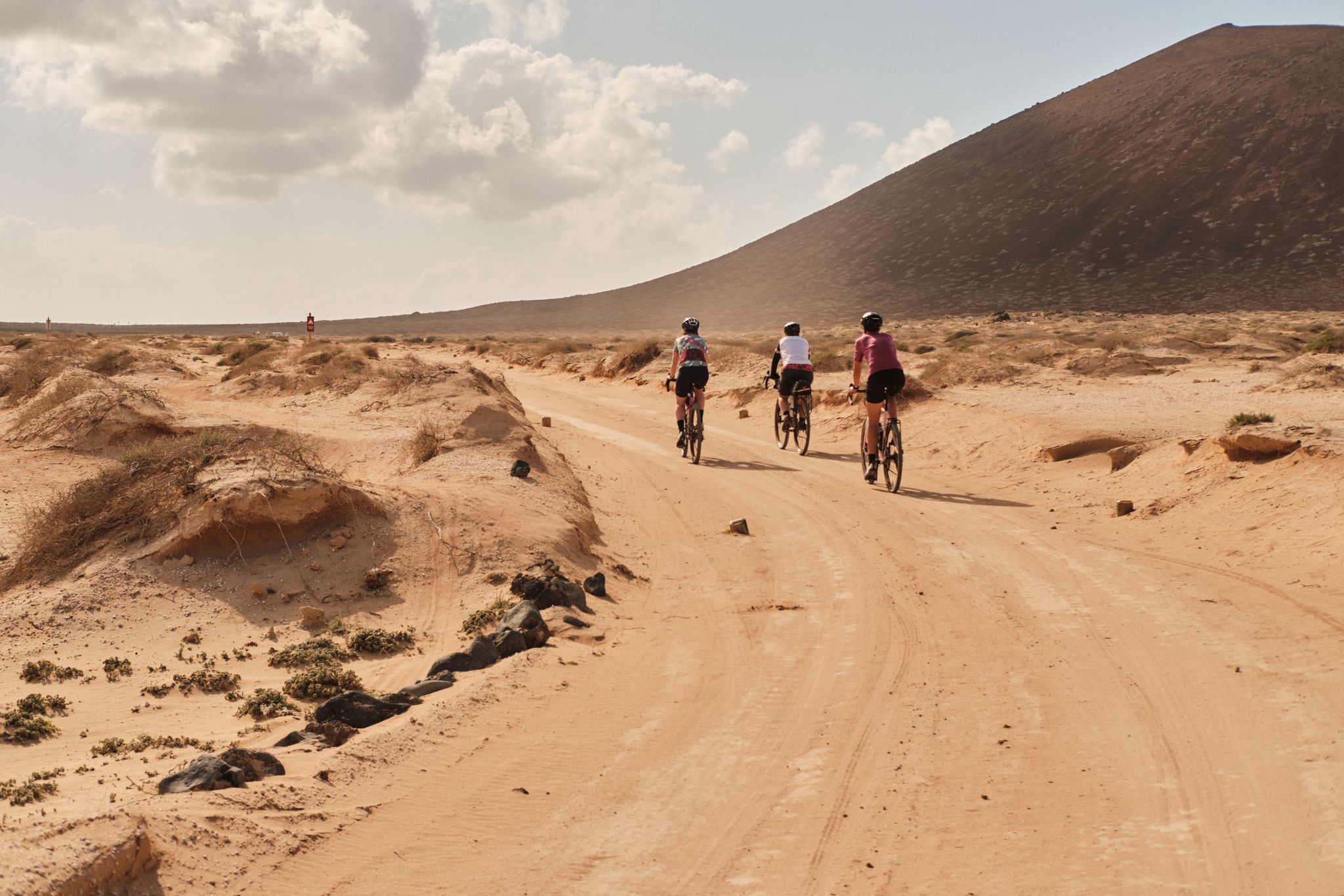
GranGuanche gravel – Komoot women's rally 2023
GranGuanche Audax Trail – my first ultra race on the Canary Islands
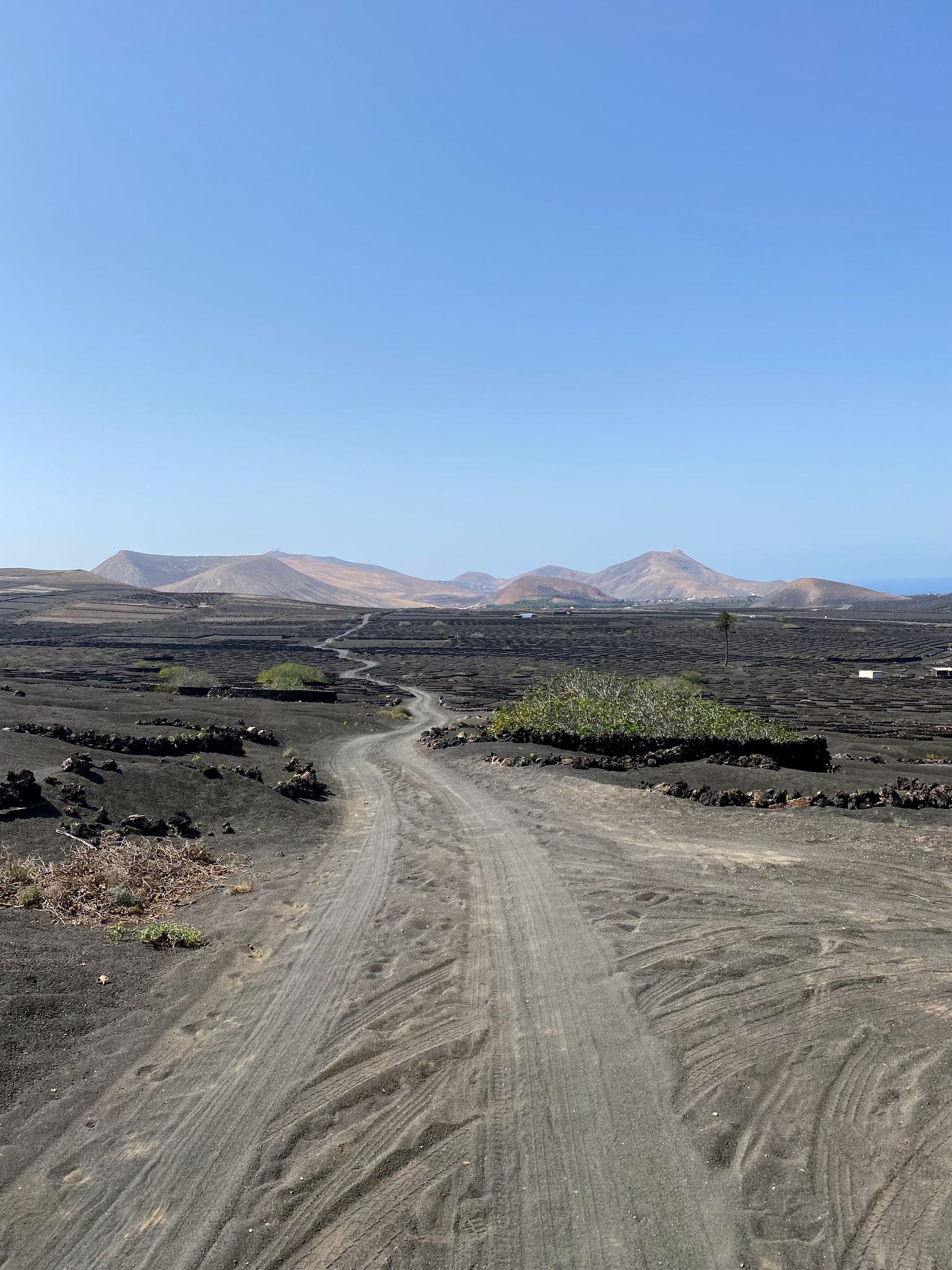
Bikepack in the Canary Islands – surprising adventures in the sun
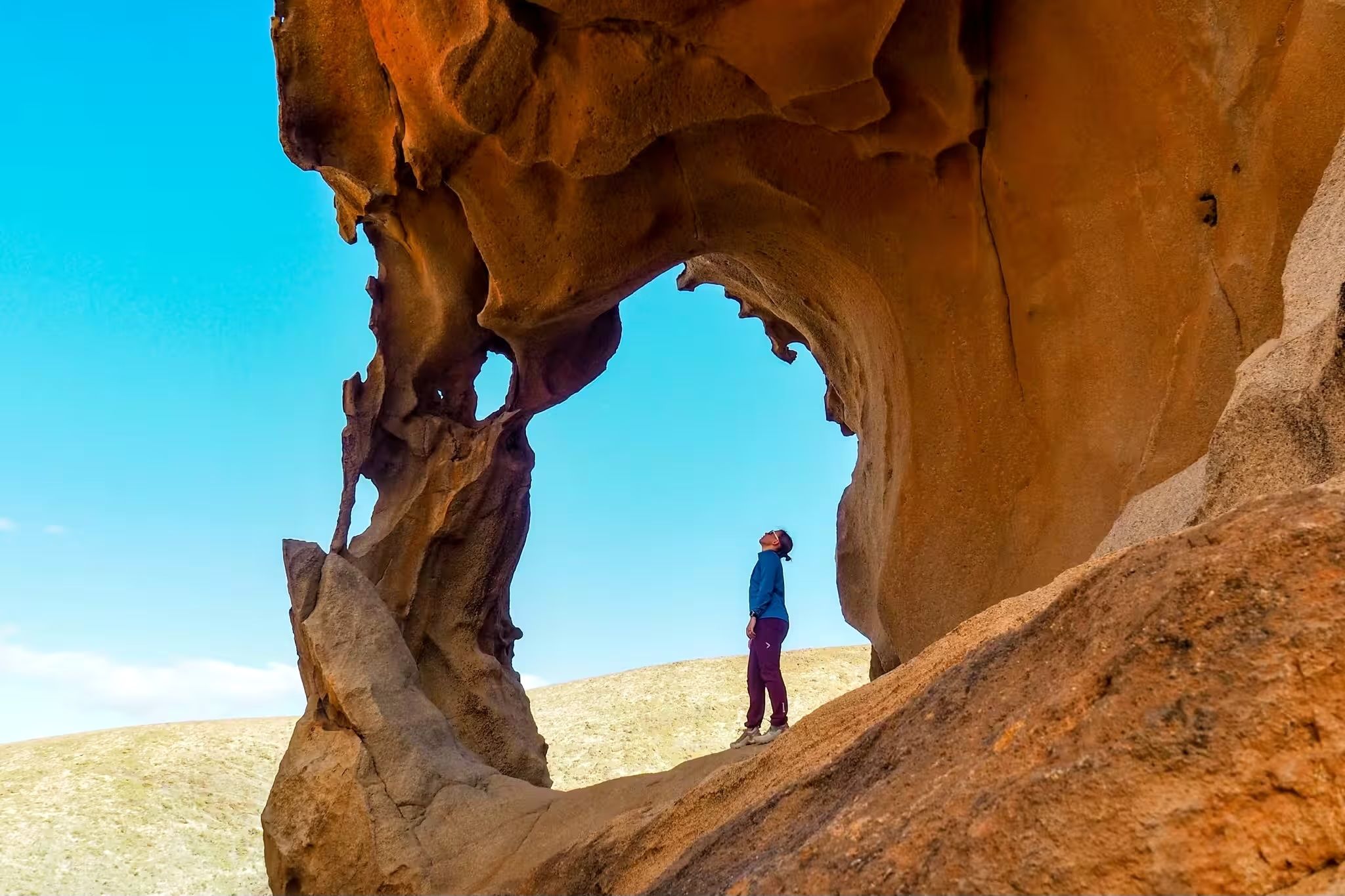
Canary Islands at a slow pace – six hikes immersed in nature
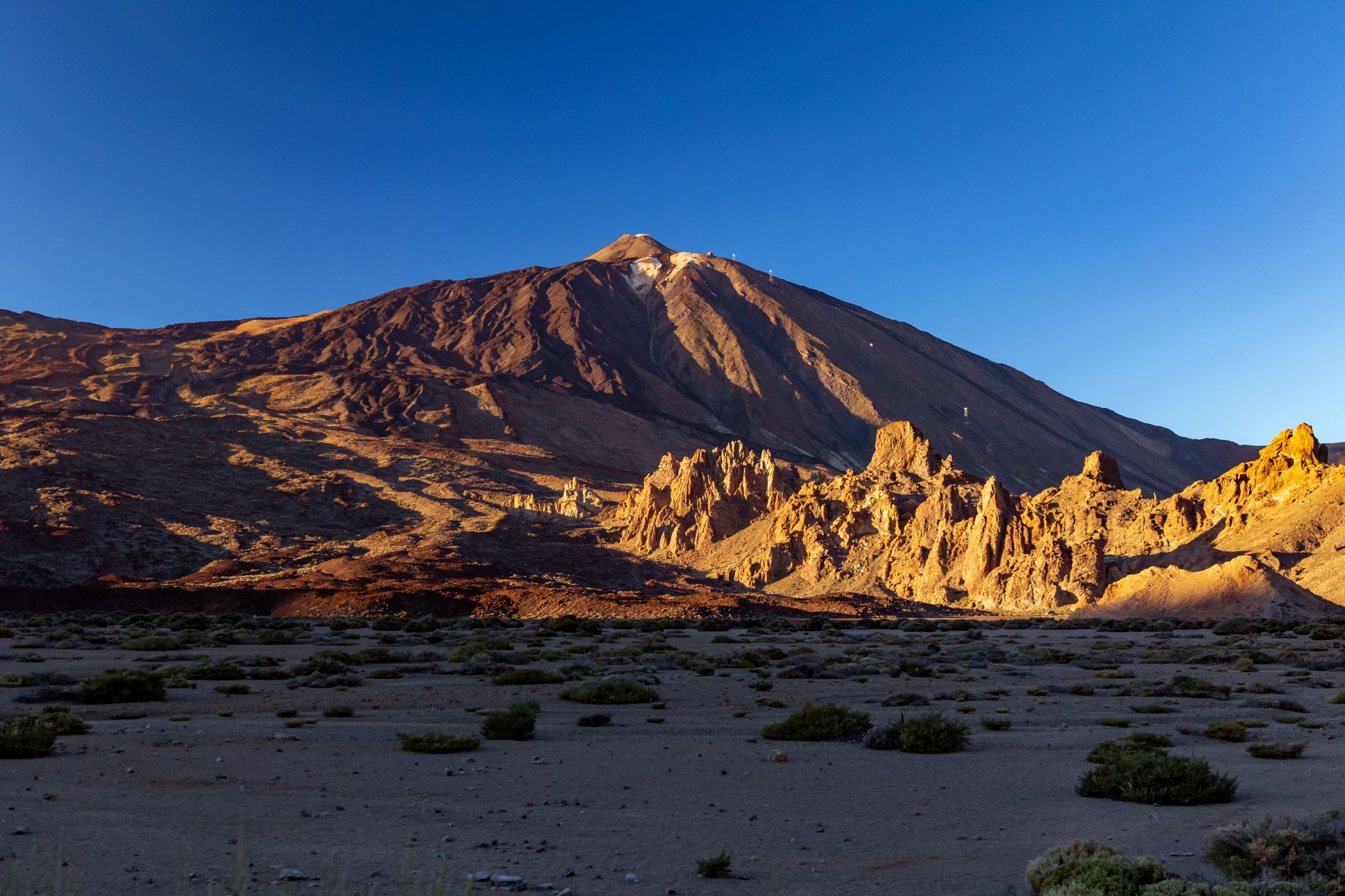
Six fascinating ways to discover the Canary Islands on foot
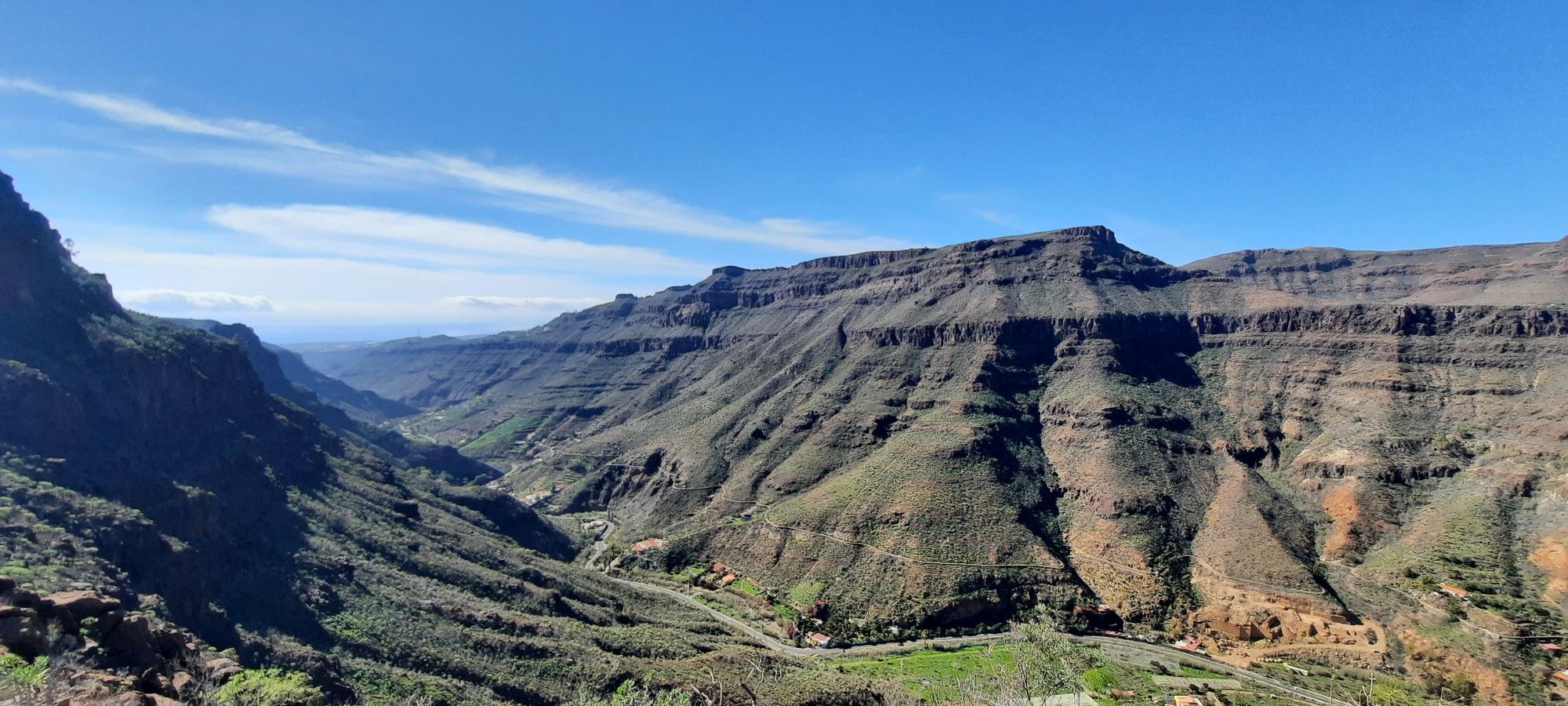
The challenge of the year — Transgrancanaria Classic
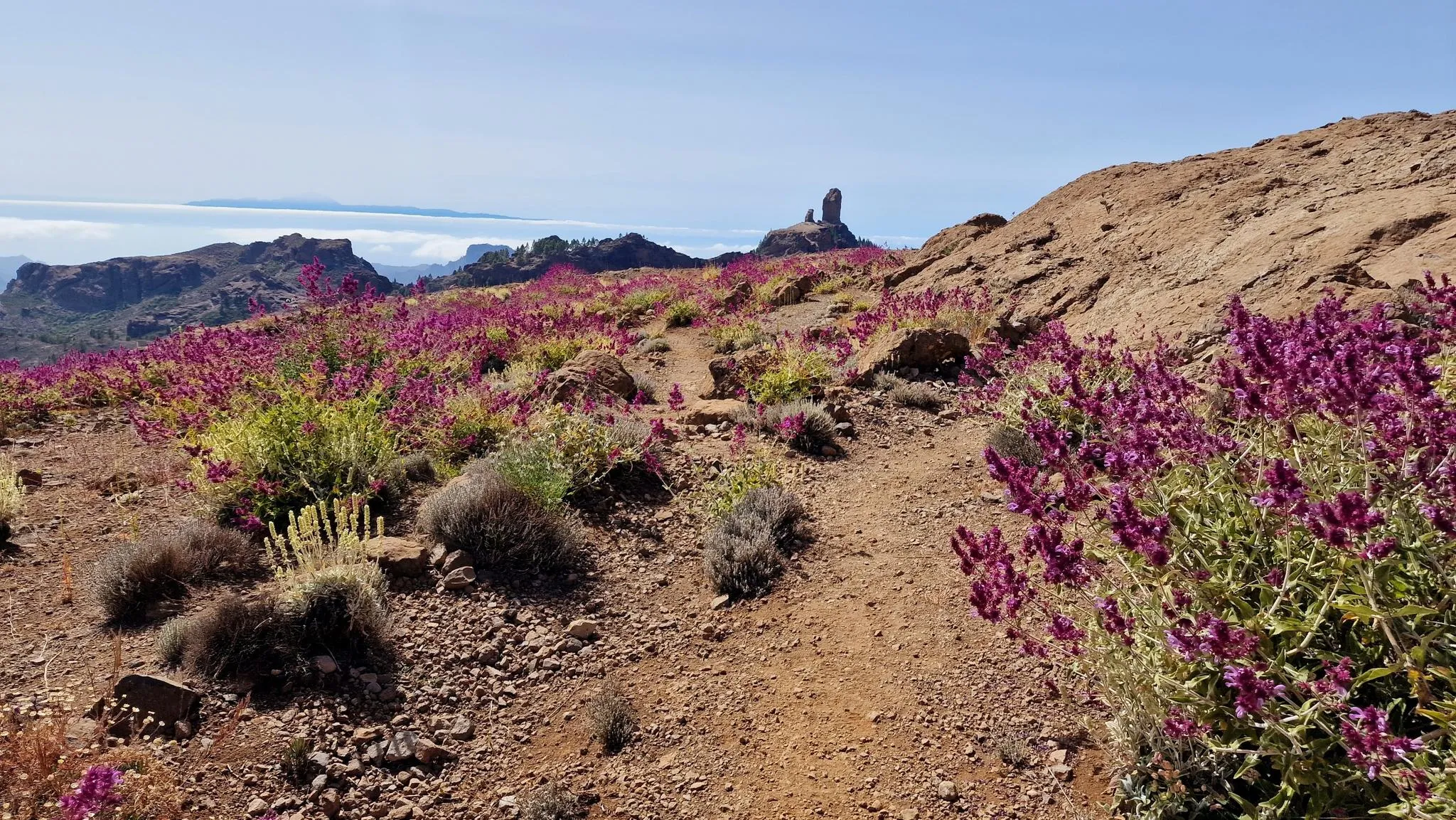
An island of contrasts – crossing Gran Canaria
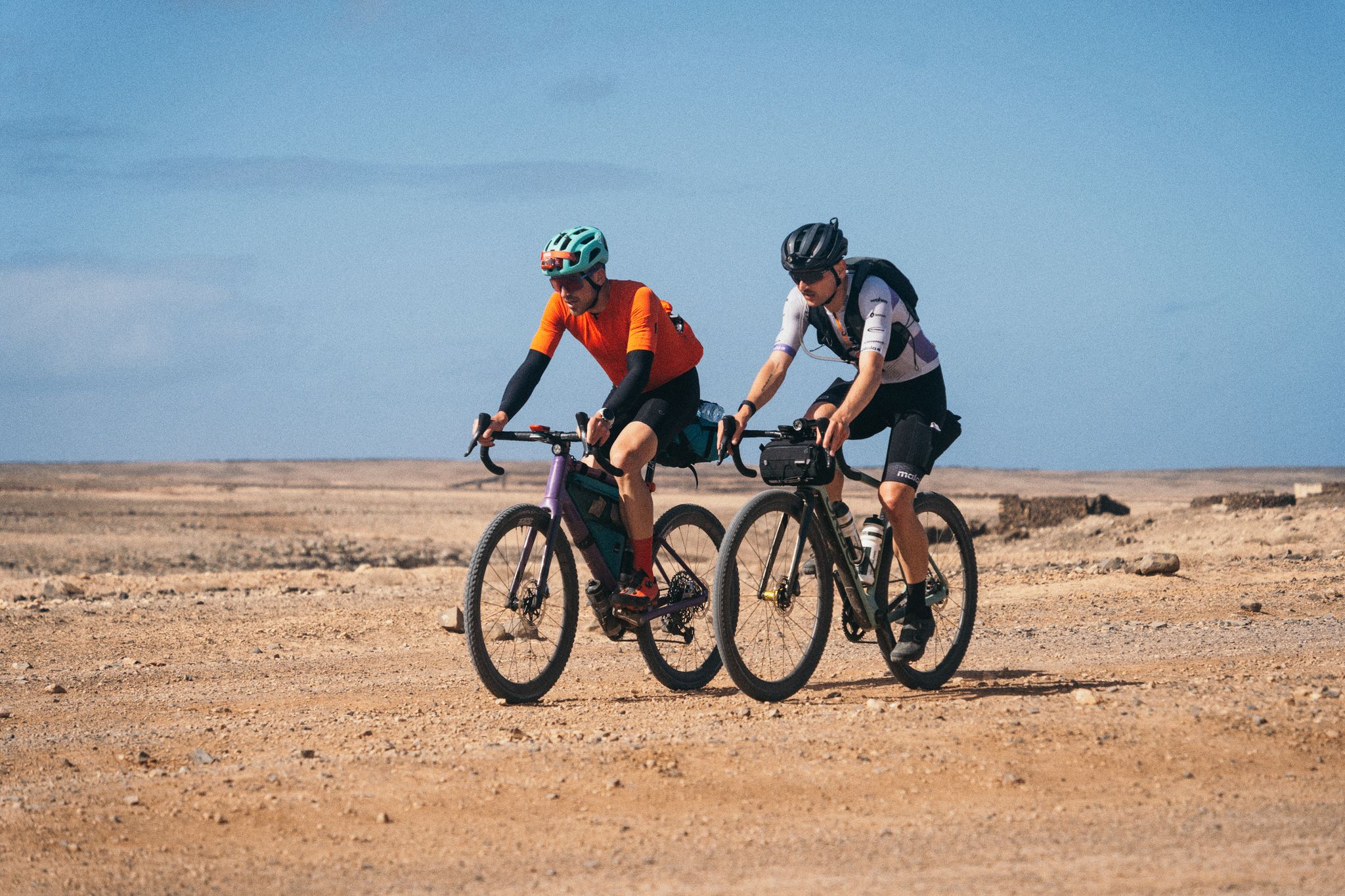
GranGuanche Audax Gravel — five islands in two and a half days
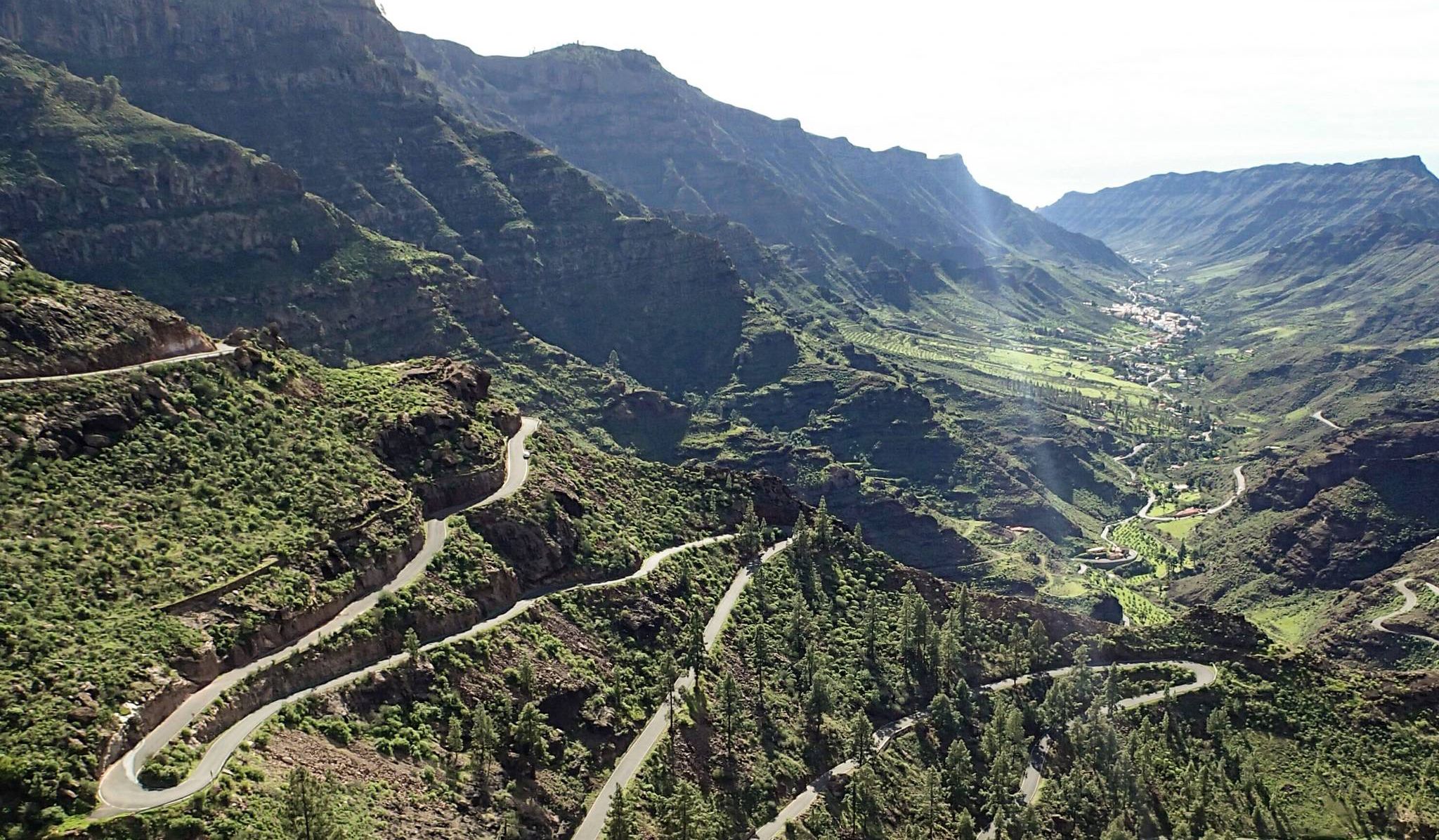
Escape to the south — road cycling in Gran Canaria
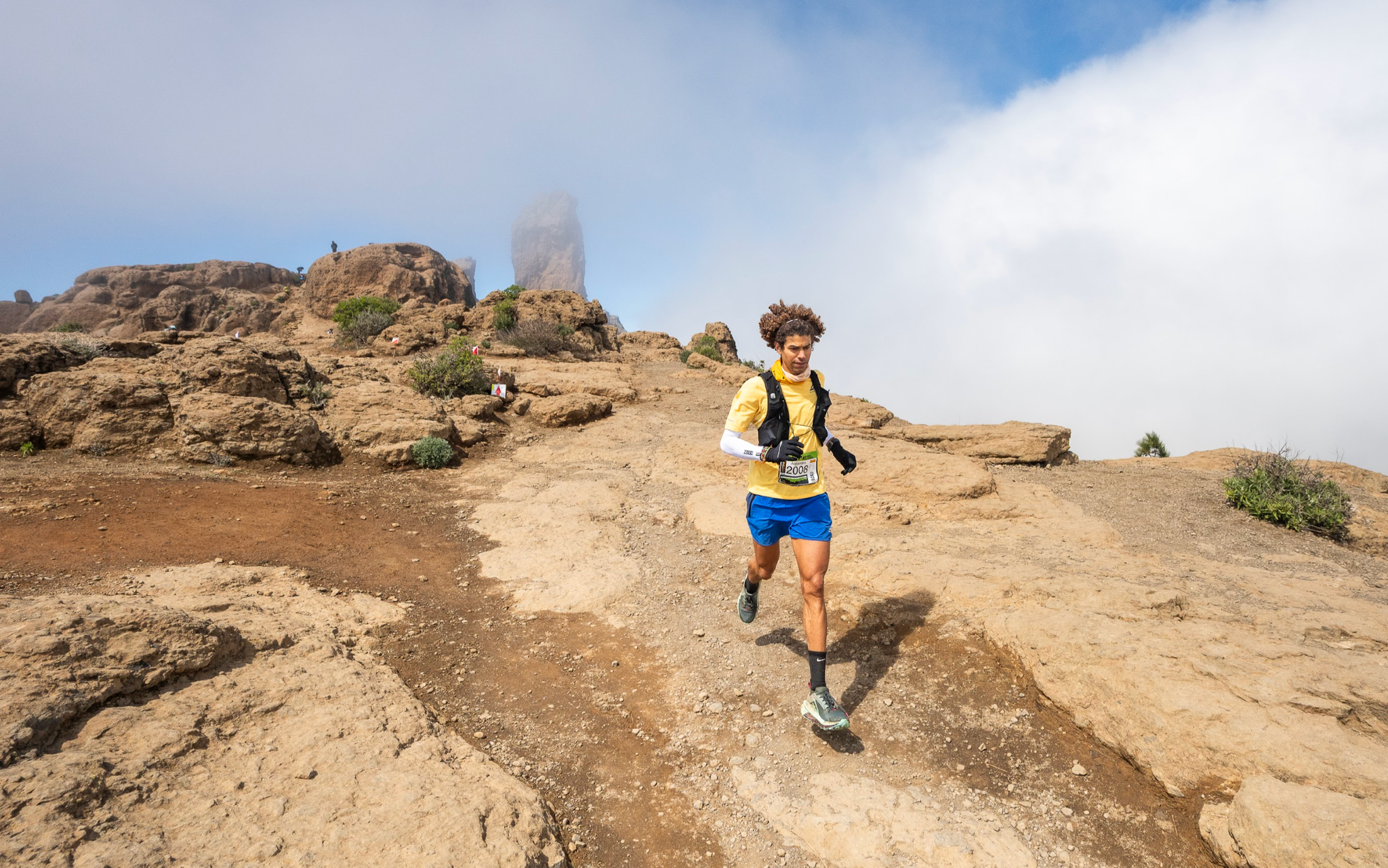
Trail aux îles Canaries — Découvrez les courses mythiques de l'archipel !
Other adventures in Gran Canaria


Tips from the Community

A very impressive area with many small "highlights", a little something to "discover", never too difficult but exciting; however, a head for heights and sure footing are very advantageous.
0
0

They are an archaeological complex made up of twelve natural caves, most of which were adapted to be habitable through their chiseling. These caves are distributed along a south-facing platform, which protects them from the northern trade winds and offers beautiful views over the Bentayga and the Cuenca del Nublo.
0
0

The archaeological hiking trail on the Roque Bentayga offers not only a museum and great views but also impressions of the historical religious place of worship.
0
0
There is a free visitor center at Roque Bentayga - with parking. From there you can walk up the Bentaga in a few minutes, which was used as a religious place of worship. Great views from this impressive and historic mountain in the middle of the crater. Hikers should note that the access road is only open during opening hours. There are two barriers that are otherwise closed. Below the first barrier there are some parking spaces at the road junction.
0
0
Really impressive! Great location and photo spot. You can walk through the cave, on the left a narrow path leads back, so it's basically a circular route 😉👍
4
0


Imposing group of rocks. The approx. 20 mtr. The long cave can be reached via stairs, the climb up there is definitely worth it - WOW effect! Magnificent view! If you go through the cave, you can turn left on the other side, there is a fairly wide path that leads back to the starting point - past more caves...
5
1
Frequently Asked Questions
What are some historically significant caves in Gran Canaria?
Gran Canaria is rich in historical cave sites. The Fortaleza Grande Cave is historically significant as a site of ancient battles. Roque Bentayga, including the Cuevas del Rey, was a religious center for the old Canarians. The Caballero Caves are an archaeological site with twelve natural caves, many converted into habitable spaces. The Cave of Four Doors is a unique complex of dwelling caves, granaries, and probable worship areas carved into the tufa.
Are there any family-friendly caves to visit in Gran Canaria?
Many of Gran Canaria's cave sites are more about historical viewing and less about strenuous exploration, making them suitable for families. Sites like the Cave of Four Doors offer accessible paths and fascinating history without requiring advanced caving skills. Always check specific site conditions, as some may involve uneven terrain.
What should I wear when exploring caves in Gran Canaria?
For most cave visits in Gran Canaria, comfortable walking shoes with good grip are essential, as paths can be uneven. Light layers are advisable, as temperatures inside caves can be cooler than outside, especially in deeper sections. A headlamp or flashlight is also recommended for better visibility in darker areas.
What kind of unique geological features can I see in Gran Canaria's caves?
Gran Canaria's volcanic origin means its caves often feature unique geological formations. You'll find caves carved into tufa, natural rock shelters, and impressive monoliths like Roque Bentayga. Some caves, like the Goat Caves at Degollada de las Yeguas, are natural crevices used by locals, showcasing how geology shaped human activity.
Can I find ancient cave dwellings in Gran Canaria?
Yes, Gran Canaria is well-known for its ancient cave dwellings. Sites like the Caballero Caves and the Cave of Four Doors feature numerous natural caves that were adapted and used as homes, granaries, or places of worship by the indigenous Canarian people.
What is the best time of year to visit the caves in Gran Canaria?
The caves in Gran Canaria can be visited year-round due to the island's mild climate. However, the cooler months from October to May are often preferred for outdoor exploration, as the temperatures are more comfortable for walking and hiking to cave sites. Summer can be hot, so plan visits for early mornings or late afternoons.
Are there any challenging or advanced cave exploration opportunities in Gran Canaria?
While many cave sites are accessible, some, like the path to the Goat Caves at Degollada de las Yeguas, require sure-footedness and a head for heights due to narrow mountain paths and proximity to edges. For more advanced caving, it's recommended to join guided tours with specialized equipment and experienced local guides.
What outdoor activities can I do near the caves in Gran Canaria?
Gran Canaria offers a wide range of outdoor activities near its cave sites. You can find excellent road cycling routes, including challenging climbs around Pilancones Natural Park, as detailed in the Road Cycling Routes in Gran Canaria guide. For gravel biking, explore routes like the 'Switchbacks with a view' near Pico de las Nieves, found in the Gravel biking in Gran Canaria guide. There are also easy hikes, such as the Bandama Caldera loop, available in the Easy hikes in Gran Canaria guide.
Are permits required to visit caves in Gran Canaria?
Generally, permits are not required for visiting the publicly accessible and well-known cave sites in Gran Canaria, especially those that are archaeological parks or natural monuments. However, access to certain sensitive archaeological areas or private properties might be restricted or require prior arrangement. Always check local signage or official visitor information for specific sites.
How accessible are the caves in Gran Canaria for visitors with mobility concerns?
Accessibility varies significantly between cave sites. Many historical cave dwellings are located on uneven terrain, often requiring walking on natural paths or steps, which may not be suitable for all mobility levels. Some visitor centers or viewing platforms near major sites might offer better accessibility. It's best to research specific sites beforehand or contact local tourism offices for detailed accessibility information.
Are there any less-known or off-the-beaten-path caves to explore?
While many significant caves are well-documented, Gran Canaria's rugged landscape hides numerous smaller, less-visited caves and rock shelters. Exploring these often requires local knowledge or joining specialized guided tours. For example, the Goat Caves at Degollada de las Yeguas offer a more rugged, off-the-beaten-path experience, though they demand sure-footedness.
What are the parking and access options for popular cave sites?
For popular cave sites like Roque Bentayga, there are often designated parking areas and visitor centers. Access roads are generally well-maintained. For other sites, parking might be limited to roadside spots, and access could involve short hikes. Always check specific directions and parking availability for each cave you plan to visit.
What makes the caves in Gran Canaria unique compared to other regions?
The caves in Gran Canaria are unique due to their dual nature: they are both natural volcanic formations and significant archaeological sites. Unlike many regions where caves are primarily geological wonders, Gran Canaria's caves often served as ancient dwellings, granaries, and religious centers for the indigenous Canarian people, offering a blend of natural beauty and rich human history.
Most popular routes in Gran Canaria
Most popular attractions in Gran Canaria

Get inspired with the komoot mobile app


Explore more
Extend your search for the best caves by checking out these guides of the top ones in Gran Canaria:
