Top 20 Gorges in Gran Canaria
Best canyons in Gran Canaria are formed by millions of years of water erosion on volcanic rock, creating diverse landscapes. These barrancos offer natural beauty, geological formations, and historical insights. The island's canyons feature steep slopes, lush vegetation, and archaeological sites, providing varied exploration opportunities. Gran Canaria's terrain includes deep ravines and unique ecosystems.
Best canyons in Gran Canaria
- The most popular canyons is Degollada de las Yeguas Astronomical Viewpoint, a viewpoint that offers a beautiful all-round view. From this platform, visitors can see the Barranco de Fataga and the sea.
- Another must-see spot is Large Waterfall, an impressive waterfall at the end of a path. This location provides a magical environment with giant rocks for admiration.
- Visitors also love Barafonso Ravine, a canyon known for its colorful layers of tuff. The rock of the gorge is of volcanic origin, making it a distinctive geological formation.
- Gran Canaria is known for its deep ravines, lush oases, and volcanic formations. These canyons offer a variety of landscapes, from arid to verdant, with historical and geological significance to explore.
- The canyons in Gran Canaria are appreciated by the komoot community, with nearly 500 upvotes and more than 250 photos shared by visitors.
Last updated: June 25, 2026
Large Waterfall
Highlight • Waterfall
There is a path that continues up the ravine and passes more waterfalls, but it is closed due to the danger of landslides.
Translated by Google •
Tip by

Barafonso Ravine
Highlight • Canyon
Translated by Google •
Tip by

Sign up now to discover places like this
Get recommendations on the best single tracks, peaks, & plenty of other exciting outdoor places.
Sign up for free
A really exciting path
Highlight • Trail
Translated by Google •
Tip by
Degollada de las Yeguas Astronomical Viewpoint
Highlight • Viewpoint
Great view from up here
Heading towards the coast and into the gorge.
Translated by Google •
Tip by

Azuaje Gorge
Highlight • Gorge
Translated by Google •
Tip by

Sign up for free to discover even more gorges in Gran Canaria.
Sign up for free
Already have an account?
Start today with a free account
Your next adventure awaits.
Login or Signup
Popular around Gran Canaria
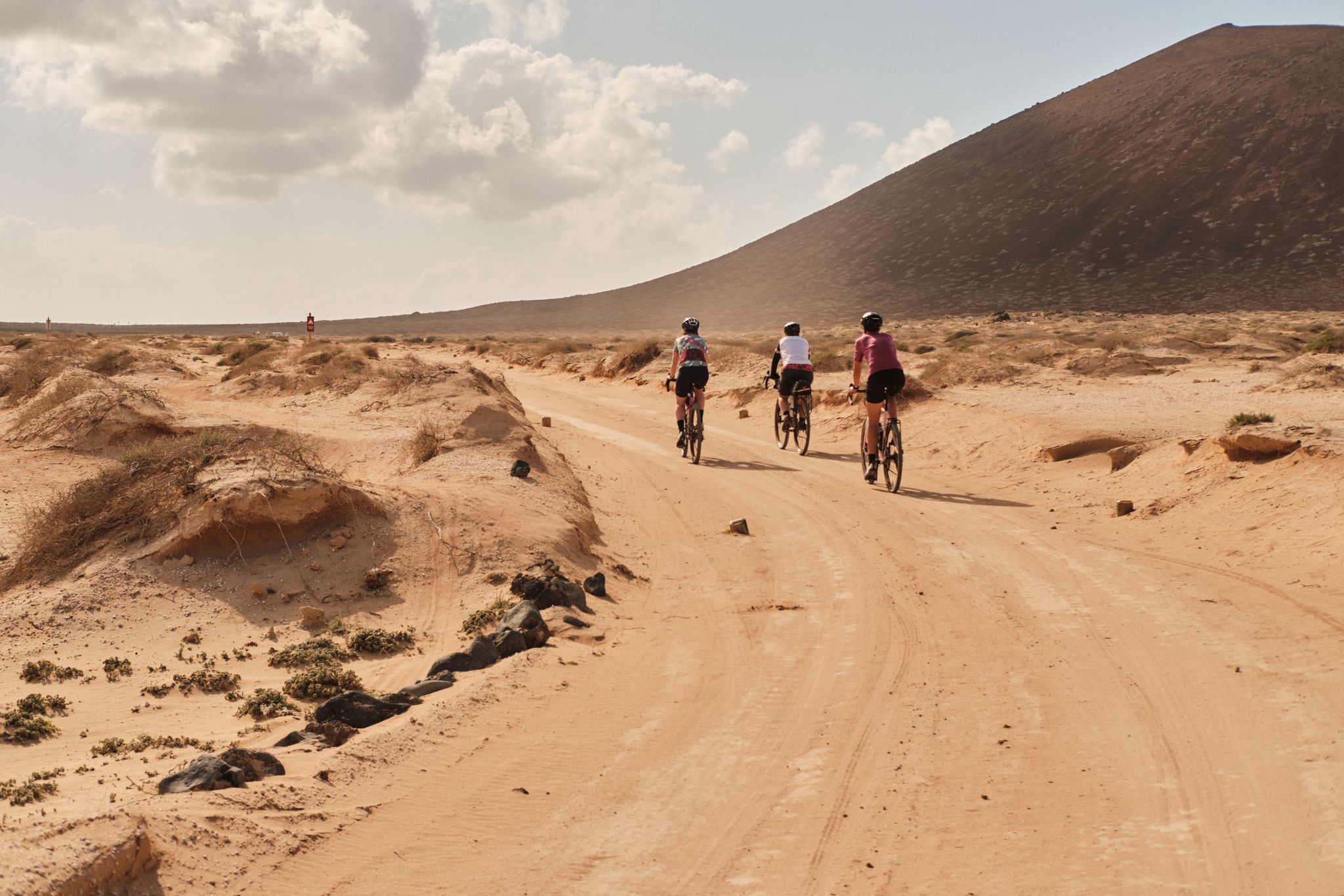
GranGuanche gravel – Komoot women's rally 2023
GranGuanche Audax Trail – my first ultra race on the Canary Islands
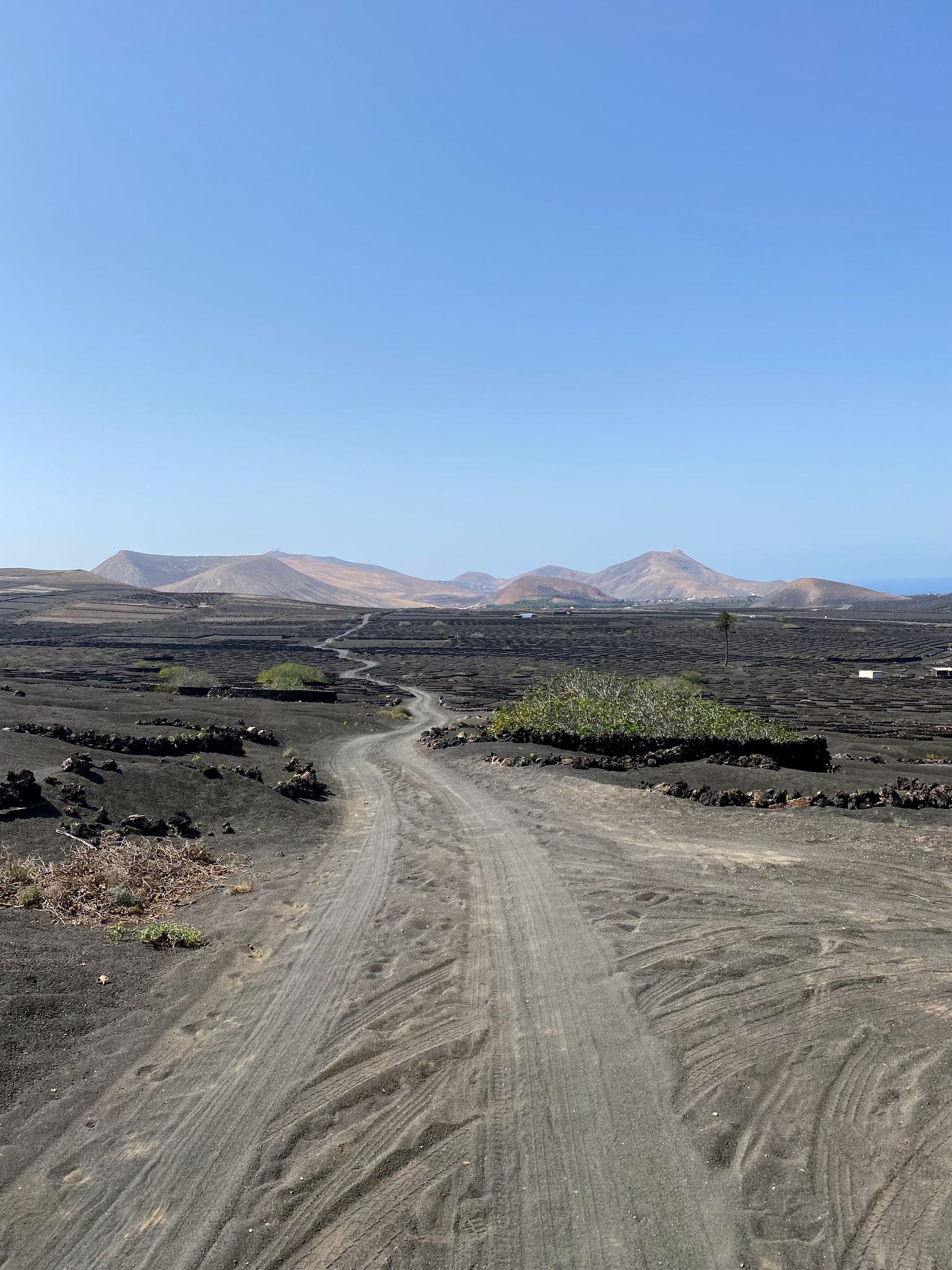
Bikepack in the Canary Islands – surprising adventures in the sun
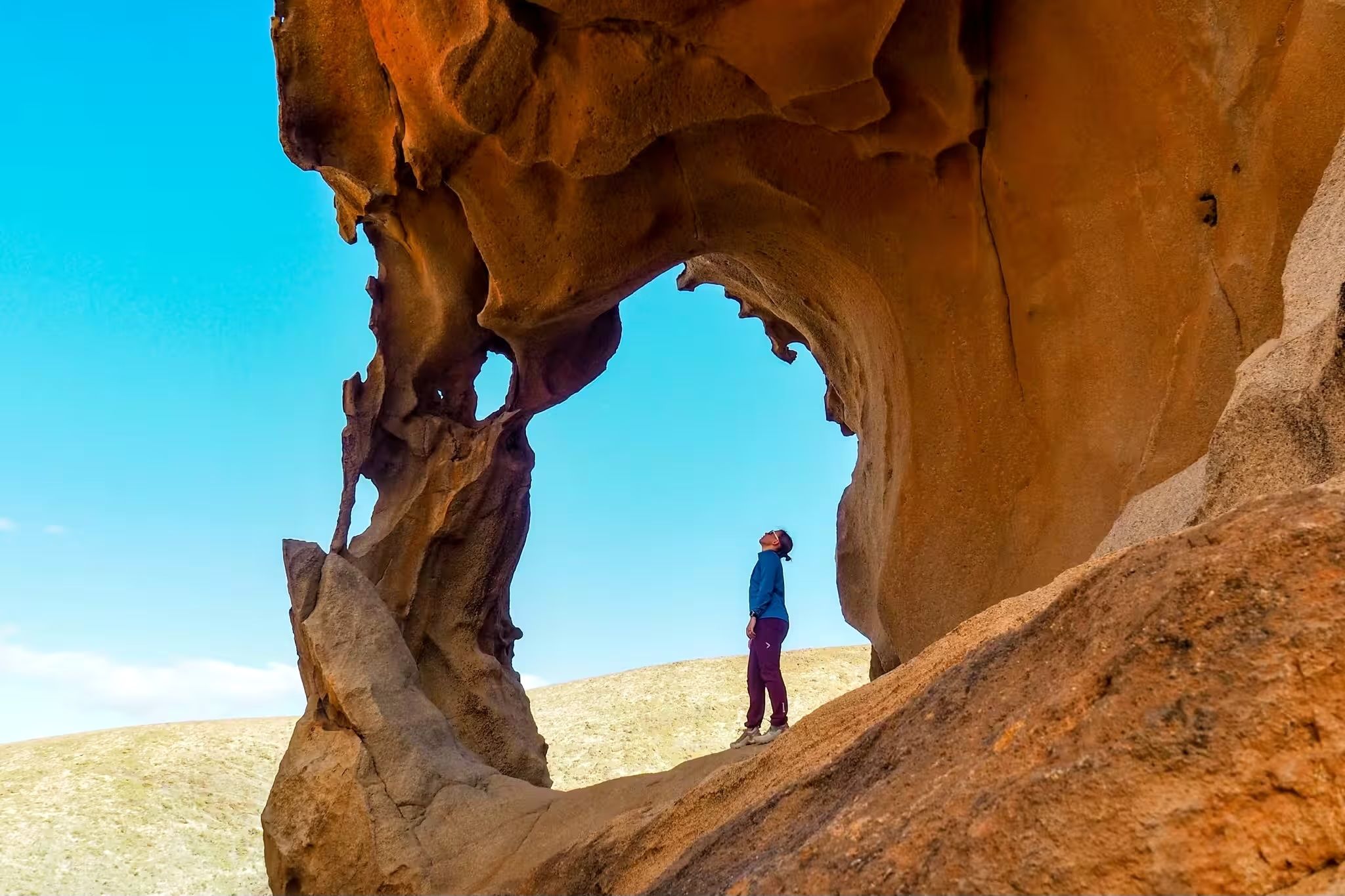
Canary Islands at a slow pace – six hikes immersed in nature
Six fascinating ways to discover the Canary Islands on foot
The challenge of the year — Transgrancanaria Classic
An island of contrasts – crossing Gran Canaria
GranGuanche Audax Gravel — five islands in two and a half days
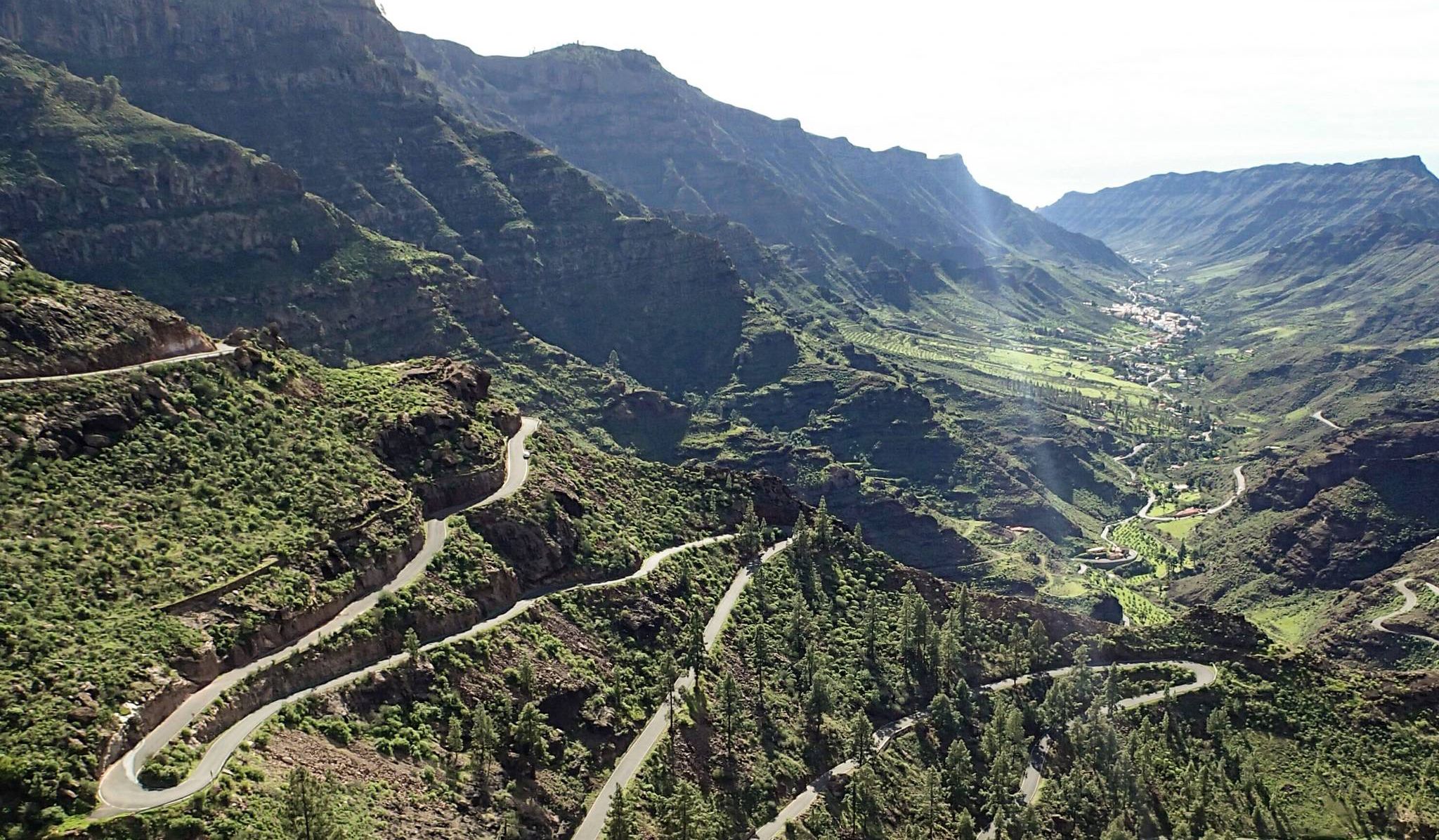
Escape to the south — road cycling in Gran Canaria
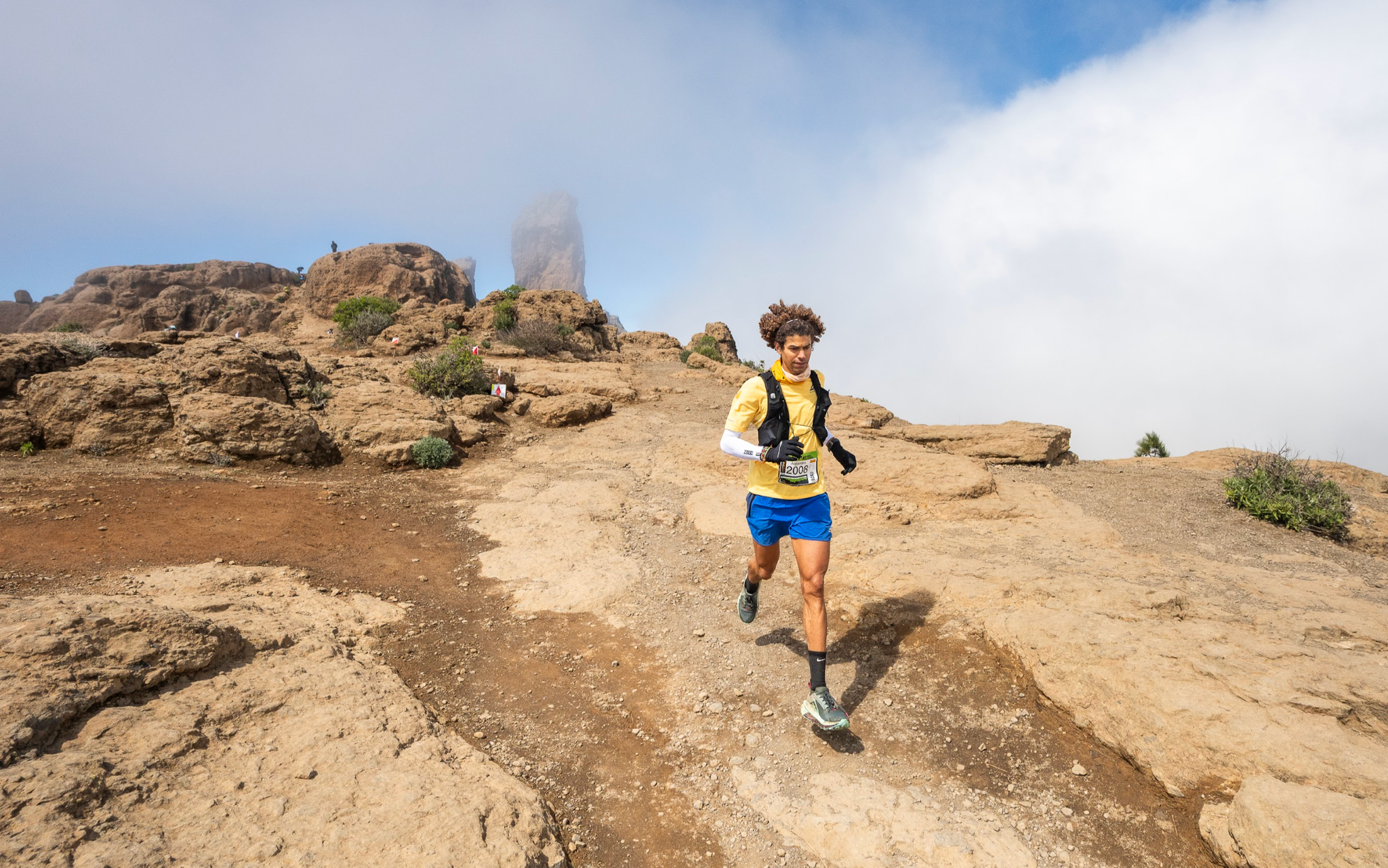
Trail aux îles Canaries — Découvrez les courses mythiques de l'archipel !
Other adventures in Gran Canaria


Tips from the Community

Beautiful gorge on colorful tuff rock. If possible, one should visit the Barranco during the week. On weekends, it is certainly very busy here.
0
0

We had to cut our hike short after about two-thirds of the way and were able to reach the other side of the gorge via a narrow path. It had rained heavily in the days leading up to it. The stream was very high, and in some places, the elevated path had disappeared due to a landslide. Nevertheless, it was absolutely worth seeing what was down there. ...
1
0

The 10.6 km loop is not recommended! The description says 3-4 hours, but it took us over 6 hours and we still didn't finish. The entire trail is difficult to find. This is an extremely difficult tour with many climbing sections. Not for those with a fear of heights! We strongly advise against the "10.6 km" tour.
0
0

Interesting reed tunnels that must be walked through.
0
0
A varied path along a small stream. The many tunnels of tall reeds and bamboo are particularly worth seeing.
0
0
A beautiful little gorge with colorful tuff, especially when the sun is shining in the morning. It's sometimes crowded, but if you take your time, you can also take some nice photos.
1
0

A small gorge that only became really famous through Instagram.
1
0

A beautiful and very varied path. You have to walk under fallen trees and through bamboo tunnels. In several places you have to climb over rocks. No problem for young, sporty people. But for people with joint problems it can be problematic, especially in the back part of the gorge!
0
0
Frequently Asked Questions
Which canyons in Gran Canaria are most popular with visitors?
Visitors frequently enjoy the Degollada de las Yeguas Astronomical Viewpoint for its panoramic views of Barranco de Fataga and the sea. Another highly-rated spot is Barafonso Ravine, known for its distinctive colorful layers of volcanic tuff. The Large Waterfall in Barranco de Los Cernícalos is also a magical environment appreciated by many.
What unique natural features can I expect to see in Gran Canaria's canyons?
Gran Canaria's canyons, or 'barrancos,' offer diverse natural features. You can find vividly colored, sculpted rock formations in Barranco de Las Vacas (Barafonso Ravine), lush vegetation and numerous waterfalls in Barranco de Los Cernícalos, and remnants of laurel forest in Barranco de Azuaje and Barranco de Moya. Barranco del Draguillo features aligned volcanic cones and native flora, while Barranco de Fataga is known as the 'Valley of a Thousand Palm Trees'.
Are there any canyons with historical or cultural significance?
Yes, several canyons offer a glimpse into the island's past. Barranco de Guayadeque is rich in archaeological heritage, featuring ancient cave houses—some still inhabited—and an Interpretation Center about the indigenous Guanches. Barranco del Draguillo also contains significant archaeological sites, including ancient cave dwellings. Barranco de Azuaje has ruins of an old spa from the late 19th century, built around iron-rich waters.
What are the best canyons for hiking and exploring waterfalls?
For waterfall enthusiasts, Barranco de Los Cernícalos is ideal, known for its continuous water flow and numerous cascades, including the impressive Large Waterfall. Barranco de Azuaje also boasts permanent water flow and a lush, 'jungle-like' environment perfect for hikers seeking verdant landscapes. You can find more waterfall hikes in the region on the Waterfall hikes in Gran Canaria guide.
Are there family-friendly canyon options in Gran Canaria?
While many canyons offer challenging terrain, some areas are suitable for families. The Degollada de las Yeguas Astronomical Viewpoint, overlooking Barranco de Fataga, is categorized as family-friendly and offers stunning views without strenuous hiking. For a more active experience, parts of Barranco de Los Cernícalos have walking trails that can be enjoyed by families, though some sections may be more adventurous.
What is the best time of year to visit Gran Canaria's canyons?
The best season to visit Gran Canaria's canyons is generally from autumn to spring (October to May), when temperatures are milder and more comfortable for outdoor activities. During the almond-blossom season (January to March), Barranco de Guayadeque transforms into a vibrant pink landscape, offering a particularly beautiful experience. Summer can be very hot, especially in the more arid southern canyons.
What kind of outdoor activities can I do near Gran Canaria's canyons?
Beyond hiking and canyon exploration, Gran Canaria offers a range of outdoor activities. You can find various MTB Trails in Gran Canaria, including routes like the 'Camino de Santiago and Fataga Loop' which passes near some canyon areas. There are also numerous Running Trails in Gran Canaria, offering different difficulty levels.
Where can I find local food and amenities near the canyons?
Barranco de Guayadeque is notable for its traditional cave houses converted into charming restaurants, offering local cuisine. The picturesque village within Barranco de Fataga also provides amenities. For other canyons, it's advisable to check nearby towns or villages for dining options and supplies before heading into the barranco itself.
Are there any challenging canyon trails for experienced hikers?
Yes, several canyons offer challenging routes. The Azuaje Gorge is known for its challenging terrain, often requiring appropriate gear and a willingness to navigate through water. Barranco de Moya also features challenging hiking routes, particularly in sections with water flow. These trails often involve scrambling and balancing, providing an exciting experience for seasoned adventurers.
What should I bring for a canyon hike in Gran Canaria?
For canyon hikes, especially in areas with water, it's recommended to wear appropriate clothing such as mountain pants and waterproof, high-cut shoes with good grip, as some areas can be slippery or require wading through water. Bringing enough water, snacks, sun protection, and a camera is always a good idea. For more challenging routes like Azuaje Gorge, be prepared for scrambling and balancing.
Is it possible to access the canyons using public transport?
While some popular viewpoints and canyon entrances might be accessible by public transport, many of Gran Canaria's more remote barrancos are best reached by car. For specific canyons like Barranco de Los Cernícalos or Barranco de Azuaje, public transport options might be limited, and checking local bus schedules and routes in advance is recommended.
Most popular routes in Gran Canaria
Most popular attractions in Gran Canaria

Get inspired with the komoot mobile app


Explore more
Already discovered everything in this region? See additional gorges in Gran Canaria for your next adventure:
