Top 6 Gorges in Latvia
Canyons in Latvia are characterized by picturesque gorges, ravines, and impressive sandstone cliffs. These formations are primarily concentrated within Gauja National Park and are largely carved by the Gauja River. They showcase unique geological features, mainly dating back to the Devonian period, revealing Latvia's ancient geological past. The landscape includes diverse wilderness areas of forests and hills.
Best canyons in Latvia
- The most popular canyons is Ērgļi Cliffs, a natural monument that features 700-meter-long sandstone cliffs. From the riverbank, visitors can photograph the highest elevations where the Gauja River makes a curve.
- Another must-see spot is Ķūķu Cliffs, a natural monument. These red sandstone cliffs are the largest sandstone exposure of the Devonian in Latvia, stretching 500 meters long and reaching up to 43 meters high.
- Visitors also love Raven’s ravine & cave, a cave with historical significance. A signpost describes the history of the place in both Latvian and English.
- Latvia is known for its gorges, ravines, and sandstone formations. These geological features offer a variety of landscapes to explore, from river-carved cliffs to forested ravines.
- The canyons in Latvia are appreciated by the komoot community. With 67 upvotes and 50 photos, the community has shared their experiences.
Last updated: June 26, 2026
Ērgļi Cliffs
Highlight • Natural Monument
Translated by Google •
Tip by

Raven’s ravine & cave
Highlight • Cave
Tip by

Sign up now to discover places like this
Get recommendations on the best single tracks, peaks, & plenty of other exciting outdoor places.
Sign up for free
Spring in Gauja National Park
Highlight • Natural
The Clear Spring is a fairly large spring which produces 5-10 liters of water per second.
Tip by

Ķūķu Cliffs
Highlight • Natural Monument
Translated by Google •
Tip by
Mirror Cliffs
Highlight • Natural Monument
Translated by Google •
Tip by

Zvanu Cliffs Sandstone Formation
Highlight • Natural Monument
Tip by
Highest Cliffs at Gauja National Park
Highlight • Gorge
Translated by Google •
Tip by

Start today with a free account
Your next adventure awaits.
Login or Signup
Popular around Latvia
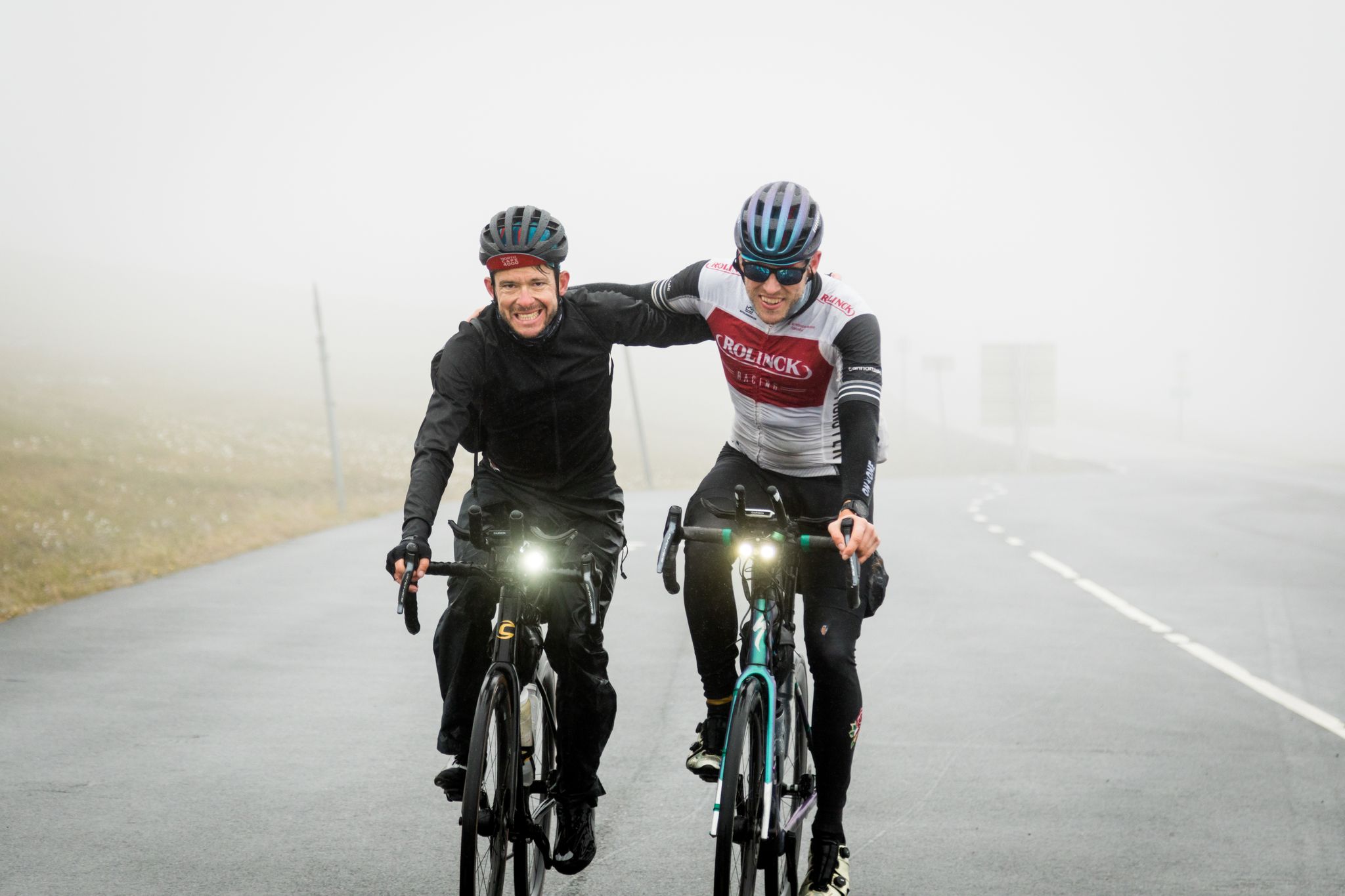
NorthCape4000 – 12 days from Lake Garda to the North Cape

Around the World in 80 Days
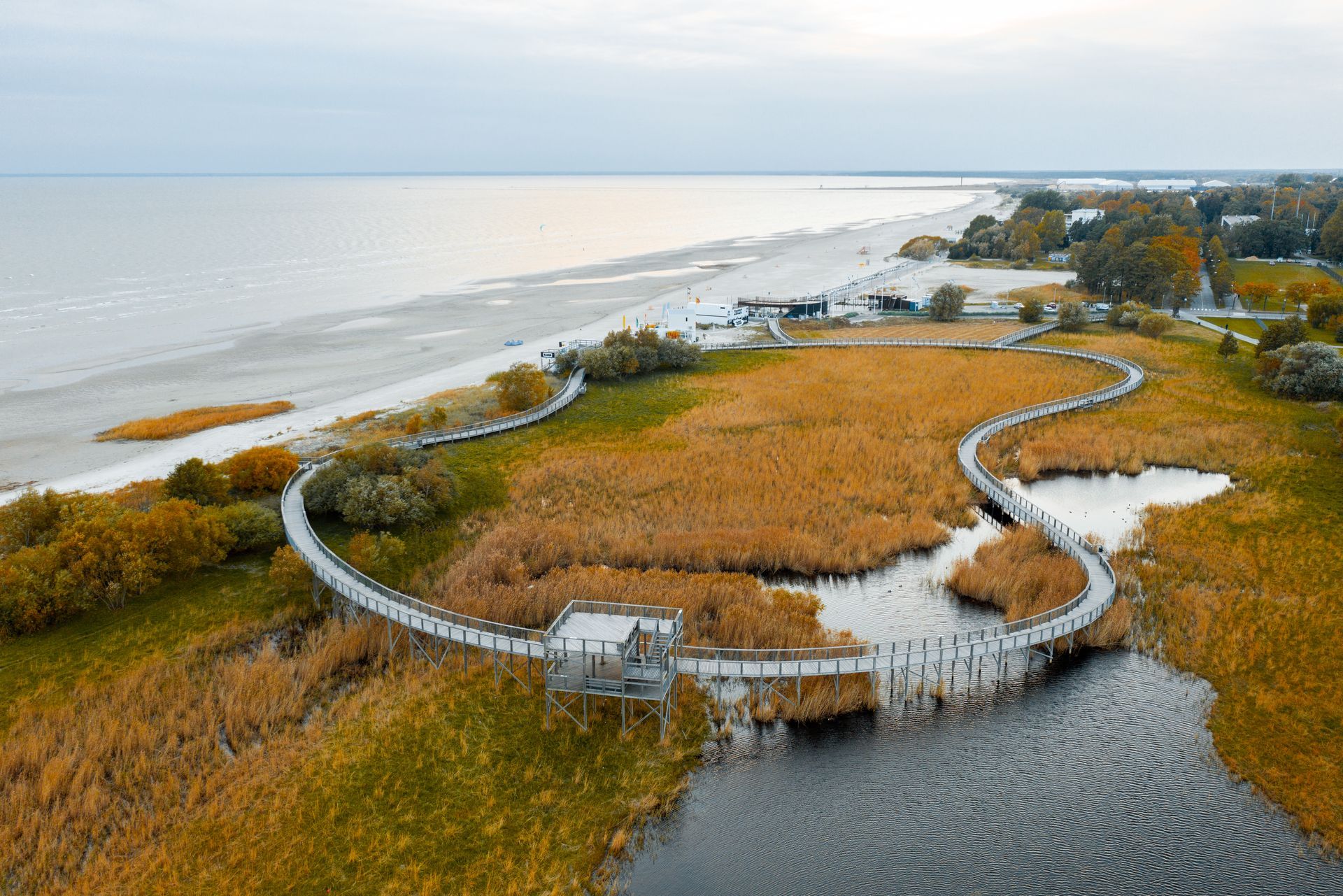
National Cycling Routes of Pärnumaa – Forest Trails, River Valleys and Coastal Roads of Western Estonia
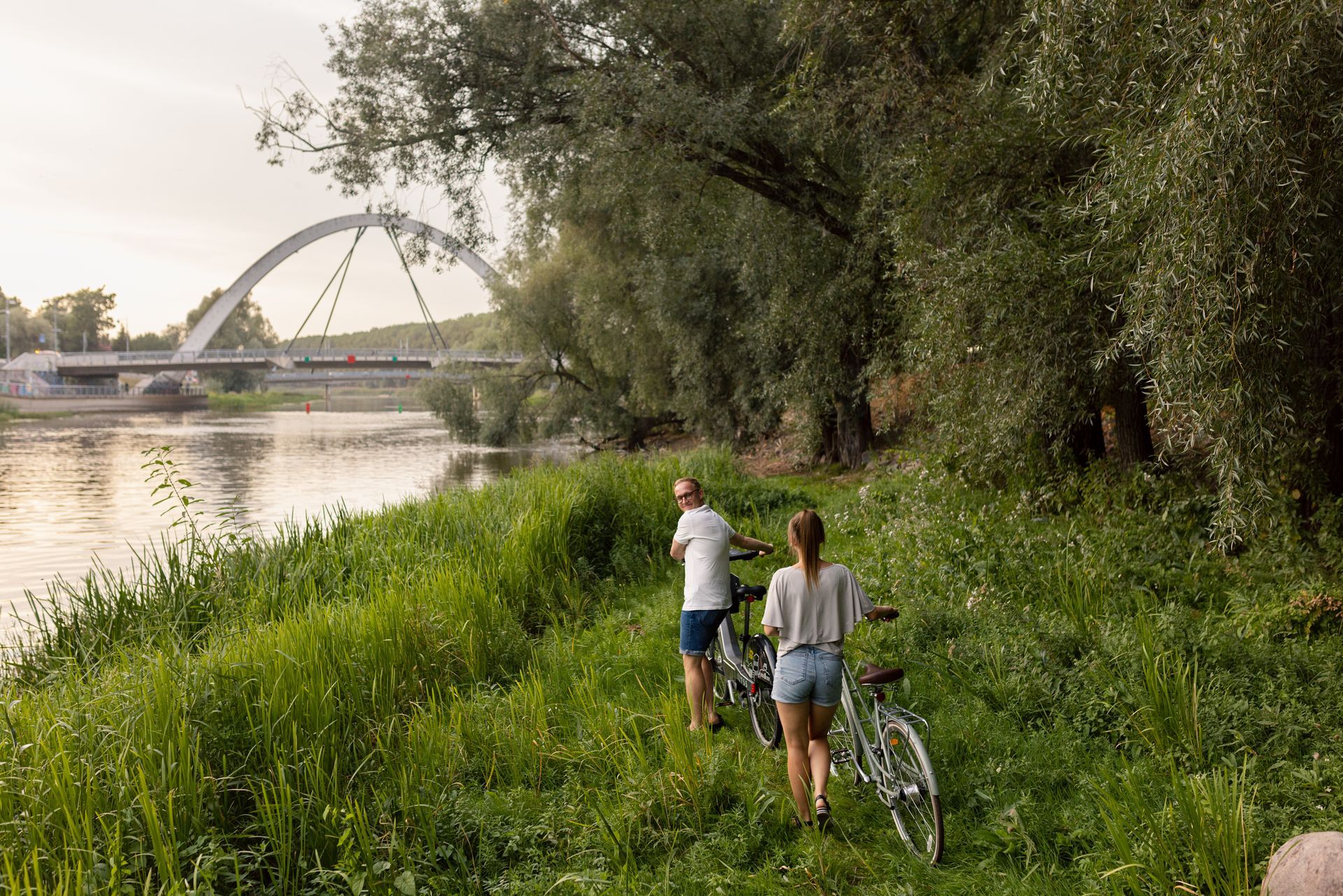
Best of National Cycling Routes in Tartu County & South-Eastern Estonia
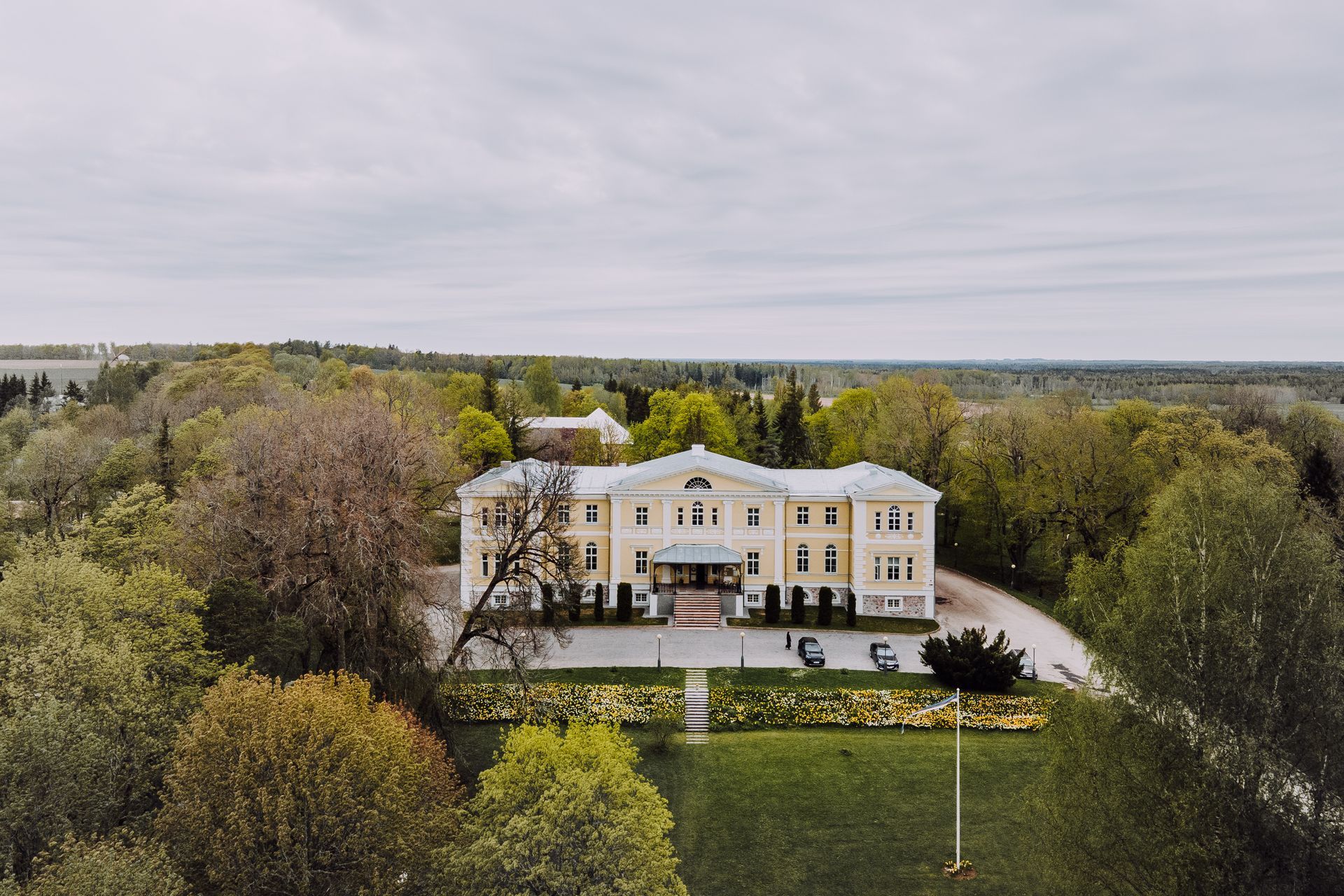
Best of National Cycling Routes in Jõgevamaa, Central & Eastern Estonia – Land of Lakes, Legends & Manors
Eurovelo 11 - East Europe Route in Estonia
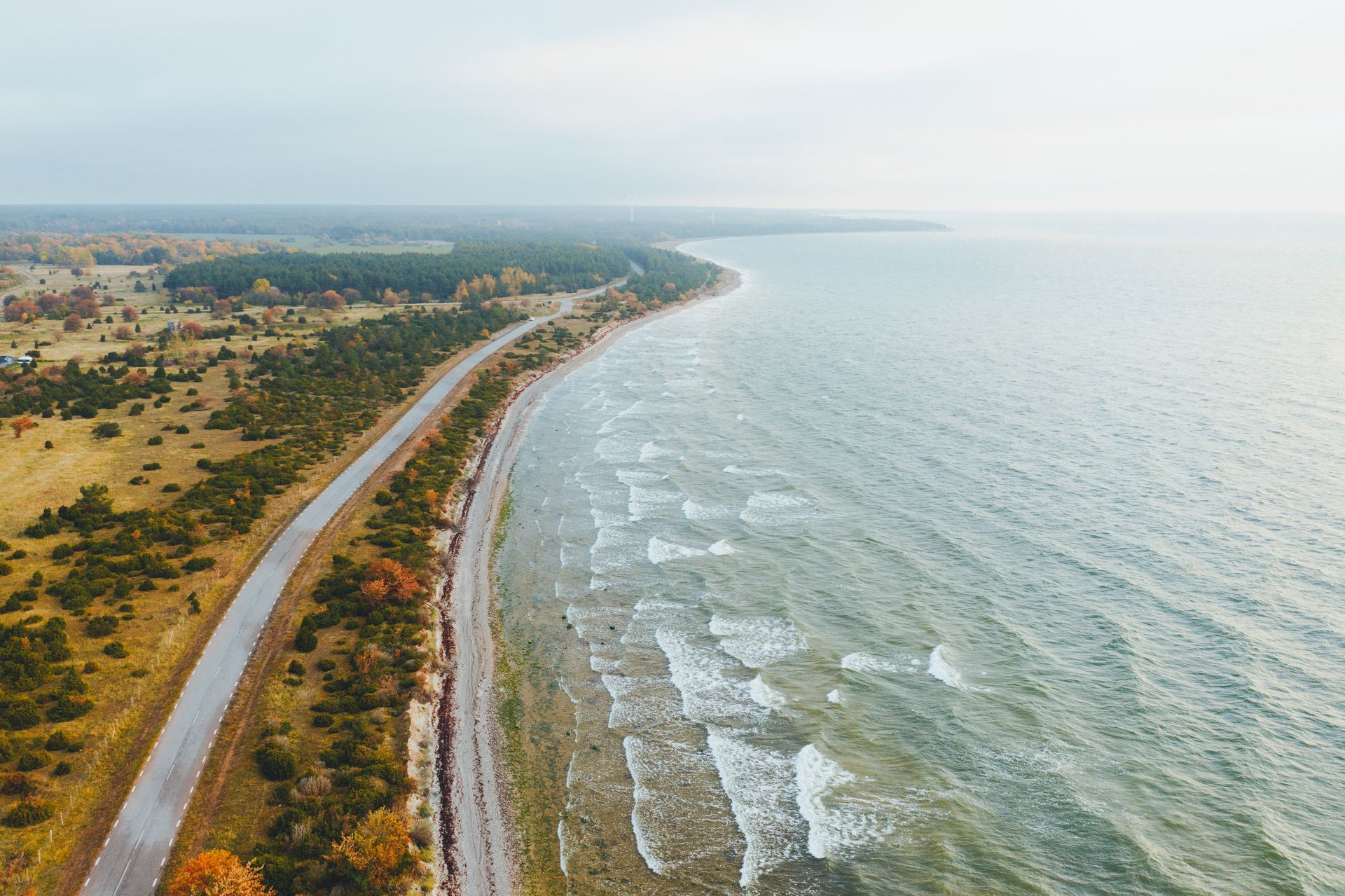
Eurovelo 10 - Baltic Sea Cycle Route in Estonia
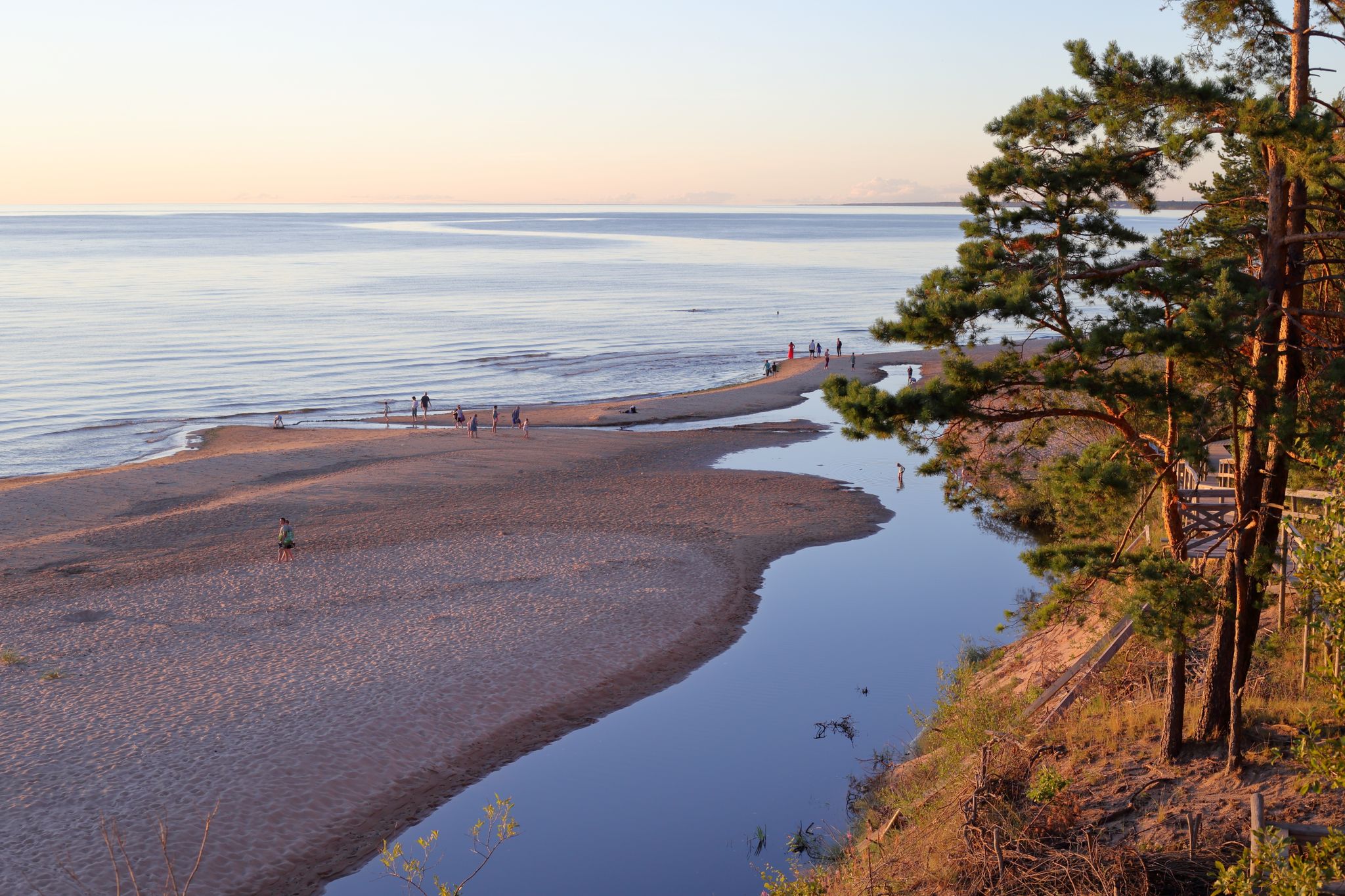
Amber, urban streets and boardwalks – a foray through Latvia
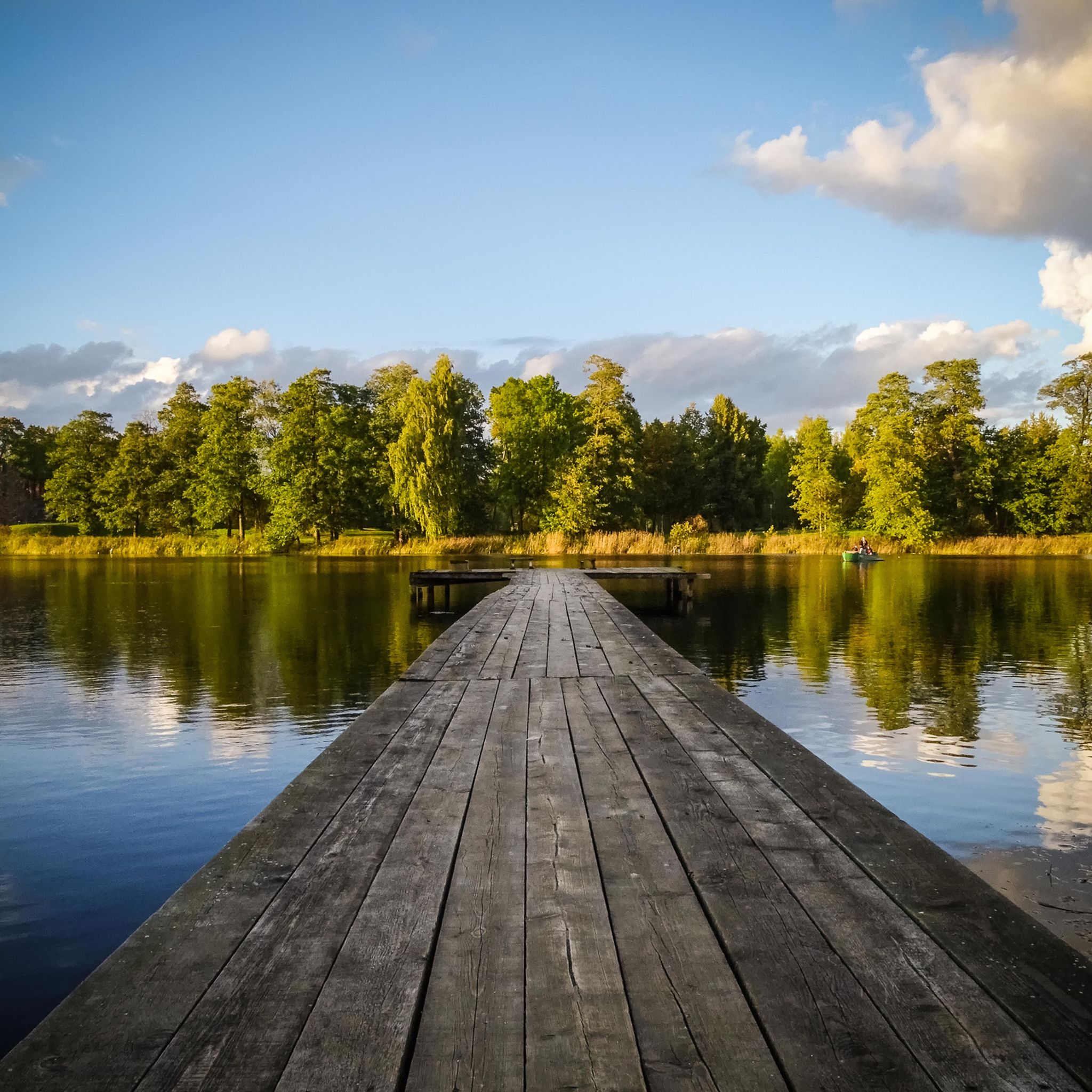
Hiking in Latvia
Cycling in Latvia
Other adventures in Latvia


Tips from the Community


Zvanu Cliffs sandstone is approximately 100 m long and is located on the left side of the primeval valley of the River Gauja. It cannot be seen from the River, but is located very close to it. Its maximum height is ~30 m. Zvanu Cliff sandstone cliff is a protected natural geological monument of local importance.
0
0
Springs form on steep slopes where subterranean water seeps out of permeable strata, such as Devonian sandstones. The spring emerges because a layer of Devonian clay prevents the water from seeping deeper. The spring obtains its water from rainwater and surface water that constantly seeps through the rock strata. Since the Clear Spring emerges at a considerable depth below the former bank of the River Gauja, its waters have been filtered through a considerable layer of minerals and are especially pure. Such springs are an essential feature of the Gauja Valley. Most of the caves formed in the sandstone have formed by the process of suffusion - washing out by underground waters. The Clear Spring is a fairly large spring which produces 5-10 liters of water per second.
0
0
Gauja sandstone outcrop in the ravine at the left bank of Vējupīte. The highest point in the ravine is 11.5 m (~34 ft). A small triangular cave has formed in the rock wall. The high vertical walls are covered with visitors' names, dates, and random drawings. A small triangle-shaped cave, about 5 meters deep has formed in the wall. There is an old story about Raven's ravine. In the old days, there was a very kind "vagars" - a supervisor of serfs. He treated the serfs with dignity and would even defend them in the face of a baron. For this reason, the barons could not stand him and threw him down in the ravine. So the man disappeared and people could not find him until they saw a flock of ravens flying over the ravine. Then they descended down and found the body of the poor man and ever since then this ravine has been called Raven's ravine.
0
0

From the road, the cliffs at the dam of the Gauja tributary can be seen: they are very worth seeing, even with the dam there
0
0

The rock is beautifully reflected in the water. Overall, a very nice spot with pure nature.
2
0

Cliff and cave, with some history (a sign post is describing in Latvian and English the history of the place). The colors with the snow are really amazing. Not that far away from the view spot above, even if tired, do the detour ! Then the way down to the bottom of the ravine is really nice, and the stream twisting on the bottom is really deserving a sight.
0
0

Impressive sandstone cliffs form the banks of the Gauja here. From the vantage point you have a wide view over the wonderful river 👍
3
0
Frequently Asked Questions
What kind of natural formations are referred to as 'canyons' in Latvia?
In Latvia, 'canyons' typically refer to picturesque gorges, ravines, and impressive sandstone cliffs, primarily concentrated within the Gauja National Park. These formations, carved by rivers like the Gauja, showcase unique geological features rather than deep, arid canyons found elsewhere.
What are the unique geological features of Latvia's canyons?
Latvia's canyons are characterized by Devonian sandstone formations, which are over 350 million years old. These geological processes have created distinctive features such as columns, niches, and caves. Examples include the white sandstone of Sietiņiezis Rock and the red sandstone of Ķūķu Cliffs.
Are there any historical or cultural sites associated with Latvia's canyons?
Yes, some canyon areas are rich in history and folklore. For instance, Gutman's Cave, carved into the Devonian sandstone, is the widest and highest cave in the Baltic countries and is steeped in local legends, including the tragic love story of the Rose of Turaida. Raven’s ravine & cave also has historical significance, detailed on a signpost at the site.
What outdoor activities can I do near Latvia's gorges and ravines?
The areas around Latvia's gorges and ravines, especially within Gauja National Park, offer excellent opportunities for various outdoor activities. You can enjoy hiking on trails ranging from easy walks to more challenging routes, cycling, and even running. For more detailed routes, you can explore guides like Easy hikes in Latvia, Cycling in Latvia, or Running Trails in Latvia.
Are there family-friendly options for visiting Latvia's canyons?
Many areas within Gauja National Park are suitable for families. Locations like Sietiņiezis Rock feature wooden boardwalks for easy exploration, and Zvanu Cliffs Sandstone Formation is categorized as family-friendly. Generally, trails leading to viewpoints and accessible natural monuments are great for family outings.
What is the best time of year to visit Latvia's canyons?
Latvia's canyons offer beauty throughout the year. Spring and summer are ideal for hiking, cycling, and enjoying lush greenery. Autumn provides stunning fall foliage, while winter transforms the landscape into a picturesque wonderland, especially when the ravines and cliffs are covered in snow, as noted for Raven’s ravine & cave.
Where can I see the largest sandstone formations in Latvia?
The largest outcrop of white sandstone in Latvia is Sietiņiezis Rock, which stretches over a significant area of the Gauja River banks. For red sandstone, Ķūķu Cliffs are notable as the largest Devonian sandstone exposure, stretching 500 meters long and reaching up to 43 meters high.
Which canyons offer the best views of the Gauja River?
For spectacular views of the Gauja River, Ērgļi Cliffs (Eagle Cliffs) are highly recommended. Here, the river makes a curve, allowing visitors to photograph the highest elevations of the 700-meter-long sandstone cliffs directly from the riverbank. Mirror Cliffs also offer a picturesque view, especially when the rock is beautifully reflected in the water.
Are there any caves to explore within Latvia's canyon areas?
Yes, Gutman's Cave is a prominent cave carved into the Devonian sandstone cliffs by the Gauja River, known for its size and folklore. Additionally, Raven’s ravine & cave features a small triangular cave within its sandstone outcrop, offering a glimpse into the geological processes of the region.
What should I wear for exploring the canyons in Latvia?
Given the diverse terrain, including forest paths, riverbanks, and potentially uneven surfaces, it's advisable to wear comfortable, sturdy hiking shoes. Layered clothing is recommended to adapt to changing weather conditions, and waterproof gear can be useful, especially during spring or autumn, or if exploring near rivers.
Are there opportunities for wild swimming near Latvia's canyons?
While specific designated wild swimming spots are not always explicitly marked within the canyon areas, the Gauja River itself offers opportunities for bathing. For example, Ķūķu Cliffs has a small beach area opposite the rock that invites lingering and potentially swimming in the river.
How accessible are Latvia's canyons by public transport or car?
Accessibility varies by location. Many key sites within Gauja National Park are reachable by car, often with nearby parking. Some locations, like Ērgļi Cliffs, are best reached by bike from nearby towns like Cēsis, with walking paths leading to the shore. Others, like Ķūķu Cliffs, are accessible by foot via forest roads from main routes.
What is the significance of the 'Clear Spring' in Gauja National Park?
The 'Clear Spring' in Gauja National Park is a significant natural monument where subterranean water seeps out of permeable Devonian sandstones. It's known for its exceptionally pure water, filtered through considerable layers of minerals, and is a prime example of how springs form on steep slopes where Devonian clay prevents water from seeping deeper.
Most popular routes in Latvia
Most popular attractions in Latvia

Get inspired with the komoot mobile app


Didn’t find what you were looking for?
Want to see even more gorges? See the best ones in Latvia region by region:
Explore more
Already discovered everything in this region? See additional gorges in Latvia for your next adventure:
