Top 20 Lakes in Latvia
Best lakes in Latvia are a significant part of the country's natural landscape, particularly in the Latgale region, often called the "Land of Blue Lakes." Latvia features a diverse array of water bodies, from expansive shallow drainage lakes to deep glacial remnants and lagoon-type systems. These lakes offer varied environments for wildlife and natural exploration. The country's geography includes numerous lakes that contribute to its ecological importance.
Best lakes in Latvia
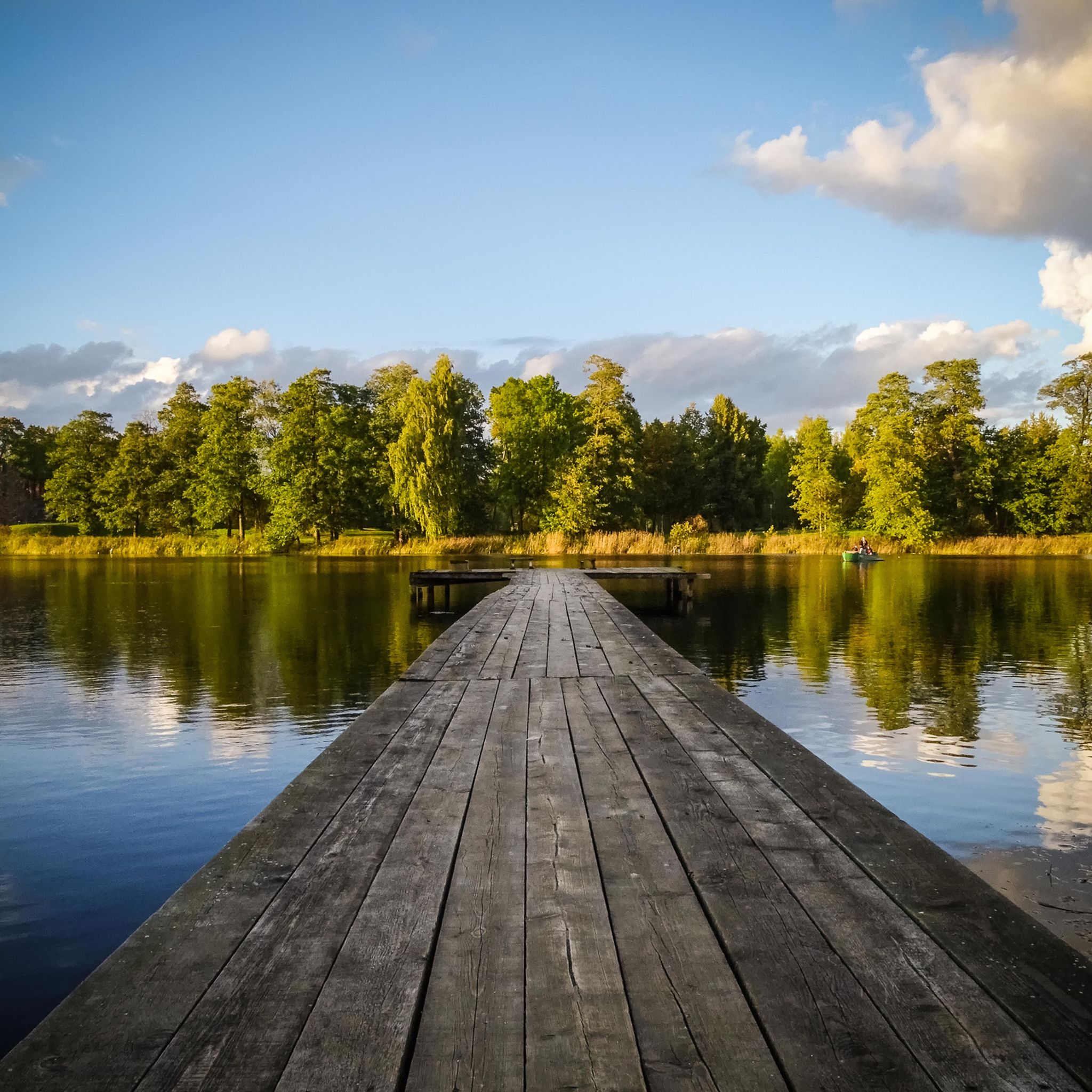
- The most popular lakes is Wooden Benches Overlooking the Pond in Ķemeri National Park, a viewpoint that invites visitors to take a break or have a picnic with a view of the lake. This spot offers an incredible play of colors and many things to discover.
- Another must-see spot is Maija Park Pond and Fountains, Cēsis, a lake with fountains. Visitors can enjoy a city park setting with a pond, which is home to black swans.
- Visitors also love Slokas Lake Boardwalk Trail, an easy forest trail through the swamp. This 3.1 km trail winds along the shores of Sloka Lake, offering views of waterfowl and interesting sites like swamp forests and a sulphur spring.
- Latvia is known for shallow drainage lakes, deep glacial lakes, and lagoon-type water bodies. The country offers a variety of lakes to see and explore, each with distinct natural features.
- The lakes in Latvia are appreciated by the komoot community. Over 50 upvotes and 40 photos have been shared by visitors.
Last updated: June 26, 2026
Sloka Lake Birdwatching Tower
Highlight • Viewpoint
Tip by

Slokas Lake Boardwalk Trail
Highlight (Segment) • Trail
Tip by

Sign up now to discover places like this
Get recommendations on the best single tracks, peaks, & plenty of other exciting outdoor places.
Sign up for free
Raganu Sulphur Ponds
Highlight • Lake
Translated by Google •
Tip by

Lake Melnezers
Highlight • Lake
Mean depth – 1.4 meter
Maximum depth – 2.0 meter
Translation of the name "Melnezers" means Black Lake. The surrounding Raganu Bog (Witches' Bog) influences the water qualities of the lake. Humic substances coming from the bog give the water its dark brown colour. Swimming in the lake is not advised.
Tip by

Mežaparks
Highlight • Forest
Translated by Google •
Tip by

Lake Skaista
Highlight • Lake
Here you will also find an interesting biodiversity, which makes Lake Skaista a popular place for birdwatchers. The lake is home to rare birds such as the whooper swans and the crane, which migrate through in spring and autumn. There are also informative boards pointing out the ecological importance of the area and drawing attention to the fragile balance of the bog. The visit is facilitated by wooden walkways that lead you safely through the marshy areas and give you the opportunity to go deep into the moor without disturbing nature.
The area also has historical traces dating back to the First World War, when it was used as a strategic area. Today, however, there is little to remind us of that time - silence and nature have reclaimed the terrain and restored it to its original beauty.
Translated by Google •
Tip by

Maija Park Pond and Fountains, Cēsis
Highlight • Lake
Translated by Google •
Tip by

Cīrulīši Oxbow Lake and Mirror Cliffs
Highlight • Lake
The water supply in this former river channel is greatly supplemented and clarified by the springs flowing from the Spoguļu (Mirror) Cliffs, making the water clean and clear. The cliffs are reflected in the clear water as in a mirror, giving rise to the name.
The 140 m long and up to 10 m high sandstone cliffs are remark- able natural sites in the River Gauja Valley. The cliffs face is stud- ded with small caves, crevices and hollows. Several major springs emerge at the base of the cliffs, where there is a former channel of the River Gauja. In the rock face, a few meters above ground level is the 3,8m long Trijstūra (Triangle) Cave - a niche adorning the cliff like a temptation out of reach. The Spoguļu Cliffs were exposed comparatively recently - only 4-8 thousand years ago, when the water of the River Gauja carved their way down until they finally exposed the sandstones wall, thus reveal- ing evidence of much earlier date - Devonian rock strata. The sandstone rock is about 350 million years old and developed as sand gradually accumulated on the seabed, at a time when the whole territory of Latvia was covered by the Devonian Sea. Look- ing carefully at the rock, the observant visitor will notice several bedding planes.
For many years, the Cīrulīši Cliffs were frequented by the visitors, who unfortunately scraped their makes on the rock, as every- where else.
Tip by
Wooden Benches Overlooking the Pond in Ķemeri National Park
Highlight • Viewpoint
Translated by Google •
Tip by
Seravots Sulphur Spring Observation Tower, Ķemeri National Park
Highlight • Viewpoint
Translated by Google •
Tip by

Sign up for free to discover even more lakes in Latvia.
Sign up for free
Already have an account?
Start today with a free account
Your next adventure awaits.
Login or Signup
Popular around Latvia
NorthCape4000 – 12 days from Lake Garda to the North Cape
Around the World in 80 Days
National Cycling Routes of Pärnumaa – Forest Trails, River Valleys and Coastal Roads of Western Estonia
Best of National Cycling Routes in Tartu County & South-Eastern Estonia
Best of National Cycling Routes in Jõgevamaa, Central & Eastern Estonia – Land of Lakes, Legends & Manors
Eurovelo 11 - East Europe Route in Estonia
Eurovelo 10 - Baltic Sea Cycle Route in Estonia
Amber, urban streets and boardwalks – a foray through Latvia
Hiking in Latvia
Cycling in Latvia
Other adventures in Latvia


Tips from the Community

A rather bloodthirsty bronze sculpture with no explanation as to what it is.
1
0

Observation tower and bird watching platform
0
0

nice place to sit and have a break. possible to walk up the tower
0
0

Mežaparks, one of Riga's oldest garden city districts, is a sprawling and diverse park on the shores of Lake Ķīšezers. Originally known as the Emperor's Park, the area became an exclusive residential area in the early 20th century for Riga's wealthier society seeking to escape the city's noise. Today, the well-preserved Art Nouveau villas still exude this nostalgic charm and are among the city's most sought-after properties. The park offers much more than just architecture. For nature lovers, Mežaparks is a paradise: miles of walking paths, quiet forest trails and the opportunity to practice water sports on Lake Ķīšezers. The impressive amphitheater, designed for the famous Latvian Song Festival, exudes the special energy of this place. The surrounding recreational facilities, such as playgrounds, cafes and bicycle rental, make the park particularly diverse. In addition to the zoo, there are also hidden corners that invite you to explore, and the famous "Mežakaķis" climbing park provides variety. Mežaparks is a place that invites you to linger and explore, not only because of its history, but also because of its lively and at the same time relaxing atmosphere that attracts both locals and visitors. A visit is particularly worthwhile for a leisurely day trip or active recreation in the countryside.
0
0
Lake Skaista is located in the Cenas-Tīrelis bog area, one of the largest raised bogs in Latvia and an important nature reserve. The lake and the surrounding bog offer an almost mystical atmosphere, especially in calm weather, when the clouds are reflected in the water's surface and the bare, partly twisted tree skeletons watch over the land like silent sentinels. The remote location and the untouched nature invite you to a moment of inner peace, far from the hustle and bustle of the city. Here you will also find an interesting biodiversity, which makes Lake Skaista a popular place for birdwatchers. The lake is home to rare birds such as the whooper swans and the crane, which migrate through in spring and autumn. There are also informative boards pointing out the ecological importance of the area and drawing attention to the fragile balance of the bog. The visit is facilitated by wooden walkways that lead you safely through the marshy areas and give you the opportunity to go deep into the moor without disturbing nature. The area also has historical traces dating back to the First World War, when it was used as a strategic area. Today, however, there is little to remind us of that time - silence and nature have reclaimed the terrain and restored it to its original beauty.
0
0
Melnezers bog lake is a peaceful oasis, surrounded by dense forests and reeds that frame the still water. On a cloudy day, the sky is reflected in the smooth surface of the lake, giving the landscape an almost mystical atmosphere. The bog area around Melnezers is characterized by unique flora and the characteristic, nutrient-poor soils that make this place so special. For anyone who is enthusiastic about the untouched nature of Latvia, this lake is a wonderful place to take a break and enjoy the calming effect of nature.
0
0
The Slokas Lake Trail takes you deep into the silent beauty of Latvian nature. The narrow wooden walkway winds through dense, swampy forests and opens up views of vast expanses of water where the sunlight plays. As you follow the trail, you will experience the diversity of wetland flora - tall trees, green reeds and the gentle glitter of the water create a calming atmosphere. In spring and autumn, the trail becomes a paradise for birdwatchers, as numerous migratory birds rest in the surrounding lakes. An ideal place for a quiet hike where you can experience Latvia's wild nature up close.
0
1
The birdwatching tower at Slokas Lake in Ķemeri National Park is a seven-meter-high platform on pontoons, accessible via a wooden walkway. From here, you can enjoy a wide view over the entire lake, all the way to the north side, which is often particularly rich in birds. The tower offers optimal conditions for birdwatching all year round, as parts of the lake remain ice-free in winter, thus attracting many waterfowl. There is also a sulphur spring nearby, adding a touch of natural history to the experience and hinting at the park's healing mineral springs. The surrounding nature offers wet forests, swamps and small lakes, which can be reached via the 3.1-kilometer Slokas Nature Trail Loop. The trail is partly stabilized by boardwalks, especially in the marshy areas, and is ideal for nature lovers who want to explore the diverse flora and fauna. The tower and trail offer a mix of tranquil nature and fascinating observation opportunities that will immerse you deep into the Latvian landscape.
0
0
Frequently Asked Questions
What are some of the best lakes in Latvia for nature observation and birdwatching?
Latvia offers several excellent lakes for nature lovers and birdwatchers. Lake Lubāns is a paradise for birdwatchers, with over 225 recorded bird species and six observation towers. Lake Engure, part of Engure National Park, is another prime destination for birdwatching, featuring 14 islands that serve as waterfowl habitats and a unique Orchid Trail. Similarly, Lake Kaņieris in Ķemeri National Park is known for its exceptional bird and fish biodiversity, especially during spring and autumn migrations. You can also visit the Sloka Lake Birdwatching Tower for elevated views over the lake, which is often rich in birds.
Are there family-friendly lakes in Latvia with easy access and activities?
Yes, many lakes in Latvia are suitable for families. Lake Kisezers in the Riga area is a popular summer recreation spot with beaches for swimming and sunbathing, and cafes along its shores. Maija Park Pond and Fountains, Cēsis, offers a pleasant city park setting with a pond and black swans, ideal for a relaxing family visit. The Slokas Lake Boardwalk Trail is an easy 3.1 km forest trail through a swamp, offering views of waterfowl and interesting sites, perfect for a family walk.
Which lakes in Latvia are known for their unique natural features or geological significance?
Latvia's lakes boast diverse natural features. Dridzis Lake holds the distinction of being the deepest lake in Latvia and the Baltics, reaching 65.1 meters, and is surrounded by scenic hills. Lake Usma is a remnant of the Baltic glacial lake, featuring seven islands including Viskūži, the largest island in Latvia, and the Moricsala nature reserve. Lake Burtnieks is notable for its picturesque sandstone cliffs along its southern coast and its connection to Latvian folklore. You can also explore the Raganu Sulphur Ponds for fascinating flora and distinct sulfur smells.
What kind of outdoor activities can I do near the lakes in Latvia?
Beyond enjoying the lakes themselves, you can find various outdoor activities nearby. For cycling enthusiasts, there are numerous routes, such as those found in the Cycling in Latvia guide, which includes routes like the 'Squirrel – Mežaparks Great Bandstand loop'. If you prefer road cycling, the Road Cycling Routes in Latvia guide offers options like the 'Jūrmala Cycle Path – Bulduri Beach loop'. Hiking is also popular, with trails like the 'Septiņu Avotu Waterfall loop' available in the Waterfall hikes in Latvia guide.
Are there any lakes in Latvia that are good for swimming or boating?
Yes, several lakes are excellent for swimming and boating. Lake Rāzna, known as the 'Sea of Latgale,' is ideal for swimming, fishing, and boating, with expansive sandy beaches and opportunities for island hopping. Lake Usma is also very popular for boating, sailing, and fishing, with its many coves and islands to explore. Lake Burtnieks offers swimming, boating, and SUP boarding during warmer seasons.
When is the best time to visit the lakes in Latvia?
The best time to visit the lakes in Latvia largely depends on your preferred activities. For swimming, boating, and general outdoor recreation, the warmer months from late spring to early autumn (May to September) are ideal. Birdwatching is particularly rewarding during spring and autumn migrations. Some lakes, like Burtnieks, even offer the chance to witness the Northern Lights in autumn and spring. Winter offers opportunities for ice fishing or enjoying the serene, frozen landscapes.
What makes the Latgale region special for lakes?
The Latgale region is often referred to as the 'Land of Blue Lakes' due to its exceptionally high concentration of beautiful and ecologically significant lakes, numbering over 1200. This region offers a diverse array of water bodies, from the deep Dridzis Lake to the expansive Lake Rāzna, providing varied experiences for visitors, from fishing and boating to exploring unique natural parks.
What do visitors enjoy most about the lakes in Latvia?
Visitors frequently appreciate the tranquil nature and fascinating observation opportunities around Latvia's lakes. Many enjoy the incredible play of colors and the chance to discover diverse flora and fauna. Spots like the Wooden Benches Overlooking the Pond in Ķemeri National Park are highlighted for inviting visitors to take a break and enjoy the view. The well-laid-out paths and opportunities for birdwatching are also highly valued.
Are there any historical or cultural connections to the lakes in Latvia?
Yes, some lakes have significant historical and cultural ties. Lake Burtnieks is a legendary lake, appearing in Latvian folklore and the national epic 'Lāčplēsis.' The surrounding wetlands of Lake Lubāns also hold archaeological significance, with evidence of settlements dating back to the Late Palaeolithic period, offering a glimpse into ancient human history in the region.
Can I find any hidden gems among Latvia's lakes?
While many lakes are well-known, some offer a more unique or secluded experience. Lake Lāčkrogs is considered a hidden gem, known for its crystal-clear, drinkable water and its formation in a former lime quarry. Devil's Lake (Velnezers) is another mystical spot, shrouded in local legends of cursed treasure, offering a different kind of allure for those seeking something off the beaten path.
What kind of wildlife can I expect to see around Latvian lakes?
Latvian lakes are rich in biodiversity. You can expect to see a wide variety of bird species, especially around lakes like Lubāns, Engure, and Kaņieris, which are crucial habitats for migratory and rare birds. Many lakes are also home to diverse fish species, making them popular for angling. The surrounding forests and wetlands also support various mammals and unique plant life, such as the rare blooming flowers like Lobelia Dortmann in Lake Engure.
Most popular routes in Latvia
Most popular attractions in Latvia

Get inspired with the komoot mobile app


Didn’t find what you were looking for?
Find the best lakes in Latvia per region:
Explore more
Still not found your perfect lake in Latvia? Check out the guides of these regions to see even more beautiful places.
