The 20 Most Amazing Peaks in the Federation of Bosnia and Herzegovina
Best mountain peaks in the Federation of Bosnia and Herzegovina are part of the Dinaric Alps, characterized by rugged karst terrain, dense forests, and abundant water sources. This region offers diverse landscapes and recreational opportunities for outdoor enthusiasts. Many mountains provide panoramic views and insights into the natural environment. The area is known for its varied topography, ranging from high summits to deep canyons.
Best mountain peaks in the Federation of Bosnia and Herzegovina
- The most popular mountain peaks is Križevac Cross, a religious_building and summit that offers a great view after a difficult ascent. Visitors appreciate the panoramic vistas from this location.
- Another must-see spot is Vito Peak (1960 m), a summit and viewpoint. It is one of the highest peaks of the Visočica massif, providing views of surrounding mountains.
- Visitors also love Trinjača Peak (2,038 m), a summit with beautiful views. This peak offers great all-round visibility.
- Federation of Bosnia and Herzegovina is known for its numerous summits, viewpoints, and natural monuments. The region offers a variety of mountain peaks to see and explore, from challenging climbs to intermediate trails.
- The mountain peaks in the Federation of Bosnia and Herzegovina are appreciated by the komoot community, with 23 upvotes and 25 photos shared across 29 highlights.
Last updated: August 21, 2026
Vito Peak (1960 m)
Highlight • Summit
On this hike we climb the summit of Vito, which at 1960 m is one of the highest and most beautiful peaks of the Visočica massif. On the ridge path over to Drstva we enjoy breathtaking views over the deep and still largely unexplored gorge of the Rakitnica to the Bjelašnica massif and the mountain village of Lukomir.
Translated by Google •
Tip by

Trinjača Peak (2,038 m)
Highlight • Summit
Translated by Google •
Tip by

Sign up now to discover places like this
Get recommendations on the best single tracks, peaks, & plenty of other exciting outdoor places.
Sign up for free
Drstva (1050 m)
Highlight • Summit
On this hike we climb the summit of Vito, which at 1960 m is one of the highest and most beautiful peaks of the Visočica massif. On the ridge path over to Drstva we enjoy breathtaking views over the deep and still largely unexplored gorge of the Rakitnica to the Bjelašnica massif and the mountain village of Lukomir.
Translated by Google •
Tip by
Veliko Brdo (1,844 m)
Highlight • Summit
On this hike we climb the summit of Vito, which at 1960 m is one of the highest and most beautiful peaks of the Visočica massif. On the ridge path over to Drstva we enjoy breathtaking views over the deep and still largely unexplored gorge of the Rakitnica to the Bjelašnica massif and the mountain village of Lukomir.
Translated by Google •
Tip by
Visočica Summit and Fortress Ruins
Highlight • Summit
Translated by Google •
Tip by
Summit of the Sun Pyramid
Highlight • Summit
Translated by Google •
Tip by

Križevac Cross
Highlight • Religious Site
Translated by Google •
Tip by

Malo Brdo (1820 m)
Highlight • Summit
On this hike we climb the summit of Vito, which at 1960 m is one of the highest and most beautiful peaks of the Visočica massif. On the ridge path over to Drstva we enjoy breathtaking views over the deep and still largely unexplored gorge of the Rakitnica to the Bjelašnica massif and the mountain village of Lukomir.
Translated by Google •
Tip by
Visočica Summit (1736 m)
Highlight • Summit
Translated by Google •
Tip by
Jelinjak Summit (1,905 m)
Highlight • Summit
Translated by Google •
Tip by

Sign up for free to discover even more peaks in the Federation of Bosnia and Herzegovina.
Sign up for free
Already have an account?
Start today with a free account
Your next adventure awaits.
Login or Signup
Popular around Federation of Bosnia and Herzegovina
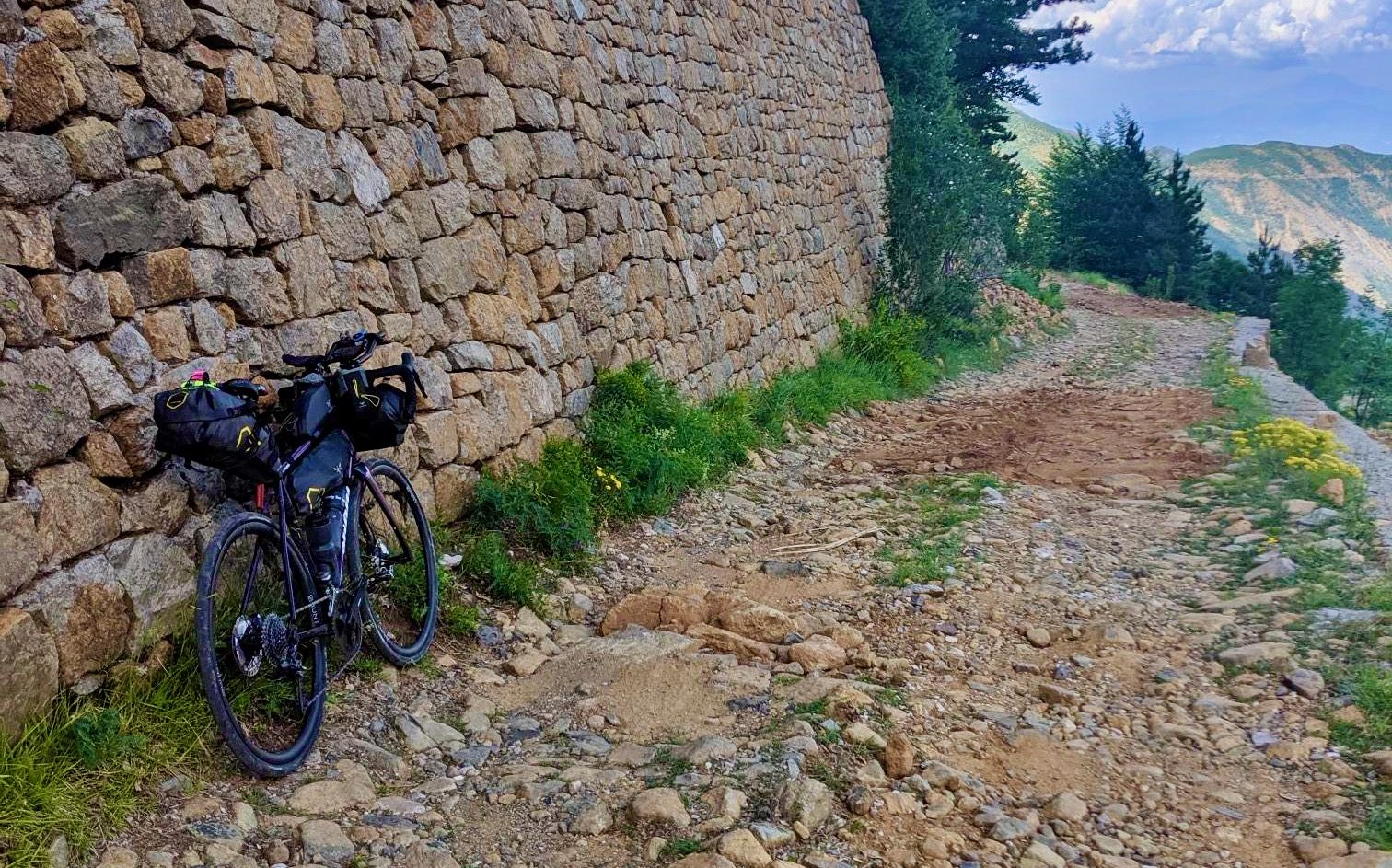
Traversing the Dinaric Alps — bikepacking from the mountains to the sea
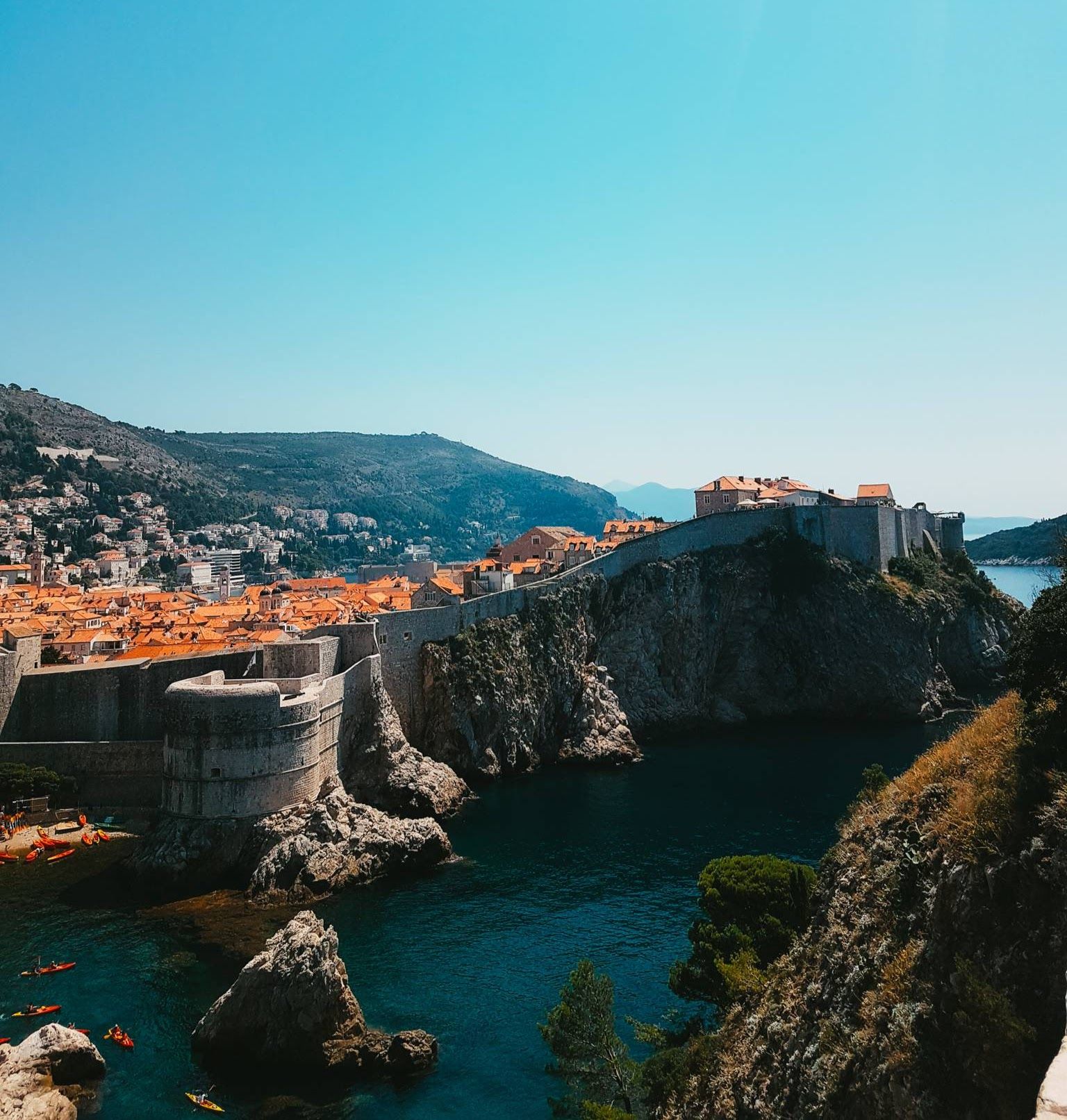
The Ciro Trail — Along the railtrail from Mostar to Dubrovnik
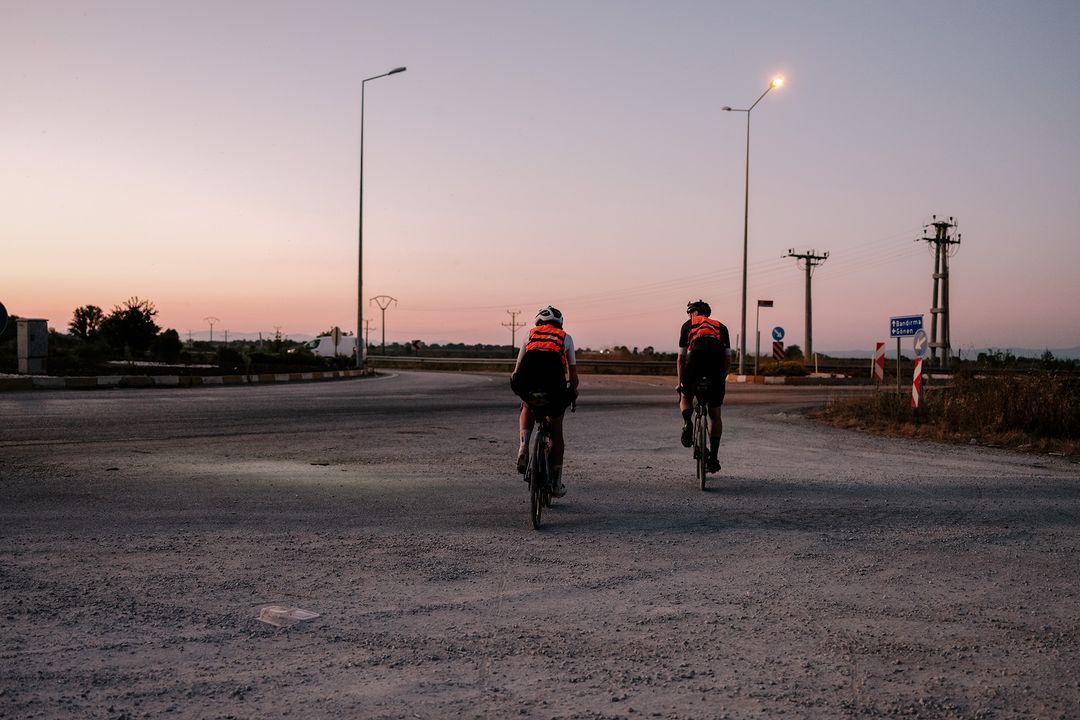
Transcontinental Race No10: crossing Europe from France to Turkey
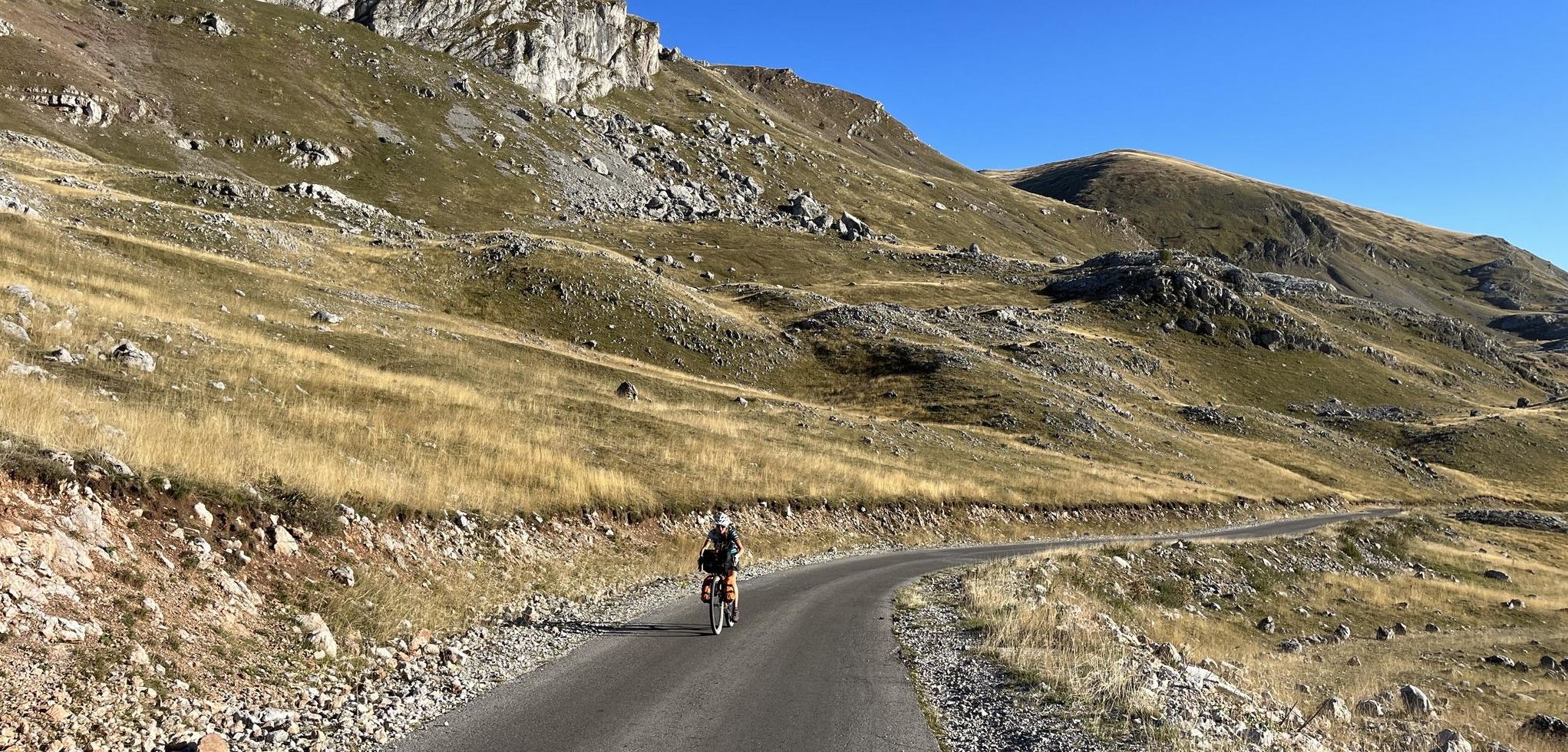
Balkan Escape – Croatia and Bosnia and Herzegovina
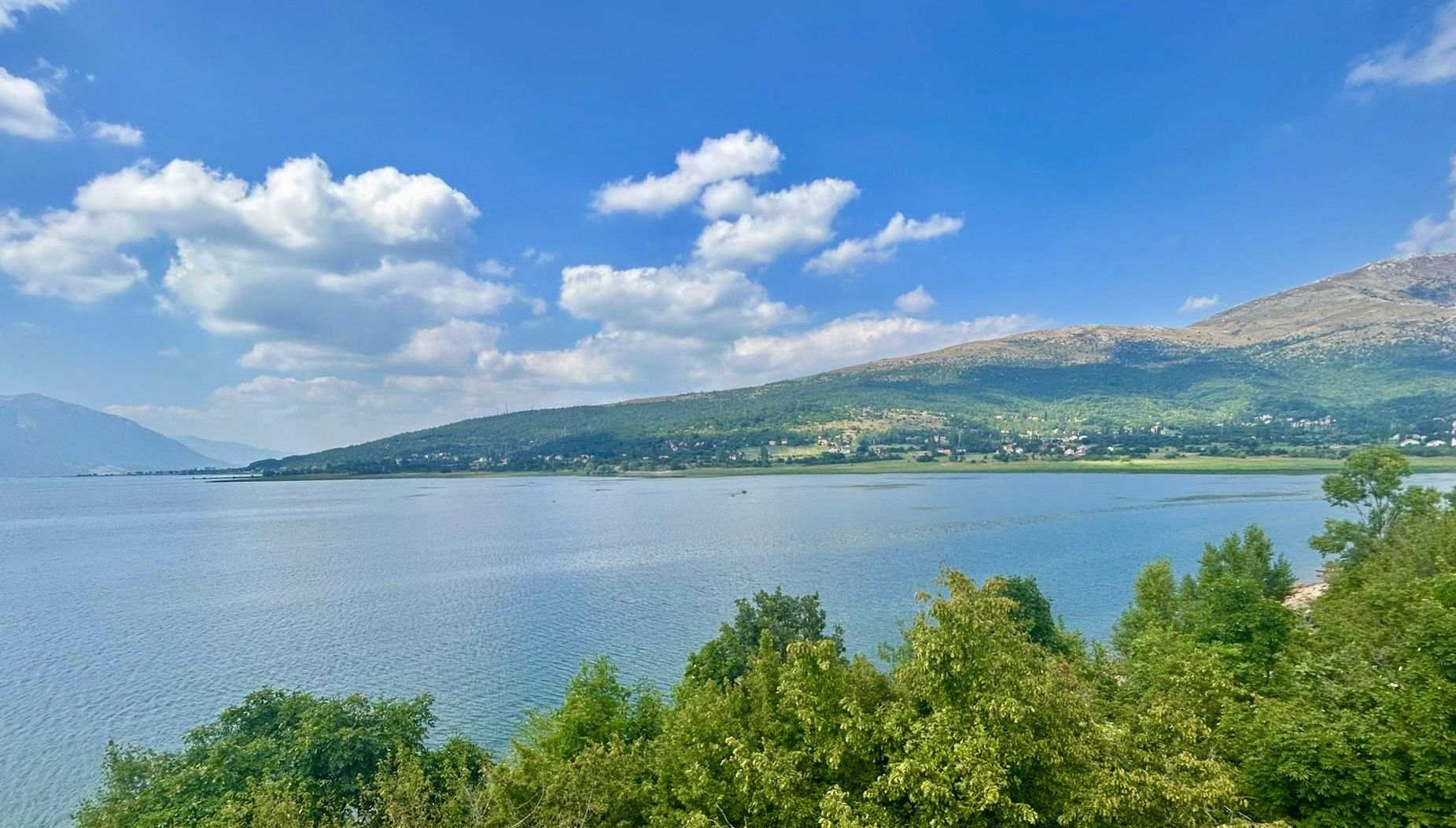
A weekend by Lake Buško – cycling the border between Croatia and Bosnia-Herzegovina
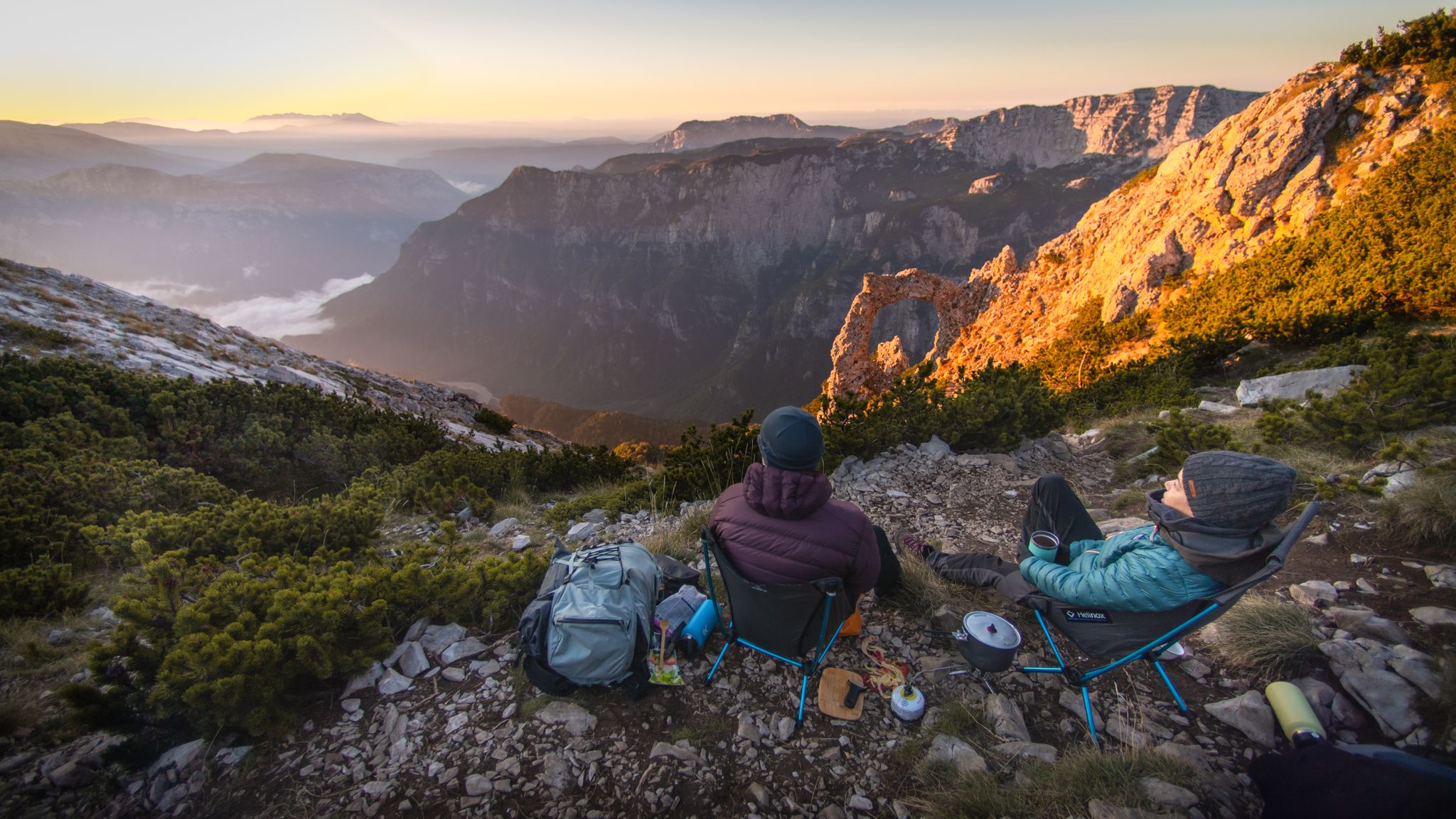
Warm earth and wild mountains — hiking in the Bosnian Alps
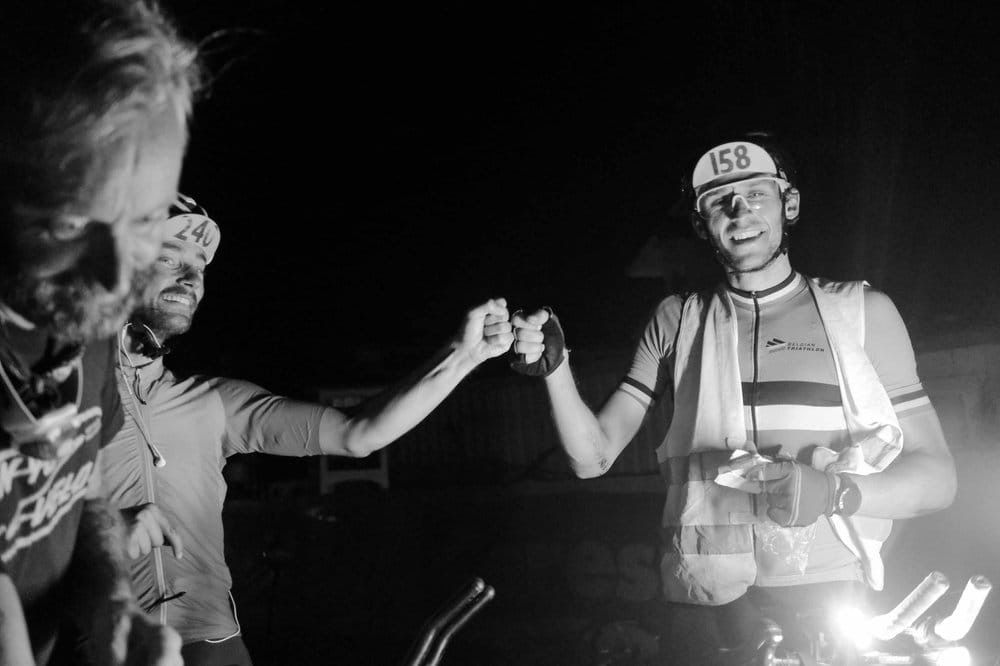
TCR No. 8 — racing across Europe
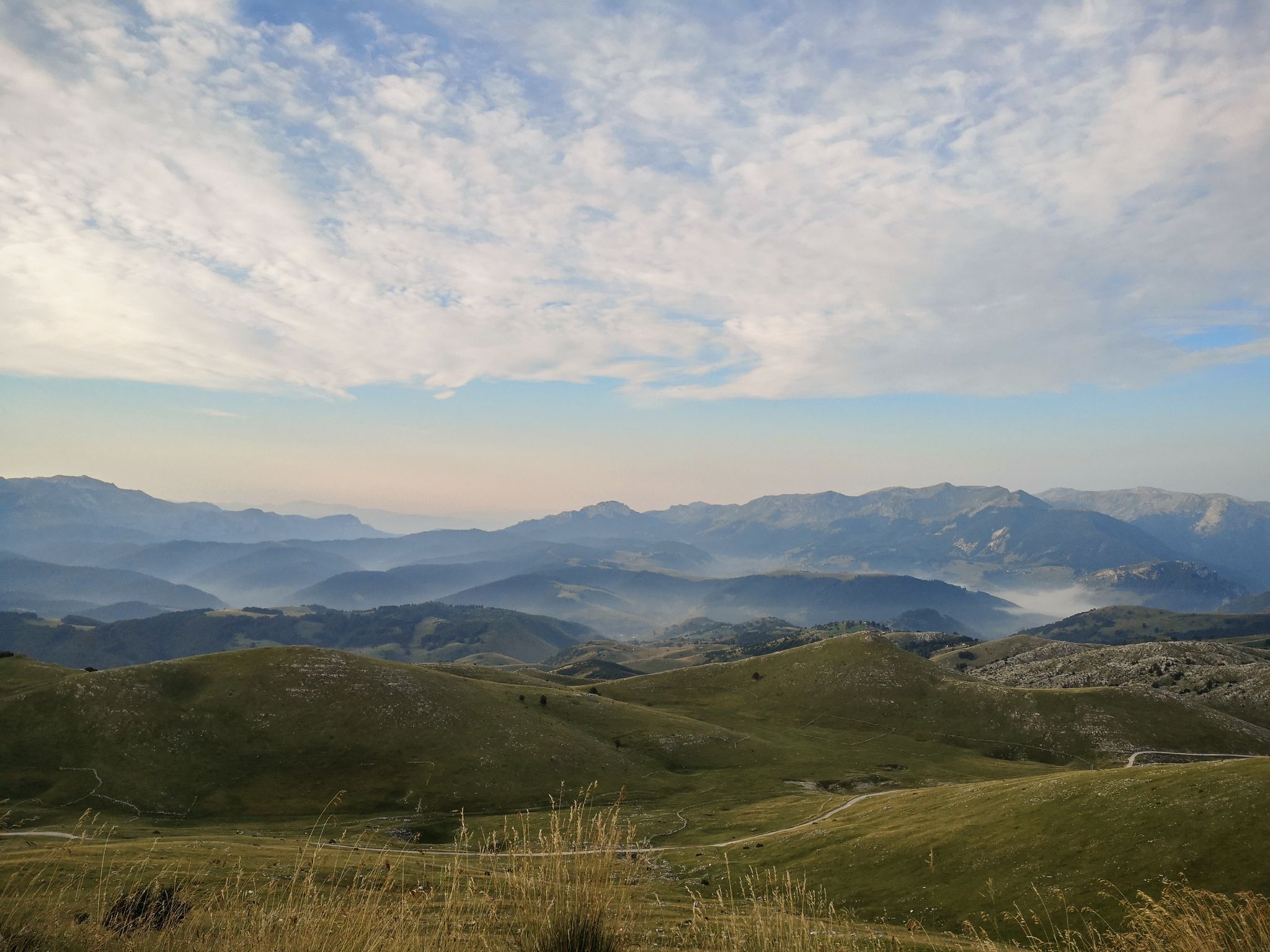
As we wrote history – the Transcontinental Race #TCRN06
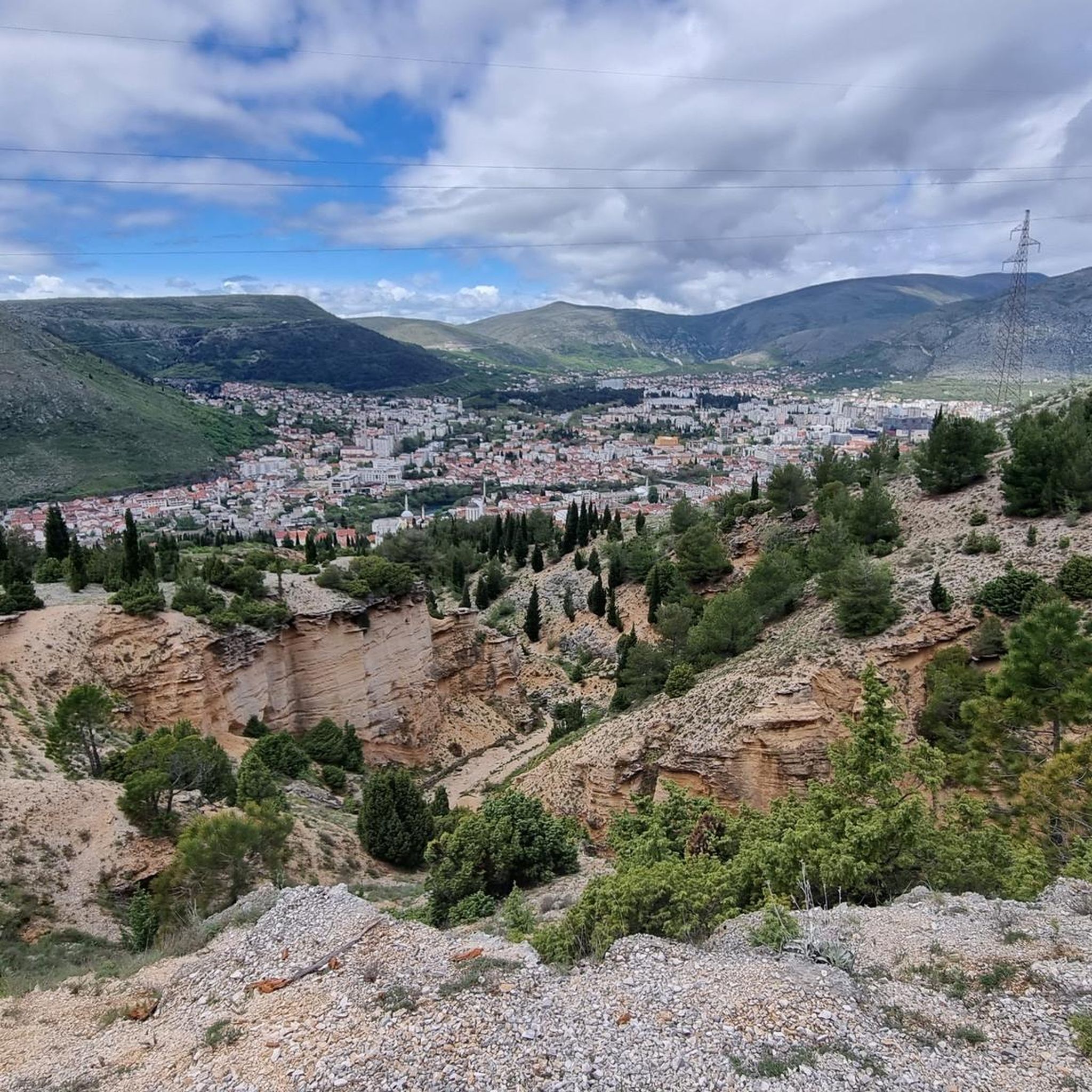
Hiking in the Federation of Bosnia and Herzegovina
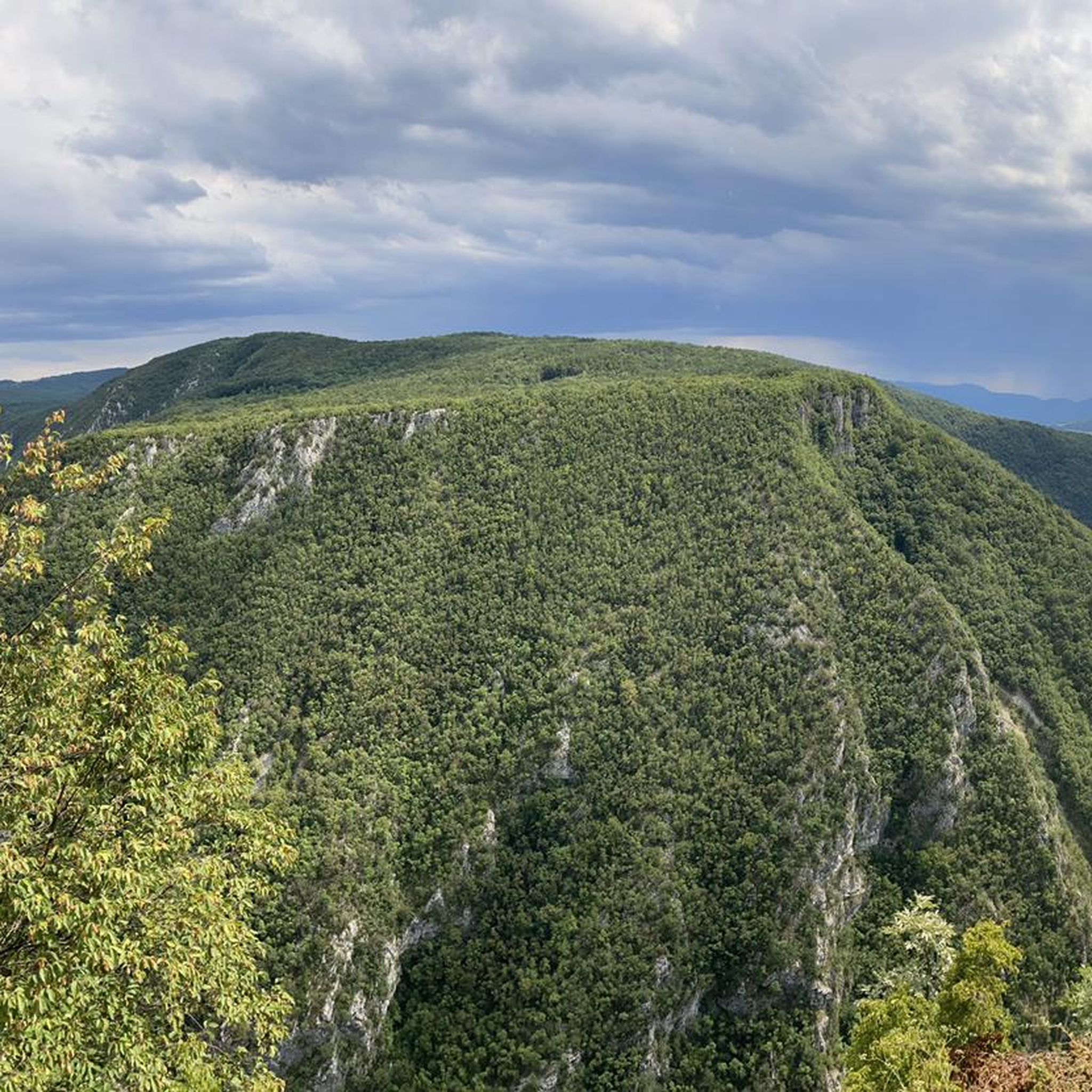
Cycling in the Federation of Bosnia and Herzegovina
Other adventures in the Federation of Bosnia and Herzegovina


Tips from the Community

An electromagnetic energy beam emanates from the Bosnian pyramid in Visoko. Frequencies and negative ions with healing properties have been measured in the ancient tunnel complex. Spiritual people connect with the universe here, experiencing revelation, healing, and spiritual awakening.
2
0
Remains of a fortress about which, unfortunately, almost no information is available. The summit is better known as the apex of the Pyramid of the Sun.
2
0

Make sure you visit Trinjača peak. 2038 meters height. Beautiful views. And only a few minutes walk from Hajdučka Vrata.
0
0

Beautiful view. In hot weather good protection from the sun is needed. There is little shelter. Lots of water!
0
0
Challenging walk with beautiful views. Protection in hot weather necessary, many open spaces.
0
0

Jelinjak is a mountain on Lake Blidinje in Bosnia. It is quite easy to reach from the west, difficulty level approx. T2. Even on the way and especially at the top you have a great panoramic view of the Blidinje karst area and other Bosnian mountains.
0
0
The mountain peak Jelinjak in Bosnia on Blidinje Jezero (lake) is quite easy to reach (hike from the west with difficulty level T2) and offers very beautiful views on all sides.
0
0
Summit of Jelinjak. Fairly easy hike, approx. T2. Beautiful views on all sides!
0
0
Frequently Asked Questions
Which mountain peaks offer the most stunning views in the Federation of Bosnia and Herzegovina?
Many peaks in the Federation of Bosnia and Herzegovina provide breathtaking panoramic views. For exceptional vistas, consider Vito Peak (1960 m), one of the highest points of the Visočica massif, offering views over the Rakitnica gorge to Bjelašnica. Trinjača Peak (2,038 m) is also highly recommended for its great all-round visibility. Trebević, easily accessible from Sarajevo via cable car, offers exceptional views of the city. Treskavica is also renowned for its beauty and numerous springs.
What are some of the most challenging mountain peaks for experienced hikers?
For experienced hikers seeking a challenge, Maglić, the highest peak in Bosnia and Herzegovina, is a must-see. Located in Sutjeska National Park, climbing Maglić requires good physical condition and proper equipment. Prenj, often called the 'Himalayas of Herzegovinian' due to its ruggedness, also offers challenging routes with amazing karst scenery. The ascent to Pločno, the highest peak of Čvrsnica, provides varied and demanding terrain.
Are there mountain peaks with historical significance or unique cultural aspects?
Yes, several peaks hold historical and cultural importance. Bjelašnica and Igman are famous for hosting events during the 1984 Winter Olympics, offering a glimpse into local culture. Trebević, another Olympic venue, also features historical sites. The Visočica Summit and Fortress Ruins combine natural beauty with ancient history. Additionally, Križevac Cross is a significant religious site offering a rewarding view after a difficult ascent.
What kind of natural features can I expect to see on the mountain peaks?
The mountain peaks in the Federation of Bosnia and Herzegovina, part of the Dinaric Alps, are characterized by rugged karst terrain, dense forests, and abundant water sources. You can find numerous springs on Treskavica, including sources of five major rivers. Vranica is known for the stunning Prokoško Lake, home to trout and rare newts. Čvrsnica features the highest lake in Bosnia and Herzegovina, numerous caves, sinkholes, and the unique natural phenomenon known as Hajdučka Vrata (Brigand's Door). Sutjeska National Park, home to Maglić, boasts Perućica, one of Europe's last primeval forests.
What outdoor activities can I do near these mountain peaks?
The region offers a wide range of outdoor activities. Near many peaks, you can find excellent opportunities for hiking, mountain biking, and running. For example, you can explore various Mountain Hikes, including routes like the 'Drstva Peak (1808 m) – Veliko Brdo 1884 m loop'. Mountain biking enthusiasts can find trails such as the 'Lukomir Village – Lukomir Village loop from Babin do' in the MTB Trails guide. For runners, there are options like the 'Vrelo Bosne loop from Sokolović-kolonija' in the Running Trails guide. The Neretva River, near Prenj, also offers rafting and kayaking.
Are there any family-friendly mountain peaks or trails suitable for all ages?
Yes, there are options suitable for families. Trebević, with its easy cable car access from Sarajevo, is a popular spot for family picnics, hiking, and mountain biking, offering beautiful city views. Igman is also well-regarded for its natural beauty and is a popular spot for walking, with Vrelo Bosne at its foot providing walking lanes. For more moderate hikes, some sections of Vranica offer mild, sloping terrain that makes for pleasant hiking.
What is the highest mountain peak in the Federation of Bosnia and Herzegovina?
The highest peak in Bosnia and Herzegovina is Maglić, standing at 2,386 meters (7,828 ft). It is located on the border with Montenegro and is part of Sutjeska National Park.
Which mountain peaks are popular for winter sports?
Bjelašnica is a very popular destination for skiing in winter, having hosted events during the 1984 Winter Olympics. Vlašić also attracts many visitors annually and is among the favorite mountains for skiers and climbers.
What do visitors enjoy most about the mountain peaks in the Federation of Bosnia and Herzegovina?
Visitors frequently praise the stunning panoramic views and the sense of accomplishment after reaching a summit. Many appreciate the diverse landscapes, from rugged karst to dense forests and serene lakes like Prokoško Lake on Vranica. The rich natural beauty and the opportunities for various outdoor activities, from challenging climbs to pleasant walks, are also highly valued. The unique blend of natural wonders and historical significance, such as the Olympic mountains near Sarajevo, adds to the appeal.
Are there any hidden gem mountain peaks worth exploring?
While many peaks are well-known, exploring the broader Visočica massif, beyond just Vito Peak (1960 m), can reveal less-traveled paths and breathtaking views over the deep gorge of the Rakitnica. The remote beauty of Treskavica, with its numerous springs, also offers a sense of discovery away from more crowded spots.
What is the best time of year to visit the mountain peaks for hiking?
The warmer months, typically from late spring to early autumn (May to October), are generally the best time for hiking in the Federation of Bosnia and Herzegovina's mountains. During this period, the weather is more stable, and trails are usually clear of snow, making for pleasant hiking conditions. However, some higher peaks like Maglić may retain snow longer into the spring. Winter offers opportunities for skiing and snowshoeing on mountains like Bjelašnica and Vlašić.
Are there any mountain peaks that are easily accessible from major cities like Sarajevo?
Yes, several prominent mountain peaks are very accessible from Sarajevo. Bjelašnica is located just 25 kilometers from the city. Igman is another Olympic mountain close to Sarajevo. Trebević is situated on the southern outskirts of Sarajevo and can be easily reached via a cable car, making it one of the most convenient options for a quick escape into nature.
Most popular routes in the Federation of Bosnia and Herzegovina
Most popular attractions in the Federation of Bosnia and Herzegovina

Get inspired with the komoot mobile app


Explore more
See even more amazing summits in the Federation of Bosnia and Herzegovina with these guides:
