Top 17 Castles in the Federation of Bosnia and Herzegovina
Castles in the Federation of Bosnia and Herzegovina offer a glimpse into the region's historical periods. These structures, often strategically located on hillsides or alongside rivers, showcase diverse architectural styles from medieval, Ottoman, and Austro-Hungarian eras. The area's geography, with its rivers and hills, often dictated the placement of these fortifications. Exploring these sites provides insight into the cultural significance and past of the Federation of Bosnia and Herzegovina.
Best castles in the Federation of Bosnia and Herzegovina
- The most…
Last updated: August 21, 2026
Vidoška Fortress (Stolac)
Highlight • Castle
Translated by Google •
Tip by

Bobovac Medieval Fortress Ruins
Highlight • Castle
Translated by Google •
Tip by
Sign up now to discover places like this
Get recommendations on the best single tracks, peaks, & plenty of other exciting outdoor places.
Sign up for free
Captain's Tower
Highlight • Castle
Translated by Google •
Tip by

Stjepan Grad Fortress
Highlight • Castle
Translated by Google •
Tip by

Travnik Fortress
Highlight • Castle
Some archaeologists and historians believe that there was a Neolithic settlement here. The old town …
Translated by Google •
Tip by

Visočica Summit and Fortress Ruins
Highlight • Summit
Translated by Google •
Tip by
Srebrenik Fortress
Highlight • Castle
Small fee has to be paid at the entrance.
Tip by

Blagaj Old Town Fortress
Highlight • Castle
Tip by

Ostrožac Castle and Stone Sculpture Park
Highlight • Castle
Showing Translation
Tip by

Old Town of Pset Tower
Highlight • Castle
Tip by

Sign up for free to discover even more castles in the Federation of Bosnia and Herzegovina.
Sign up for free
Already have an account?
Start today with a free account
Your next adventure awaits.
Login or Signup
Popular around Federation of Bosnia and Herzegovina
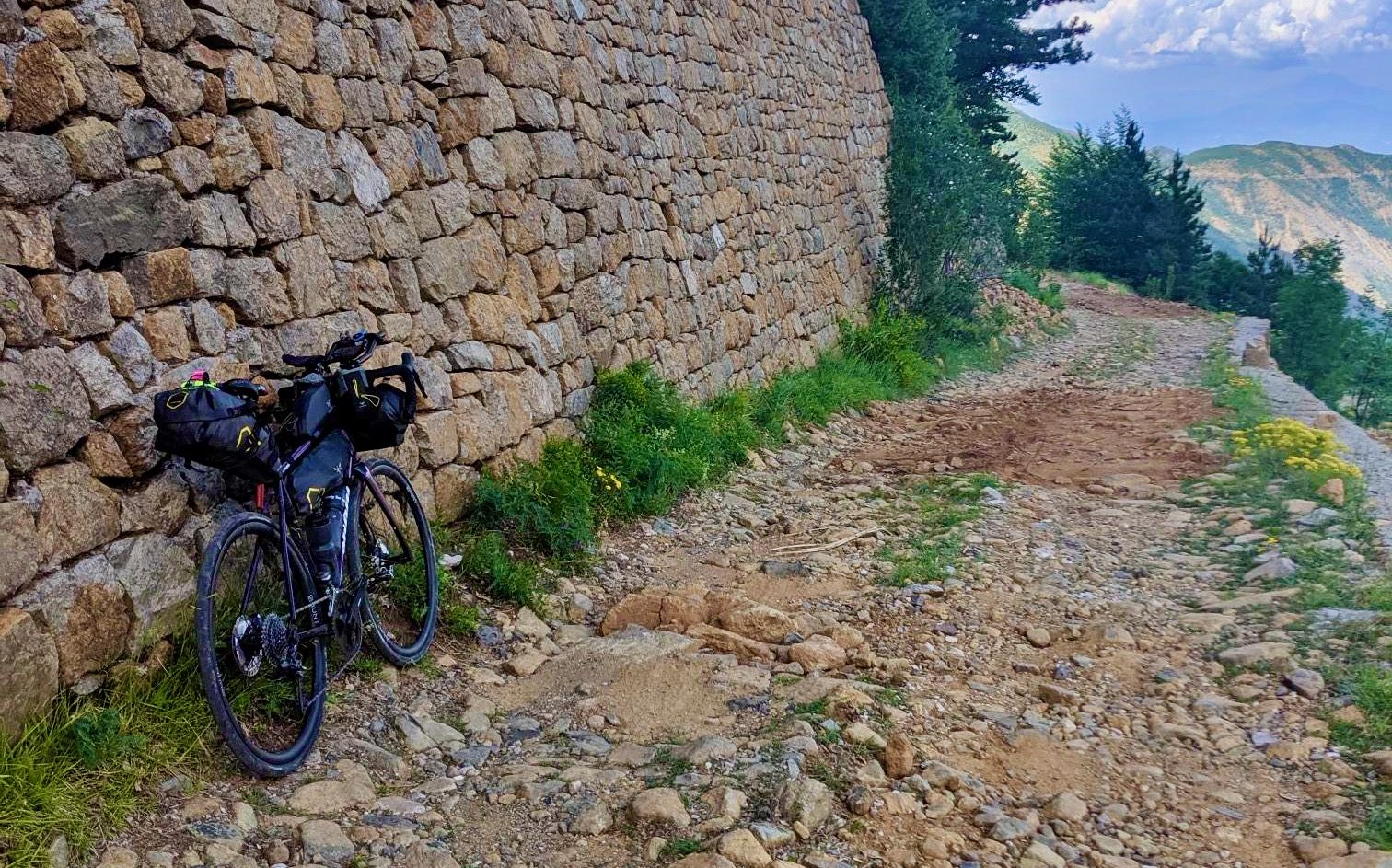
Traversing the Dinaric Alps — bikepacking from the mountains to the sea
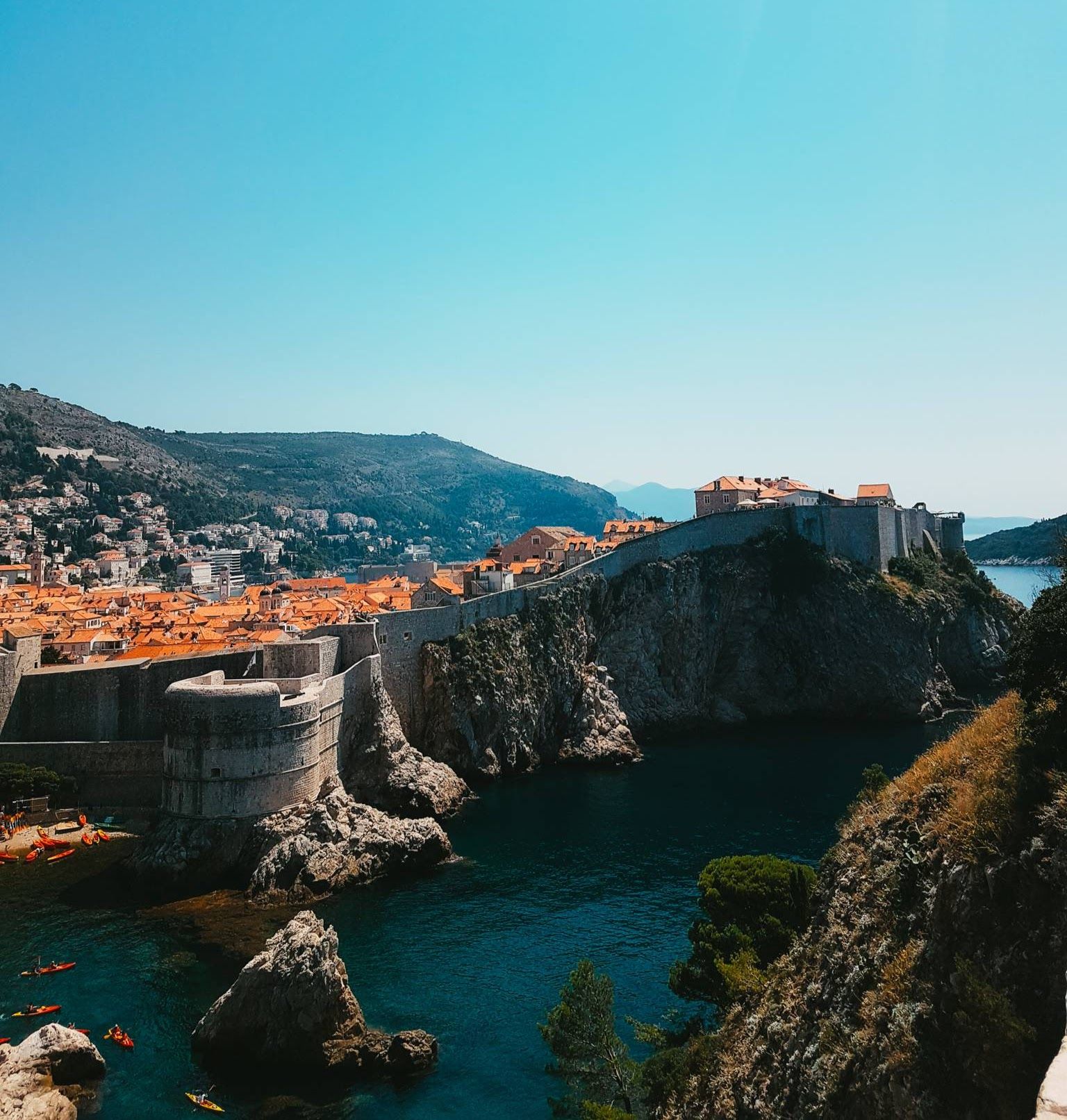
The Ciro Trail — Along the railtrail from Mostar to Dubrovnik
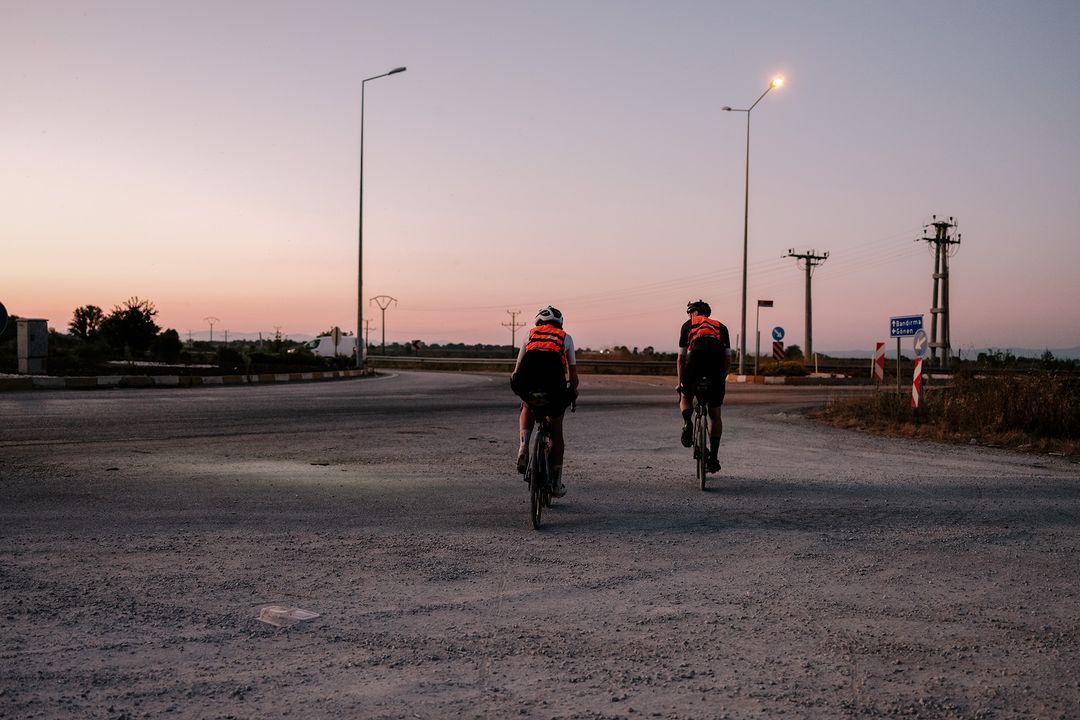
Transcontinental Race No10: crossing Europe from France to Turkey
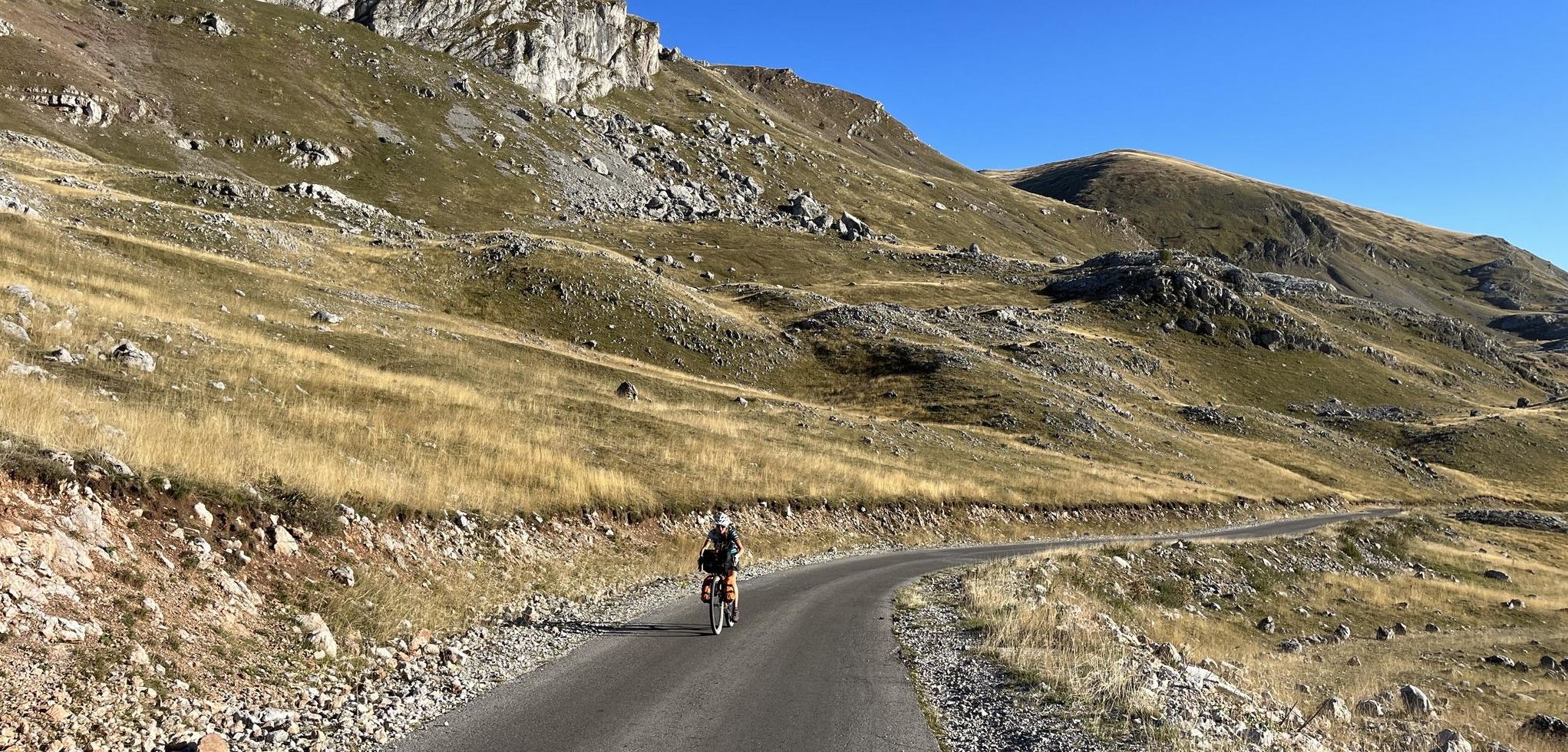
Balkan Escape – Croatia and Bosnia and Herzegovina
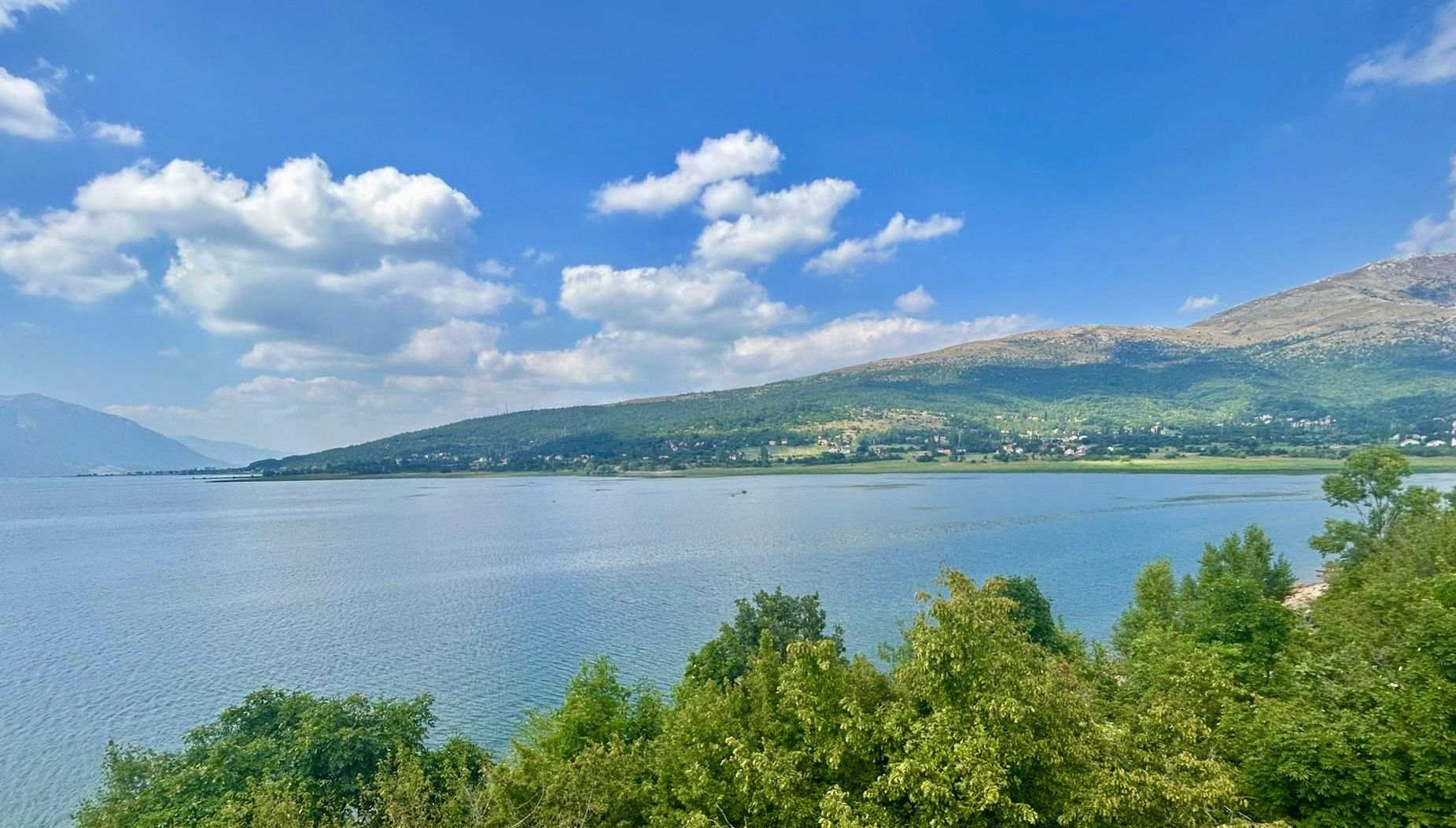
A weekend by Lake Buško – cycling the border between Croatia and Bosnia-Herzegovina
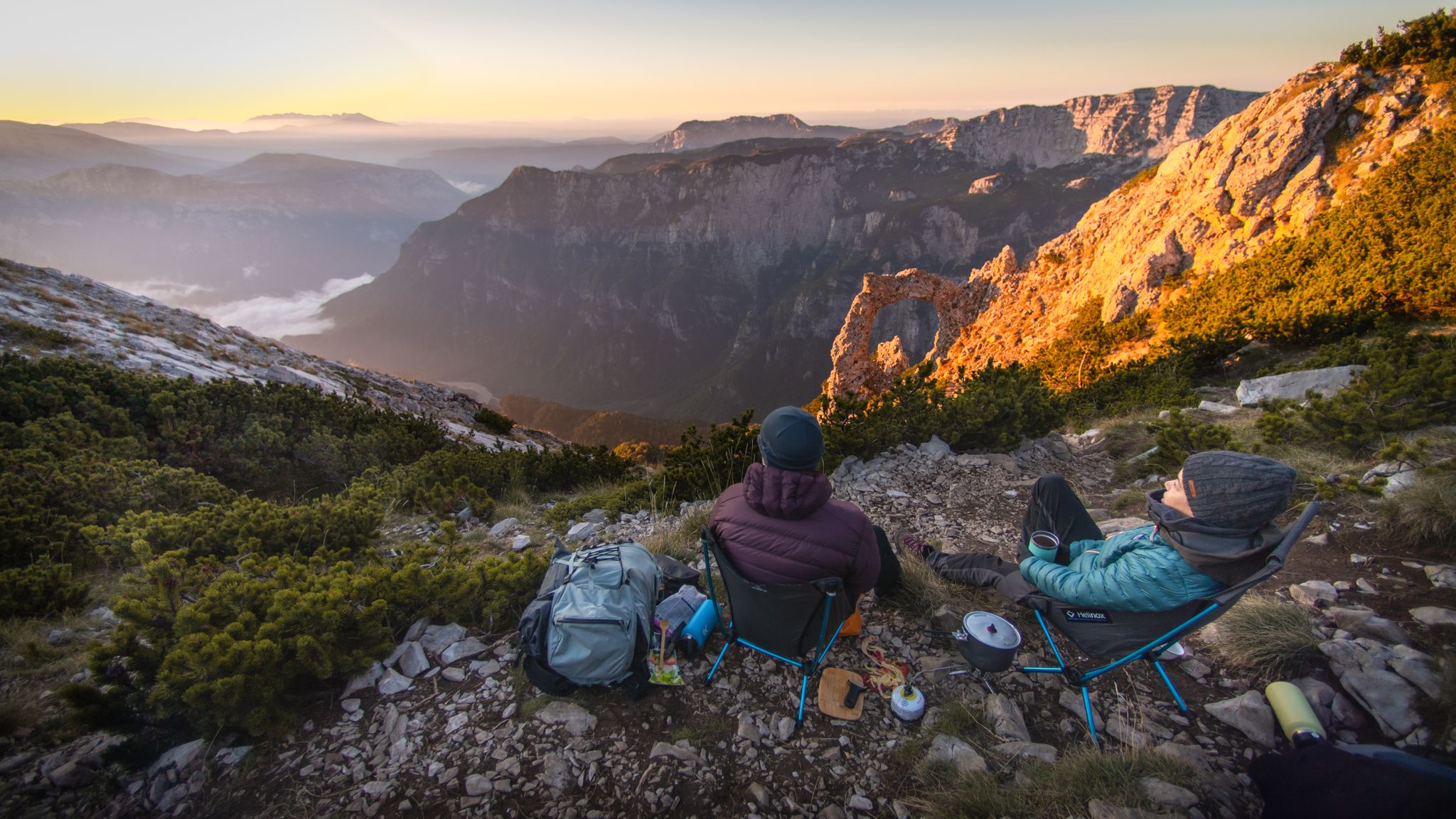
Warm earth and wild mountains — hiking in the Bosnian Alps
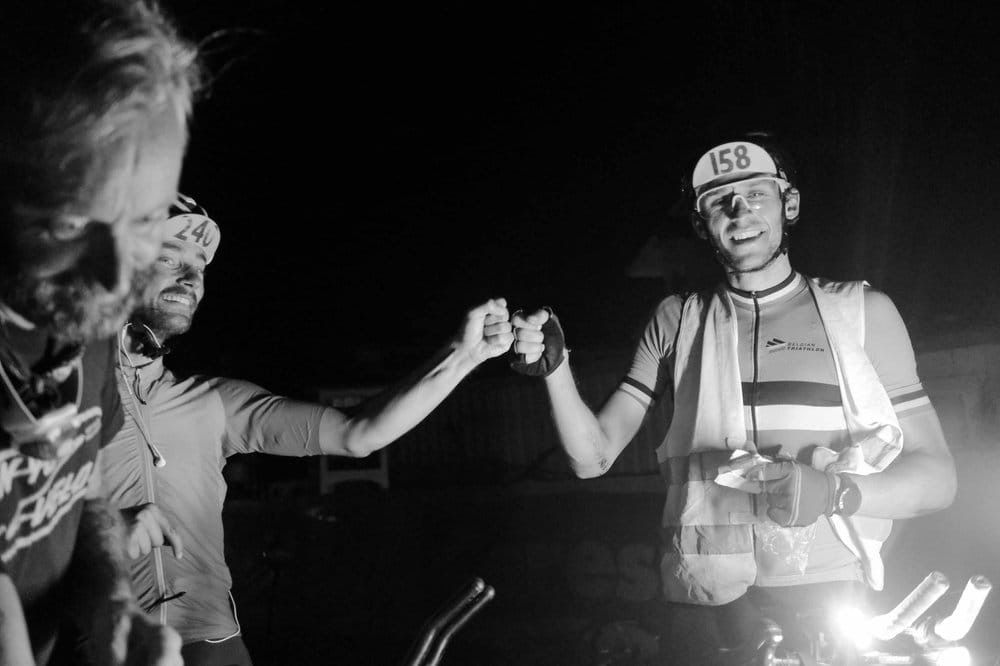
TCR No. 8 — racing across Europe
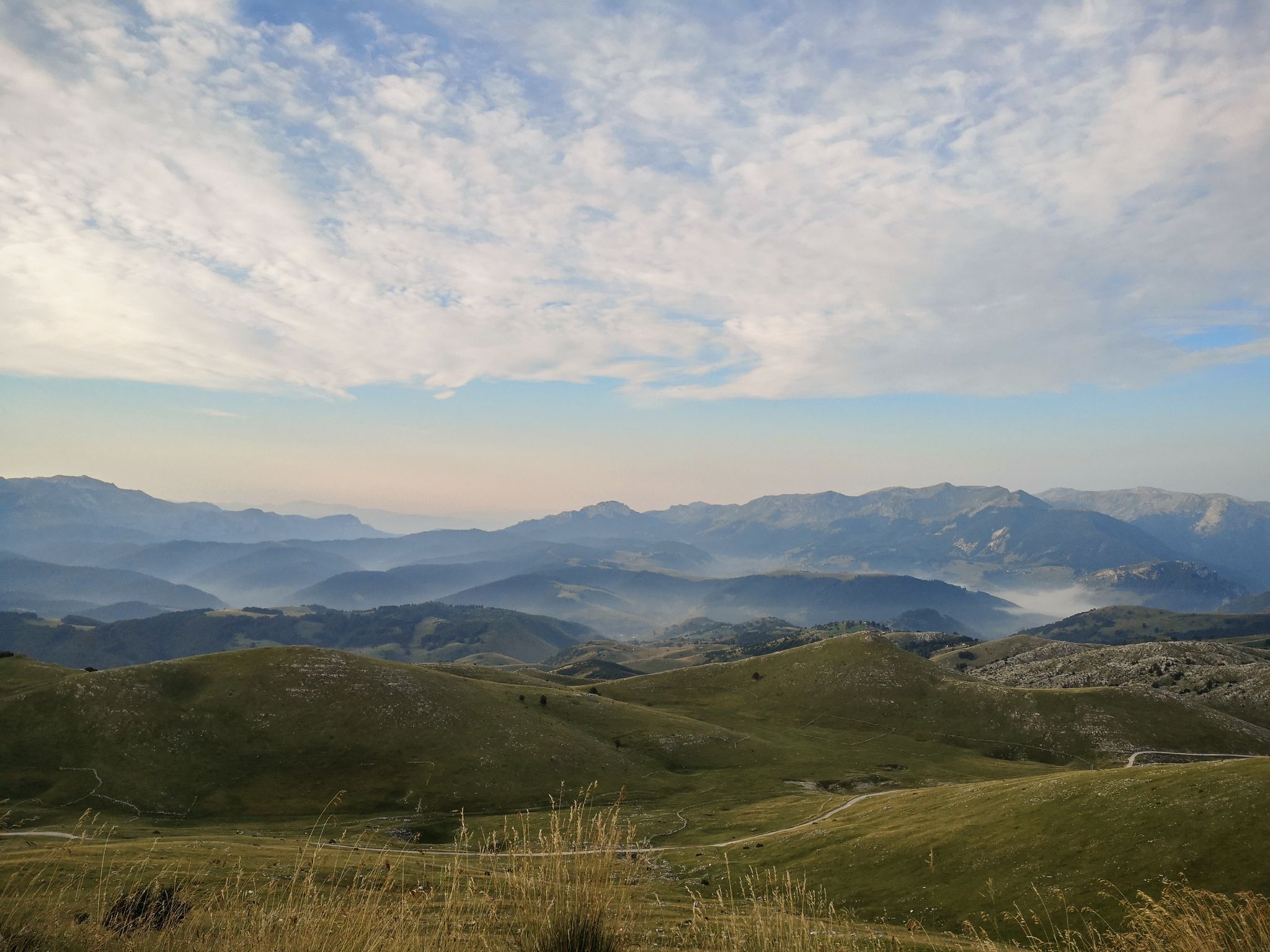
As we wrote history – the Transcontinental Race #TCRN06
Hiking in the Federation of Bosnia and Herzegovina
Cycling in the Federation of Bosnia and Herzegovina
Other adventures in the Federation of Bosnia and Herzegovina


Tips from the Community

Dolaskom austrougarskih vlasti u Bihać 1878.godine Kapetanova kula je adaptacijom unutrašnjeg prostora 1889.godine pretvorena u zatvor. Na osnovu podataka može se konstatovati da je u njoj na tri sprata moglo biti smješteno 50 zatvorenika, koji su tu izdržavali kaznu zbog težih krivičnih djela. Kapetanova kula je sve do 1959. godine služila kao Okružni zatvor. Zgrada je u potpunosti adaptirana u muzejski prostor, gdje su smještene stalne postavke, i značajna je u turističkoj ponudi Bihaća. Izvor: https://www.kulturnonaslijedjeusk.ba/bs/clanak/historijska-gradevina-kapetanova-kula-u-bihacu/19
2
0
Kapetanova kula is built of beautifully carved limestone. It was built on several floors; originally it had a ground floor and three floors, but the last restoration brought internal modifications and additions, so that now, besides the ground floor, it has four more floors. Its external appearance has not been changed. The tower has a square base (10 x 10) and the shape of a four-sided truncated pyramid, which makes it unique compared to other towers in Bosnia and Herzegovina. It is covered with a 'tent' roof (on four sides) with an opening. It has several openings. Source: https://www.kulturnonaslijedjeusk.ba/bs/clanak/historijska-gradevina-kapetanova-kula-u-bihacu/19
2
0
Kapetanova kula is part of the former fortress in Bihać. It has been declared a national monument of Bosnia and Herzegovina. It is located in the lower part of the city, on the left bank of the Una River. Based on available historical maps of the city and its surroundings, it is possible to determine that it was built before 1697. Some historians believe that Kapetanova kula was built around 1205 and was one of the four towers of Bihać. According to popular tradition, the Hungarian King Bela IV stayed in the tower during the Tatar invasion. Source: https://sh.wikipedia.org/wiki/Kapetanova_kula_u_Biha%C4%87u
2
0
Kolonija skulptora „Ostrožac“, koja djeluje od 1967. godine, označila je novu eru u historiji tvrđave te je izrodila svojevrsnu „galeriju pod vedrim nebom“, jedinstvenu na ovim prostorima. Skoro 60 godina umjetnici, kipari sa svih strana svijeta pohode Ostrožac i tu od autohtonog kamena ovog kraja – bihacita, klesaju svoja djela. Rezultat toga je fundus od preko 130 skulptura koje su smještene u prirodnom ambijentu ostrožačke tvrđave. Izvor: https://ckt.ba/stari-grad-ostrozac/
2
0
After the end of World War II, the castle in Ostrožac was converted into a home for orphaned children, i.e. for children whose parents perished during the war. Although the motives for such an act were noble, it had catastrophic consequences for the castle, as its interior was drastically changed, hence the gray color of the woodwork with which the once bright and vivid colors were repainted. Then, the castle's inventory was also brutally looted. Thus, many valuable exhibits from the castle ended up in private hands, with every trace of them lost. Source: https://ckt.ba/stari-grad-ostrozac/
2
0
During the Second World War, in the period of the famous Bihać Republic (1942-1943), Ostrožac was the seat of the Supreme Staff of the National Liberation Army. In January 1943, the supreme commander of the Yugoslav partisans, Josip Broz Tito, stayed at the castle. Tito visited Ostrožac once more, in 1966. At the beginning of January 1943, the famous writer Vladimir Nazor stayed with Tito in Ostrožac and wrote his well-known diary „S partizanima“ there. Source: https://ckt.ba/stari-grad-ostrozac/
2
0
In the early 20th century, during the Austro-Hungarian administration in Bosnia and Herzegovina, Isabella von Berks – born Adamović pl. Čepinska, wife of Lothar von Berks – the head of the Bihać district, bought Ostrožac from Mehmed-beg Beširević, a descendant of the Ostrožac captains, with her dowry and built a romantic castle in seclusion there (1900-1902). The Ostrožac fortress was thoroughly restored in the process. This castle, built in the Neo-Gothic style, is the only preserved castle in Bosnia and Herzegovina. The castle was lavishly furnished with a large number of rooms, including a library and a music room. Source: https://ckt.ba/stari-grad-ostrozac/
2
0
Osmanska historija Ostrošca obilježena je uspostavom Ostrožačke kapetanije i begovskom porodicom Beširević koja je, u svojstvu kapetana, tvrđavom gospodarila preko 200 godina. Prvi poznati kapetan Ostrošca bio je Osman-aga Beširević koji je živio na prelazu iz 17. u 18. stoljeće u jednom vrlo turbulentnom vremenu konstantnih sukoba sa Austrijom. Osman-aga proširio je ostrožačku tvrđavu izgradivši nekoliko tabija za topove kao i kapetansku rezidenciju – begov konak koji se nalazio na mjestu današnjeg dvorca. Izvor: https://ckt.ba/stari-grad-ostrozac/
2
0
Frequently Asked Questions
Which castles offer the deepest insight into the region's medieval history?
For a profound historical experience, consider visiting Travnik Fortress, a well-preserved 15th-century town-fortress with a museum showcasing its history. Jajce Fortress, once a royal capital, offers a glimpse into the Bosnian Kingdom's last stronghold. The ruins of Bobovac Medieval Fortress, a former royal seat, also provide a powerful sense of the past.
Are there castles with exceptional panoramic views?
Many castles in the Federation of Bosnia and Herzegovina are strategically located for stunning views. Jajce Fortress provides breathtaking panoramas of the town, rivers, and waterfall. Srebrenik Fortress, perched on a cliff, offers dramatic views of plains and woodlands. Additionally, Stjepan Grad Fortress near Blagaj boasts incredible vistas of the Buna River spring and Herzegovinian sunsets.
What unique architectural styles can I expect to see among the castles?
The castles showcase a blend of architectural influences due to the region's history. Travnik Fortress evolved under Ottoman rule, featuring a mosque minaret within its complex. Ostrožac Castle is particularly unique, blending medieval, Ottoman, and neo-Gothic styles, including a 19th-century palace. Počitelj Fortress also presents a distinct mix of Ottoman and medieval architecture.
Are there any castles that are particularly family-friendly?
While specific family amenities vary, castles with museums or open-air exhibits can be engaging for families. Travnik Fortress, with its museum, offers an educational experience. The expansive grounds of Tešanj Fortress, which often host cultural events, can also be enjoyable for families to explore.
What outdoor activities can I do near these castles?
Many castles are situated in scenic areas, offering opportunities for outdoor activities. Near Bobovac Medieval Fortress Ruins, you can find picturesque hiking trails. For more general outdoor pursuits, you can explore various hiking trails or running routes throughout the Federation of Bosnia and Herzegovina, often leading to viewpoints or natural attractions near historical sites.
Are there castles that are considered 'hidden gems' or less frequented?
While many castles are popular, some offer a more secluded experience. The Small Castle Ruins (Kleine Burg) in Una National Park might offer a more off-the-beaten-path adventure, combining historical exploration with natural beauty. The Visočica Summit and Fortress Ruins also provide a unique experience, known more for its connection to the 'Pyramid of the Sun' than as a traditional castle attraction.
What is the best time of year to visit castles in the Federation of Bosnia and Herzegovina?
Spring (April-May) and autumn (September-October) are generally ideal for visiting castles. The weather is pleasant for exploring outdoor sites, and the landscapes are particularly beautiful. Summer can be warm, but still suitable, especially in the mornings or late afternoons. Winter visits are possible, but some sites might have reduced hours, and snow can make access to certain ruins challenging.
Can I find cafes or amenities near these historical sites?
Amenities vary by location. Larger towns like Travnik and Jajce, where Travnik Fortress and Jajce Fortress are located, offer cafes and restaurants nearby. For example, the Plava Voda spring near Travnik Castle provides a picturesque setting for dining. For more remote ruins, it's advisable to bring your own refreshments.
Which castles are known for hosting cultural events or festivals?
Tešanj Fortress, one of the largest castles, frequently hosts cultural events and festivals, offering a vibrant atmosphere alongside its historical significance. Vidoška Fortress (Stolac) hosts a traditional medieval fair called Stolačka Tarča annually in May, which is the only one of its kind in Bosnia and Herzegovina.
What do visitors enjoy most about the castles in the Federation of Bosnia and Herzegovina?
Visitors frequently highlight the breathtaking panoramic views, the deep sense of history, and the well-preserved structures. The unique blend of architectural styles, from medieval to Ottoman and even neo-Gothic, is also a major draw. Many appreciate the opportunity to explore these sites and gain insight into the region's rich and often turbulent past.
Are there castles suitable for a day trip from Sarajevo?
Yes, several castles are accessible for day trips from Sarajevo. Travnik Fortress is a popular choice, located in the central Bosnian town of Travnik. The ruins of Bobovac Medieval Fortress, near Vareš, also make for an interesting historical day trip, especially for those who enjoy hiking.
Which castles are located near significant natural attractions?
Jajce Fortress is famously perched above the stunning Pliva River waterfall. Ostrožac Castle offers beautiful views of the Una River valley. For those interested in waterfalls, you can find various waterfall hikes in the region, some of which may be near historical sites.
Most popular routes in the Federation of Bosnia and Herzegovina
Most popular attractions in the Federation of Bosnia and Herzegovina

Get inspired with the komoot mobile app


Explore more
Looking for the best castles somewhere else? Discover other guides in the Federation of Bosnia and Herzegovina:
