Top 15 Caves in Lecco
Best caves in Lecco are found within the Lombardy region, situated along the eastern branch of Lake Como and dominated by the Grigne mountains. This area features a diverse natural landscape, offering various cave formations for exploration. The region's geology includes karst systems and travertine deposits, contributing to a rich underground world. Lecco provides opportunities for both accessible cave visits and more advanced speleological experiences.
Best caves in Lecco
- The most popular caves is Waterfall at the Source of the…
Last updated: May 15, 2026
Meria Stream Cave
Highlight • Cave
Translated by Google •
Tip by

Grotto of Our Lady of Lourdes
Highlight • Religious Site
Translated by Google •
Tip by

Sign up now to discover places like this
Get recommendations on the best single tracks, peaks, & plenty of other exciting outdoor places.
Sign up for free
Ferrera Cave
Highlight • Cave
Translated by Google •
Tip by

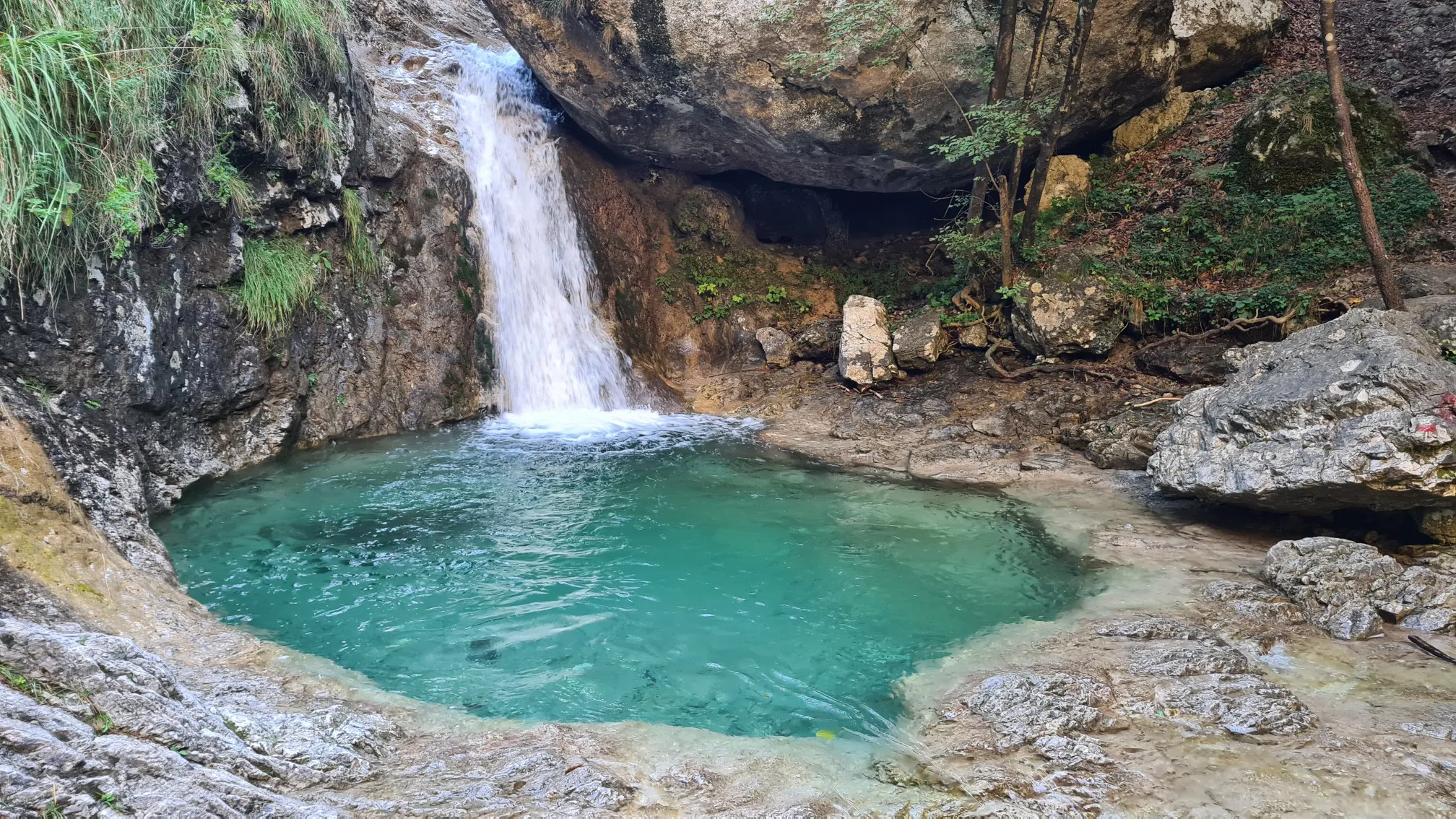
Waterfall at the Source of the Enna
Highlight • Waterfall
Translated by Google •
Tip by

Passata Mines
Highlight • Cave
Translated by Google •
Tip by

Val de la Porta Trail
Highlight (Segment) • Trail
Translated by Google •
Tip by

Alpe Moncodeno
Highlight • Natural
Translated by Google •
Tip by
Buco della Sabbia Cave
Highlight • Cave
Translated by Google •
Tip by

Crot di Darden Cave
Highlight • Cave
Translated by Google •
Tip by
Funzi Cave
Highlight • Cave
Translated by Google •
Tip by

Sign up for free to discover even more caves in Lecco.
Sign up for free
Already have an account?
Start today with a free account
Your next adventure awaits.
Login or Signup
Popular around Lecco
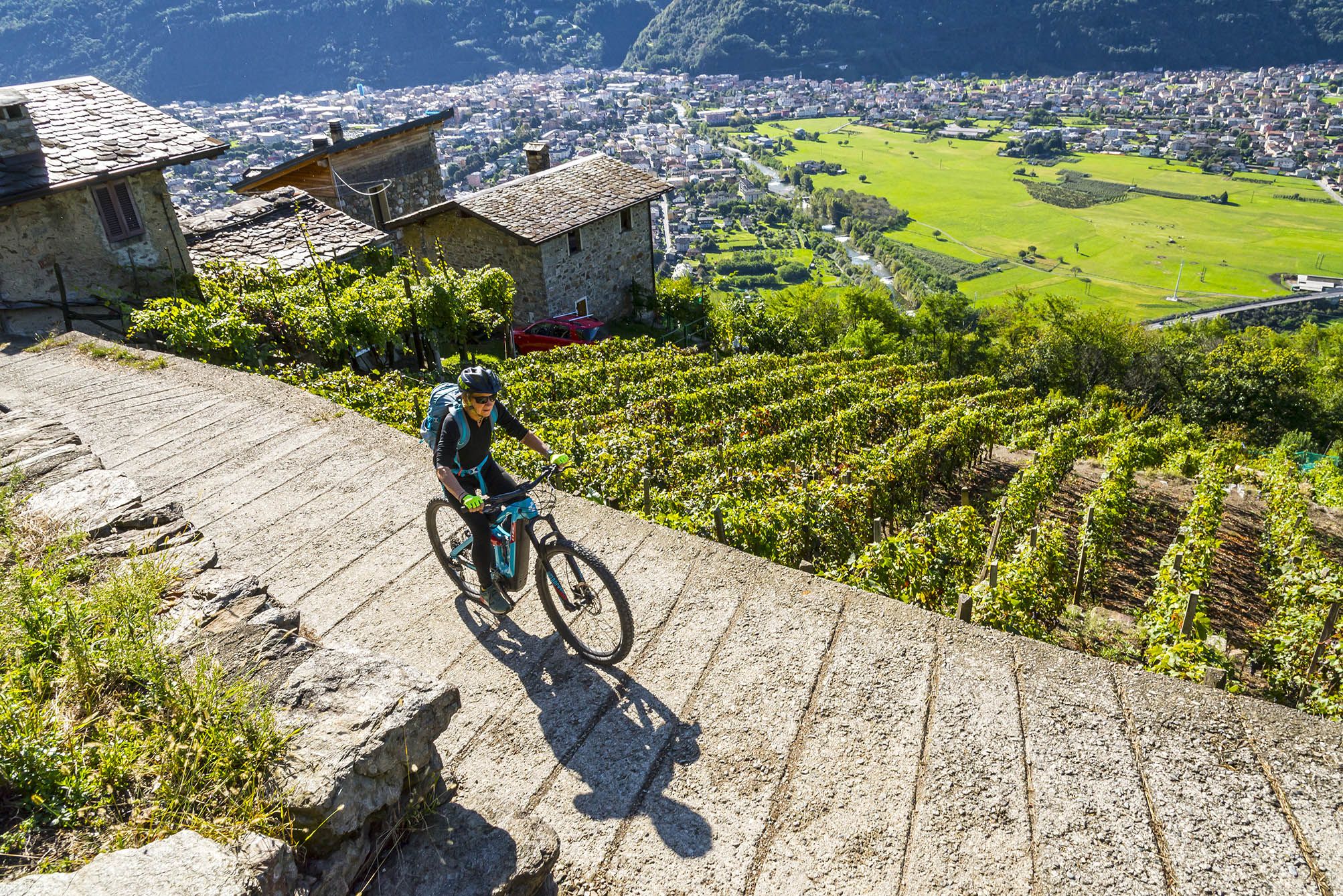
Cycling routes to discover authentic Lombardy
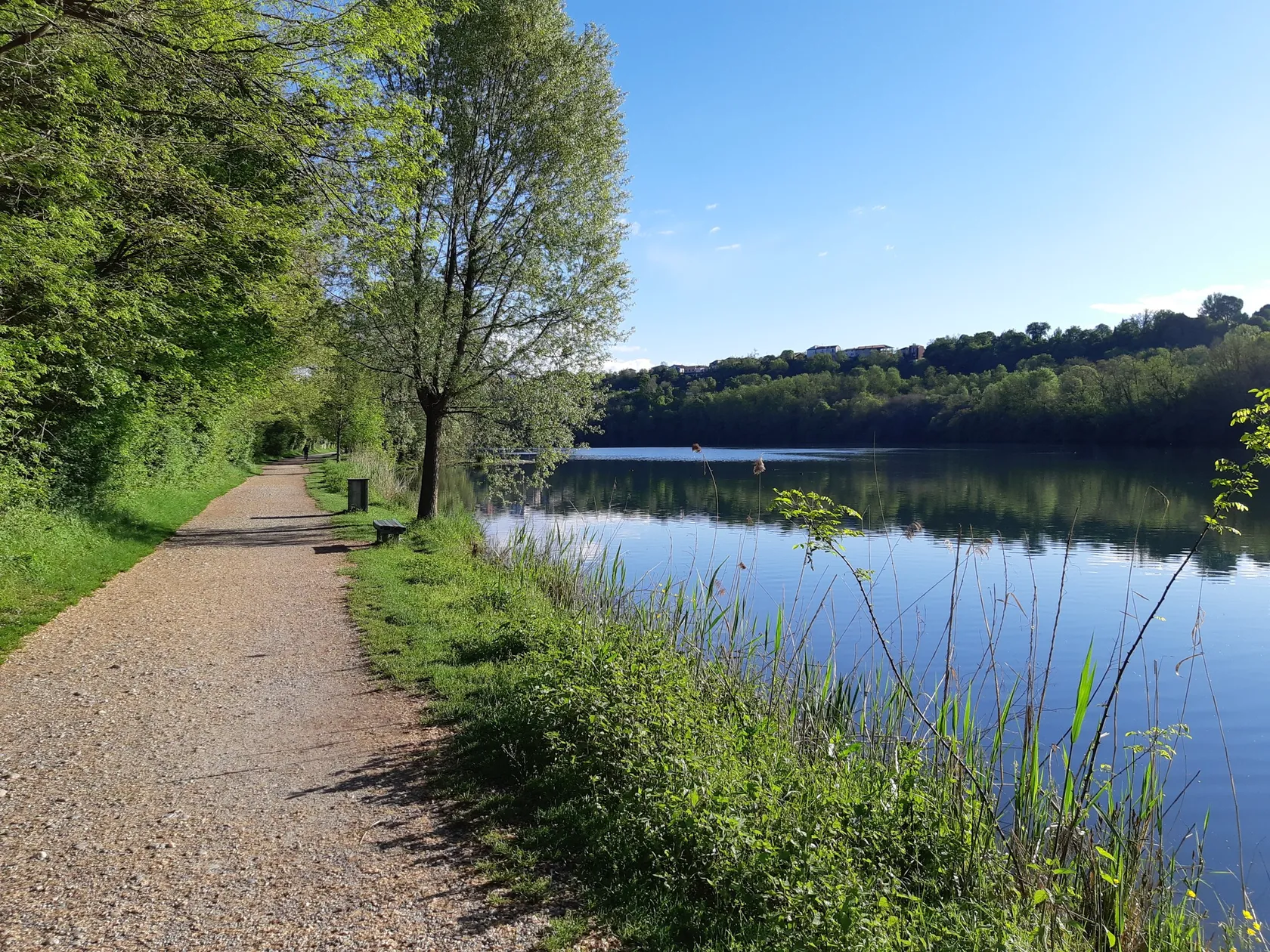
Lombardy by bike – discover historic villages and natural beauty

Exploring Insubria – CamminaForeste in Lombardy part 8
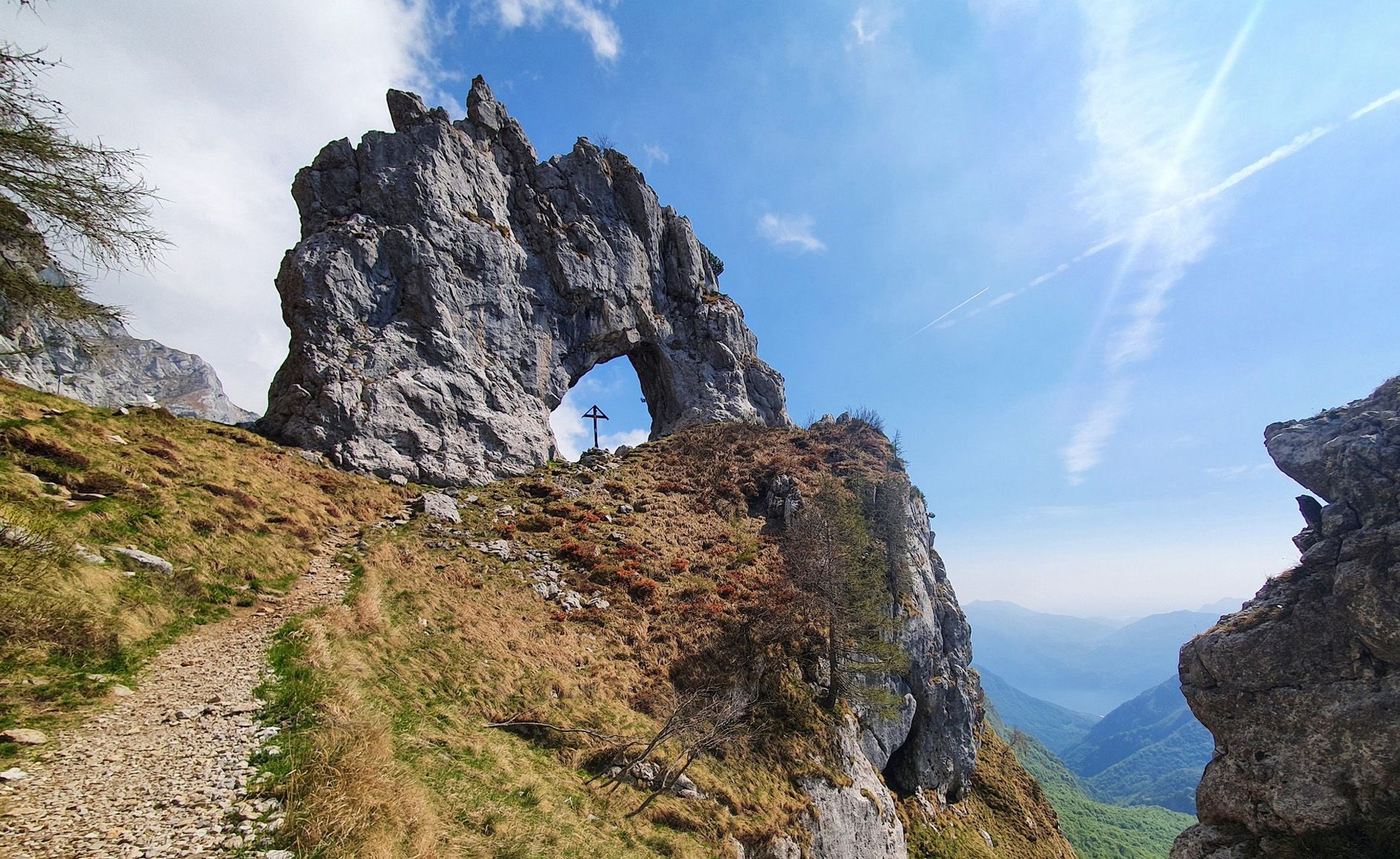
Travel slowly through Italy’s Grigna mountains – seven approach routes
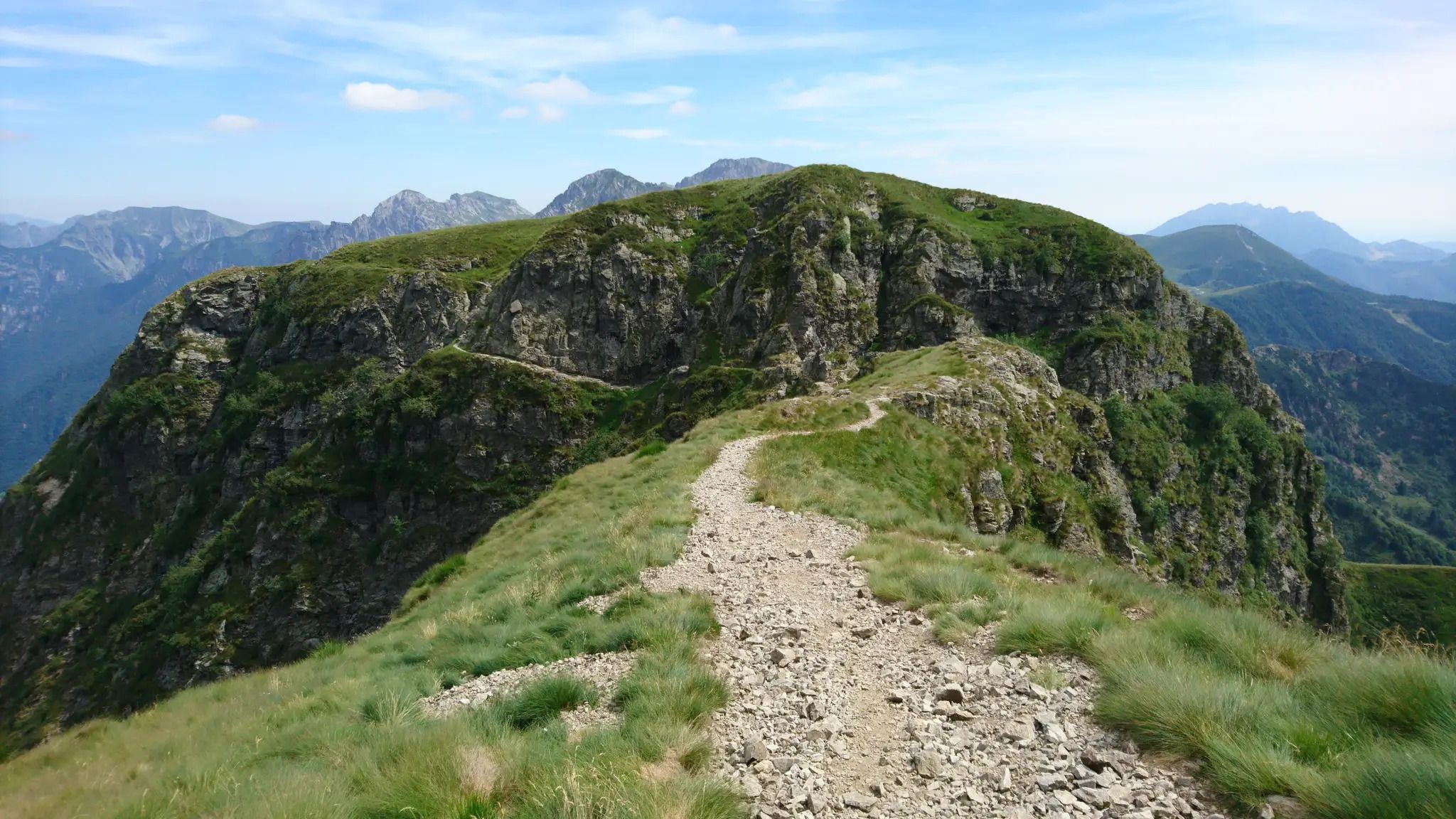
Western Orobie Path – cross the upper Brembana Valley in Italy
Away with the train – cycle paths within an hour of Milan
Away with the train – trekking an hour from Milan
The green ridge of Brianza – Sentierone di Montevecchia
Hike between villages and historic routes – Alta Val Brembana’s mountains
Walking on water – hiking through puddles near Lecco
Other adventures in Lecco


Tips from the Community

Characteristic, it is located just below the Bogani refuge
0
0

In winter it is better to follow this route: it is longer but remains drier and less muddy
0
0

Recommended reading: https://www.ecodibergamo.it/stories/eppen/outdoor/lanello-del-resegone-un-trekking-con-vista-tra-bergamo-e-lecco-o_3409562_11/
0
0
it is found on the path to Sasso di Preguda
0
0
natural cave with the presence of a fountain
0
0
path leading to San Pietro to be done with caution
0
0

Beautiful pools with crystal clear water. Trail 15b (Lake Trail) repeatedly crosses the stream, often with fixed chains; waterproof boots are highly recommended, especially in the less warm months.
0
1

The Mother of God depicted and venerated here is the one from Lourdes. This well-known Marian pilgrimage site is located in the French Pyrenees and is visited by many people every year, including many sick people who hope for healing. The devotional image of the Mother of God has become widespread - not only in France - and believers have built Lourdes chapels and grottos everywhere. The church's memorial day for "Our Lady of Lourdes" is on February 11th, the anniversary of the apparition of the Virgin Mary (1858), when the Mother of God appeared to 14-year-old Bernadette Soubirous in a rock grotto very close to Lourdes. Bernadette later became a nun and died at the age of just 35. On December 8th (the Feast of the Immaculate Conception of Mary) 1933, she was canonized by Pope Pius XI. The commemoration of the Madonna of Lourdes is also World Day of the Sick.
0
0
Frequently Asked Questions
What are some unique natural features of caves in the Lecco area?
The Lecco area offers diverse cave formations. You can find the Grotta di Fiumelatte, known for its milky-white water and intermittent flow, a phenomenon that intrigued Leonardo da Vinci. Another unique system is the Grotte di Rescia, which features impressive stalactites and stalagmites formed within travertine deposits, rather than solely by erosion. The Waterfall at the Source of the Enna also presents a scenic cave from which the river flows.
Are there any family-friendly caves to visit near Lecco?
Yes, the Grotte di Rescia, located on the shores of Lake Lugano, are well-equipped for public visits. They feature a 500-meter pathway with stairs and walkways, making them accessible for families and general tourists to explore the impressive formations and the Santa Giulia waterfall. These caves are typically open from April to September.
What kind of historical significance do some caves in Lecco hold?
Several caves in the Lecco area have historical connections. The Ferrera Cave, for instance, was historically used for the extraction of iron hydroxides. The Passata Mines, located near Mount Resegone, were used for extracting galena (lead sulfide). The Grotta di Fiumelatte also has historical intrigue, having been studied by Leonardo da Vinci.
What is the best time to visit the caves in the Lecco region?
The best time to visit depends on the specific cave. The Grotta di Fiumelatte's river typically flows from late March to early October, making spring a scenic time to see the powerful torrent. The Grotte di Rescia are generally open from April to September. For the Waterfall at the Source of the Enna, spring is ideal when water levels are high, and mosses and flowers are abundant.
Are there opportunities for advanced caving or speleology in Lecco?
Yes, the Grigne mountains, which dominate the landscape around Lecco, are a significant area for speleology. They contain over 1,100 known cavities, some reaching considerable depths, such as the Abisso W Le Donne, one of Italy's deepest caves. These require specialized equipment and expertise. For a guided experience, the Grotta Ferrera offers a hands-on speleological adventure with expert guidance.
What are some challenging caves for experienced explorers?
For experienced explorers, the Buco della Sabbia Cave and Crot di Darden Cave are categorized as challenging. The Crot di Darden Cave is located at the end of the Valle dei Mulini, requiring a trek along the riverbed. The Grigne mountains also host numerous deep and complex cavities suitable for advanced speleology.
What do visitors particularly enjoy about the caves in Lecco?
Visitors appreciate the diverse experiences offered by Lecco's caves. For instance, the Meria Stream Cave is described as an 'oasis of peace' where the river flows slowly, offering spots for rest. The Waterfall at the Source of the Enna is highly regarded for its scenic beauty, especially in spring. The region's blend of natural wonder, historical intrigue, and opportunities for adventure are frequently highlighted.
Are there any religious or spiritual sites associated with caves in Lecco?
Yes, the Grotto of Our Lady of Lourdes is a notable religious site that incorporates a cave, offering a unique blend of natural and spiritual elements.
What outdoor activities can I do near the caves in Lecco?
The Lecco area offers a variety of outdoor activities. You can find numerous hiking trails, including challenging routes like the 'Rifugio Rosalba – loop tour between Sentiero delle Foppe and Sentiero dei Morti'. There are also mountain hikes, such as the 'Monte Legnone Summit loop from Valvarrone', and running trails around Lake Garlate and Lake Olginate.
Can I find historical mining caves in the Lecco region?
Yes, the region has a history of mining. The Passata Mines, also known as 'della Rolla', are an example where galena was extracted. You can observe some mine entrances on three levels, along with ruined structures, at the foot of Mount Resegone.
What geological formations are characteristic of the caves in Lecco?
The caves in Lecco are primarily formed within karst systems, particularly in the Grigne mountains. The Grotte di Rescia are unique for their formation within travertine deposits, showcasing impressive stalactites and stalagmites. The Ferrera Cave is a natural collapse chamber, demonstrating another type of geological formation.
Are there any caves that involve water features or rivers?
Absolutely. The Waterfall at the Source of the Enna is a cave from which the Enna river flows, creating a very scenic waterfall. The Meria Stream Cave features a river that flows slowly into a water-dug passage. The Grotta di Fiumelatte is directly associated with the Fiumelatte River, known for its distinctive milky-white water gushing from the cave.
Most popular routes in Lecco
Most popular attractions in Lecco

Get inspired with the komoot mobile app


Didn’t find what you were looking for?
Discover more caves in Lecco region by region:
Explore more
Extend your search for the best caves by checking out these guides of the top ones in Lecco:
