The 5 Most Amazing Peaks around the Maas
Best mountain peaks around the Maas are found in regions like the Ardennes and Dutch Limburg, offering significant hills and plateaus rather than towering alpine peaks. These elevated points provide diverse landscapes and recreational opportunities, characterized by extensive forests, rolling hills, and deep valleys. The Meuse River itself cuts through these areas, creating scenic views and unique geological features. The region is known for its varied terrain, from broad plateaus to steep-sided valleys.
Best mountain peaks around the Maas
- The…
Last updated: August 21, 2026
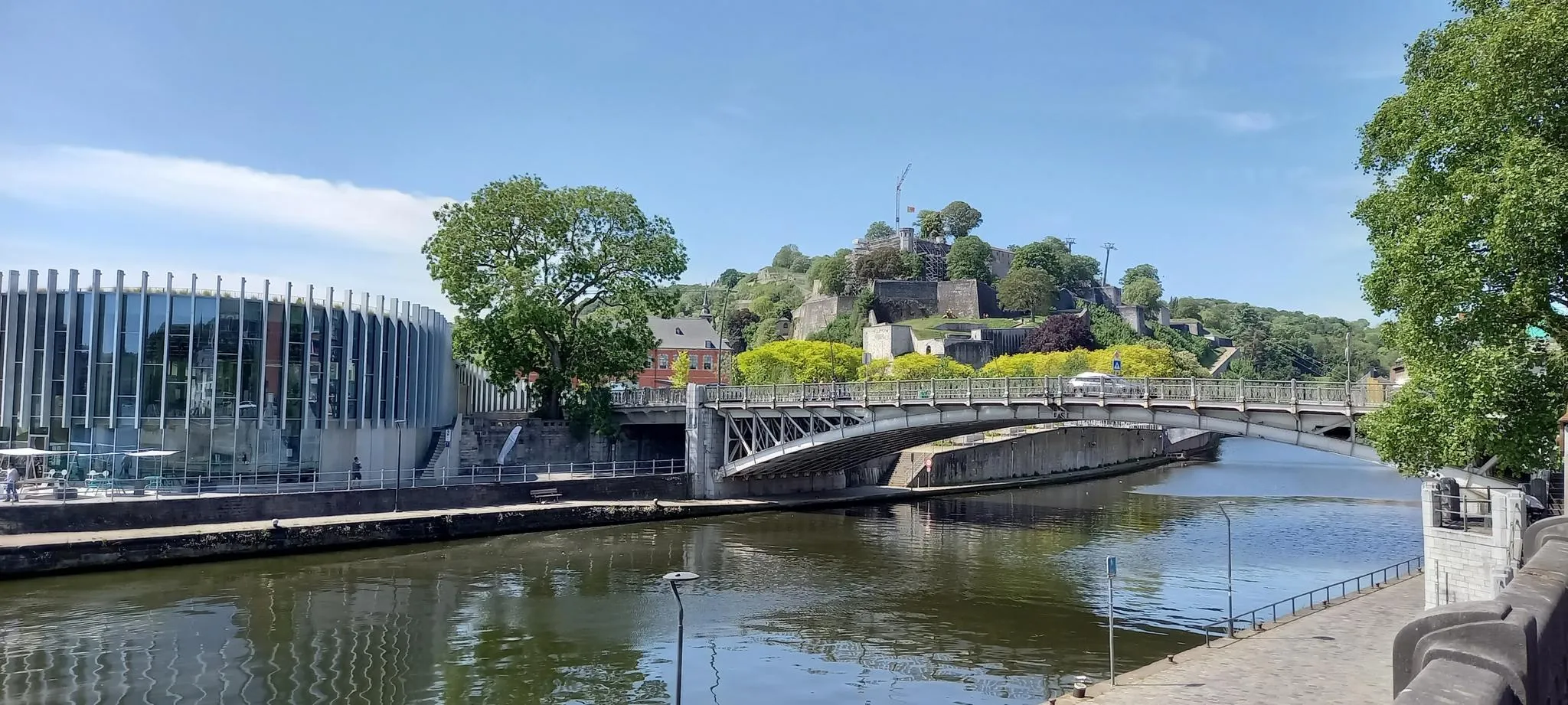
Climb to the Citadel of Namur via Route Merveilleuse
Highlight (Segment) • Climb
Translated by Google •
Tip by

Summit D'n Observant (171 m)
Highlight • Summit
Translated by Google •
Tip by

Sign up now to discover places like this
Get recommendations on the best single tracks, peaks, & plenty of other exciting outdoor places.
Sign up for free
Musschenberg Forest
Highlight • Forest
Translated by Google •
Tip by

Tiennes de Burnot, 165 m
Highlight • Summit
Translated by Google •
Tip by

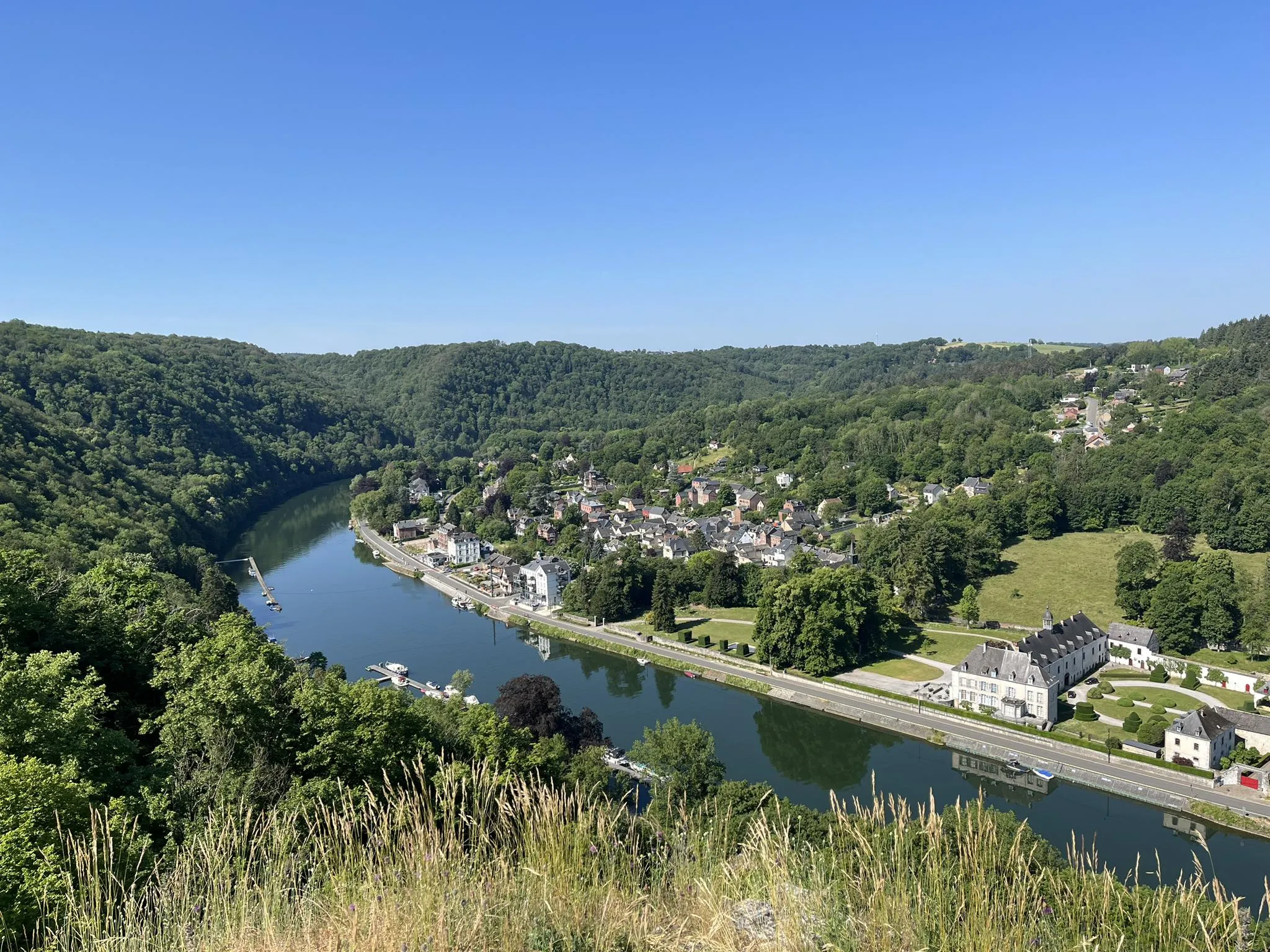
View of Monthermé and the River Meuse from La Longue Roche
Highlight • Viewpoint
Translated by Google •
Tip by

Start today with a free account
Your next adventure awaits.
Login or Signup
Popular around Maas
Belgium’s Hoge Kempen and Meuse Valley – Bram Tankink’s best rides
The Meuse Cycle Route - Follow the Meuse from the hills to the harbor
EuroVelo 3 — The adventure in the heart of Belgium
Sentier des abbayes trappistes part 1 – Between nature and gastronomy
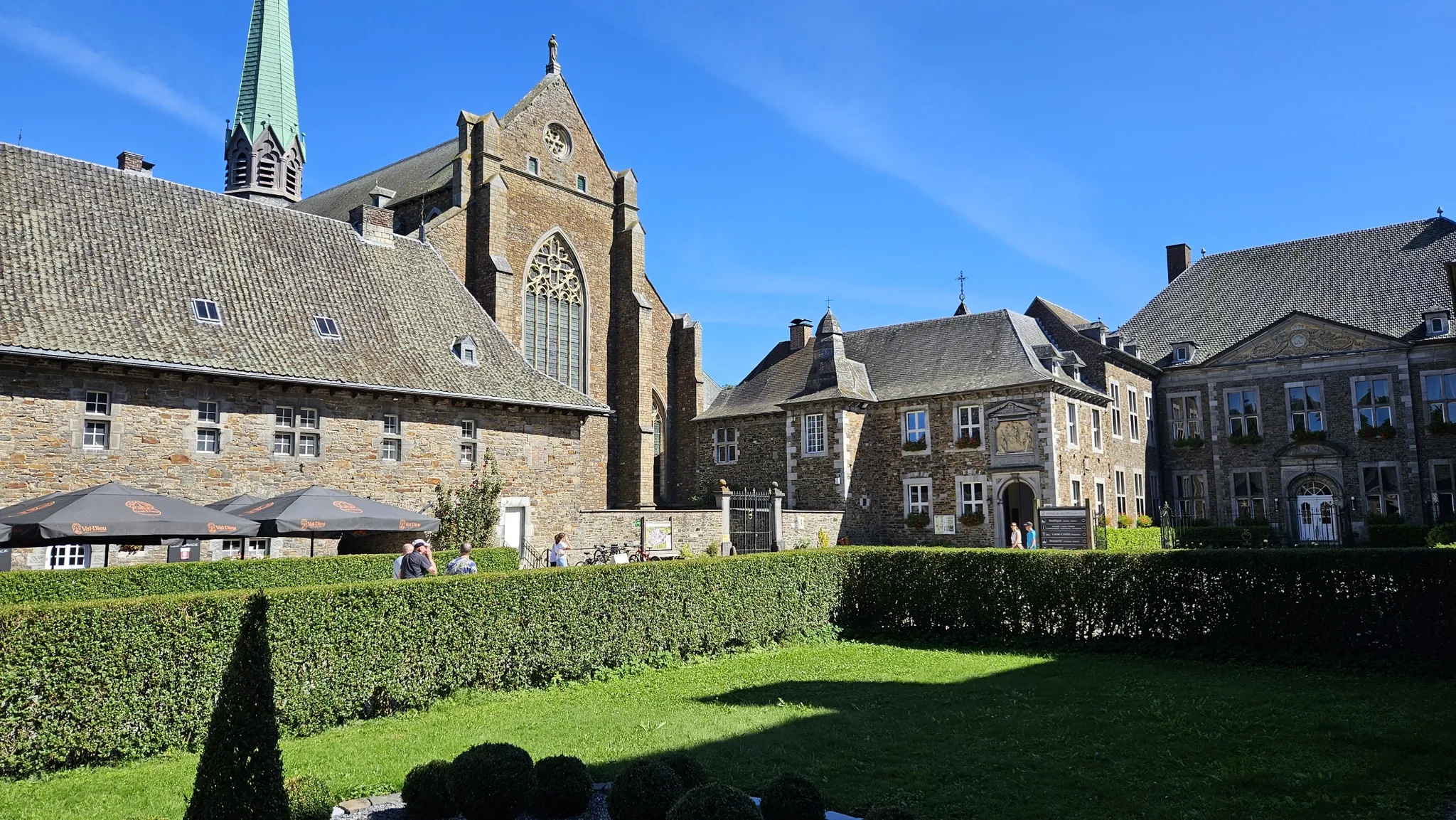
Trappist abbeys cycle route – Between beers and heritage
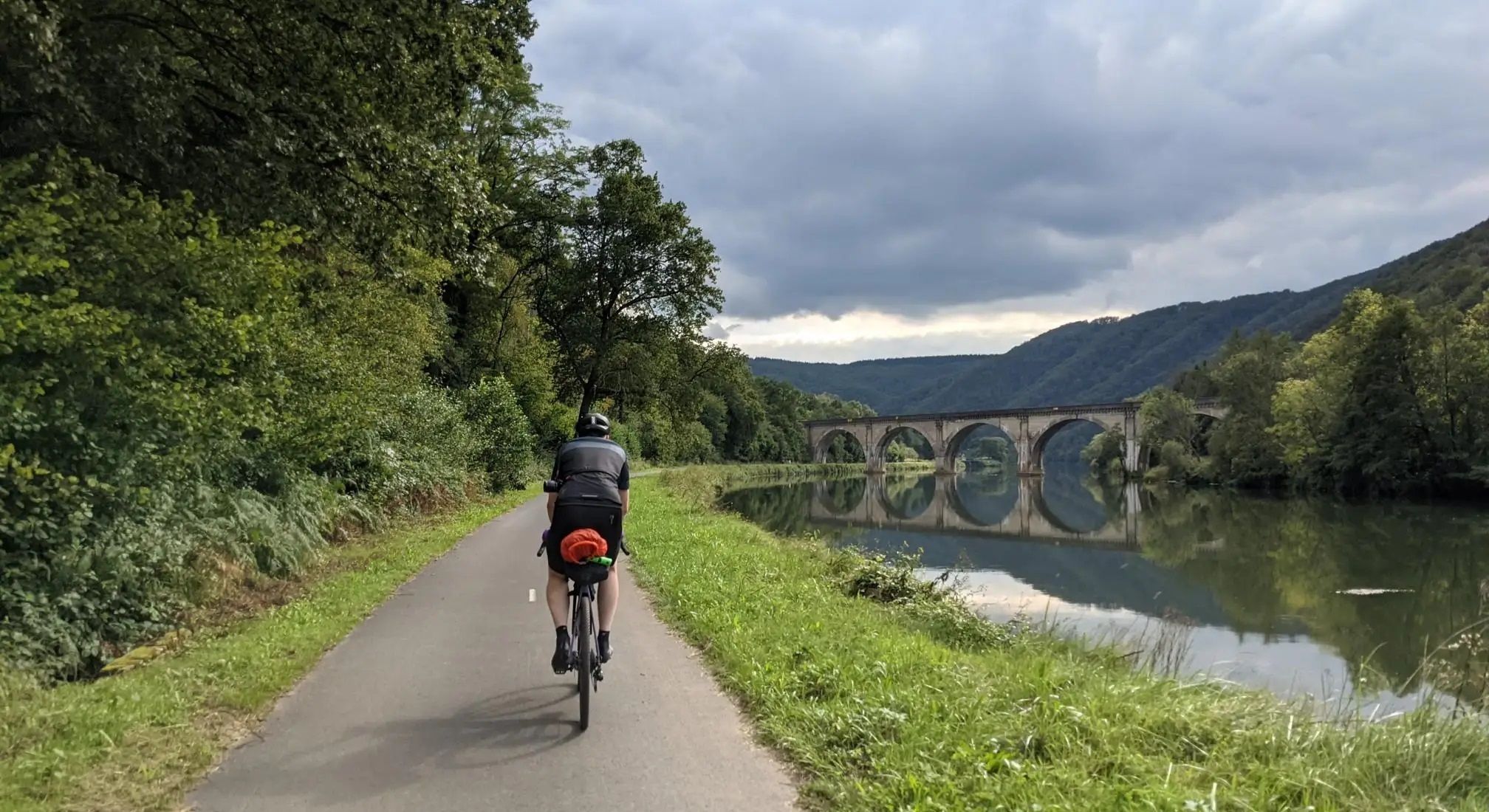
Aachen to Reims – Ardennes, Meuse and Champagne
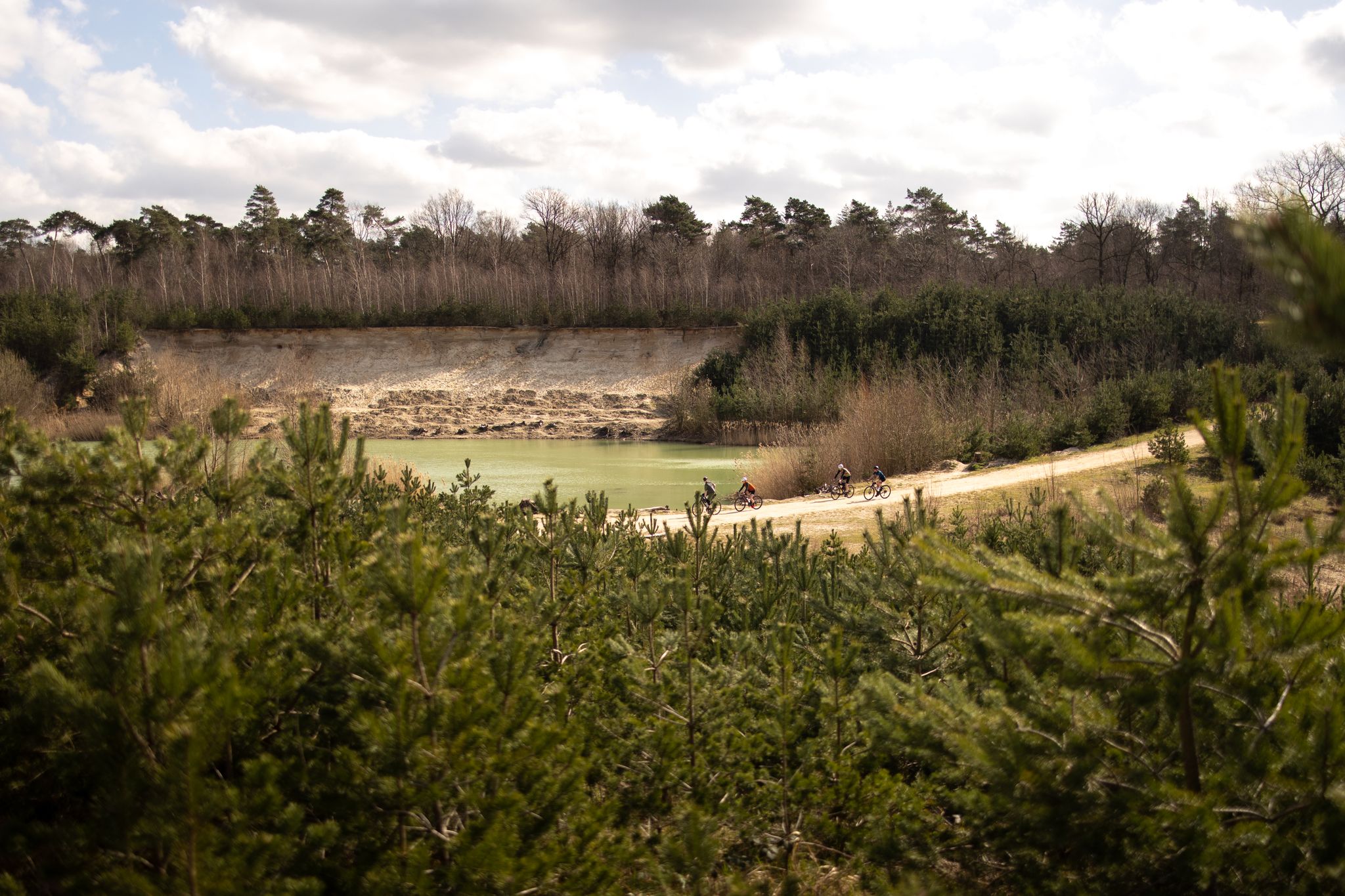
The Pieterpad by bike – From Pieterburen to Sint-Pietersberg
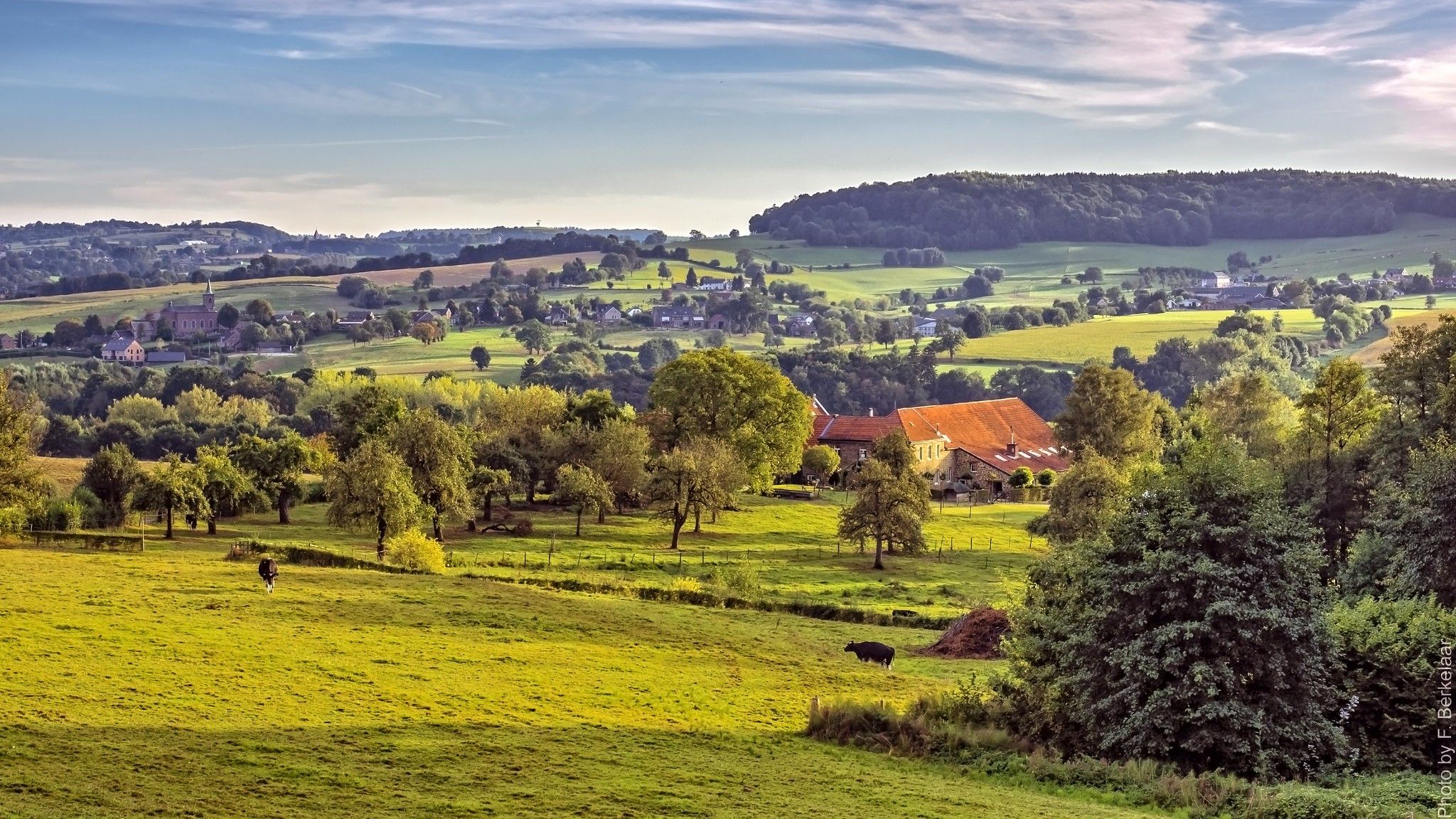
Pilgrim's Way part 2 — s-Hertogenbosch to Maastricht
Naples to North Cape — Two friends, one purpose and many scoops of ice-cream
EuroVelo 3 – A cycling pilgrimage from Norway to France
Other adventures around the Maas


Tips from the Community

14km loop with 600m of elevation gain
0
0

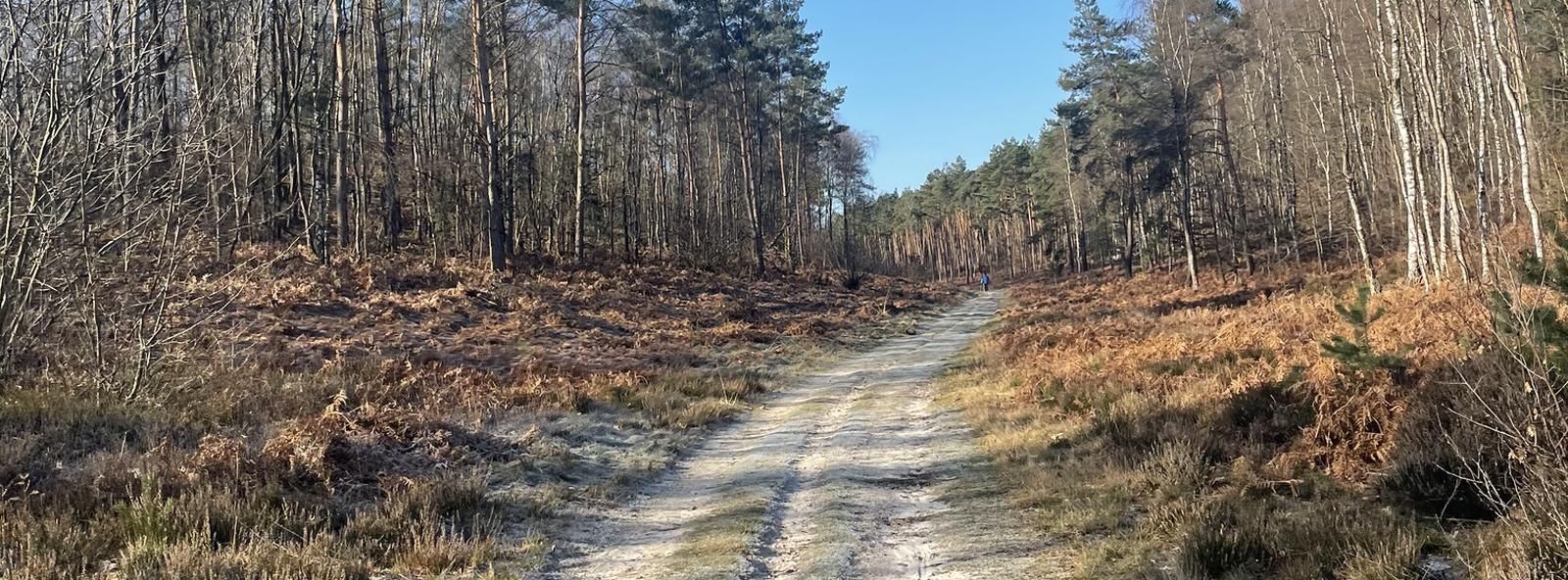
Highest point in the forest... A steep descent is coming now...
11
0

The ascent of the Citadelle de Namur via the route merveilleuse is a beautiful one to do over the small cobblestones with the hairpin bends. A beautiful view awaits you at the top. It can be busy there.
1
0

Climb to the old fortress with beautiful views over the city and the river
2
0

“La Longue Roche” is located at the top of rocky spurs overlooking the Meuse and the small town of Monthermé. The viewpoint from this site offers an absolutely breathtaking panorama of the meanders of the Meuse. It is one of the most beautiful viewpoints in the region.
1
0

NB, The much-mentioned “Hidden Valley” is a forbidden area. The organization that designed the Dutch Mountain Trail never asked permission from the Dutch and Belgian landowners. You walk through vulnerable forest reserves and Nature 2000 areas. It could be a very expensive expedition if you meet a Forest Ranger. It's a shame that Dutch Mountain Trail does not take the outdoor code seriously. It is a beautiful but very vulnerable area. Natuur Monumenten has placed a sign when you enter their area. Follow that indication and you will reach the top of the Observant via legal paths. From then on, the Dutch Mountain Trail runs on regular paths.
2
0

After the climb along the cow path, the view of Monthermé is still just as beautiful.
0
0

Great view over Montherme and the Maas valley.
1
0
Frequently Asked Questions
What are some of the most prominent elevated points in the Maas region?
The Maas region features significant hills and plateaus rather than towering alpine peaks. Notable elevated points include Signal de Botrange in the Belgian Ardennes, which is the highest point in the Benelux region, and Vaalserberg in Dutch Limburg, known as the "Three-Country Point." Other popular spots include View of Monthermé and the River Meuse from La Longue Roche, offering breathtaking panoramas, and Summit D'n Observant (171 m) near Maastricht, which provides extensive views over the Maas valley.
Where can I find the highest points in the Maas region?
The highest point in the entire Benelux region, Signal de Botrange (694 meters), is located in the High Fens of the Belgian Ardennes. For the continental Netherlands, the highest point is Vaalserberg (322.4 meters) in Dutch Limburg, famous for its Three-Country Point. The French Ardennes features Croix Scaille (518 meters) as its highest point.
What kind of natural features can I expect to see around the Maas peaks?
You can expect diverse natural features, including extensive forests, rolling hills, and deep river valleys carved by the Meuse. Areas like the Hautes Fagnes near Signal de Botrange offer unique peatlands and moors. Near Maastricht, Mount Saint Peter (Sint-Pietersberg) is known for its limestone composition and extensive marlstone cave networks. You can also observe unique geological formations like the exposed tree roots at Musschenberg Forest due to soil erosion.
Are there family-friendly hiking options around the Maas peaks?
Yes, many areas offer family-friendly options. The Vaalserberg, for instance, is a popular spot with activities for all ages and hiking routes through beautiful countryside. The area around Summit D'n Observant (171 m) is also described as doable for less experienced hikers, rewarding them with great views. The Hautes Fagnes nature park provides accessible trails suitable for families.
What are the best times to visit the Maas region for hiking and outdoor activities?
The Maas region is enjoyable throughout the year. Spring and autumn offer pleasant temperatures and beautiful scenery, with blooming flora or vibrant fall colors. Summer is ideal for longer days and a wider range of outdoor activities. In winter, areas like the Hautes Fagnes near Signal de Botrange are popular for skiing and snowshoeing, offering a different kind of outdoor experience.
What kind of views can I find from the elevated points in the Maas region?
Many elevated points offer panoramic views. From View of Monthermé and the River Meuse from La Longue Roche, you can see breathtaking meanders of the Meuse River. The observation tower at Vaalserberg provides panoramic views across the Netherlands, Belgium, and Germany. Summit D'n Observant (171 m) offers views of the Maas valley, the ENCI quarry, and the Jeker valley.
Are there specific hiking trails or routes near these mountain peaks?
Yes, the region offers numerous hiking opportunities. For instance, the area around Vaalserberg has many hiking and cycling routes. The Hautes Fagnes nature park provides extensive trails for exploring its diverse landscapes. While specific individual hiking routes are not detailed here, you can find many options for MTB Trails around the Maas, Cycling around the Maas, and Gravel biking around the Maas, which often pass by or near these elevated points.
What are the difficulty levels of hiking trails around the Maas peaks?
The difficulty levels vary. Many trails are suitable for intermediate hikers, such as those leading to Summit D'n Observant (171 m). Some areas, like the routes around Tiennes de Burnot, 165 m, are noted for steep descents, indicating more challenging sections. The region offers a range from easy walks to more demanding routes, often through hilly woodlands and valleys.
Can I find cafes or visitor centers near the elevated points?
Yes, amenities are available at several locations. Near Signal de Botrange, there is an adjacent café and the Botrange visitor center, which provides maps and information for exploring the Hautes Fagnes nature park. The Vaalserberg also has facilities due to its popularity as the Three-Country Point. Many villages and towns throughout the Ardennes and Limburg regions offer cafes and accommodation.
What makes the Ardennes region unique for outdoor enthusiasts?
The Ardennes is characterized by extensive forests, rolling hills, and deep valleys, making it ideal for outdoor activities. It offers a wide range of leisure pursuits including hiking, mountain biking, kayaking along rivers like the Meuse, and exploring nature reserves. Its rugged landscape, a remnant of an ancient mountain range, provides unique geological formations and scenic views.
What is the significance of Mount Saint Peter (Sint-Pietersberg) near Maastricht?
Mount Saint Peter (Sint-Pietersberg) is a plateau near Maastricht known for its unique limestone composition and extensive network of marlstone caves. These caves were historically mined for flint and later used as shelters. Today, it is an important nature reserve and a popular area for recreation, offering historical exploration through its caves and natural beauty along its walking paths.
Are there any specific viewpoints that are highly recommended?
Absolutely. View of Monthermé and the River Meuse from La Longue Roche is highly recommended for its absolutely breathtaking panorama of the Meuse meanders. The star-shaped viewing platform at Summit D'n Observant (171 m) also offers amazing views in all directions, including the Maas valley and the ENCI quarry.
Most popular routes around the Maas
Most popular attractions around the Maas

Get inspired with the komoot mobile app


