Top 9 Lakes around Mjøsa
Best lakes around Mjøsa, Norway's largest lake, is a glacial fjord lake located north of Oslo. It spans an area of about 369 square kilometers and reaches a maximum depth of 453 meters. The region is characterized by picturesque landscapes, including rolling agricultural areas, and holds historical significance with sites like the ruins of the medieval Hamar Cathedral. Mjøsa offers diverse recreational opportunities, making it a destination for outdoor activities and cultural exploration.
Best lakes around Mjøsa
- The most popular…
Last updated: June 28, 2026
Hamar Diving Tower
Highlight • Structure
Translated by Google •
Tip by

Scenic segment of the Mjøstråkk route
Highlight (Segment) • Trail
Tip by

Sign up now to discover places like this
Get recommendations on the best single tracks, peaks, & plenty of other exciting outdoor places.
Sign up for free
Domkirkeodden Nature Monument
Highlight • Natural Monument
Translated by Google •
Tip by

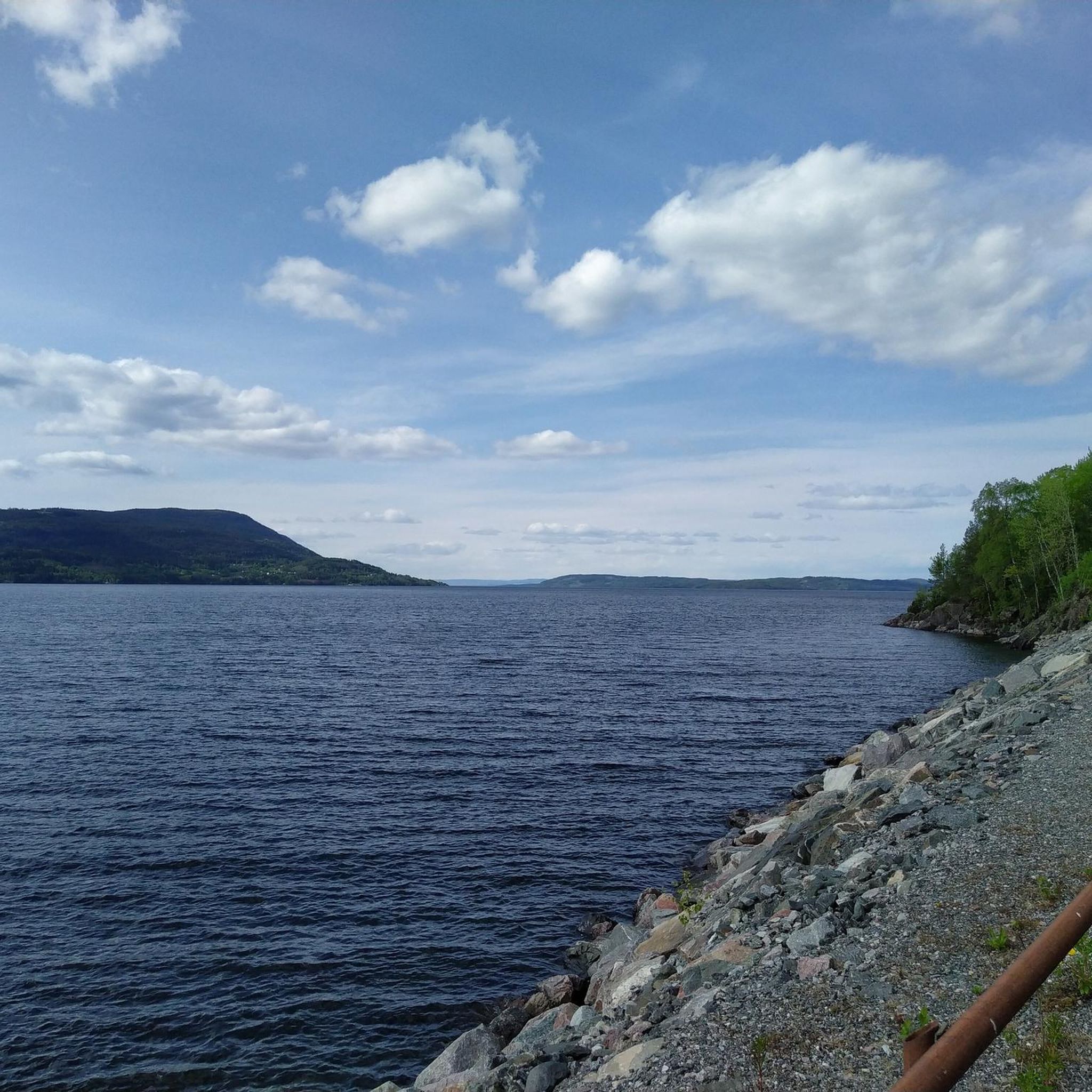
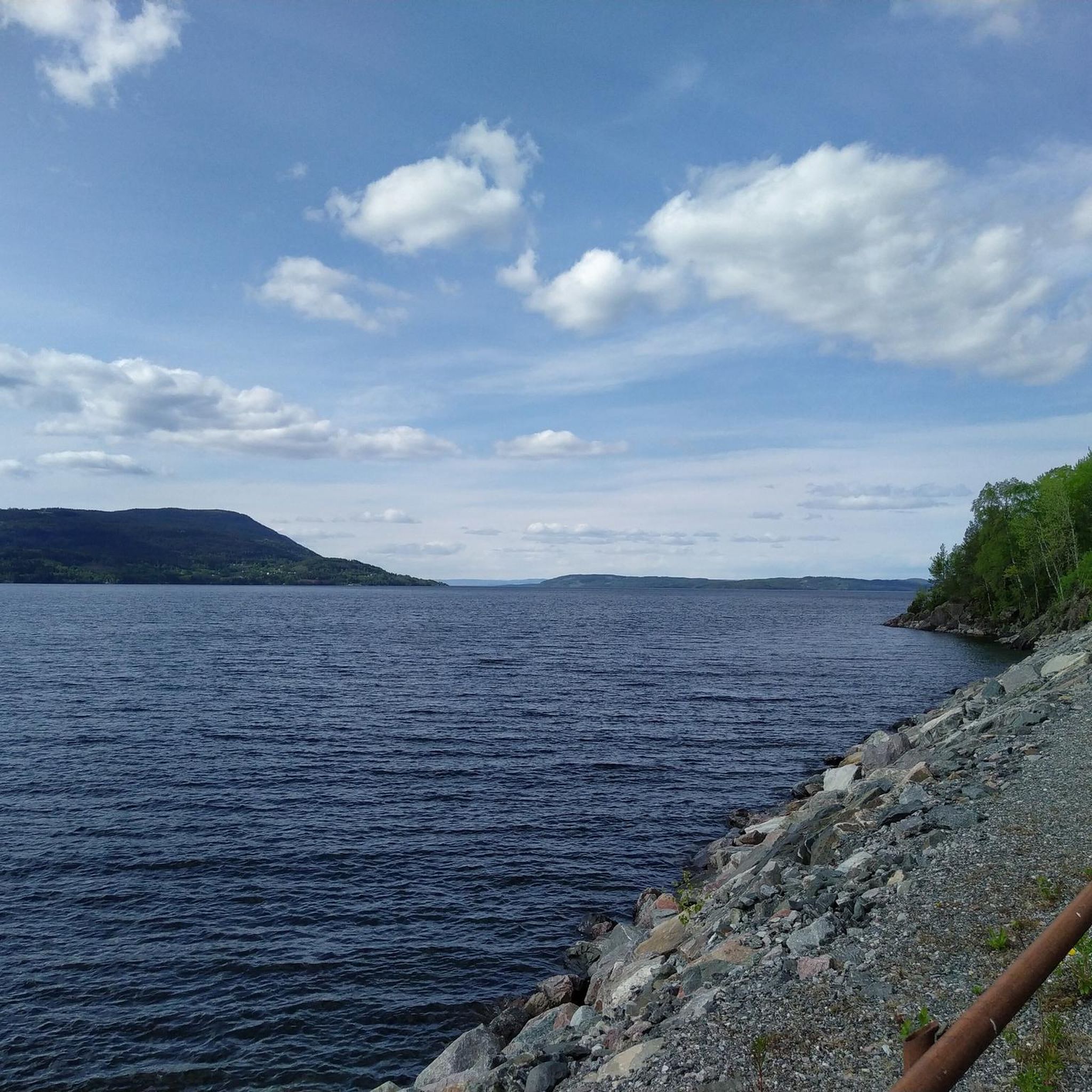
View of Lake Mjøsa
Highlight • Viewpoint
The water shimmers in shifting tones of blue and silver, hinting at the great depth hidden …
Tip by

Halifax Memorial at Lake Mjøsa
Highlight • Monument
Tip by

Sign up for free to discover even more lakes around Mjøsa.
Sign up for free
Already have an account?
Start today with a free account
Your next adventure awaits.
Login or Signup



Tips from the Community

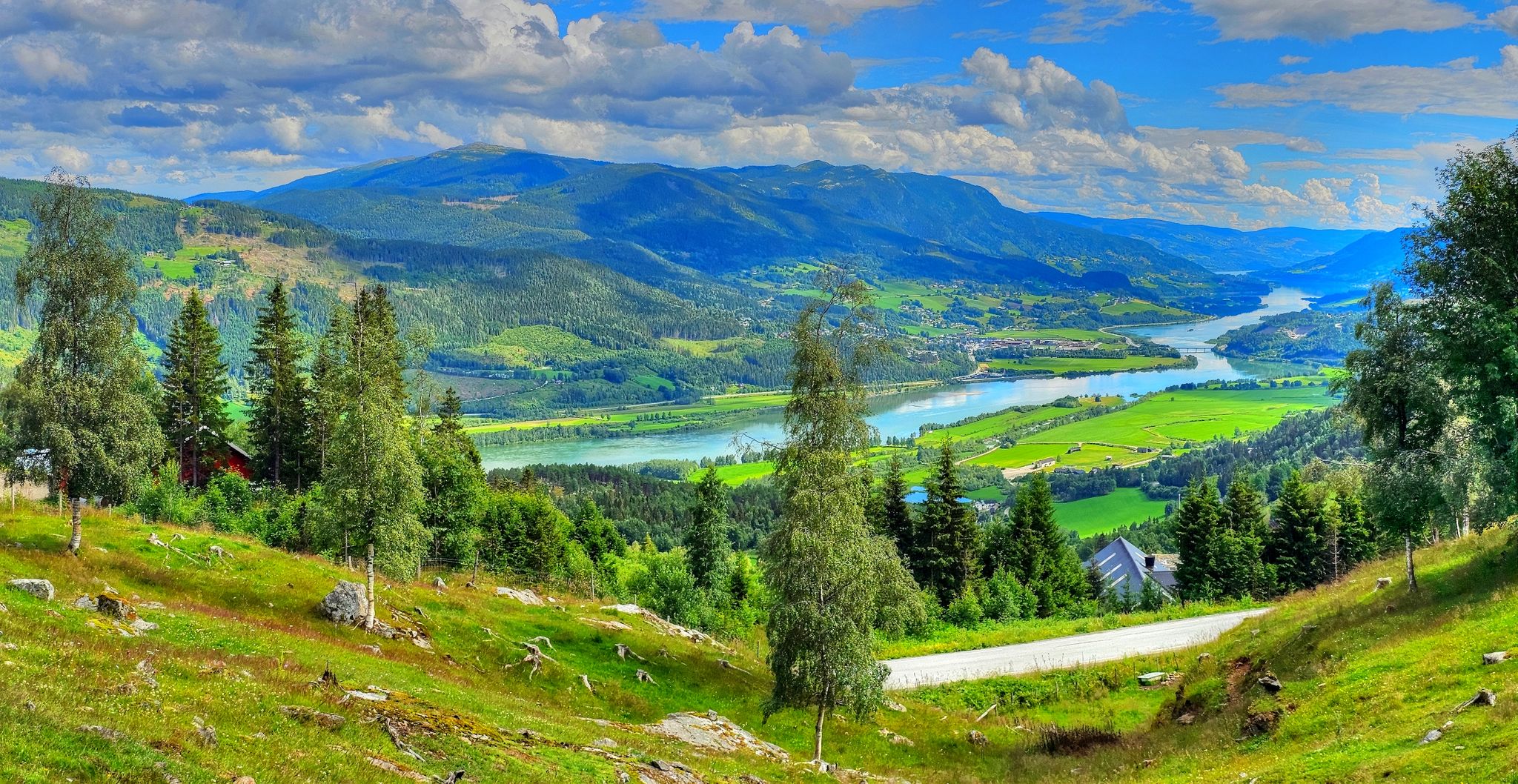
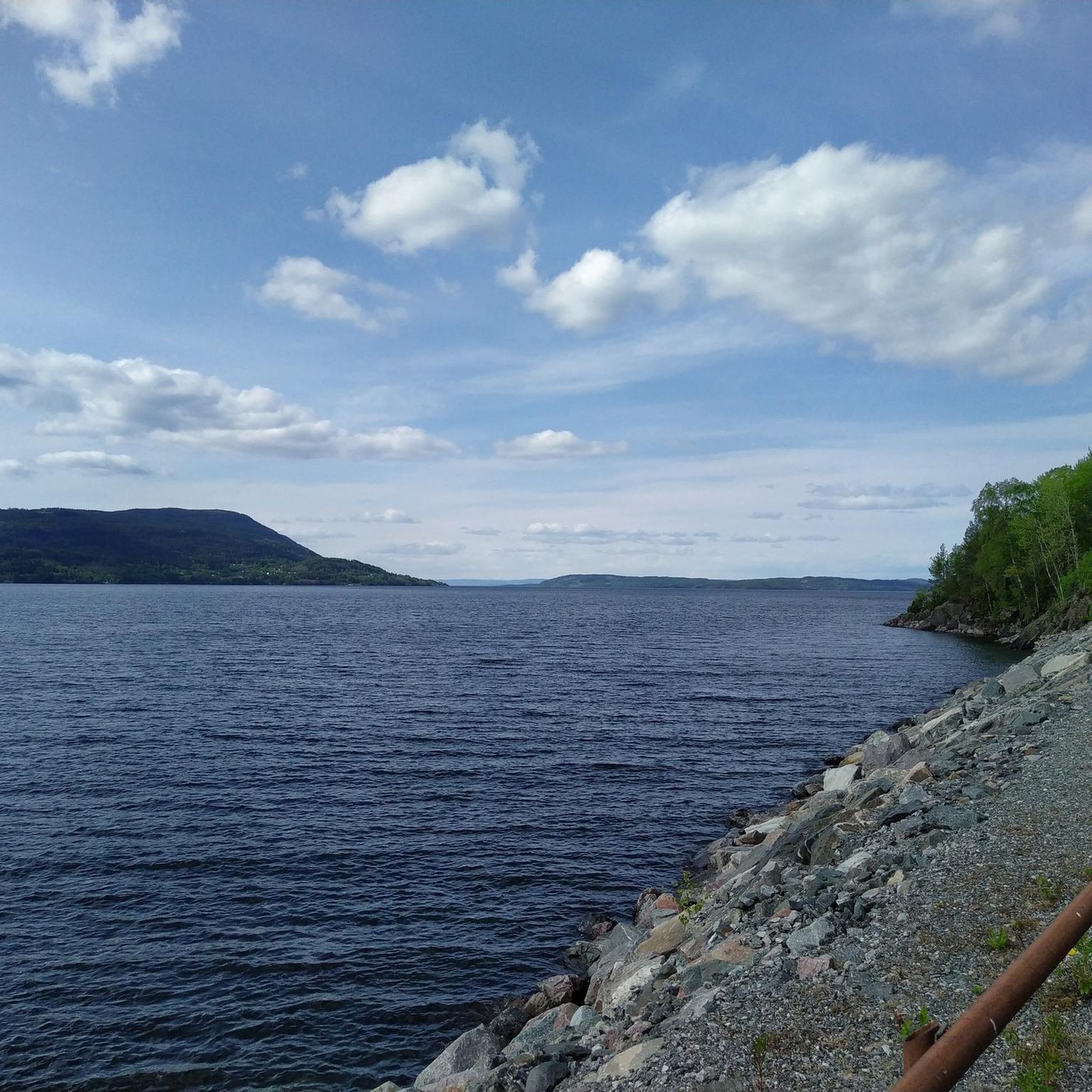
From this viewpoint, Lake Mjøsa stretches endlessly, its vast surface mirroring the northern sky. The water shimmers in shifting tones of blue and silver, hinting at the great depth hidden beneath. It’s a tranquil yet powerful landscape, where Norway’s largest lake feels more like a calm sea cradled by mountains.
0
0

In summer you can go swimming on both sides of the rocky ridge.
4
0

The natural monument on the shore of Mjøsa serves to protect fossil-bearing rocks from the Oslo field. The view of the lake from the rocky ridge is great.
6
0


Here you can throw yourself into Lake Mjøsa from a height of five meters. By the way: The construction of the diving tower is said to have devoured 28 million Norwegian kroner (equivalent to around 2.7 million euros), which has earned it the unofficial title of “the most expensive diving tower in the world”.
2
0

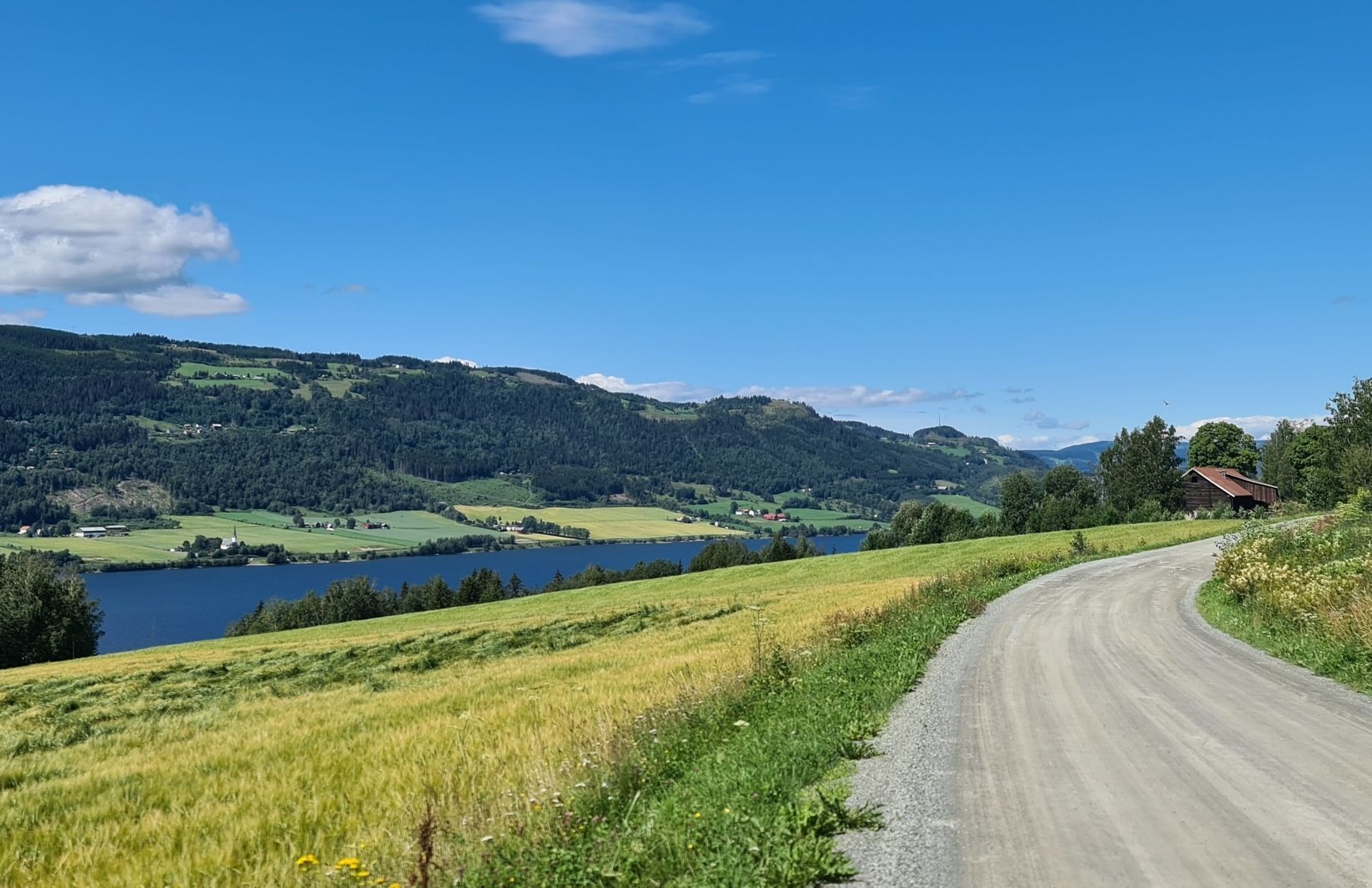
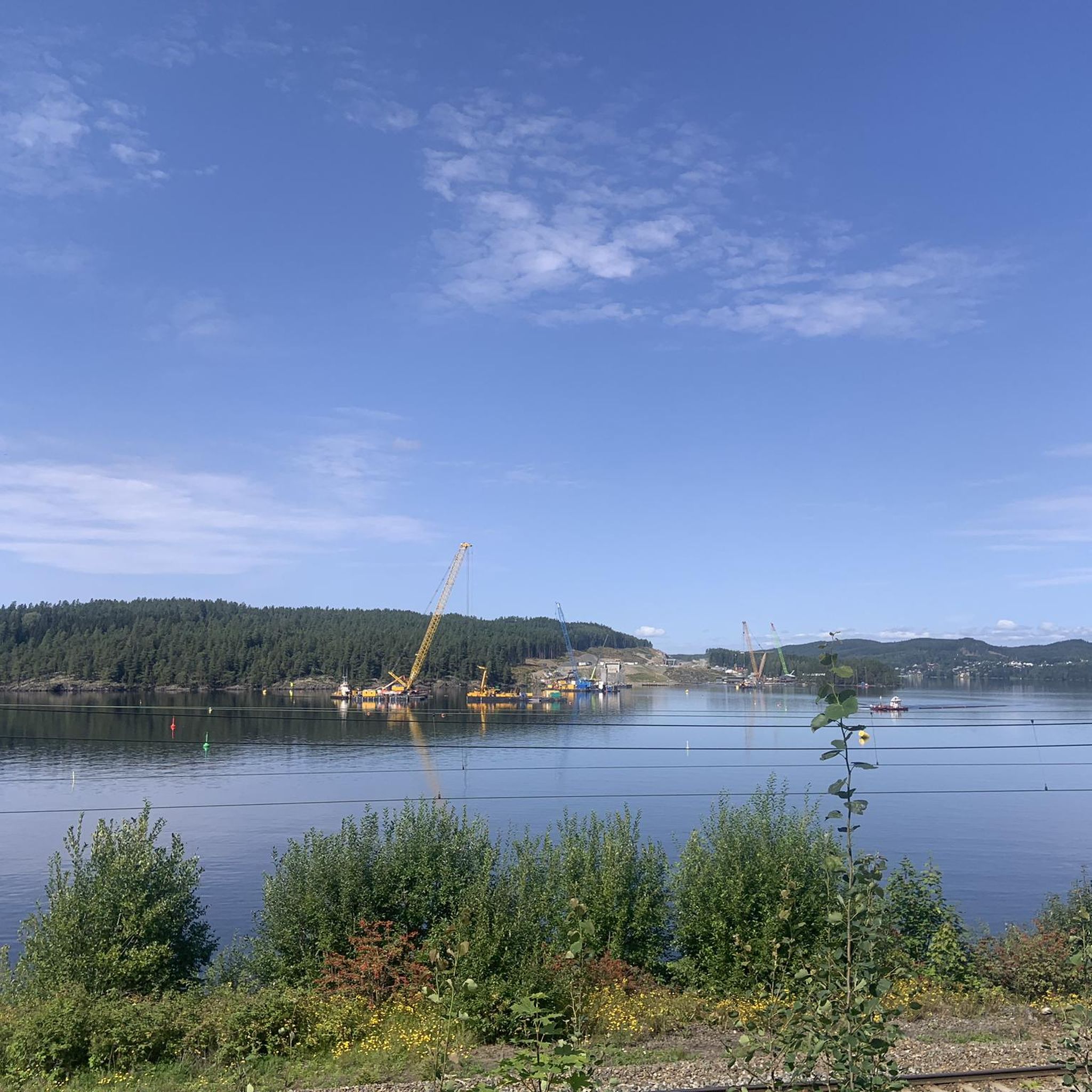
A shared path that runs along Mjøsa, Norway largest lake. There is a couple of tenting opportunities, and a camping site further up the road.
3
0

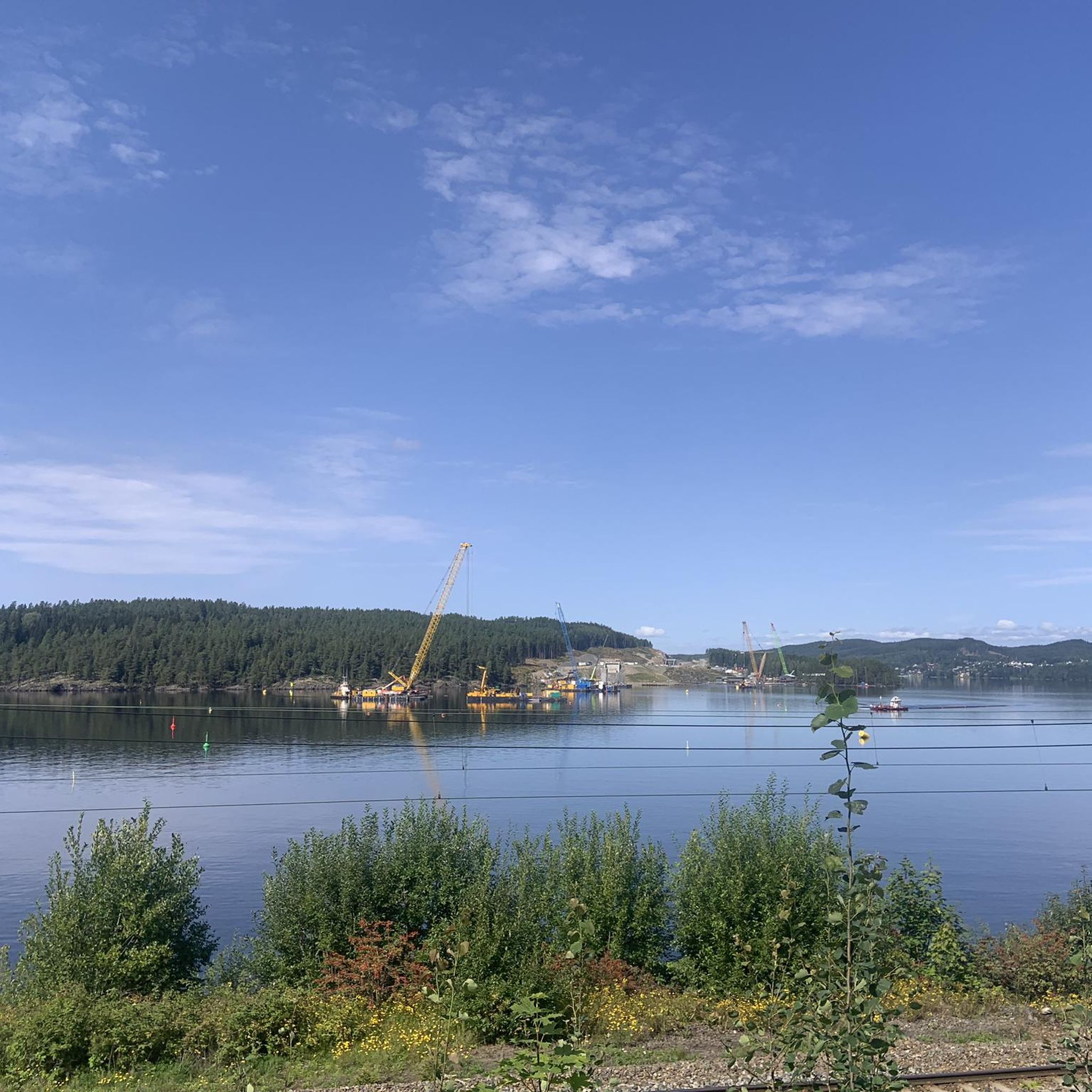
In the night before April 24th 1945 a British Helifax bomber made an emergency landing on Lake Mjøsa. It was just Sgt. Thomas Weightmann, who surrived this landing as the last crewmember out of six. The Helifax was saved from the Lake in 1995, restored and is now part of the exhibition at the Royal Canadian Air Force Museum in Trenton, Canada.
1
0
Frequently Asked Questions
What are the main attractions and activities around Lake Mjøsa?
Lake Mjøsa offers a blend of natural beauty, historical sites, and outdoor activities. You can enjoy boating on the historic Skibladner paddle steamer, explore the Scenic segment of the Mjøstråkk route for cycling or walking, or visit the Hamar Diving Tower for a unique swimming experience. The region also features historical sites like the ruins of Hamar Cathedral and the Atlungstad Brenneri distillery.
Are there good hiking opportunities near Lake Mjøsa?
Yes, the Mjøsa region provides numerous hiking opportunities. You can find trails ranging from easy walks to more moderate routes. For detailed options, explore the various paths listed in the Hiking around Mjøsa guide, which includes routes like 'Hamar — from one beach to the next' and 'Along the Mjøspromenaden'.
What cycling routes are available around Lake Mjøsa?
The Mjøsa area is excellent for cycling, notably featuring the 234 km Mjøstråkk route that circles the lake. You can find various routes in the Cycling around Mjøsa guide, including options like the 'Hamar Diving Tower – Heritage Railway Station loop' and longer, more challenging rides.
Are there family-friendly spots around Lake Mjøsa?
Absolutely. Many areas around Mjøsa are suitable for families. The Hamar Diving Tower is a fun spot for older kids, while the Domkirkeodden Nature Monument offers a beach for swimming and exploration. The Scenic segment of the Mjøstråkk route is also a shared path ideal for family bike rides or walks.
Where can I find scenic viewpoints of Lake Mjøsa?
For expansive views of the lake, visit the View of Lake Mjøsa highlight, where the vast surface reflects the northern sky. The Domkirkeodden Nature Monument also offers great views from its rocky ridge.
What historical sites can I visit near Lake Mjøsa?
The Mjøsa region is rich in history. You can explore the ruins of the medieval Hamar Cathedral, which is preserved under a glass structure. Helgøya, the lake's largest island, hosts the Mjøskastellet ruins. Additionally, the Halifax Memorial at Lake Mjøsa commemorates a significant WWII event.
Can I go swimming in Lake Mjøsa?
Yes, Lake Mjøsa is popular for swimming. The Hamar Diving Tower provides a unique opportunity to jump into the lake from a height of 5 meters. You can also find beach areas for relaxation and swimming at spots like Koigen in Hamar and on both sides of the rocky ridge at Domkirkeodden Nature Monument.
What is the best time of year to visit Lake Mjøsa?
The best time to visit Mjøsa largely depends on your preferred activities. Summer (June-August) is ideal for boating, swimming, hiking, and cycling, with pleasant weather. Spring and autumn offer beautiful landscapes for hiking and cycling, with fewer crowds. Winter provides opportunities for ice skating or cross-country skiing if conditions allow.
What kind of fish can be found in Lake Mjøsa, and is fishing permitted?
Lake Mjøsa is home to approximately 20 species of fish, including pike, European perch, common roach, grayling, and brown trout. It is a popular spot for fishing, though specific regulations and permits may apply. It's advisable to check local fishing guidelines before planning your trip.
How accessible is the Mjøsa region from major cities?
Mjøsa is conveniently located approximately 100 kilometers north of Oslo, making it easily accessible. The Dovre Line railway and the European Route E6 run along its eastern shore, providing good transportation links for visitors coming from major cities.
Are there opportunities for camping or tenting around Lake Mjøsa?
Yes, there are opportunities for camping and tenting. The Scenic segment of the Mjøstråkk route specifically mentions a couple of tenting opportunities and a camping site further along the road, allowing visitors to stay close to nature.
Most popular routes around Mjøsa
Most popular attractions around Mjøsa

Get inspired with the komoot mobile app


Explore more
Still not found your perfect lake around Mjøsa? Check out the guides of these regions to see even more beautiful places.
