Top 5 Caves in Sierra Subbetica
Best caves in Sierra Subbetica are located within the Sierra Subbética Natural Park in Andalusia, Spain. This region is characterized by its limestone geology, which has led to the formation of numerous caves and karst features. The park offers insights into geological processes, archaeological history, and diverse ecosystems. Its landscape includes significant formations shaped by water erosion over millennia.
Best caves in Sierra Subbetica
- The most popular caves is Bat Cave, a cave that is a prehistoric site and the largest in Córdoba province. This cave is a crucial Neolithic site, featuring art from the Upper Paleolithic period and significant archaeological discoveries.
- Another must-see spot is Limestone formations and caves in the Bailón Canyon, a canyon with impressive limestone rock walls. Visitors can expect a landscape shaped by the Bailón River, featuring numerous plants and interesting views, including caves.
- Visitors also love Cueva del Morrión, a cave that is primarily used to shelter livestock. This location offers good views and serves as a natural refuge.
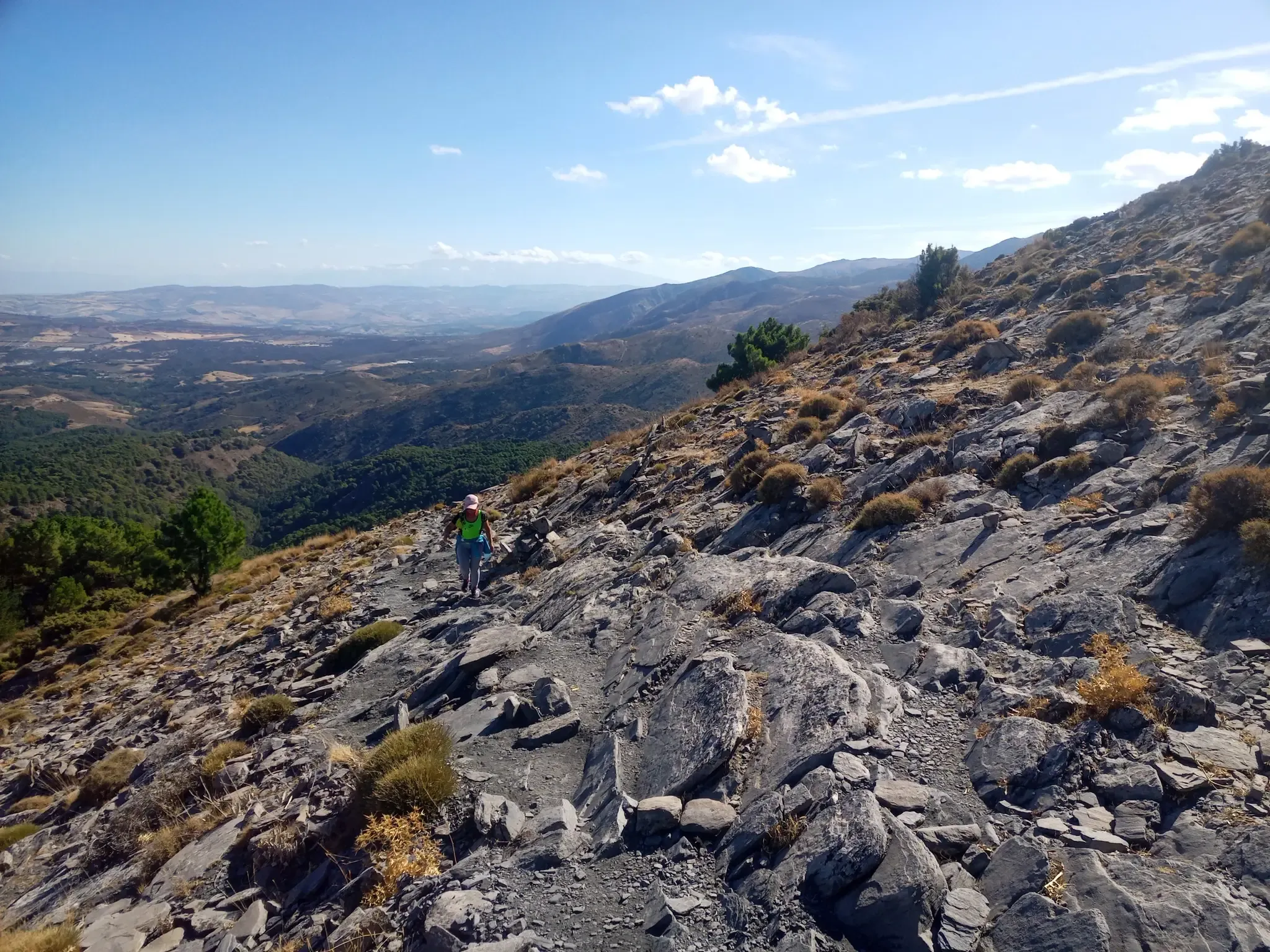
- Sierra Subbetica is known for archaeological caves, karst formations, and natural shelters. The region offers a variety of caves to see and explore, showcasing different geological and historical aspects.
- The caves in Sierra Subbetica are appreciated by the komoot community. The 3 highlights have received 16 upvotes and 76 photos from users.
Last updated: May 17, 2026
Bat Cave
Highlight • Cave
Translated by Google •
Tip by

Limestone formations and caves in the Bailón Canyon
Highlight • Canyon
Translated by Google •
Tip by

Sign up now to discover places like this
Get recommendations on the best single tracks, peaks, & plenty of other exciting outdoor places.
Sign up for free
Cueva del Morrión
Highlight • Cave
Translated by Google •
Tip by

Start today with a free account
Your next adventure awaits.
Login or Signup

Other adventures in Sierra Subbetica

Tips from the Community


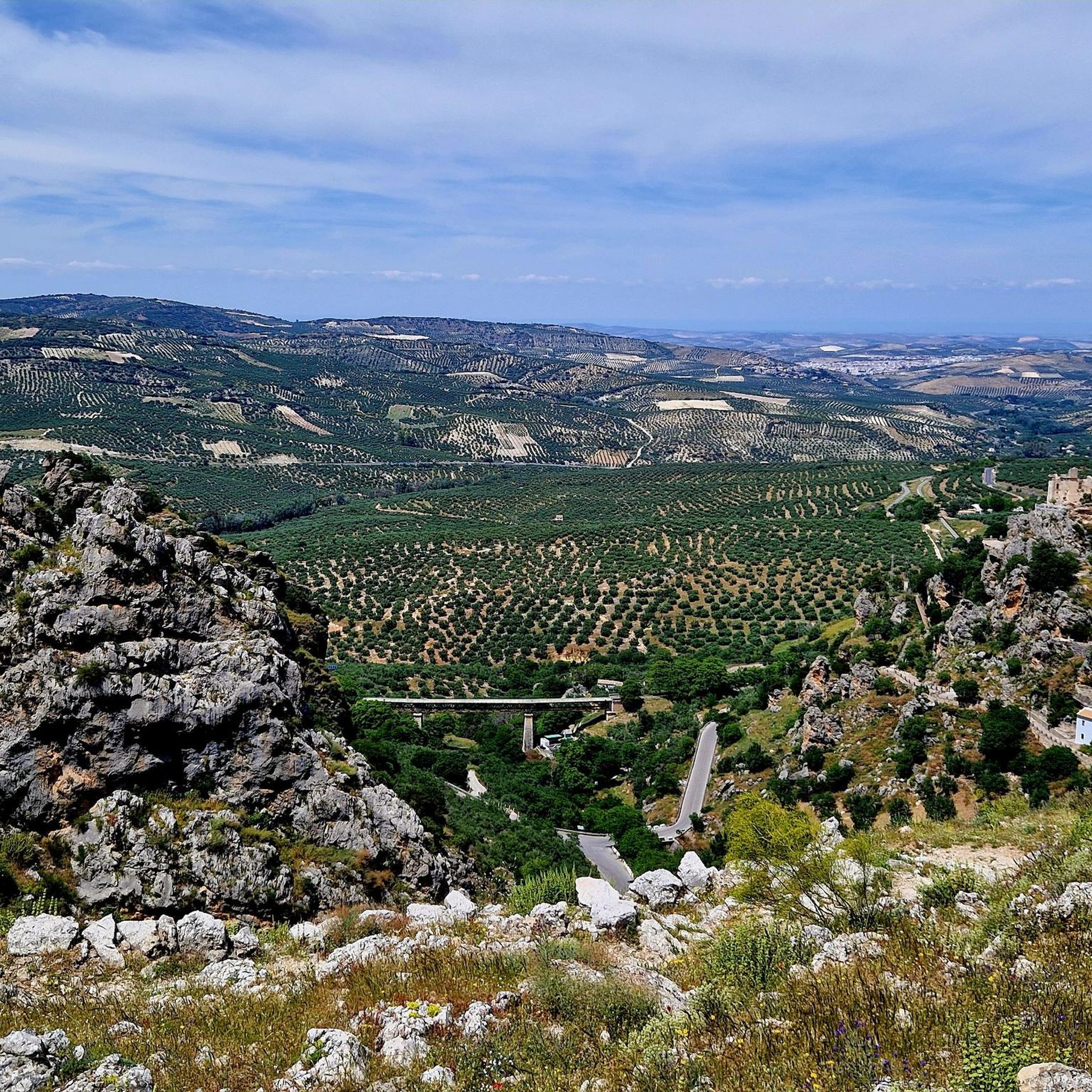
Good views, although the cave is more a place of passage than a place of rest, because it is, above all, a place to shelter animals.
0
0

It is a prehistoric cave, the largest in the province of Córdoba, declared a Natural Monument in 2001. Its name comes from the bats, of different species, that inhabit this cave. In his tourist visit, a descent of up to 65 m deep is made.
3
0

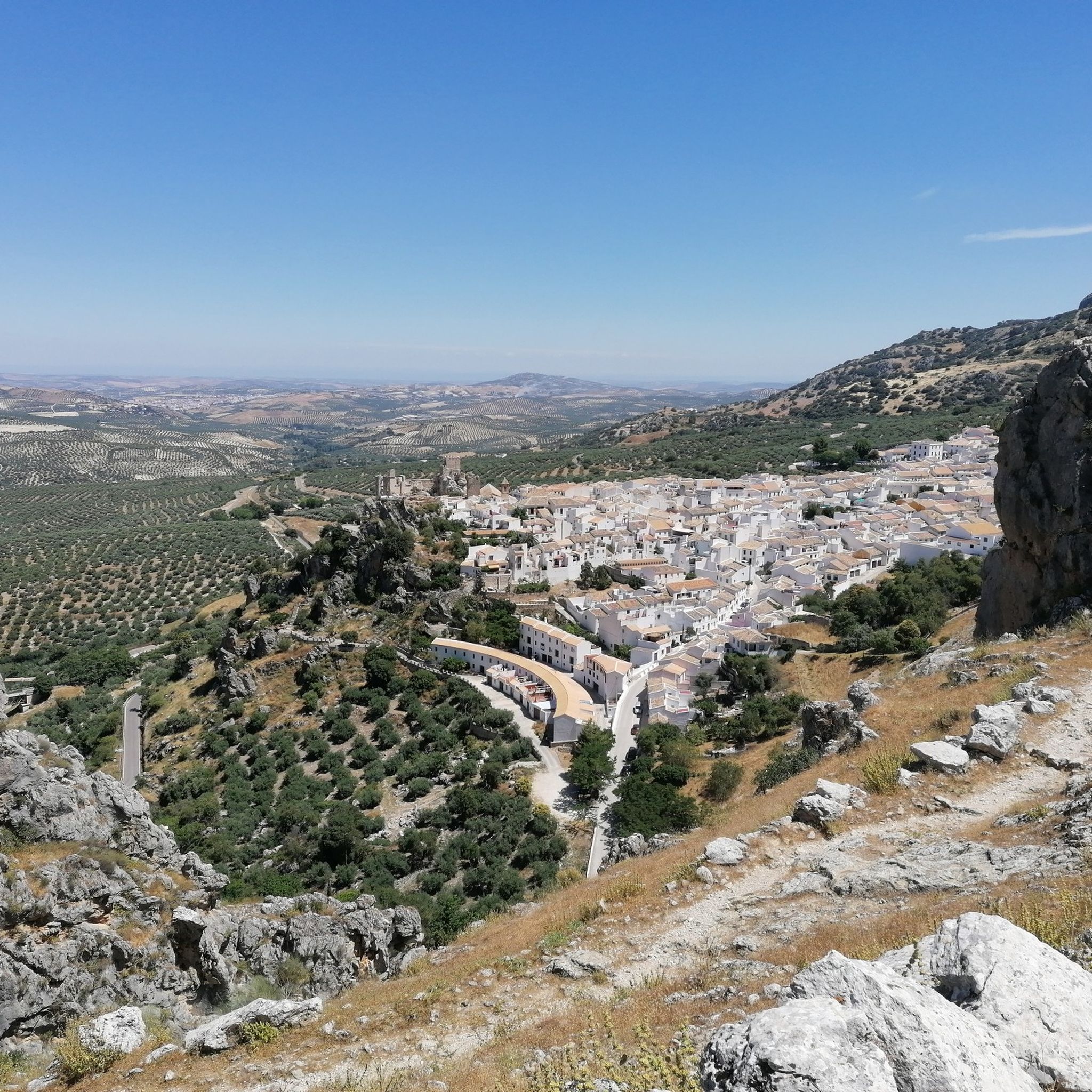
This trail is full of impressive limestone rock walls, with a multitude of vegetation sprouting between its numerous pores. They have been formed over time by the force of the Bailón River. From some angles you can see Zuheros and its castle peeking out between the walls.
2
0
This cave is a system of galleries typical of limestone formations, very porous. Its name is due to the fact that various species of bats inhabit it.
2
1

A beautiful place, even for short walks. You determine the level of difficulty yourself. A little fitness is useful because of the sometimes steep climbs.
1
1

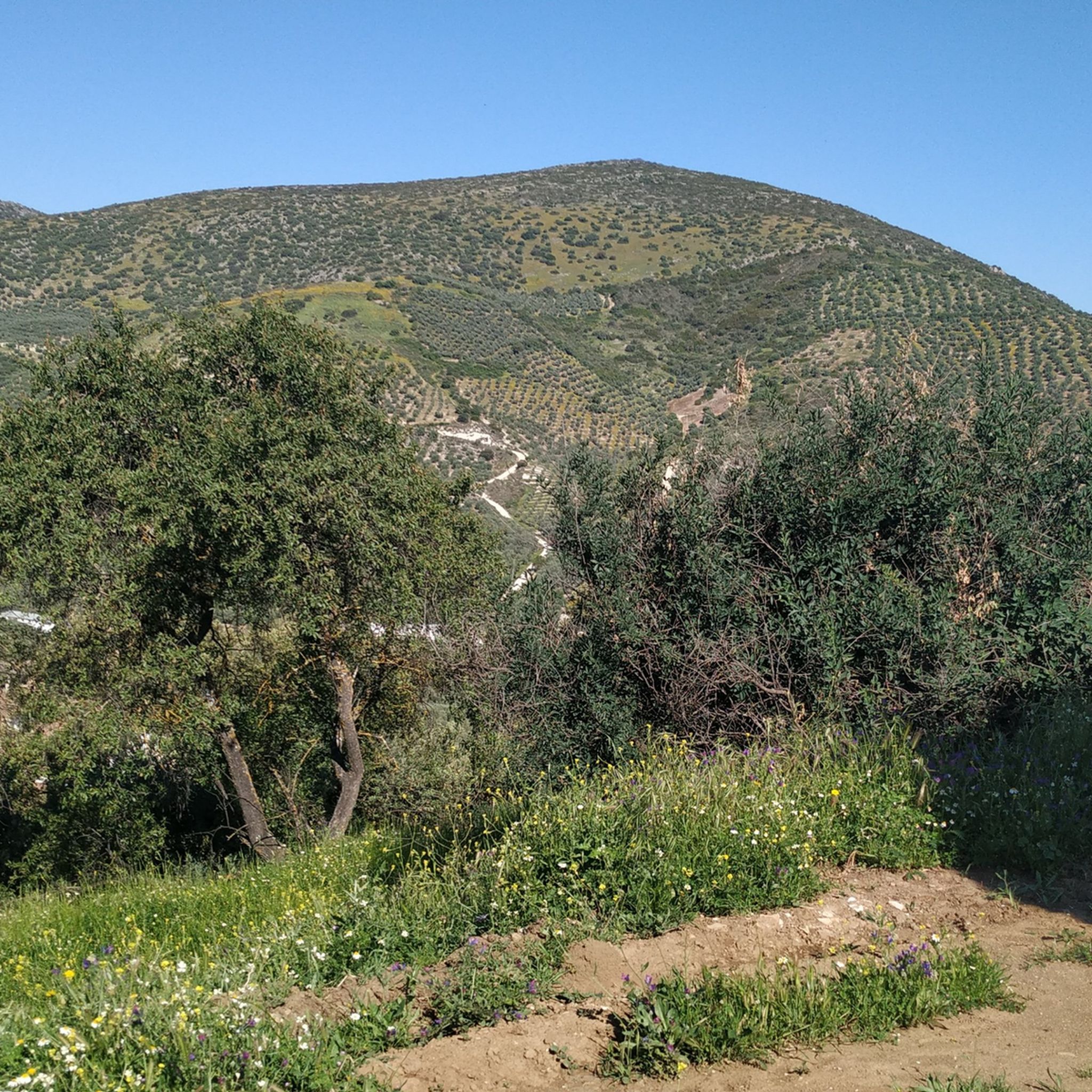
The entire tour leads through interesting landscape with many plants and interesting views.
2
0

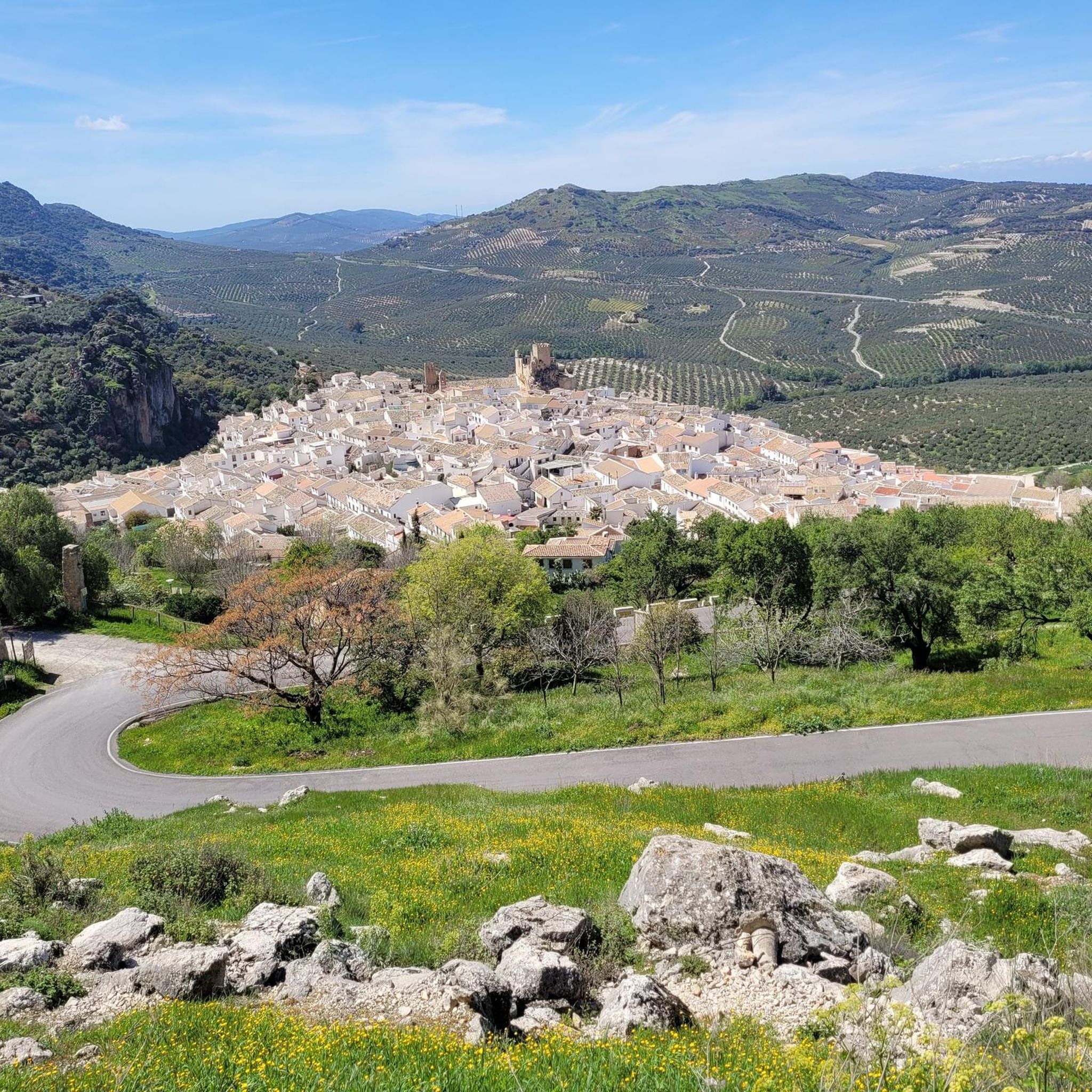
Impressive views of the Subbética Cordoba.
0
0
Frequently Asked Questions
What makes the caves in Sierra Subbetica unique?
The caves in Sierra Subbetica are unique due to their diverse geological formations, including impressive karst features and gypsum crystals. The region's limestone geology has created a landscape rich in natural shelters and significant archaeological sites, offering a glimpse into both geological processes and ancient human history.
Which caves in Sierra Subbetica offer archaeological or historical insights?
The Bat Cave (Cueva de los Murciélagos) near Zuheros is a crucial Neolithic site, featuring art from the Upper Paleolithic period and archaeological discoveries dating back over 7,000 years. The Sima de Cabra also holds significant historical importance in Spanish speleology and is referenced in works by Miguel de Cervantes.
Are there any family-friendly cave experiences in Sierra Subbetica?
The Bat Cave (Cueva de los Murciélagos) offers a guided tourist route with around 700 steps, suitable for families who can manage the descent. While currently closed for scientific studies, the Cueva del Yeso in Baena is designed with comfortable walkways and staircases, making it generally accessible for families when open.
What are the accessibility considerations for visiting caves in the Sierra Subbetica?
Accessibility varies by cave. The Bat Cave involves a descent of 65 meters and approximately 700 steps, requiring a reasonable level of physical fitness. The Cueva del Yeso, when open, features an accessible route with walkways and staircases, making it more comfortable for visitors.
How long does a visit to the Cueva de los Murciélagos typically take?
A visit to the Bat Cave (Cueva de los Murciélagos) typically involves a guided tour that includes a descent of 65 meters and navigating around 700 steps. The duration of the tour is usually around 1.5 to 2 hours, depending on the group.
What kind of natural formations can I expect to see in the caves?
You can expect to see spectacular karst formations, including stalactites like 'El Espárrago' (The Asparagus) and intricate rock formations in the Bat Cave. The Cueva del Yeso is known for its magnificent gypsum crystals, lakes, and unique formations. The Limestone formations and caves in the Bailón Canyon also showcase impressive rock walls shaped by water erosion.
Are there any specific permits or bookings required to visit the caves?
Yes, for the Bat Cave (Cueva de los Murciélagos), it is necessary to book an appointment in advance to visit. Access to the Sima de Cabra is restricted to experienced speleologists due to safety concerns.
What outdoor activities can I do near the caves in Sierra Subbetica?
The Sierra Subbetica Natural Park offers various outdoor activities. You can find numerous hiking trails, including easy options like the Enrique Triano Trail or the Fuente de la Mora – Cueva del Fraile loop from Zuheros. For cycling enthusiasts, there are gravel biking routes such as the Plantío Tunnel – Alamedal Viaduct loop, and road cycling routes like the Fuente del Río – Sima Viaduct loop. You can explore these options further in the Easy hikes in Sierra Subbetica, Gravel biking in Sierra Subbetica, and Road Cycling Routes in Sierra Subbetica guides.
What is the best time of year to explore the caves in Sierra Subbetica?
The Sierra Subbetica region generally experiences a Mediterranean climate. While caves maintain a relatively constant temperature year-round (e.g., Cueva del Yeso is around 21 degrees Celsius), the best time to visit for combining cave exploration with outdoor activities like hiking would typically be during spring (March to May) and autumn (September to November) when temperatures are milder and more comfortable for walking.
Are there any caves in the region that are not open to the public?
Yes, the Sima de Cabra, a historically significant vertical chasm, is not open to the general public. Access to its interior is restricted to experienced speleologists due to safety concerns. Additionally, the Cueva del Yeso is currently closed for scientific studies.
What is the Cueva del Morrión used for?
The Cueva del Morrión is primarily used as a natural shelter for livestock. While it offers good views, it serves more as a place of passage and refuge for animals rather than a tourist destination.
Can I find food and drink options near the caves?
Yes, villages like Zuheros, near the Bat Cave, and Cabra, which is close to the Sima de Cabra, offer cafes, restaurants, and pubs where you can find refreshments and meals before or after your cave visit.
Most popular routes in Sierra Subbetica
Most popular attractions in Sierra Subbetica

Get inspired with the komoot mobile app


Explore more
Extend your search for the best caves by checking out these guides of the top ones in Sierra Subbetica:
