Top 5 Castles around Cave
Best castles around Cave are found in the Lazio region of Italy, situated in the Alban Hills southeast of Rome. This area is characterized by its historical hilltop villages and strategic defensive positions overlooking valleys. The landscape features ancient settlements and structures built into the natural topography, often providing expansive views. The region's history is deeply intertwined with powerful noble families and ancient Roman influences.
Best castles around Cave
- The most popular castles is Brancaccio Castle in San Gregorio da…
Last updated: May 1, 2026
Brancaccio Castle in San Gregorio da Sassola
Highlight • Castle
Translated by Google •
Tip by

Castel San Pietro Romano
Highlight • Settlement
Translated by Google •
Tip by

Sign up now to discover places like this
Get recommendations on the best single tracks, peaks, & plenty of other exciting outdoor places.
Sign up for free
Rocca dei Colonna in Castel San Pietro Romano
Highlight • Castle
Translated by Google •
Tip by

Paliano Fortress
Highlight • Castle
Translated by Google •
Tip by
Rocca dei Colonna
Highlight • Castle
Translated by Google •
Tip by

Sign up for free to discover even more castles around Cave.
Sign up for free
Already have an account?
Start today with a free account
Your next adventure awaits.
Login or Signup


Tips from the Community

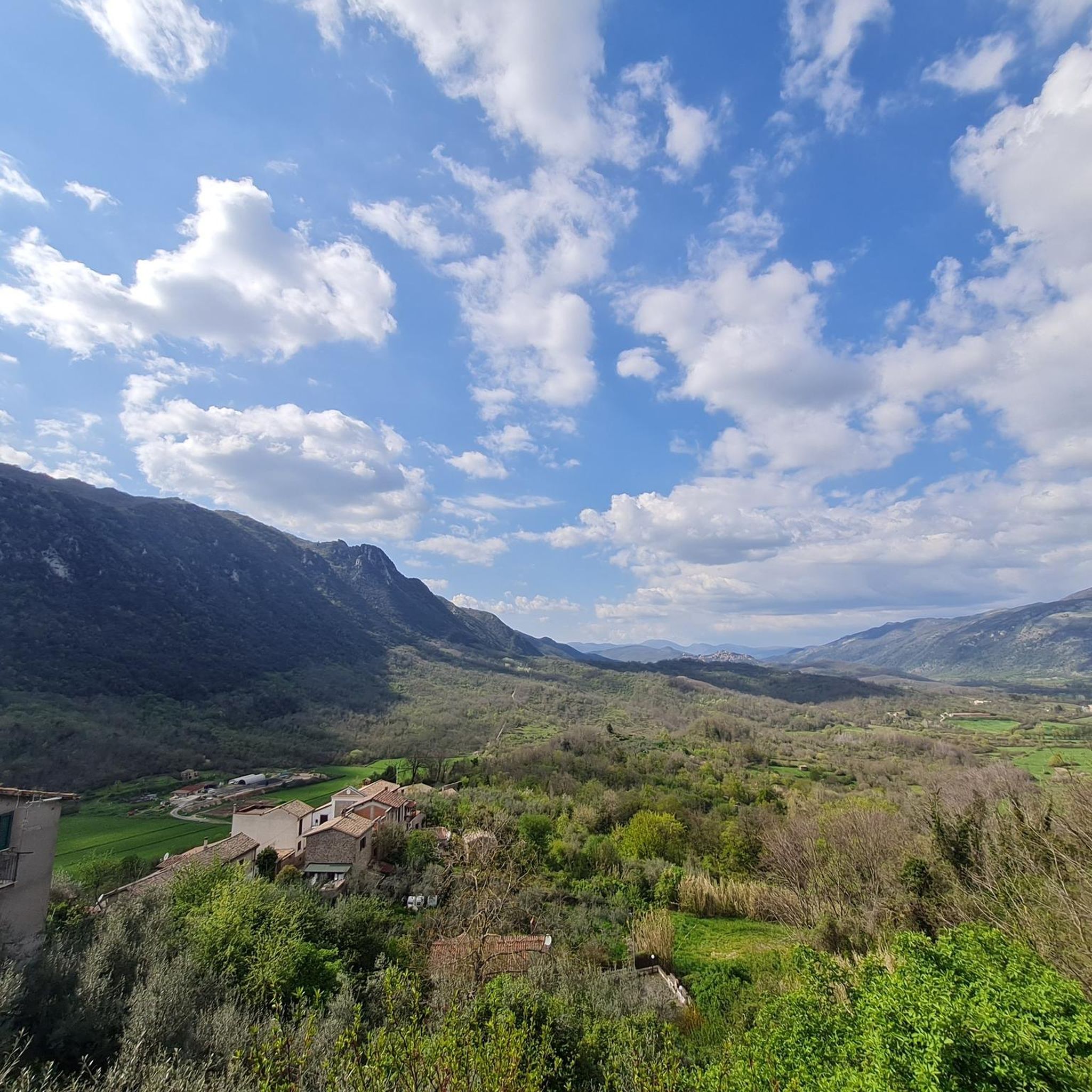
The Rocca dei Colonna was erected on the highest point of the acropolis in 970 AD. The initial building had a square plan with corner towers also with a square base, and housed a cylindrical tower used as a prison. Some famous people were imprisoned there, including San Berardo, bishop of the Marsi, Jacopone da Todi and Corradino di Svevia. Over the centuries, the fortress was destroyed several times; in 1482, the fortress was renovated and the event is remembered by the inscription on the turret of the small bridge "magnificus dominus Stephanus Columna readificavit civitatem cum monte et arte MCDLXXXII".
0
0

Very beautiful and lively village, the oven is notable which alone is worth the visit.
0
0

Gorgeous landscapes
0
0

Really nice village to cross by bicycle
1
0
very very nice village
3
0

With its height of 763 meters above sea level, it overlooks the western quadrant of Rome and the Cannucceta Valley
0
0

An interesting village to visit which has a medieval part, the old village, all leaning against the magnificent castle, and a seventeenth-century part called Borgo Pio, the new village.
0
0

Outside the town walls, just under the arch that connects the fortress to the raised square, there is a providential fountain to fill the water bottles!
1
0
Frequently Asked Questions
What are the most historically significant castles around Cave?
The castles around Cave are rich in history, often with pre-Roman origins and ties to powerful families like the Colonna. Castel San Pietro Romano, for instance, sits on Mount Ginestro with a history dating back to the late Bronze Age, later becoming a Benedictine monastery and a Colonna family stronghold. Similarly, Rocca dei Colonna was first erected in 970 AD and has been destroyed and rebuilt multiple times, with its current form dating to a 1482 renovation.
Are there any family-friendly castles to visit near Cave?
Yes, several castles around Cave are suitable for families. Brancaccio Castle in San Gregorio da Sassola is part of a charming medieval village, offering beautiful views and a pleasant atmosphere for a family stroll. Castel San Pietro Romano also offers a rich historical experience in a picturesque setting that can be enjoyed by all ages.
What kind of natural features or views can I expect when visiting castles in this region?
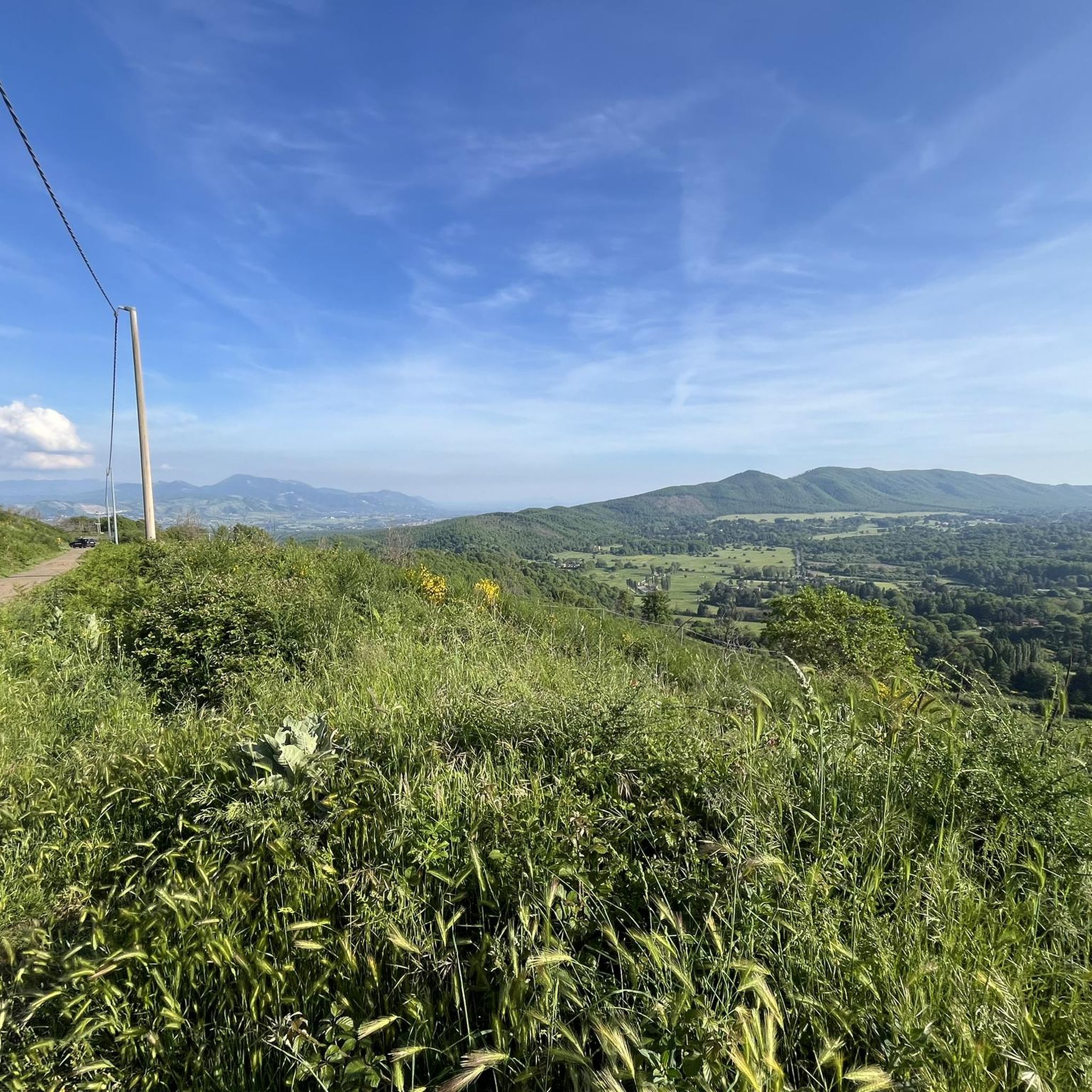
The castles around Cave are often perched on strategic hilltops, offering expansive views of the surrounding Lazio region, including valleys and sometimes even as far as the Tyrrhenian Sea. For example, Brancaccio Castle provides beautiful vistas, and Castel San Pietro Romano is located near the protected natural area of Cannuccete Valley, showcasing typical Lazio flora and fauna.
What outdoor activities can I do near the castles around Cave?
The area around Cave offers various outdoor activities. You can explore road cycling routes, mountain biking trails, and gravel biking paths. For detailed routes and guides, you can check out the Road Cycling Routes around Cave, MTB Trails around Cave, and Gravel biking around Cave guides.
Are there any unique cultural events or attractions near the castles?
Yes, the town of Genazzano, home to a castle from the Colonna era, is famous for its annual Infiorata festival on the first Sunday of July. During this event, the streets are covered with artistic carpets made of flower petals, an experience that once earned Genazzano a Guinness record for the largest such carpet in the world.
What is the best time of year to visit the castles around Cave?
The Lazio region generally enjoys pleasant weather from spring through early autumn (April to October). Visiting during these months allows for comfortable exploration of the outdoor castle grounds and medieval villages. Summer can be warm, but also offers vibrant local events. Always check specific castle opening hours, as some attractions might have seasonal variations.
Are there any cafes or places to rest near the castles?
Yes, in the medieval villages surrounding the castles, you can often find small local establishments. For example, near Brancaccio Castle in San Gregorio da Sassola, there's a small bar with outdoor seating where you can enjoy a drink and rest. Many villages also have public fountains for fresh water.
What is the Palazzo Barberini and its connection to the castles in the area?
The Palazzo Barberini, located in Palestrina, is a significant historical site that houses the National Archaeological Museum of Palestrina. While not a traditional castle, it sits atop an ancient temple and contains important artifacts like the Nile Mosaic of Palestrina, offering a deep dive into the region's ancient history and its connection to powerful Roman families.
What are some tips for visiting the medieval villages and castles, especially regarding terrain?
Many castles are integrated into medieval villages with sloped and stepped terrain. For instance, the characteristic medieval village around Brancaccio Castle can be challenging for cycling due to its slopes and steps. Comfortable walking shoes are highly recommended to navigate these historic, often uneven, pathways.
Can I find any 'cave castles' in the Cave region of Italy?
While the region is named 'Cave,' the castles here, such as Rocca dei Colonna, are traditional fortresses built on hilltops or within villages, not literally 'cave castles' built into natural caves like the famous Predjama Castle in Slovenia. The name 'Cave' refers to the town Rocca di Cave in the Lazio region of Italy.
How long should I plan for a visit to one of these castles?
The duration of your visit can vary. For a highlight like Brancaccio Castle in San Gregorio da Sassola or Castel San Pietro Romano, which are part of medieval villages, you might spend 2-4 hours exploring the castle grounds, the village, and enjoying the views. If you include a meal or a longer walk, it could be a half-day excursion.
Most popular attractions around Cave

Get inspired with the komoot mobile app


Explore more
Looking for the best castles somewhere else? Discover other guides around Cave:
