Top 5 Castles around Bellegra
Castles around Bellegra offer a glimpse into the region's ancient defensive structures and strategic importance. Bellegra, a town with ancient origins, features remnants of Cyclopean Walls from the 6th century BC, showcasing early monumental construction. The highest part of the town, once the site of a medieval castle, provides panoramic views across the Aniene River and Sacco Valley, highlighting its historical significance as a fortified settlement. Visitors can explore these historical sites near Bellegra to understand its past as a…
Last updated: June 29, 2026
Castel San Pietro Romano
Highlight • Settlement
Translated by Google •
Tip by

Rocca Abbaziale di Subiaco
Highlight • Castle
Translated by Google •
Tip by

Sign up now to discover places like this
Get recommendations on the best single tracks, peaks, & plenty of other exciting outdoor places.
Sign up for free
Rocca dei Colonna in Castel San Pietro Romano
Highlight • Castle
Translated by Google •
Tip by

Paliano Fortress
Highlight • Castle
Translated by Google •
Tip by
Genazzano
Highlight • Settlement
Translated by Google •
Tip by

Sign up for free to discover even more castles around Bellegra.
Sign up for free
Already have an account?
Start today with a free account
Your next adventure awaits.
Login or Signup
Tips from the Community

A museum-not-museum in the heart of the Rocca Abbaziale, a multimedia journey enriched with reconstructions of historical instruments to understand the role of communication in the development of civilization and to remember the records of Subiaco. It was in Subiaco, in the monastery of Santa Scolastica, that the first book with movable type in the history of Italy was printed. The MACS helps to retrace the stages of this invention that contributed to the transformation of an entire era.
3
0
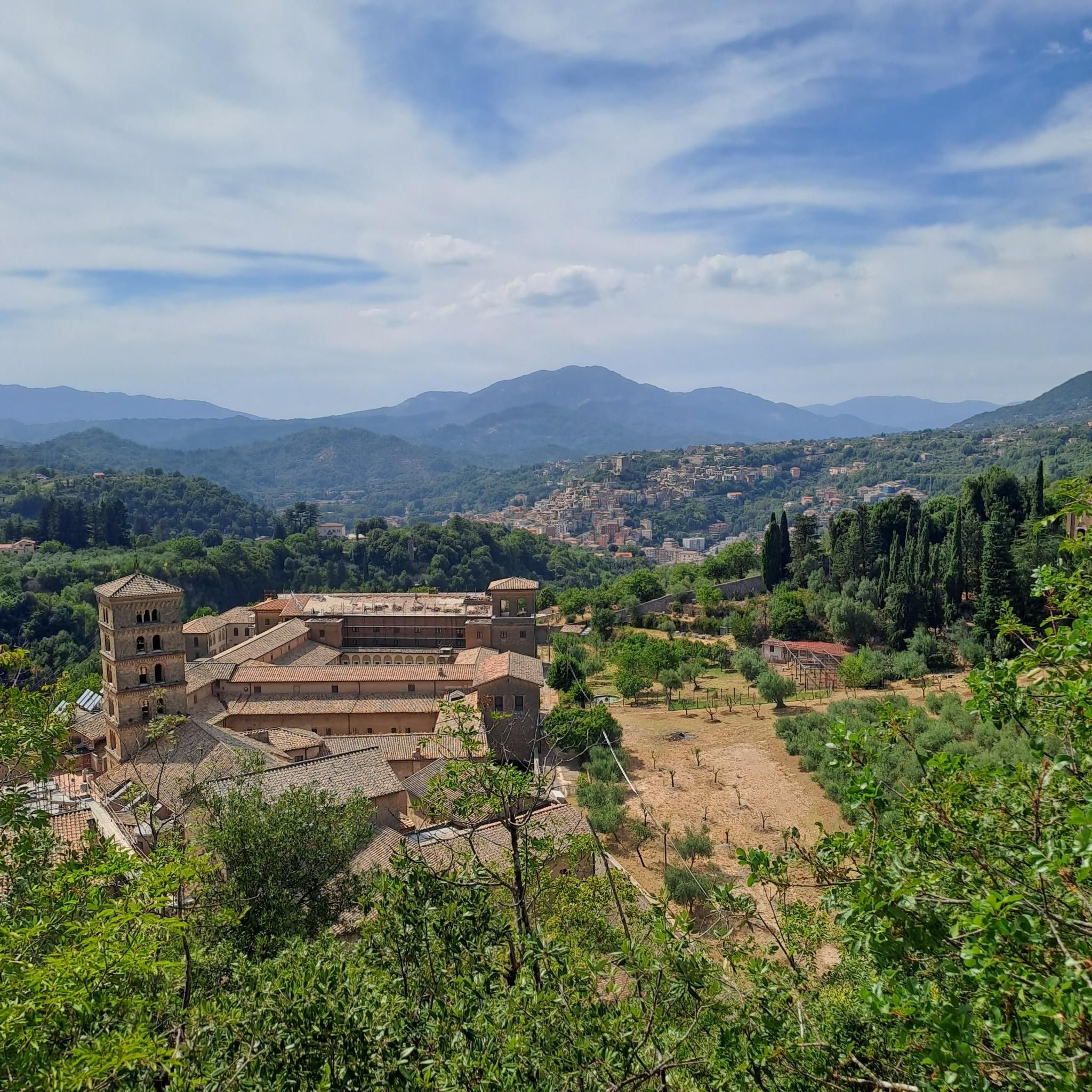
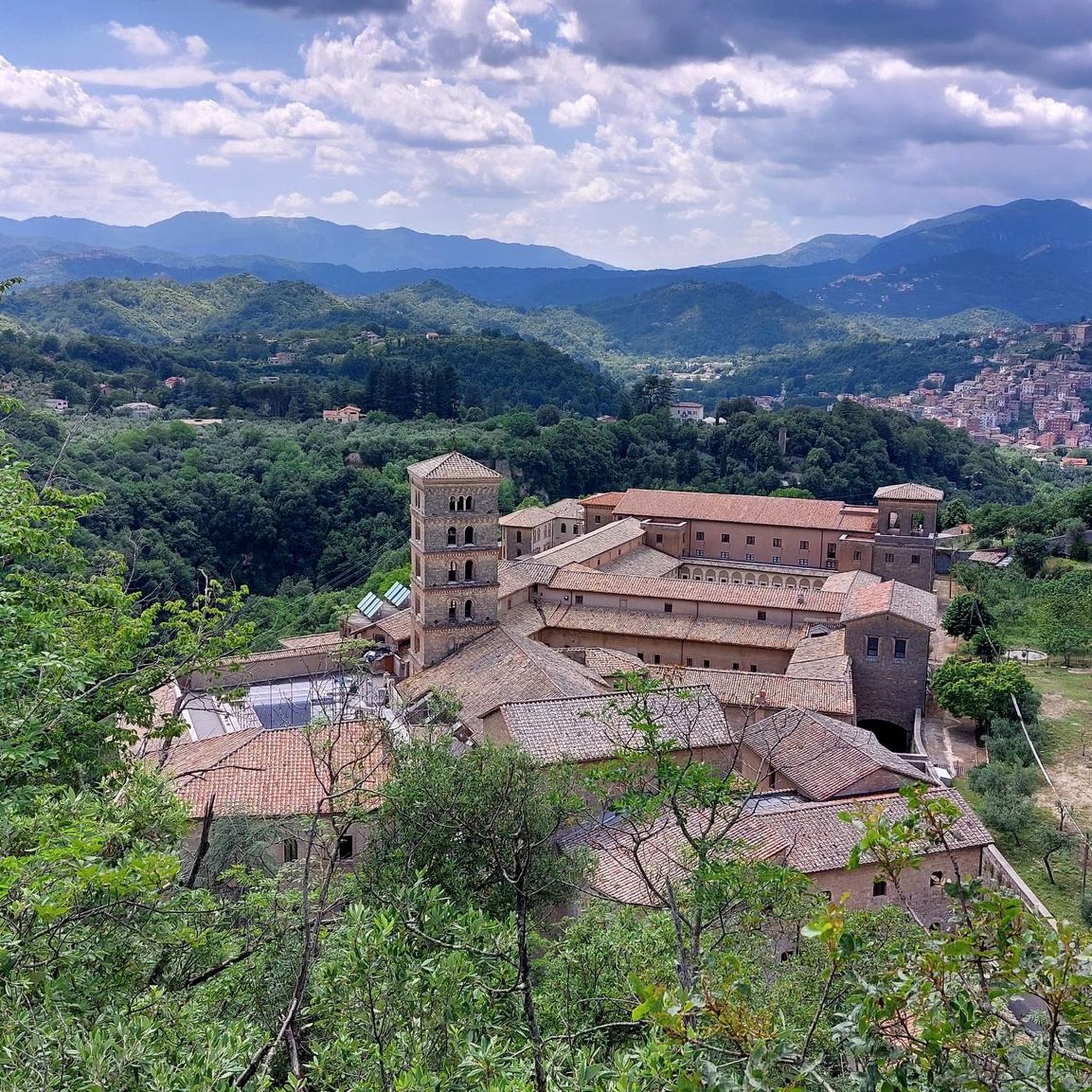
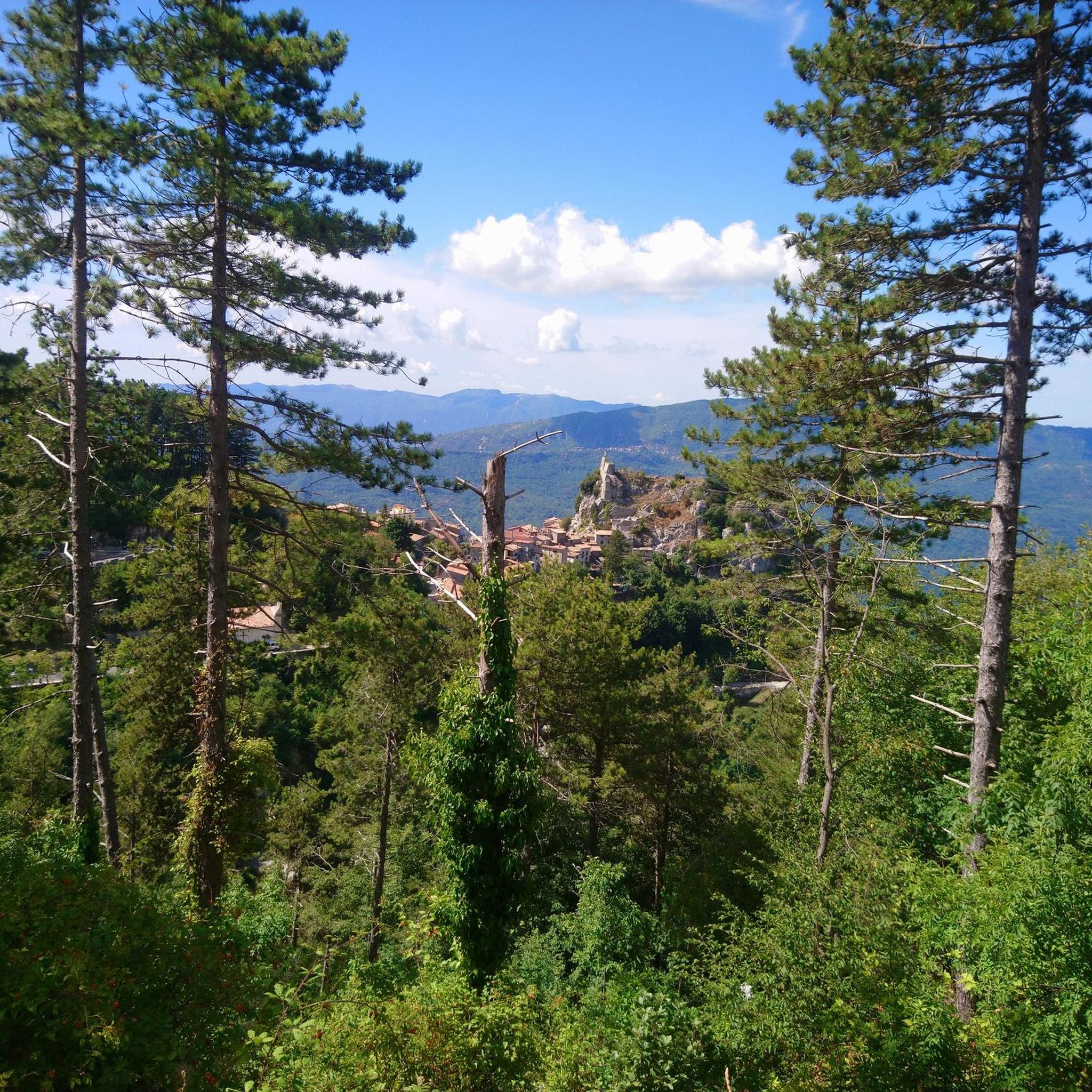
Large castle complex overlooking the city. Abbey Fortress of Subiaco The Rocca Abbaziale di Subiaco, also called Rocca dei Borgia, is a thousand-year-old place where you can travel through the history of a municipality, among precious works of art and bold architecture. From its gardens you can admire a unique panorama of the Aniene valley, while the noble apartments offer a view of important cycles of paintings and decorations. Everything contributes to conveying the charm of a building that was the first home of Lucrezia Borgia. The Museum MACS - Museum of Paper and Printing Activities A museum-not-museum in the heart of the Rocca Abbaziale, a multimedia journey enriched with reconstructions of historical instruments to understand the role of communication in the development of civilization and to remember the records of Subiaco.
2
0

Very beautiful and lively village, the oven is notable which alone is worth the visit.
0
0

Genazzano is an Italian town in the province of Rome. This picturesque place offers a mix of medieval history, contemporary art and natural beauty.
1
0

Genazzano is a jewel of the Prenestini mountains. In addition to its architectural beauties from the Colonna era (the castle and Bramante's nymphaeum), it is worth visiting on the first Sunday of July for the Infiorata. On this day the streets of the town are covered with artistic carpets. Just in 2012 Genazzano won the Guinness record for the largest carpet of flower petals in the world!
3
0

very very nice village
3
0

With its height of 763 meters above sea level, it overlooks the western quadrant of Rome and the Cannucceta Valley
0
0

Paliano, whose origins date back to antiquity, nestled between the Prenestini and Ernici mountains, is inextricably linked to the name of the Colonna family, who had one of their cornerstones here. The period of greatest development for Paliano was the seventeenth century. The Palazzo Ducale dates from this period, built at the behest of Filippo Colonna with the adjacent Collegiate Church of S. Andrea, burial place of the family and the Fortress, which dominates the entire valley of the river Sacco, now a maximum security prison. Noteworthy in it is the pictorial cycle (attributed to Zuccari and his school) which represents Marcantonio Colonna's triumphal entry into Rome after the battle of Lepanto (1571). Today Paliano is still surrounded by walls with three access gates to the city and with ramparts arranged in green. Paliano owes notoriety also to its naturalistic and landscape aspects. (source: https://www.ciociariaturismo.it/it/la-ciociaria/i-91-comuni/tutti91comuni/120-paliano.html)
1
0
Frequently Asked Questions
What kind of historical fortifications can I explore in Bellegra itself?
Bellegra, known historically as 'Cittadella', offers remnants of ancient defensive structures rather than intact castles. You can explore the impressive Cyclopean Walls, dating back to the 6th century BC, which are part of the ancient city of Vitellia. The highest part of the town, where a medieval castle once stood, provides significant historical context and breathtaking 360-degree panoramic views across the Aniene River and Sacco Valley.
Which castles are most popular to visit around Bellegra?
The komoot community frequently visits several notable castles and fortified settlements in the vicinity. Among the most popular are Castel San Pietro Romano, a settlement featuring a castrum built by the Colonna family and ancient polygonal walls. Another highly appreciated site is Rocca Abbaziale di Subiaco, a large castle complex known for its history and art, also called Rocca dei Borgia.
Are there other significant historical castles near Bellegra for history enthusiasts?
Absolutely. History buffs will appreciate Rocca dei Colonna, a fortress erected on the highest point of an acropolis in 970 AD, with a rich history of destruction and rebuilding. Also, the town of Genazzano, a jewel of the Prenestini mountains, features architectural beauties from the Colonna era, including its castle.
What are the best viewpoints near Bellegra's historical sites?
The highest part of Bellegra, the former site of its medieval castle, offers incredible 360-degree panoramic views. From here, you can see across the Aniene River and the Sacco Valley, encompassing the Ernici and Lepini mountains and Mount Scalambra. This strategic location was even used by the German army during WWII for its commanding vistas.
What outdoor activities can I do near these castles?
The region around Bellegra offers various outdoor activities. You can find numerous hiking trails, such as the Monte Scalambra Trail, or explore longer routes like the Way of St. Benedict. For mountain biking, there are challenging loops like the Monti Simbruini Loop from Subiaco. Road cycling enthusiasts can enjoy scenic routes like the Aniene Waterfalls loop. You can find more details on these activities in the Hiking around Bellegra, MTB Trails around Bellegra, and Road Cycling Routes around Bellegra guides.
Are there family-friendly castles or historical sites to visit near Bellegra?
Yes, several sites are suitable for families. Castel San Pietro Romano is categorized as family-friendly, offering a historical settlement with ancient walls. Additionally, the strategic viewpoints in Bellegra itself provide an engaging way for families to learn about history while enjoying the scenery. The View of Castello di Alvito is also listed as family-friendly, offering a beautiful sight.
What is the best time of year to visit the castles and historical sites around Bellegra?
While specific opening times for all sites vary, generally, spring (April-June) and autumn (September-October) offer pleasant weather for exploring historical sites and enjoying the panoramic views without the intense heat of summer. These seasons are also ideal for outdoor activities like hiking. Always check specific site opening hours before your visit.
How can I get to Bellegra and its surrounding historical sites by public transport?
Bellegra is accessible, but public transport options to individual, smaller historical sites or castles in the surrounding, often mountainous, areas can be limited. It's advisable to check local bus schedules or consider driving for more flexibility when visiting multiple locations. For general information about Bellegra, you might find useful resources on the Visit Lazio website.
Are there any hidden gems or less-known historical features in the Bellegra area?
Beyond the more prominent sites, Bellegra's own historic core, with its ancient origins and elevated position, offers a glimpse into its past as a defended settlement. Look for remaining towers identifiable by the shapes of dwellings in the old town. These subtle architectural hints tell the story of its long history as a fortified town, even without a grand, intact castle.
What do visitors enjoy most about the castles and historical sites around Bellegra?
Visitors particularly appreciate the blend of ancient history and stunning natural landscapes. The impressive Cyclopean Walls in Bellegra, the strategic viewpoints offering vast panoramas, and the rich historical narratives of sites like Castel San Pietro Romano and Rocca Abbaziale di Subiaco are frequently highlighted. The opportunity to combine historical exploration with outdoor activities in the surrounding valleys and mountains is also a major draw.
Is parking available near the historical sites in Bellegra and the surrounding castles?
Parking availability varies by location. In Bellegra, you can typically find parking within the town, though it might be limited in the very historic core. For specific castles like Castel San Pietro Romano or Rocca Abbaziale di Subiaco, there are usually designated parking areas nearby, but it's always recommended to check local information or maps in advance, especially during peak seasons.
Most popular attractions around Bellegra

Get inspired with the komoot mobile app


Explore more
Looking for the best castles somewhere else? Discover other guides around Bellegra:
