Top 7 Castles around Pisoniano
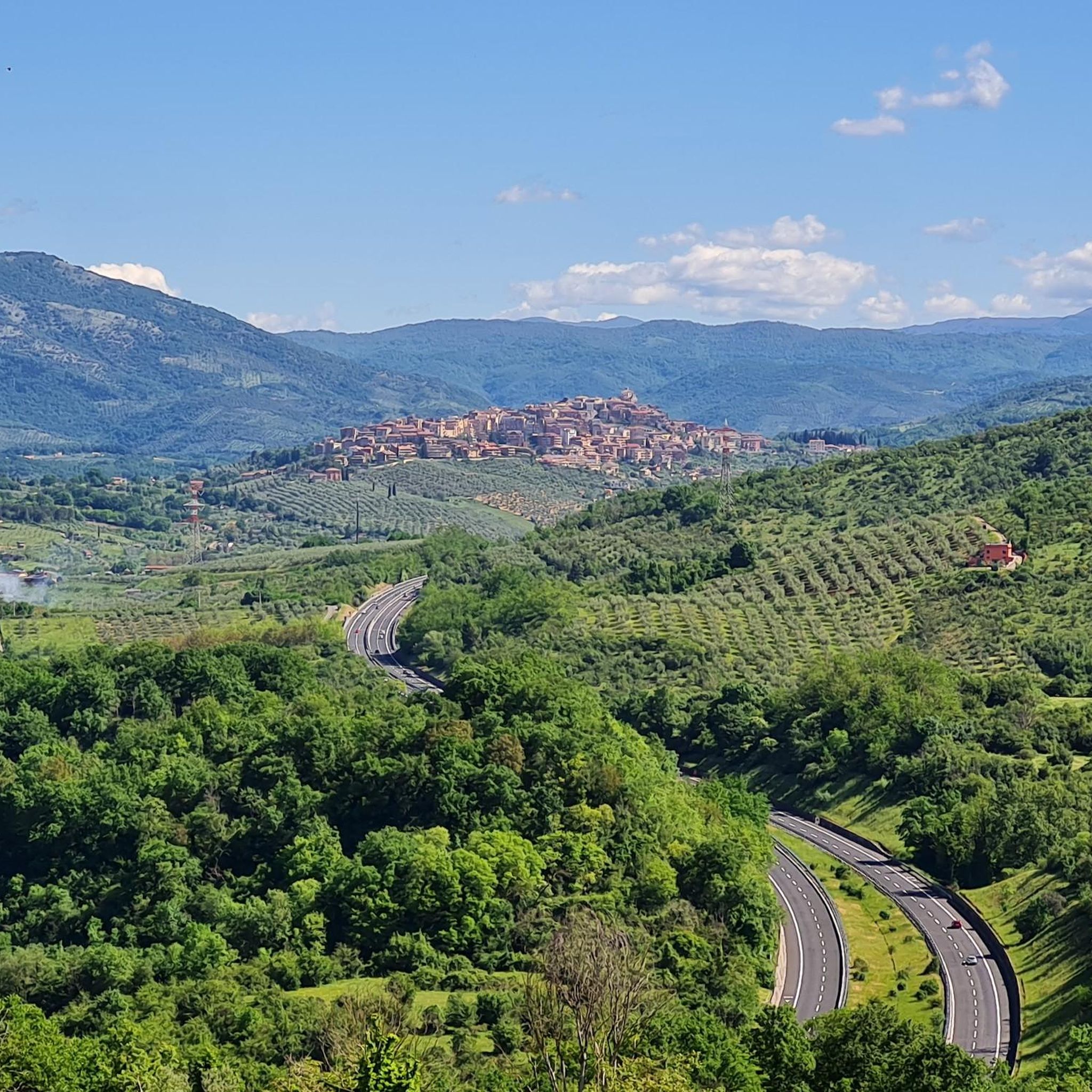
Castles around Pisoniano are situated in a small, low-mountain center located east of Rome, nestled on the eastern slopes of the Prenestini Mountains. The area is rich in historical context, featuring the remains of the Castello di Pisoniano, with its single remaining tower, and the ancient Villa of Calpurnius Piso. This historical village also boasts ancient churches and the Civic Hemp Museum, detailing local history and industry. The picturesque surroundings and historical landmarks make the region a notable destination for…
Last updated: May 1, 2026
Brancaccio Castle in San Gregorio da Sassola
Highlight • Castle
Translated by Google •
Tip by

Castel San Pietro Romano
Highlight • Settlement
Translated by Google •
Tip by

Sign up now to discover places like this
Get recommendations on the best single tracks, peaks, & plenty of other exciting outdoor places.
Sign up for free
Rocca dei Colonna in Castel San Pietro Romano
Highlight • Castle
Translated by Google •
Tip by

Rocca Abbaziale di Subiaco
Highlight • Castle
Translated by Google •
Tip by

Rocca dei Colonna
Highlight • Castle
Translated by Google •
Tip by

Sign up for free to discover even more castles around Pisoniano.
Sign up for free
Already have an account?
Start today with a free account
Your next adventure awaits.
Login or Signup

Tips from the Community

The Rocca dei Colonna was erected on the highest point of the acropolis in 970 AD. The initial building had a square plan with corner towers also with a square base, and housed a cylindrical tower used as a prison. Some famous people were imprisoned there, including San Berardo, bishop of the Marsi, Jacopone da Todi and Corradino di Svevia. Over the centuries, the fortress was destroyed several times; in 1482, the fortress was renovated and the event is remembered by the inscription on the turret of the small bridge "magnificus dominus Stephanus Columna readificavit civitatem cum monte et arte MCDLXXXII".
0
0

A museum-not-museum in the heart of the Rocca Abbaziale, a multimedia journey enriched with reconstructions of historical instruments to understand the role of communication in the development of civilization and to remember the records of Subiaco. It was in Subiaco, in the monastery of Santa Scolastica, that the first book with movable type in the history of Italy was printed. The MACS helps to retrace the stages of this invention that contributed to the transformation of an entire era.
3
0
Large castle complex overlooking the city. Abbey Fortress of Subiaco The Rocca Abbaziale di Subiaco, also called Rocca dei Borgia, is a thousand-year-old place where you can travel through the history of a municipality, among precious works of art and bold architecture. From its gardens you can admire a unique panorama of the Aniene valley, while the noble apartments offer a view of important cycles of paintings and decorations. Everything contributes to conveying the charm of a building that was the first home of Lucrezia Borgia. The Museum MACS - Museum of Paper and Printing Activities A museum-not-museum in the heart of the Rocca Abbaziale, a multimedia journey enriched with reconstructions of historical instruments to understand the role of communication in the development of civilization and to remember the records of Subiaco.
2
0

Very beautiful and lively village, the oven is notable which alone is worth the visit.
0
0

Gorgeous landscapes
0
0

Really nice village to cross by bicycle
1
0
very very nice village
3
0

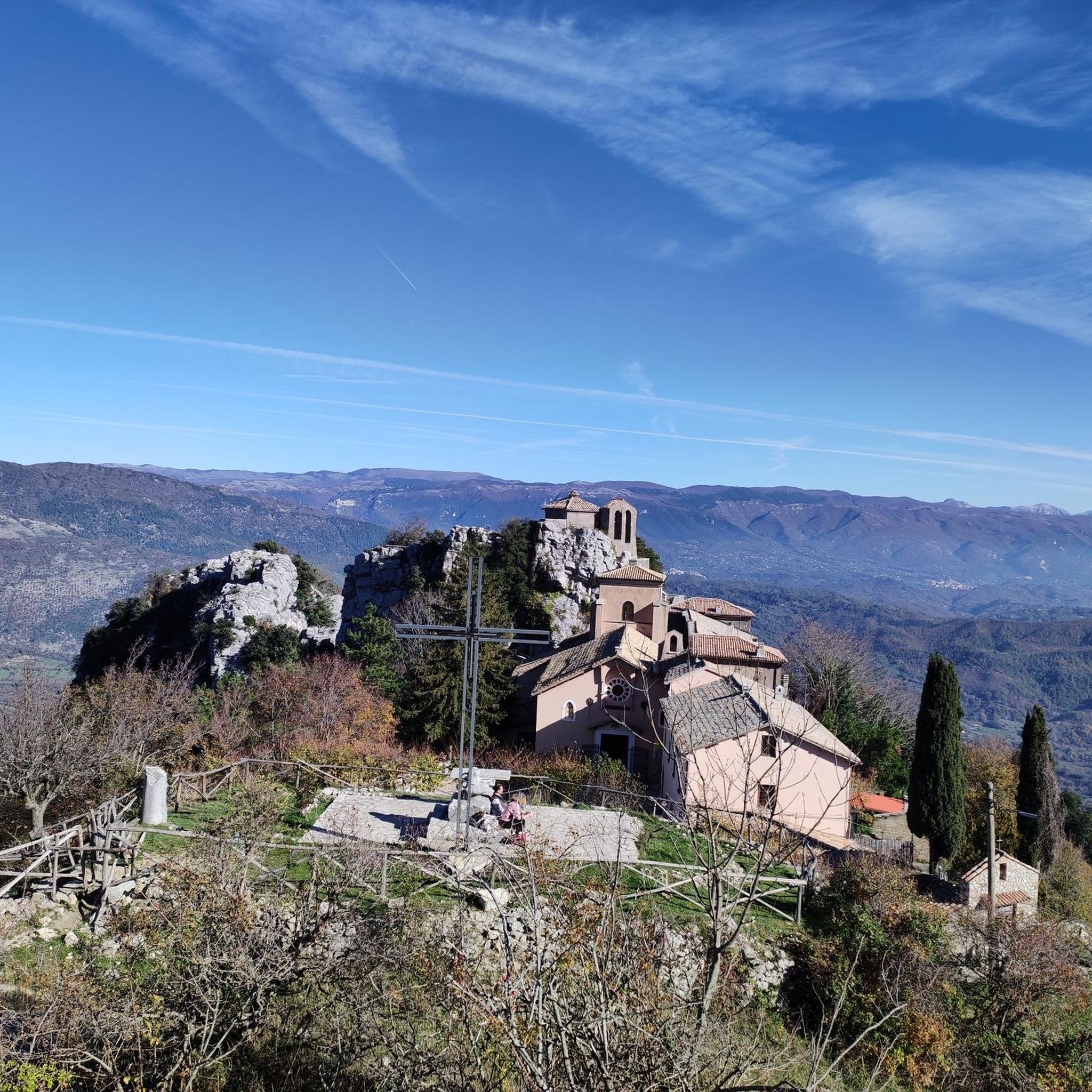
With its height of 763 meters above sea level, it overlooks the western quadrant of Rome and the Cannucceta Valley
0
0
Frequently Asked Questions
What historical sites can I explore in Pisoniano besides castles?
Beyond the remaining tower of the Castello di Pisoniano, the town offers several other historical points of interest. You can visit the few remains of the Villa of Calpurnius Piso, explore ancient churches like S. Paolo Apostolo, S. Vittoria, and Madonna della Neve, or learn about local industry at the Civic Hemp Museum, which details hemp cultivation until the mid-20th century.
Are there family-friendly castles to visit near Pisoniano?
Yes, several castles in the area are suitable for families. Brancaccio Castle in San Gregorio da Sassola is part of a charming medieval village, offering beautiful views. Castel San Pietro Romano, with its rich history and nearby protected natural area, is also considered family-friendly.
What kind of views can I expect from the castles around Pisoniano?
Many castles in the region offer stunning panoramic views. From Brancaccio Castle in San Gregorio da Sassola, you'll find beautiful vistas of the characteristic medieval village. The gardens of Rocca Abbaziale di Subiaco provide a unique panorama of the Aniene valley. Castel San Pietro Romano and Rocca dei Colonna also serve as excellent viewpoints.
What outdoor activities are available near the castles?
The area around Pisoniano is excellent for outdoor activities. You can find numerous hiking and cycling routes. For hiking, consider routes like 'Guadagnolo for Monte Vincenzo' or 'Capranica Prenestina – Monte Calo Summit loop'. Cyclists can explore routes such as 'Aniene Waterfalls – Ponte degli Arci loop'. For more details and route options, visit the Hiking around Pisoniano or Road Cycling Routes around Pisoniano guides.
Can I find places to eat or rest near the castles?
Yes, some castle locations offer amenities. Near Brancaccio Castle in San Gregorio da Sassola, you can find small bars with outdoor tables for a drink and rest. There's also a free municipal water dispenser nearby. The medieval village setting often means local cafes and pubs are accessible.
What is unique about Rocca Abbaziale di Subiaco?
Rocca Abbaziale di Subiaco is a large, thousand-year-old castle complex known for its precious works of art, bold architecture, and its historical connection as the first home of Lucrezia Borgia. It also houses the MACS (Museum of Paper and Printing Activities), celebrating Subiaco's record as the site of the first book printed with movable type in Italy.
What is the historical significance of Castel San Pietro Romano?
Castel San Pietro Romano, perched on Mount Ginestro, boasts a long history dating back to the late Bronze Age. It was once the acropolis for the ancient city of Praeneste, a Benedictine monastery, and later a fief of the Colonna family. In the 1950s, it gained fame as the setting for Italian cinema classics like 'Pane, amore e fantasia'.
Is there a castle with a notable prison history in the area?
Yes, the Rocca dei Colonna, erected in 970 AD, featured a cylindrical tower used as a prison. Notable historical figures such as San Berardo, Jacopone da Todi, and Corradino di Svevia were imprisoned there over the centuries.
What makes Genazzano a special place to visit?
Genazzano is considered a jewel of the Prenestini mountains, offering a blend of medieval history, art, and natural beauty. Besides its Colonna-era castle and Bramante's nymphaeum, it's famous for its 'Infiorata' festival on the first Sunday of July, where streets are covered with artistic flower carpets, once holding a Guinness record.
What natural features can be found near the castles?
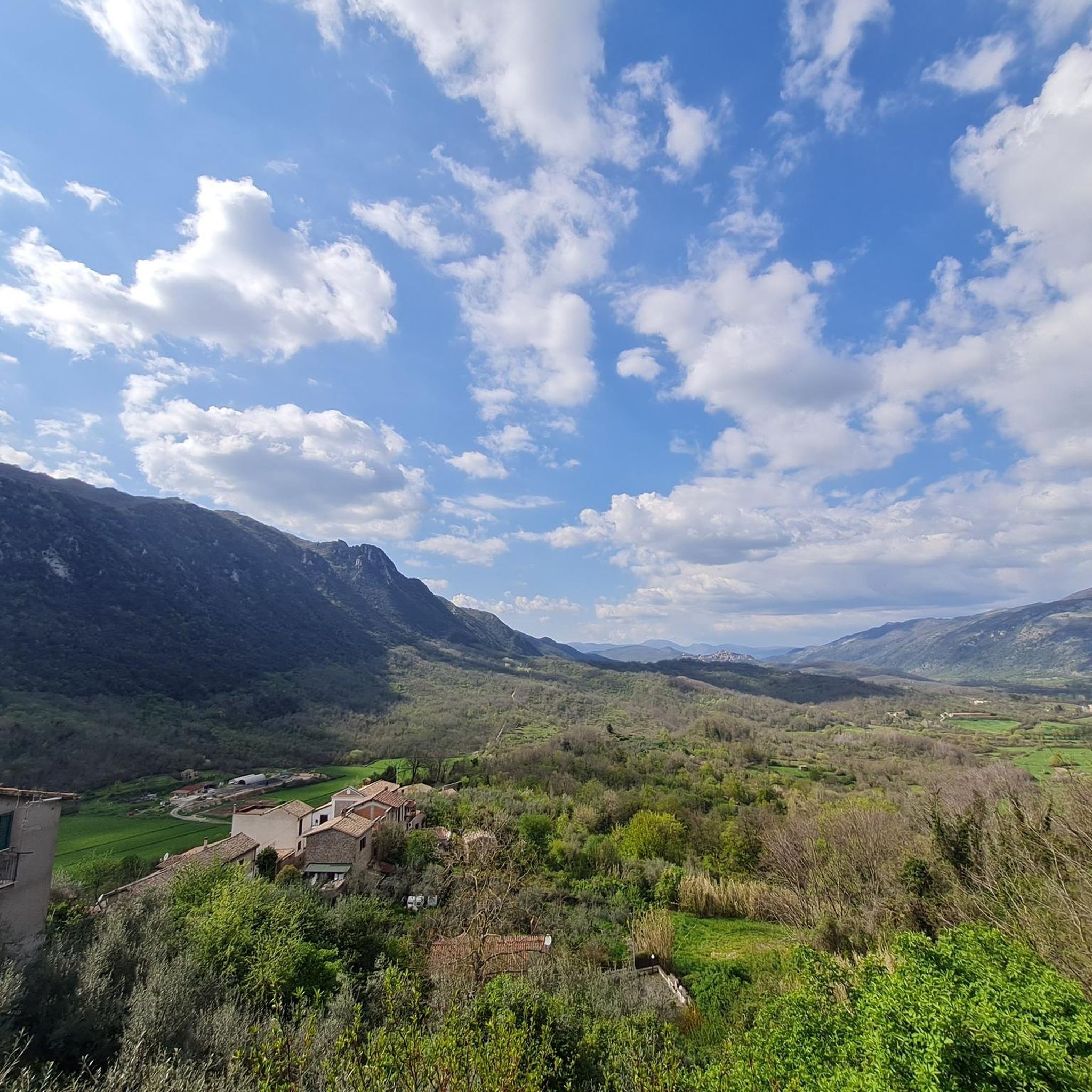
The region around Pisoniano and its castles is set amidst the picturesque Prenestini Mountains. Near Castel San Pietro Romano, you can explore the protected natural area of Cannuccete Valley, which features typical Lazio flora and fauna, and even remains of a pre-Roman aqueduct. The area generally offers scenic low-mountain landscapes.
What do visitors enjoy most about the castles around Pisoniano?
Visitors particularly appreciate the rich historical context and the scenic views offered by these sites. The characteristic medieval villages, the blend of ancient architecture, and the opportunities for outdoor activities like hiking and cycling are frequently highlighted. The community has given these historical sites over 75 upvotes and shared 34 photos, indicating engaging experiences for those interested in history and beautiful landscapes.
Most popular attractions around Pisoniano

Get inspired with the komoot mobile app


Explore more
Looking for the best castles somewhere else? Discover other guides around Pisoniano:
