The 5 Most Amazing Peaks around Rocca Pia
Best mountain peaks around Rocca Pia are found in the Abruzzo region of Italy, within the Apennine mountains. This area, located in the Province of L'Aquila, serves as a base for exploring significant peaks. The landscape features high-altitude settings and diverse terrain. The region is known for its challenging treks and panoramic vistas.
Best mountain peaks around Rocca Pia
- The most popular mountain peaks is Mount Porrara, a summit with an altitude of 2,137 meters, known for its wildlife…
Last updated: October 2, 2026
Mount Genzana
Highlight • Summit
Translated by Google •
Tip by

Mount Porrara
Highlight • Summit
Translated by Google •
Tip by

Sign up now to discover places like this
Get recommendations on the best single tracks, peaks, & plenty of other exciting outdoor places.
Panoramic Ridge of Monte Porrara
Highlight (Segment) • Viewpoint
Translated by Google •
Tip by

Monte Mitra Summit Cross
Highlight • Summit
Translated by Google •
Tip by

Summit of Monte Mattone (1866 m)
Highlight • Summit
Translated by Google •
Tip by

Sign up for free to discover even more peaks around Rocca Pia.
Already have an account?
Start today with a free account
Your next adventure awaits.
Tips from the Community

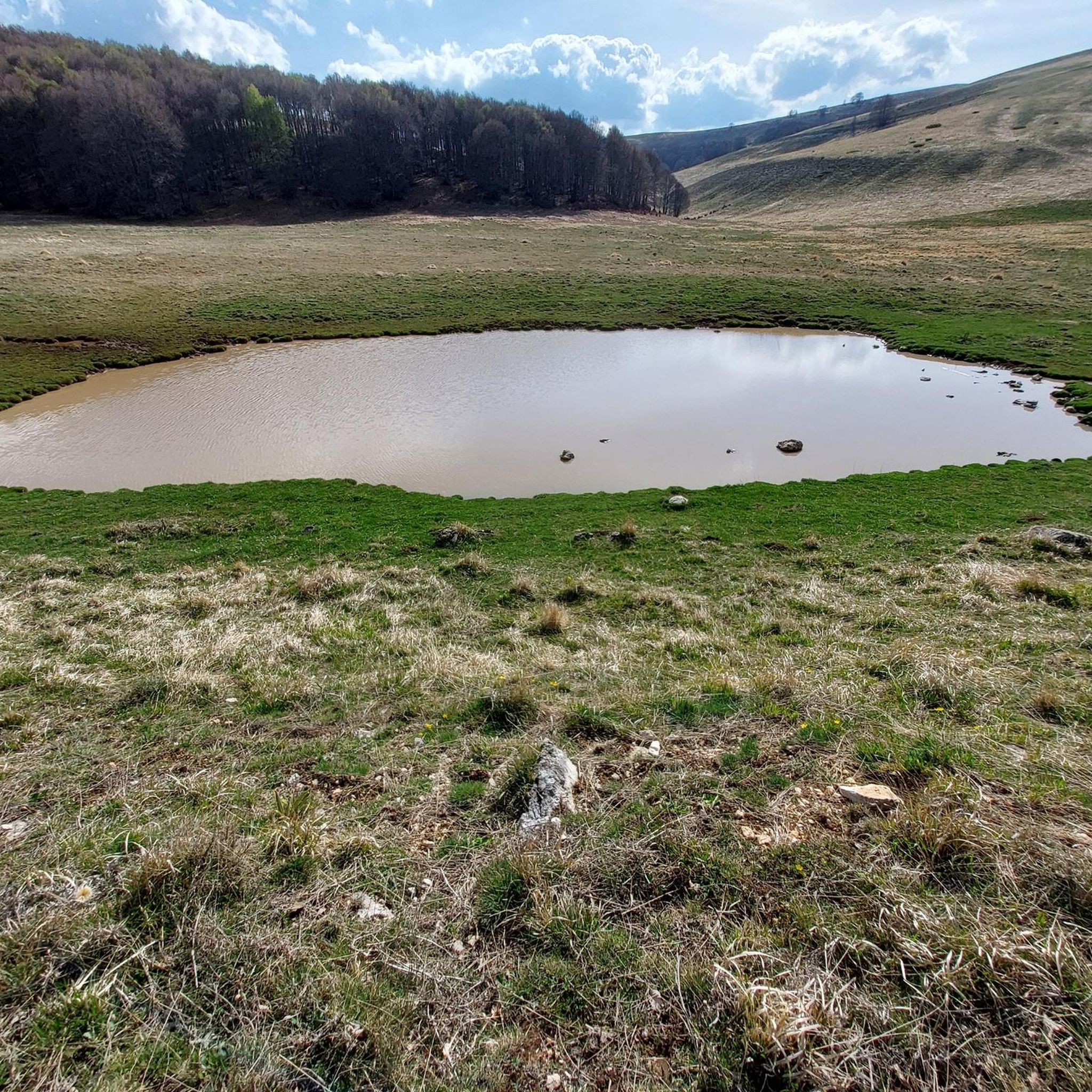
Mount Genzana (2,170 m above sea level) is a mountain in the Abruzzo Apennines, belonging to the Marsicani Mountains group, located in the province of L'Aquila in lower Abruzzo, between the municipalities of Pettorano sul Gizio, Scanno, and Introdacqua. The route is sometimes technical; you'll encounter scree and rocks, and in some places the trail is not visible. Despite this, you'll be rewarded with a fantastic view! A windbreaker is a must for the descent, as temperatures drop quickly in cloudy weather.
0
0
Altitude 2170 m on the summit of Monte Genzana
0
0

One of the most beautiful views of the Abruzzo peaks!
0
0


Going along the H4 path from Villetta Barrea you go up to Monte Mattone. The path, very beautiful and surrounded by nature, goes around the mountain offering in some (exposed) points panoramic views of Lake Barrea and the surrounding mountains. You need a good physical training to get to the top!
1
0

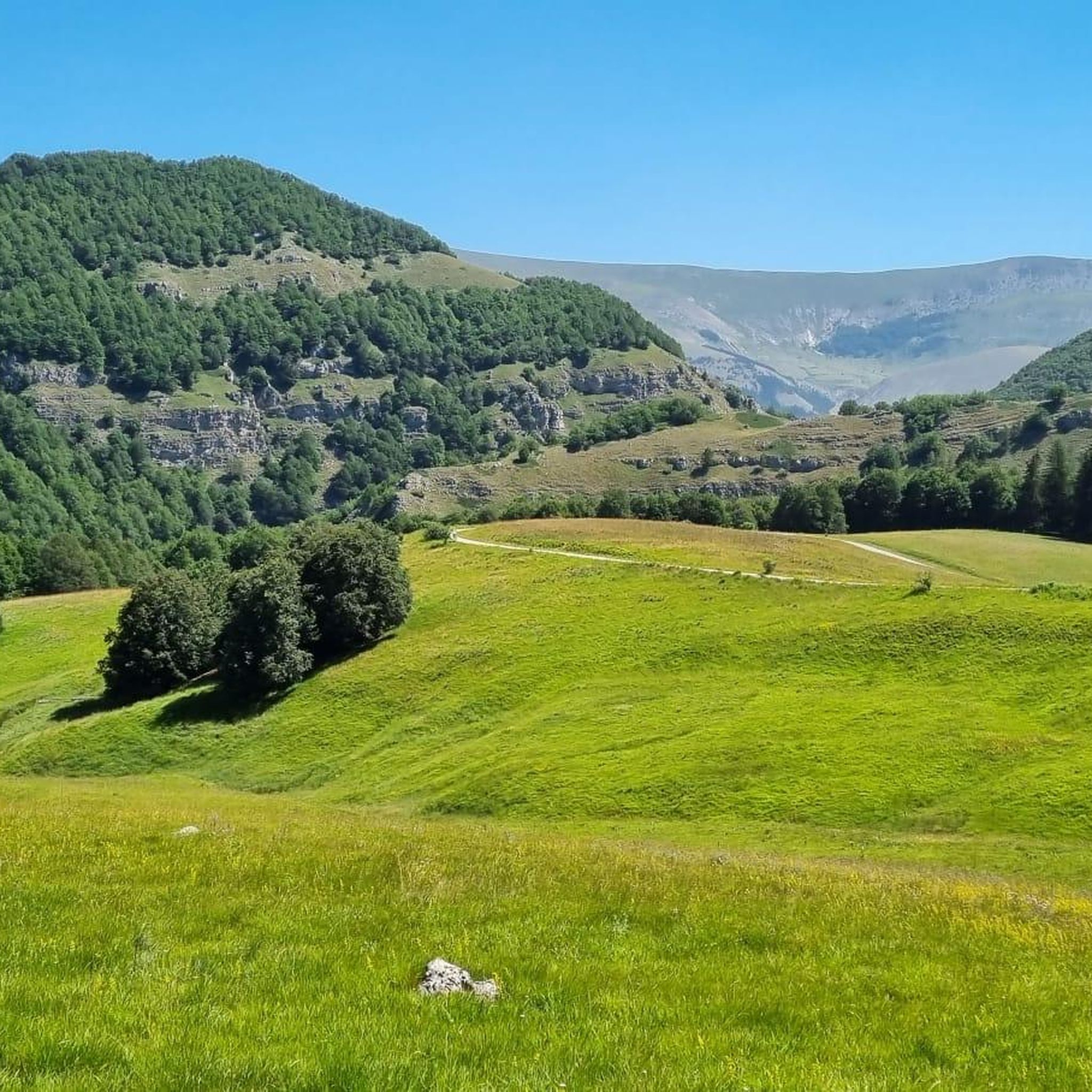
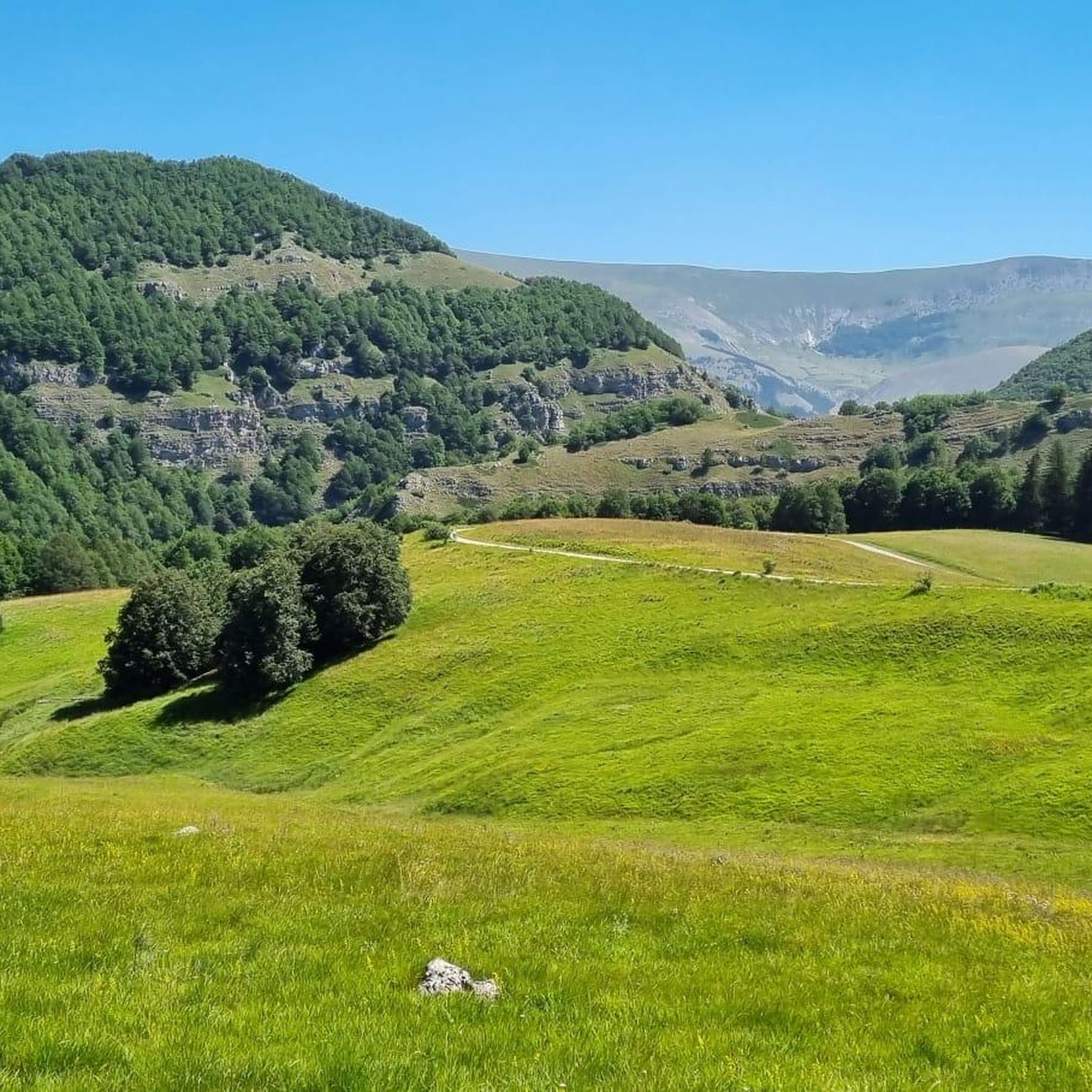
Along the ridge of Monte Porrara you can enjoy a beautiful panorama of the Majella peaks. A show!
1
1

Monte Mitra reaches an altitude of 1067 m asl, is located in the Majella park and is part of the Monte Rotella group which is the southernmost chain.
1
0

Monte Porrara, with an altitude of 2,137 metres, is home to many wild animals. In a cave near this mountain Pope Celestine V lived for three years.
1
0
Frequently Asked Questions
Which mountain peaks near Rocca Pia offer the most challenging hiking experiences?
For a truly challenging experience, consider Monte Amaro in the Majella massif, the second highest peak in the Apennines. It's a demanding climb, particularly from routes like Fara S. Martino, involving a 2,400-meter altitude difference. Another challenging option is Pizzo Cefalone in the Gran Sasso d'Italia range, which has sections requiring basic rock climbing skills towards the summit. Mount Genzana also offers a technical route with scree and rocks in places.
Where can I find the best panoramic views of the Majella peaks around Rocca Pia?
The Panoramic Ridge of Monte Porrara offers stunning vistas of the Majella peaks. Additionally, Mount Porrara itself provides one of the most beautiful views of the Abruzzo peaks. From Monte Amaro, you can also enjoy expansive views of the surrounding Apennine landscape.
Are there any mountain peaks near Rocca Pia with historical or cultural significance?
Yes, Mount Porrara is notable for a cave where Pope Celestine V reportedly lived for three years. Pizzo Cefalone features two iron crosses on its summit and historical caves that once served as a hermitage for Saint Franco.
What are some moderate hiking options around Rocca Pia?
For moderate hiking, consider routes like the 'Bosco di Sant'Antonio – Mount Pizzalto loop' or the 'Bosco di Sant'Antonio – Enchanted Beech Forest loop'. The 'Genzana Pass Junction – Rifugio Pelosello loop' from Rocca Pia is also a moderate option. You can find more details on these and other hiking trails in the Hiking around Rocca Pia guide.
What kind of wildlife can I expect to see on the mountain peaks near Rocca Pia?
The region is rich in wildlife. On challenging climbs like Monte Amaro, you might spot Abruzzo chamois. Around September, you can often hear deer roaring. Mount Porrara is also known to be home to many wild animals.
What is the best time of year to visit the mountain peaks around Rocca Pia?
The best time to visit depends on your activity. For general hiking and enjoying the diverse ecosystems, late spring to early autumn (May to October) typically offers the most favorable weather conditions. For challenging treks at higher altitudes, summer months are ideal. Winter hiking in areas like Majella National Park requires specific gear and experience due to snow and colder temperatures.
Are there any easy or family-friendly mountain walks near Rocca Pia?
While many peaks offer challenging routes, there are easier options. The 'Bosco di Sant'Antonio loop' is an easy 2.7 km hike. The area around Mount Pizzalto also features routes through 'Enchanted Beech Forests' which can be suitable for families looking for scenic, less strenuous walks. For more options, check the Hiking around Rocca Pia guide.
What other outdoor activities can I do near the mountain peaks of Rocca Pia?
Beyond hiking, the area around Rocca Pia offers excellent opportunities for cycling and running. You can explore various cycling routes, such as the 'ABT Stage 19: Caramanico Terme - Rivisondoli' or the 'Roccaraso Town Center – Porta Antonetta loop'. For runners, trails like 'Scanno and the Heart Trail' or 'Monte Godi Trail' are popular. Find more details in the Cycling around Rocca Pia and Running Trails around Rocca Pia guides.
What are the highest peaks in the Gran Sasso d'Italia range accessible from Rocca Pia?
From Rocca Pia, you can access peaks within the Gran Sasso d'Italia range, which is the highest in the Apennines. Notable peaks include Pizzo Cefalone (2,533m / 8,310 ft) and Monte Aquila (2,494m / 8,182 ft), both offering stunning views of other Gran Sasso peaks like Corno Grande.
Is it possible to combine hiking multiple peaks in one trip near Rocca Pia?
Yes, it is possible to combine peaks. For instance, hikers often combine Monte Aquila with nearby Monte Portella for an extended loop in the Gran Sasso d'Italia range. The Peak Ogniquota is located on the ridge that leads to Monte Porrara, making it feasible to visit both.
What is the altitude of Monte Mitra and what does it offer?
Monte Mitra reaches an altitude of 1067 meters above sea level. It is located in the Majella National Park and is part of the Monte Rotella group. It offers a summit experience with viewpoints.
Most popular attractions around Rocca Pia

Get inspired with the komoot mobile app


Explore more
See even more amazing summits around Rocca Pia with these guides:
