Top 7 Castles around Marano Equo
Best castles around Marano Equo are found in a region with a rich historical narrative, often overlooking the Aniene Valley. This area features historical sites and natural landscapes, including remnants of ancient fortresses and medieval settlements. Marano Equo itself is home to a historically significant castle, which has served as a refuge and defensive structure for centuries.
Best castles around Marano Equo
- The most popular castles is Cineto Romano, a settlement that dominates the valley of the Ferrata stream.…
Last updated: May 18, 2026
Cineto Romano
Highlight • Settlement
Translated by Google •
Tip by

Rocca Abbaziale di Subiaco
Highlight • Castle
Translated by Google •
Tip by

Sign up now to discover places like this
Get recommendations on the best single tracks, peaks, & plenty of other exciting outdoor places.
Sign up for free
Morella Ruins
Highlight • Historical Site
Translated by Google •
Tip by

Massimo Castle of Arsoli
Highlight • Castle
Translated by Google •
Tip by

Ruins of Castel del Lago (Morella)
Highlight • Historical Site
Translated by Google •
Tip by

Sign up for free to discover even more castles around Marano Equo.
Sign up for free
Already have an account?
Start today with a free account
Your next adventure awaits.
Login or Signup


Tips from the Community

A museum-not-museum in the heart of the Rocca Abbaziale, a multimedia journey enriched with reconstructions of historical instruments to understand the role of communication in the development of civilization and to remember the records of Subiaco. It was in Subiaco, in the monastery of Santa Scolastica, that the first book with movable type in the history of Italy was printed. The MACS helps to retrace the stages of this invention that contributed to the transformation of an entire era.
3
0
Large castle complex overlooking the city. Abbey Fortress of Subiaco The Rocca Abbaziale di Subiaco, also called Rocca dei Borgia, is a thousand-year-old place where you can travel through the history of a municipality, among precious works of art and bold architecture. From its gardens you can admire a unique panorama of the Aniene valley, while the noble apartments offer a view of important cycles of paintings and decorations. Everything contributes to conveying the charm of a building that was the first home of Lucrezia Borgia. The Museum MACS - Museum of Paper and Printing Activities A museum-not-museum in the heart of the Rocca Abbaziale, a multimedia journey enriched with reconstructions of historical instruments to understand the role of communication in the development of civilization and to remember the records of Subiaco.
2
0

The Licenza Valley in medieval times In the early Middle Ages, the Licenza Valley was characterized by the presence of small, scattered settlement units, whose occupants were mainly dedicated to agriculture and pastoralism. The entire valley belonged to the Patrimonium Sancti Petri, divided into two dioceses, that of Sabina and that of Tivoli. Between 960 and 1012 the Crescenzi-Ottaviani family was the protagonist of the process of consolidating the valley, coming into possession of numerous properties, often to the detriment of the Abbey of Farfa, whose decline had begun with the end of the Carolingian empire. With the advent of Otto III of Saxony, the abbey recovered prestige and power, reacquiring a large part of its possessions, including the castrum of Castel del Lago, but it was a relatively short historical interlude. Already in the 12th century, many possessions had once again returned to the possession of the noble aristocracy and, in particular, of the Orsini family, with the exception of the settlements of Petra Demone, which remained in the possession of the abbey, and Castel del Lago, a fiefdom of the Colonna family . The 15th century saw a progressive subdivision of the castra between noble families, the opposite process to that which led to their formation (the castle as the sole center of power); to give an example, the castrum of Castel del Lago was under the influence of three noble families: Colonna, Orsini and Atti of Todi. This is the historical period characterized by a process of abandonment of many settlements, a phenomenon which affected in the Licenza Valley the castras furthest from the Licenza river artery and from the valley bottom roads (Castel del Lago, Macla, Petra Demone, Spogna). In this regard, the French historian Toubert hypothesizes that the strongest castras on a productive and economic level survived and that those initially more powerful due to their strategic position on high ground were progressively depopulated.
0
0
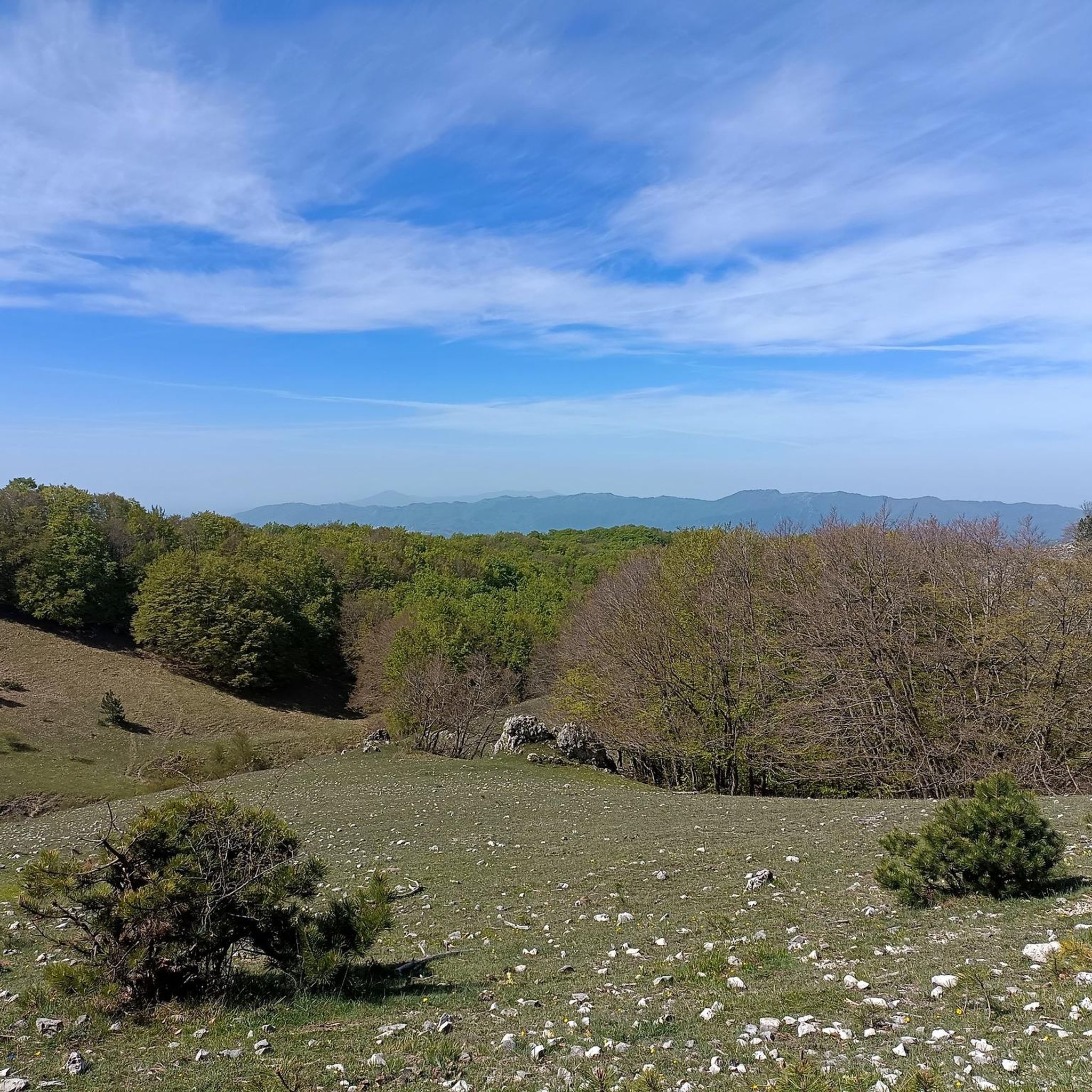
From the Lucretili site: "On the relief overlooking Lake Fraturno, in the Rovine Morella area, the remains of the medieval settlement of Castel del Lago were found. Not much remains of what once must have been an agglomeration of various buildings with a fortification walls: only a wall on the edge of the slope, some minor walls, traces of stone alignments and scattered construction material, all surrounded by vegetation which makes their identification even more problematic. The settlement of Castel del Lago, initially made up of rural houses in no particular order, it was donated to the Abbey of Farfa in the 12th century. Its strategic position, on the watershed between the Aniene and Turano rivers, was at the origin of the aims of the powerful Roman families, who over the centuries alternated as owners of the land.A document from 1116 relating to the Lateran Council testifies how the Abbey of Farfa complained about the usurpation of some assets, including Castel del Lago, which became a fief of the Colonna di Riofreddo family. Granted by Boniface VIII to the Orsini family, it was destroyed in 1492. When the settlement came into the possession of the Borghese family in the 17th century, the area was characterized by the presence of agricultural crops and large spaces now used as pasture".
0
0

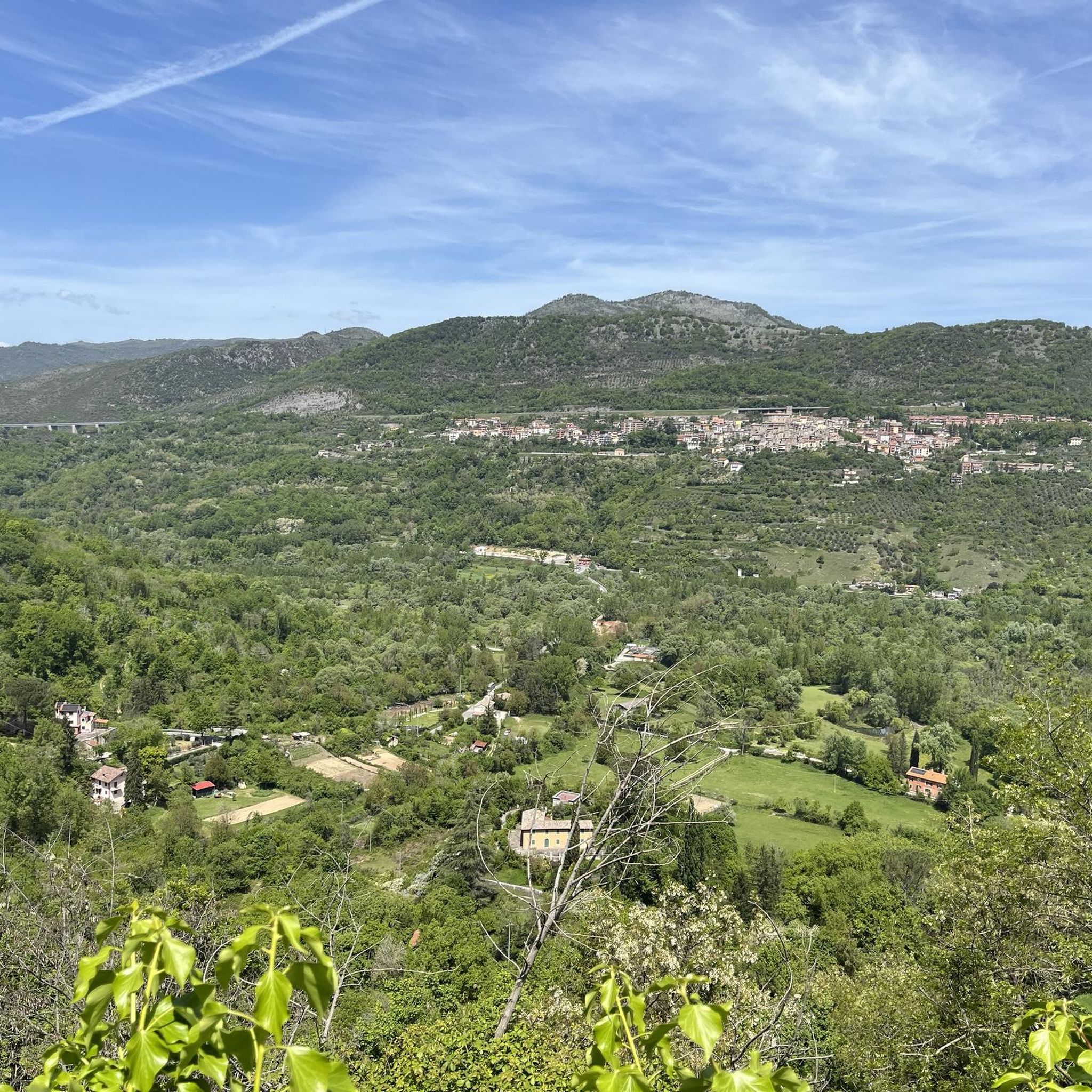
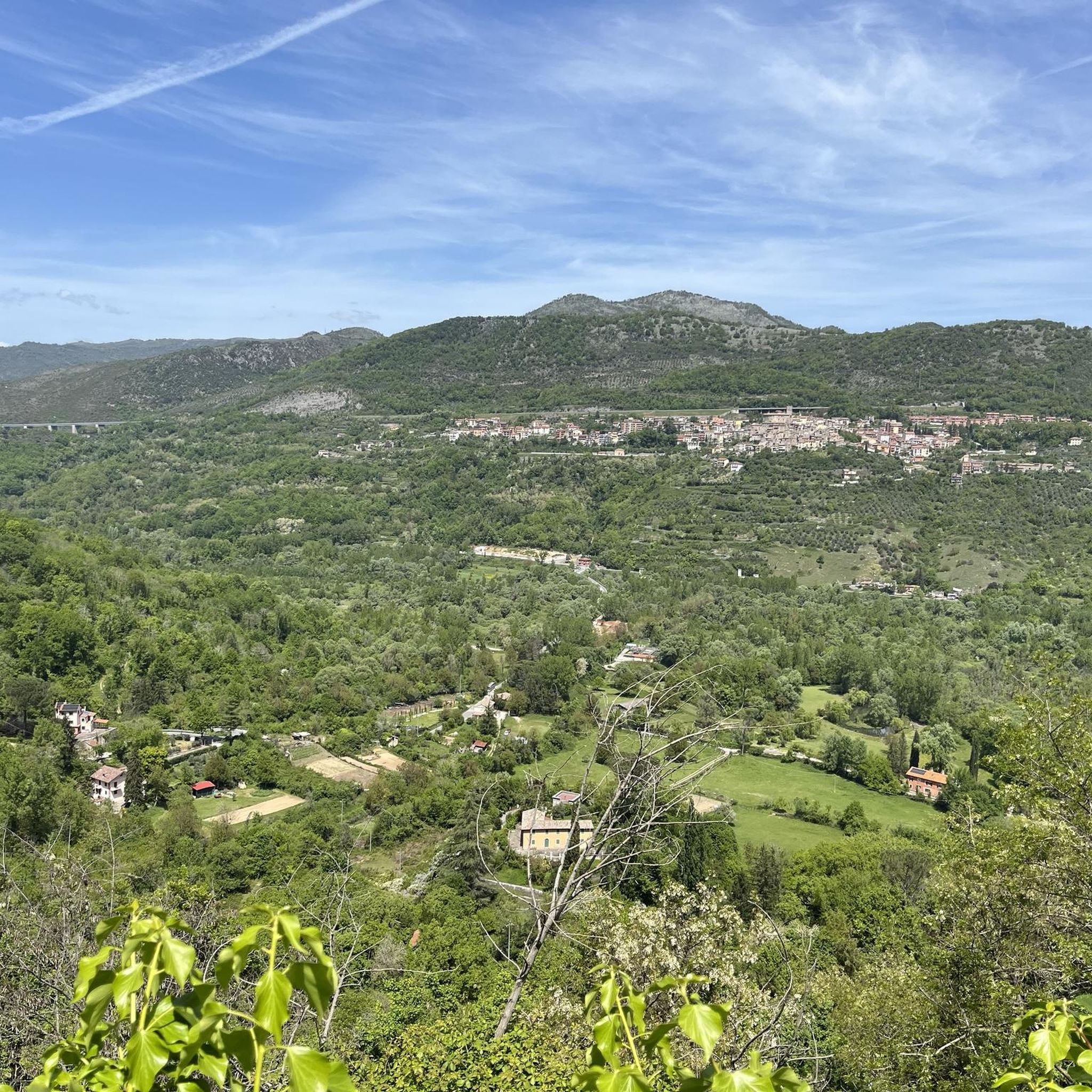
Cineto Romano is a small town that dominates the valley of the Ferrata stream. The old village rises right around the Orsini castle which, with its grandeur, defines the profile. From the town, with a short and simple walk also for families, you can reach the Rio Scuro waterfalls, a pleasant place surrounded by nature.
2
0

Arsoli is a small town of about 1,000 inhabitants which is part of the province of Rome. Its medieval origins make your visit very pleasant: the tenth century Massimo castle stands out for its importance.
0
0

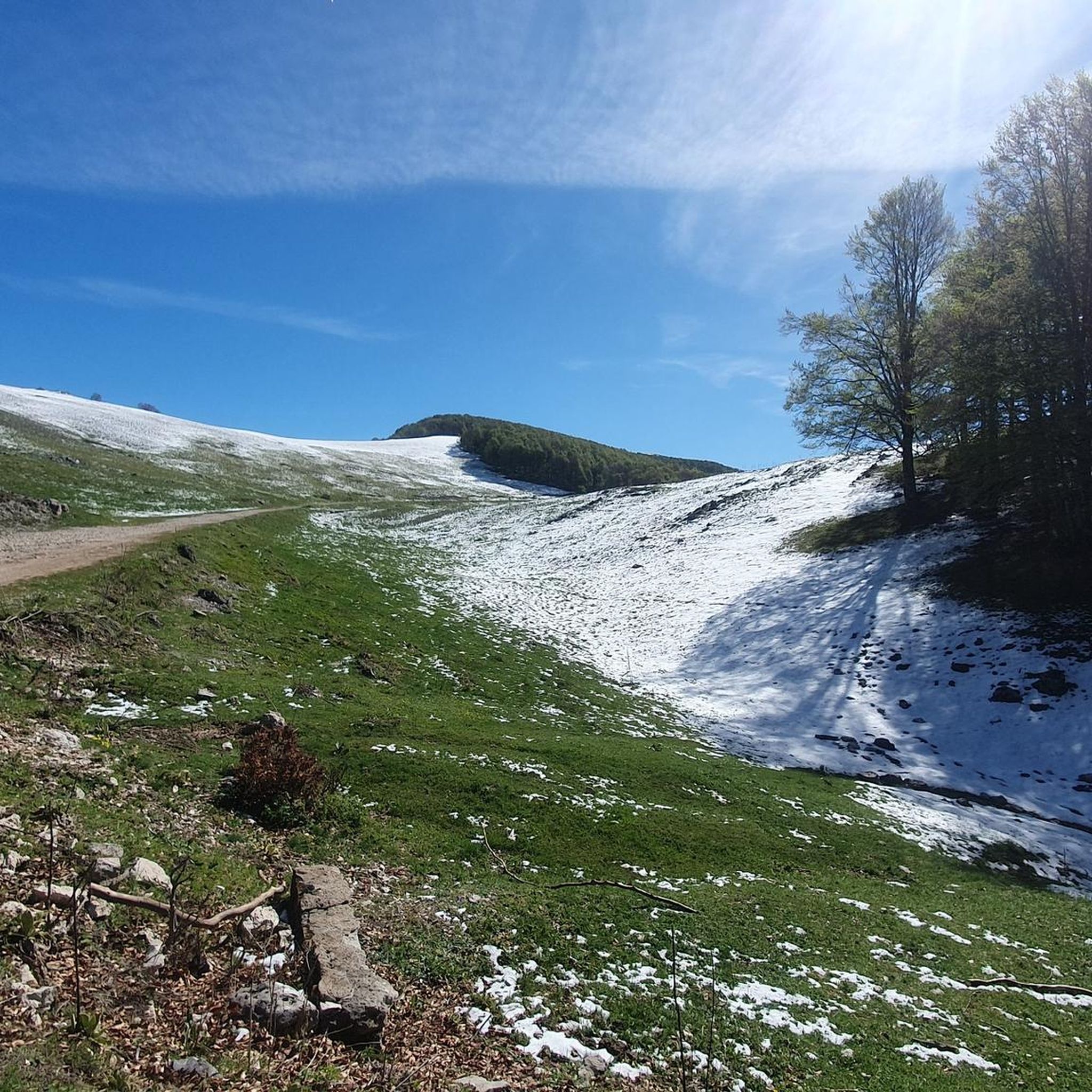
Beautiful climb where you can see the village
1
0

From here we can reach the ruins of an old settlement, which was built around a fortified castle which dates back to the 15th century.
2
0
Frequently Asked Questions
What is the historical significance of the castles in the Marano Equo region?
The castles around Marano Equo are deeply rooted in the region's history, often serving as defensive structures and refuges from the fall of the Roman Empire onwards. They played a crucial role in the power struggles between entities like the Subiaco Abbey and the diocese of Tivoli. Many, like the Castle of Marano Equo itself, have evolved over centuries, reflecting various periods of governance, including by notable figures like Rodrigo Borgia.
Which castles offer significant historical insights or unique architectural features?
The region boasts several castles with rich histories. The Castle of Marano Equo, now housing the municipality, offers a glimpse into medieval defensive strategies and provides panoramic views of the Aniene Valley. Another significant site is the Massimo Castle of Arsoli, a prominent 10th-century structure in the small town of Arsoli. The Rocca Abbaziale di Subiaco, also known as Rocca dei Borgia, is a thousand-year-old complex with a museum dedicated to paper and printing, offering a unique blend of history and cultural innovation.
Are there any ruins or ancient settlements to explore near Marano Equo's castles?
Yes, you can explore several historical ruins. The Morella Ruins are remnants of an old settlement built around a 15th-century fortified castle. Additionally, the Ruins of Castel del Lago (Morella) offer insights into a medieval settlement that was once a fiefdom of powerful Roman families, providing a fascinating look at the region's past.
What kind of natural features and viewpoints can I expect to see around these castles?
Many castles in the Marano Equo area are strategically located to offer stunning natural views. For instance, the Castle of Marano Equo overlooks the picturesque Aniene Valley. Cineto Romano, built around the Orsini castle, dominates the valley of the Ferrata stream, and from there, you can easily reach the Rio Scuro waterfalls. The gardens of the Rocca Abbaziale di Subiaco also provide a unique panorama of the Aniene valley.
Are there family-friendly castles or activities in the area?
While specific family-friendly activities vary by castle, the settlement of Cineto Romano, with its Orsini castle, is noted as being suitable for families. From the town, a short and simple walk can lead to the Rio Scuro waterfalls, offering a pleasant natural outing for all ages.
What is the best time of year to visit the castles around Marano Equo?
The Aniene Valley, where Marano Equo is located, offers pleasant conditions for exploring castles during spring and autumn, when temperatures are mild and the natural scenery is vibrant. Summer can be warm, but still enjoyable, especially in the mornings or late afternoons. Winter visits are possible, but some outdoor activities might be limited by weather conditions.
Are there hiking or running trails near the castles?
Yes, the area around Marano Equo offers various outdoor activities. You can find several running trails, such as the 'Path to Saracinesco under Monte Sainese' or the 'Madonna del Giglio loop from Marano Equo'. For more options, explore the Running Trails around Marano Equo guide.
What cycling routes are available near the castles?
For cyclists, there are numerous MTB and gravel biking trails. You can find challenging MTB routes like the 'Monte Autore Viewpoints – Prato di Camposecco loop from Arsoli' or gravel biking options such as the 'View of Pereto and the Castle – Border of the Papal State loop from Oricola'. Check the MTB Trails around Marano Equo and Gravel biking around Marano Equo guides for detailed routes.
How difficult are the trails and walks around the castles?
The trails in the Aniene Valley vary in difficulty. For example, some running trails are rated 'moderate', while many MTB and gravel biking routes are classified as 'difficult'. When planning your visit, it's advisable to check the specific route details in the komoot guides to match your fitness level and experience.
Is parking available when visiting the castles?
While specific parking information for each castle is not detailed, most towns and villages housing these historical sites, such as Marano Equo and Arsoli, typically offer public parking options within walking distance of the main attractions. It's recommended to look for designated parking areas upon arrival in each town.
Can I reach the castles using public transport?
Public transport options to reach the various castles around Marano Equo may vary. Marano Equo itself is accessible, and local bus services might connect to nearby towns. However, for some of the more remote historical sites or ruins, a car might be the most convenient way to access them.
Are there cafes or restaurants near the castles for refreshments?
The towns and villages where the castles are located, such as Marano Equo and Arsoli, generally have local cafes, bars, and restaurants where you can find refreshments and meals. These establishments often offer a taste of local cuisine and a chance to relax after exploring the historical sites.
Most popular routes around Marano Equo
Most popular attractions around Marano Equo

Get inspired with the komoot mobile app


Explore more
Looking for the best castles somewhere else? Discover other guides around Marano Equo:
