Top 5 Castles around Vivaro Romano
Best castles around Vivaro Romano are found in a charming comune within the Metropolitan City of Rome. The area is primarily recognized for its historical landmark, the Castello Borghese, which is deeply intertwined with the town's history. Situated on Colle Gennaro, this fortress dates back to the early 11th century. Visitors can explore remnants of massive boundary walls and a well-preserved 16th-century tower, offering a tangible connection to the past.
Best castles around Vivaro Romano
- The most popular castles is…
Last updated: May 1, 2026
Cineto Romano
Highlight • Settlement
Translated by Google •
Tip by

Orvinio
Highlight • Settlement
Translated by Google •
Tip by

Sign up now to discover places like this
Get recommendations on the best single tracks, peaks, & plenty of other exciting outdoor places.
Sign up for free
Morella Ruins
Highlight • Historical Site
Translated by Google •
Tip by

Massimo Castle of Arsoli
Highlight • Castle
Translated by Google •
Tip by

Ruins of Castel del Lago (Morella)
Highlight • Historical Site
Translated by Google •
Tip by

Sign up for free to discover even more castles around Vivaro Romano.
Sign up for free
Already have an account?
Start today with a free account
Your next adventure awaits.
Login or Signup

Tips from the Community

The Licenza Valley in medieval times In the early Middle Ages, the Licenza Valley was characterized by the presence of small, scattered settlement units, whose occupants were mainly dedicated to agriculture and pastoralism. The entire valley belonged to the Patrimonium Sancti Petri, divided into two dioceses, that of Sabina and that of Tivoli. Between 960 and 1012 the Crescenzi-Ottaviani family was the protagonist of the process of consolidating the valley, coming into possession of numerous properties, often to the detriment of the Abbey of Farfa, whose decline had begun with the end of the Carolingian empire. With the advent of Otto III of Saxony, the abbey recovered prestige and power, reacquiring a large part of its possessions, including the castrum of Castel del Lago, but it was a relatively short historical interlude. Already in the 12th century, many possessions had once again returned to the possession of the noble aristocracy and, in particular, of the Orsini family, with the exception of the settlements of Petra Demone, which remained in the possession of the abbey, and Castel del Lago, a fiefdom of the Colonna family . The 15th century saw a progressive subdivision of the castra between noble families, the opposite process to that which led to their formation (the castle as the sole center of power); to give an example, the castrum of Castel del Lago was under the influence of three noble families: Colonna, Orsini and Atti of Todi. This is the historical period characterized by a process of abandonment of many settlements, a phenomenon which affected in the Licenza Valley the castras furthest from the Licenza river artery and from the valley bottom roads (Castel del Lago, Macla, Petra Demone, Spogna). In this regard, the French historian Toubert hypothesizes that the strongest castras on a productive and economic level survived and that those initially more powerful due to their strategic position on high ground were progressively depopulated.
0
0
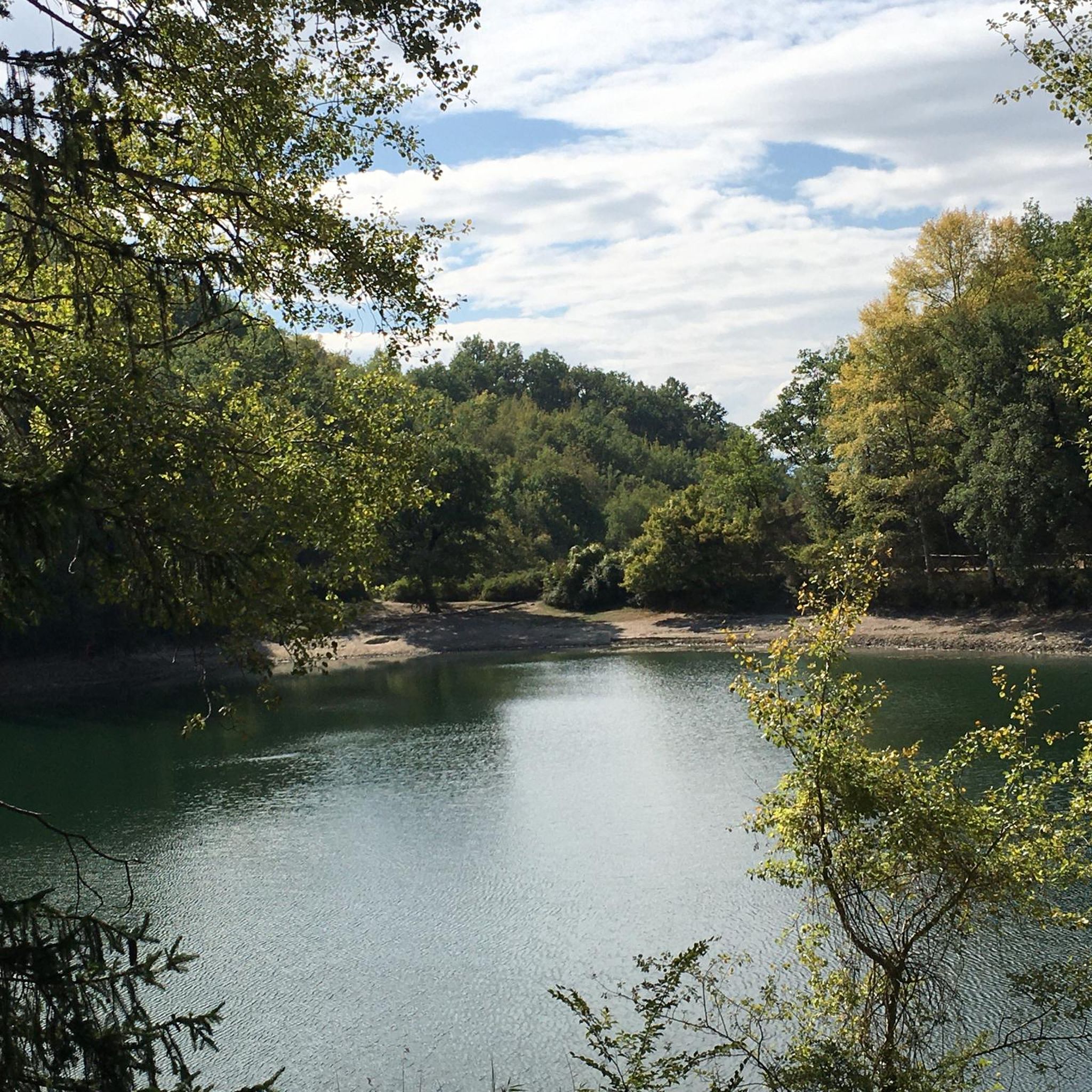
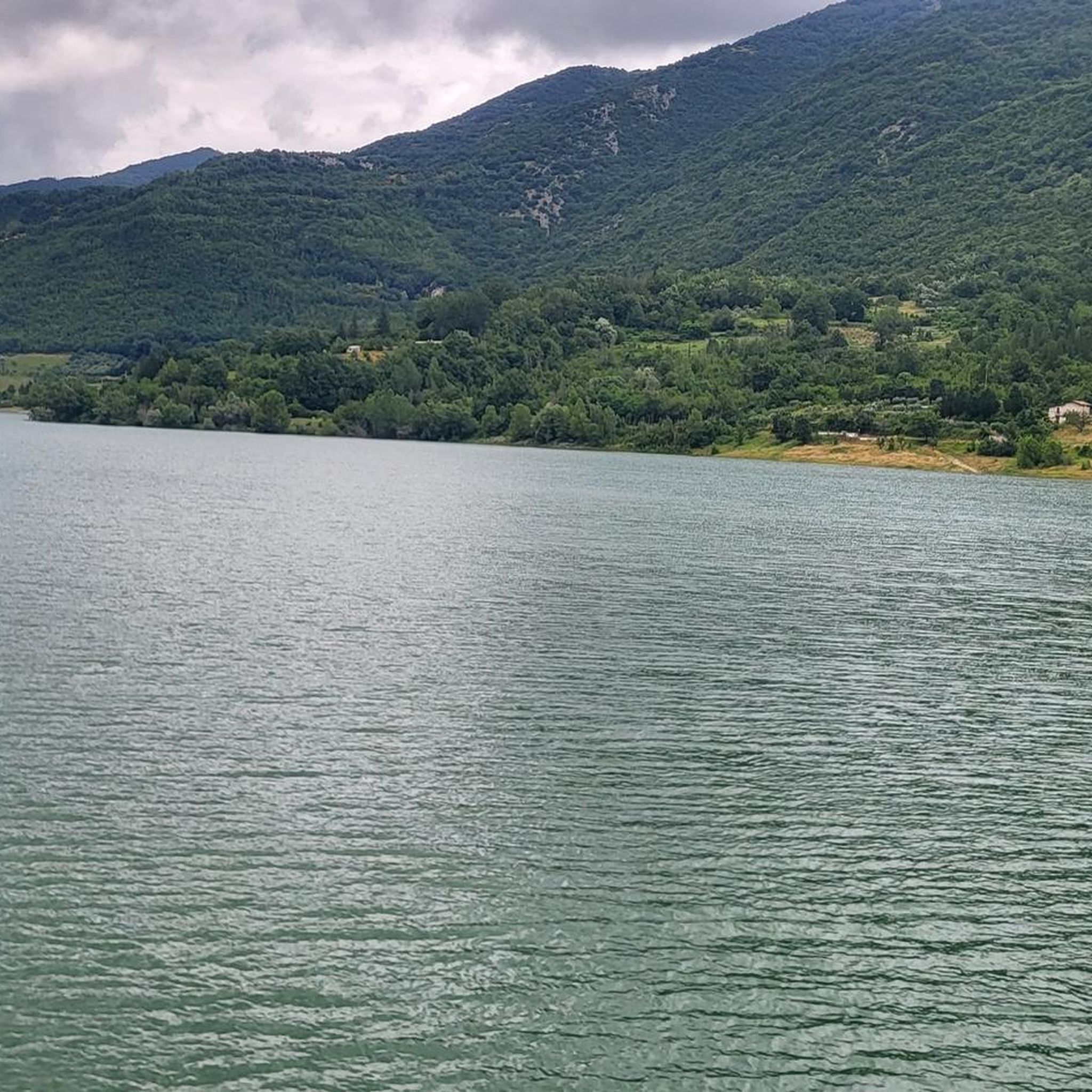
From the Lucretili site: "On the relief overlooking Lake Fraturno, in the Rovine Morella area, the remains of the medieval settlement of Castel del Lago were found. Not much remains of what once must have been an agglomeration of various buildings with a fortification walls: only a wall on the edge of the slope, some minor walls, traces of stone alignments and scattered construction material, all surrounded by vegetation which makes their identification even more problematic. The settlement of Castel del Lago, initially made up of rural houses in no particular order, it was donated to the Abbey of Farfa in the 12th century. Its strategic position, on the watershed between the Aniene and Turano rivers, was at the origin of the aims of the powerful Roman families, who over the centuries alternated as owners of the land.A document from 1116 relating to the Lateran Council testifies how the Abbey of Farfa complained about the usurpation of some assets, including Castel del Lago, which became a fief of the Colonna di Riofreddo family. Granted by Boniface VIII to the Orsini family, it was destroyed in 1492. When the settlement came into the possession of the Borghese family in the 17th century, the area was characterized by the presence of agricultural crops and large spaces now used as pasture".
0
0

Cineto Romano is a small town that dominates the valley of the Ferrata stream. The old village rises right around the Orsini castle which, with its grandeur, defines the profile. From the town, with a short and simple walk also for families, you can reach the Rio Scuro waterfalls, a pleasant place surrounded by nature.
2
0

Arsoli is a small town of about 1,000 inhabitants which is part of the province of Rome. Its medieval origins make your visit very pleasant: the tenth century Massimo castle stands out for its importance.
0
0

Beautiful climb where you can see the village
1
0

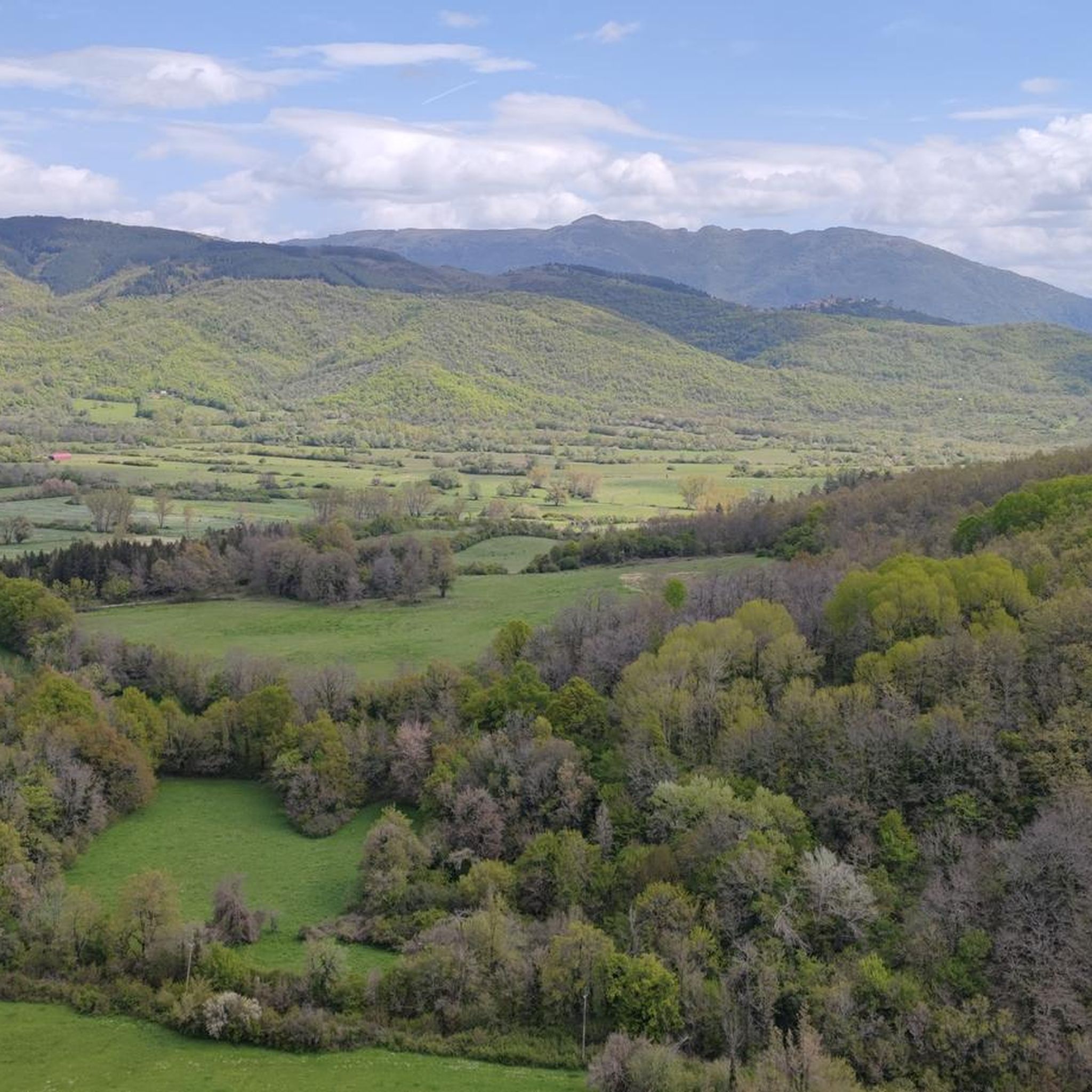
From here we can reach the ruins of an old settlement, which was built around a fortified castle which dates back to the 15th century.
2
0


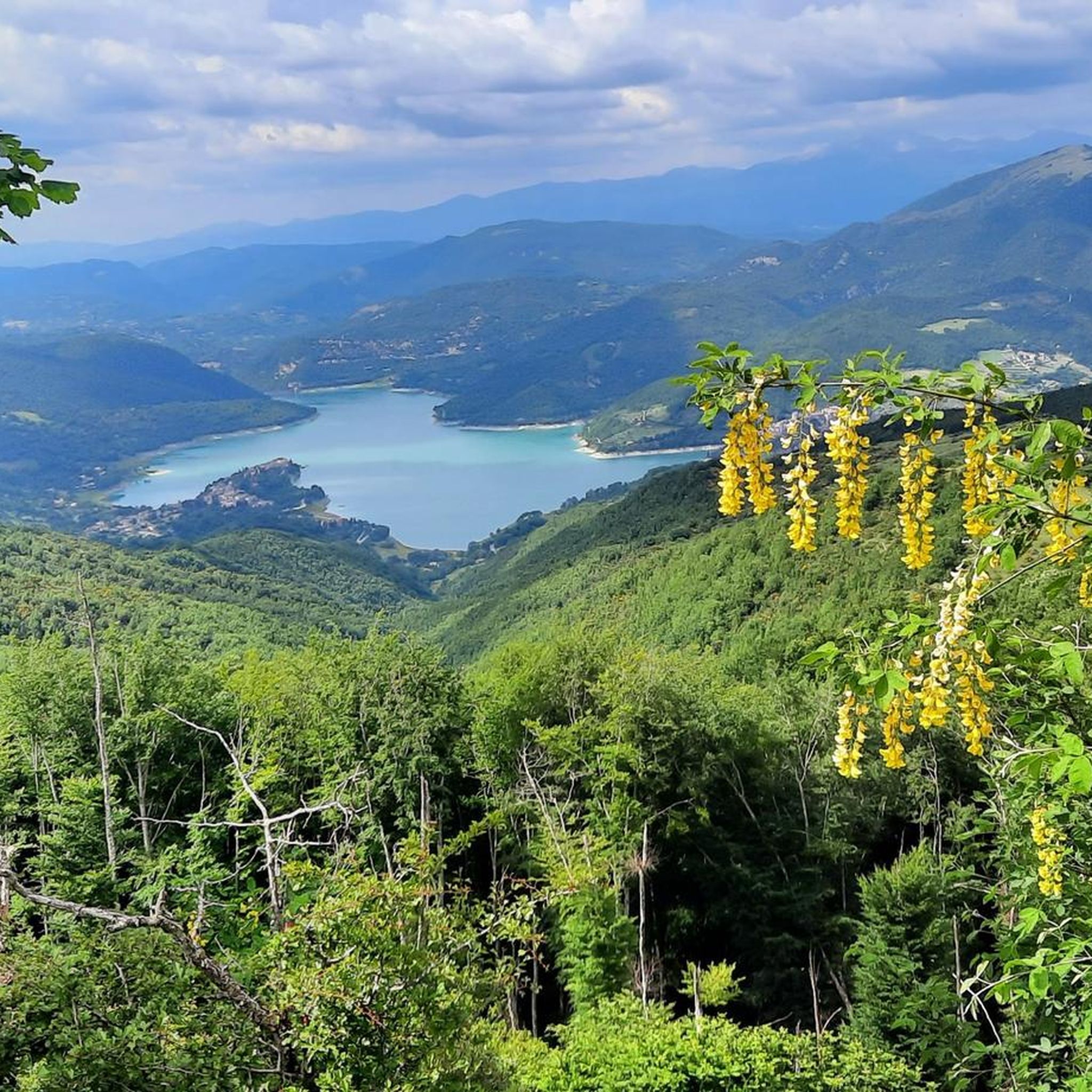
Orvinio is an Italian municipality of 387 inhabitants in the province of Rieti, in Lazio, which stands on a hill around its imposing castle belonging to the family of the Marchesi Malvezzi Campeggi. It is part of the club of the most beautiful villages in Italy. I highly recommend a night walk through its alleys
3
0
Frequently Asked Questions
What is the historical significance of Castello Borghese in Vivaro Romano?
The Castello Borghese is the most important architectural landmark in Vivaro Romano, with origins dating back to the early 11th century. It was pivotal in the 'incastellamento' phenomenon, where population settled around a fortified structure, ultimately giving rise to the town of Vivaro Romano itself. It was owned by powerful families like the Orsini, Brancaleone, and Borghese.
What remains of the Castello Borghese for visitors to see?
Despite being largely in ruins from a fire in 1799, visitors can still see massive boundary walls, the well-preserved three-story 16th-century tower known as the Torretta, and the original base of the castle's entrance gate. Remnants of a medieval tower, repurposed as a prison, and parts of the grand entrance portal to the former Baronial Palace are also visible. Its strategic hilltop location offers commanding views over the village and valley.
Are there other notable historical castle ruins to explore near Vivaro Romano?
Yes, you can visit the Morella Ruins, an old settlement built around a 15th-century fortified castle. Additionally, the Ruins of Castel del Lago (Morella) offer insights into a medieval settlement that was once a fief of the Colonna family and later destroyed in 1492.
Beyond Vivaro Romano, what other charming castle-dominated villages can I visit?
You can explore Orvinio, a settlement known for its imposing castle and status as one of Italy's most beautiful villages. Another must-see is Cineto Romano, where the grandeur of the Orsini castle defines the town's profile. The Massimo Castle of Arsoli also stands out in the small town of Arsoli, offering a pleasant visit with its medieval origins.
Can I arrange a guided visit to Castello Borghese?
Yes, guided visits to the Castello Borghese, located in the historic center of Vivaro Romano, can be arranged by contacting the local municipality.
What is the best time of year to visit the castles around Vivaro Romano?
The region around Vivaro Romano is pleasant to visit during spring and autumn when the weather is mild, making it ideal for exploring historical sites and enjoying outdoor activities. Summer can be warm, but the hilltop locations of some castles offer refreshing breezes. Winter visits are possible, but some outdoor routes might be less accessible.
Are there family-friendly castles or activities near Vivaro Romano?
Yes, Cineto Romano is considered family-friendly. From the town, a short and simple walk suitable for families leads to the Rio Scuro waterfalls, a pleasant natural spot. Exploring the historic centers of these castle villages can also be an engaging activity for families.
Are the castles around Vivaro Romano accessible for visitors with mobility challenges?
Given that many of the castles, including Castello Borghese and the Morella Ruins, are ancient structures often situated on hilltops or with uneven terrain, accessibility for visitors with mobility challenges may be limited. It is advisable to contact the local municipality for specific accessibility information regarding Castello Borghese.
What outdoor activities can I combine with a visit to the castles near Vivaro Romano?
The area offers various outdoor activities. You can find numerous hiking routes, such as the 'Old Spring – Cineto Romano loop' or the 'Santa Maria del Piano – Cascata del Petescia loop'. For cyclists, there are road cycling routes and gravel biking trails that pass through scenic landscapes and near other villages.
What do visitors particularly enjoy about the castles and villages in this area?
Visitors appreciate the tangible connection to the past offered by the ancient ruins and well-preserved elements of castles like Castello Borghese. The strategic hilltop locations provide commanding views, and the charming medieval villages like Orvinio are praised for their beauty and historical atmosphere, making night walks through their alleys a recommended experience.
Where can I find amenities like cafes or restaurants near these castles?
The villages surrounding the castles, such as Vivaro Romano, Orvinio, and Cineto Romano, typically have local cafes and restaurants where you can find refreshments and traditional cuisine. Exploring the historic centers of these towns will lead you to available amenities.
Most popular routes around Vivaro Romano
Most popular attractions around Vivaro Romano

Get inspired with the komoot mobile app


Explore more
Looking for the best castles somewhere else? Discover other guides around Vivaro Romano:
