Top 5 Castles around Artena
Best castles around Artena are found in the picturesque Lazio region of Italy, characterized by its uniquely preserved, fortress-like historic center and significant palatial structures. The town rises dramatically on a rocky slope in the Lepini Mountains, offering sweeping valley views. This area provides a blend of historical exploration and natural landscapes. Artena's car-free historic center, one of Europe's largest pedestrian areas, adds to its distinctive ancient atmosphere.
Best castles around Artena
- The most popular castles is Maschio di Ariano…
Last updated: June 30, 2026
Maschio di Ariano
Highlight • Summit
Translated by Google •
Tip by

Rocca di Papa Fortress
Highlight • Castle
Translated by Google •
Tip by

Sign up now to discover places like this
Get recommendations on the best single tracks, peaks, & plenty of other exciting outdoor places.
Sign up for free
Paliano Fortress
Highlight • Castle
Translated by Google •
Tip by

Baronial Palace of Gavignano
Highlight • Castle
Translated by Google •
Tip by

Genazzano
Highlight • Settlement
Translated by Google •
Tip by

Sign up for free to discover even more castles around Artena.
Sign up for free
Already have an account?
Start today with a free account
Your next adventure awaits.
Login or Signup

Other adventures around Artena

Tips from the Community

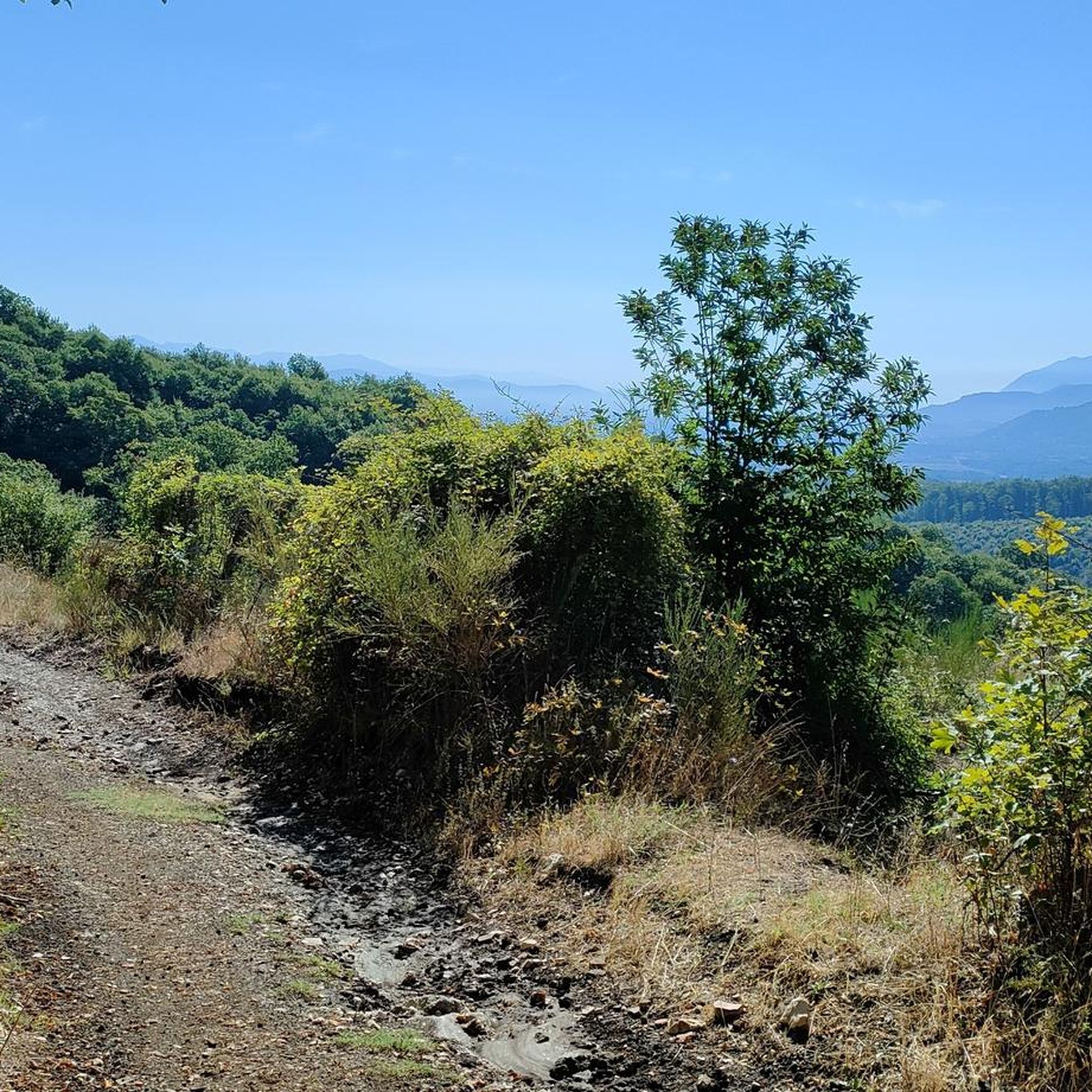
At 891 metres between the municipalities of Rocca di Papa and Lariano, the peak of Maschio di Ariano is part of the Alban Hills and owes its name to an ancient castle, whose construction is attributed to the Roman gens Aria (or Arria), and whose destruction probably dates back to the 14th century.
2
1

Genazzano is an Italian town in the province of Rome. This picturesque place offers a mix of medieval history, contemporary art and natural beauty.
1
0

Genazzano is a jewel of the Prenestini mountains. In addition to its architectural beauties from the Colonna era (the castle and Bramante's nymphaeum), it is worth visiting on the first Sunday of July for the Infiorata. On this day the streets of the town are covered with artistic carpets. Just in 2012 Genazzano won the Guinness record for the largest carpet of flower petals in the world!
3
0

Rocca di Papa is a town of about 20,000 inhabitants and is part of the Castelli Romani Park. It boasts splendid views over the Roman countryside and a fortress.
1
0

amazing view at the top of Rocca di Papa
1
0

Baronial Palace, located at the highest point of the Gavignano hill, was probably built by the Counts of Segni, owners of vast territorial estates. One of their descendants born in this same building in 1160 will become the famous Pope Innocent III. After the destruction in 1495, the building has undergone significant transformations that have left a minimal trace of the original structure. It becomes a real castle-residence: square shape, courtyard, large halls, servants' quarters, numerous rooms. A general renovation of the building began at the end of the 15th century by the new feudal lord, Cardinal Pietro Aldobrandini. In particular, the inversion of the main facade is noted, with the entrance to the building in a higher position than the level of the square. The most recent interventions are carried out in the twentieth century with the aim of restoring the ancient medieval aspect to the building.
0
0

Paliano, whose origins date back to antiquity, nestled between the Prenestini and Ernici mountains, is inextricably linked to the name of the Colonna family, who had one of their cornerstones here. The period of greatest development for Paliano was the seventeenth century. The Palazzo Ducale dates from this period, built at the behest of Filippo Colonna with the adjacent Collegiate Church of S. Andrea, burial place of the family and the Fortress, which dominates the entire valley of the river Sacco, now a maximum security prison. Noteworthy in it is the pictorial cycle (attributed to Zuccari and his school) which represents Marcantonio Colonna's triumphal entry into Rome after the battle of Lepanto (1571). Today Paliano is still surrounded by walls with three access gates to the city and with ramparts arranged in green. Paliano owes notoriety also to its naturalistic and landscape aspects. (source: https://www.ciociariaturismo.it/it/la-ciociaria/i-91-comuni/tutti91comuni/120-paliano.html)
1
0
Frequently Asked Questions
What are the most prominent historical sites and 'castles' to visit in Artena?
Artena is known for its unique fortress-like historic center and significant palatial structures. The most prominent is the Palazzo Borghese, a grand palace with a rich history and architectural significance. Beyond Artena itself, you can explore sites like Maschio di Ariano, which holds the ruins of an ancient castle, and the Rocca di Papa Fortress, offering splendid views.
What makes Artena's historic center unique?
Artena's historic center is one of Europe's largest pedestrian-only areas. Its narrow, winding streets, stone ramps, and stairways create a distinctive medieval atmosphere. Due to the steep terrain, mules are still used for transport, adding to its charm. The town rises dramatically on a rocky slope, offering sweeping valley views.
Can I visit the Palazzo Borghese in Artena?
The Palazzo Borghese is privately owned by the Borghese family. While it hosts cultural events and ceremonies, visits typically require prior approval from Princess Nikè Borghese. It's worth noting its architectural significance, including an impressive elliptical staircase and frescoes.
Are there any archaeological sites or museums related to Artena's history?
Yes, Artena has significant archaeological roots, originally a Volscian acropolis from the 5th century BCE. The Roger Lambrechts Archaeological Museum, housed in the former Borghese Granary, displays artifacts from Artena's ancient past. Additionally, the Palazzo Barberini – National Archaeological Museum of Palestrina, located nearby, hosts the famous Nile Mosaic of Palestrina and other ancient finds.
What kind of views can I expect from the historical sites around Artena?
Many historical sites in the region offer panoramic views. The main square in front of Artena's Palazzo Borghese features a spectacular rooftop terrace overlooking the Sacco Valley. The Rocca di Papa Fortress provides splendid views over the Roman countryside from its position in the Castelli Romani Park. The Maschio di Ariano, a summit at 891 meters, also offers expansive vistas.
Are there hiking trails near the castles and historical sites around Artena?
Yes, the area around Artena offers various hiking opportunities. You can find trails that lead to or pass by historical points of interest. For detailed routes and difficulty levels, explore the Running Trails around Artena guide, which includes routes like the 'Necropolis Fountain – Maschio di Ariano loop from Lariano'.
Can I go cycling near Artena's historical attractions?
Absolutely. The region provides several options for cycling enthusiasts. You can find road cycling routes in the Road Cycling Routes around Artena guide, with options ranging from moderate to difficult. For off-road adventures, the Gravel biking around Artena guide offers routes like the 'Pratoni del Vivaro – Sacred Way - Monte Cavo loop'.
What is the best time of year to visit the castles and historical sites around Artena?
The spring and autumn months generally offer the most pleasant weather for exploring the historical sites and engaging in outdoor activities around Artena. Temperatures are milder, making walking and hiking more comfortable. Summer can be quite hot, while winter might be cooler and potentially rainy.
Are there any other notable historical sites or 'hidden gems' in the wider Artena region?
Beyond Artena, consider visiting Genazzano, a picturesque town known for its Colonna-era castle and Bramante's nymphaeum. It also hosts cultural events like the 'Infiorata'. Another site is the Baronial Palace of Gavignano, a historically significant castle-residence that has undergone extensive transformations over centuries.
Is Artena's historic center suitable for families with children?
Artena's pedestrian-only historic center offers a unique and safe environment for families to explore. Children might enjoy the novelty of the mule transport and the medieval atmosphere. However, be aware of the steep, winding streets and stairways, which might be challenging for very young children or strollers. The town also hosts cultural events and historical parades that can be engaging for families.
What kind of cultural events are held in Artena?
Artena celebrates its rich heritage with various cultural events. These include the 'Palio delle Contrade' and historical parades, which bring the town's ancient past to life. These events offer a vibrant way to experience the local culture and history.
How long should I plan for a visit to the historical sites in and around Artena?
To fully appreciate Artena's historic center and perhaps visit the Palazzo Borghese (if arranged), allow at least half a day. If you plan to include nearby sites like Rocca di Papa Fortress, Maschio di Ariano, or the National Archaeological Museum of Palestrina, a full day or even a weekend would be more appropriate to explore at a relaxed pace.
Most popular attractions around Artena

Get inspired with the komoot mobile app


Explore more
Looking for the best castles somewhere else? Discover other guides around Artena:
