Top 6 Castles around Cicerale
Best castles around Cicerale are found within the Cilento region, an area known for its historical significance and diverse landscapes. Cicerale itself features the remains of an ancient fortress and a 13th-century castle, offering a glimpse into its strategic past. The broader area encompasses a variety of notable castles, ranging from well-preserved historical residences to those with panoramic views of the surrounding hills and coastline. This region provides a rich historical context for exploration.
Best castles around Cicerale
- The most…
Last updated: June 30, 2026
Agropoli Castle
Highlight • Castle
Translated by Google •
Tip by

Rocca Cilento Castle
Highlight • Castle
Translated by Google •
Tip by

Sign up now to discover places like this
Get recommendations on the best single tracks, peaks, & plenty of other exciting outdoor places.
Sign up for free
Roccadaspide
Highlight • Castle
Translated by Google •
Tip by
De Vargas Castle and Ala Pila Fountain
Highlight • Castle
Translated by Google •
Tip by
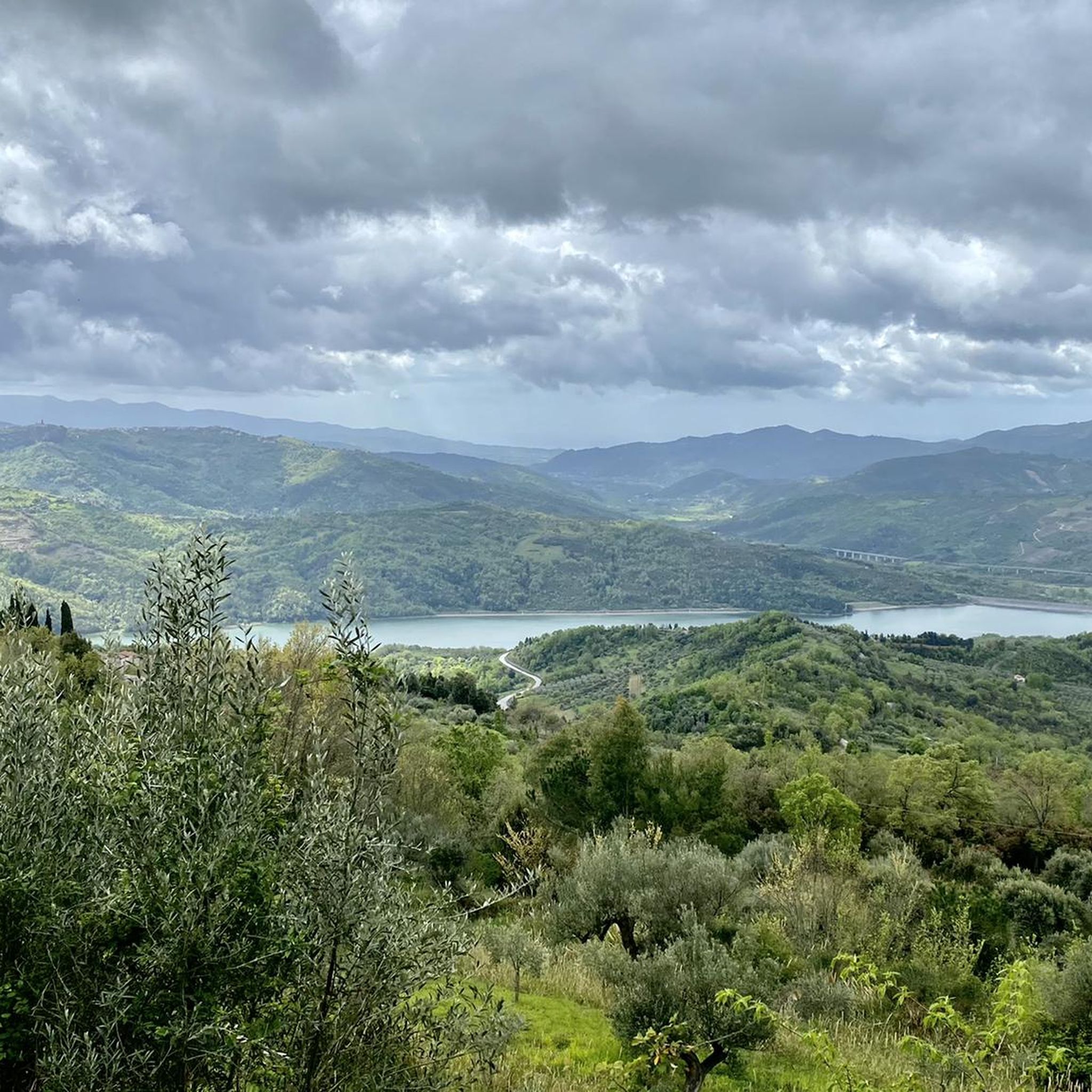
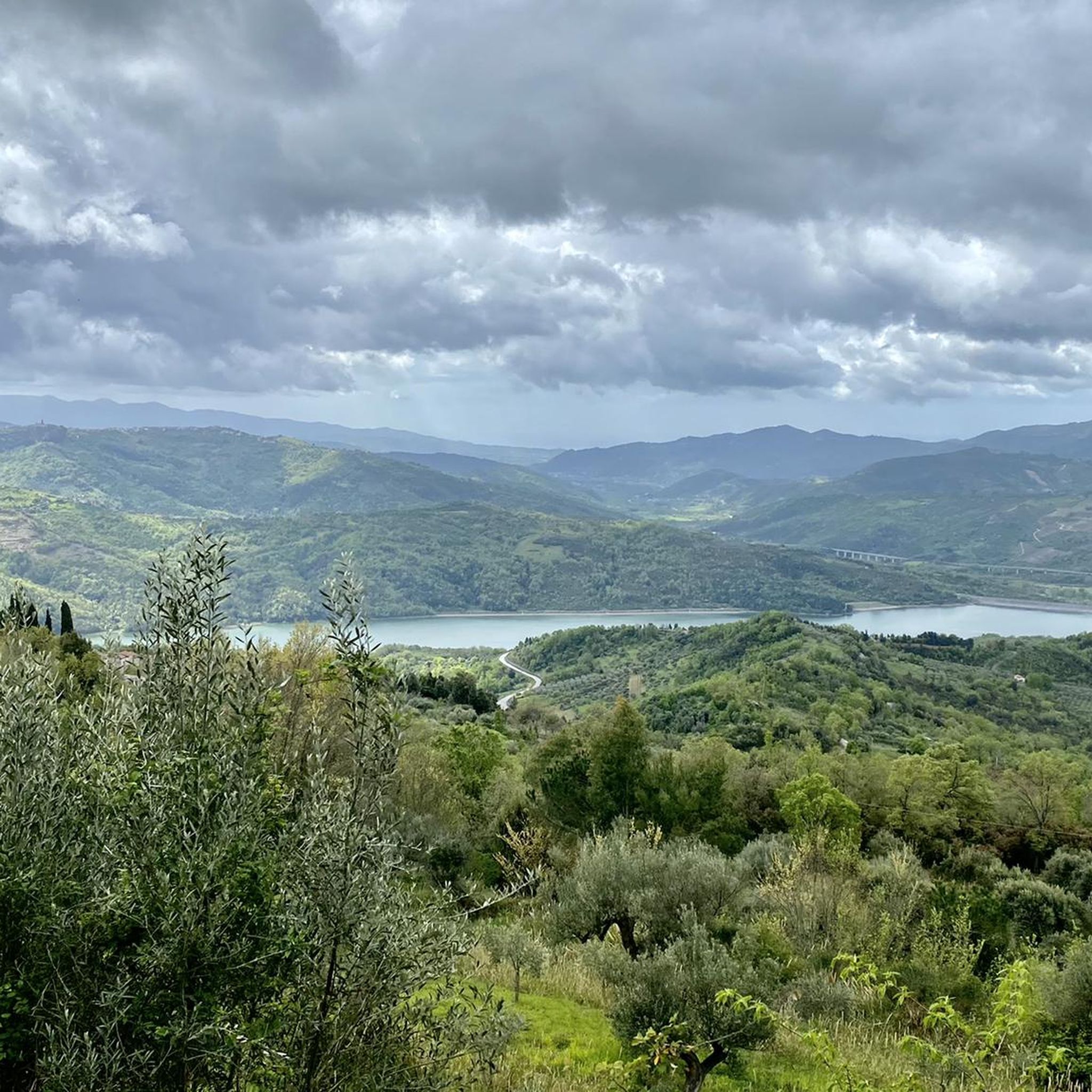
View of Rocca Cilento and the coast
Highlight • Viewpoint
Translated by Google •
Tip by

Sign up for free to discover even more castles around Cicerale.
Sign up for free
Already have an account?
Start today with a free account
Your next adventure awaits.
Login or Signup
Tips from the Community

Spectacular arrival at Rocca Cilento in front of its spectacular castle
0
0

Splendid al fresco village with a huge castle, transformed into a residence for parties and conferences.
1
0

View of the seaside town a few meters earlier. At the highlight there is only an overgrown football pitch to see
1
1
Super cool from the outside. In summer there is a sunbar that is open from 6 p.m., then you can also see it from the inside
0
0

The castle is a hotel and unfortunately cannot be visited.
1
0

since 1119 the Norman castle of Rocca Cilento allows you to have a clear view of the entire coast from Capo Palinuro to Punta Campanella
1
0

The castle of Rocca Cilento, a fraction of the municipality of Lustra, probably dates back to the end of the 9th century in the Norman age. From here you dominate the whole valley, with breathtaking views and panoramas.
3
0
Vatolla is a small hamlet in the municipality of Perdifumo, famous for its distinctive onion, a Slow Food Presidium. In the center of this village is the De Vargas Castle, where Neapolitan philosopher Giovanbattista Vico lived for nine years in 1600.
0
0
Frequently Asked Questions
What are the most historically significant castles to visit around Cicerale?
The region boasts several castles with deep historical roots. The Agropoli Castle, with origins tracing back to Byzantine times, was expanded by various rulers, including the Aragonese. The Rocca Cilento Castle dates back to the Norman age in the 9th century. Additionally, the Castello dell'Abate in Castellabate was built in 1123 to protect against Saracen attacks, and the Castello dei Principi Capano in Pollica dates to the 10th century.
Which castles offer the best panoramic views?
For breathtaking views, the Rocca Cilento Castle dominates its valley, offering extensive panoramas. Agropoli Castle, situated on a promontory, provides spectacular views of the city, the Gulf of Salerno, and the Mediterranean Sea. The Castello dell'Abate also offers sweeping coastal views, extending to the Amalfi Coast and Capri on clear days.
Are there any family-friendly castles or activities near Cicerale?
Yes, several castles are suitable for families. Agropoli Castle is listed as family-friendly and often hosts events and exhibitions. The De Vargas Castle in Vatolla, with its museum and public library, can also be an engaging visit for families. Exploring the ruins of the ancient fortress and 13th-century castle in Cicerale itself offers a historical adventure.
What kind of outdoor activities can I do near these castles?
The region around Cicerale offers various outdoor activities. You can find numerous hiking trails, such as those around Agropoli or Rocca Cilento. For more options, explore the hiking routes around Cicerale. There are also road cycling and mountain biking trails available, with guides like Road Cycling Routes around Cicerale and MTB Trails around Cicerale.
Which castle offers a unique cultural experience beyond just history?
The De Vargas Castle in Vatolla is unique as it was the residence of philosopher Giambattista Vico and now houses a museum dedicated to him and a public library. The Castello dei Principi Capano in Pollica also stands out, serving as an international center for training and research on the Mediterranean Diet, blending history with contemporary relevance.
Are there any castles that have been converted or offer modern amenities?
Yes, the Rocca Cilento Castle has been extensively restored and now operates as a boutique hotel, offering luxurious suites, a restaurant, an infinity swimming pool, and a 'Sunset' terrace with a Food and Cocktail Bar. This provides a blend of historical ambiance and modern comfort.
What is the best time of year to visit the castles around Cicerale?
Visiting during spring (April-May) or early autumn (September-October) is ideal. The weather is generally pleasant for exploring, and the landscapes are beautiful. Summer can be quite hot, especially for outdoor activities, but it's also a popular time for events hosted at some castles like Agropoli Castle.
Are there any castles that are less well-known but still worth visiting?
While the castles in Cicerale itself are primarily ruins, they offer a glimpse into the area's ancient past and are considered well worth a visit for their historical context and natural setting. The Castello dei Principi Capano in Pollica, with its blend of defensive architecture and its role as a Mediterranean Diet research center, offers a unique and perhaps less-traveled experience.
Can I find cafes or restaurants near the castles?
Many of the castles are located within or near villages that offer dining options. For example, the Rocca Cilento Castle has its own restaurant and bar. The medieval village surrounding Castello dell'Abate also provides charming local eateries. For other locations, nearby towns like Agropoli offer a wider selection of cafes and restaurants.
What are the parking facilities like at the castles?
Parking availability varies by castle. For castles located within towns like Agropoli Castle, you can typically find public parking in the vicinity, though it might require a short walk. For castles in smaller hamlets or rural settings, parking might be more limited or available directly on-site. It's advisable to check specific castle information if driving.
Are there any castles that are particularly good for photography?
Absolutely. The Agropoli Castle, with its dramatic promontory setting and sea views, is highly photogenic. The Rocca Cilento Castle offers stunning panoramic shots of the valley. The Castello dell'Abate, with its strategic hilltop location and coastal backdrop, also provides excellent photographic opportunities, especially at sunset.
What is the significance of the ruins in Cicerale itself?
Cicerale holds the remains of an ancient fortress and a 13th-century castle near Bocca di Fava. While not as well-preserved as other regional castles, these ruins are historically significant, reflecting Cicerale's strategic importance dating back to 882 AD and its role as a headquarters for Frederick II. They offer a tangible connection to the area's deep past and are set within a beautiful natural landscape.
Most popular attractions around Cicerale

Get inspired with the komoot mobile app


Explore more
Looking for the best castles somewhere else? Discover other guides around Cicerale:
