Top 5 Castles around Rocchetta Ligure
Castles around Rocchetta Ligure offer insights into the region's medieval past and strategic importance. The area, with its origins dating back to around the year 1000, features historical structures nestled within the valleys of Spinti, Sisola, and Borbera. These sites provide a glimpse into the defensive architecture and noble family histories that shaped this part of Liguria.
Best castles around Rocchetta Ligure
- The most popular castles is Castello della Pietra, a castle that is an example of Ligurian defensive…
Last updated: May 2, 2026
Castello della Pietra
Highlight • Castle
Translated by Google •
Tip by

Sorli Castle
Highlight • Castle
Translated by Google •
Tip by

Sign up now to discover places like this
Get recommendations on the best single tracks, peaks, & plenty of other exciting outdoor places.
Sign up for free
Brusamonica Castle_Ruins
Highlight (Segment) • Castle
The …
Translated by Google •
Tip by

Adorno Castle and Village
Highlight • Castle
Translated by Google •
Tip by

Castello di Torre Ratti
Highlight • Castle
Translated by Google •
Tip by

Sign up for free to discover even more castles around Rocchetta Ligure.
Sign up for free
Already have an account?
Start today with a free account
Your next adventure awaits.
Login or Signup
Tips from the Community

The castle of Borgo Adorno was a fiefdom of the Genoese Spinola family until 1518, the year in which Tolomeo Spinola remained without legitimate children and appointed the children of his friend Agostino Adorno as his heirs.
15
0

Whether you choose to climb from the parking lot below the castle (moderate difficulty, about 40 minutes on a well-marked path, steps, and a walkway) or follow the "Castellani's Path" from Vobbia (about two hours, including stops), the arrival near the castle is breathtaking! Spectacular, simply! This view is worth the effort (by car) to reach the tiny village of Vobbia, which, however, is located in an area rich in natural beauty! For information, visit this wonderful website: https://www.parcoantola.it/pagina.php?id=47
0
0

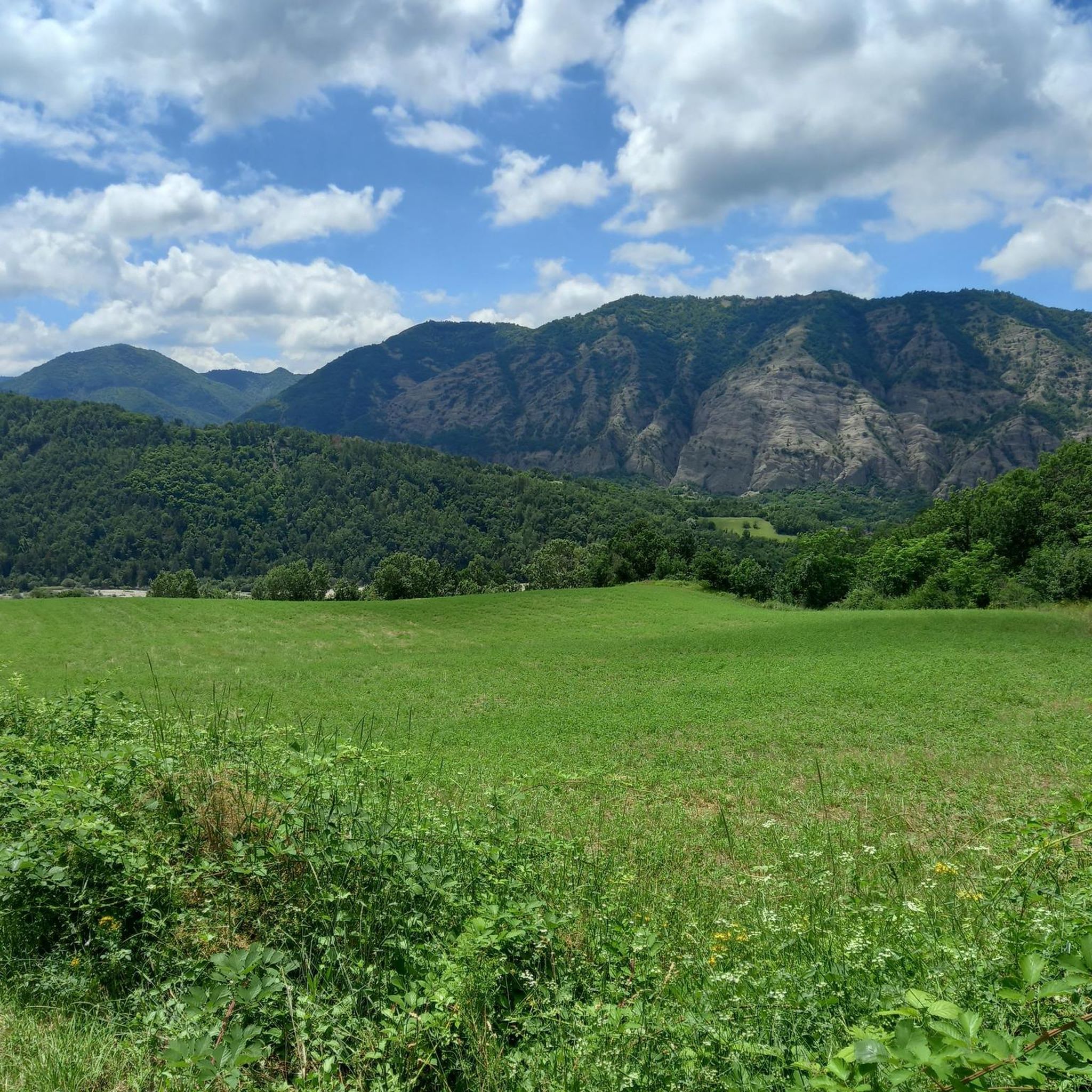
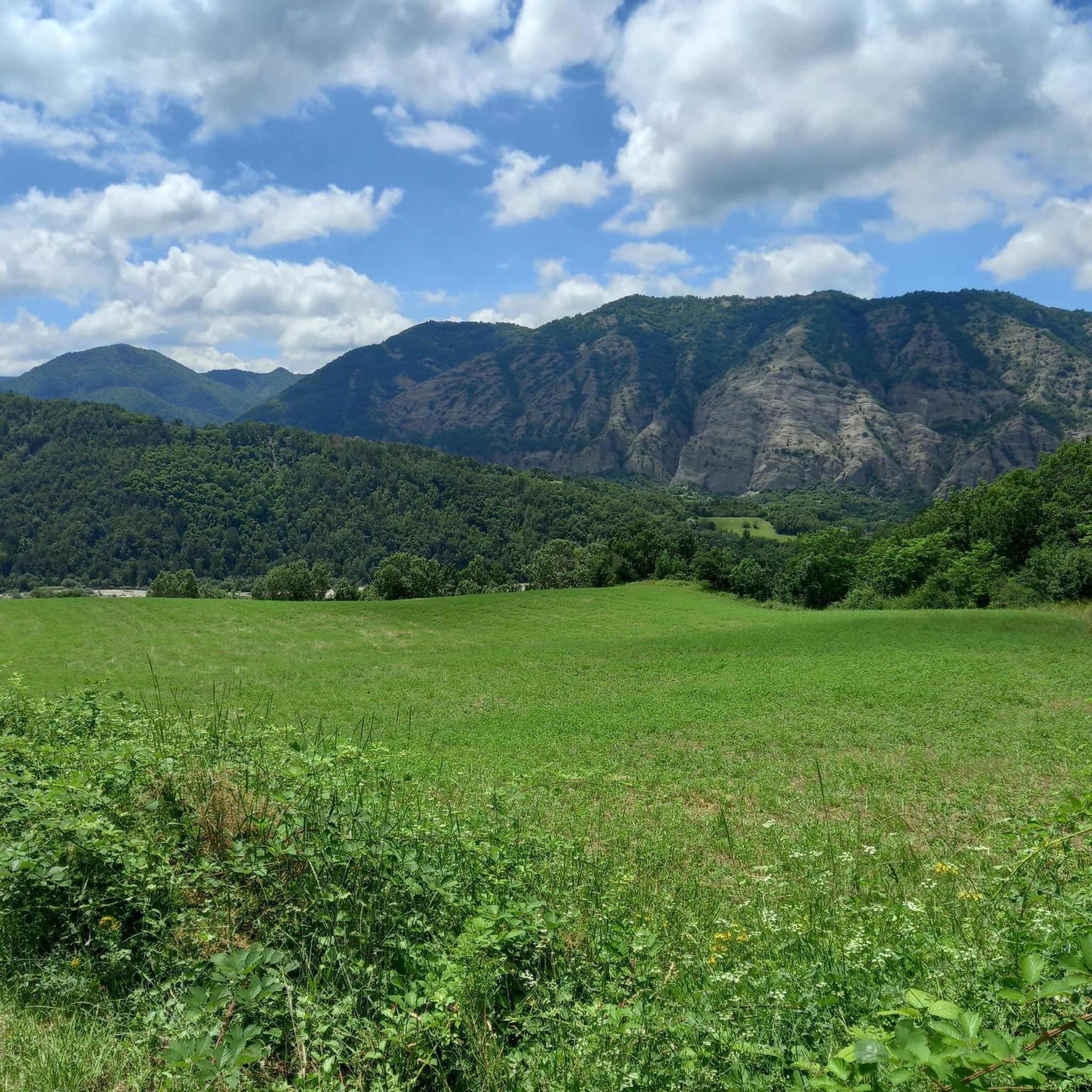
An interesting route in the upper Curone Valley is the one that leads to the walled remains of the Brusamonica Castle, a small town about two kilometers from Caldirola. The castle, built on the crest of the mountains above Caldirola, dates back to the feudal era; although it has lost its ancient splendor over time, it still retains a certain charm, if only for its uncertain and mysterious origin. A legend tells that before the castle there was a convent in the same place, probably founded by the monastery of San Pietro in Ciel d'Oro of Pavia and destroyed during a night of battle and looting (perhaps by Saracen troops) in the 9th century. This, like any good legend, is not confirmed by historical documents, even if even today the inhabitants of Caldirola, referring to the town of Brusamonica, are accustomed to using the term "convent". Contradictions aside, this castle, with a slope that extended up to Val Borbera and now collapsed, represents an important and concrete historical monument that can today become a destination for pleasant walks.
3
0

With the eMTB, it is difficult to reach the site of the remains of the Castle. The path is narrow, steep and in some places there are rocks that block pedaling. Better to go up from Mount Gropà with the eMTB.
0
0

The Torre Ratti castle is located in the hamlet of Torre Ratti in the municipality of Borghetto di Borbera, in the lower part of the Borbera valley, in the province of Alessandria. The lower Borbera valley was part of the Duchy of Milan for centuries and was enfeoffed by the Rati-Opizzoni family from Tortona.
0
0

In the late Middle Ages, the village was a fiefdom of the Genoese Spinola family until 1518, who built the castle in 1100. In 1518 Tolomeo Spinola was left without heirs and passed as an inheritance to his friend Agostino Adorno, of the Genoese Adorno family. In the 17th century the castle suffered serious damage following a landslide and shortly afterwards the current Botta Adorno castle and stately palace was built in its elegant style, still privately owned. The castle has an elegant Baroque style portal and a chapel dedicated to Saint Caterina Fieschi Adorno, great-granddaughter of Pope Innocent IV and wife of Giuliano Adorno, who lived between the 15th and 16th centuries.
5
0
The Castle of Torre Ratti, as cited in a document from 1413, was officially born with the concession as a fiefdom and the oath of loyalty made by the inhabitants of Borghetto di Borbera. In 1629, the square tower was added to the main structure and some internal changes were made. Subsequently, however, was the expansion carried out between the two towers and the construction of the rooms on the north side. The current appearance of the castle suggests that of a rich fortified residence, with late Renaissance and Baroque architectural features. An interesting Italian garden surrounds the architectural complex.
0
0

Nice observation point over the castle and one of the towers where you could once climb. Great for a souvenir photo. you must not suffer from vertigo, exposed sides and a small climb to the top must be done with care and suitable shoes.
0
0
Frequently Asked Questions
What types of historical sites can I explore around Rocchetta Ligure?
The area offers a diverse range of historical sites, from well-preserved defensive structures to evocative ruins. You can find restored castles like Castello della Pietra, which hosts cultural events, and ancient ruins such as Sorli Castle and the Castello di Roccaforte Ligure, both offering panoramic views. There are also fortified residences like Castello di Torre Ratti and historical villages centered around former noble strongholds like Adorno Castle and Village.
Are there any castles with panoramic views in the Val Borbera area?
Yes, several castles offer breathtaking panoramic views. The ruins of the Castello di Roccaforte Ligure are perched on a high rocky spur, providing 360-degree vistas of the Spinti, Sisola, and Borbera valleys. Similarly, Sorli Castle, though ruined, offers extensive views of the plain from Alessandria to Tortona, including the Scrivia and Borbera Valleys.
Which castles are particularly good for history enthusiasts?
For those interested in history, the Castello della Pietra is an excellent choice, with its rich history of ownership by powerful families and its restoration efforts. The Castello di Roccaforte Ligure, despite being in ruins, tells a compelling story of medieval defense and noble power struggles. Adorno Castle and Village also provides insight into the region's feudal past and the influence of Genoese families.
What outdoor activities can I combine with a visit to the castles?
The region around Rocchetta Ligure is ideal for outdoor activities. You can find numerous hiking trails, such as the difficult 'From Cantalupo to Roccaforte Ligure (via Trail 260)' or the 'Monte Barilaro Loop Trail'. For mountain biking, options include the 'Rifugio Piani di San Lorenzo loop from Borgo Adorno' or a route near Brusamonica Castle_Ruins. Road cyclists can explore routes like the 'Val Borbera – Casa del Romano loop'. Find more details on these and other routes in the hiking, MTB, and road cycling guides for Rocchetta Ligure.
Are there any family-friendly castles or walks suitable for beginners?
While many castles involve some walking, the Castello di Roccaforte Ligure is accessible via a short walk through meadows and woods, starting from the Church of San Giorgio. This makes it a good option for families or those looking for an easier approach to a historical site. The Castello di Torre Ratti is also categorized as family-friendly, suggesting easier access and surroundings.
What is the best time of year to visit the castles around Rocchetta Ligure?
The spring and autumn months are generally ideal for visiting the castles and exploring the Val Borbera region. The weather is typically mild, making outdoor activities like hiking to castle ruins more pleasant. Autumn also brings beautiful foliage, enhancing the scenic views from sites like the Castello di Roccaforte Ligure.
Can I find cafes or accommodation near the castles?
While specific cafes directly adjacent to every castle ruin might be limited, Rocchetta Ligure and nearby villages like Roccaforte Ligure offer options for cafes, pubs, and accommodation. It's advisable to check local listings for current establishments in these towns before your visit.
What do visitors appreciate most about the castles in this region?
Visitors frequently highlight the historical significance and the stunning panoramic views offered by many of the castle sites. The unique architecture of places like Castello della Pietra and the evocative atmosphere of ruins such as Sorli Castle are also highly appreciated. The komoot community has shared over 50 photos and given more than 50 upvotes, reflecting the area's appeal.
Is there public transport available to reach the castles?
Public transport options to reach the more remote castle sites in Val Borbera can be limited. It's often recommended to use a car to get closer to the starting points for walks to the castles. For specific routes and schedules to Rocchetta Ligure or Roccaforte Ligure, it's best to consult local transport information.
Are there any hidden gems among the castles that are less known but worth visiting?
While not widely publicized, the Brusamonica Castle_Ruins offer a unique experience. Located on the crest of the mountains above Caldirola, these feudal-era ruins retain a mysterious charm and are a destination for pleasant walks, though the path can be challenging. Its uncertain origins and local legends add to its allure as a hidden gem.
What should I wear when visiting the castles, especially if hiking is involved?
Given that many castles involve walks or hikes, it's recommended to wear comfortable walking shoes or hiking boots, especially if you plan to visit sites like the Castello di Roccaforte Ligure or Brusamonica Castle_Ruins. Layered clothing is also advisable, as weather conditions can change, particularly in the valleys and at higher elevations.
Are there any castles that are particularly well-preserved or restored?
Yes, the Castello della Pietra is an excellent example of a restored castle. It has undergone significant volunteer efforts to consolidate its walls and make it accessible to the public, with interiors now hosting cultural events. This offers a more complete experience compared to some of the other ruined sites.
Most popular attractions around Rocchetta Ligure

Get inspired with the komoot mobile app


Explore more
Looking for the best castles somewhere else? Discover other guides around Rocchetta Ligure:
