Top 3 Castles around Roda De Ter
Best castles around Roda De Ter are found within the Osona region, characterized by its historical significance and strategic riverine landscapes. The area features ancient Iberian and medieval settlements, often situated on naturally defensible terrain. While traditional castles are not within Roda de Ter's immediate municipal boundaries, fortified sites like the L'Esquerda archaeological site offer insights into the region's past. These locations provide a factual glimpse into historical defense and settlement patterns.
Best castles around Roda De Ter
- The most…
Last updated: July 3, 2026
Castle of Torelló
Highlight • Castle
Translated by Google •
Tip by

Castell de Sant Llorenç del Munt
Highlight • Castle
Translated by Google •
Tip by

Sign up now to discover places like this
Get recommendations on the best single tracks, peaks, & plenty of other exciting outdoor places.
Sign up for free
Castillo de Bellpuig de Sant Julià de Vilatora
Highlight • Castle
It is located within the limits of what was the
Castell de Sant Llorenç and
Also known as the CASAL de BELLPUIG.
Cataloged as a …
Translated by Google •
Tip by

Castell de Savassona
Highlight • Castle
Translated by Google •
Tip by
Start today with a free account
Your next adventure awaits.
Login or Signup

Other adventures around Roda De Ter

Tips from the Community

The Castle 🏰 of Bellpuig It is located within the limits of what was the Castell de Sant Llorenç and Also known as the CASAL de BELLPUIG. Cataloged as a cultural asset of National Interest. There are no exact references From its construction but it is located between S-Xl and S-Xll Some later reforms from the 13th century.
2
0

Sant Llorenç Castle is a castle in the municipality of Sant Julià de Vilatorta (Osona) declared a cultural asset of national interest. There are remains of fortifications at the monastery and the base of a square tower at the top of the mountain. It was a termed castle, then a monastery. Documented in 884. At the beginning of the 11th century it was supplanted by the Castle of Meda and soon became the residence of Augustinian canons.
0
0

The ruins Castle of Bellpuig de Sant Julià de Vilatora
1
1

The old Castle of Torelló, was the jurisdictional center of all the valley, and gave name to the three main populations of its old term: Torelló or Sant Feliu de Torelló, Sant Pere de Torelló and Sant Vicenç de Torelló. Saderra also originally belonged to its territory, but it separated very early, in the 11th century. This castle is currently remembered as a massive circular tower that stands on top of a marly hill, north of the town of Sant Vicenç and within its municipality, almost next to the border with Sant Pere de Torelló. It is clearly visible from the whole Torelló valley and also from the Ter valley, which runs along its western side, as its hill, 781 meters high, is the highest point of the small ridge that separates the lower course of the Ges valley, from the Ter valley. Seen from the side of Torelló, the hill seems lower because it is the backdrop of the Bellmunt mountain range, but if you approach it, you will notice the excellent conditions of defense that it had, and that they were being the main reason why, in very distant times, this place was chosen to build a castle. It is a building declared a cultural asset of national interest.
1
0
Savassona Castle is a medieval castle located in the municipality of Tavèrnoles (Osona). It was declared a Site of National Interest in 1949. The castle, strategically located at an altitude of 611 meters, was renovated in the 17th and 19th centuries and is still inhabited. It has medieval elements, defensive walls and a triangular tower inside the building. The Castle of Savassona has been documented since 890, under the rule of the Viscounts of Osona and ruled by the Savassona family of knights, who became lords of the barony of Savassona. In the twelfth century, it was still under the rule of the same family. Later, as he had no direct descendants, the castle was sold to Ramon de Vilanova, a native of El Brull. In the 14th century, the castle came under the jurisdiction of Bernat de Cabrera. And in the fires of 1553, the knight Antoni Vila is mentioned as lord of the castle. PARTICULAR FINCA.
0
1


Small hermitage / castle with very good views of the area. Normally closed to the public
0
0
Frequently Asked Questions
What historical sites can I explore around Roda de Ter?
While Roda de Ter itself doesn't have traditional castles, the region offers significant historical sites. You can visit the L'Esquerda archaeological site, a fortified Iberian and medieval settlement. Additionally, explore castles such as Castell de Sant Llorenç del Munt, Castle of Torelló, and Castillo de Bellpuig de Sant Julià de Vilatora, all offering insights into the area's rich past.
Are there any ancient fortified settlements to visit near Roda de Ter?
Yes, the L'Esquerda archaeological site, located on a meander of the Ter River, is a prime example. It showcases remains from the late Bronze Age, including an Iberian fortified city with defensive towers, and later structures from the Visigothic and medieval periods. An on-site museum displays artifacts recovered from excavations.
What kind of views can I expect from the castles in the area?
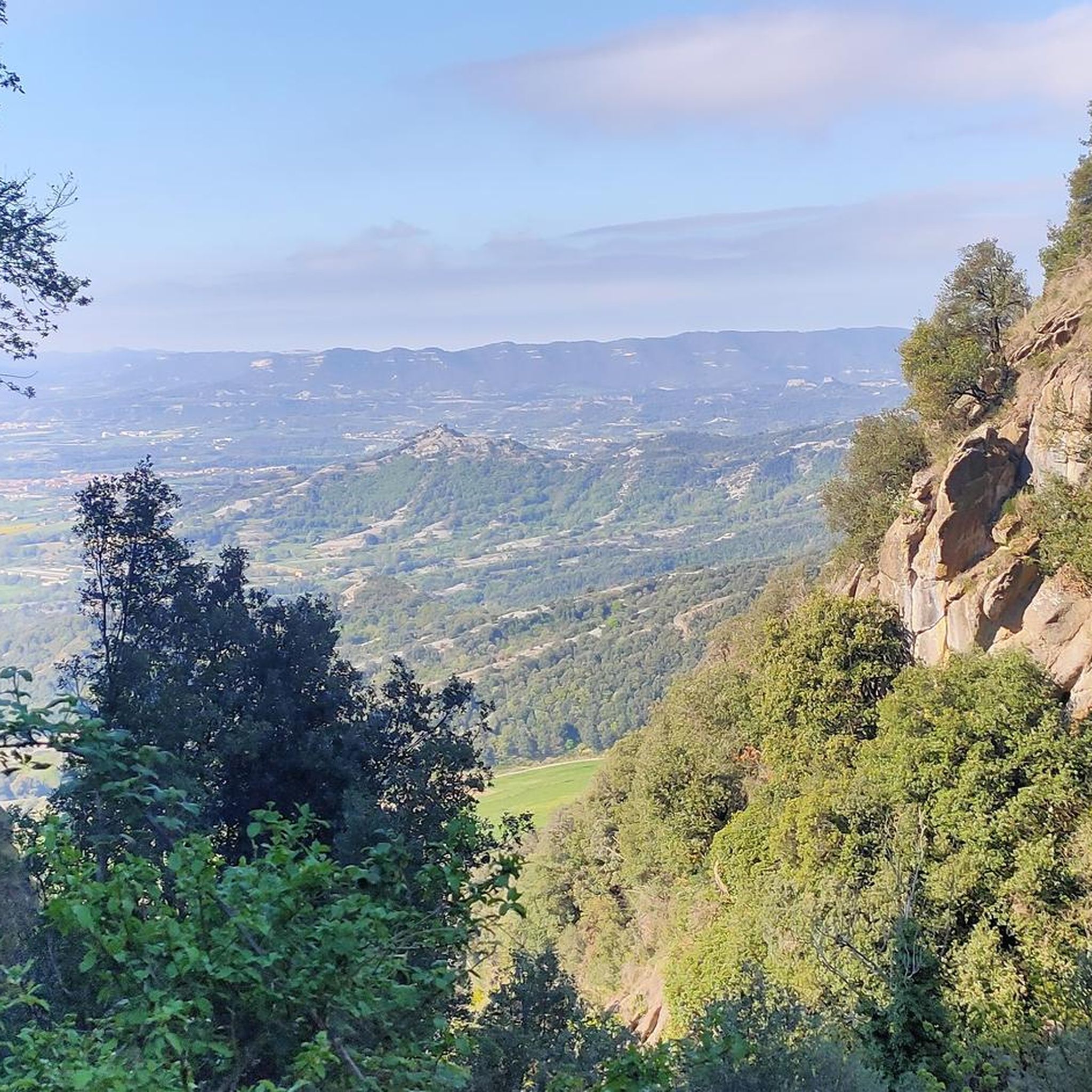
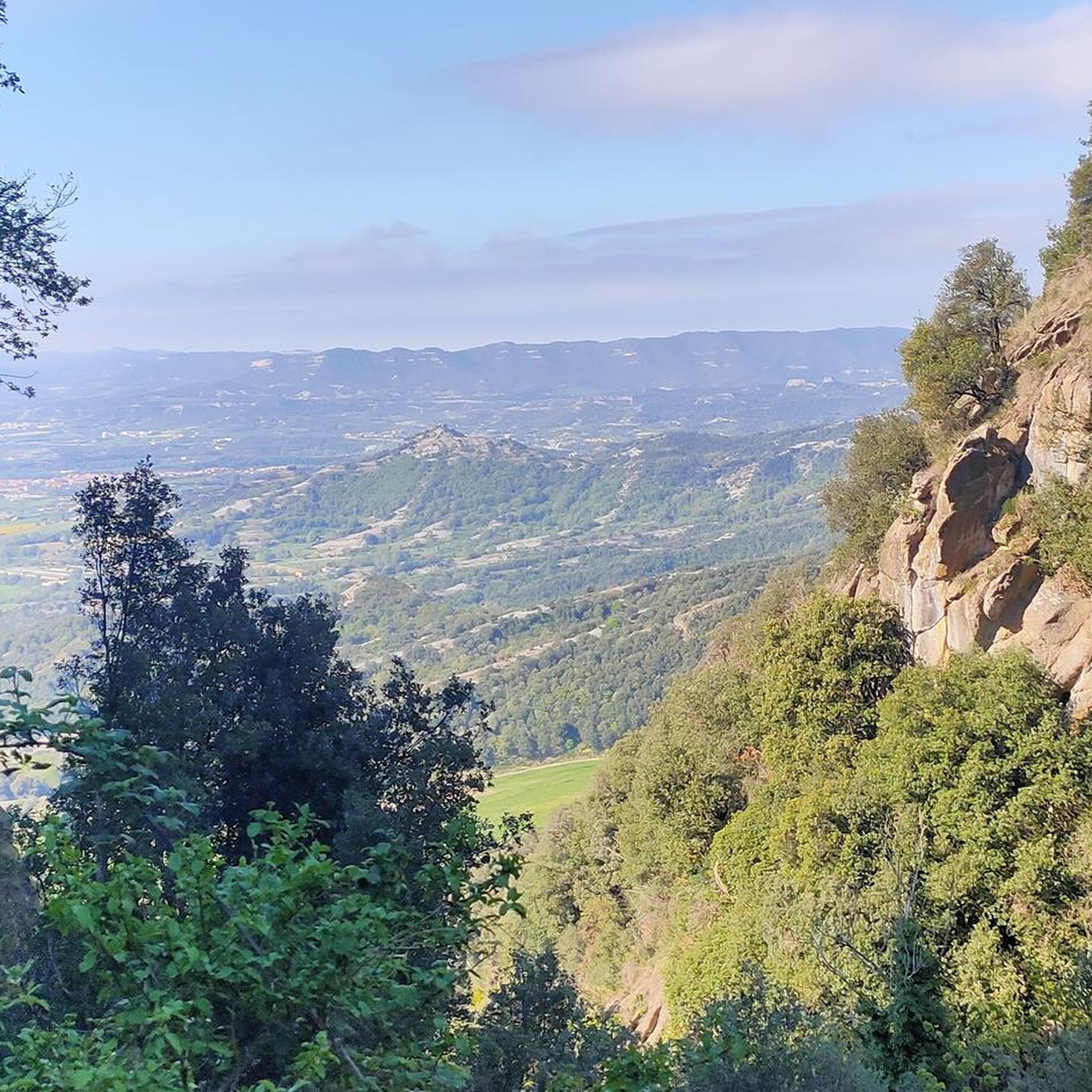
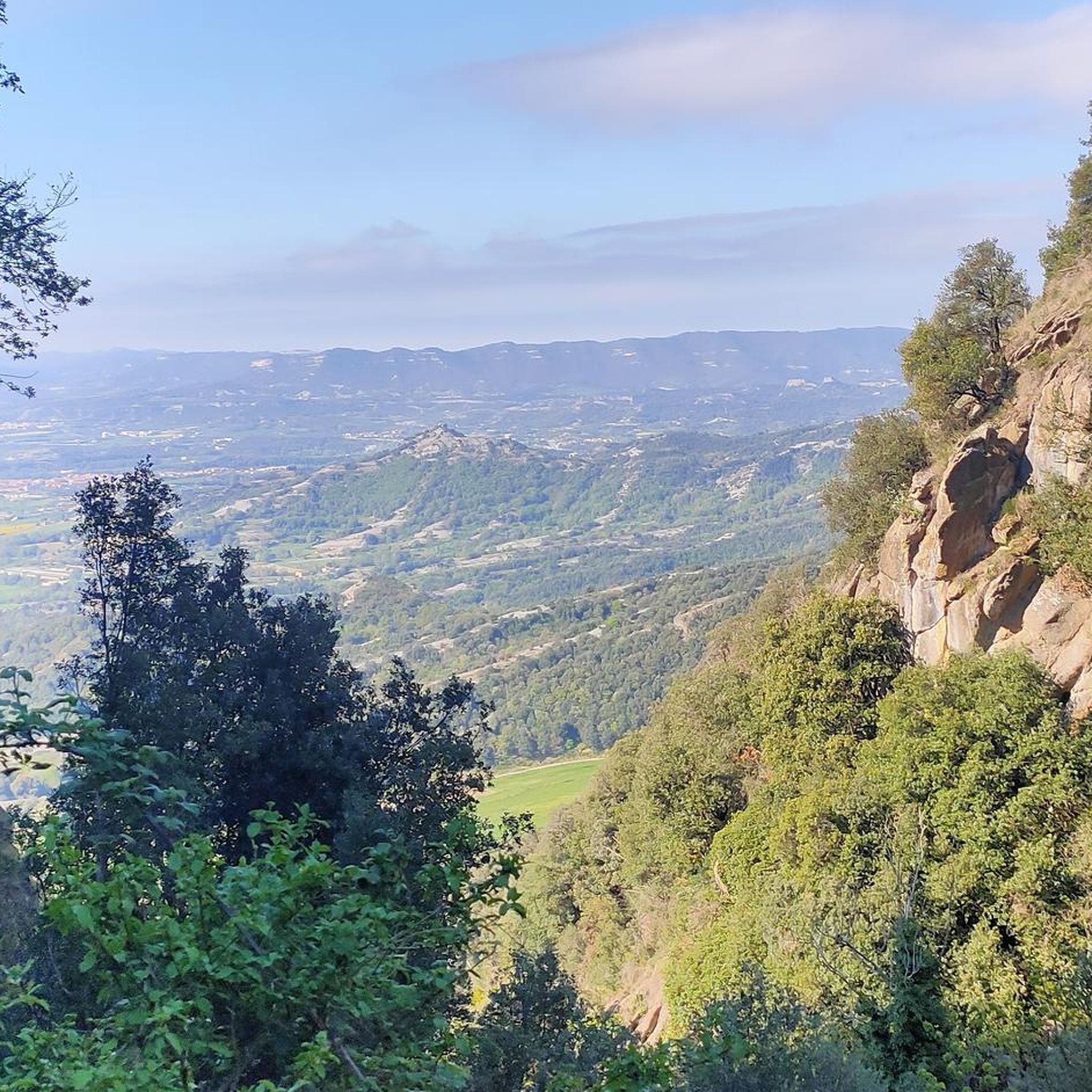
Many of the historical sites and castles offer extensive views. For instance, Castell de Sant Llorenç del Munt provides excellent panoramas of the surrounding area. The Castle of Torelló, situated on a marly hill, is clearly visible from the entire Torelló valley and the Ter valley, offering commanding vistas.
Are there hiking opportunities to reach these castles?
Yes, the region around Roda de Ter is excellent for hiking. You can find various routes that lead to or pass by historical sites. For example, there are routes like 'Sant Feliuet de Savassona - return from Tavèrnoles' or 'Vora Ter - Manlleu to la Gleva circular' that allow you to explore the natural surroundings and potentially view castles. You can find more hiking options on the Hiking around Roda De Ter guide.
What other outdoor activities are available near the castles?
Beyond hiking, the area offers mountain biking and road cycling. You can find challenging MTB trails like 'Lurdes Crossroads Monument – Santuario de Puig-agut loop from Roda de Ter' or scenic cycling routes such as 'Old Bridge of Roda – Church of Santa Maria de Corcó loop from Roda de Ter'. Explore more options in the MTB Trails around Roda De Ter guide and Cycling around Roda De Ter guide.
What is special about the <a href="https://www.komoot.com/highlight/4559832" target="_blank" rel="noopener">Castle of Torelló</a>?
The Castle of Torelló is notable for its massive circular tower standing on a marly hill. It served as the jurisdictional center for the entire valley and is recognized as a cultural asset of national interest. Its strategic location provided excellent defensive conditions and offers clear views of the surrounding valleys.
Can I visit the L'Esquerda archaeological site with my family?
Yes, L'Esquerda offers a unique educational experience for families. Exploring the remains of ancient fortifications and learning about daily life from Iberian to medieval times through the on-site archaeological museum can be engaging for all ages. It's considered a National Cultural Asset.
What is the historical significance of <a href="https://www.komoot.com/highlight/2971836" target="_blank" rel="noopener">Castell de Sant Llorenç del Munt</a>?
Castell de Sant Llorenç del Munt was originally a termed castle, documented as early as 884, and later became a monastery. It features remains of fortifications and a square tower. Although normally closed to the public, its historical importance and the views from its location are significant.
Is <a href="https://www.komoot.com/highlight/5290700" target="_blank" rel="noopener">Castillo de Bellpuig de Sant Julià de Vilatora</a> worth visiting?
Yes, Castillo de Bellpuig de Sant Julià de Vilatora is a historical site with ruins cataloged as a cultural asset of National Interest. Its construction dates back to between the 11th and 12th centuries, with later reforms, offering a glimpse into medieval architecture and history.
What is the best time of year to visit the castles and historical sites around Roda de Ter?
The Osona region, where Roda de Ter is located, generally offers pleasant weather for outdoor exploration during spring (April-June) and autumn (September-October). These seasons provide comfortable temperatures for hiking and sightseeing, avoiding the summer heat and potential winter chill.
Are there any castles that are still inhabited or well-preserved?
While many sites are ruins, Castell de Savassona, located in Tavèrnoles, is a medieval castle that was renovated in the 17th and 19th centuries and is still inhabited. It retains medieval elements, defensive walls, and a triangular tower, offering a unique blend of history and ongoing life.
What makes the castles around Roda de Ter unique?
The castles and fortified sites in this region, like the L'Esquerda archaeological site, offer a unique opportunity to trace the evolution of settlements from Iberian times through Visigothic and medieval periods. They are often strategically located on defensible terrain, providing not just historical interest but also scenic viewpoints over the Ter River and surrounding valleys.
Most popular routes around Roda De Ter
Most popular attractions around Roda De Ter

Get inspired with the komoot mobile app


Explore more
Looking for the best castles somewhere else? Discover other guides around Roda De Ter:
