Top 10 Castles around Madremanya
Best castles around Madremanya are found in the Baix Empordà region of Girona, Spain, an area characterized by its medieval villages and historical sites. The landscape features well-preserved historic centers with stone houses and cobbled streets, offering a glimpse into the past. This region provides a blend of cultural significance and natural beauty, with various hiking trails connecting these historical points. The area's medieval structures, including fortified churches and ancient settlements, contribute to its unique character.
Best castles around Madremanya
…Last updated: July 4, 2026
Peratallada — Historic Village
Highlight • Historical Site
The original constructions of Peratallada …
Translated by Google •
Tip by

Sant Miquel Castle
Highlight • Castle
Translated by Google •
Tip by

Sign up now to discover places like this
Get recommendations on the best single tracks, peaks, & plenty of other exciting outdoor places.
Sign up for free
Medieval Village of Ullastret
Highlight • Historical Site
Translated by Google •
Tip by
Vulpellac Historic Centre
Highlight • Historical Site
Translated by Google •
Tip by
Castell de Palagret
Highlight • Castle
Translated by Google •
Tip by

Sign up for free to discover even more castles around Madremanya.
Sign up for free
Already have an account?
Start today with a free account
Your next adventure awaits.
Login or Signup
Tips from the Community

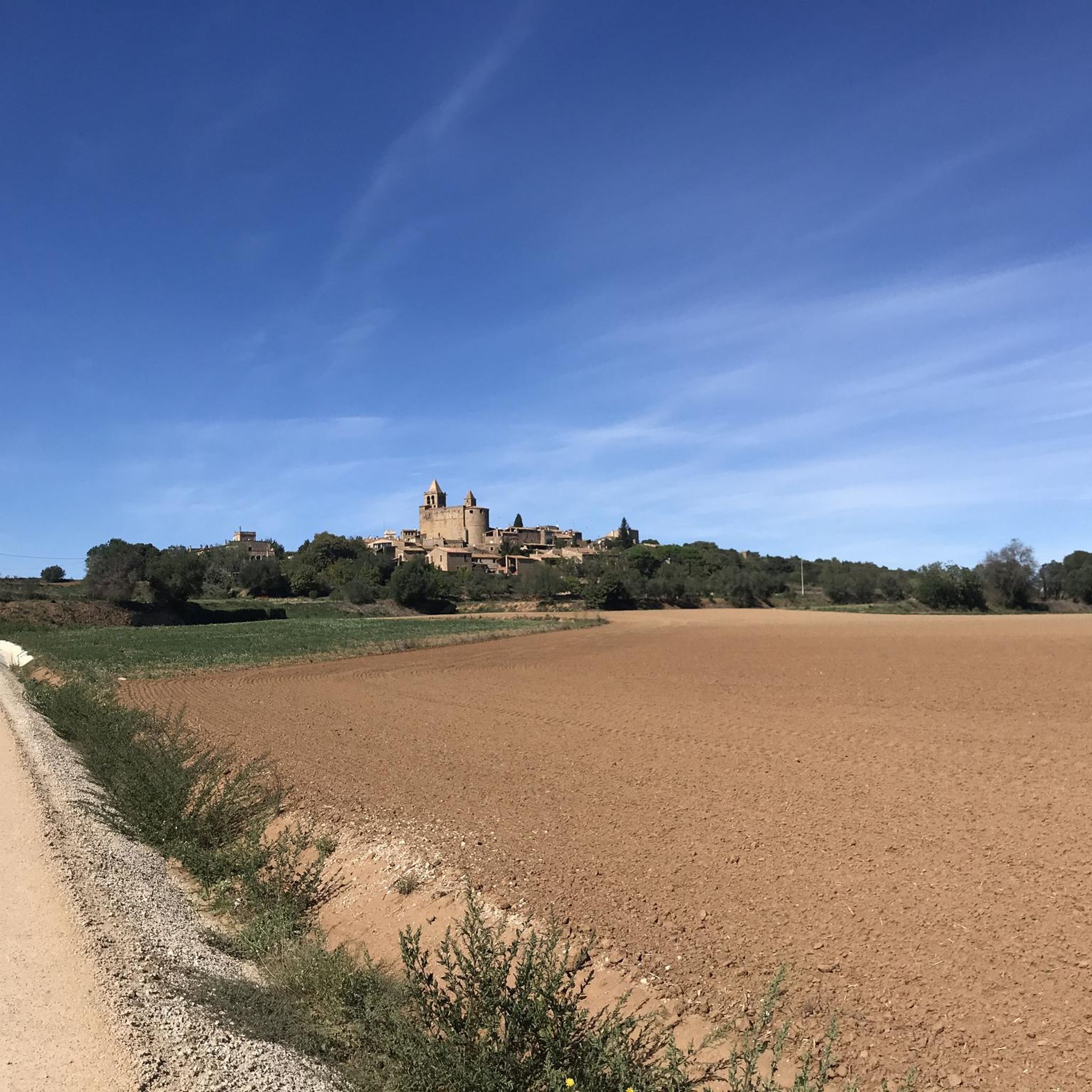
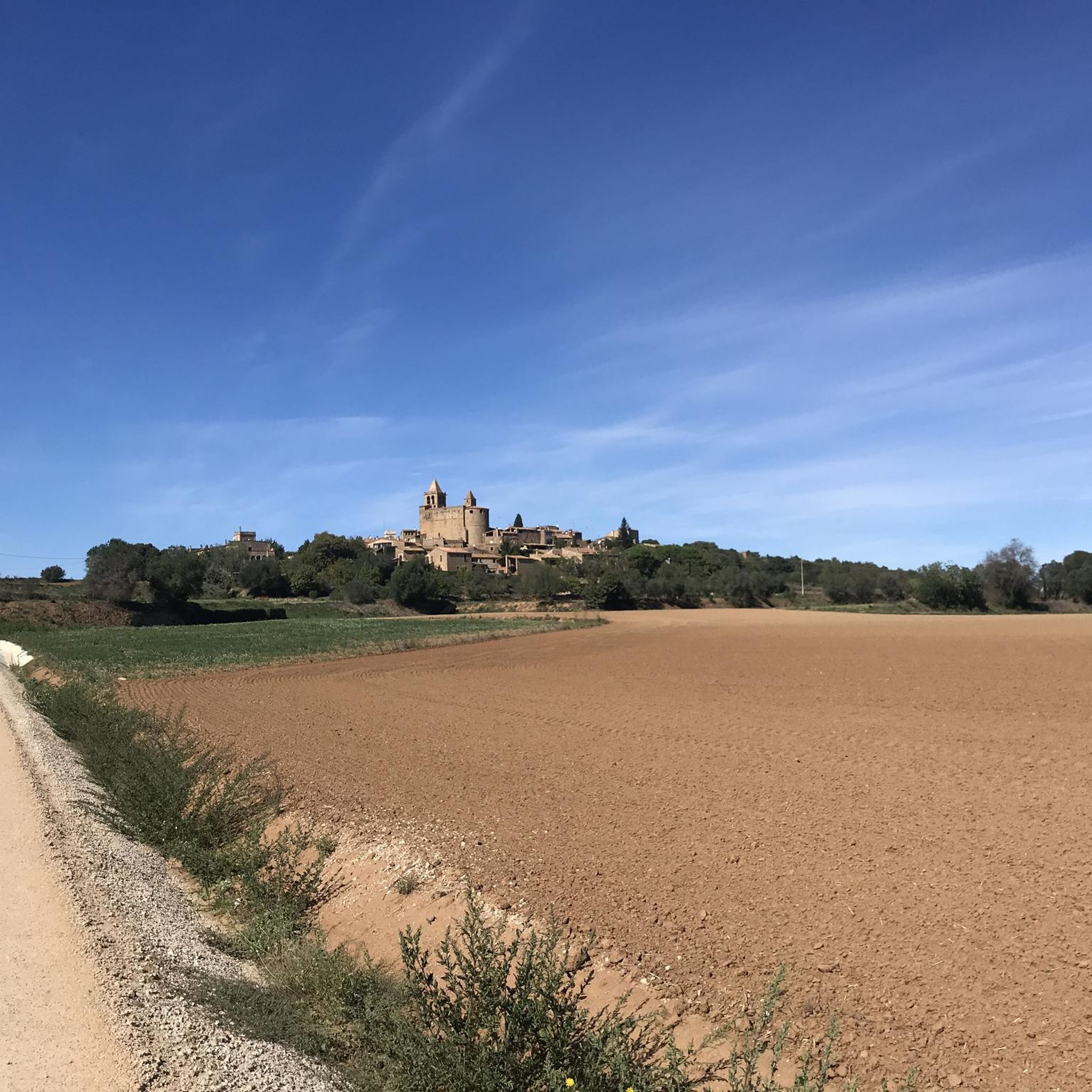
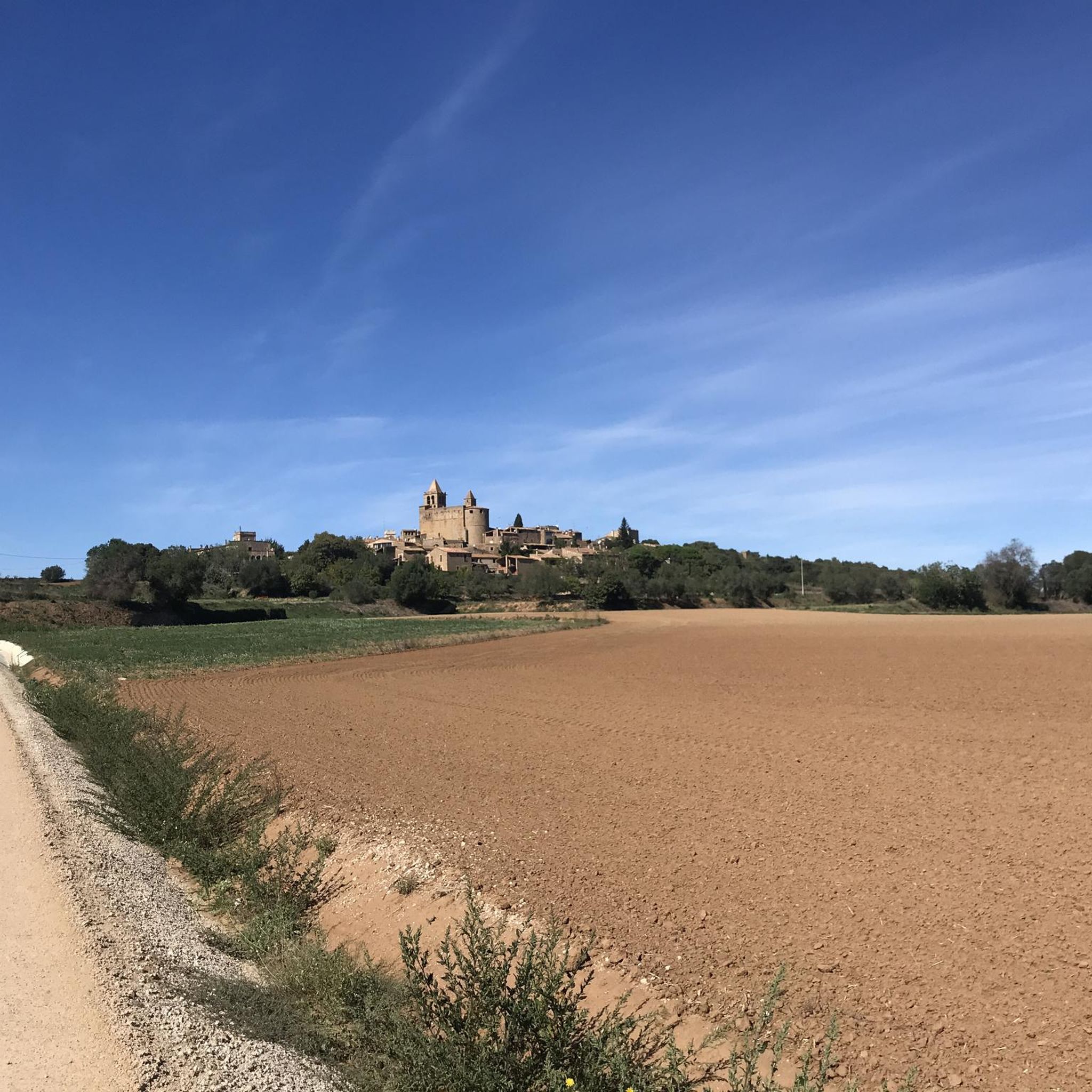
Another lovely small village. A good stop for a nice coffee @ la fusteria ullastret
0
0

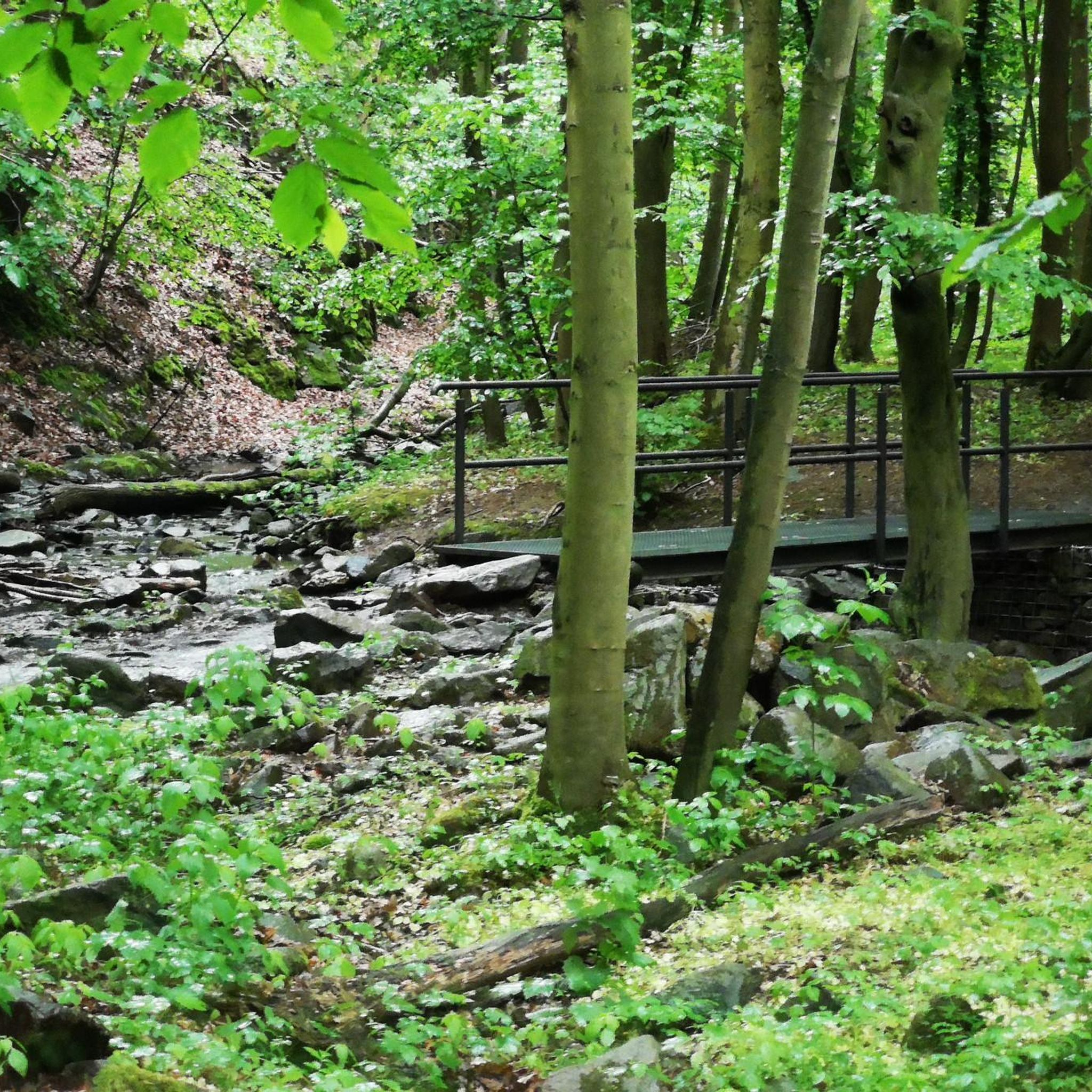
History of Sant Miquel Castle Currently, Sant Miquel Castle belongs to the municipality of Girona, but until 1974 it belonged to the municipality of Celrà. The architectural complex is located on the top of Puig del Castellar, at 394 meters above sea level. From its strategic location you can see the Valley of Sant Daniel, the town of Celrà, the plain of Empordà and the city of Girona. The complex, made up of a section of wall, a watchtower and a hermitage, dates back to medieval times.
0
1

With nice restaurants and bars
1
1

The castle of Palagret or Mabarrera is in the middle of the Palagret valley, at the top of a small hill, 178 m high, in the northernmost foothills of the Gavarres massif to the south-east of the Celrà center and to the south- west of Juià. Strategically located to control the Roman-era road that allowed access to Girona from the Baix Empordà through the Gavarres. Important medieval vestiges of the licorella walls of a rectangular construction as well as pre-Romanesque elements are preserved from the castle. The preserved remains could be dated to the 10th and 11th centuries,[1] and its last occupants left the premises between the end of the 15th century and the beginning of the 16th.[2] It is a building in Celrà (Gironès) declared a cultural asset of national interest.
0
0

We made a route through this area, Peratallada is a picturesque medieval town located in the Bajo Ampurdán region, in the province of Girona, Catalonia. Its name means "carved stone", referring to the stone used in its construction. Without a doubt, it is the one we liked the most with the permission of the others The town is completely surrounded by walls and defense towers, and its historic core is made up of a set of cobbled streets and stone buildings dating from the 10th century. The church of Sant Esteve, built in the 13th century, is one of the most outstanding monuments of Peratallada. There you will find a terrace where they make good sandwiches. In addition, Peratallada has a wide gastronomic offer, with restaurants that offer typical dishes of the region, in our case it was only a breakfast.
2
0

It is possibly the best known and practiced route in Girona. I recommend it to everyone. Doing this route at night is also spectacular.
2
2

The name of Vulpellac appears for the first time in the records in the year 894, although its importance would be given centuries later (13th and 14th centuries), thanks to the importance of the lord of Vulpellac, Guillem Sarriera. It is during this period that the castle is reformed, turning it into a luxurious palace. The castle and the church of Sant Julià i Santa Basilissa constitute the original nucleus of the town, and houses were added around it, surrounded by a fortified wall. The streets outside the walls were built in the 17th and 18th centuries, and have a good number of unique buildings in the late Gothic and Renaissance styles.
0
0
This small town in the Baix Empordà has been declared a Historic-Artistic Site and Cultural Asset of National Interest, due to its well-preserved medieval architecture. The original constructions of Peratallada are strongly marked by their fortified character. It had three wall enclosures (12th to 13th centuries), the main one being the one with the castle in its center. In addition, the outer enclosure was protected by a moat dug into the rock, with a depth of eight meters. Of the castle, the keep and the palace (11th to 14th centuries) stand out, with another important building being the church of Sant Esteve (13th century).
3
0
Frequently Asked Questions
What are the most notable castles and medieval sites to visit around Madremanya?
The region around Madremanya is rich in medieval heritage. Key sites include Peratallada — Historic Village, known for its well-preserved medieval architecture and fortified character. You can also explore the Medieval Village of Ullastret with its Romanesque church and preserved wall, or the Vulpellac Historic Centre, centered around its castle-palace complex.
Are there any castles directly within Madremanya village that I can visit?
While Madremanya itself has a strong medieval character, the Castell de Millàs is a private residence and not open to the public. However, the Fortified Parish Church of Sant Esteve, dating from the 14th century, is a prominent historical building with fortified elements that you can visit, offering a glimpse into the village's past.
What kind of views can I expect from the castles in the area?
Many castles offer stunning panoramic views. For example, Sant Miquel Castle provides privileged views of Girona, the Empordà plain, the Gavarres massif, and the Pyrenees. Similarly, Castell de Palagret offers wonderful views of the Palagret creek valley.
Are there family-friendly castles or medieval villages to explore near Madremanya?
Yes, several medieval villages are great for families. The Medieval Village of Ullastret is noted as family-friendly, offering a chance to explore its historic core. Peratallada — Historic Village is also a popular choice, with its cobbled streets and shops, though it can be quite touristy.
Can I combine a castle visit with hiking or other outdoor activities?
Absolutely. The region is ideal for combining historical exploration with outdoor activities. Many castles and medieval villages are connected by trails. For instance, you can find various running, MTB, and road cycling routes that pass through or near these historical sites. Explore options like the Running Trails around Madremanya or MTB Trails around Madremanya for routes that incorporate these historical points.
What is the best time of year to visit the castles and medieval villages?
The region is beautiful year-round. Spring and autumn offer pleasant temperatures for exploring on foot or by bike, with lush landscapes or vibrant fall colors. Summer can be warm but is popular for its lively atmosphere in the villages. Winter provides a quieter experience, often with crisp air and fewer crowds.
Are there any specific hiking trails that lead to or past these castles?
Yes, the Gavarres massif, which surrounds Madremanya, offers numerous trails. While specific trails directly to every castle aren't detailed, routes like the 'Madremanya – Montigalar Summit loop' or 'Monells loop from Madremanya' (found in the Running Trails around Madremanya guide) will take you through the scenic landscape where these historical sites are nestled.
What should I know about parking when visiting these medieval sites?
Most medieval villages and castle sites will have designated parking areas, though they can fill up quickly during peak season. It's advisable to arrive early, especially for popular spots like Peratallada or Ullastret, to secure a convenient parking spot. Some smaller, more remote castle ruins might require parking further away and walking.
Can I find places to eat or drink near the castles?
Yes, the more established medieval villages like Peratallada — Historic Village and Medieval Village of Ullastret have a good selection of cafes and restaurants. Peratallada, in particular, is known for its wide gastronomic offer. You'll find options ranging from quick snacks to traditional regional dishes.
Are dogs allowed on trails and in the medieval villages?
Many outdoor trails in the Gavarres massif are dog-friendly, allowing you to explore the natural surroundings with your pet. When visiting medieval villages, dogs are generally welcome in outdoor public spaces, but it's always best to keep them on a leash. Access to specific buildings, shops, or restaurants may vary, so check local signage or inquire beforehand.
What makes the castles and medieval villages around Madremanya unique?
The uniqueness lies in their exceptional preservation and integration into the natural landscape. Unlike isolated ruins, many of these sites, like Peratallada and Ullastret, are living medieval villages with cobbled streets, fortified walls, and historic buildings that transport you back in time. The blend of history, architecture, and the surrounding natural beauty of the Baix Empordà region is truly special.
Most popular routes around Madremanya
Most popular attractions around Madremanya

Get inspired with the komoot mobile app


Explore more
Looking for the best castles somewhere else? Discover other guides around Madremanya:
