Top 17 Caves around Guía De Isora
Best caves around Guía De Isora include natural underground formations and volcanic tubes. The region, situated on Tenerife, features a diverse landscape shaped by volcanic activity, offering various cave types for exploration. These geological features contribute to the area's natural appeal, presenting opportunities to observe unique rock formations. Guía De Isora and its surroundings offer subterranean environments for exploration.
Best caves around Guía De Isora
- The most popular caves is Cuevas Negras, a cave that features a landscape of…
Last updated: July 4, 2026
Cueva del Viento
Highlight • Cave
Fantastic
A great guide
Translated by Google •
Tip by

Cuevas Negras
Highlight (Segment) • Cave
Translated by Google •
Tip by

Sign up now to discover places like this
Get recommendations on the best single tracks, peaks, & plenty of other exciting outdoor places.
Sign up for free
Great Cave of Chío
Highlight • Cave
Translated by Google •
Tip by

Boca Sur Tunnel Canal El Sauce Gallery
Highlight (Segment) • Structure
Translated by Google •
Tip by

Hoya Fría Gallery
Highlight • Cave
Translated by Google •
Tip by

Sign up for free to discover even more caves around Guía De Isora.
Sign up for free
Already have an account?
Start today with a free account
Your next adventure awaits.
Login or Signup
Popular around Guía De Isora

Mountain biking through the wild heart of Tenerife
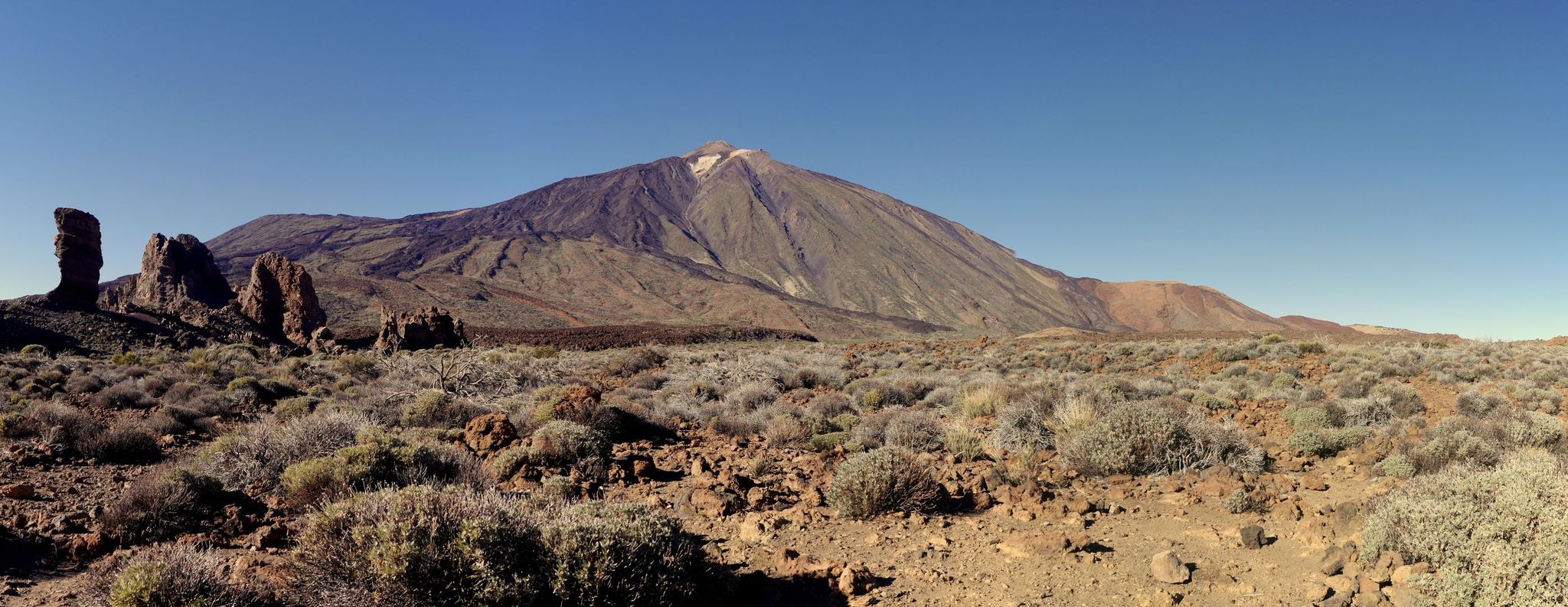
The giant of Tenerife — around Teide by road bike
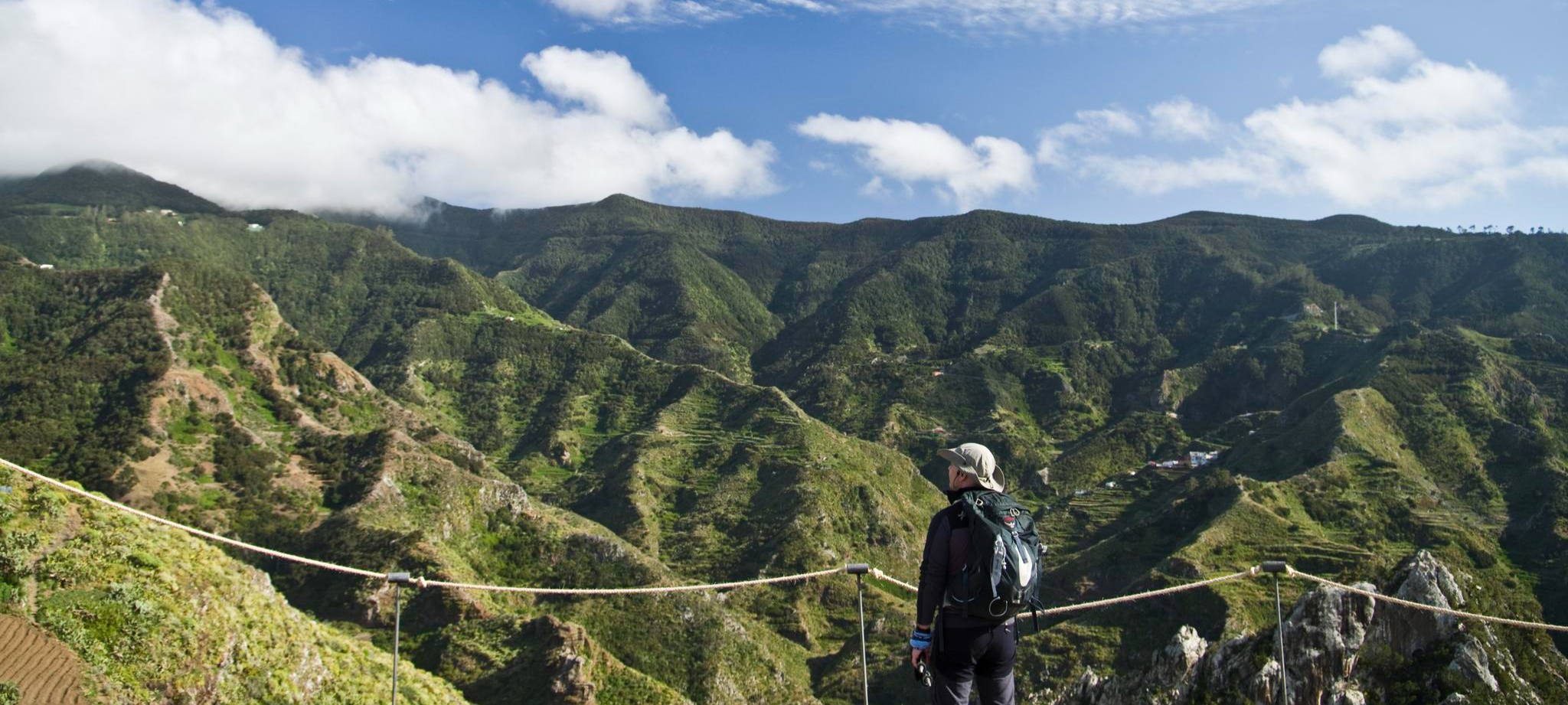
Tenerife's interior – discover fascinating hiking routes
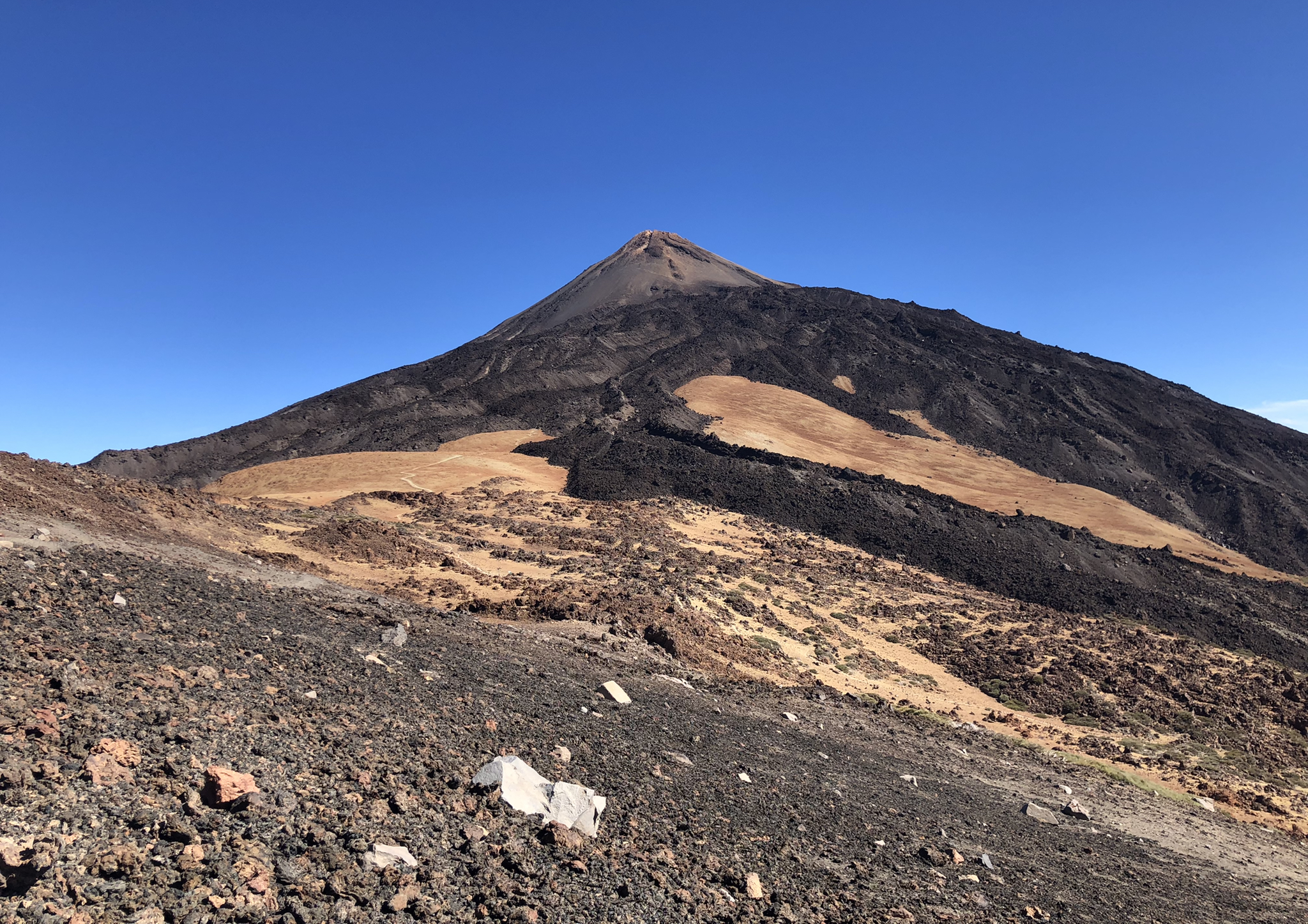
Volcanoes, lava and forests – running in Tenerife
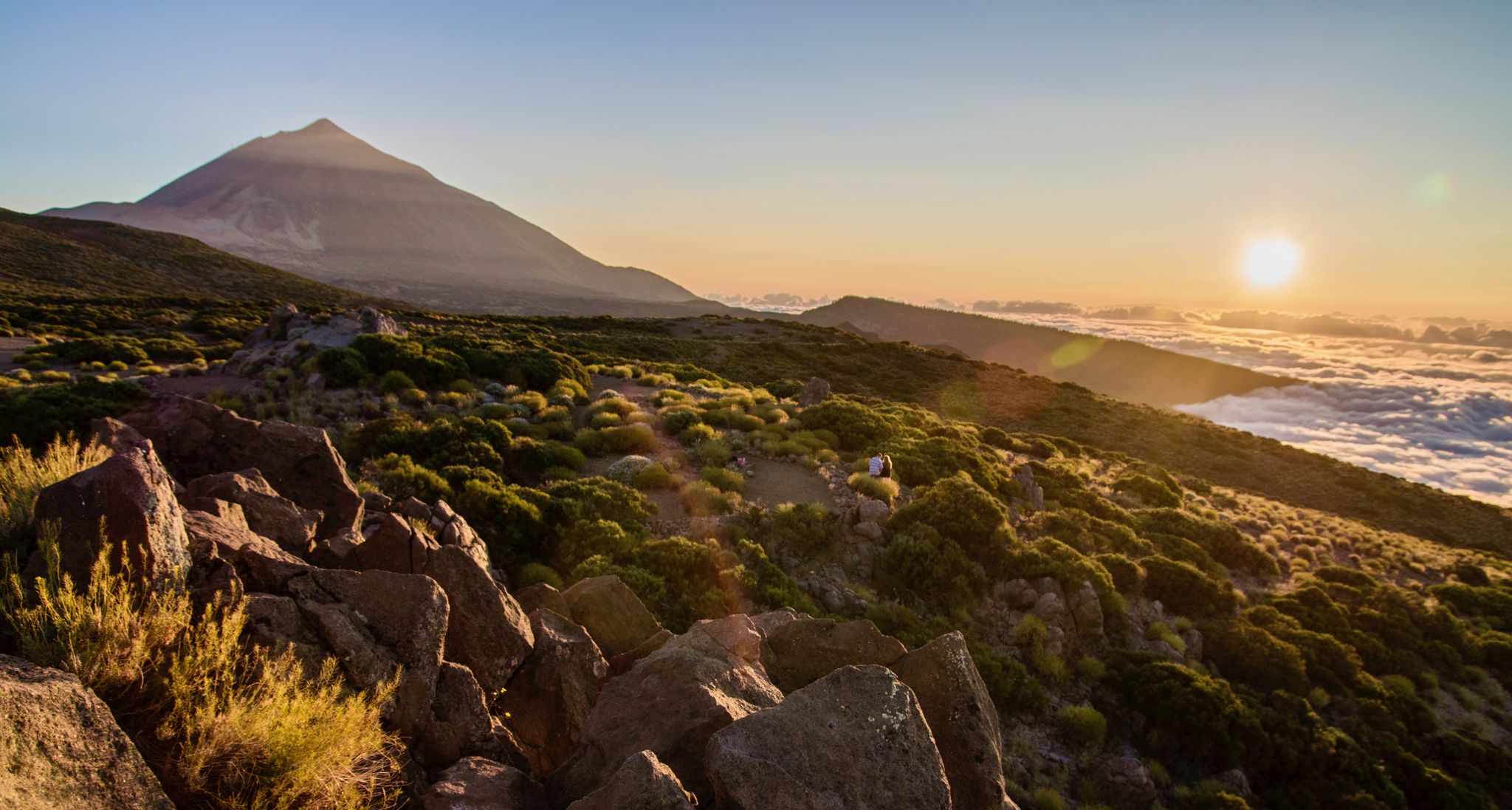
From volcanic peaks to pristine beaches – A hiking paradise in Tenerife
Hiking around Guía De Isora
Running Trails around Guía De Isora
Road Cycling Routes around Guía De Isora
Cycling around Guía De Isora
MTB Trails around Guía De Isora
Other adventures around Guía De Isora


Tips from the Community

If you like the barren lava landscape, this is the place for you.
0
0

The large Chio cave is hidden in the volcanic landscape, between ancient lava flows and an open pine forest, a short distance from the El Canal trail. It can be an ideal short detour to pause and explore on foot for a few minutes.
0
0

Totally worthwhile. About a kilometer through the darkness
1
0

Trail goes over multiple No Bike zones. At the end there is a bit where you have to carry your bike over lava rocks. Nice views and mostly a good ride. But the way described is not allowed to ride this way and there are not many options to reroute…
0
0

15.09.2024 Tunnel was opened
1
0
The tunnel is open on both sides. 14.05.24
1
0
Tunnel was opened (broken open) on 10.04.24
1
0
Frequently Asked Questions
What types of caves can I explore around Guía de Isora?
The region offers a variety of natural underground formations, including volcanic caves, lava tubes, and coastal caves. Notable examples include Cuevas Negras, known for its volcanic rock landscape, and La Caleta Coastal Caves, which are small dwellings found along the coast.
Are there any significant volcanic tubes near Guía de Isora?
Yes, the Cueva del Viento, located in Icod de los Vinos, is a major volcanic tube. It is the largest in the European Union and one of the longest in the world, offering guided tours through its labyrinth of passages. It was formed approximately 27,000 years ago from basaltic lavas of the Pico Viejo volcano.
Are there family-friendly caves or activities around Guía de Isora?
While specific caves may have age restrictions, the Cueva del Viento offers guided tours, though children under five are not permitted. For general family-friendly outdoor activities, consider easy hiking routes like the Sámara loop trail (PNT 13) which is rated as easy.
What should I wear for caving or exploring caves in the area?
For tours like the Cueva del Viento, it is recommended to wear long trousers and suitable closed-toe footwear. For other explorations, a lamp is often recommended, especially for less-known passages like the Boca Sur Tunnel Canal El Sauce Gallery.
Are there any caves with historical or cultural significance?
Yes, the Cueva del Santo Hermano Pedro, situated in Granadilla de Abona, holds significant religious importance. It is a pilgrimage site dedicated to Saint Peter of Saint Joseph Betancur and was historically used by Hermano Pedro for prayer and as a hideout. It has been recognized as a Site of Historic Interest since 1999. You can learn more about its history on Wikipedia.
Can I find guided caving tours in Guía de Isora?
Guided tours are available for prominent sites like the Cueva del Viento. These tours typically last about two hours and require advance booking. For other caves, guided options may vary, and some are best explored with local knowledge.
What are some natural features to look out for in the caves?
In volcanic caves like Cuevas Negras, you can observe diverse volcanic rock compositions, colors, shapes, and structures. The Great Cave of Chío is hidden within a volcanic landscape between ancient lava flows and an open pine forest.
Are there hiking trails near the caves around Guía de Isora?
Yes, several hiking trails are available. For example, the Sendero de Cuevas Negras (S-38) is a moderate circular route that allows you to explore the area's natural features. Other options include the easy Sámara loop trail.
What other outdoor activities can I do near the caves?
Beyond hiking, the region offers various outdoor activities. You can find running trails and MTB trails around Guía de Isora. Routes like the 'Pico Viejo: To the volcano's summit' offer challenging experiences for runners, while mountain bikers can explore trails such as 'BC-3 Pinar de Chío'.
Is public transport available to reach cave areas or trailheads?
While specific public transport routes to every cave or trailhead can vary, some areas like Mirador de Samara, a starting point for trails like the Sámara loop, may have public transport access. It's advisable to check local bus schedules for routes connecting to major trailheads or towns near the caves.
What do visitors enjoy most about the caves in this region?
Visitors appreciate the unique geological formations, especially the volcanic rock landscapes of places like Cuevas Negras, often described as 'breathtakingly extraterrestrial.' The opportunity to explore a 'jewel of nature' like the Cueva del Viento is also highly valued.
Are there any caves that are less crowded or more off-the-beaten-path?
While popular sites like Cueva del Viento require booking, some smaller formations or less signposted areas like Cuevas Negras might offer a more secluded experience, though they can be a little difficult to find. The Great Cave of Chío is described as a short detour hidden within a volcanic landscape.
Most popular routes around Guía De Isora
Most popular attractions around Guía De Isora

Get inspired with the komoot mobile app


Explore more
Extend your search for the best caves by checking out these guides of the top ones around Guía De Isora:
