Top 7 Gorges around Molines-En-Queyras
Best canyons around Molines-en-Queyras are found within the Queyras Regional Natural Park, an area characterized by mountainous landscapes and traditional village charm. While Molines-en-Queyras serves as a base for exploring scenic routes, the primary canyoning opportunities are located in the broader Durance valley. The region offers a variety of gorges and ravines, providing diverse natural features for exploration.
Best canyons around Molines-En-Queyras
- The most popular canyons is Gorges of the Guil, a gorge that features a river carving through rock formations. This area is known for its dramatic landscape and is suitable for whitewater sports like rafting and kayaking.
- Another must-see spot is Vallone di Soustra, a large and green gorge. Visitors can follow a path along the river, with opportunities for bivouac at the top of the valley.
- Visitors also love Guil Gorges, a gorge with a spectacular road layout. This area, also known as "Combe du Queyras," offers impressive landscapes.
- Molines-En-Queyras is known for gorges and ravines. The area provides varied natural formations to explore.
- The canyons around Molines-En-Queyras are appreciated by the komoot community, with more than 180 upvotes and 17 photos shared.
Last updated: August 17, 2026
Gorges of the Guil
Highlight • Gorge
Translated by Google •
Tip by

Ruine Blanche Ravine
Highlight • Gorge
Tip by

Sign up now to discover places like this
Get recommendations on the best single tracks, peaks, & plenty of other exciting outdoor places.
Sign up for free
Guil Gorges
Highlight • Gorge
Translated by Google •
Tip by

Guil Gorges
Highlight (Segment) • Gorge
More information: de.wikipedia.org/wiki/Guil
Translated by Google •
Tip by

Vallone di Soustra
Highlight (Segment) • Gorge
Translated by Google •
Tip by

Sign up for free to discover even more gorges around Molines-En-Queyras.
Sign up for free
Already have an account?
Start today with a free account
Your next adventure awaits.
Login or Signup
Popular around Molines-En-Queyras
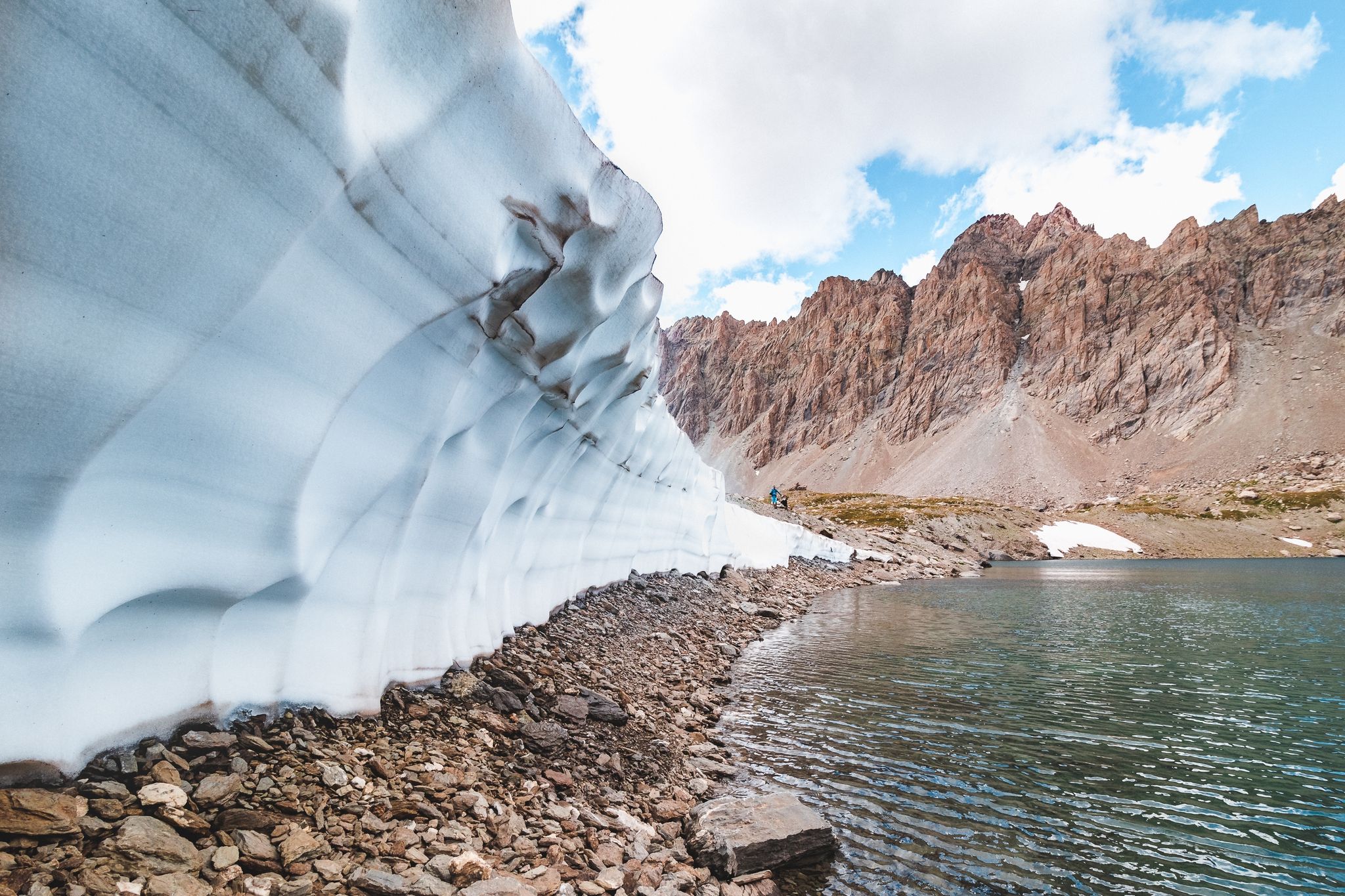
High mountain escapades — 15 peaks over 3,000m in the Alps
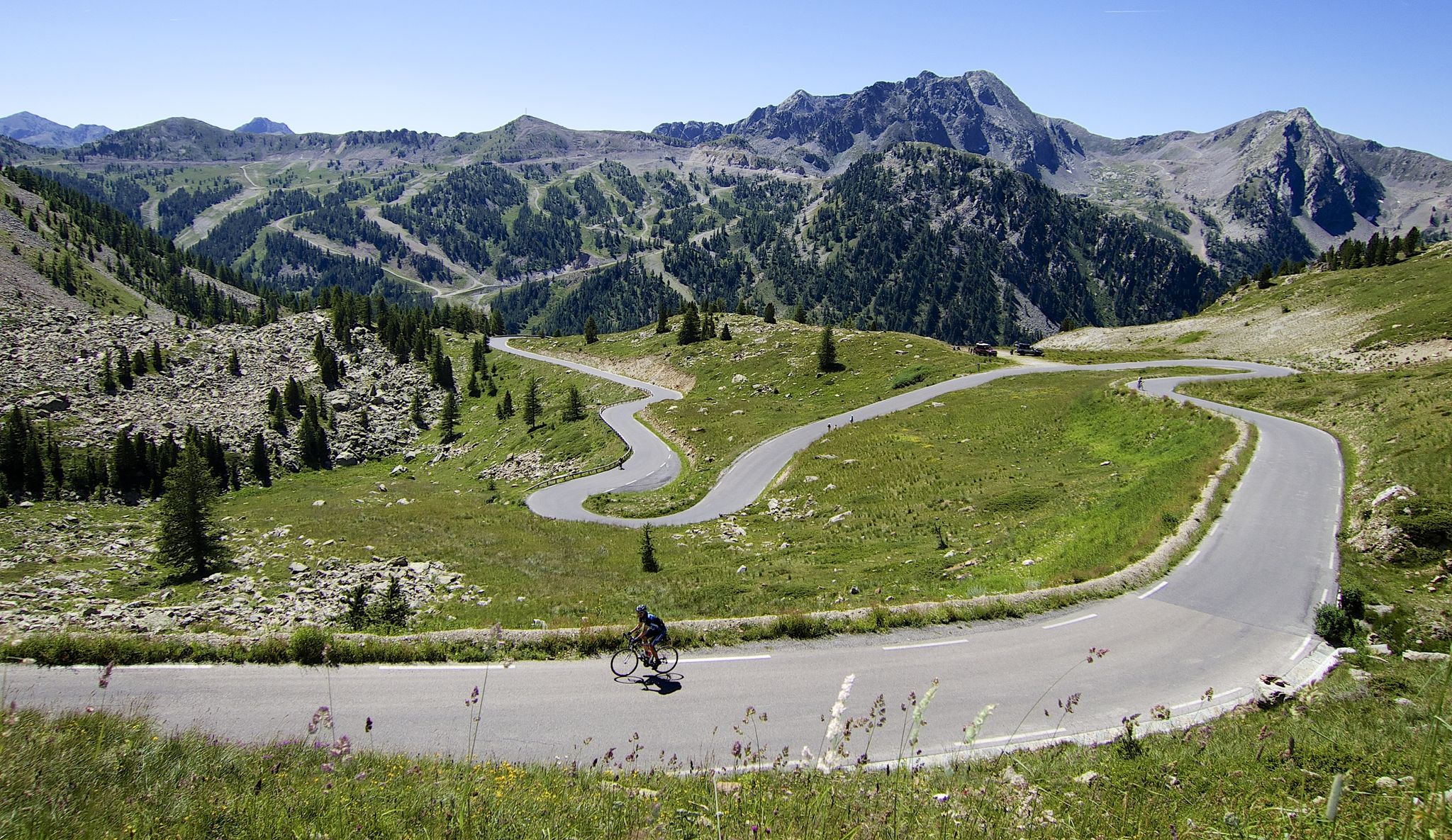
Conquer peaks – 7 Majors challenge between France and Italy
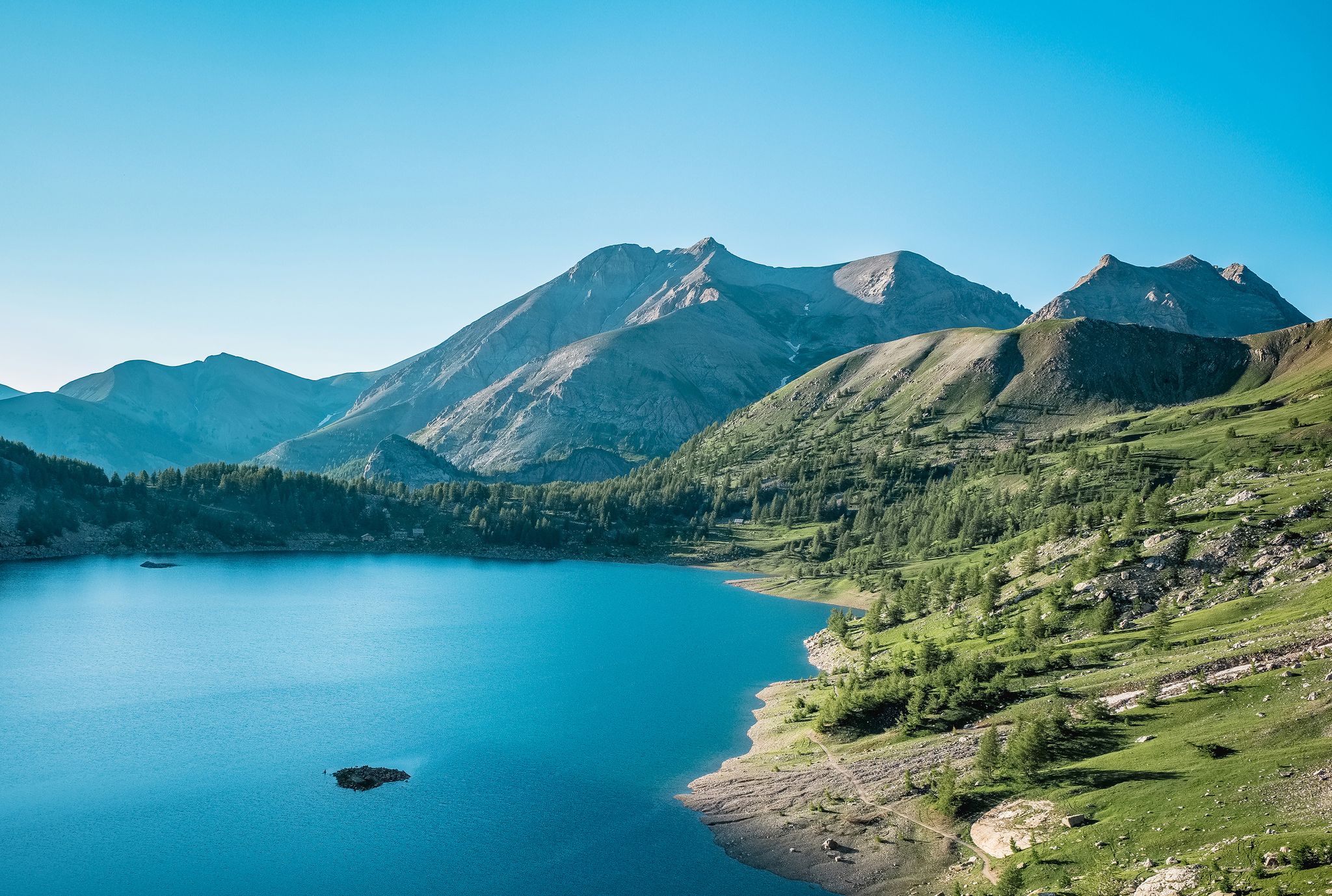
The most beautiful MTB and hiking tours in the French Maritime Alps
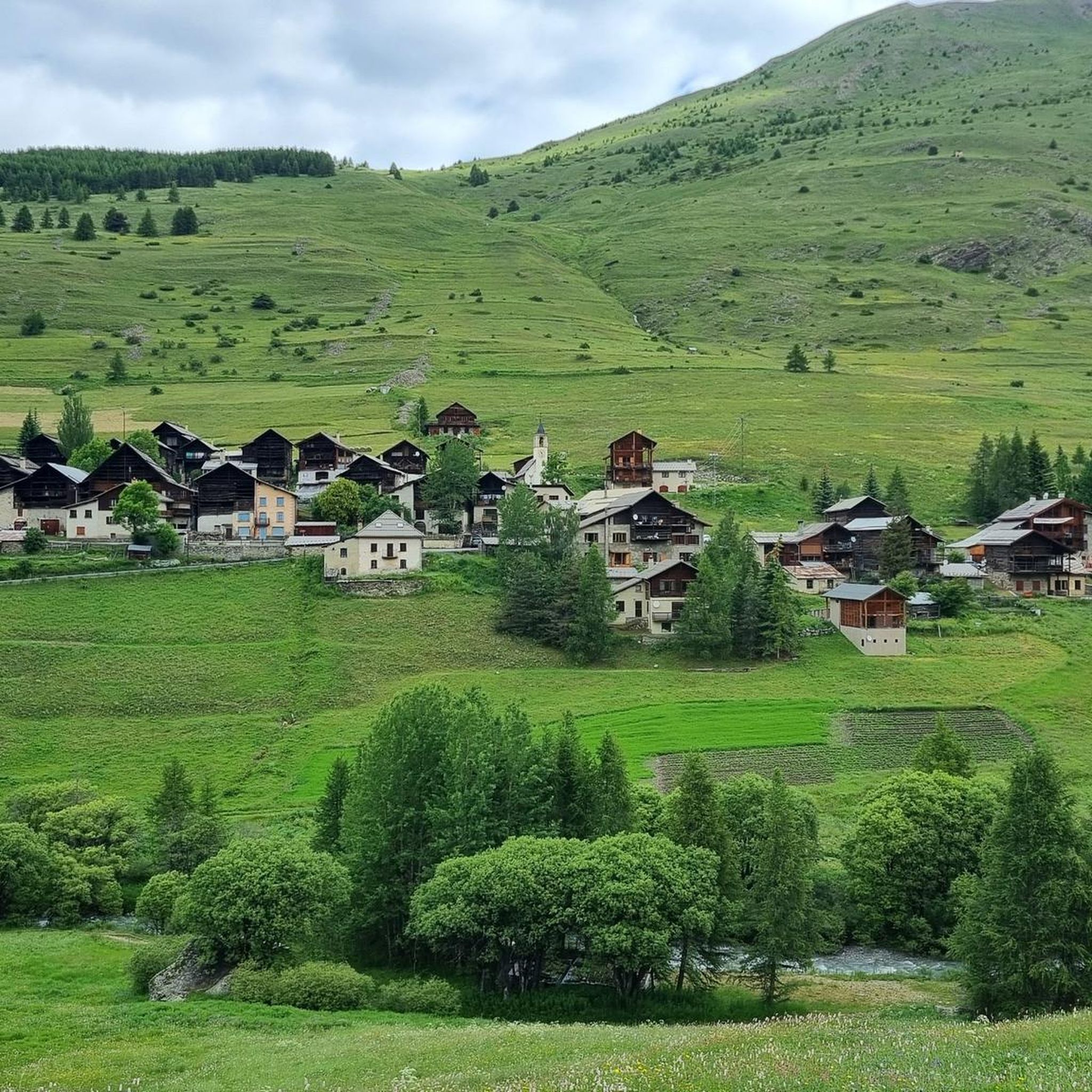
Hiking around Molines-En-Queyras
Cycling around Molines-En-Queyras
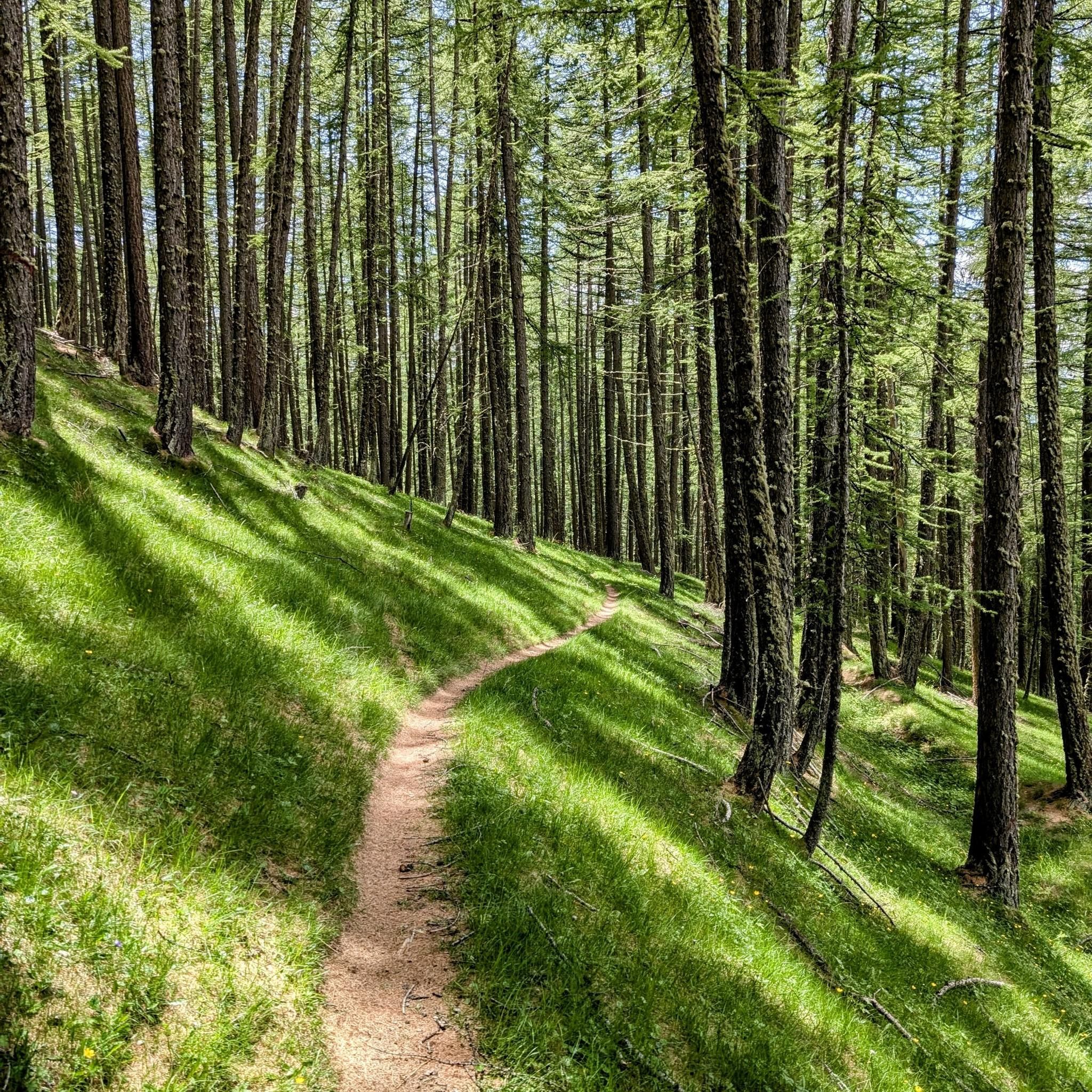
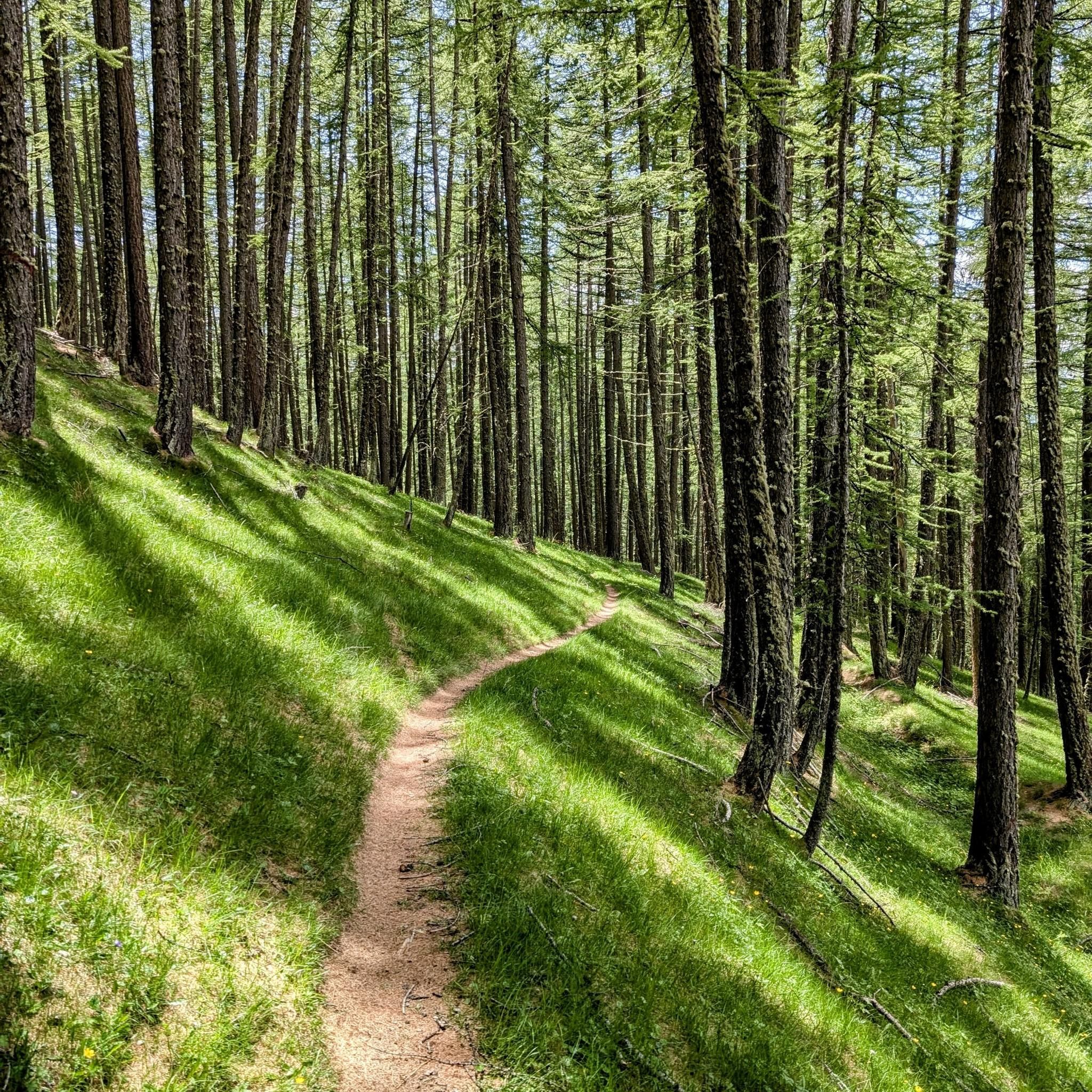
MTB Trails around Molines-En-Queyras
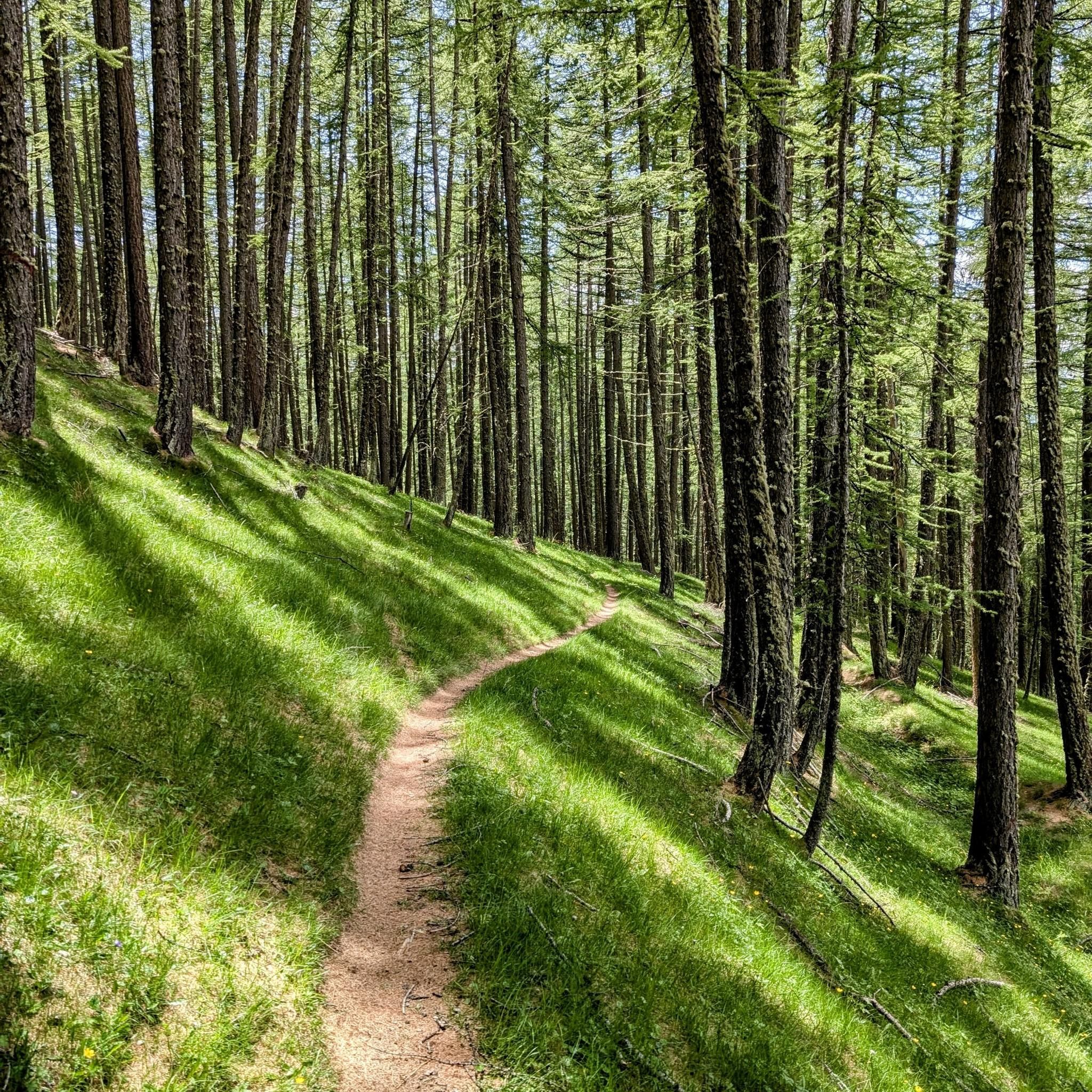
Road Cycling Routes around Molines-En-Queyras
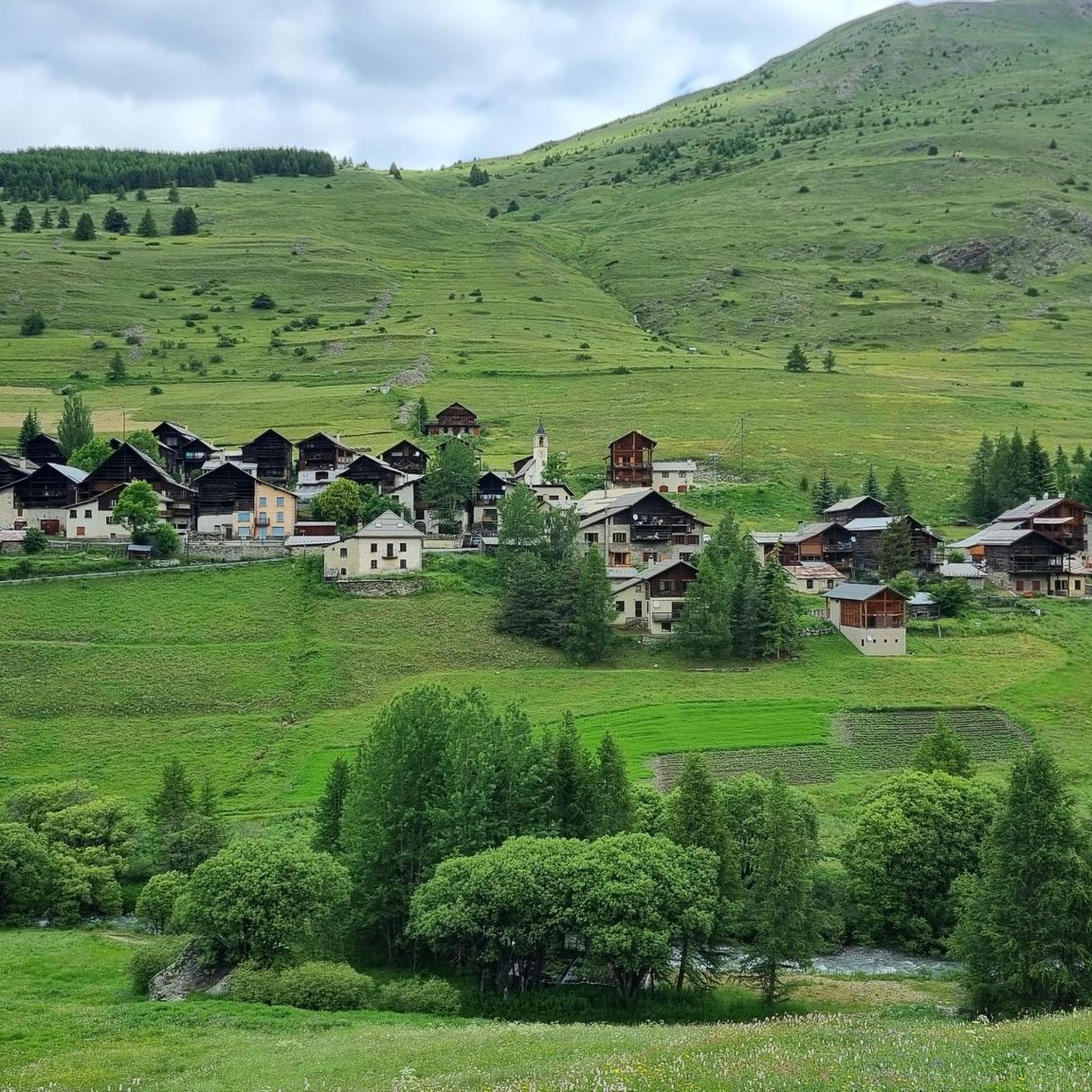
Running Trails around Molines-En-Queyras
Gravel biking around Molines-En-Queyras

Mountain Hikes around Molines-En-Queyras
Other adventures around Molines-En-Queyras


Tips from the Community

An almost fairytale passage, the Guil has carved the rock over millions of years.
14
0
Cycling through these gorges is a wonderful experience.
15
0

The Ruine Blanche ravine is a formation of gypsum that was deposited in the lagoons of the Alpine Ocean. The alpine ocean was a warm, shallow sea where corals lived (fossils from the Rochebrune massif in Arvieux). In the shallows swam ammonites (fossils from the pink marble quarry of Guillestre). In the lagoons were deposited gypsum (formation of the Ruine Blanche above the hamlet of Montbardon in Château-Ville-Vieille) and cargneules (Casse-déserte in Arvieux). Fossilized sea sands, wrinkled by the waves, still bear witness to a beach. The clay and limestone sediments deposited on the ocean floor were then transformed into shales by tectonic phenomena.
1
0

Vallone di Soustra is large and green. From here the high mountains on the sides don't seem so impossible to reach.
2
0


wonderful landscape at the foot of the Col dízoard.
2
0

Superb road along the Guil, difference in altitude 2 to 3% on average.
2
1

Great, beautiful landscape, some beautiful roads. More information: https://de.wikipedia.org/wiki/Guil
3
0
Frequently Asked Questions
What are the most notable gorges and ravines in the Molines-en-Queyras region?
The region around Molines-en-Queyras offers several impressive natural formations. Among them, the Gorges of the Guil are particularly renowned for their dramatic landscape and river-carved rock formations. Other significant spots include Vallone di Soustra, a large and green gorge with a path along the river, and the unique Ruine Blanche Ravine, known for its gypsum formations.
Are there opportunities for traditional canyoning activities near Molines-en-Queyras?
While Molines-en-Queyras itself is more known for hiking, traditional canyoning activities involving jumps, slides, and rappelling are primarily found slightly outside the immediate vicinity. The Durance valley, between Guillestre and Briançon, offers suitable and accessible canyons for these activities, such as the Canyon du Fournel and Rando-Aqua du Couleau.
Which canyons are suitable for beginners or families with children?
For beginners and families, the Canyon du Fournel near L'Argentière-la-Bessée is ideal. It offers natural slides, jumps, and rappels, with all obstacles bypassable. The Rando-Aqua du Couleau at St Clément sur Durance is also highly recommended for families with younger children (from 7 years old) or those seeking a gentle introduction to aquatic environments, involving walking and swimming through natural pools.
What kind of natural features can I expect to see in the gorges around Molines-en-Queyras?
The gorges and ravines in this area showcase diverse natural formations. You'll encounter dramatic river-carved rock formations, such as those in the Gorges of the Guil. The Ruine Blanche Ravine features unique gypsum deposits. Other areas like Vallone del Rui offer idyllic scenes with small stone huts, imposing peaks, and expanses of mountain flowers.
What whitewater sports are available in the Gorges du Guil?
The Guil river, which carves through the impressive Gorges du Guil, is excellent for whitewater sports. Visitors can enjoy activities like rafting and kayaking, with various courses adapted to different skill levels. The impetuous waters provide an exciting experience amidst majestic scenery.
What is the best time to visit the canyons and gorges in the Queyras region?
The best time to visit the canyons and gorges in the Queyras region generally depends on the activity. For whitewater sports and canyoning, late spring and summer (typically June to September) offer suitable water levels and warmer temperatures. The dramatic landscapes of the Gorges du Guil are impressive regardless of the season, but warmer months are ideal for outdoor activities.
Are there guided canyoning trips available in the Queyras region?
Yes, providers in the Guillestrois Queyras region offer guided canyoning trips. These guides ensure safety and adapt routes to current water levels, providing an enjoyable experience for participants of varying skill levels, including families and beginners.
What do visitors enjoy most about the Gorges of the Guil?
Visitors frequently praise the Gorges of the Guil for their majestic and austere beauty. Many find cycling through these gorges to be a wonderful experience, appreciating the almost fairytale passage where the Guil river has carved the rock over millions of years. The spectacular road layout through the gorge, also known as "Combe du Queyras," offers incredible landscapes.
What outdoor activities can I do near the canyons around Molines-en-Queyras?
Beyond exploring the gorges, the area around Molines-en-Queyras is a hub for various outdoor activities. You can find numerous hiking trails, including routes like the Molines-en-Queyras and Saint-Véran Loop. There are also excellent MTB trails and running routes, catering to different difficulty levels.
Can I find geological points of interest in the canyons of Molines-en-Queyras?
Absolutely. The Ruine Blanche Ravine is a prime example, formed from gypsum deposited in the lagoons of the ancient Alpine Ocean. This area provides insights into the geological history of the region, with evidence of ancient seas and tectonic activity that shaped the dramatic landscapes you see today.
Are there any gorges that offer opportunities for bivouac or extended exploration?
Yes, Vallone di Soustra is a large and green gorge where the path follows the river. Bivouac is possible at the top of the valley, offering a chance for extended exploration and an immersive experience in the high mountains.
Most popular routes around Molines-En-Queyras
Most popular attractions around Molines-En-Queyras

Get inspired with the komoot mobile app


Explore more
Already discovered everything in this region? See additional gorges around Molines-En-Queyras for your next adventure:
