Top 5 Waterfalls in Milan
Waterfalls in Milan are primarily man-made features within the city and its immediate surroundings, with natural cascades found in the wider Lombardy region. Milan, a major city in northern Italy, is characterized by its urban landscape and a network of canals. These locations offer unique water installations and accessible man-made waterfalls, providing opportunities to experience water features. Natural waterfalls near Milan Italy are accessible for those seeking outdoor exploration.
Best waterfalls in Milan
- The most popular waterfalls is Castelli Hydroelectric Plant Waterfalls, a man-made monument that utilizes water from an industrial canal to generate energy, resulting in impressive cascades. The power plant was built in 1946 on an older plant dating back to 1904.
- Another must-see spot is Waterfall on the Adda at Paderno d'Adda, a waterfall that can be admired along the Muzza cycle path. Traveling along the Adda river offers a refreshing experience for cyclists and nature enthusiasts.
- Visitors also love Small Waterfall of the Villoresi Canal, a waterfall that is part of an engineering masterpiece. This canal has become a natural oasis just a few kilometers from Milan, offering a quiet corner with tables and benches to relax.
- Milan is known for its man-made waterfalls and canal-fed cascades. These features showcase both engineering and the flow of water in an urban and semi-urban setting.
- The waterfalls in Milan are appreciated by the komoot community, with 26 photos shared and 49 upvotes across the highlights.
Last updated: May 18, 2026
The Guglielmo Castelli Power Plant Waterfalls
Highlight • Waterfall
Translated by Google •
Tip by

Waterfall on the Adda at Paderno d'Adda
Highlight • Waterfall
Translated by Google •
Tip by

Start today with a free account
Your next adventure awaits.
Login or Signup
Popular around Milan
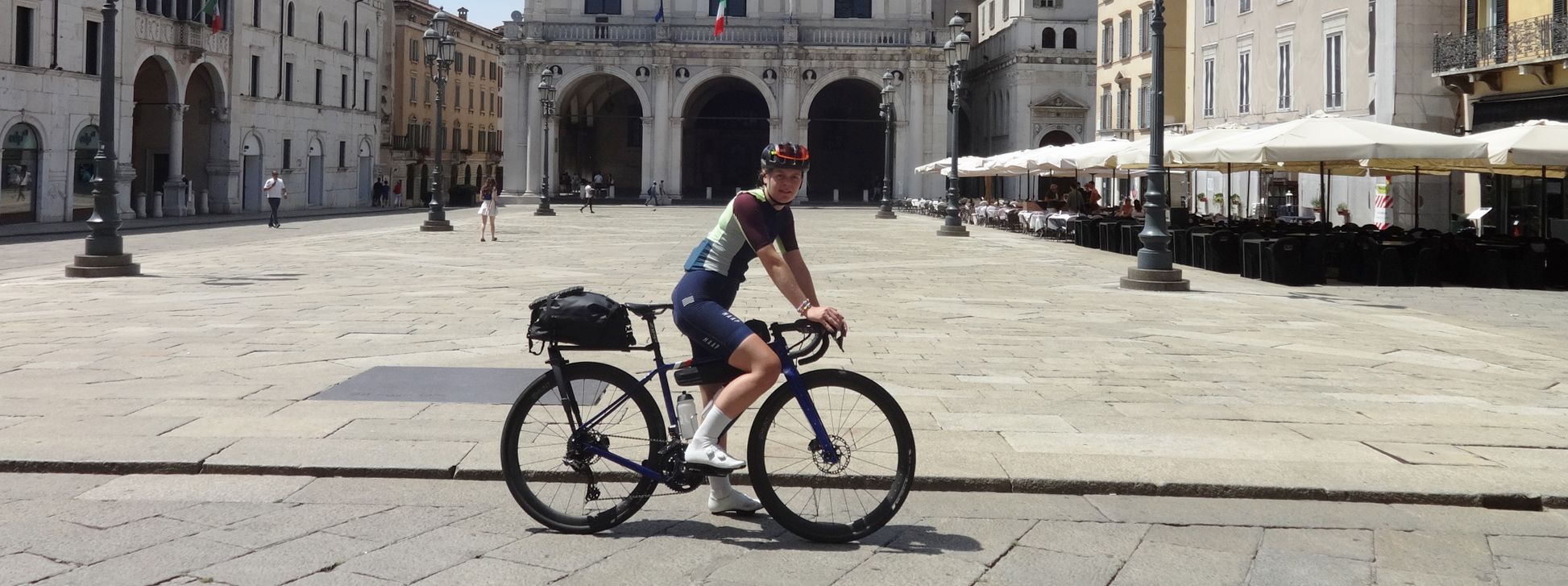
Lombardy by bike – discover historic villages and natural beauty
The Pizza Pilgrimage – Milan to Naples, fuelled by pizza
Pedal along water – loop from Milan to Lake Maggiore
Hike from Milan to the sea – Path of the Celts and Ligurians
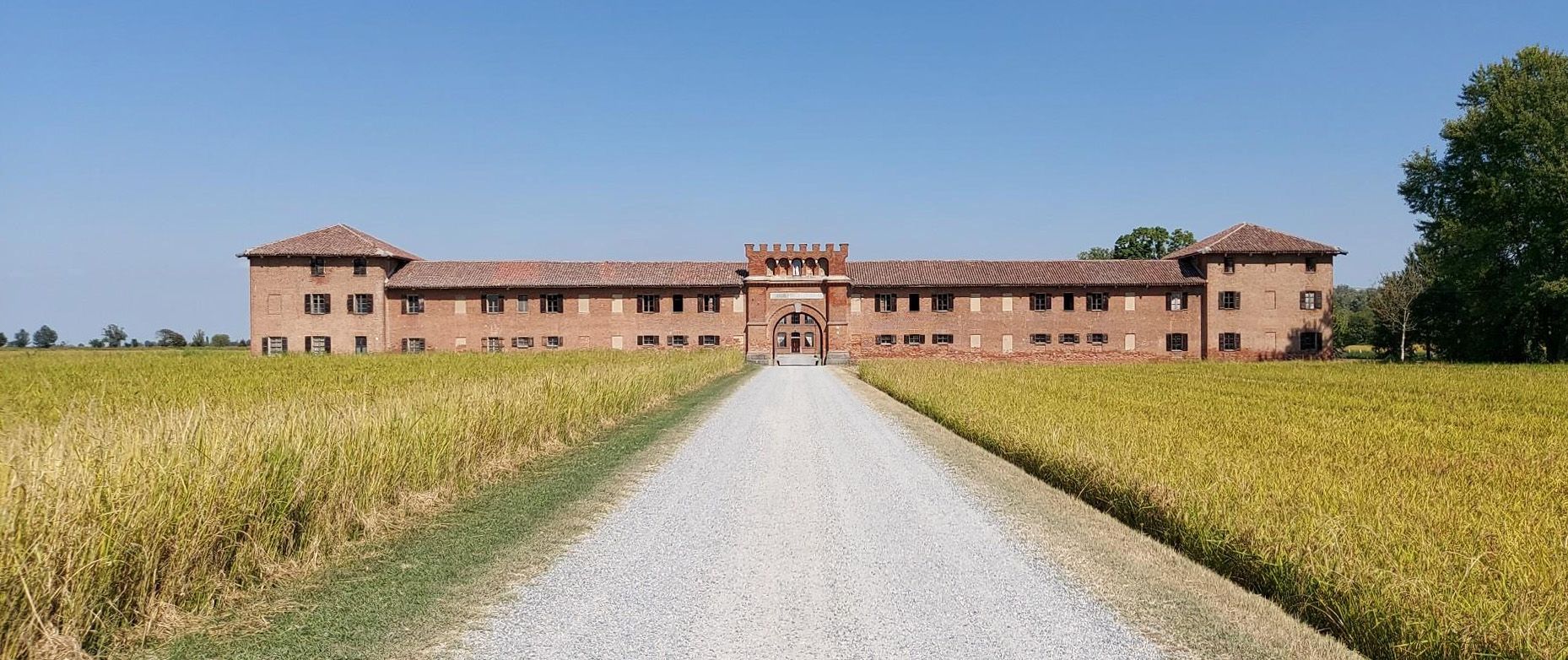
Away with the train – cycle paths within an hour of Milan
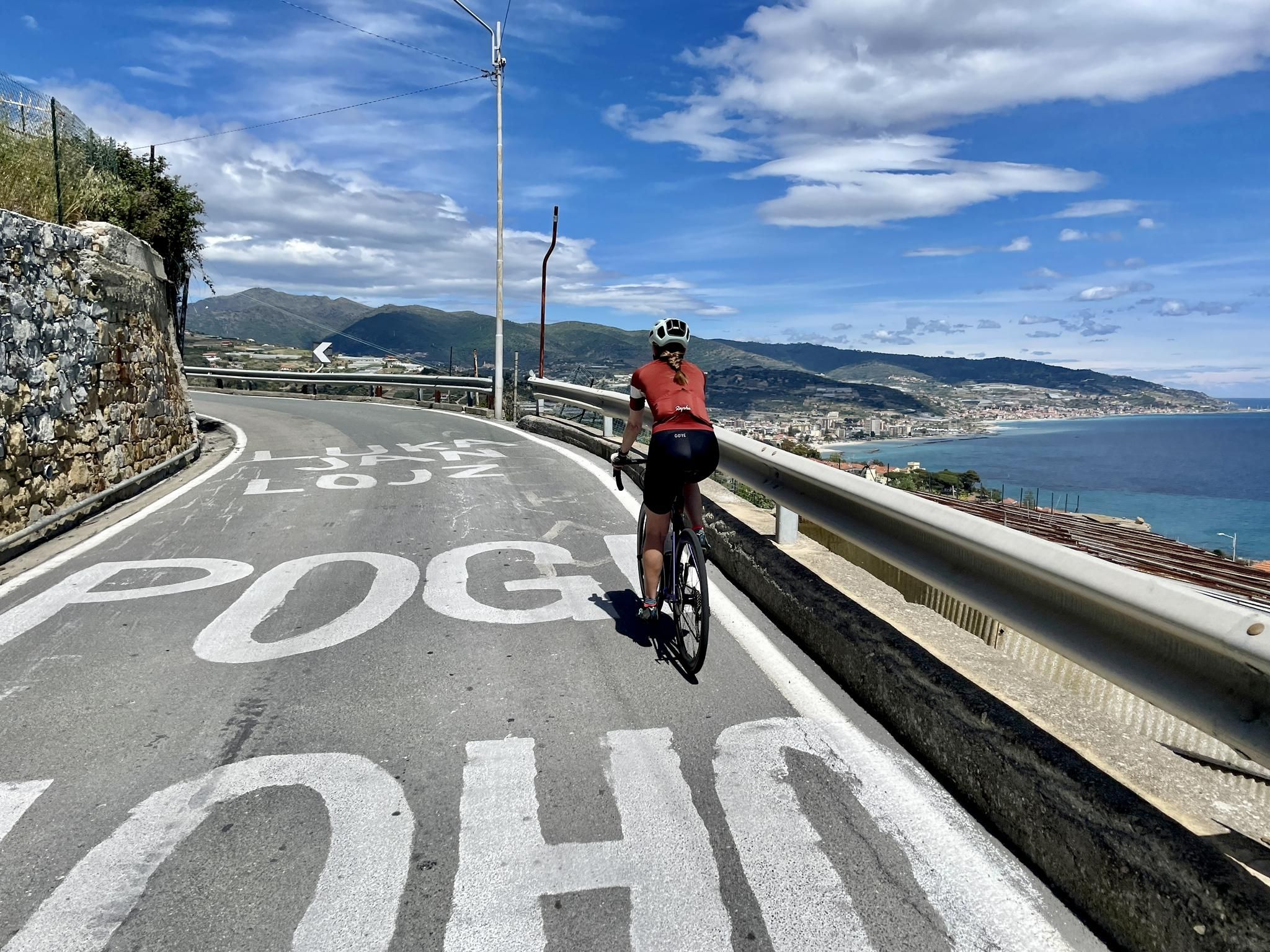
La Classicissima – cycling the Milan-San Remo
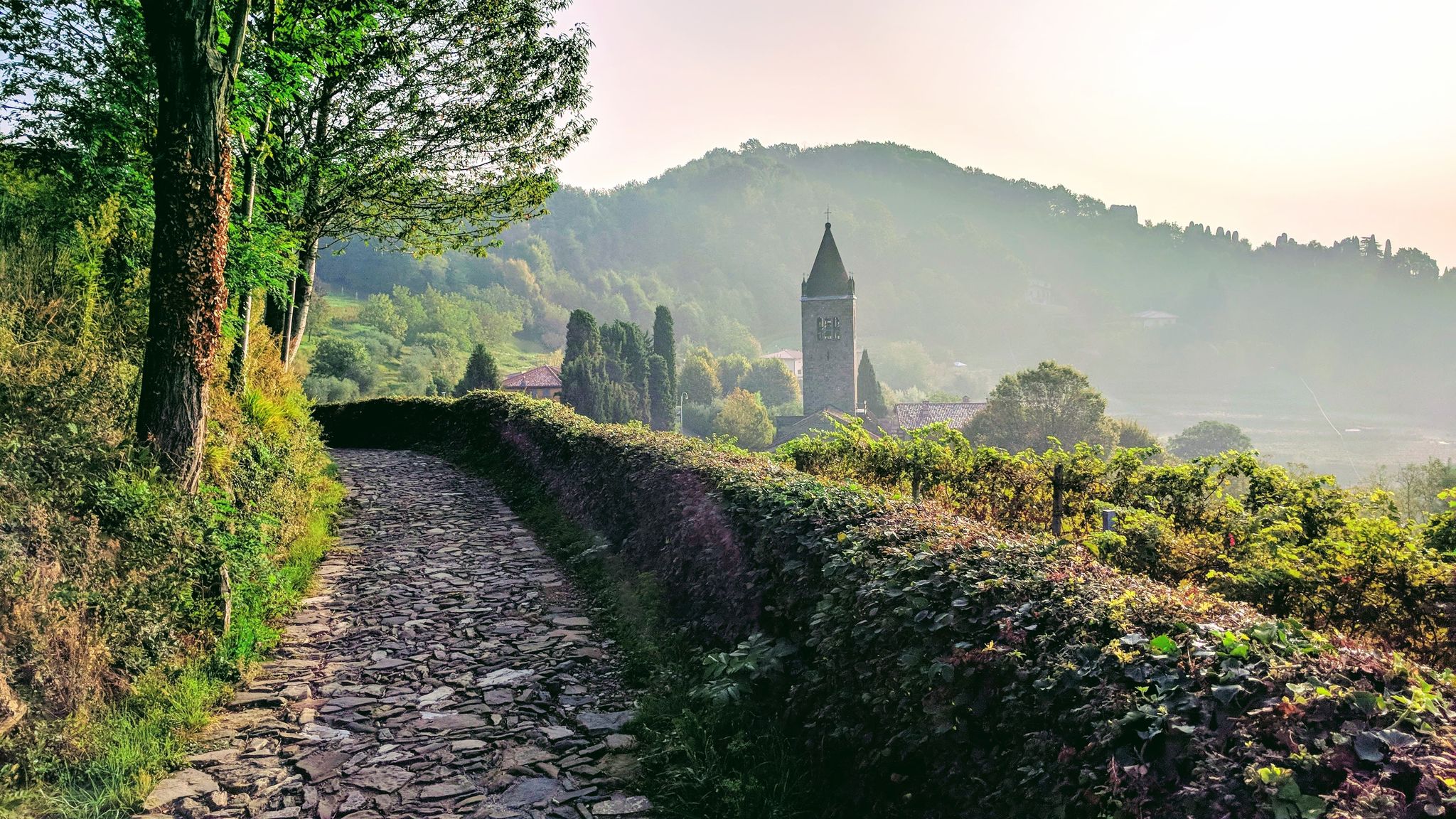
Away with the train – trekking an hour from Milan
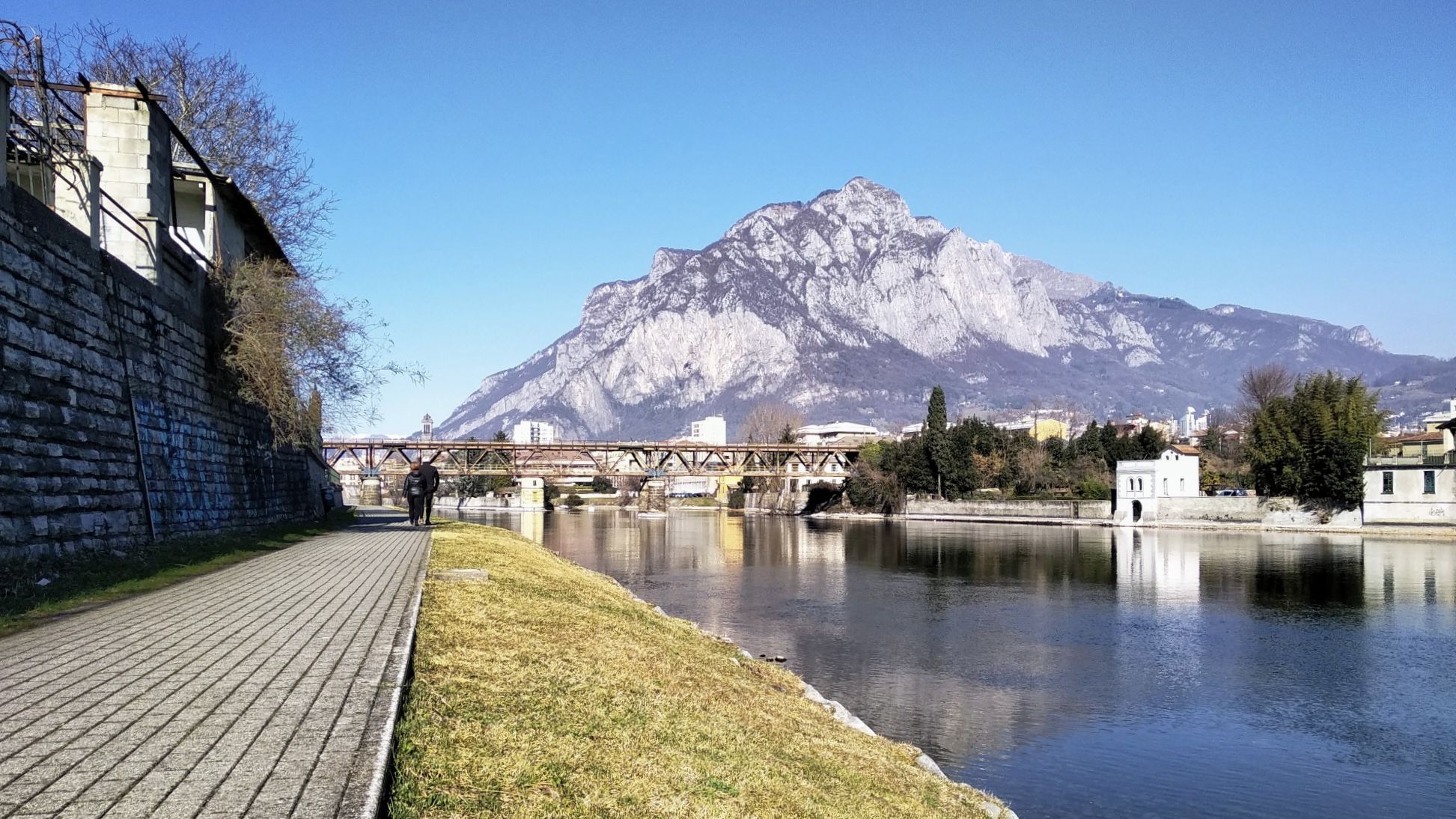
Lecco Pre-Alps to the Po Valley – Adda Cycle Route
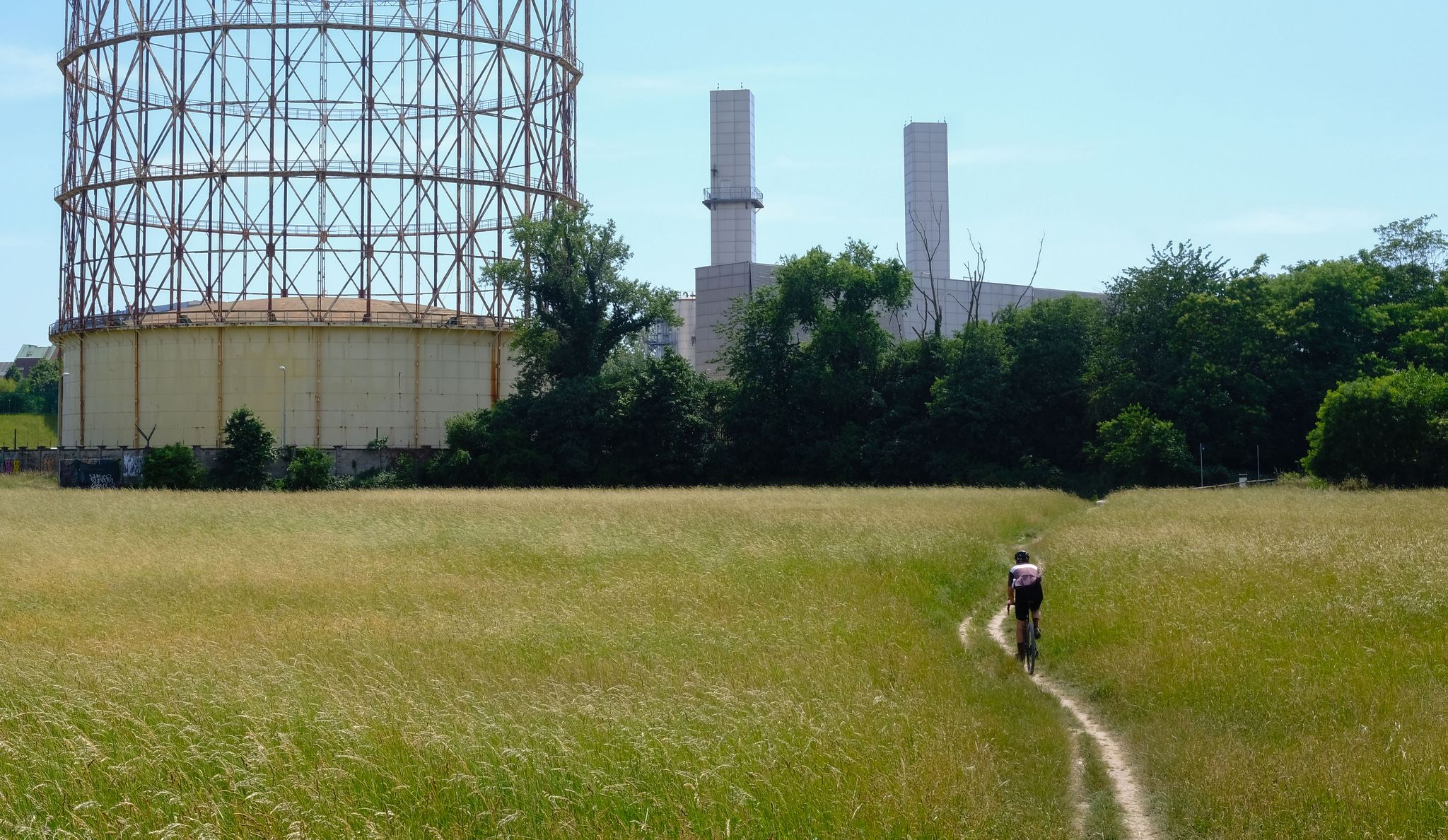
Escape from Milan – bike, mud, gravel and cows
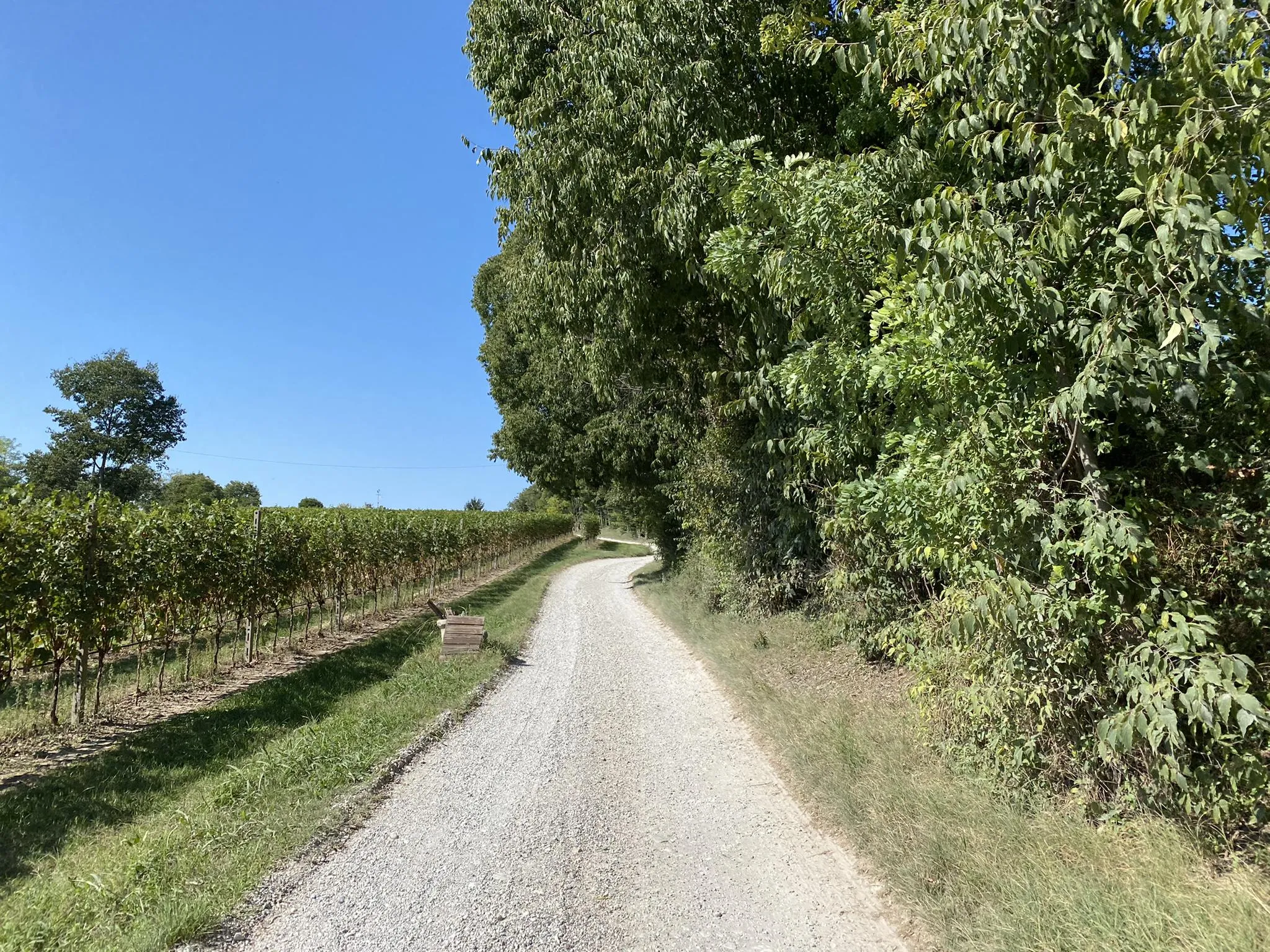
A bike Tour from Moncenisio to Verona – AIDA (western part)
Other adventures in Milan


Tips from the Community

Waterfall on the Adda near Crespi along the Muzza cycle path
1
0

Enel Turbigo power plant between Naviglio Grande and Regresso canal
0
0
Traveling along the river is always beautiful, in the heat it is even more so: you cool off
0
0

The power plant was built in 1946 on another plant dating back to 1904 and is named after the engineer Castelli.
2
0

One of the countless waterfalls that can be admired along the Adda cycle path
0
0

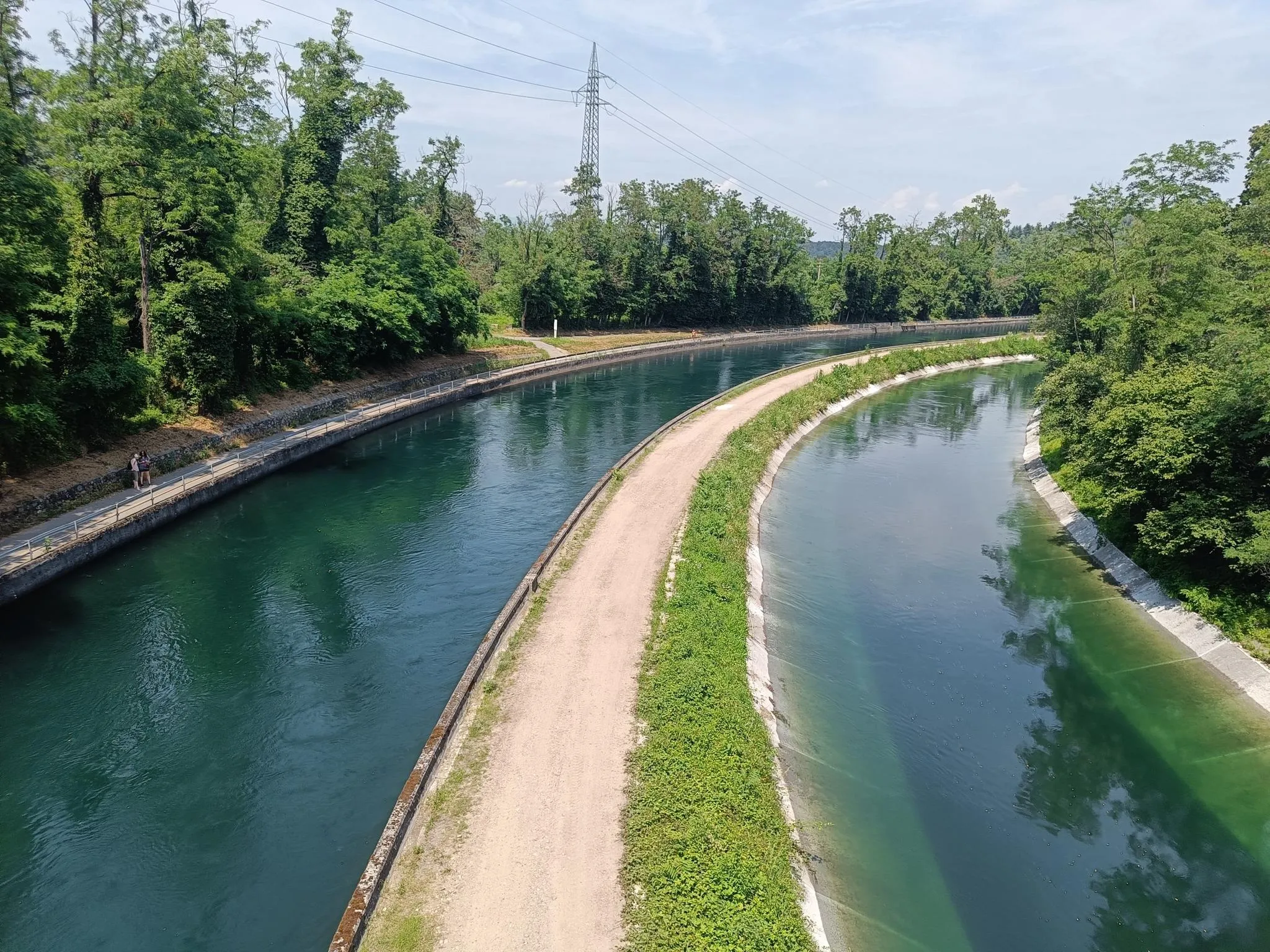
Connection Naviglio Grande and Canale Villoresi
2
0

The route of the industrial canal also ends in front of this plant. Going in the direction of the lake before the power plant, after the little slope there is a crossroads. Going left, keep the Naviglio (which is the route that follows the June bikenight from Milan to Arona) and the towpath becomes a dirt road, while turning right, you go towards the industrial canal in Nosate where you will find the little church.
0
0

Crossing point from Turbigo to Nosate
2
0
Frequently Asked Questions
What kind of waterfalls can I expect to find near Milan?
Milan itself features primarily man-made waterfalls and canal-fed cascades, showcasing engineering alongside the flow of water. However, the wider Lombardy region offers impressive natural waterfalls ideal for day trips.
Are there any natural waterfalls accessible from Milan?
Yes, while Milan's immediate vicinity features man-made cascades, the Lombardy region offers several natural waterfalls. Notable examples include the majestic Acquafraggia Waterfalls, the serene Cenghen Waterfall in the Grigna Valley, and the enchanting Val Vertova Waterfalls with their crystal-clear pools. Other options include the Pozze di Erve and the secluded Cascata di Ferrera.
Which waterfalls near Milan are suitable for families?
For a family-friendly experience, consider the Waterfall on the Adda at Paderno d'Adda, which can be admired along the Muzza cycle path. The Cascades of the Castella Power Plant are also noted as family-friendly. The Cenghen Waterfall, though further out, is known for its beginner-level hike and pet-friendly environment.
Can I reach any waterfalls near Milan using public transport?
Many of the waterfalls in the Lombardy region are best accessed by car. However, some locations like those along the Adda river, such as the Waterfall on the Adda at Paderno d'Adda, can be reached via cycling routes that are often accessible from train stations or bus stops in nearby towns. For specific public transport options, it's best to check routes to the closest towns to your chosen waterfall.
What outdoor activities can I do near these waterfalls?
The areas around these waterfalls offer various outdoor activities. You can enjoy cycling along paths like the Muzza cycle path near the Waterfall on the Adda at Paderno d'Adda, or explore the Canale Villoresi Waterfall and Cycle Path Crossing. The wider Milan region also provides numerous opportunities for cycling, gravel biking, and running on dedicated trails.
Are there any waterfalls where I can swim or bathe near Milan?
Yes, some natural waterfalls in the Lombardy region offer opportunities for swimming. The Acquafraggia Waterfalls feature natural pools where visitors can bathe during summer months. Similarly, the Val Vertova Waterfalls are known for their crystal-clear natural pools, and the Pozze di Erve are a popular summer destination for swimming in the cool waters of the Gallavesa torrent. The Cascata di Ferrera also has a swimmable pool.
What is the best time of year to visit waterfalls near Milan?
The best time to visit depends on the type of experience you seek. Spring and early summer (May-July) often provide the most powerful water flow due to snowmelt and rainfall, making the cascades particularly impressive. Summer (July-August) is ideal for those looking to swim in natural pools. Autumn (September-October) offers beautiful foliage, especially around natural waterfalls like Val Vertova, though water levels might be lower. Man-made waterfalls are generally accessible year-round.
What historical or engineering significance do some of these waterfalls have?
Many of Milan's waterfalls highlight significant engineering achievements. The Castelli Hydroelectric Plant Waterfalls, for instance, were built in 1946 to produce energy from the industrial canal's water. The Canale Villoresi Waterfall and Cycle Path Crossing is part of an engineering masterpiece that has transformed into a natural oasis. Even Leonardo da Vinci was captivated by the Acquafraggia Waterfalls, mentioning them in his *Codex Atlanticus*.
What do visitors enjoy most about the waterfalls in the Milan area?
Visitors appreciate the refreshing experience of traveling along rivers and canals, especially during warmer weather. The man-made waterfalls are admired for their blend of engineering and natural water flow. For natural waterfalls further afield, the serene settings, lush vegetation, and opportunities for hiking and swimming are highly valued.
Are there any hidden or less-known waterfalls near Milan?
The Cenghen Waterfall, often called the 'little pearl' of Lombardy, is considered a hidden gem offering a serene escape from crowded tourist routes. The Cascata di Ferrera is also described as a secluded, wild, and untouched natural oasis, providing a magical green sanctuary.
Are there any specific cycling routes that pass by waterfalls?
Yes, several cycling routes incorporate waterfalls. The Muzza cycle path allows you to admire the Waterfall on the Adda at Paderno d'Adda. The Canale Villoresi Waterfall and Cycle Path Crossing is directly part of the Villoresi cycle path. You can find more cycling options in the Cycling in Milan guide.
Most popular routes in Milan
Most popular attractions in Milan

Get inspired with the komoot mobile app


Explore more
Happy to travel a little further afield? Then browse these guides for the best waterfalls in Milan:
