Top 3 Caves around Subiaco
Best caves near Subiaco are found in a region of Italy's Lazio known for its historical significance and natural landscapes. The area is characterized by the Aniene River Valley and surrounding mountains, offering a mix of spiritual sites and natural geological formations. Subiaco is historically notable as the place where Saint Benedict of Norcia established early monastic life, with several caves holding religious importance.
Best caves around Subiaco
- The most popular caves is Sanctuary of Mentorella and Cave of Saint…
Last updated: October 4, 2026
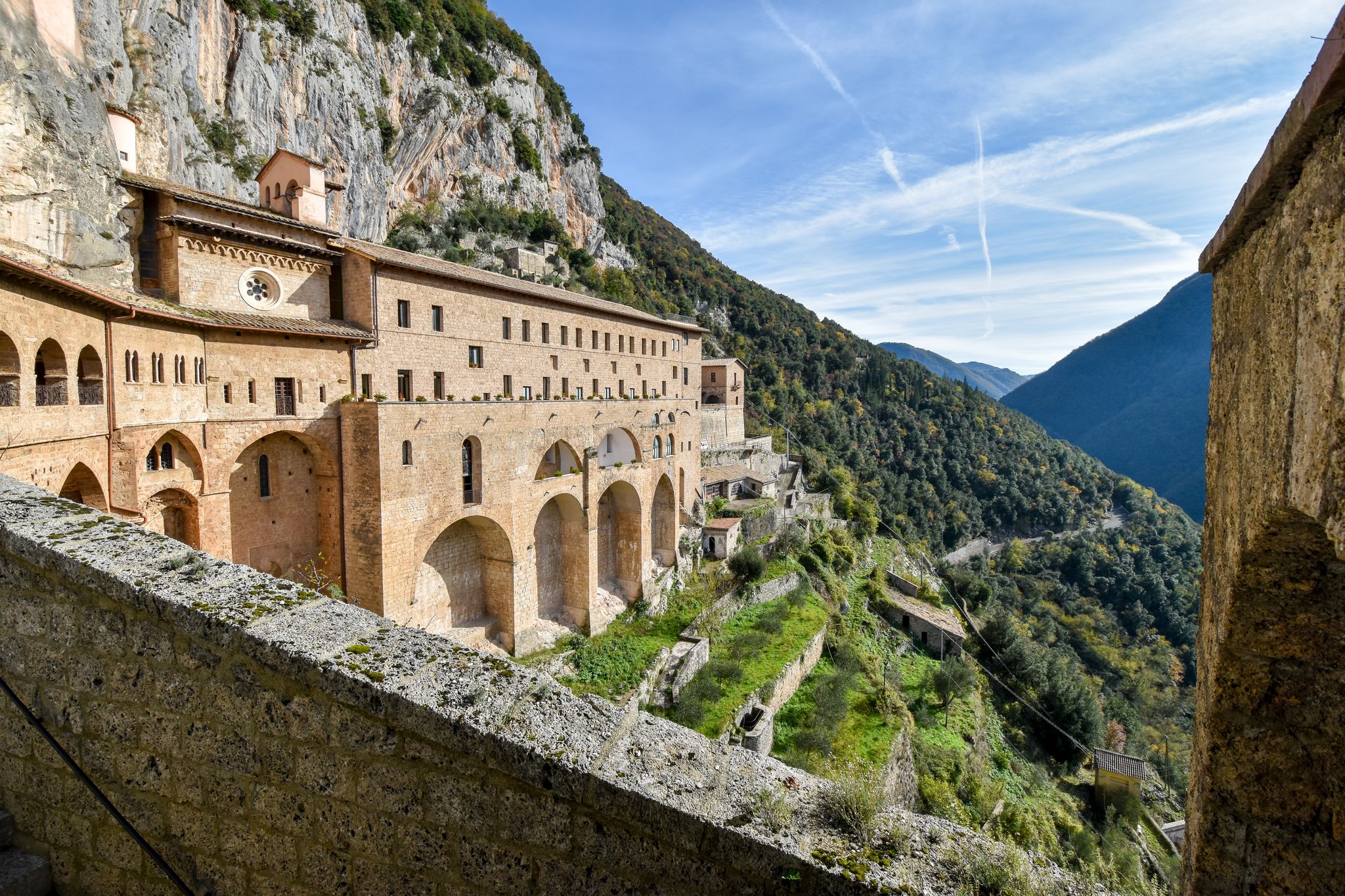
Monastery of Saint Benedict and Sacred Cave
Highlight • Religious Site
Translated by Google •
Tip by

Sanctuary of Mentorella and Cave of Saint Benedict
Highlight • Religious Site
Translated by Google •
Tip by

Sign up now to discover places like this
Get recommendations on the best single tracks, peaks, & plenty of other exciting outdoor places.
San Benedetto Cave
Highlight • Cave
Translated by Google •
Tip by

Hermitage of Blessed Lorenzo Loricato
Highlight • Religious Site
Translated by Google •
Tip by

Snow Pit
Highlight • Cave
Showing Translation
Tip by
Sign up for free to discover even more caves around Subiaco.
Already have an account?
Start today with a free account
Your next adventure awaits.
Popular around Subiaco
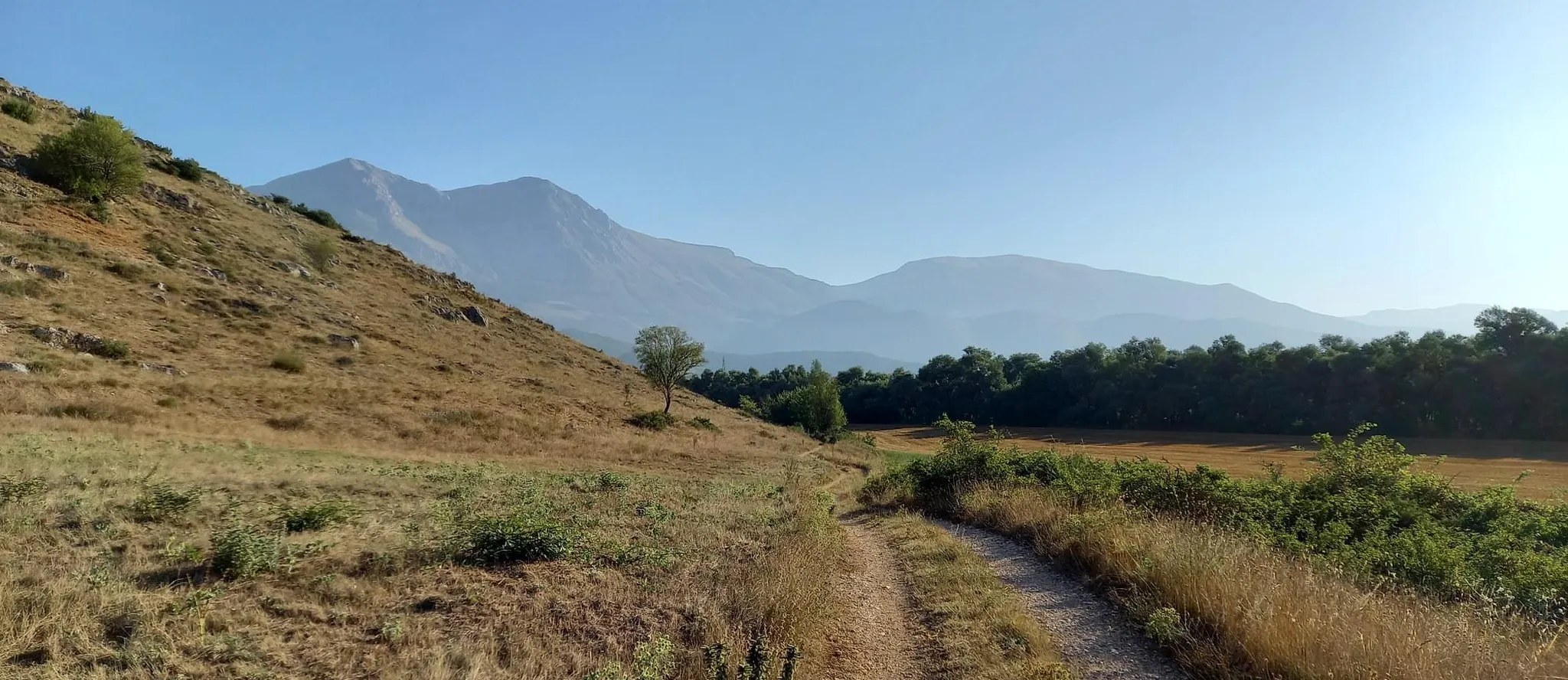
Hike from Rome to the Adriatic Sea – Way of St. Thomas
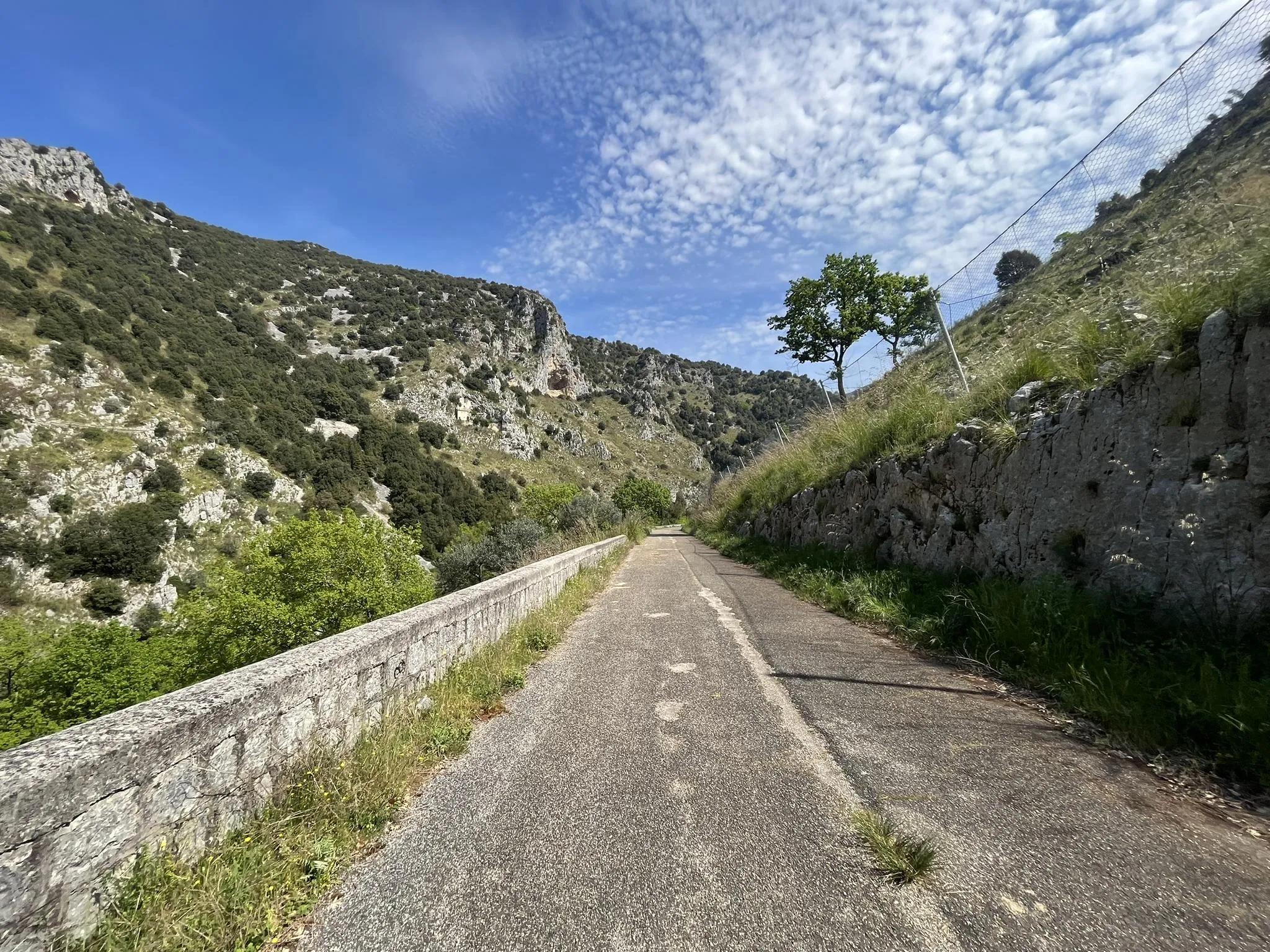
Between abbeys and quiet valleys – Saint Benedict's Way by bike
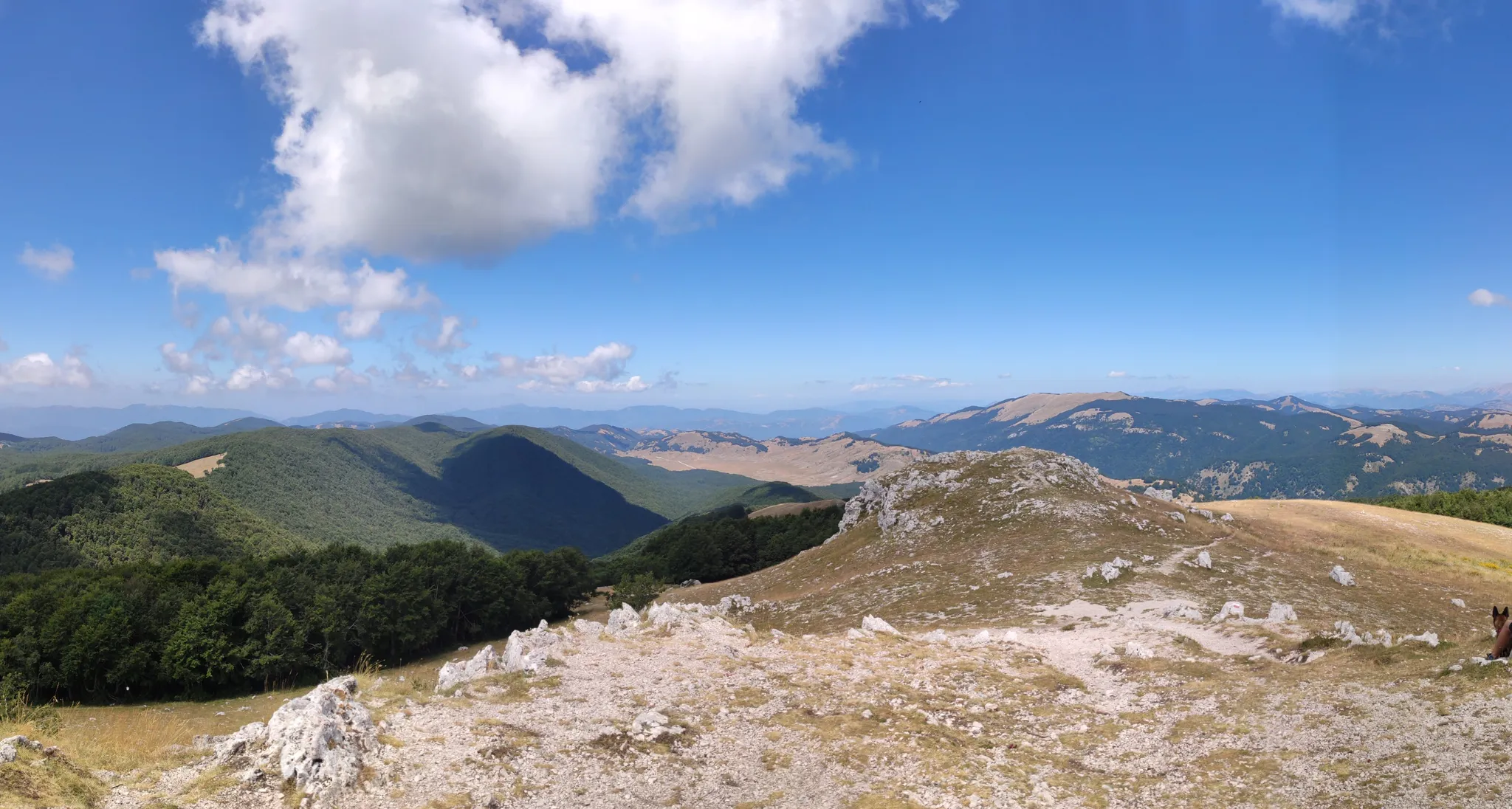
Cammino Naturale dei Parchi – Part 2 Livata to Corvaro
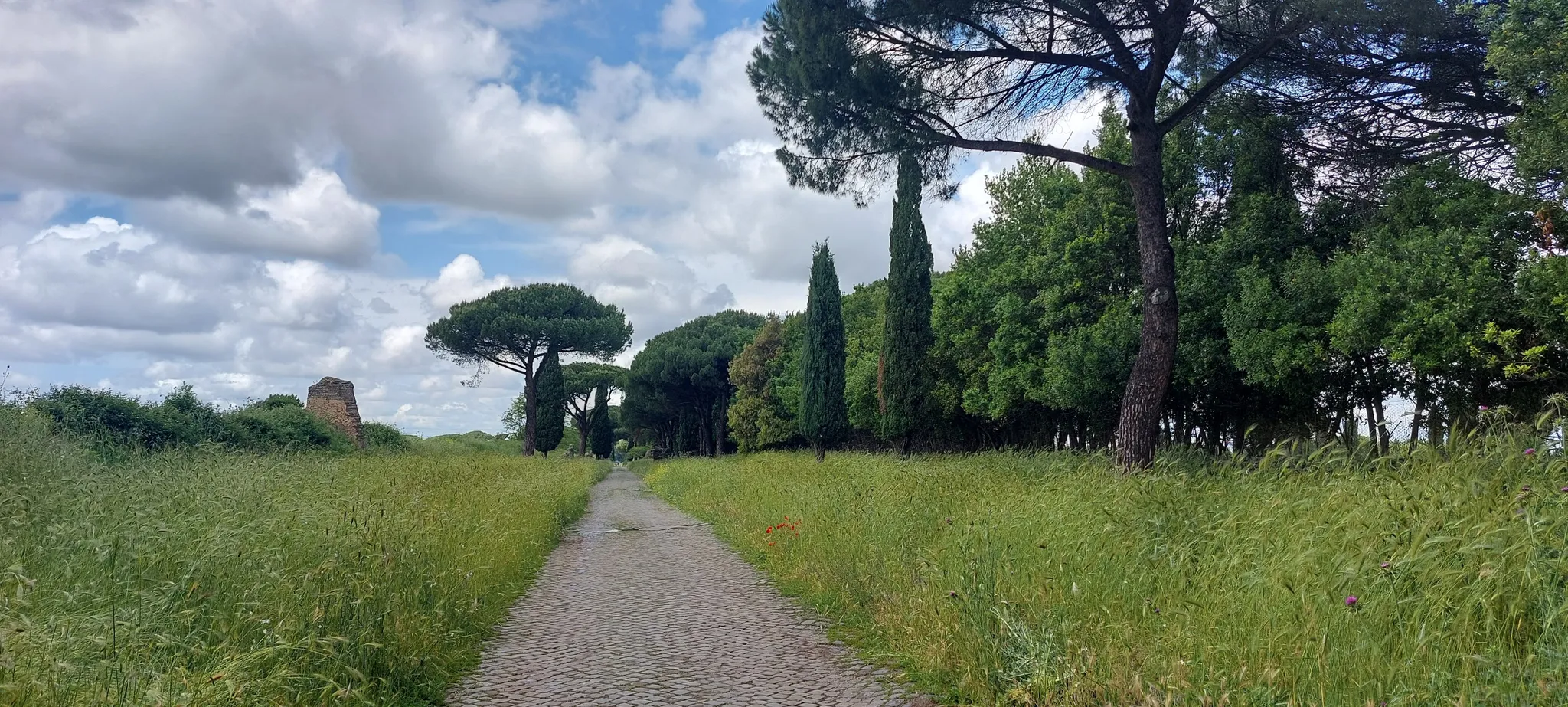
Cammino Naturale dei Parchi – Part 1 Rome to Livata
In the Footsteps of Saint Benedict - The Benedict Way
Hiking around Subiaco
Road Cycling Routes around Subiaco
Cycling around Subiaco
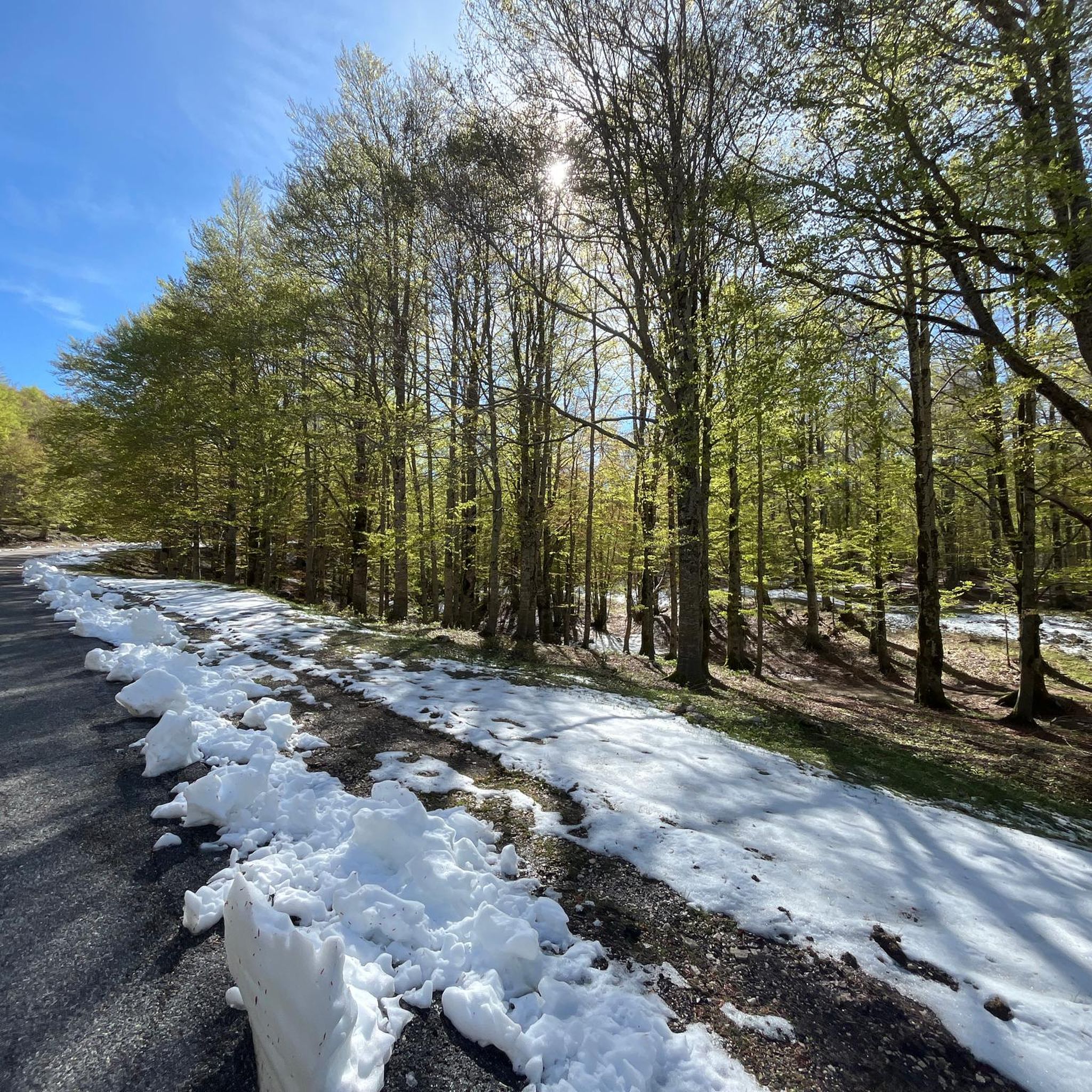
MTB Trails around Subiaco
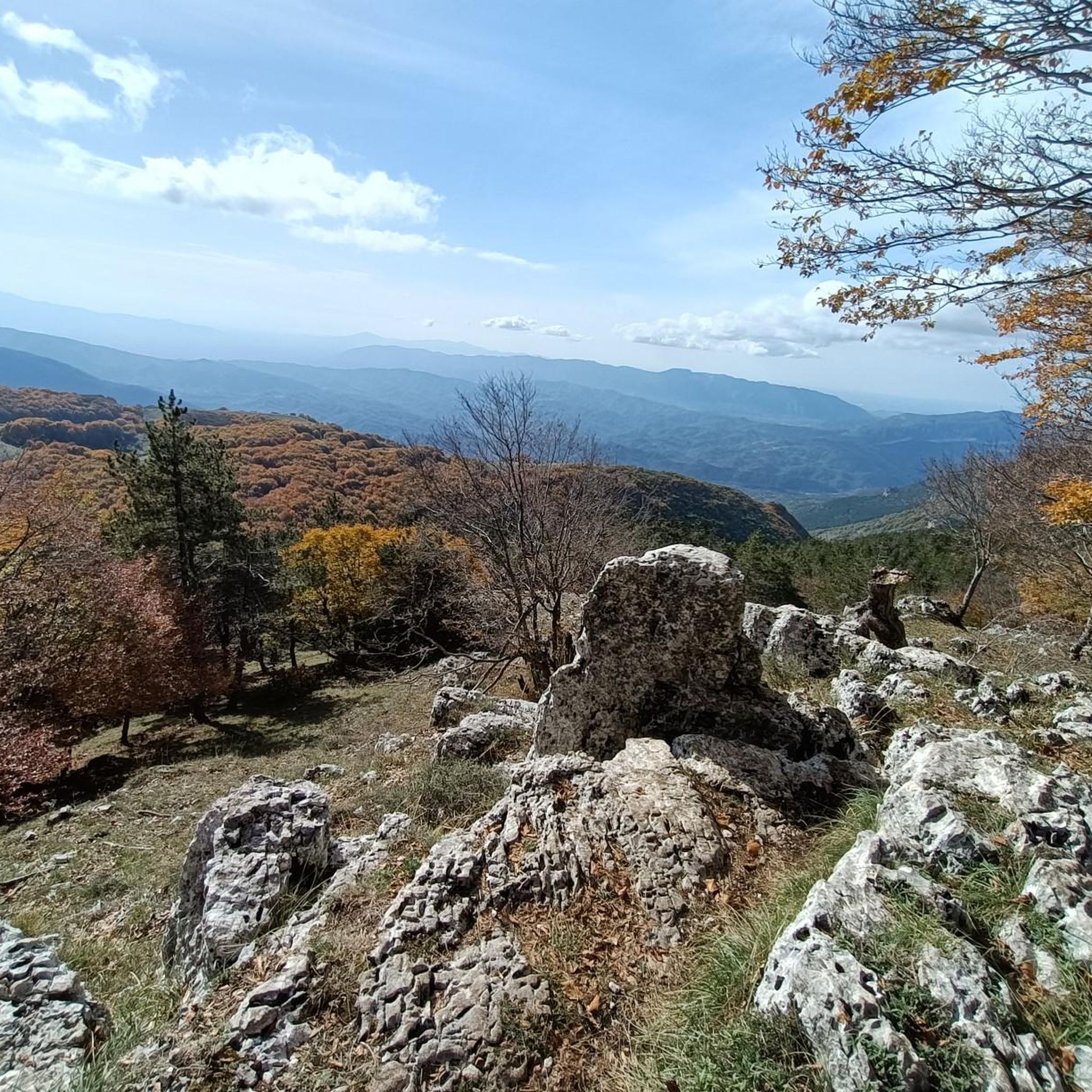
Running Trails around Subiaco
Other adventures around Subiaco


Tips from the Community

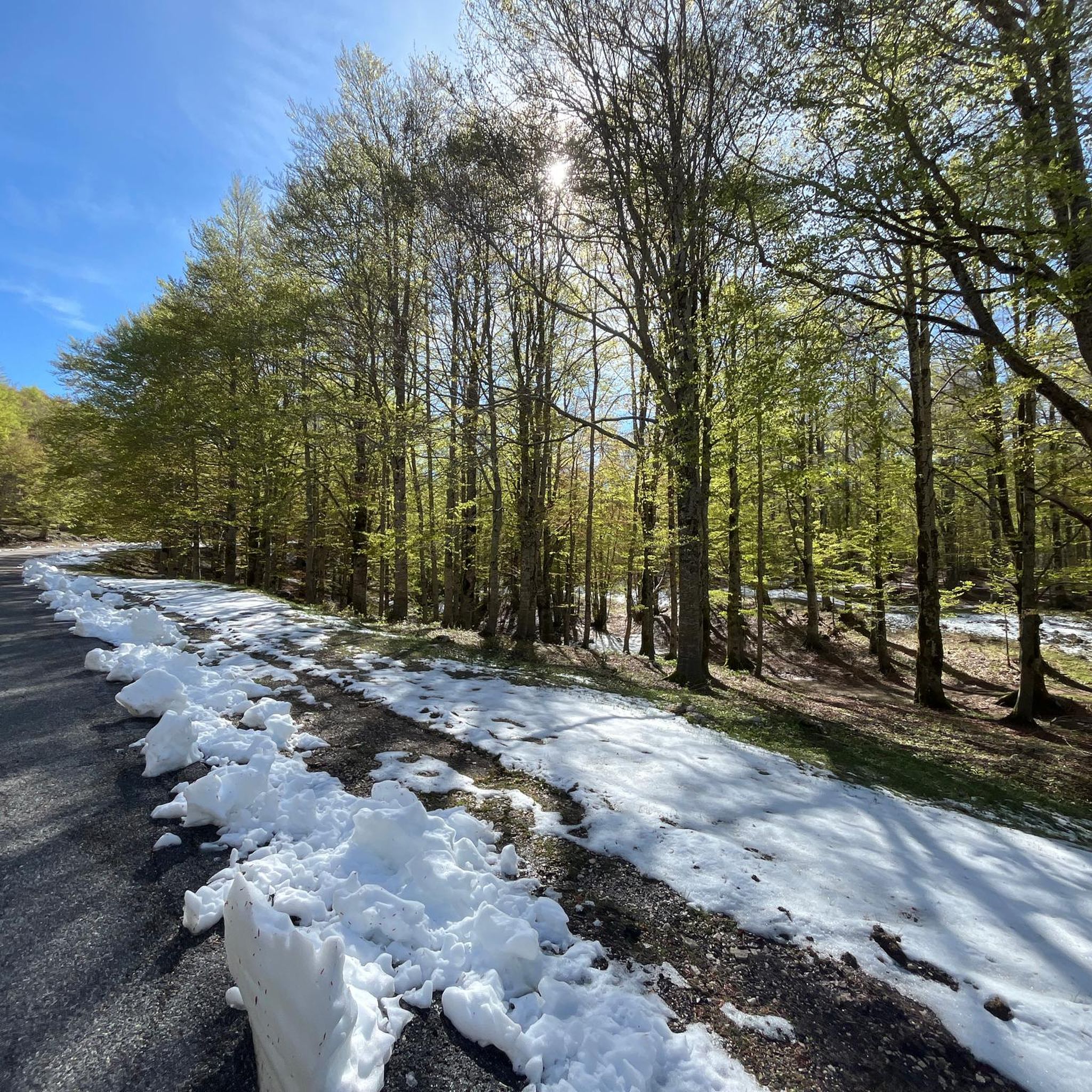
It is a natural cavity with perennial ice where the temperature remains around one degree. It is one of the very few places in the Apennines where there is still perennial ice. For centuries, until the mid-twentieth century, the ice was harvested and sold. It is in the Fondi di Jenne area, along the road to Monte Livata. Unfortunately, to descend, one would need to be equipped with ropes.
0
0

really really very tiring
0
0
This place is linked to the figure of the blessed Lorenzo Loricato, a hermit who lived between the 12th and 13th centuries, known for his life of penance and contemplation. After a pilgrimage to Santiago de Compostela and leaving his family, Lorenzo chose to retreat to this area, living in an inhospitable and isolated cave, where he devoted himself to fasting, prayer and penance, feeding on wild herbs. The hermitage consists of some cells dug into the rock, which still today bear witness to the presence of hermits and the desire for spiritual isolation. Over time, the place has become a destination for pilgrimages and of great interest for those who love the spirituality and nature of the Simbruini. The position of the hermitage, overlooking a rocky spur that dominates the Aniene valley, offers a suggestive panorama and an atmosphere of meditation. The hermitage can be reached via hiking trails that cross woods and landscapes typical of the Lazio Apennines.
0
0

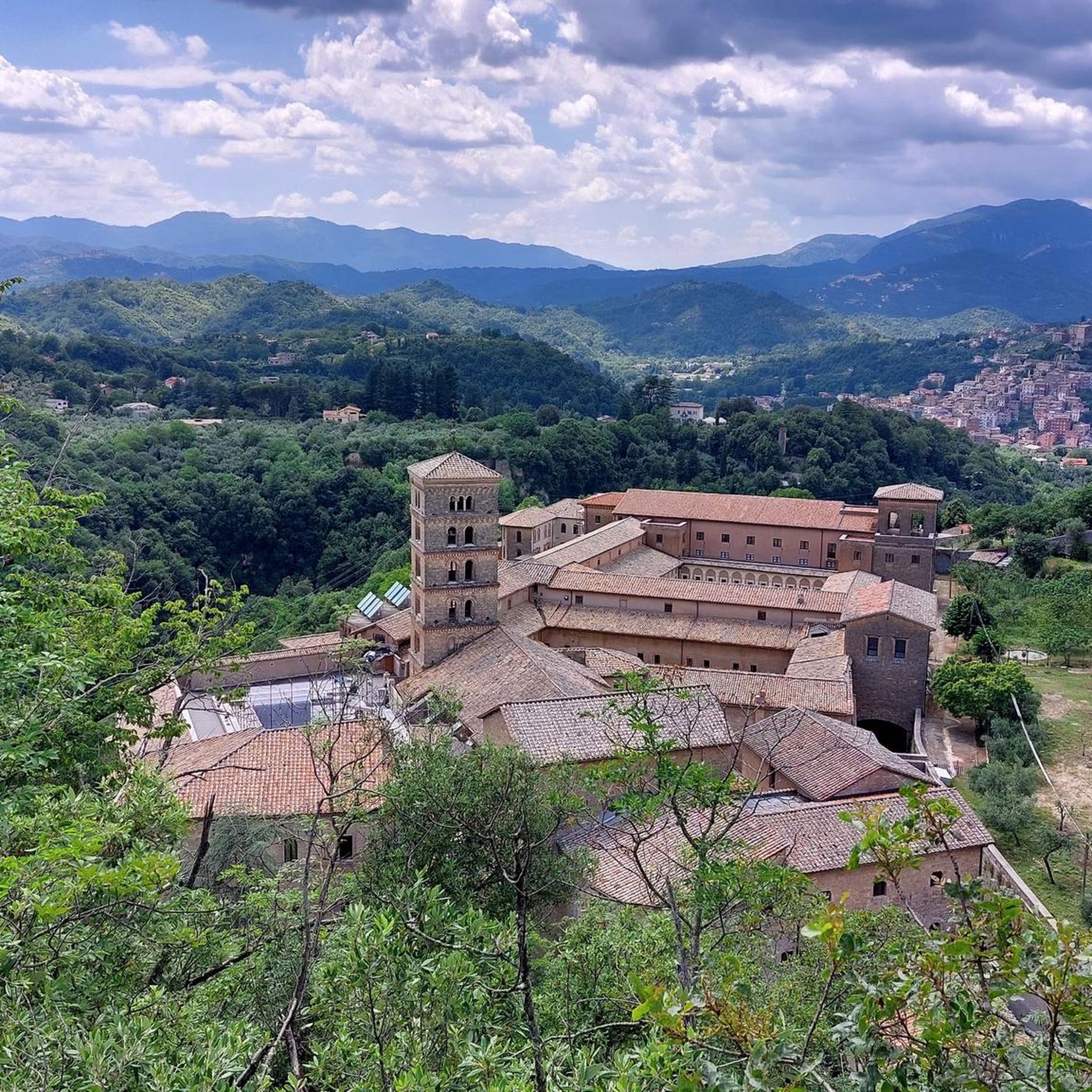
The Sanctuary of Mentorella is one of the oldest Marian sanctuaries in Europe. Inside the sanctuary there is the cave of San Benedetto, a truly special place: it is a tiny cave which is accessed via a very narrow gap in the rock. Right at the entrance there is a shrine with the bones of the friars. In the sanctuary there is also a small refuge that is always open, with bathrooms and tables.
4
1

The Monastery of San Benedetto is an important spiritual place, built almost a thousand years ago to guard the cave where the young Benedetto da Norcia spent his hermit life before dedicating himself to the cenobitic life. Even today, the Sacro Speco emanates the intense and courageous spiritual choice of the young Benedict, inspiring visitors.
2
2

Once at the Sanctuary it is worth looking out at the Grotta di San Benedetto. A small cave in the mountain at the entrance to which there is a case with the bones of some Benedictines.
2
0

This monastery was built about 1000 years ago, with the aim of guarding the cave in which Benedict of Norcia lived a hermit's life.
1
0

The Sanctuary of Mentorella – the most ancient in Italy – was founded thanks to Costanthine, the first Christian emperor, 1800 years ago
2
1
Frequently Asked Questions
What is the most historically and spiritually significant cave in Subiaco?
The most significant cave is the Sacro Speco, or Holy Cave, located within the Monastery of Saint Benedict. This revered site is where Saint Benedict of Norcia lived as a hermit, profoundly influencing Western monasticism. The monastery itself is carved into the rock face and features extraordinary frescoes, including what is believed to be the oldest portrait of Saint Francis of Assisi. You can find more information on the monastery's official page: Monastery of San Benedetto.
Are there adventurous caving experiences available near Subiaco?
Yes, for those seeking adventure, the 'Grotta Segreta' (Secret Cave) of Subiaco offers a thrilling experience. This 3.5-hour excursion involves navigating underground chambers, narrow passages, and includes activities like zip-lining and abseiling. It's an opportunity to explore unique geological formations and even a 'Bat Chamber' and chambers with cave paintings.
What kind of natural geological features can I expect to see in the caves around Subiaco?
The region's caves showcase diverse geological formations. For instance, the Grotta dell'Arco, located in the Aniene Valley, features a natural stone arch at its entrance, impressive stalactites, stalagmites, and natural sculptures. It also has an underground stream forming clear pools and large chambers like the 'cyclopean' salon. Another unique feature is the Snow Pit, a natural cavity with perennial ice, maintaining temperatures around one degree year-round.
Are any caves around Subiaco accessible for people with disabilities?
Yes, the Grotta dell'Arco in the Aniene Valley offers accessibility options. About half a kilometer of its one-kilometer length is accessible even for disabled visitors, making it a good option for a wider range of visitors to experience its natural beauty.
Are there family-friendly caves around Subiaco?
The Grotta dell'Arco offers both a touristic and a speleo-trail, making its touristic path suitable for families. The Monastery of Saint Benedict and Sacred Cave also provides a fascinating historical and spiritual experience that can be enjoyed by families, though it's less about physical caving and more about cultural exploration.
What other spiritual caves or hermitages can be found in the Subiaco area?
Beyond the Sacro Speco, you can visit the Sanctuary of Mentorella and Cave of Saint Benedict, one of Europe's oldest Marian sanctuaries, which houses a tiny cave accessed via a narrow rock gap. Another site is the Hermitage of Blessed Lorenzo Loricato, consisting of cells dug into the rock, offering a glimpse into the life of a 12th-century hermit and providing a meditative atmosphere with panoramic views of the Aniene valley.
What outdoor activities can I do near the caves in Subiaco?
The Subiaco region offers a variety of outdoor activities. You can find numerous road cycling routes, such as the 'Subiaco and Lake Turano Loop' or the 'Monti Simbruini Park Loop'. There are also traffic-free bike rides and gravel biking options, including routes like 'Monte Autore Viewpoints' or the 'Old Mill of Jenne – Aniene Valley loop'. For more details on these routes, explore the Road Cycling Routes around Subiaco, Traffic-free bike rides around Subiaco, and Gravel biking around Subiaco guides.
What kind of historical art or ancient evidence can be found in the caves?
The Monastery of Saint Benedict and Sacred Cave is renowned for its extraordinary collection of frescoes dating from the 8th to the 17th centuries, including the oldest known portrait of Saint Francis of Assisi. Additionally, the Grotta dell'Arco features rock paintings, testifying to its multi-millennial history, and the Grotta Segreta also contains chambers with cave paintings.
What should I wear when visiting caves in the Subiaco region?
For spiritual or touristic caves like the Sacro Speco or the accessible parts of Grotta dell'Arco, comfortable walking shoes and layers of clothing are advisable as cave temperatures can be cooler than outside. For adventurous caving experiences like the Grotta Segreta or challenging sites like the Snow Pit, specialized gear, including helmets, headlamps, and appropriate protective clothing, would be necessary. Always check with tour operators for specific gear requirements for adventure caving.
How long does it typically take to explore the caves?
The duration varies significantly by cave. The adventurous 'Grotta Segreta' excursion typically takes about 3.5 hours. For the Grotta dell'Arco, you can explore its accessible sections, which are about half a kilometer long, at your own pace. Visiting the Monastery of Saint Benedict and Sacred Cave can take anywhere from 1 to 2 hours, depending on how much time you wish to spend admiring the frescoes and soaking in the spiritual atmosphere.
Is there a cave with perennial ice near Subiaco?
Yes, the Snow Pit (Pozzo del Gelo) is a natural cavity located in the Fondi di Jenne area, along the road to Monte Livata. It is one of the very few places in the Apennines where perennial ice still exists, with temperatures remaining around one degree Celsius. Descending into it requires specialized equipment like ropes.
Most popular routes around Subiaco
Most popular attractions around Subiaco

Get inspired with the komoot mobile app


Explore more
Extend your search for the best caves by checking out these guides of the top ones around Subiaco:
