Top 4 Caves around Rocca Canterano
Best caves around Rocca Canterano are found in a region characterized by its medieval villages and natural rock formations. The area's caves are primarily significant for their historical and religious connections, often integrating natural grottoes into ancient structures. These sites offer insights into early monastic life and served as historical shelters. The landscape provides a unique blend of cultural heritage and natural exploration.
Best caves around Rocca Canterano
- The most popular caves is Sanctuary of Mentorella and Cave of Saint…
Last updated: May 3, 2026
Monastery of Saint Benedict and Sacred Cave
Highlight • Religious Site
Translated by Google •
Tip by

Sanctuary of Mentorella and Cave of Saint Benedict
Highlight • Religious Site
Translated by Google •
Tip by

Sign up now to discover places like this
Get recommendations on the best single tracks, peaks, & plenty of other exciting outdoor places.
Sign up for free
San Benedetto Cave
Highlight • Cave
Translated by Google •
Tip by

Benedictine Hermitages of San Cosimato
Highlight • Historical Site
Translated by Google •
Tip by

Hermitage of Blessed Lorenzo Loricato
Highlight • Religious Site
Translated by Google •
Tip by
Start today with a free account
Your next adventure awaits.
Login or Signup

Tips from the Community

really really very tiring
0
0

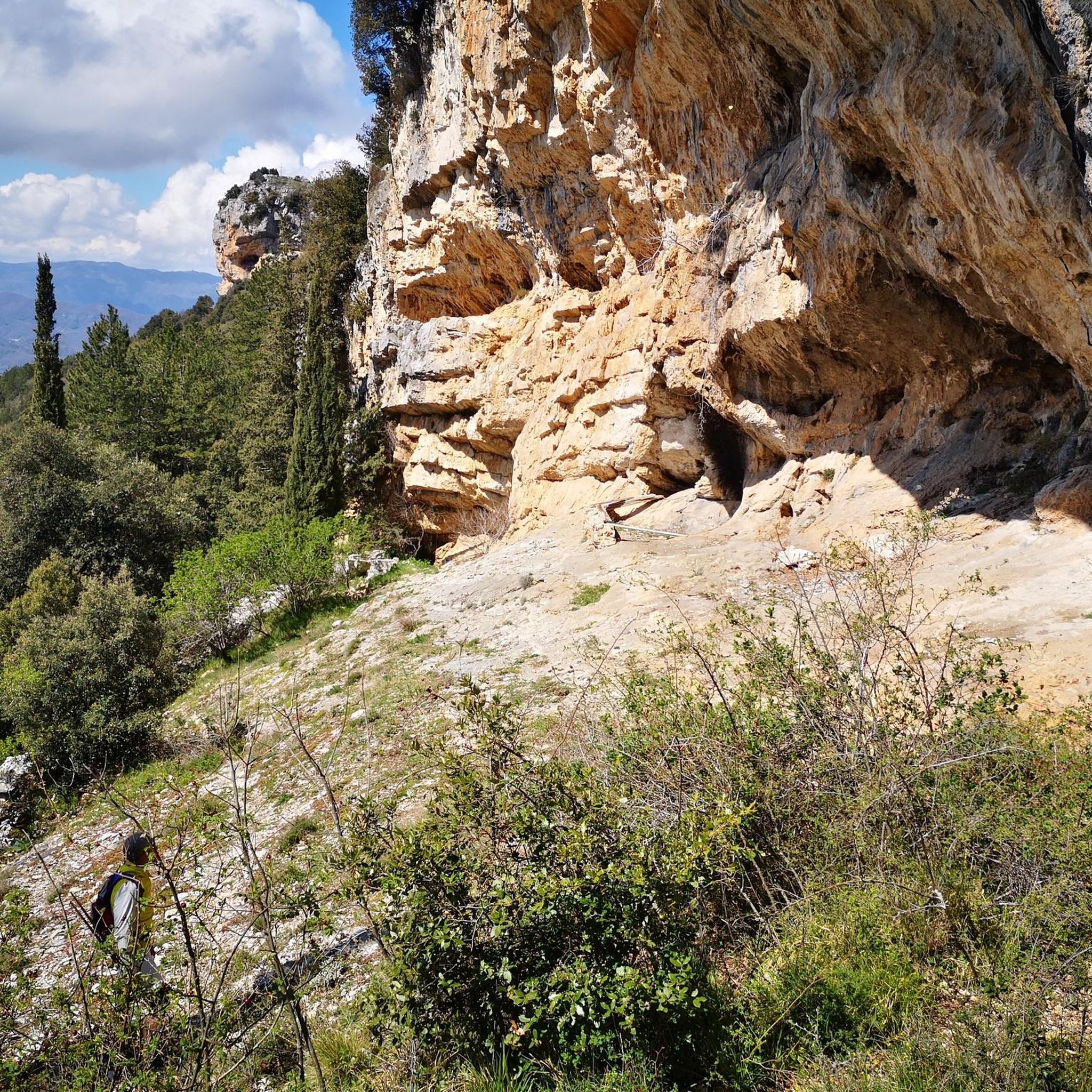
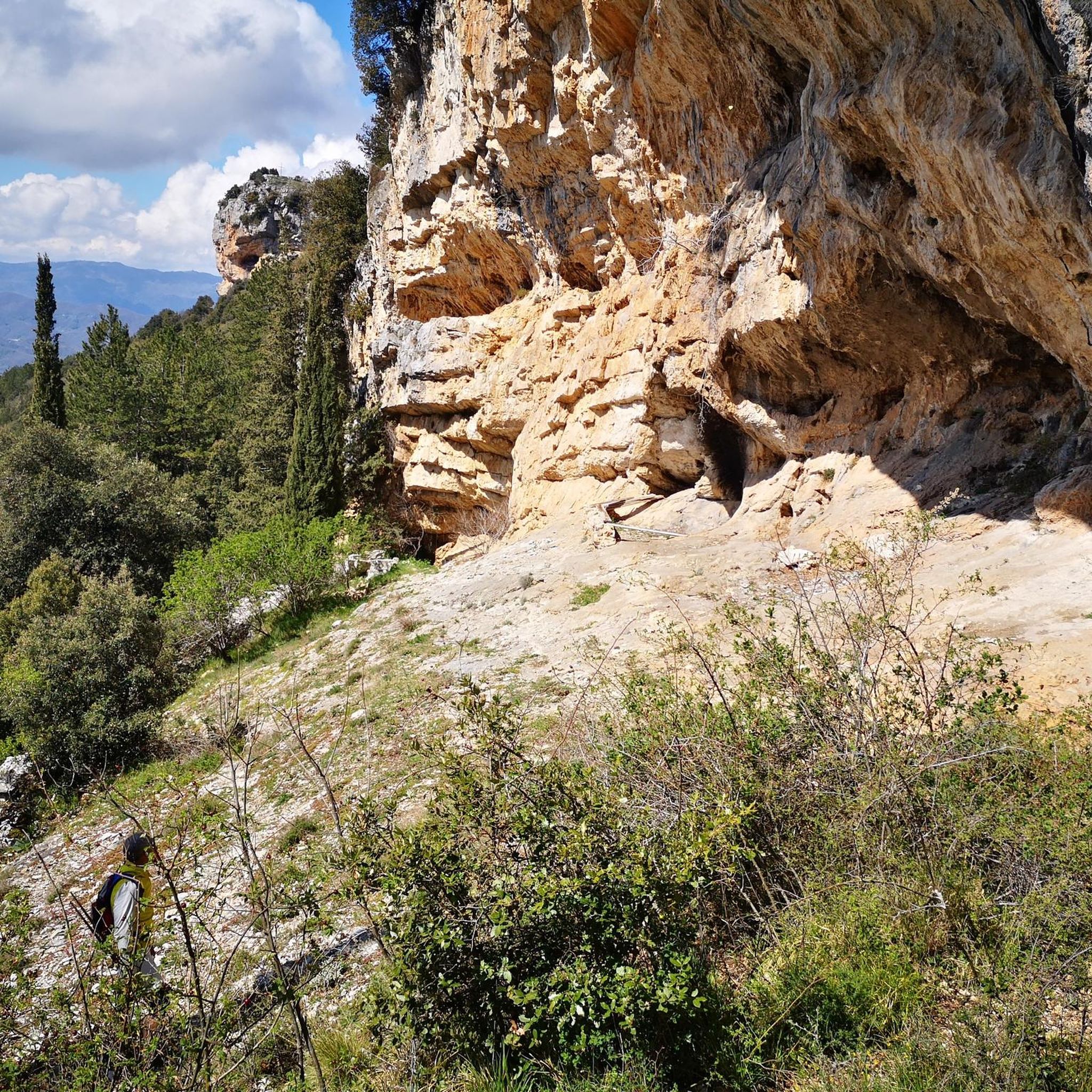
This place is linked to the figure of the blessed Lorenzo Loricato, a hermit who lived between the 12th and 13th centuries, known for his life of penance and contemplation. After a pilgrimage to Santiago de Compostela and leaving his family, Lorenzo chose to retreat to this area, living in an inhospitable and isolated cave, where he devoted himself to fasting, prayer and penance, feeding on wild herbs. The hermitage consists of some cells dug into the rock, which still today bear witness to the presence of hermits and the desire for spiritual isolation. Over time, the place has become a destination for pilgrimages and of great interest for those who love the spirituality and nature of the Simbruini. The position of the hermitage, overlooking a rocky spur that dominates the Aniene valley, offers a suggestive panorama and an atmosphere of meditation. The hermitage can be reached via hiking trails that cross woods and landscapes typical of the Lazio Apennines.
0
0
A unique historical and spiritual complex, carved into the rock along the walls of the Aniene valley. These hermitages are linked to the figure of Saint Benedict of Norcia, who stayed there briefly in 503. During his time at San Cosimato, it is said that the monks attempted to poison him, but the vessel containing the poison miraculously shattered when Benedict blessed it with the sign of the cross. The caves, accessible via a staircase carved into the rock, include a rock chapel dedicated to Saint Michael the Archangel, rich in frescoes, and an ossuary. The convent above, built later by Benedictine monks, was dedicated to the saintly doctors Cosma and Damiano. This place combines history, art and spirituality in a suggestive naturalistic context.
0
0

The Sanctuary of Mentorella is one of the oldest Marian sanctuaries in Europe. Inside the sanctuary there is the cave of San Benedetto, a truly special place: it is a tiny cave which is accessed via a very narrow gap in the rock. Right at the entrance there is a shrine with the bones of the friars. In the sanctuary there is also a small refuge that is always open, with bathrooms and tables.
4
1

The Monastery of San Benedetto is an important spiritual place, built almost a thousand years ago to guard the cave where the young Benedetto da Norcia spent his hermit life before dedicating himself to the cenobitic life. Even today, the Sacro Speco emanates the intense and courageous spiritual choice of the young Benedict, inspiring visitors.
2
2

Once at the Sanctuary it is worth looking out at the Grotta di San Benedetto. A small cave in the mountain at the entrance to which there is a case with the bones of some Benedictines.
2
0

This monastery was built about 1000 years ago, with the aim of guarding the cave in which Benedict of Norcia lived a hermit's life.
1
0

The Sanctuary of Mentorella – the most ancient in Italy – was founded thanks to Costanthine, the first Christian emperor, 1800 years ago
2
1
Frequently Asked Questions
What is the historical and religious significance of the caves around Rocca Canterano?
The caves in this region are deeply intertwined with history and spirituality, particularly with Saint Benedict of Nursia. Many are natural grottoes integrated into ancient religious structures, serving as hermitages, places of worship, and historical shelters. They offer a unique glimpse into early monastic life and local heritage.
Which caves feature significant historical frescoes and monastic history?
The Monastery of Saint Benedict and Sacred Cave (Sacro Speco) near Subiaco is a prime example. Built directly into a rock face, it preserves the original cave where Saint Benedict lived as a hermit. Its interior is adorned with extensive frescoes from the 8th, 13th, and 14th centuries, illustrating biblical scenes and the life of Saint Benedict.
What makes the Cave of Saint Benedict at the Sanctuary of Mentorella unique?
The Sanctuary of Mentorella and Cave of Saint Benedict is one of Europe's oldest Marian sanctuaries. Within it lies a tiny cave, accessed via a very narrow gap in the rock, where Saint Benedict is believed to have lived in seclusion. Its ancient origins and secluded setting offer a strong sense of spiritual peace and historical depth.
Are there other historical cave dwellings or hermitages to explore in the area?
Yes, you can visit the Benedictine Hermitages of San Cosimato, a complex carved into the rock along the Aniene valley, also linked to Saint Benedict. Another notable site is the Hermitage of Blessed Lorenzo Loricato, featuring cells dug into the rock where a hermit lived between the 12th and 13th centuries, offering stunning views and an atmosphere of meditation.
Are there any natural caves with traditional geological formations near Rocca Canterano?
While the immediate vicinity of Rocca Canterano focuses on historical grottoes, for more traditional speleological features like stalactites and stalagmites, you would need to explore further into the Lazio region. Notable examples include the Falvaterra Caves and Grotte di Pastena, which offer extensive underground passages and formations.
What kind of outdoor activities can I combine with a visit to these caves?
The region around Rocca Canterano offers various outdoor activities. You can find numerous hiking trails, including moderate routes like the 'Ruins of San Michele Church loop from Rocca Canterano'. There are also running trails and cycling routes that allow you to explore the scenic landscapes surrounding these historical sites.
Are there any family-friendly caves or sites suitable for children?
Many of the historical and religious cave sites, such as the Monastery of Saint Benedict and Sacred Cave, are accessible and offer an educational experience for families interested in history and culture. While not traditional 'play caves,' their unique construction and historical narratives can be engaging for older children.
What is the best time of year to visit the caves around Rocca Canterano?
Spring and autumn generally offer the most pleasant weather for exploring the caves and their surrounding areas. The temperatures are mild, making hiking and outdoor activities comfortable. During these seasons, the natural scenery is also particularly beautiful.
What do visitors appreciate most about the caves in this region?
Visitors frequently highlight the profound spiritual atmosphere, the unique blend of natural rock formations with ancient architecture, and the rich historical significance of these sites. The well-preserved frescoes at the Sacro Speco and the secluded, peaceful settings of the hermitages are often mentioned as particularly captivating.
Is there a cave in the area known for its use as a historical shelter?
Yes, the Grotte di Bucia Buciera in the nearby municipality of Canterano were historically used as shelters over millennia, including by local residents during World War II bombings. These deep underground caves offer a glimpse into the defensive and survival strategies of past generations.
Do I need a permit to visit the historical cave sites?
Generally, permits are not required for general visitation to the main historical and religious cave sites like the Monastery of Saint Benedict or the Sanctuary of Mentorella. However, some sites may have specific visiting hours or require an entrance fee. It's always advisable to check the official websites of individual sites for the most current visitor information before planning your trip.
Most popular routes around Rocca Canterano
Most popular attractions around Rocca Canterano

Get inspired with the komoot mobile app


Explore more
Extend your search for the best caves by checking out these guides of the top ones around Rocca Canterano:
