Top 3 Lakes around Remicourt
Best lakes around Remicourt are found in the agricultural landscape of this Belgian municipality, known for its historical farms and industrial heritage. While Remicourt itself does not feature large natural lakes, the surrounding area offers several notable water bodies and nature reserves. These locations provide opportunities for observing local wildlife and enjoying tranquil natural settings. The region's topography includes gentle hills and open fields, characteristic of the Hesbaye area.
Best lakes around Remicourt
- The most popular lake is Haut-Geer Nature…
Last updated: May 4, 2026
Haut-Geer Nature Reserve
Highlight • Lake
Translated by Google •
Tip by

Heers Castle
Highlight • Castle
Charles the Bold and his troops destroyed this gem after their victory at the Battle of Brustem in 1467. …
Translated by Google •
Tip by

Sign up now to discover places like this
Get recommendations on the best single tracks, peaks, & plenty of other exciting outdoor places.
Sign up for free
Haut-Geer Nature Reserve
Highlight • Natural
Translated by Google •
Tip by

Pond with Tadpoles
Highlight • Lake
Translated by Google •
Tip by

Oppumveldpad
Highlight (Segment) • Trail
Translated by Google •
Tip by

Start today with a free account
Your next adventure awaits.
Login or Signup
Tips from the Community

Ponds are crucial, small water bodies that bring life to the landscape by serving as indispensable breeding grounds for amphibians (frogs, toads, newts), dragonflies, and numerous aquatic insects.
1
0

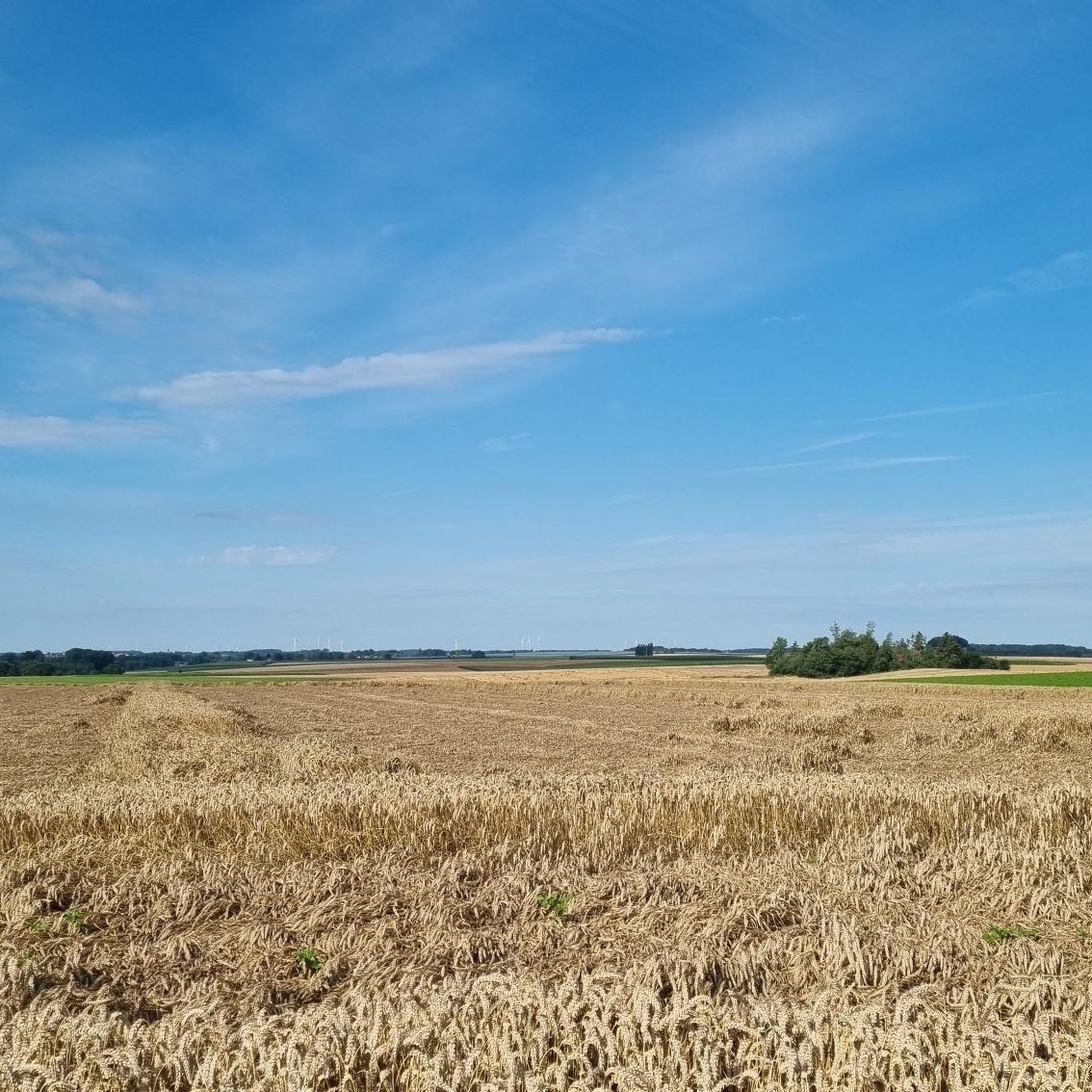
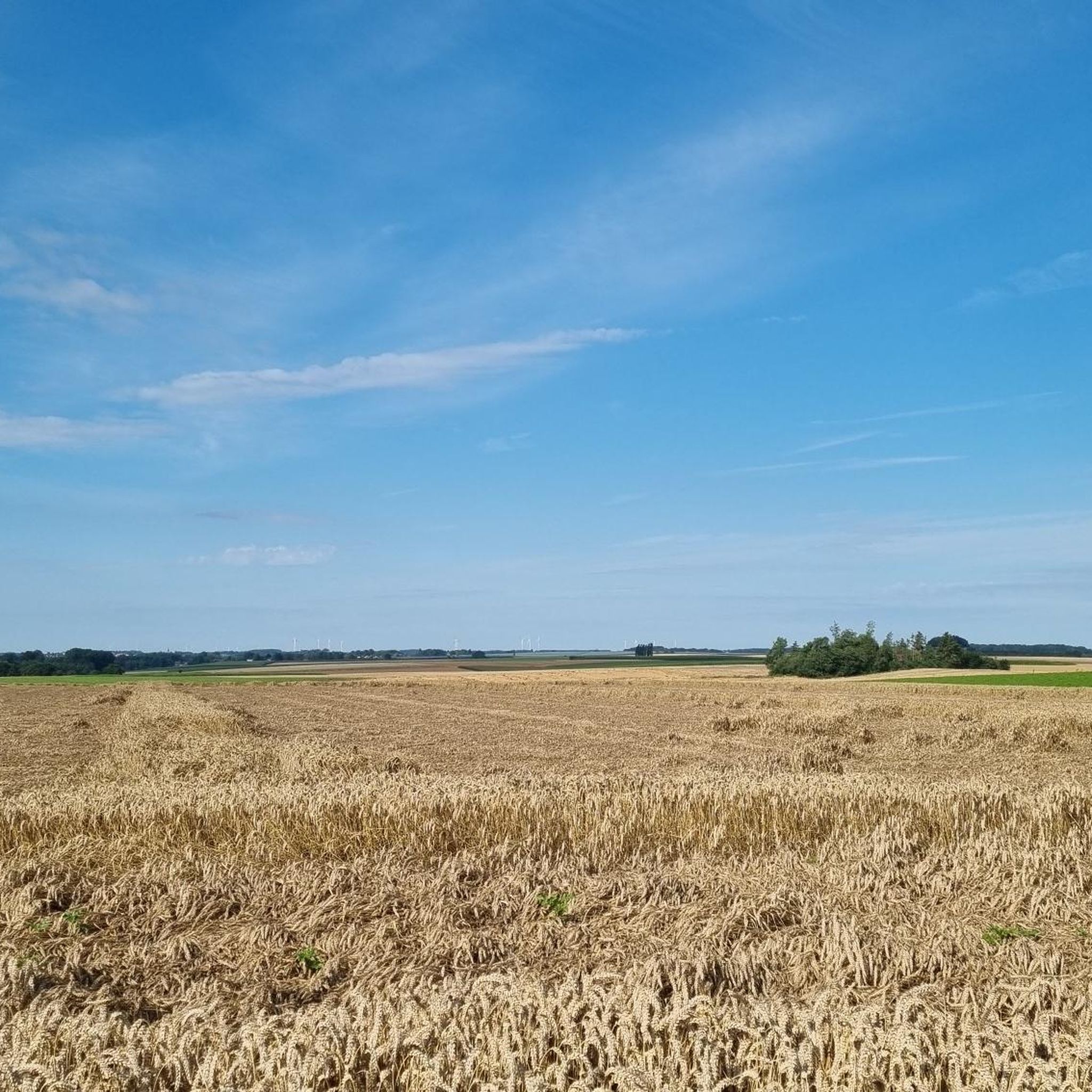
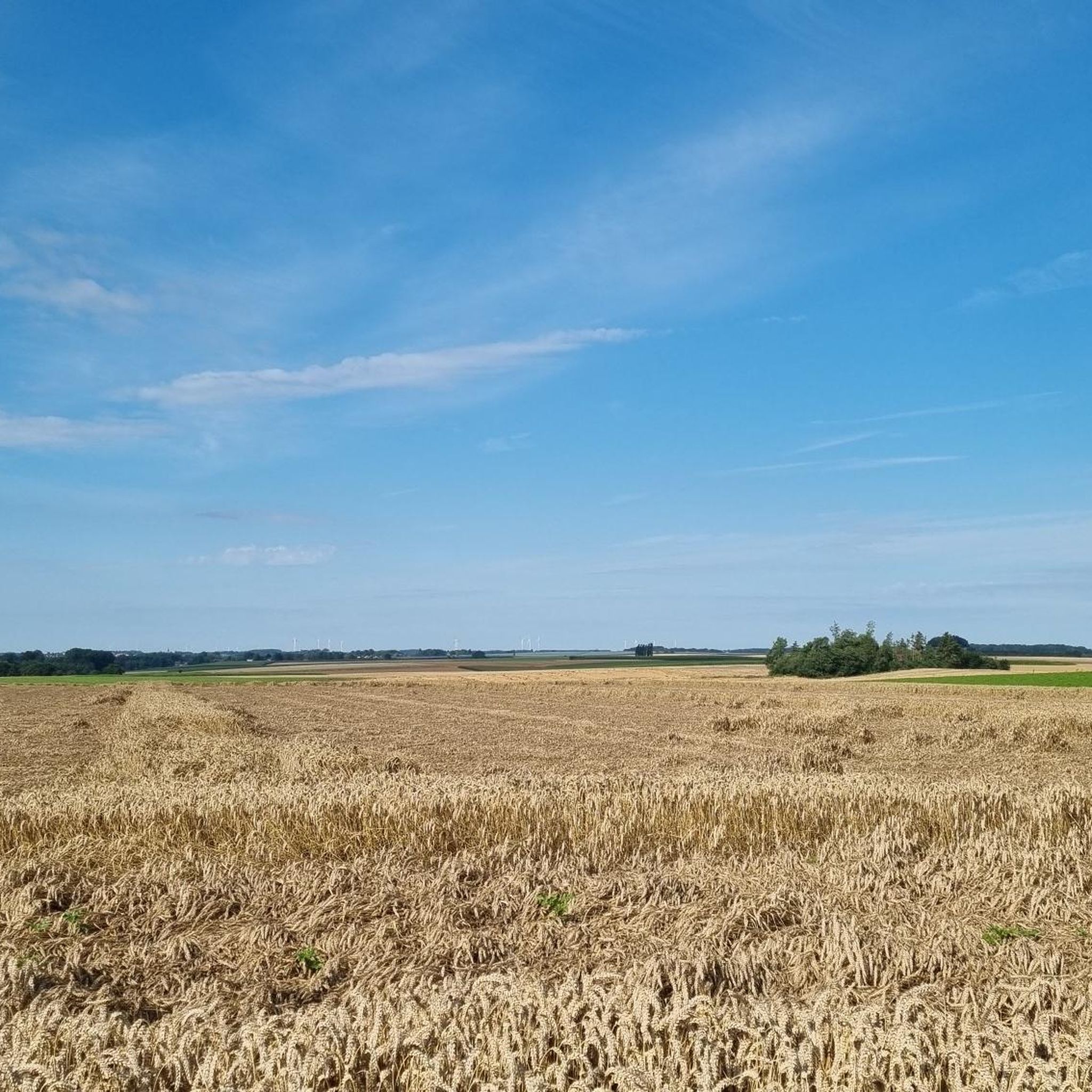
A beautiful area of (only) 34.5 hectares, characterized by reed beds, cattail ponds, and pools fringed by shrubs or with open banks... These diverse habitats offer countless bird species places to forage, nest, hibernate, or rest during their migration. No fewer than 212 species have already been observed! (Source: www.natagora.be)
3
0
Today, the park is extremely overgrown, overgrown, and covered with car wrecks – we counted about twenty – and most of the park's trees are overgrown or have even become picturesque ruins that overhang the ponds or block the walking path. Solitary trees no longer stand alone; new growth plagues the entire park, disrupting the large lawn and the sightlines. However, careful clearing, a few mowings, and judicious new plantings of trees and flowering shrubs would suffice to restore the structure to its legibility and offer captivating and varied views.
2
0
1274: Heers Castle is first mentioned in a historical document. A century later, it is plundered and burned by the troops of Charles the Bold. The current castle is a result of reconstruction and dates from around 1500. The following centuries continued to be ravaged by war: the Dutch, French, and Germans all made their appearances. The De Rivière family, who had owned the castle since the 14th century, was declared bankrupt in 1757. From 1859 onward, the castle came into the possession of the Desmaisières family, who lived and enjoyed it lavishly... until the costs became too high. In the 21st century, the castle fell into complete disrepair due to conflict and lack of funds. Local volunteers launched a rescue initiative. Today, many partners are working on a new future for this impressive place steeped in history.
4
1


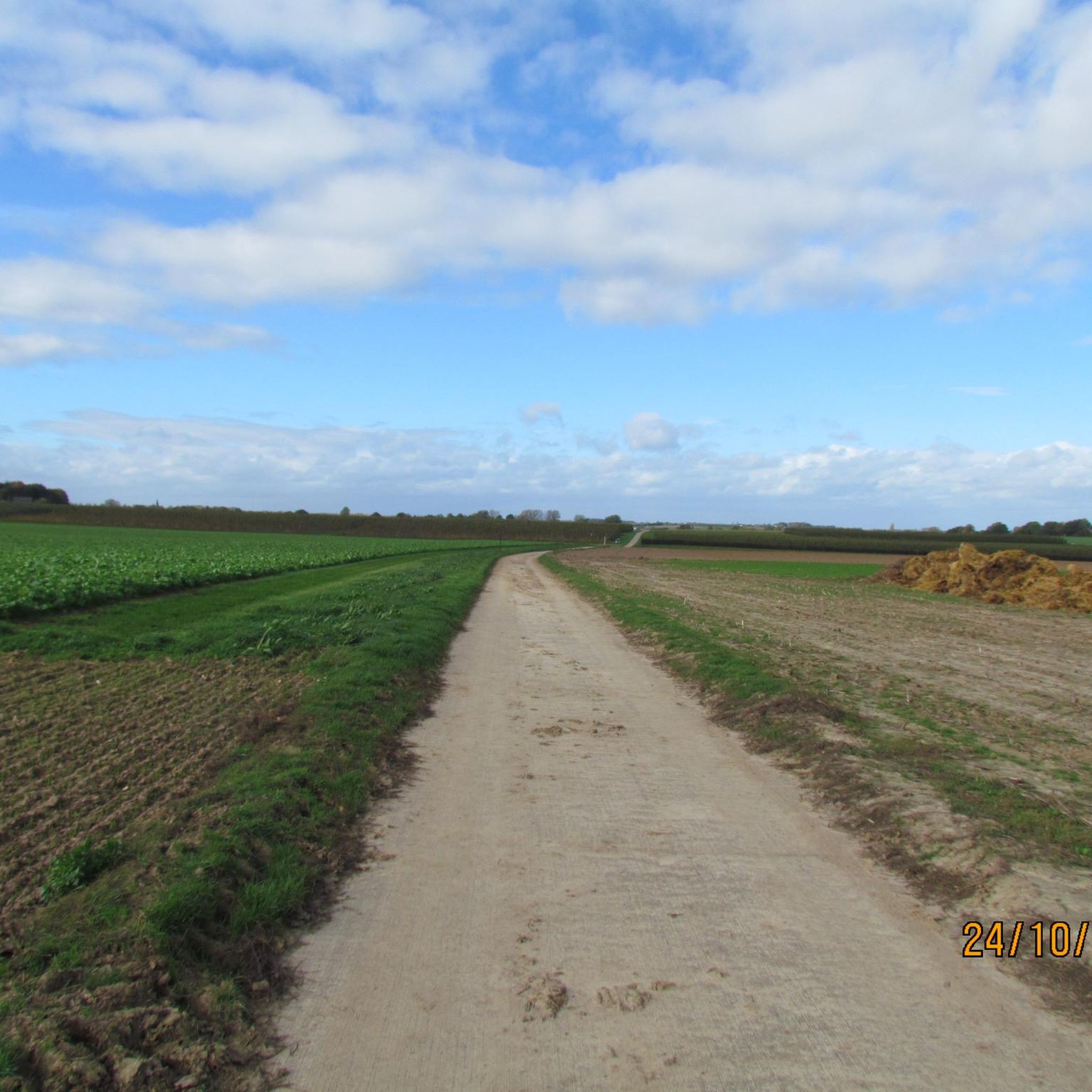
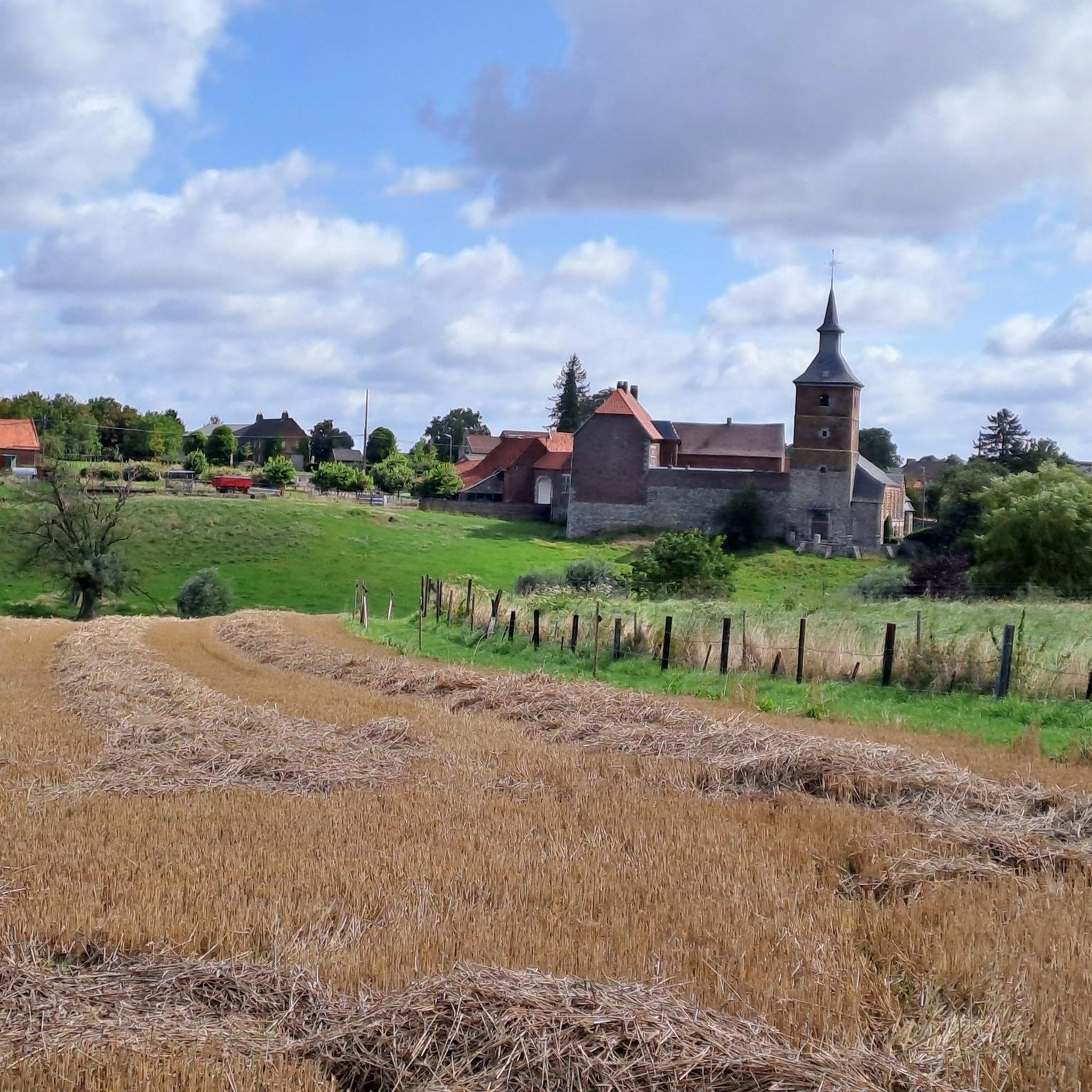
Beautiful path through the closed (for sheep) holding basin of the Cicindria. Beautiful nature reserve well maintained by grazers.
1
0

The oldest mention of a castle on this site - although there must have been a castle long before - is from 1599, when Jan van Berlo, who had come into possession of the seigneury through marriage to Jeanne de Merode, drew up his will. Jeanne was Florent d'Argenteau's aunt, who inherited the lordship in 1599. The current castle is younger. It has a core dating from 1669. Also dating from 1669 is a plaque with the coats of arms of Jean François d'Argenteau and his wife, Agnes Ernestine Derivir. The current castle was built in 1747. At that time the castle was already owned by the De Mercy-Argenteau family. A plaque with a coat of arms was also placed for this family.
5
0

Raes van Heers was its most famous and infamous resident. Heers and its castle were destroyed by the troops of Karel de Stoute after their victory in the Battle of Brustem in 1467. After the death of Karel de Stoute, in 1477, Raes regained his possessions. However, Raes died a few months later, also in 1477. The current castle is a result of reconstruction, and dates from around 1500. In 1676, a garrison from the Republic of the Netherlands entered the castle, which was then bombarded by French troops led by Godefroi d'Estrades. The Dutch received reinforcements and drove off the besiegers, who, however, made another attempt later that year, and actually held it for two days.
4
0
Frequently Asked Questions
What kind of lakes can I expect to find around Remicourt?
Remicourt itself is primarily an agricultural area without large natural lakes. The 'lakes' you'll find nearby are typically smaller bodies of water, often part of nature reserves or historical sites. For example, the Haut-Geer Nature Reserve features old settling basins with reed beds and ponds, while Heers Castle includes a lake as part of its historical grounds.
Are there any nature reserves with water features near Remicourt?
Yes, the Haut-Geer Nature Reserve is a significant natural feature near Remicourt. It's known for its reed beds, cattail ponds, and pools, which serve as a vital habitat for numerous bird species. It's considered one of the most beautiful observation sites in the Walloon Region for birdwatching.
What historical sites with water elements are there around Remicourt?
You can visit Heers Castle, which has a history dating back to the 13th century and includes a lake within its grounds. The castle has undergone several reconstructions after being destroyed in historical conflicts, and renovation works have been ongoing since 2007.
Are there family-friendly spots with water around Remicourt?
Absolutely. The Pond with Tadpoles is a small, family-friendly spot perfect for observing aquatic life, especially tadpoles. Another option is the Oppumveldpad, a beautiful path through a nature reserve with a holding basin, where you might see sheep and goats.
What outdoor activities can I do near these lakes and nature areas?
While large-scale water sports aren't typical for the immediate Remicourt area's smaller water bodies, you can enjoy various cycling and mountain biking routes that pass by or through these natural areas. For example, there are several cycling routes and MTB trails that include the Haut-Geer Nature Reserve.
Can I go hiking or walking around the lakes near Remicourt?
Yes, you can find pleasant walking opportunities. The Oppumveldpad offers a beautiful path through a nature reserve. The Haut-Geer Nature Reserve also provides trails suitable for nature observation, particularly birdwatching.
What is the best time of year to visit the nature reserves around Remicourt?
The Haut-Geer Nature Reserve, with its focus on birdlife, is particularly interesting during migration seasons (spring and autumn) or in spring when many species are nesting. For observing tadpoles at the Pond with Tadpoles, spring and early summer would be ideal.
Are there any larger lake complexes in the broader Wallonia region?
Yes, the broader Wallonia region is home to the Eau d'Heure lakes, which form the largest lake area in Belgium. These are located approximately 50 kilometers south of Charleroi. They offer extensive water sports and recreational activities, including fishing, kayaking, diving, and windsurfing. The largest of these is Lac de la Plate Taille. More information can be found on Wikipedia.
What kind of wildlife can I expect to see near the water bodies?
The Haut-Geer Nature Reserve is a haven for birds, with over 212 species observed, making it excellent for birdwatching. Smaller ponds like the Pond with Tadpoles are crucial breeding grounds for amphibians (frogs, toads, newts), dragonflies, and various aquatic insects.
Are there traffic-free bike rides that pass by water features?
Yes, you can find traffic-free bike rides around Remicourt that incorporate natural elements and potentially smaller water features. These routes offer a relaxed way to explore the agricultural landscapes and quiet paths of the region.
Most popular attractions around Remicourt

Get inspired with the komoot mobile app


Explore more
Still not found your perfect lake around Remicourt? Check out the guides of these regions to see even more beautiful places.
