Top 5 Natural Monuments around Bournemouth
Best natural monuments around Bournemouth feature a diverse landscape, characterized by prominent headlands, ancient chine valleys, and expansive gardens. This coastal region offers a blend of geological interest, rich biodiversity, and historical significance. The area's natural features provide opportunities for exploration, from protected nature reserves to Victorian-era parks.
Best natural monuments around Bournemouth
- The most popular natural monuments is Hengistbury Head, an other_natural site of international importance for its archaeology and ecology. It is notable for its diverse habitats,…
Last updated: April 28, 2026
Hengistbury Head Visitor Centre
Highlight • Natural Monument
Tip by

Mudeford Sandspit Lagoon and Holloway's Dock
Highlight • Natural Monument
Tip by

Sign up now to discover places like this
Get recommendations on the best single tracks, peaks, & plenty of other exciting outdoor places.
Sign up for free
Jon Egging Memorial
Highlight • Natural Monument
Translated by Google •
Tip by

Layers of Bournemouth Sculpture
Highlight • Natural Monument
Tip by

Upper Gardens, Bournemouth
Highlight • Natural
Tip by

Start today with a free account
Your next adventure awaits.
Login or Signup
Popular around Bournemouth
Dover to St Austell — National Cycle Network Route 2
Sandbanks, sea stacks and salt marshes — Bournemouth Coast Path
Harvesting the country for free food — Wild food foraging by bike
Hiking around Bournemouth
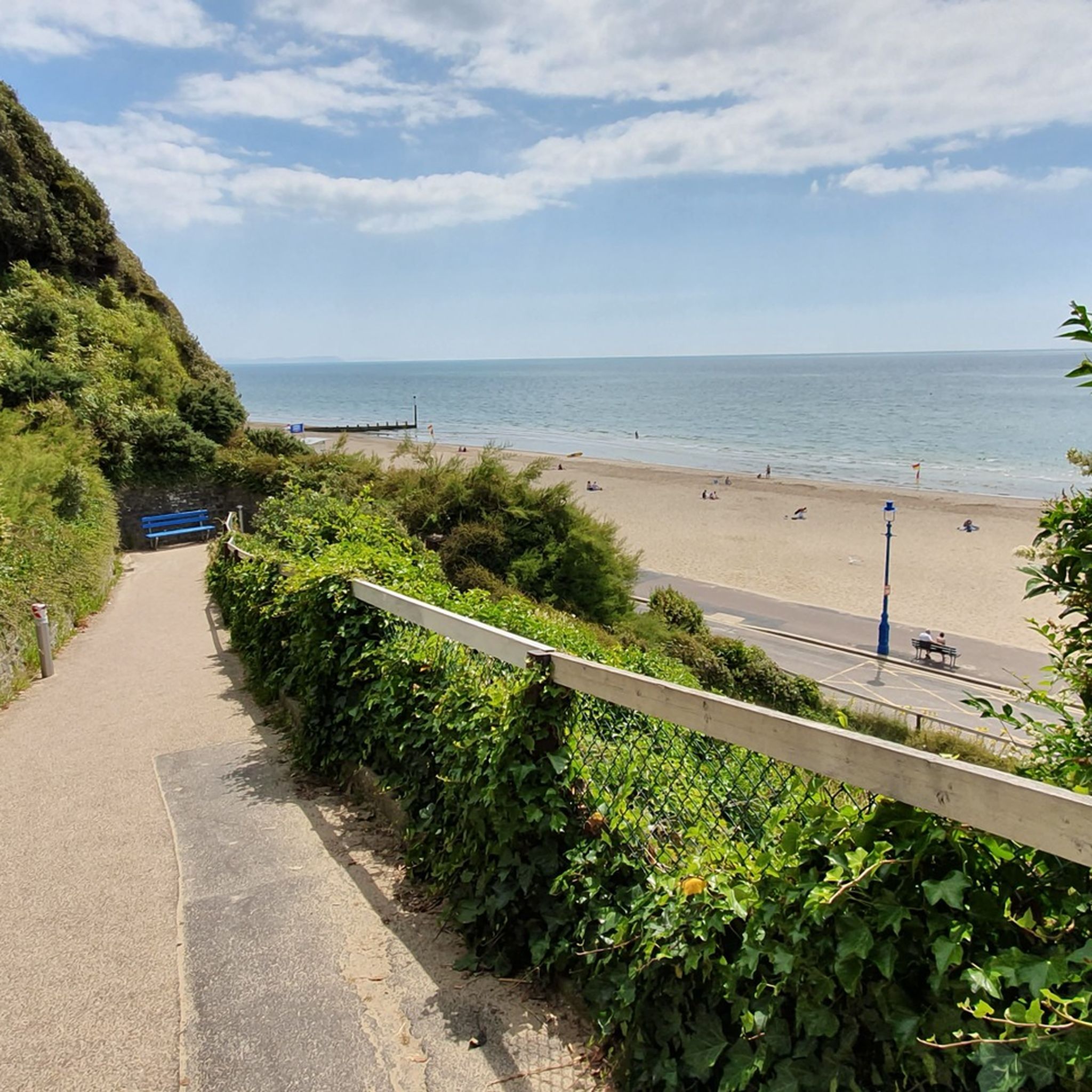
Running Trails around Bournemouth
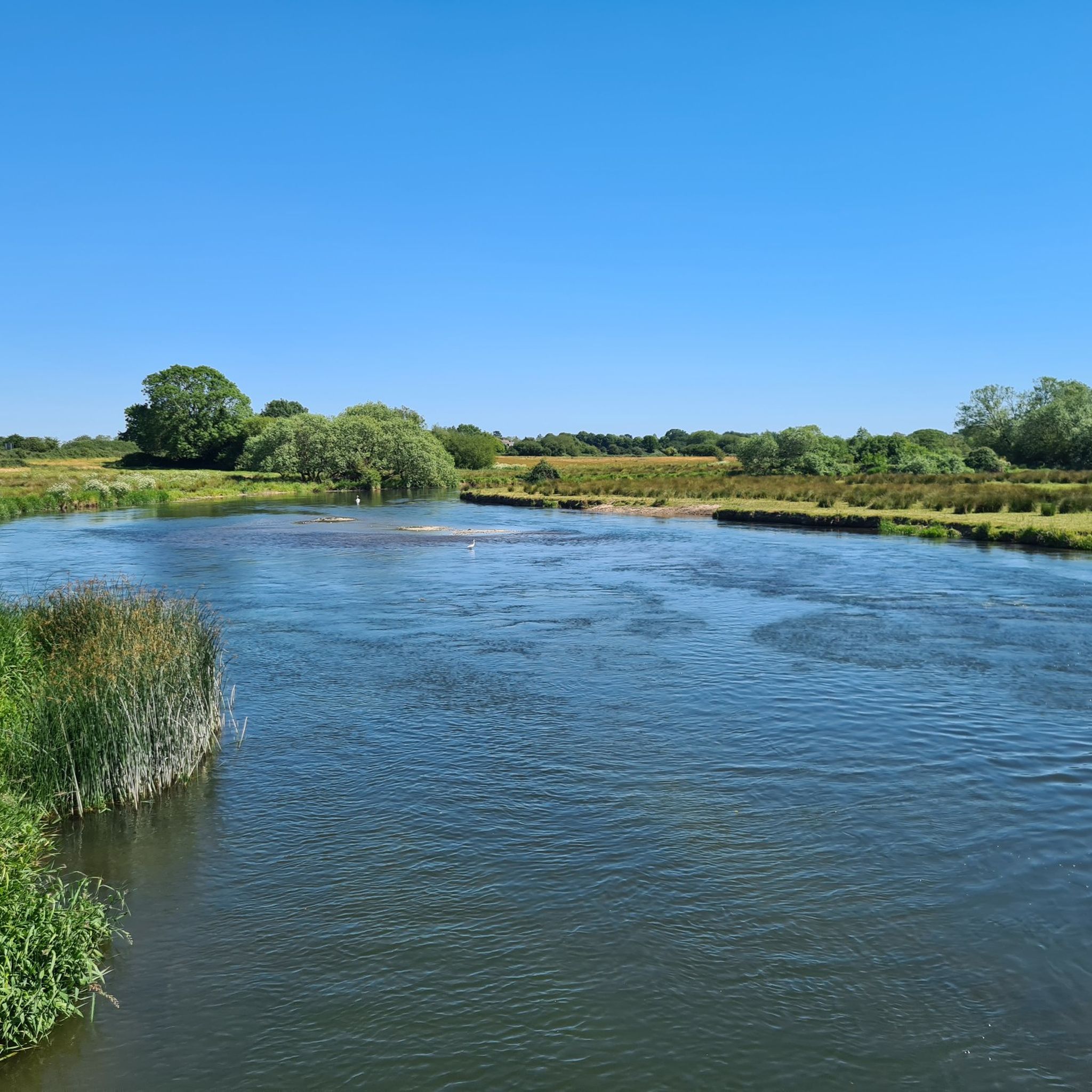
Road Cycling Routes around Bournemouth
Cycling around Bournemouth
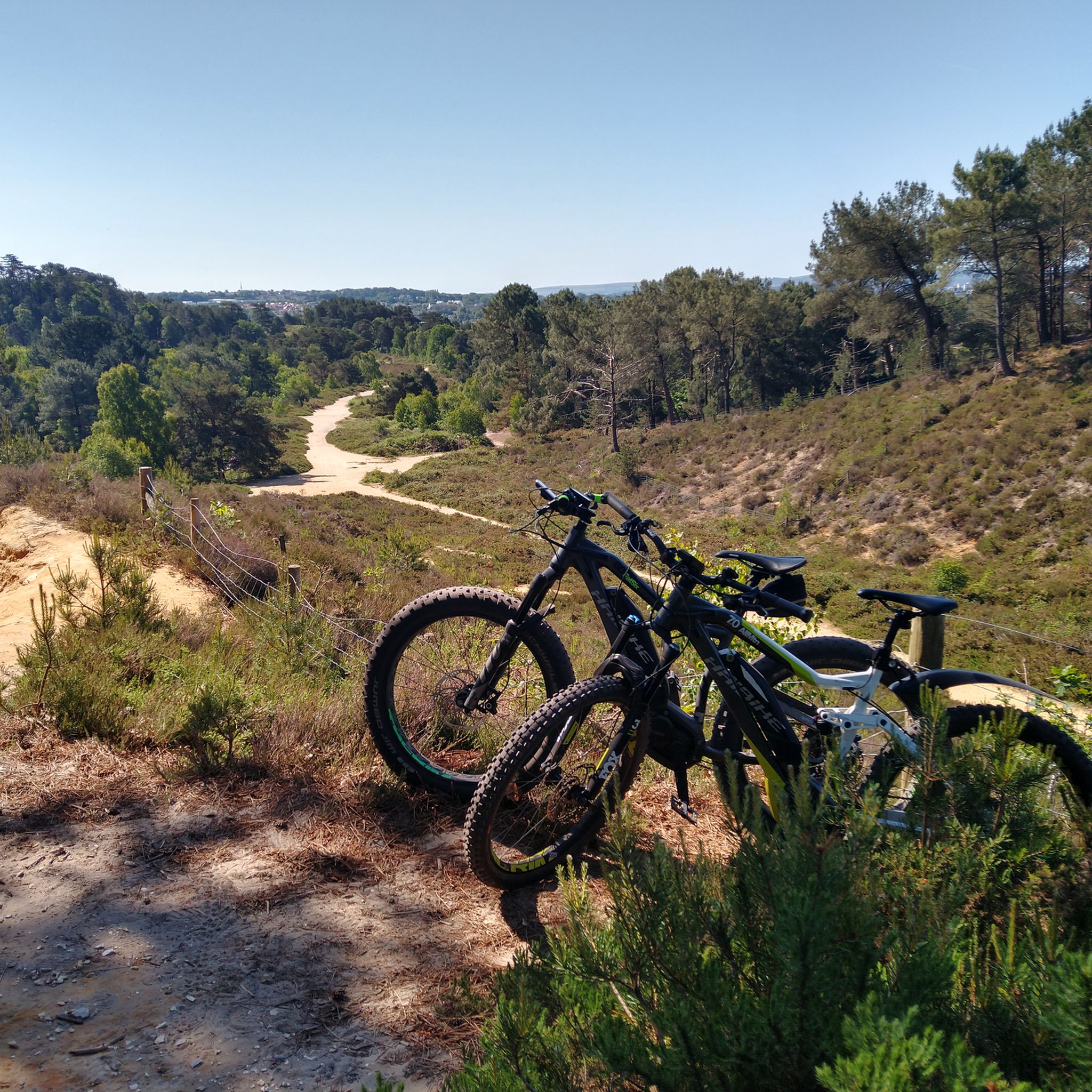
MTB Trails around Bournemouth

Gravel biking around Bournemouth
Other adventures around Bournemouth


Tips from the Community

Hengistbury Head is a dramatic headland located in Dorset, England, jutting into the English Channel between Bournemouth and Mudeford. It's a place of international importance due to its rich archaeology, diverse wildlife, and unique geology. Declared a Local Nature Reserve in 1990, it forms part of the Christchurch Harbour Site of Special Scientific Interest (SSSI). It also holds various other designations like Special Area of Conservation and Special Protection Area, highlighting its importance for wildlife.
0
0
A memorial to a Red Arrows pilot who died following a display at the Bournemouth Air Festival. The 33-year-old pilot died when his Hawk T1 jet crashed after completing a display at the annual festival in 2011.
1
0
Wildlife expert, conservationist and television presenter Chris Packham officially opened the centre in April 2014. It was created to help explain the area, its history, wildlife, archaeology and geology to visitors. Packed full of interactive displays, with lots of friendly, knowledgeable volunteers on hand, it’s a wonderful way to step back in time and see how our ancestors lived. Gift shop selling food and drink, Jewellery, toys and games, accessories and home ware. Various exhibitions throughout the year, Events and gardens on show.
1
0
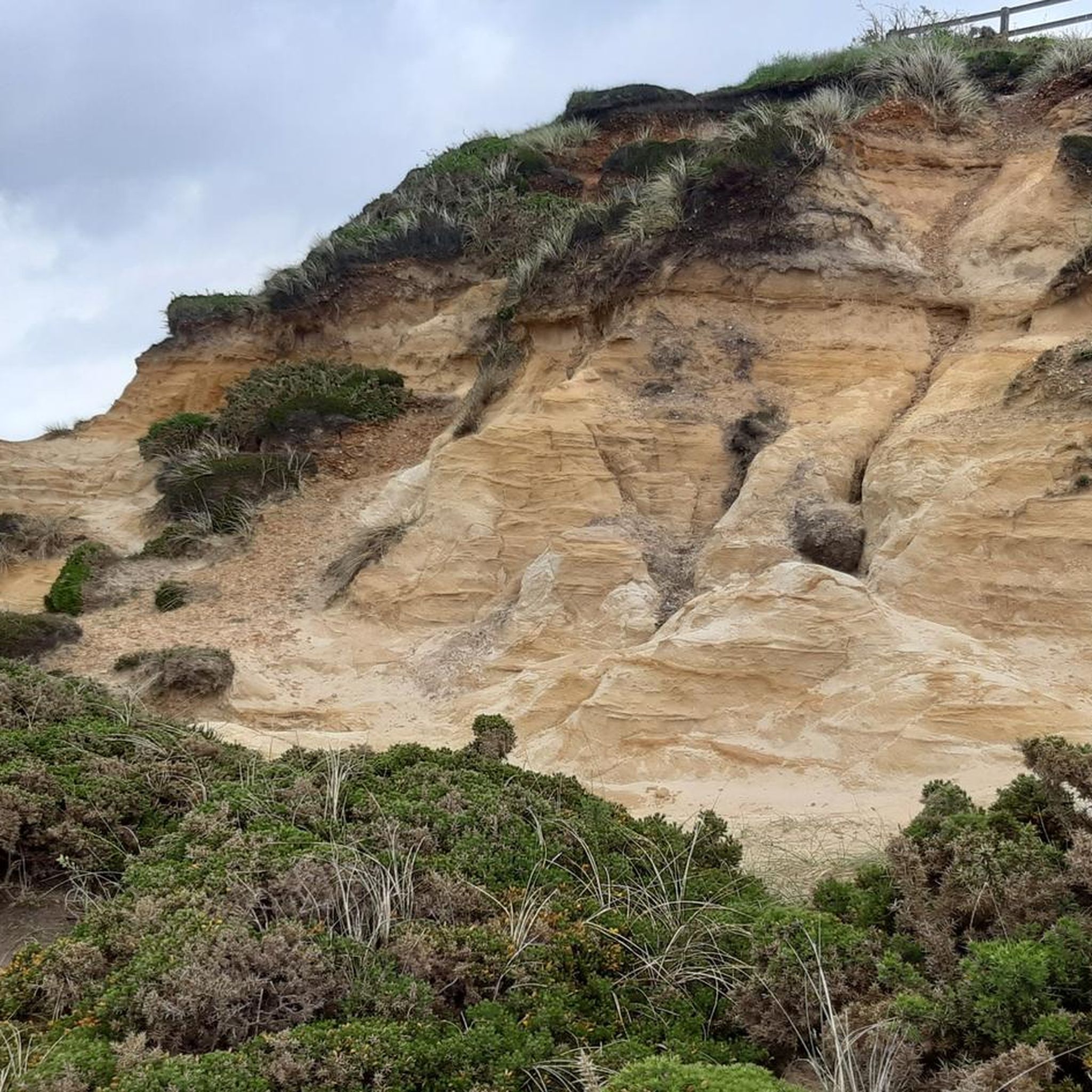
A sculpture piece which highlights the layers of sands, gravels and clays that make up Hengistbury Head were formed around 65 million years ago beneath a warm tropical sea. This was the beginning of a very unstable period. Movements in the earth’s crust created the Alps and in southern England the land surface was gently folded. Temperatures and sea levels fluctuated widely. Tropical seas gave way to warm lagoons and then extreme cold as a series of ice ages gripped the land. This dramatic history is visible in the cliffs along Hengistbury Head.
0
0
A unique and beautiful sand spit which adjoins the ancient headland of Hengistbury Head and forms a natural barrier between Christchurch Harbour and the open sea. The area is designated a Site of Nature Conservation Interest. Access by foot, bike or land train from Hengistbury Head car park. Access by passenger ferry from Mudeford Quay and Christchurch Quay. There are 5 public toilet blocks, one with hot showers. Outside cold showers are also provided. Horses are not permitted on the seashore between the Saturday preceding Easter Monday and the 30th September (both dates inclusive) in any year between 10am and 9pm. Due to being so close to Hengistbury Head Nature Reserve, BBQs are not allowed at Mudeford Sandbank Beach. Open fires, fire pits and fire bowls are not permitted at any time on the beach, promenade, cliffs, cliff tops or woodland areas. The beach is surrounded by unique cliff habitats which are Sites of Special Scientific Interest and provide a home to many of the UK’s rare species of reptiles, birds and insects. Their dry nature means they are vulnerable and sparks from open fires can cause huge damage.
0
0

Art installation showing layers of compacted earth
0
0

In fact, much quieter and nicer than the beach café by the car park which is only 200m away and can get very busy! There are exhibitions and information
2
0

Frequently Asked Questions
What types of natural monuments can I explore around Bournemouth?
Bournemouth offers a diverse range of natural monuments, from prominent headlands and ancient chine valleys to expansive Victorian gardens. You can discover internationally important ecological sites like Hengistbury Head, tranquil subtropical gardens such as Alum Chine, and the extensive Upper Gardens, Bournemouth, which showcase a 'three continent theme' with unique plant species.
Where can I experience diverse wildlife and natural habitats near Bournemouth?
For rich biodiversity, Hengistbury Head is an excellent choice. It's a Local Nature Reserve and part of a Site of Special Scientific Interest, featuring heathland, freshwater ponds, sand dunes, salt marshes, and reed beds. These habitats support over 500 plant species and 300 bird species, making it a crucial migratory point and a haven for nature lovers.
Are there family-friendly natural monuments around Bournemouth?
Absolutely! Many natural monuments in Bournemouth are great for families. Boscombe Chine Gardens offers a water-themed playground and mini-golf, while Alum Chine Tropical Gardens features a pirate-themed playground. Hengistbury Head and Mudeford Sandspit Lagoon and Holloway's Dock also provide open spaces and beaches perfect for family outings.
What unique geological features can be found among Bournemouth's natural monuments?
The cliffs at Hengistbury Head are geologically significant, featuring unusual sideritic ironstone nodules and an exposed cliff face that provides an excellent study site for stratigraphy. The 'Layers of Bournemouth Sculpture' also highlights the compacted sands, gravels, and clays that make up the headland, formed over millions of years.
What outdoor activities, like hiking or cycling, can I do near these natural monuments?
The area around Bournemouth's natural monuments offers numerous opportunities for outdoor activities. You can find various hiking trails, including an easy Hengistbury Head loop or a moderate Southbourne Beach to Boscombe Pier loop. For cycling, there are MTB trails like the Wick Park Car Park – Mudeford loop, and gravel biking routes such as the Castleman Trailway – Ashley Heath Halt loop.
Do any natural monuments in Bournemouth have historical or archaeological significance?
Yes, Hengistbury Head is a site of international importance for its archaeology, designated an Ancient Monument. It has evidence of human activity spanning 12,000 years, from the Stone Age onwards. You can learn more about its rich past at the visitor centre.
Where can I find tranquil gardens for a relaxing stroll in Bournemouth?
For tranquil strolls, the Bournemouth Gardens are ideal. These Grade II listed Victorian gardens stretch for about 3 kilometers. The Upper Gardens, Bournemouth, in particular, offer a more naturalistic feel with diverse plantings, including a Giant Redwood, and a serene atmosphere. Boscombe Chine Gardens also provide a peaceful green escape with tree-lined paths and ornamental ponds.
Which natural monuments offer great sea views?
Hengistbury Head provides spectacular panoramic views of Christchurch Harbour, Bournemouth Bay, and the Isle of Wight. Alum Chine Tropical Gardens also offer magnificent sea views as they lead down to a Blue Flag award-winning beach. The Mudeford Sandspit Lagoon and Holloway's Dock also offer beautiful beach environments with views of the open sea.
What is the best time of year to visit Bournemouth's natural monuments?
Bournemouth's natural monuments can be enjoyed year-round. Spring and summer offer vibrant floral displays in the gardens and ideal weather for coastal walks and wildlife spotting. Autumn brings beautiful foliage, especially in the chine gardens, while winter provides a quieter, often dramatic, landscape for those seeking solitude and crisp air.
Are there options for food and drink near Bournemouth's natural monuments?
Yes, you'll find various options. Near Hengistbury Head and Mudeford Sandspit, there are cafes and facilities. The Bournemouth Gardens are centrally located, meaning numerous cafes, restaurants, and pubs are within easy walking distance. Boscombe Chine Gardens and Alum Chine Tropical Gardens are also close to their respective beach areas, which often have eateries.
Can I bring my dog to the natural monuments around Bournemouth?
Many natural monuments in Bournemouth are dog-friendly, though specific rules may apply. For example, Hengistbury Head is generally welcoming to dogs, but always check for seasonal restrictions, especially in nature reserve areas to protect wildlife. Beaches often have restrictions during peak seasons. It's always best to keep dogs on a lead and clean up after them.
What makes the Bournemouth Gardens unique?
The Bournemouth Gardens are unique for their extensive length, stretching 3 kilometers, and their division into three distinct sections: Lower, Central, and Upper. Each section offers a different atmosphere, from the vibrant floral displays and events in the Lower Gardens to the more naturalistic and diverse plantings, including a Giant Redwood, in the Upper Gardens. They are a testament to Victorian landscape design.
Most popular routes around Bournemouth
Most popular attractions around Bournemouth

Get inspired with the komoot mobile app


Didn’t find what you were looking for?
Find even more amazing natural monuments around Bournemouth by checking out the top Highlights region by region:
Explore more
Extend your search for the best caves by checking out these guides of the top ones around Bournemouth:
