Top 20 Natural Monuments in Bezirk Hartberg-Fürstenfeld
Best natural monuments in Bezirk Hartberg-Fürstenfeld are primarily characterized by significant trees and tree groups, recognized for their age and size. The region, part of Styria, Austria, offers a landscape where ancient natural elements are preserved. These sites provide opportunities to connect with nature's resilience and the area's ecological importance. Exploring these natural monuments offers a tranquil experience within the local landscape.
Best natural monuments in Bezirk Hartberg-Fürstenfeld
- The most popular natural monuments is Thousand-Year-Old Oak, a natural monument…
Last updated: May 14, 2026
Hochwechsel
Highlight • Summit
Translated by Google •
Tip by

Thousand-Year-Old Oak
Highlight • Natural Monument
Translated by Google •
Tip by

Sign up now to discover places like this
Get recommendations on the best single tracks, peaks, & plenty of other exciting outdoor places.
Sign up for free
Hartberger Gmoos
Highlight • Natural
Translated by Google •
Tip by
Kulm Summit
Highlight • Summit
Translated by Google •
Tip by

Großhart Natural Pond
Highlight (Segment) • Lake
Translated by Google •
Tip by

Festenburg Summit (Niederwechsel)
Highlight • Summit
Translated by Google •
Tip by

Romai Waterfall
Highlight • Waterfall
Translated by Google •
Tip by

Bierbaumer Oak
Highlight • Natural Monument
Translated by Google •
Tip by
Wise Man in Stone (Hochwechsel)
Highlight • Monument
Translated by Google •
Tip by

Bärengraben
Highlight • Natural
Translated by Google •
Tip by

Sign up for free to discover even more natural monuments in Bezirk Hartberg-Fürstenfeld.
Sign up for free
Already have an account?
Start today with a free account
Your next adventure awaits.
Login or Signup
Popular around Bezirk Hartberg-Fürstenfeld
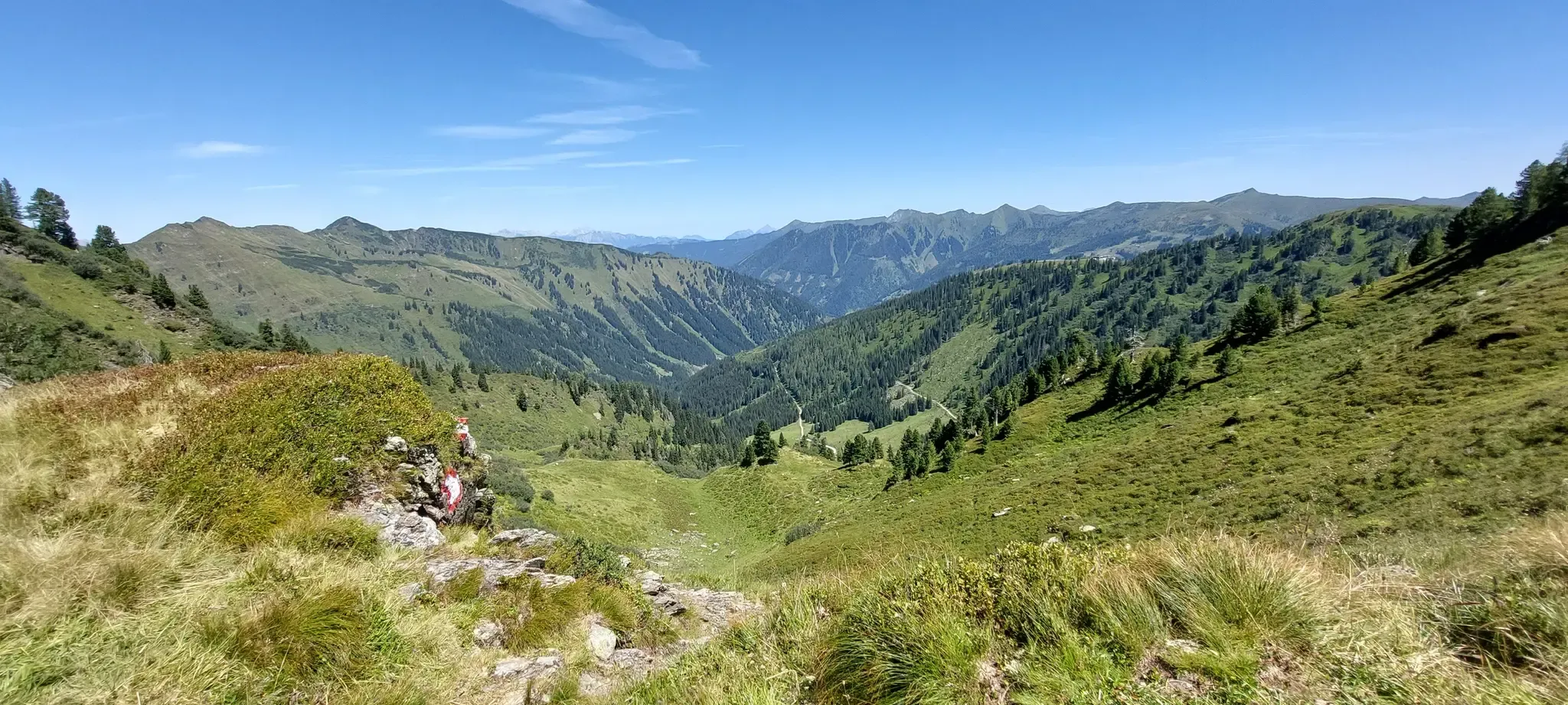
Central Alps Trail Eastern Section – Discover Austria
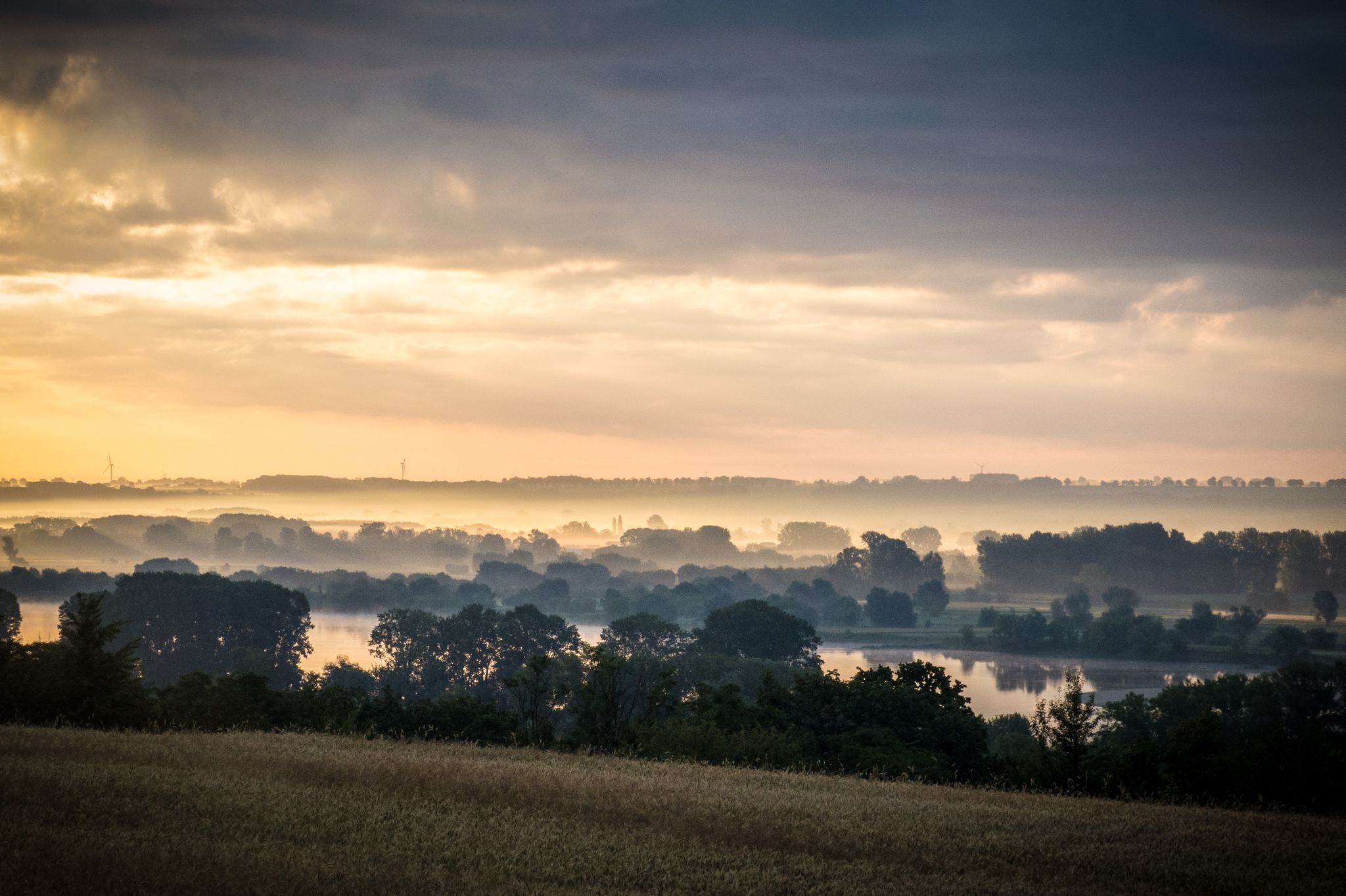
EuroVelo 9 – The Amber Route from the Baltic to Adriatic Sea
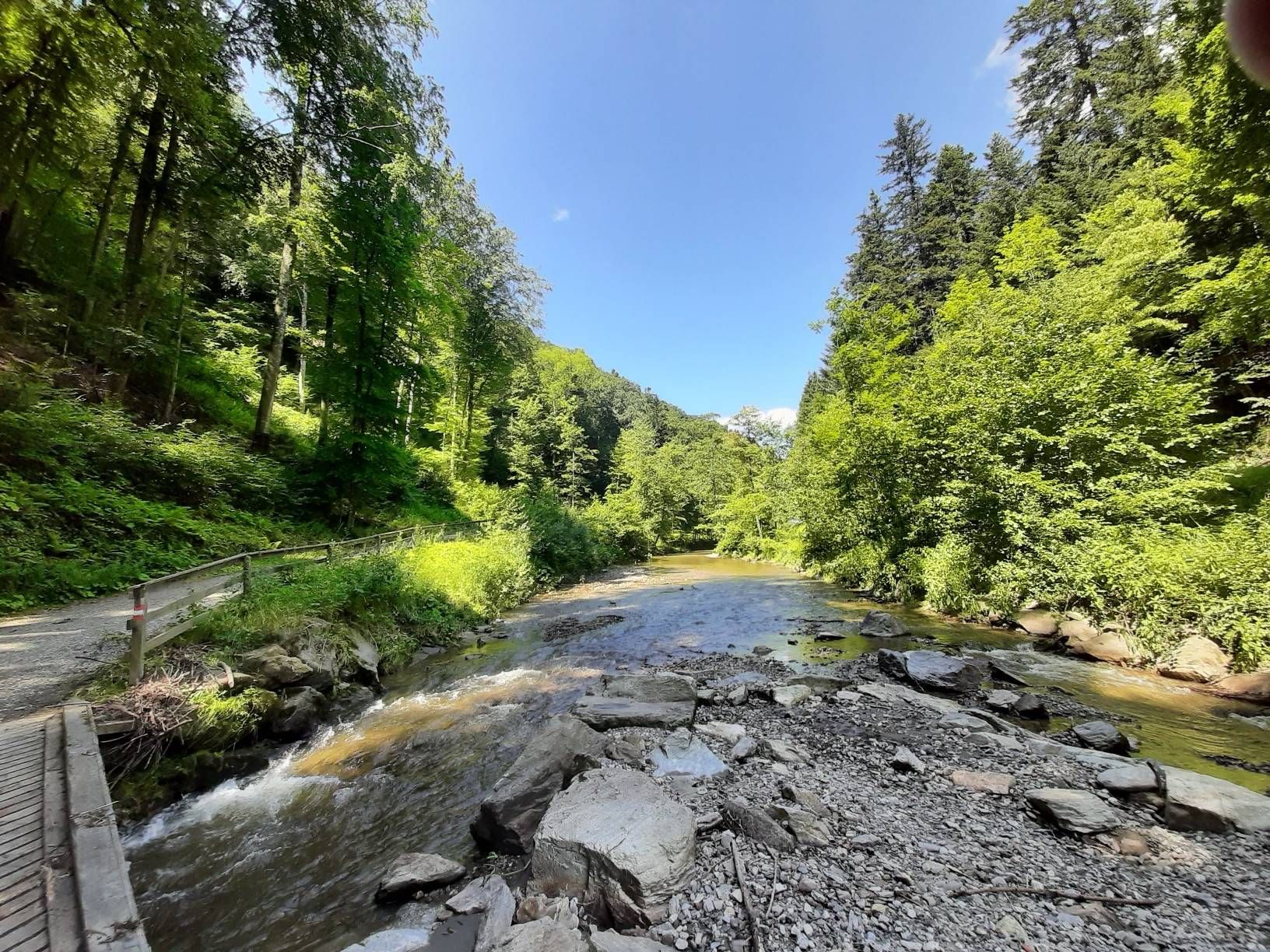
The Styrian Wine Country Cycle Trail – exploring Austria's wine culture
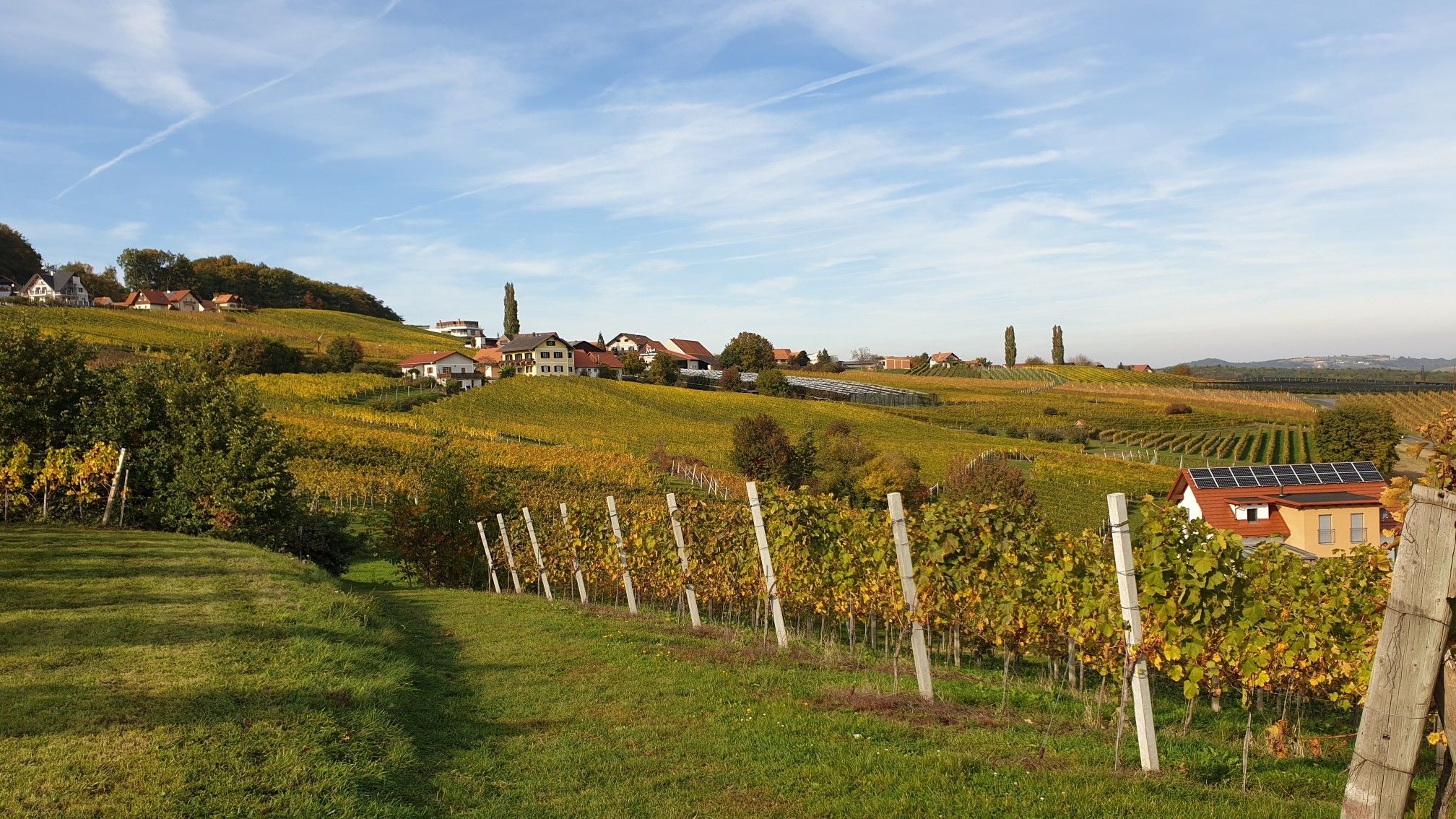
Hiking in Eastern Austria – Culinary delights, culture and charm
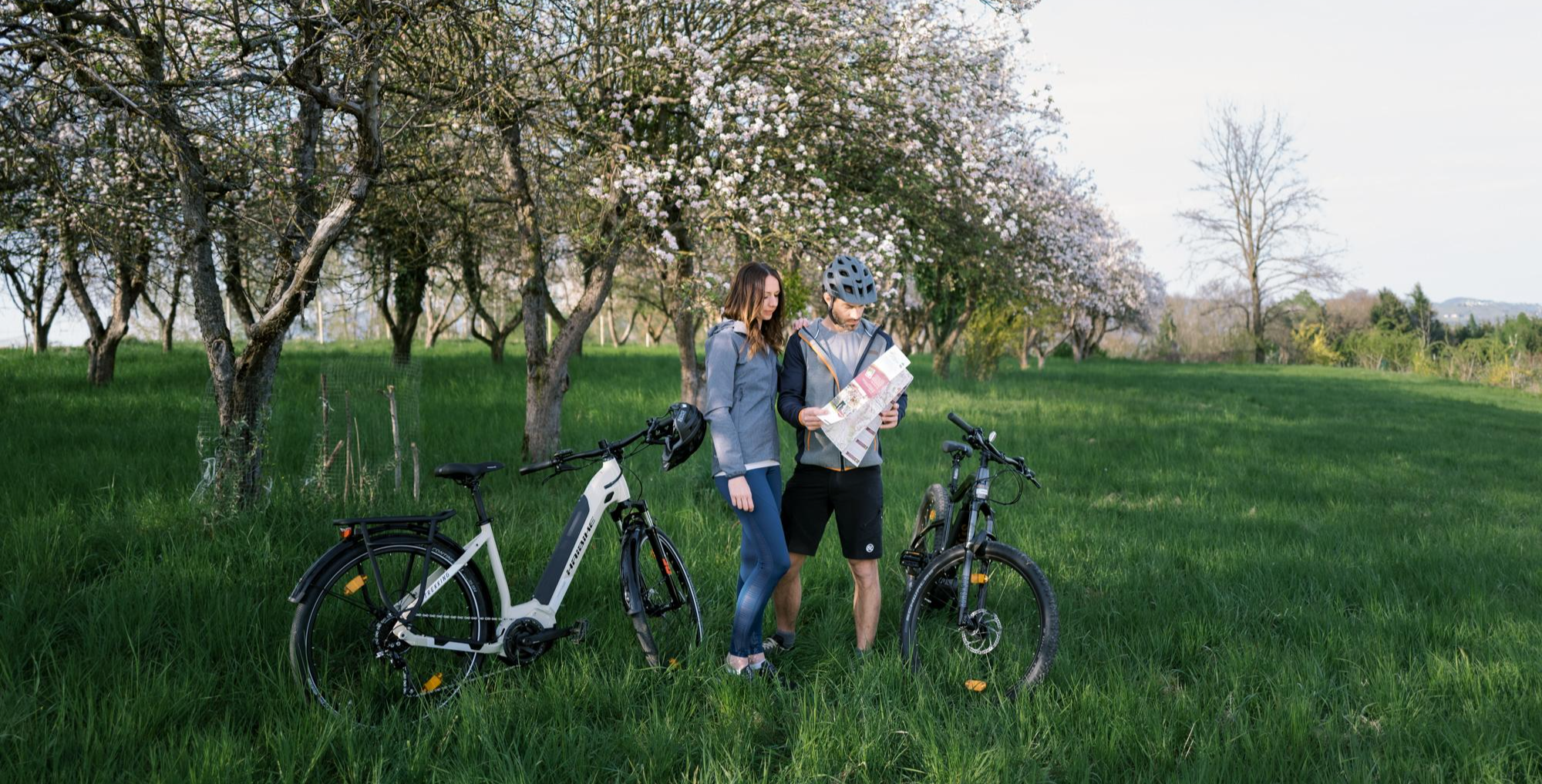
East Styria Loop – Styria Wine Country Cycle Tour
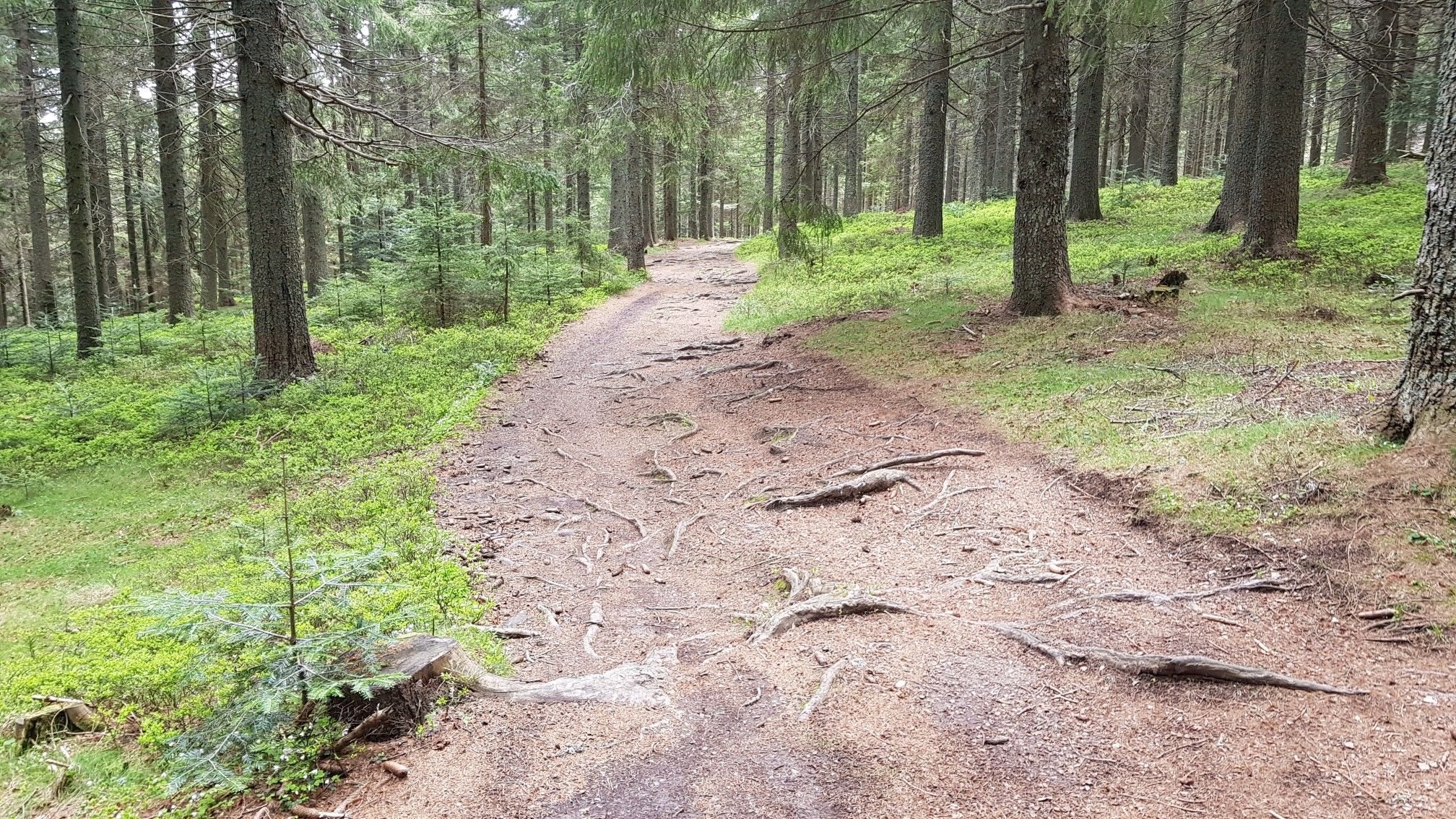
Mountain bike tours around the Pöllauer Tal nature park
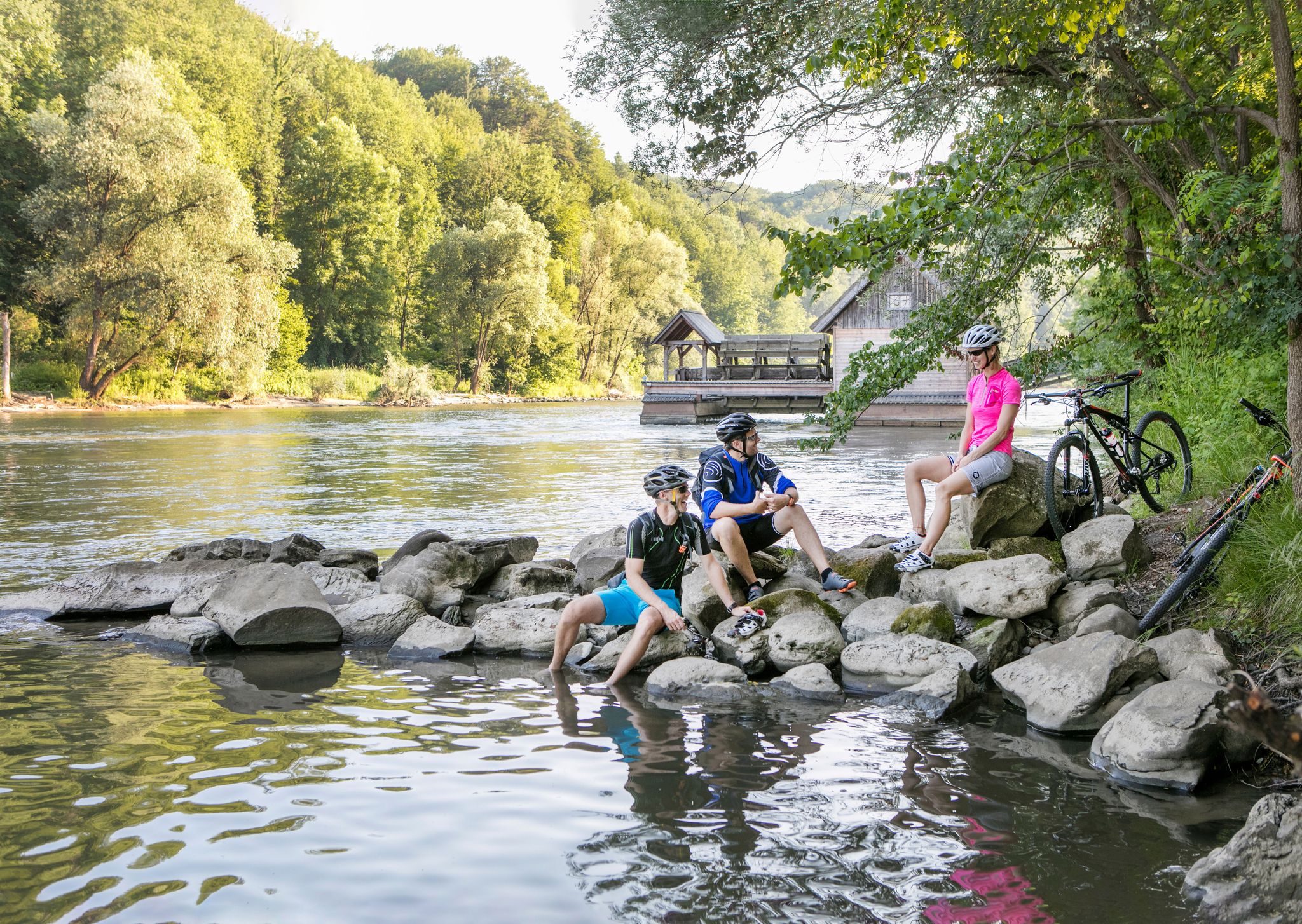
Cycle through thermal and volcanic countryside in Austria’s Styria
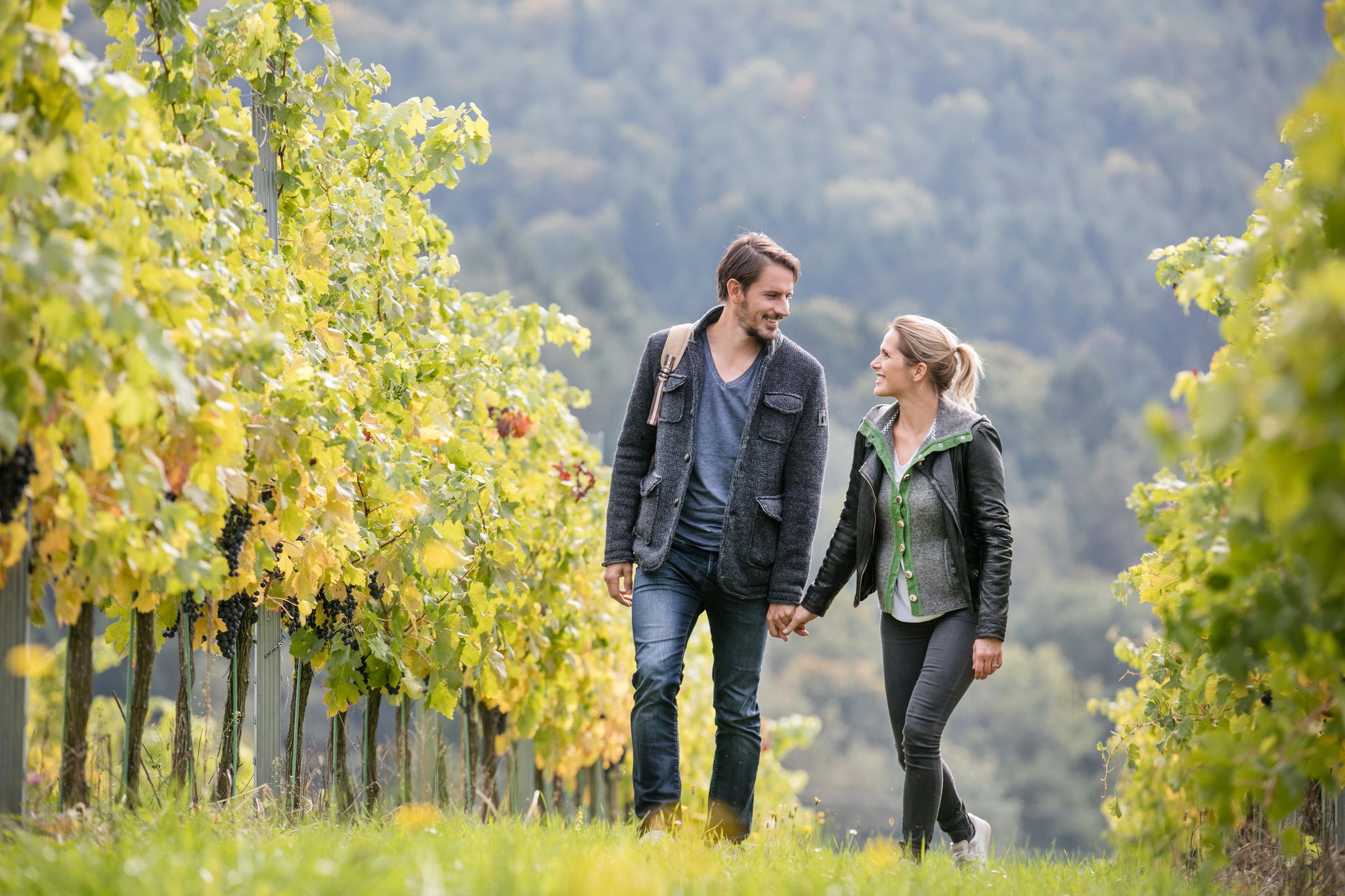
Wine, Murauen and rolling hills – hikes in Austria’s south-eastern Styria
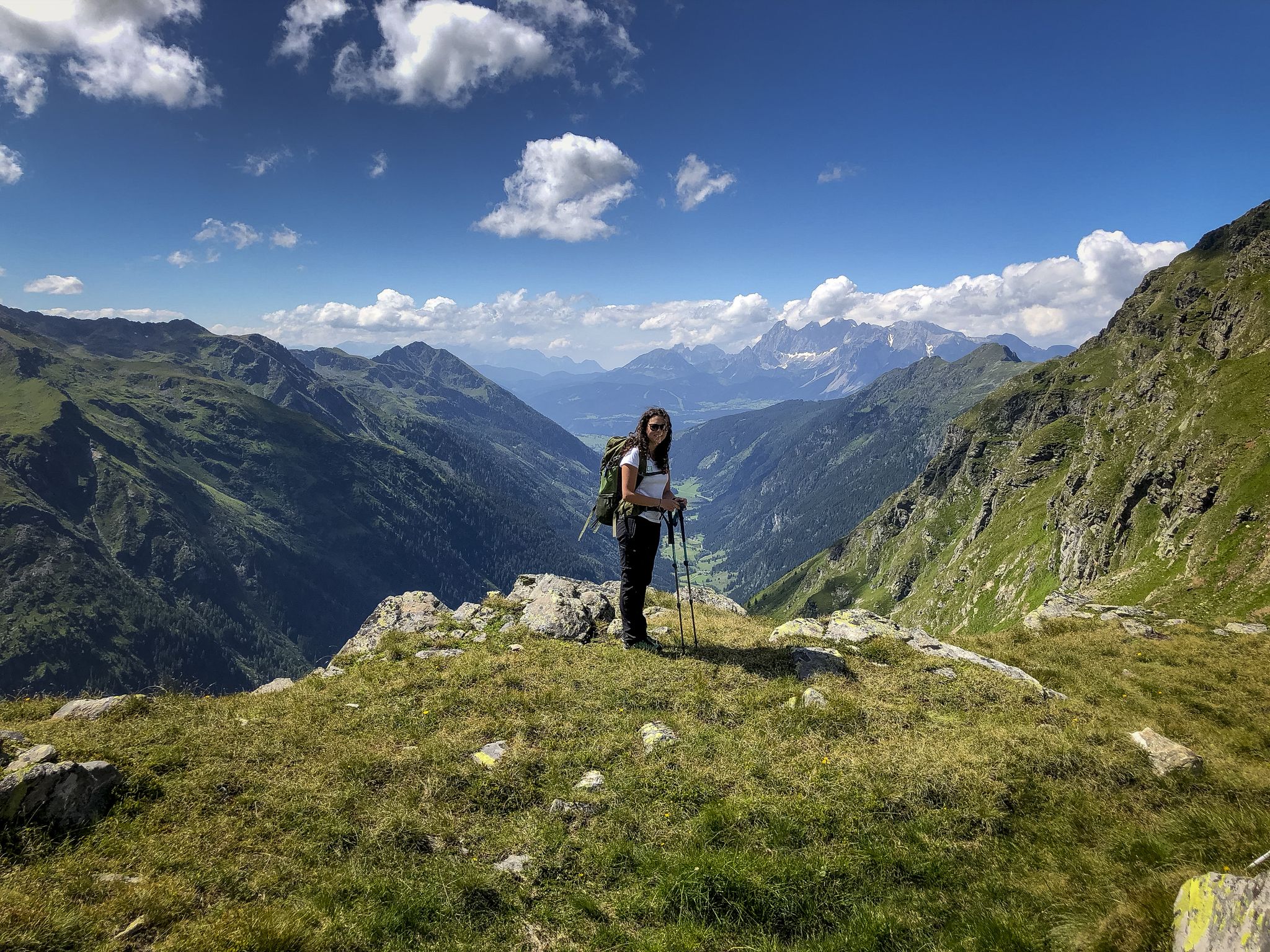
Discover Styria in Austria on foot – ‘From Glacier to Wine’ North Route
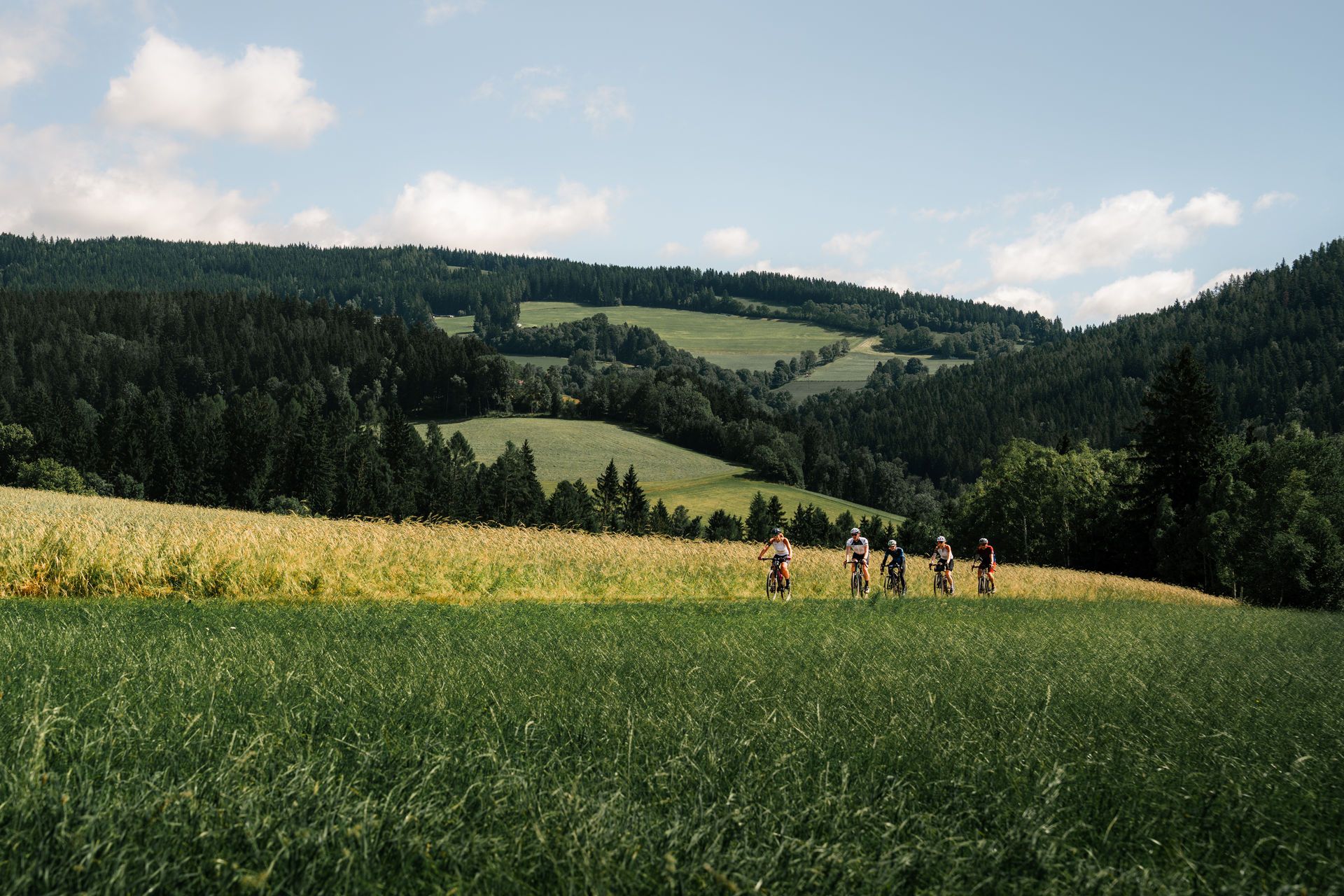
Spring awakening – through Eastern Styria on two wheels
Other adventures in Bezirk Hartberg-Fürstenfeld


Tips from the Community

A really beautiful pond. A leisurely 1.5 km walk is always a good idea :)
0
1

A great waterfall to see in both summer and winter.
0
0

Now part of the Collection https://www.komoot.com/de-de/collection/3600632/-naturdenkmaeler-besondere-baeume-und-weitere-schaetze-der-natur
0
0
Just see for yourself. It's almost impossible to describe. I always enjoy coming here.
0
0
If this tree could talk... I would listen for hours. I always enjoy coming back here.
0
0


The mountain ridge of the Wechsel stretches for over 15 km - the eastern Austrian low mountain range on the border between Lower Austria and Styria 🌲 Its three most lofty peaks each rise over 1,700 m ⛰️ Thanks to its mountain landscapes, which range from lovely to challenging, the Wechsel is considered a hiking destination for families on the one hand - and a local recreation area for experienced hikers and climbers on the other 🥾 The Hochwechsel, as the highest peak, offers particularly worthwhile views: the panoramic view stretches from Semmering and Rax to the Schneeberg 🌄 In good weather, even Burgenland, Styria, Hungary and Slovenia can be seen 😎 From mid-May to mid-November, a wonderful rest in the Wetterkoglerhaus is also tempting 🧃 www.wieneralpen.at/ausflugsziel-in-den-wiener-alpen-entdecken/a-hochwechsel-im-wechselgebirge
10
0

Rock work on the Hochwechsel for a Universum documentary about the magic mountains of the Vienna Alps The wise man in the stone watches over the vast land of 1000 hills, which stretches out before him to the horizon. He is a Dafa disciple. A magical dragon and a phoenix stand by his side. Rock: Wechselgneiss h: 40cm b: 1m 30cm Can be found in the stone block collection below the Wetterkogelhaus in the direction of Niederwechsel. created in 2007 https://www.pipof.org/universum/
0
1
Frequently Asked Questions
What types of natural monuments can I explore in Bezirk Hartberg-Fürstenfeld?
Bezirk Hartberg-Fürstenfeld is primarily known for its impressive ancient trees, such as the Thousand-Year-Old Oak and the Bierbaumer Oak near Bad Blumau, which are considered among the oldest oaks in Europe. You'll also find significant linden, beech, maple, magnolia, and pear trees. Beyond trees, the region features natural monuments like the Hartberger Gmoos wetland, the Romai Waterfall, and several prominent summits such as Hochwechsel.
Are there family-friendly natural monuments in Bezirk Hartberg-Fürstenfeld?
Yes, several natural monuments are suitable for families. The Thousand-Year-Old Oak is easily accessible and offers a fascinating natural spectacle for all ages. The Hartberger Gmoos wetland and the Großhart Natural Pond are also great for family outings, providing opportunities to observe nature. Additionally, the Bärengraben gorge offers a family-friendly trail through a forest.
What are some of the most popular natural monuments to visit?
Among the most popular natural monuments are the Thousand-Year-Old Oak, renowned for its age and impressive size, and Hochwechsel, a summit offering panoramic views. The Romai Waterfall is also a highly appreciated spot for its scenic beauty.
Can I find hiking trails near the natural monuments?
Absolutely. Many natural monuments are integrated into or located near hiking trails. For instance, you can find various routes for hiking in Bezirk Hartberg-Fürstenfeld, including trails that pass by the Romai Waterfall. For those seeking more challenging ascents, there are also dedicated mountain hikes that lead to summits like Hochwechsel.
What is the best time of year to visit the natural monuments?
The natural monuments, especially the ancient trees, can be visited year-round. However, spring and autumn offer particularly pleasant conditions for exploring, with mild temperatures and beautiful foliage. Spring brings fresh greenery and blossoms, while autumn showcases vibrant colors. Summertime is also great, offering shade under the large canopies of the ancient oaks and lindens. Winter visits can be serene, especially if there's snow, but some trails might be less accessible.
Are there any natural monuments with great viewpoints?
Yes, several natural monuments offer excellent viewpoints. Hochwechsel, at 1,743 meters, provides a wonderful panoramic view of the Wechsel area. Similarly, Festenburg Summit (Niederwechsel) offers expansive views towards Schneeberg and even Lake Neusiedl on clear days. The Kulm Summit is another spot known for its vistas.
What kind of wildlife can I expect to see near these natural monuments?
The natural monuments, particularly the ancient trees and wetland areas like Hartberger Gmoos, serve as vital ecological anchors. You might observe various bird species, insects, and small mammals. The ancient trees themselves provide habitats for mosses, lichens, and fungi, contributing to the local biodiversity.
Are there any less crowded or hidden natural monuments worth discovering?
While the ancient oaks are well-known, many of the district's natural monuments are imposing linden and beech trees that stand as solitary giants or in small groups, offering a tranquil escape. Exploring the full list of natural monuments in the region might lead you to lesser-known but equally awe-inspiring trees or smaller natural features that provide a peaceful and reflective experience away from larger crowds.
What should I wear when visiting the natural monuments?
Comfortable walking shoes are recommended, especially if you plan to explore trails or walk to the monuments. Layered clothing is advisable as weather conditions can change, particularly at higher elevations like Hochwechsel. For visits to forested areas or wetlands, insect repellent might be useful during warmer months.
Are there any specific tips for visiting the ancient oaks?
When visiting the ancient oaks, such as the Bierbaumer Oak, it's important to respect that some are on private property. There's often designated parking nearby, followed by a short walk. Take your time to appreciate their majestic size and the rich ecosystem they support. Some visitors describe them as places of power, offering a unique connection to nature's resilience.
What other outdoor activities can I do near the natural monuments?
Beyond visiting the monuments themselves, the region offers a variety of outdoor activities. You can find numerous hiking routes, including those specifically for waterfall hikes or more challenging mountain hikes. These routes often pass through scenic landscapes, allowing you to combine your visit with a longer outdoor adventure.
Most popular routes in Bezirk Hartberg-Fürstenfeld
Most popular attractions in Bezirk Hartberg-Fürstenfeld

Get inspired with the komoot mobile app


Didn’t find what you were looking for?
Find even more amazing natural monuments in Bezirk Hartberg-Fürstenfeld by checking out the top Highlights region by region:
Explore more
Extend your search for the best caves by checking out these guides of the top ones in Bezirk Hartberg-Fürstenfeld:
