Top 14 Natural Monuments around Allertal
Best natural monuments around Allertal are found within the Aller River valley, a region characterized by diverse natural features and protected areas. The landscape includes moorland forests, old oak forests, sand heaths, and riverine environments. These areas offer ecological value and opportunities to observe local wildlife. The Allertal region provides a blend of serene river landscapes, heathlands, and forests for exploration.
Best natural monuments around Allertal
- The most popular natural monuments is Confluence of the Oker and Aller rivers,…
Last updated: June 26, 2026
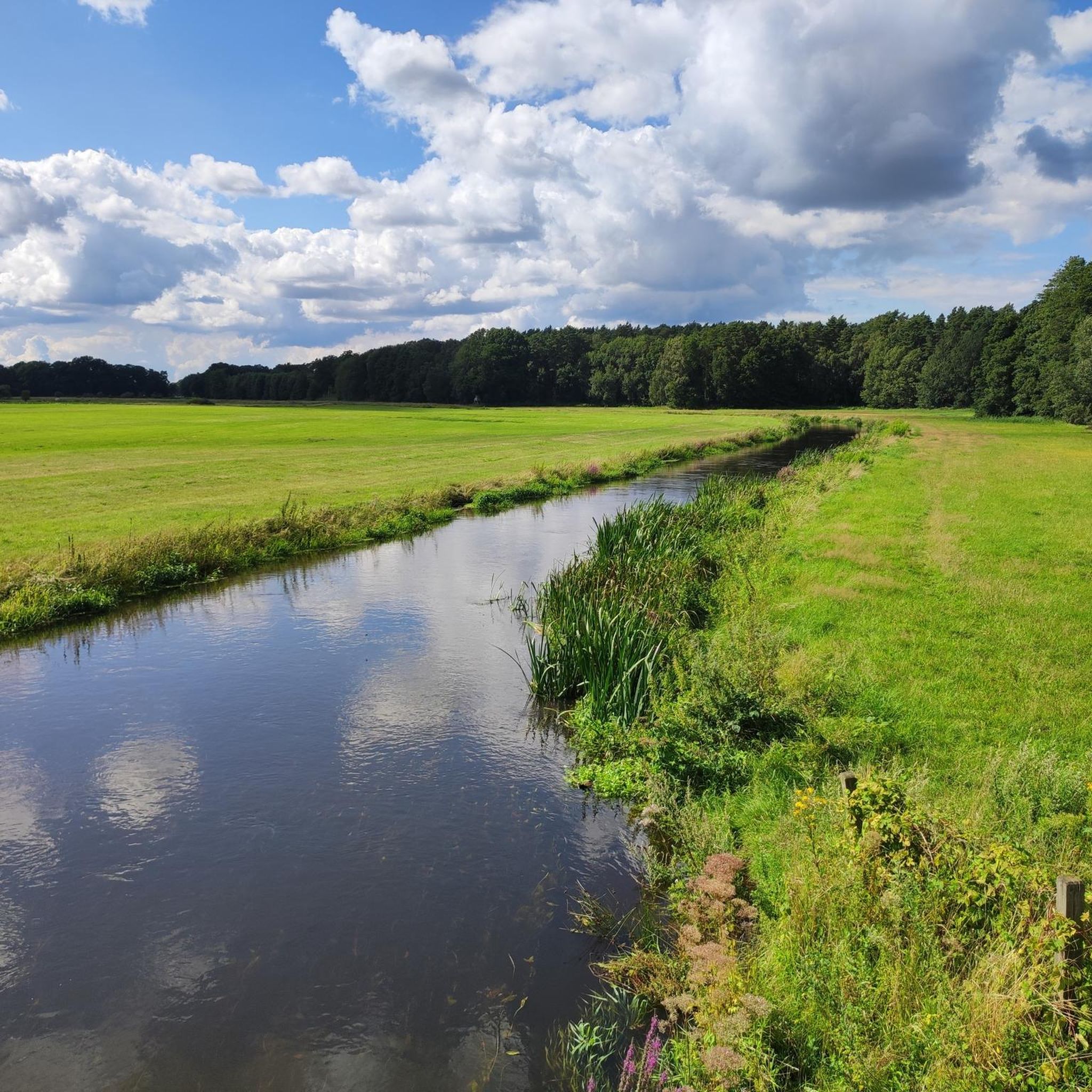
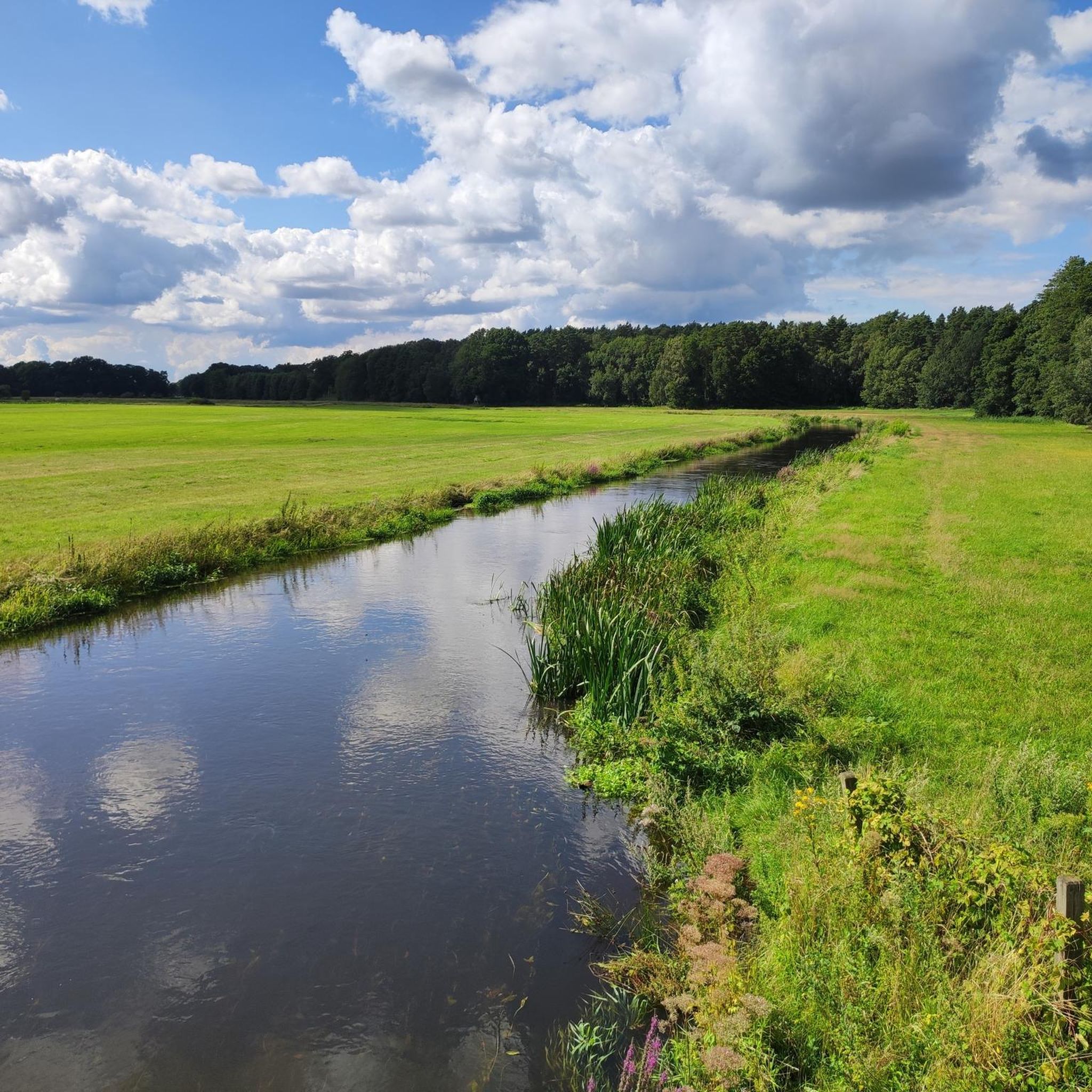
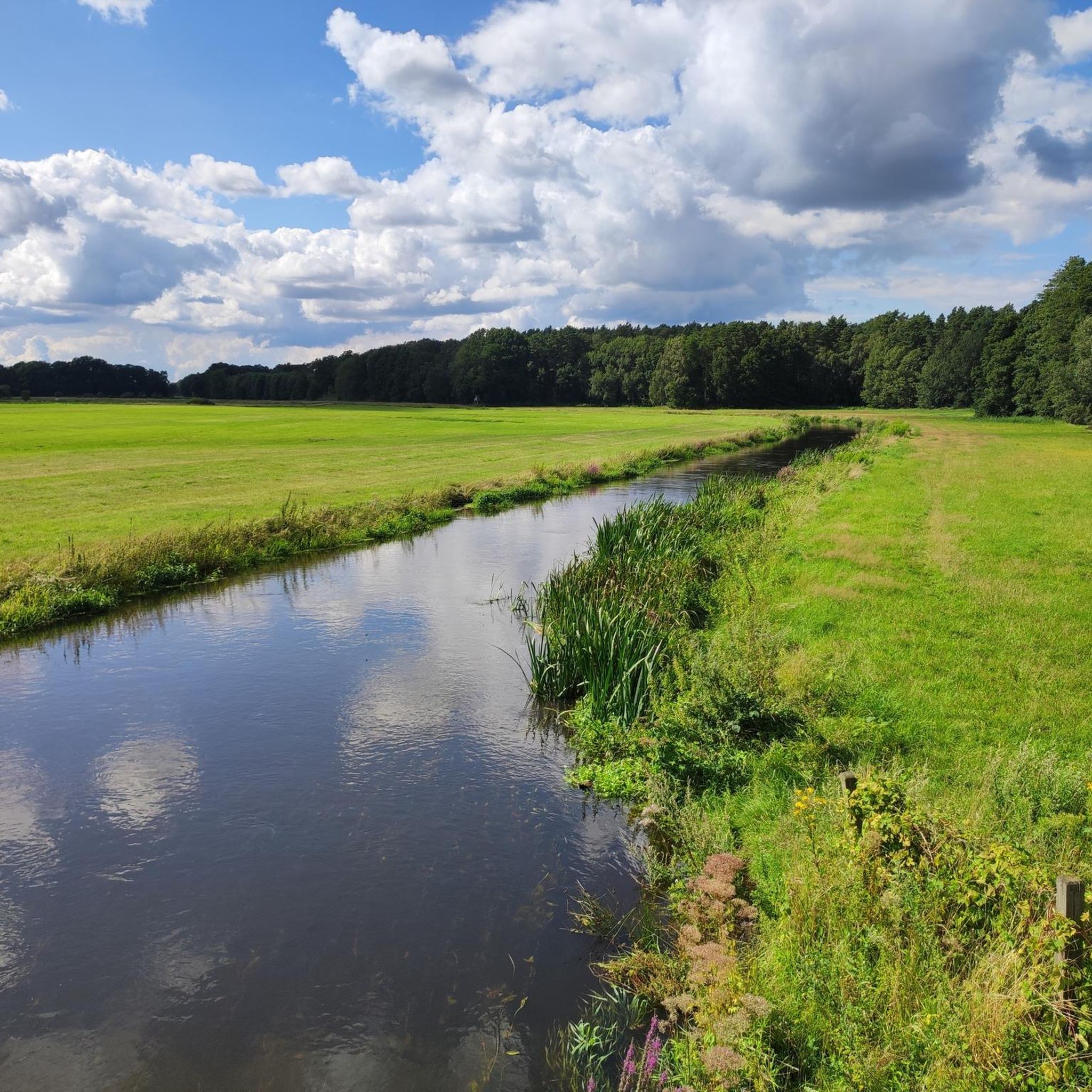
Confluence of the Oker and Aller rivers
Highlight • River
Translated by Google •
Tip by

Oker Weir and Fish Ladder, Müden (Aller)
Highlight • Bridge
Translated by Google •
Tip by
Sign up now to discover places like this
Get recommendations on the best single tracks, peaks, & plenty of other exciting outdoor places.
Sign up for free
Rest area with a shelter and exposed tree roots on the Gifhorn Heath
Highlight • Rest Area
Translated by Google •
Tip by

Exposed Tree Roots in Fahle Heide
Highlight • Natural Monument
Translated by Google •
Tip by

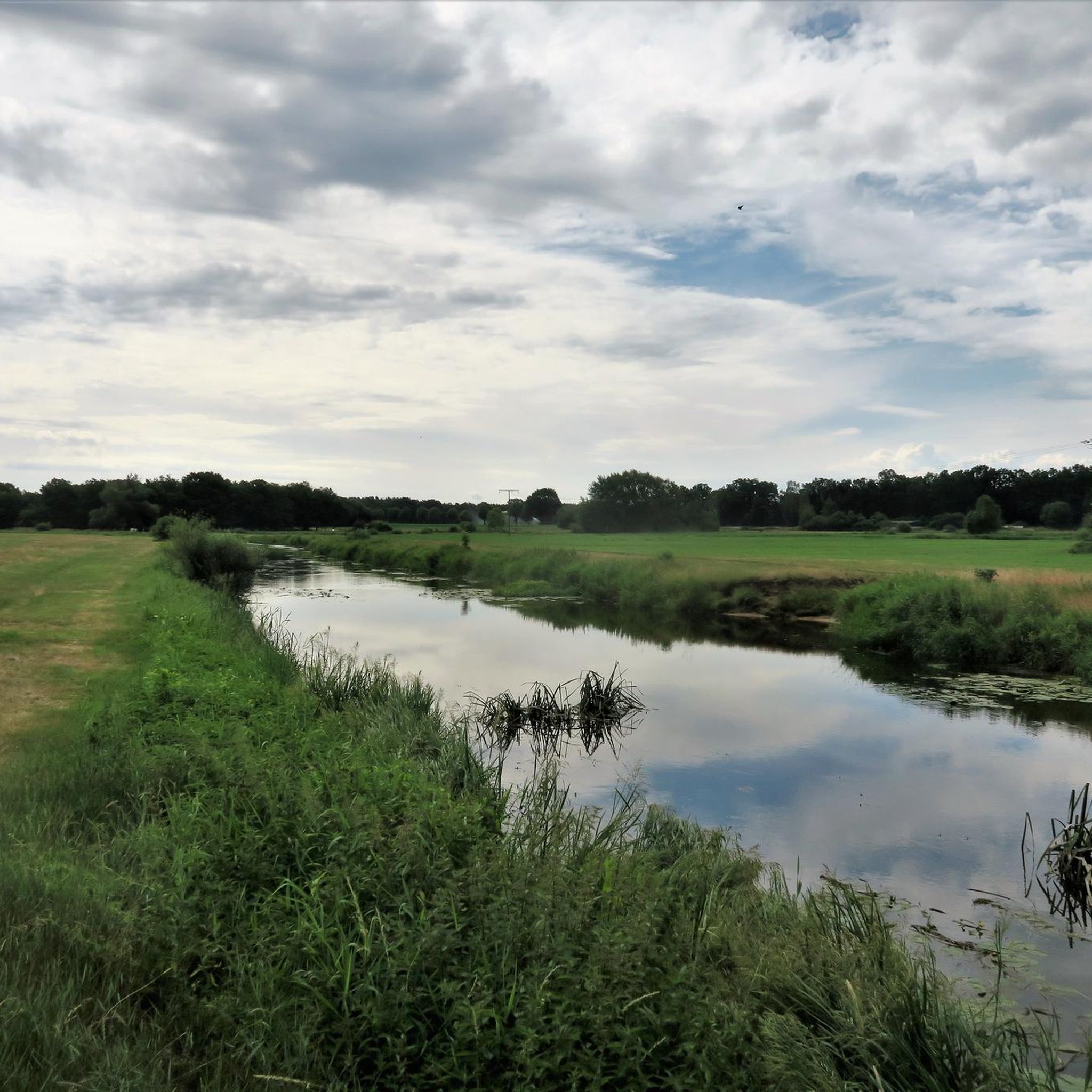
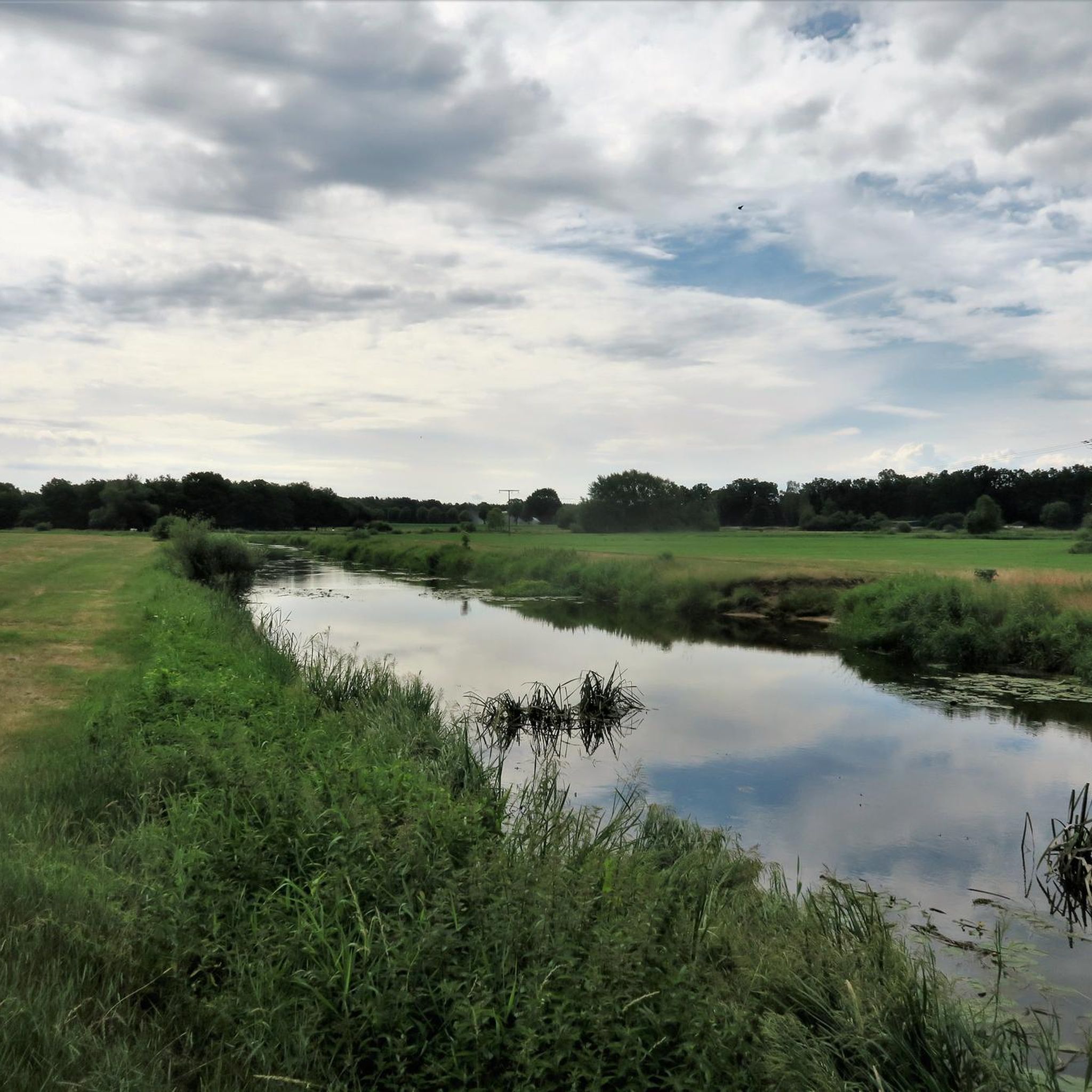
Aller Bridge, Flettmar
Highlight • Bridge
The Aller can be explored excellently in the entire area …
Translated by Google •
Tip by
Sign up for free to discover even more natural monuments around Allertal.
Sign up for free
Already have an account?
Start today with a free account
Your next adventure awaits.
Login or Signup
Tips from the Community

Wow, that's something .😮 😉
1
1

Very fascinating to watch.
0
0

The trees in the Gifhorn Heath are a real speciality. But the entire heath area is worth exploring.
2
0
A very nice view of the Aller near Flettmar
1
0


Located in the southern Aller glacial valley ( Fahler Heide or Gifhorner Schweiz nature reserve ), the roots (witch trees) are just behind the heath car park. Beautifully exposed roots. With a sign that is actually understandable for all generations: "Please do not play with them to destroy them." It's worth a stop. The roots are fascinating. There is a shelter and benches. It's definitely worth it. Several circular trails and hiking routes cross right next to it (Hermann-Löns-Weg, nature trail, etc.) https://www.nlwkn.niedersachsen.de/naturschutzgebiete/naturschutzgebiet-fahle-heide-gifhorner-heide-43057.html https://de.m.wikipedia.org/wiki/Fahle_Heide,_Gifhorner_Heide
2
1

Just look, don't touch (walk), even if it invites you to climb.
5
0

The Braunschweig city river disappears into the Aller. It is a beautiful destination and turning point for a tour from Braunschweig.
3
0
Frequently Asked Questions
What are some of the most popular natural monuments to visit in the Allertal region?
Visitors frequently enjoy the Confluence of the Oker and Aller rivers for its picturesque setting and the opportunity to see grazing sheep. Another highly rated spot is the Exposed Tree Roots in Fahle Heide, known for its spectacular root systems exposed by erosion. The Rest area with a shelter and exposed tree roots on the Gifhorn Heath also offers a unique experience with display boards and facilities.
Are there family-friendly natural monuments in the Allertal region?
Yes, several natural monuments are suitable for families. The Rest area with a shelter and exposed tree roots on the Gifhorn Heath is particularly popular, with display boards that are understandable for children and roots that kids love to climb. The Exposed Tree Roots in Fahle Heide also fascinate all ages. The Confluence of the Oker and Aller rivers offers a tranquil setting where children can observe nature and occasionally see grazing sheep.
What kind of natural features can I expect to see in the Allertal region?
The Allertal region is characterized by diverse natural features. You'll find serene river landscapes, such as the Confluence of the Oker and Aller rivers, and heathlands with moorland forests and old acidic oak forests. Unique geological formations like the Exposed Tree Roots in Fahle Heide are also prominent. The area includes sand heaths with heather and gorse on inland dunes, as well as fens and reed beds.
Are there hiking trails near the natural monuments in Allertal?
Absolutely. The Fahle Heide area, home to the Exposed Tree Roots, has several circular trails and hiking routes, including the Hermann-Löns-Weg, that pass nearby. For more options, you can explore various hiking routes around Allertal, including easy loops like the 'St. Petri Church Müden (Aller) – Confluence of the Oker and Aller rivers loop from Flettmar'.
What outdoor activities can I do near these natural monuments?
Beyond exploring the natural monuments themselves, the Allertal region offers excellent opportunities for outdoor activities. You can enjoy hiking through diverse landscapes or go cycling along the Aller and Oker rivers. Canoeing and kayaking are also popular on the Aller, especially in the area around Flettmar.
When is the best time to visit the natural monuments in Allertal?
The Allertal region is beautiful year-round. Spring and summer offer lush greenery and vibrant heath blooms, ideal for hiking and observing wildlife. Autumn brings colorful foliage, while winter provides a tranquil, often snowy, landscape for peaceful walks. The Exposed Tree Roots are a fascinating sight regardless of the season.
Is parking available at the natural monuments?
Yes, for some key natural monuments, parking is conveniently available. For instance, the Exposed Tree Roots in Fahle Heide are located just behind a heath car park, making them easily accessible. The Aller Bridge at Flettmar also has good and large jetty facilities accessible with vehicles.
What kind of wildlife can I observe in the Allertal region?
The diverse ecosystems of the Allertal support various plant and animal species. At the Confluence of the Oker and Aller rivers, you might spot grazing sheep and a variety of insects like crickets, butterflies, and dragonflies in the riverside meadows. The heathlands and forests are habitats for numerous species, some of which are endangered, making it an important conservation area.
Are there any historical or man-made structures near the natural monuments?
While the focus is on natural monuments, the region does feature some interesting man-made structures with ecological significance. Near the confluence of the Oker and Aller, you'll find the Oker Weir and Fish Ladder in Müden (Aller). This structure, restored in 2006, assists fish migration and offers a glimpse into local water management history.
What do visitors enjoy most about the natural monuments in Allertal?
Visitors particularly appreciate the unique natural formations, such as the spectacular Exposed Tree Roots, which are often described as fascinating. The tranquil beauty of the river landscapes, especially at the Confluence of the Oker and Aller rivers, and the opportunity for peaceful walks through diverse heathlands and forests are also highly valued.
Can I find easy walking routes suitable for all fitness levels?
Yes, the Allertal region offers many easy walking routes. For example, the 'St. Petri Church Müden (Aller) – Confluence of the Oker and Aller rivers loop from Flettmar' is an easy 6.8 km hike. You can find more options for easy hikes around Allertal, many of which pass by or through these natural areas.
Most popular routes around Allertal
Most popular attractions around Allertal

Get inspired with the komoot mobile app


Explore more
Extend your search for the best caves by checking out these guides of the top ones around Allertal:
