Top 9 Natural Monuments around Cave
Best natural monuments around Cave include a diverse landscape featuring ancient trees, panoramic summits, and protected valleys. The region is characterized by its natural springs and forested areas, particularly within the Prenestini Mountains and Castelli Romani. These natural features offer opportunities to explore unique geological formations and historical sites. The area provides a varied natural environment for outdoor activities.
Best natural monuments around Cave
- The most popular natural monuments is Monte Calo Summit, a summit that offers a panorama…
Last updated: June 28, 2026
Monumental Oak of Pierluigi da Palestrina
Highlight • Natural Monument
Translated by Google •
Tip by

Monte Calo Summit
Highlight • Summit
Translated by Google •
Tip by
Sign up now to discover places like this
Get recommendations on the best single tracks, peaks, & plenty of other exciting outdoor places.
Sign up for free
Valle delle Cannuccete Natural Monument
Highlight • Natural Monument
Translated by Google •
Tip by

Fonte del Piscaro
Highlight • Natural Monument
Translated by Google •
Tip by

Springs Trail
Highlight • Trail
Translated by Google •
Tip by

Sign up for free to discover even more natural monuments around Cave.
Sign up for free
Already have an account?
Start today with a free account
Your next adventure awaits.
Login or Signup


Tips from the Community

The "Oak of Pierluigi da Palestrina" is a monumental downy oak located in the Cannuccete Valley, in the Prenestini Mountains, not far from Palestrina. This centuries-old tree, over 20 meters tall and with a circumference of over six meters, is considered one of the oldest and most impressive trees in Lazio. It is estimated to be between 500 and 700 years old. According to local tradition, the famous musician Giovanni Pierluigi da Palestrina loved to go to the foot of this oak tree to find inspiration and moments of reflection. Legend has it that the composer meditated and perhaps composed some of his works in the shade of this tree, although these details are not confirmed by historical sources.
0
0
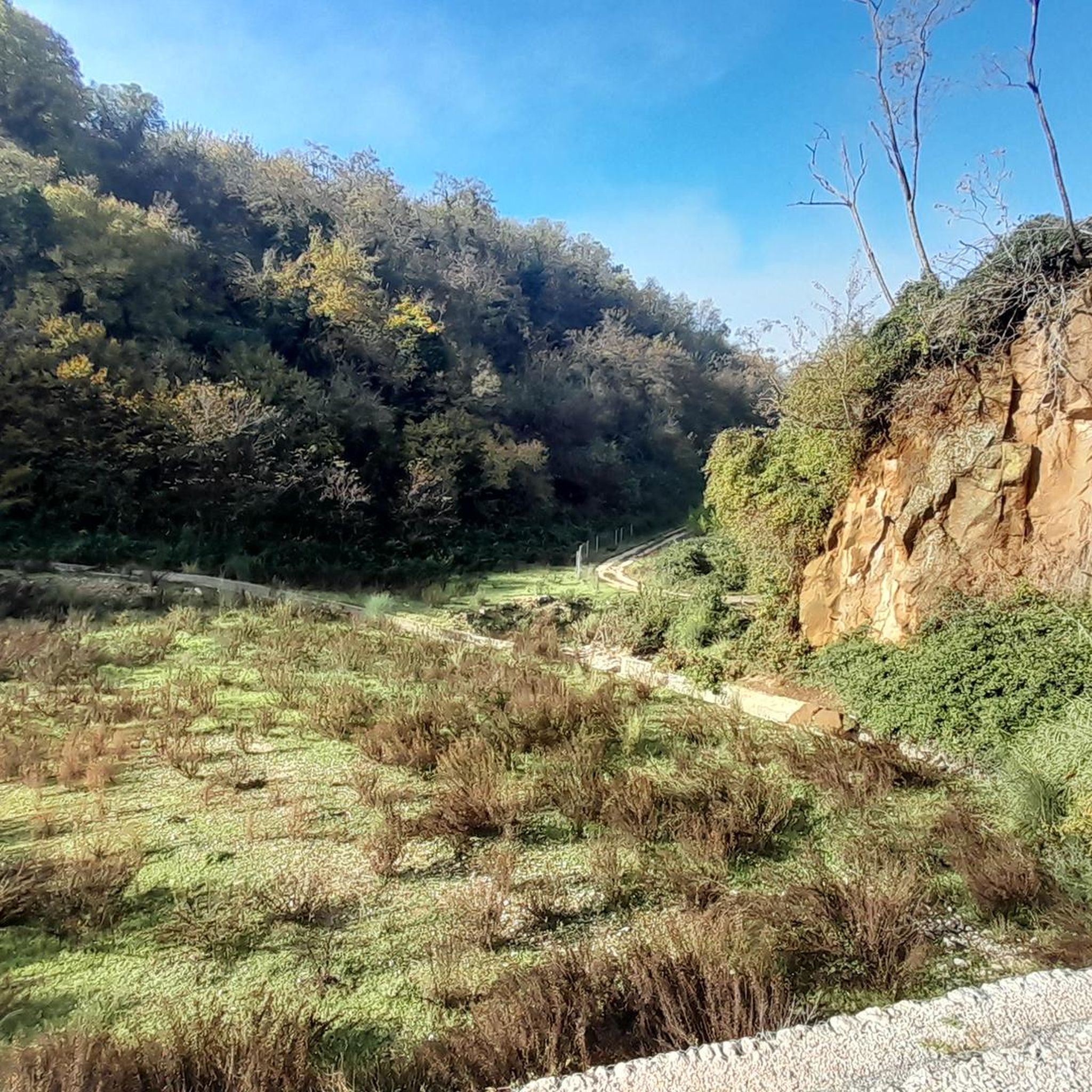
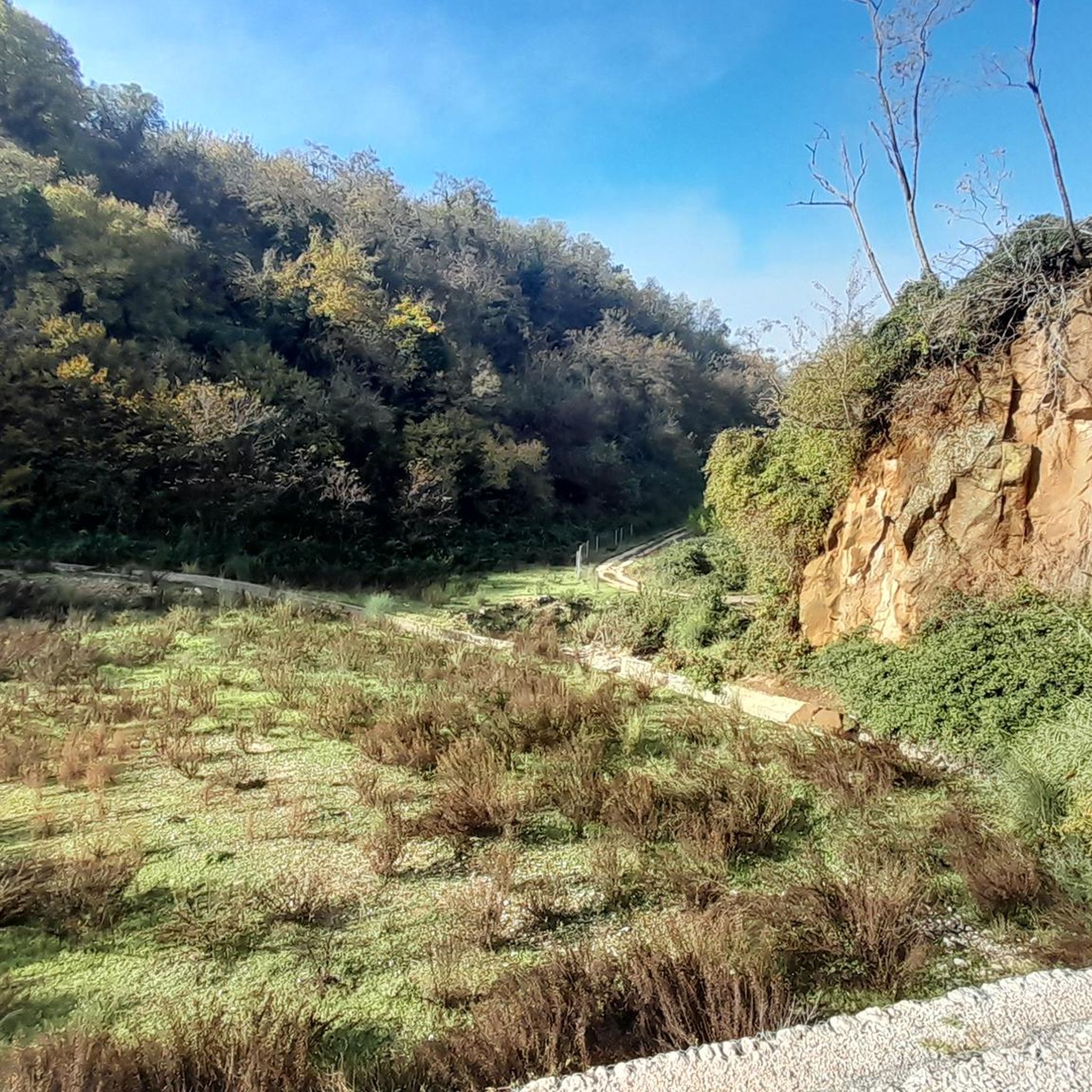
The trail connects at least three historic springs: Fonte del Ceraso, Fonte la Tegola (in Colle di Fuori), and Fonte Piscaro, immersed in centuries-old chestnut groves and connected by little-known and rarely traveled stretches of woodland. Some of the springs, such as Fonte Ceraso and Fonte la Tegola, still preserve tunnels dug into the volcanic rock in ancient times, evidence of the first pre-Roman and Etruscan hydraulic engineering feats, used to channel water to the town.
1
0


Technical routes, but doable for an intermediate level biker recommended full but also doable in front with a few more jolts absolutely to try
0
0

Take a peek at the Pierluigi Oak, a magnificent tree that is about 500 years old. The tale behind this tree is about Giovanni Pierluigi da Palestrina, a composer from the late 1500s. He enjoyed coming here to contemplate and find inspiration beneath it's shade.
0
0

tour among the sources of the castles in the Vivaro area
1
0

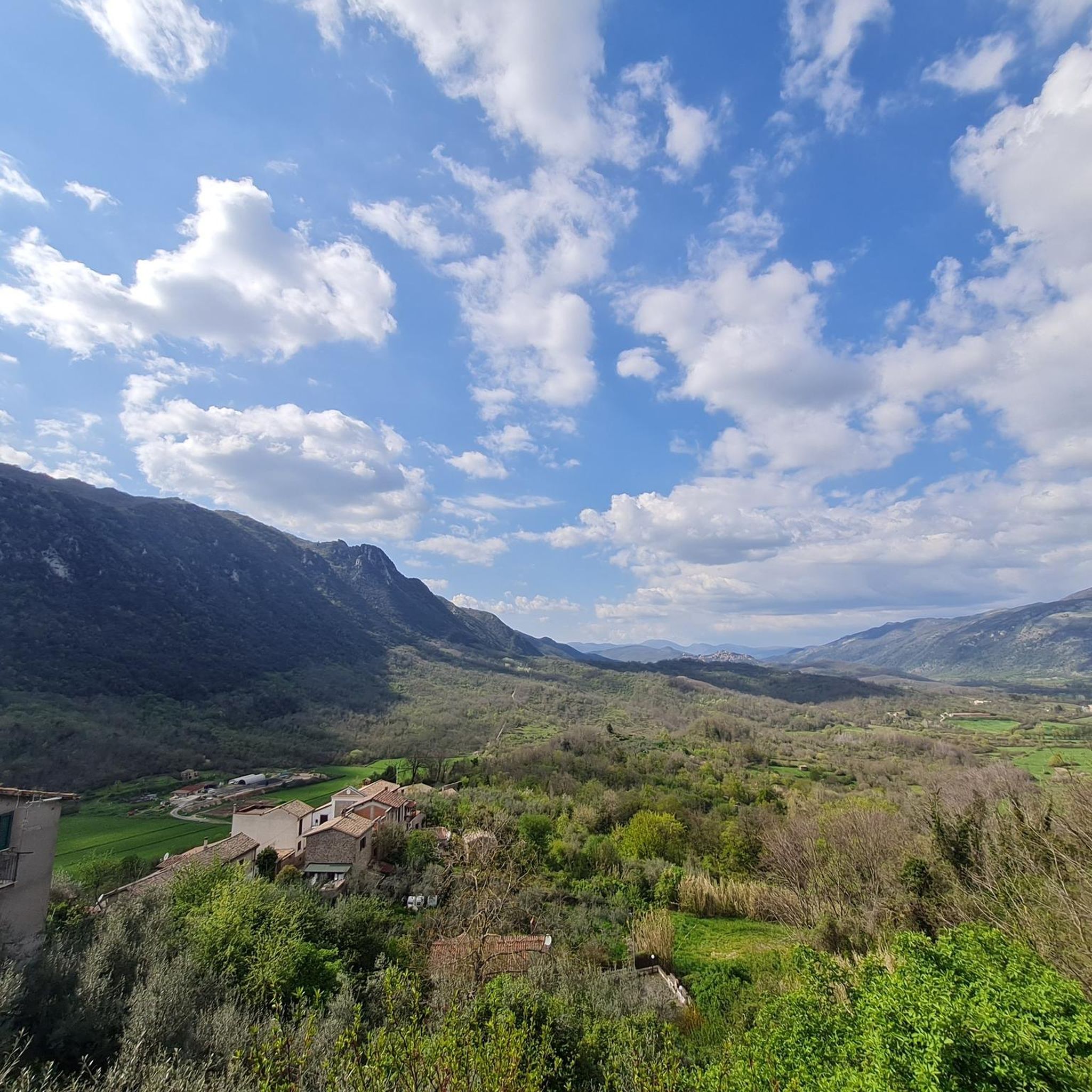
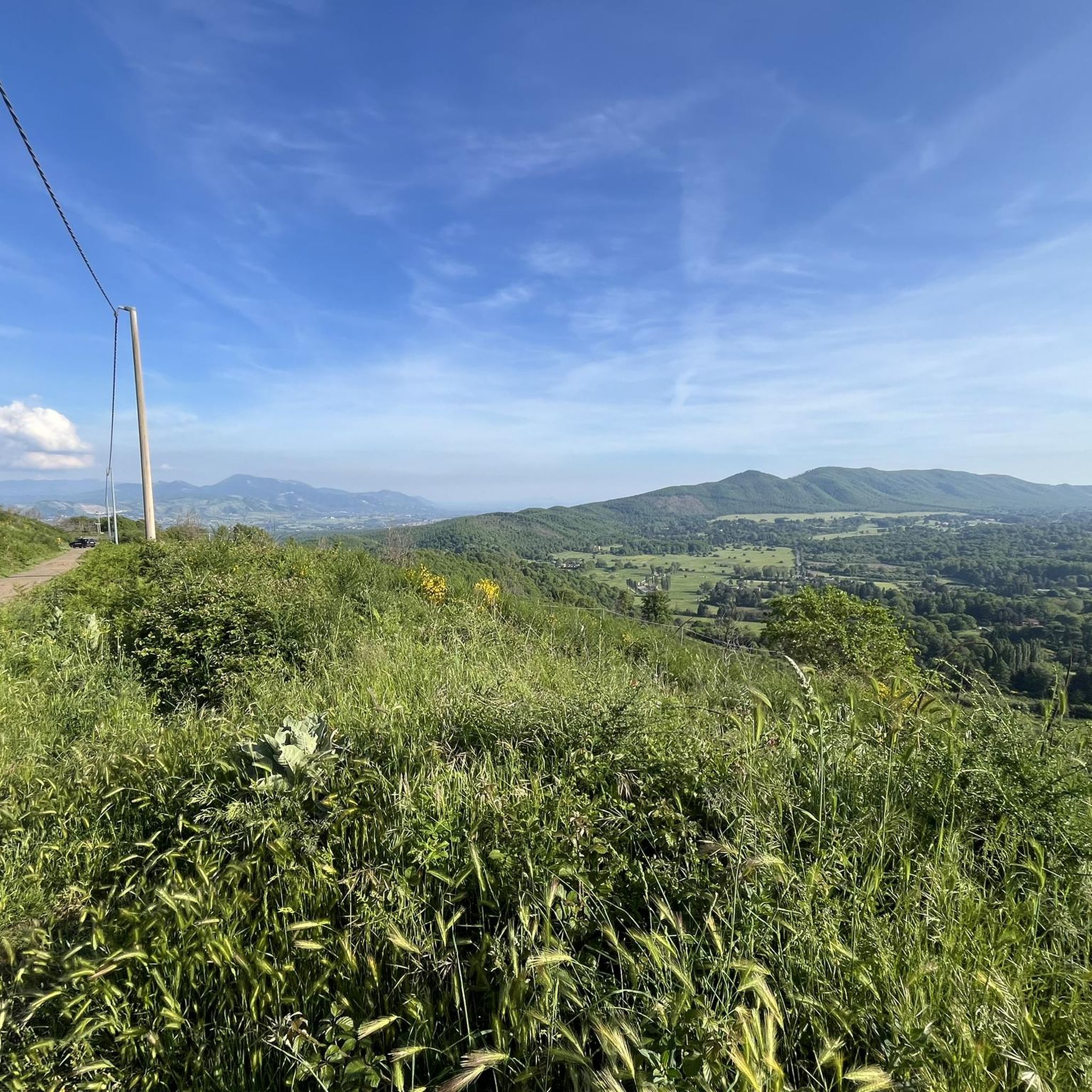
From the modest top of Monte Calo, 1,152 metres, there is a beautiful panorama both towards Rome and towards the rocky walls of Monte Guadagnolo, recognizable by the towering antennas. Easily reachable from Rome, it is a perfect place for a picnic or to see the stars on beautiful summer evenings and enjoy a refreshing refreshment!
4
0
This monumental oak is thought to be at least 500 years old, stands 22 meters tall and has a circumference of approximately six metres. Legend has it that the great sixteenth-century musician Pierluigi da Palestrina went to these woods to draw inspiration for his compositions. It is visible by moving slightly north from the path that runs through the Valle delle Cannuccette.
2
0
Frequently Asked Questions
What are some of the most popular natural monuments to visit around Cave?
Among the most appreciated natural monuments in the area is Monte Calo Summit, offering panoramic views towards Rome and Monte Guadagnolo. Another significant site is the Valle delle Cannuccete Natural Monument, a protected natural area recognized by the Lazio Region. Visitors also enjoy Fonte del Piscaro, a characteristic natural spring in the Castelli Romani territory.
Are there any family-friendly natural monuments or trails around Cave?
Yes, the Springs Trail is considered family-friendly. This trail connects several historic springs, such as Fonte del Ceraso and Fonte la Tegola, winding through centuries-old chestnut groves. It offers an engaging experience for families to explore the natural environment and ancient hydraulic engineering.
What unique natural features can I expect to see in the natural monuments near Cave?
The region around Cave boasts diverse natural features. You can find ancient trees, such as the monumental Oak of Pierluigi da Palestrina, which is estimated to be between 500 and 700 years old. There are also panoramic summits like Monte Calo Summit, offering expansive views, and numerous natural springs, including Fonte del Piscaro, which are characteristic of the Castelli Romani territory.
Are there any historical or cultural connections to the natural monuments in this area?
Yes, the Monumental Oak of Pierluigi da Palestrina is steeped in local tradition. Legend has it that the famous sixteenth-century musician Giovanni Pierluigi da Palestrina sought inspiration and composed some of his works in the shade of this ancient tree. Additionally, the Springs Trail features tunnels dug into volcanic rock in ancient times, showcasing early pre-Roman and Etruscan hydraulic engineering feats.
What kind of outdoor activities can I do near the natural monuments around Cave?
The area around Cave offers various outdoor activities. You can explore running trails, such as the 'Running loop from Cave' or 'Running loop from Palestrina', which are generally moderate in difficulty. For mountain biking enthusiasts, there are challenging routes like 'Salita a Guadagnolo da Palestrina' or 'Passo della Madonnella Shrine – Acqua Donzella Spring loop'. Road cyclists can enjoy scenic routes like 'Scenic Gorge Passage – Murals of the Gold Mine Silos loop'. You can find more details on these activities in the Running Trails around Cave, MTB Trails around Cave, and Road Cycling Routes around Cave guides.
Are there specific trails that explore the natural monuments around Cave?
Yes, the Springs Trail is a notable route that takes you through centuries-old chestnut groves and connects several historic springs. While the Valle delle Cannuccete Natural Monument itself is a protected area, it contains paths that are suitable for intermediate-level bikers, allowing you to explore its natural significance.
What should I know about the water sources like Fonte del Piscaro?
Fonte del Piscaro is a picturesque natural spring in the Castelli Romani. However, it's important to note that the water from this source is not drinkable due to sewage dispersion from nearby houses. Always bring your own drinking water when visiting natural springs in the area.
Is Monte Calo Summit suitable for stargazing?
Yes, Monte Calo Summit, at 1,152 meters, is described as a perfect place to see the stars on beautiful summer evenings. Its easily reachable location and panoramic views make it an ideal spot for stargazing.
What is the significance of the Valle delle Cannuccete Natural Monument?
The Valle delle Cannuccete Natural Monument is a protected natural area that has been officially declared a Natural Monument by the Lazio Region. This recognition highlights its ecological importance and the need for its preservation. It also hosts the ancient Monumental Oak of Pierluigi da Palestrina.
Are there any hidden gems or less crowded natural monuments to explore?
While the guide focuses on prominent natural monuments, the Springs Trail, which connects various historic springs, is noted for its little-known and rarely traveled stretches of woodland. This could offer a more tranquil experience away from more frequented spots, allowing you to discover ancient tunnels and centuries-old chestnut groves.
What do visitors particularly enjoy about the natural monuments around Cave?
Visitors appreciate the diverse landscape, from ancient trees and panoramic summits to protected valleys and natural springs. The community has upvoted these natural monuments 9 times and shared 6 photos, indicating a positive experience with the unique geological formations and opportunities for outdoor activities in the Prenestini Mountains and Castelli Romani.
Most popular attractions around Cave

Get inspired with the komoot mobile app


Explore more
Extend your search for the best caves by checking out these guides of the top ones around Cave:
