Top 12 Natural Monuments around Poli
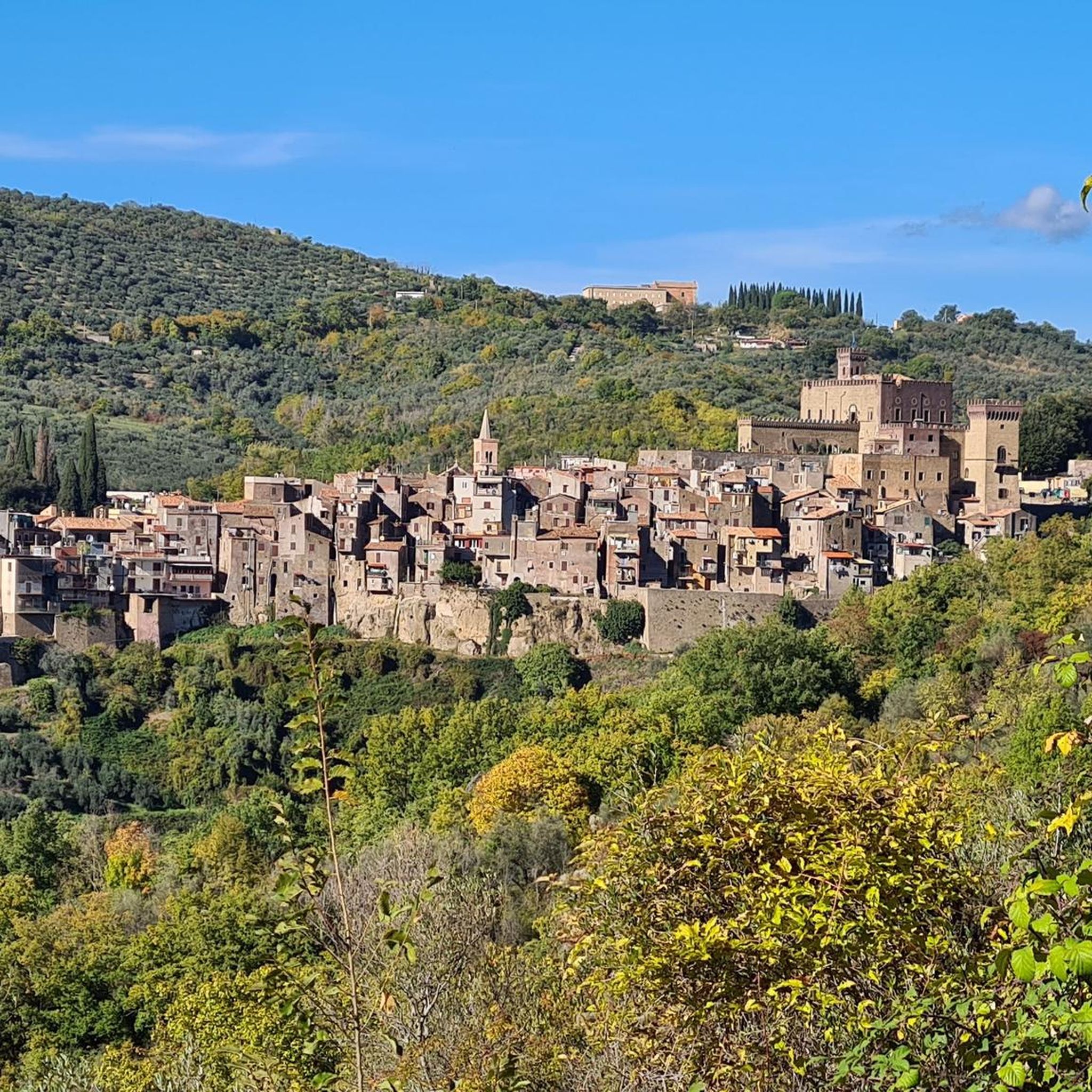
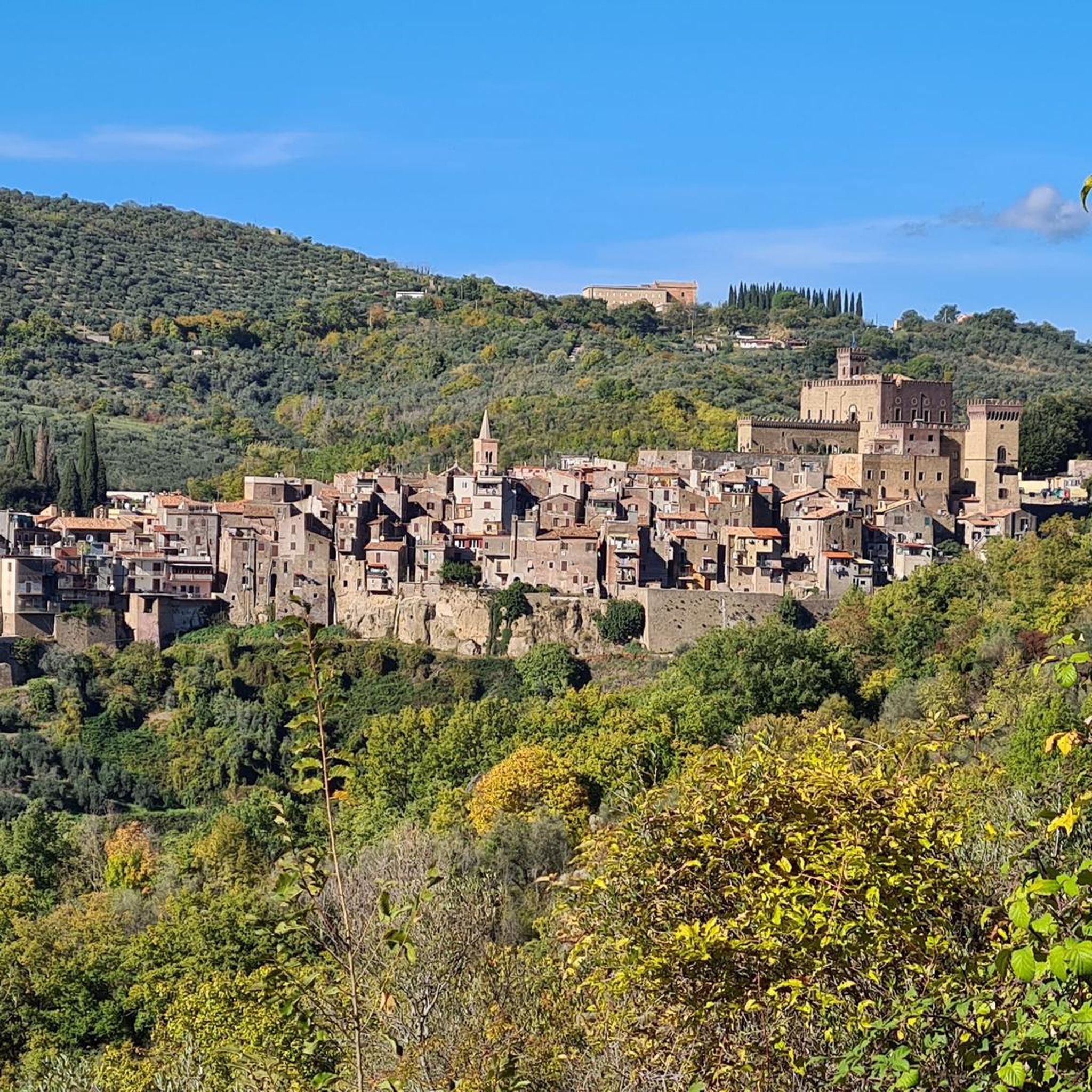
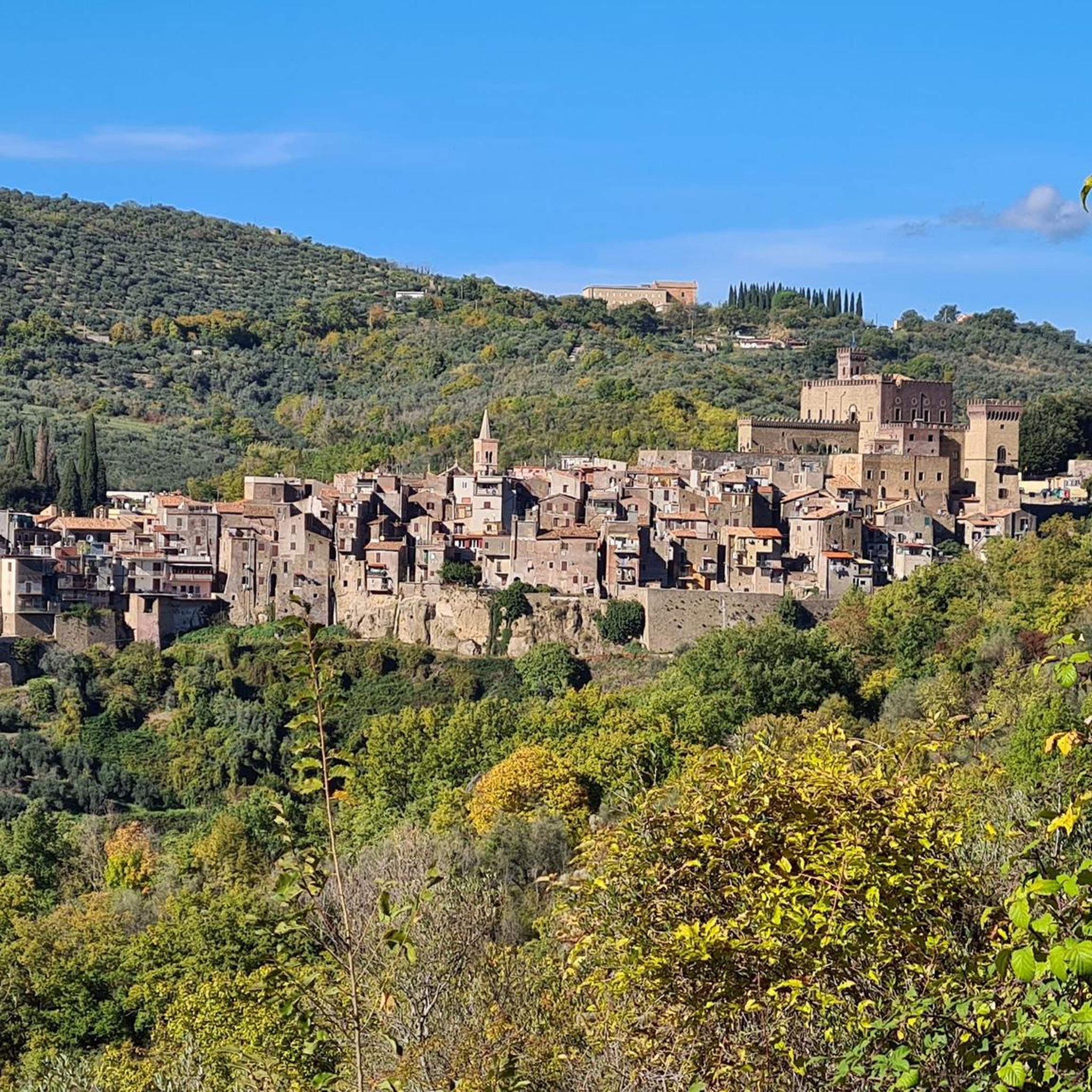
Best natural monuments around Poli are found in a landscape characterized by the Prenestini mountains and wooded areas. This region, located in the Metropolitan City of Rome Capital, offers a variety of natural features and historical sites. Visitors can explore diverse terrain, from mountain summits to areas with significant trees and water features. The natural areas near Poli provide opportunities for nature walks and appreciating the local environment.
Best natural monuments around Poli
- The most popular natural monuments is Monte…
Last updated: October 1, 2026
Fountain of the Organ, Villa d'Este
Highlight • Monument
Cardinal …
Translated by Google •
Tip by

Fountain of Neptune, Villa d'Este
Highlight • Monument
Translated by Google •
Tip by
Sign up now to discover places like this
Get recommendations on the best single tracks, peaks, & plenty of other exciting outdoor places.
Monumental Oak of Pierluigi da Palestrina
Highlight • Natural Monument
Translated by Google •
Tip by

Fountain of the Ovato
Highlight • Monument
Translated by Google •
Tip by
Caves at Villa Gregoriana
Highlight • Cave
Translated by Google •
Tip by

Sign up for free to discover even more natural monuments around Poli.
Already have an account?
Start today with a free account
Your next adventure awaits.

Tips from the Community

La Fontana dell'Organo a Villa d'Este a Tivoli è una meraviglia del tardo Cinquecento che suona melodie musicali usando solo la forza dell'acqua. Fu progettata dall'architetto Pirro Ligorio e costruita tra il 1566 e il 1571 Gli ingegneri francesi Luc Leclerc e Claude Venard crearono l'ingegnoso organo idraulico. I lavori si conclusero del tutto nel 1611. Mostra uno stile barocco, diverso dal resto della villa che è rinascimentale
0
0

The following text is a little over 100 years old, but even today, we humans of the 21st century should be filled with awe and humility by the 'mystery of ancient trees': 'A rose is beautiful, but not mysterious,' writes Karel CAPEK (1890-1938) in his book 'The Gardener's Year,' in which he 'tells of the eternal cycle of the gardening season with fine irony and loving observation' (publisher's text). The Czech writer further elaborates: 'Mysterious plants include... the tree of knowledge, ancient trees in general (...). I won't tell you where the mystery lies, the mystery must simply be acknowledged so that we can find it and humbly bow to it.'
0
0

The Fountain of Neptune reprises a project attributed to Gian Lorenzo Bernini, completed in the 20th century. The large waterfall is fed by the waters of the Aniene river and creates one of the most evocative scenic effects in the garden. Next to it is the famous Hydraulic Organ, which still produces music today by exclusively harnessing the power of water.
0
0
This place is wonderful, if you come to Tivoli you must visit it! Some advice: - It's better if you come in the morning so there will be more light. After a certain time in the afternoon, I believe that not much light will reach the lower part of the park. - It's better to bring hiking shoes and not flip-flops or smooth shoes because some parts of the trail are tricky.
1
0

The most unique fountain of all uses a hydraulic organ.
9
0
Beautifully refreshing, perfectly designed
8
0
Its iconic gardens and fountains also make it an extremely photogenic place.
8
0

The "Oak of Pierluigi da Palestrina" is a monumental downy oak located in the Cannuccete Valley, in the Prenestini Mountains, not far from Palestrina. This centuries-old tree, over 20 meters tall and with a circumference of over six meters, is considered one of the oldest and most impressive trees in Lazio. It is estimated to be between 500 and 700 years old. According to local tradition, the famous musician Giovanni Pierluigi da Palestrina loved to go to the foot of this oak tree to find inspiration and moments of reflection. Legend has it that the composer meditated and perhaps composed some of his works in the shade of this tree, although these details are not confirmed by historical sources.
0
0
Frequently Asked Questions
What natural features can I explore around Poli?
The area around Poli, nestled in the Prenestini mountains, offers diverse natural features. You can find mountain summits like Monte Calo Summit, which provides panoramic views towards Rome. There are also significant wooded areas, home to monumental trees such as the Monumental Oak of Pierluigi da Palestrina, and historical water features like the Fountain of the Ovato, which celebrates the richness of the Lazio countryside with its waterfalls.
Are there family-friendly natural monuments near Poli?
Yes, several natural monuments around Poli are suitable for families. The Fountain of the Ovato and the Fountain of the Organ, Villa d'Este, both featuring impressive water displays and garden designs, are considered family-friendly. The Fountain of Rome (Rometta), Villa d'Este, with its allegorical figures, also offers an engaging experience for all ages.
What outdoor activities can I do near these natural monuments?
The region around Poli is excellent for various outdoor activities. You can find numerous routes for hiking, running, and gravel biking. For instance, there are several hiking trails, including the 'Guadagnolo for Monte Vincenzo' ring tour, which is of moderate difficulty. You can explore more options for hiking around Poli, running trails around Poli, and gravel biking around Poli.
Where can I find the best viewpoints around Poli?
For breathtaking views, head to Monte Calo Summit. From its modest top at 1,152 meters, you can enjoy a beautiful panorama stretching towards Rome and the rocky walls of Monte Guadagnolo. It's an ideal spot for photography and appreciating the landscape.
Are there any historical sites combined with natural beauty?
Absolutely. The area beautifully blends natural and historical elements. The Fountain of the Organ, Villa d'Este, a UNESCO World Heritage Site, is a masterpiece of Italian garden design with an impressive concentration of fountains and water features. Similarly, the Fountain of the Ovato, while man-made, integrates natural waterfalls and celebrates the region's natural richness.
What is the best season to visit the natural monuments around Poli?
While the guide doesn't specify a single 'best' season, the region's natural beauty, especially the wooded areas and water features, suggests that spring and early summer would be particularly appealing. The Karol Wojtyła Trail to the Sanctuary of Mentorella, for example, is noted for being beautiful in spring when the forest floor is covered with flowers and ditches are full of water. Autumn would also offer vibrant foliage.
Can I find any monumental trees in the area?
Yes, the region is home to impressive ancient trees. A notable example is the Monumental Oak of Pierluigi da Palestrina. This centuries-old downy oak, estimated to be between 500 and 700 years old, stands over 20 meters tall in the Cannuccete Valley. Local tradition suggests the famous musician Giovanni Pierluigi da Palestrina found inspiration beneath its branches.
What are the difficulty levels of hiking trails near Poli's natural monuments?
Hiking trails around Poli vary in difficulty. For instance, the 'Guadagnolo for Monte Vincenzo' ring tour is rated as moderate. The Monte Calo Summit is easily reachable, making it a good option for those seeking an intermediate challenge with a rewarding view. You can find more detailed information on specific routes and their difficulty levels in the Hiking around Poli guide.
Are there any natural monuments with water features?
The area is rich in water features, often integrated into historical garden designs. The Fountain of the Ovato is a prime example, with its large oval basin and waterfalls celebrating the local landscape. The Fountain of the Organ, Villa d'Este, is renowned for its impressive concentration of fountains, nymphaeums, and hydraulic music, making it a true masterpiece of water art.
What do visitors enjoy most about the natural monuments around Poli?
Visitors particularly appreciate the blend of natural beauty with historical significance. The impressive water features and garden designs of places like Villa d'Este, the panoramic views from summits such as Monte Calo Summit, and the serene presence of ancient trees like the Monumental Oak of Pierluigi da Palestrina are frequently highlighted. The refreshing experience and the opportunities for nature walks are also highly valued.
Can I find less crowded natural monuments near Poli?
While specific crowd levels aren't detailed for each monument, exploring the various hiking and running trails in the Prenestini mountains, such as those leading to the Monumental Oak of Pierluigi da Palestrina, might offer a more secluded experience compared to the more popular historical sites. Visiting during off-peak hours or weekdays can also help avoid larger crowds.
Most popular attractions around Poli

Get inspired with the komoot mobile app


Explore more
Extend your search for the best caves by checking out these guides of the top ones around Poli:
