Top 20 Natural Monuments around Artena
Best natural monuments around Artena are found in the Lazio region of Italy, a landscape characterized by the Lepini Mountains and the Colli Albani. The area offers a blend of natural beauty, with forested hills, volcanic lakes, and panoramic views over the Sacco Valley. Artena's surroundings provide diverse natural features, from designated natural monuments to elevated plateaus with significant naturalistic value.
Best natural monuments around Artena
- The most popular natural monuments is Lake Nemi, a lake that is a…
Last updated: June 28, 2026
Tempesta Spring
Highlight • Natural Monument
Translated by Google •
Tip by

Lake Nemi
Highlight • Lake
Translated by Google •
Tip by

Sign up now to discover places like this
Get recommendations on the best single tracks, peaks, & plenty of other exciting outdoor places.
Sign up for free
Lake Giulianello
Highlight • Lake
Translated by Google •
Tip by

Acqua Donzella Spring
Highlight • Natural Monument
Tip by

Albano Caves
Highlight • Cave
The path is traveled by many people on mountain bikes …
Translated by Google •
Tip by

Sign up for free to discover even more natural monuments around Artena.
Sign up for free
Already have an account?
Start today with a free account
Your next adventure awaits.
Login or Signup

Other adventures around Artena

Tips from the Community

A treasure trove of history and nature 💎 Lake Nemi, anciently called "Diana's Mirror", is one of the most evocative stops in the entire Park of the Roman Castles. Perfect for a loop tour or as a scenic detour. The descent towards the shores offers views that seem painted, with the perched village overlooking the blue water.
0
0

Unfortunately, the tour is not practicable at this time due to some fallen trees along the route, but it will surely be cleared of these trees as soon as possible and it is a beautiful ride.
0
0

After a long time, the water has returned, perhaps thanks to the rains of the past few months. There are also some tadpoles that have been placed in the fountain.
0
0
Fontan Tempesta is much more than a simple spring: it is a melting pot of history, geology, and legend located in the heart of the Castelli Romani Park, along the ancient path connecting Genzano, Nemi, and Rocca di Papa. 1. History and Name The name "Tempesta" has ancient roots. Some historians link it to the Tempesta family, local nobles in the Middle Ages. Others, more romantically, maintain that the area is so named for the frequency of intense atmospheric phenomena due to the particular shape of the Nemi volcanic crater, which "attracts" thunderstorms. 2. A Hydrographic Turning Point The spring is located approximately 600 meters above sea level. Geologically, the water that flows here is the result of filtering through the pyroclastic rocks of the Laziale Volcano. The fact that it has returned to flow after years of drought is an important sign of the restoration of surface water tables, often strained by the scarce rainfall of recent years. 3. Crossroads of Pilgrims and Wayfarers Historically, Fontan Tempesta was an obligatory stop for those traveling the Southern Via Francigena or for pilgrims heading to the Temple of Diana in Nemi. Even today, it is a favorite "turning point" for bikers and hikers because it represents the coolest and most sheltered spot in the forest, where the microclimate remains humid even in the height of summer.
0
0

Nice spot to make pause and regain energy. Don’t expect water flowing during summer months
0
0

Hello Do you know if the trail is exposed in any places? We have a 15-month-old baby, and my wife is particularly afraid of the exposed sections. Thank you very much.
0
0

Starting from Lariano it is a long walk. The only advice is to do it in company because you will meet flocks of sheep, sometimes, without shepherds.
0
0

Fantastic spot reachable by car or on foot from both Nemi and Genzano where you can rest along the lake, camp out and feed the ducks.
0
0
Frequently Asked Questions
What are the main natural attractions to explore around Artena?
Artena is surrounded by diverse natural beauty. Key attractions include the volcanic Lake Giulianello, known for its biodiversity and tranquil setting, and the dramatic backdrop of the Lepini Mountains, offering forested hills and panoramic views. The area also features historical sites with significant naturalistic value, such as the Ruins of Tusculum, which provides stunning vistas over the Castelli Romani park.
Are there family-friendly natural monuments near Artena?
Yes, several natural monuments around Artena are suitable for families. Lake Giulianello is a great option for nature walks and birdwatching. Another excellent choice is Lake Nemi, which offers beautiful scenery and is also considered family-friendly, with opportunities to visit the Museum of Roman Ships or the temple of Diana nearby.
What kind of wildlife can be observed in the natural areas around Artena?
The natural areas around Artena, particularly the Lepini Mountains and Lake Giulianello, are rich in wildlife. At Lake Giulianello, you can spot various fish species like tench and European perch, along with birdlife such as the common coot and Eurasian wryneck. The Lepini Mountains are home to wild boars, hares, porcupines, badgers, and a variety of birds including woodpeckers and birds of prey.
What outdoor activities can I do near the natural monuments around Artena?
The region offers a range of outdoor activities. You can enjoy hiking, mountain biking, and gravel biking. For hiking, there are routes like the 'Lake Giulianello loop' which is an easy 3.1 km trail. Mountain biking enthusiasts can explore routes such as the 'Necropolis Fountain – Acqua Donzella Spring loop'. For more options, check out the full guides for hiking, MTB, and gravel biking around Artena.
Are there any natural viewpoints offering panoramic scenery near Artena?
Yes, the area boasts several stunning viewpoints. The Ruins of Tusculum offer one of the most notable panoramas in the entire Castelli Romani park. Additionally, the Civita di Artena (Piano della Civita) provides extensive views encompassing the Alban Hills, the Hernican Mountains, the Sacco Valley, and even parts of the Pontine Marshes and the sea.
What is special about Lake Giulianello?
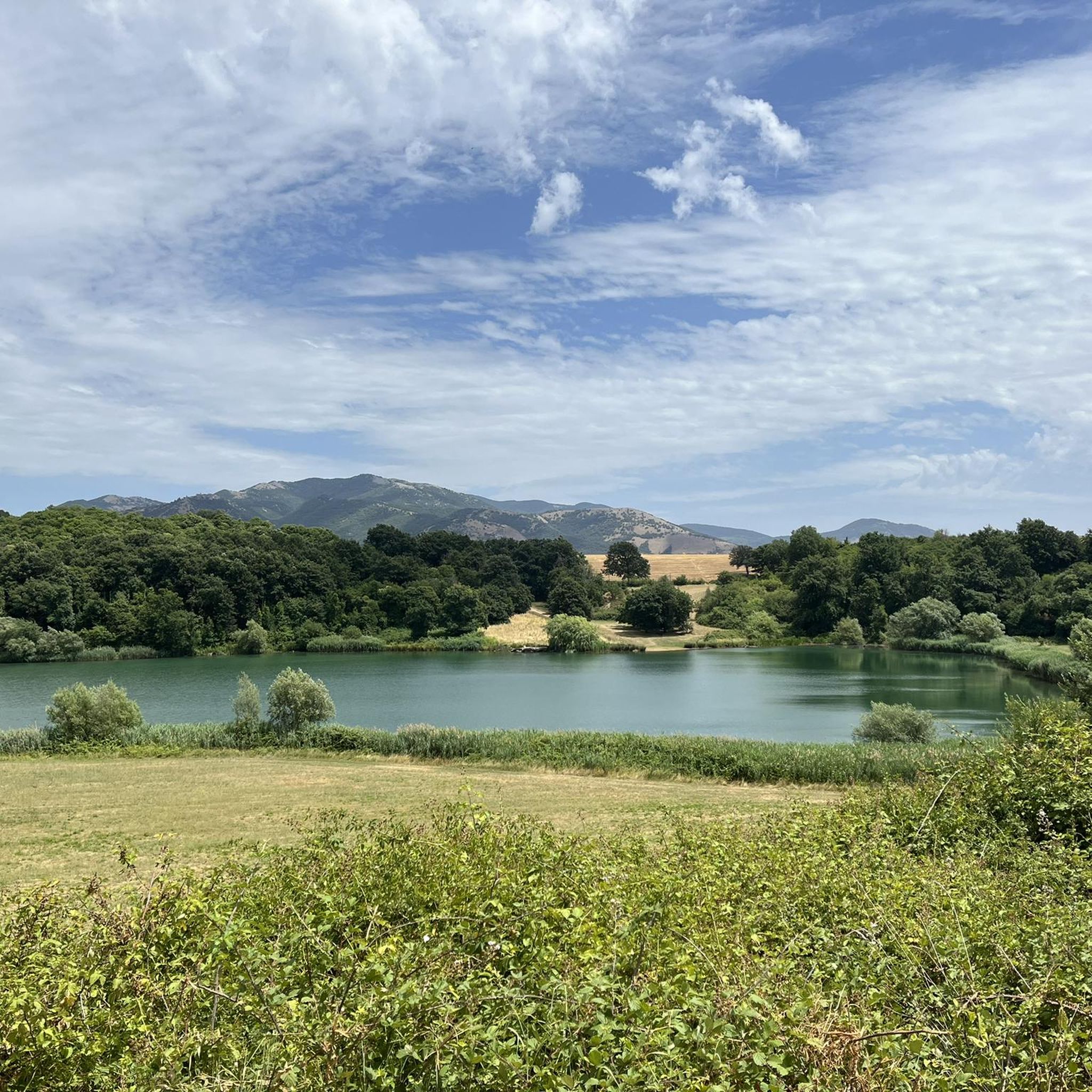
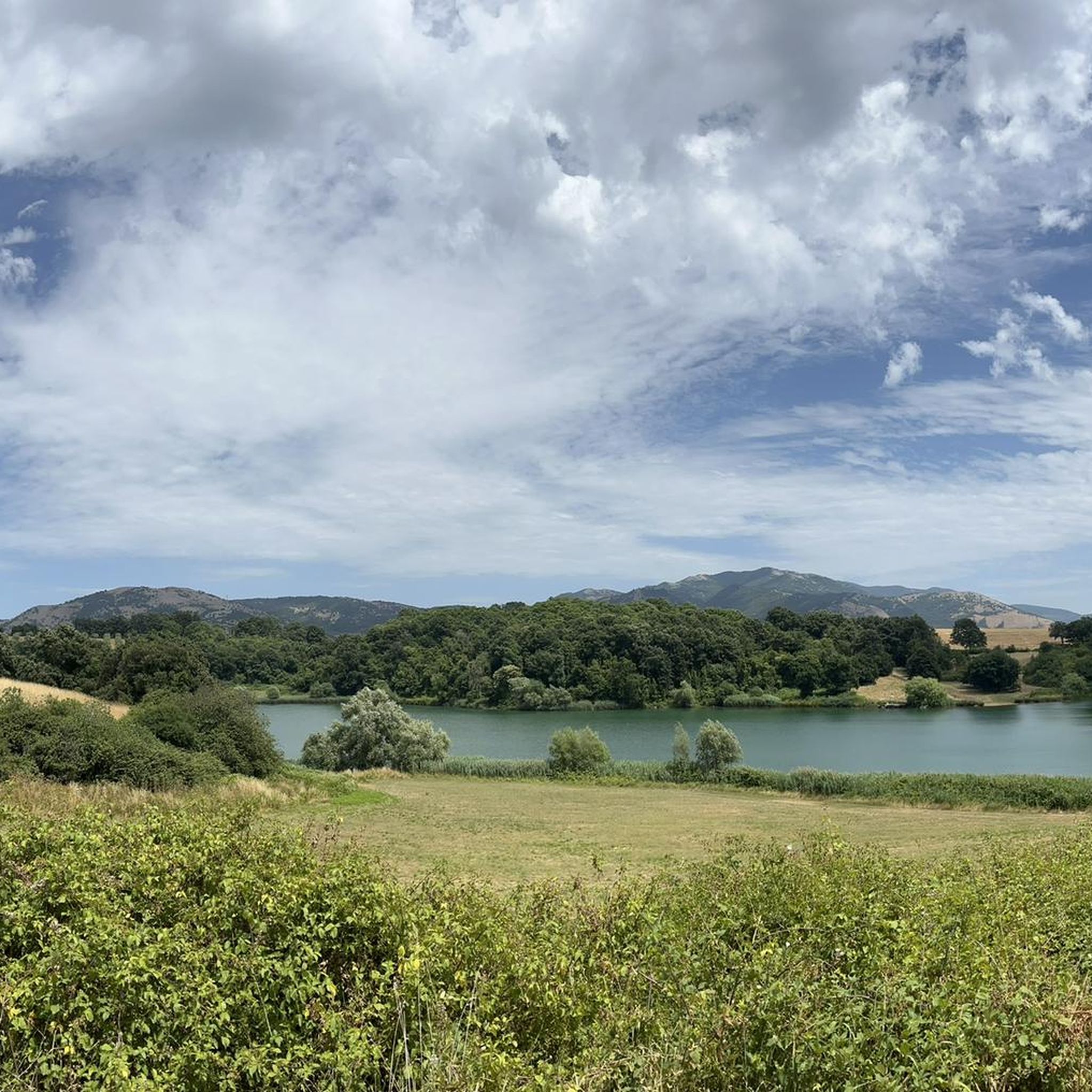
Lake Giulianello, also known as 'Lago La Torre', is a designated natural monument and the third volcanic lake in the Colli Albani. It's an oval-shaped lake with a perimeter of 1.8 km, nestled in an exclave administered by Artena. It's highly valued for its scenic beauty and remarkable biodiversity, featuring reed thickets, secular oaks, and diverse fish and bird species. It's an ideal spot for nature enthusiasts seeking tranquility.
Can I find historical sites with naturalistic value around Artena?
Absolutely. The Ruins of Tusculum is a prime example, combining ancient history with breathtaking natural views over the Castelli Romani. Another site is the Acqua Donzella Spring, which is not only a natural spring but also has historical significance related to an ancient aqueduct and local legends.
What are the Lepini Mountains like, and what do they offer visitors?
The Lepini Mountains form a dramatic backdrop to Artena, characterized by forested hills and sweeping valley views. They offer diverse vegetation, from Mediterranean scrub at lower elevations to beech and oak forests higher up. Visitors can enjoy ample opportunities for walking and nature excursions along panoramic trails and ancient mule tracks, immersing themselves in the natural beauty of southern Lazio and enjoying views over the Sacco Valley.
Are there any natural springs or water sources in the area?
Yes, the region features natural springs. The Tempesta Spring is a notable seasonal source located in the Colli Albani park, offering a very suggestive place to immerse yourself in nature. Another is the Acqua Donzella Spring, which has historical ties to an ancient aqueduct and local folklore.
What is the best time to visit the natural monuments around Artena?
The natural monuments around Artena can be gratifying to visit throughout the year. Spring and autumn generally offer pleasant temperatures for hiking and exploring the Lepini Mountains and the areas around the lakes. During these seasons, the vegetation is vibrant, and the weather is ideal for outdoor activities like nature walks and birdwatching.
What do visitors particularly enjoy about the natural monuments near Artena?
Visitors frequently praise the tranquility and unspoiled nature of places like Lake Giulianello, describing it as a 'lake of serenity' and an 'uncontaminated place'. The panoramic views from sites like the Ruins of Tusculum and Civita di Artena are also highly appreciated, offering stunning vistas over the surrounding Lazio countryside.
Are there easy walking routes suitable for beginners near Artena's natural monuments?
Yes, there are options for easier walks. The 'Lake Giulianello loop' is an easy 3.1 km hiking route that allows you to explore the scenic beauty around the lake. This provides a gentle way to experience the natural surroundings without strenuous effort. For more easy routes, you can consult the hiking guide for Artena.
Most popular attractions around Artena

Get inspired with the komoot mobile app


Explore more
Extend your search for the best caves by checking out these guides of the top ones around Artena:
