Top 20 Natural Monuments around Ferriere
Best natural monuments around Ferriere showcase a landscape rich in diverse natural features, including impressive mountain summits, serene glacial lakes, and dense forests. This region offers extensive opportunities for outdoor exploration, with many locations providing panoramic views across the Apennine range. Visitors can discover a variety of natural formations, from high-altitude peaks to ancient forest ecosystems. The area is well-suited for those seeking challenging hikes and tranquil natural retreats.
Best natural monuments around Ferriere
- The most popular natural monuments is…
Last updated: June 28, 2026
Monte Bue summit and summit cross
Highlight • Summit
Translated by Google •
Tip by

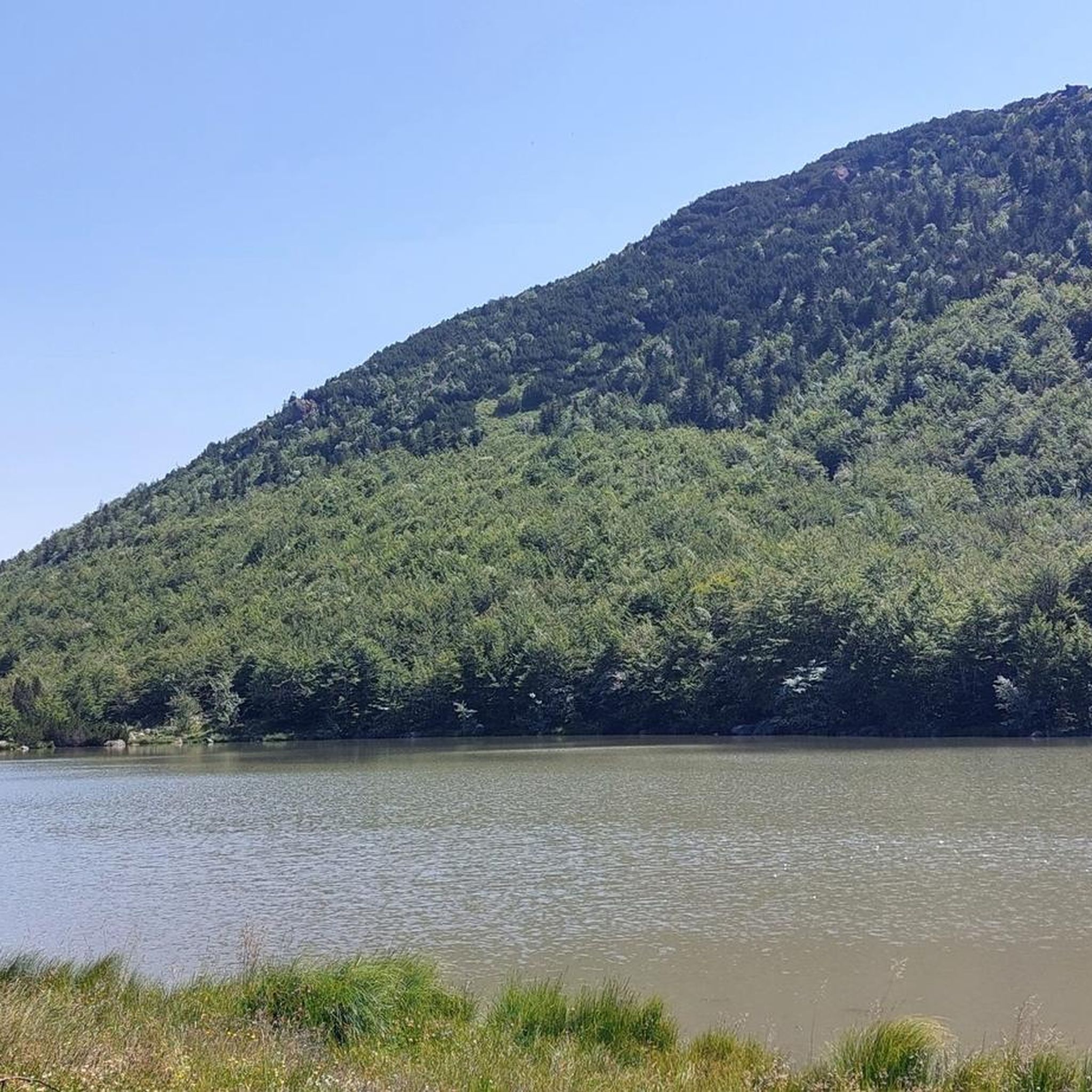
Black Lake
Highlight • Lake
Translated by Google •
Tip by
Sign up now to discover places like this
Get recommendations on the best single tracks, peaks, & plenty of other exciting outdoor places.
Sign up for free
Lame Lake
Highlight • Lake
Translated by Google •
Tip by
Statue of the Madonna on Monte Penna
Highlight • Monument
Translated by Google •
Tip by
Monte Aiona
Highlight • Summit
Translated by Google •
Tip by

Sign up for free to discover even more natural monuments around Ferriere.
Sign up for free
Already have an account?
Start today with a free account
Your next adventure awaits.
Login or Signup
Tips from the Community


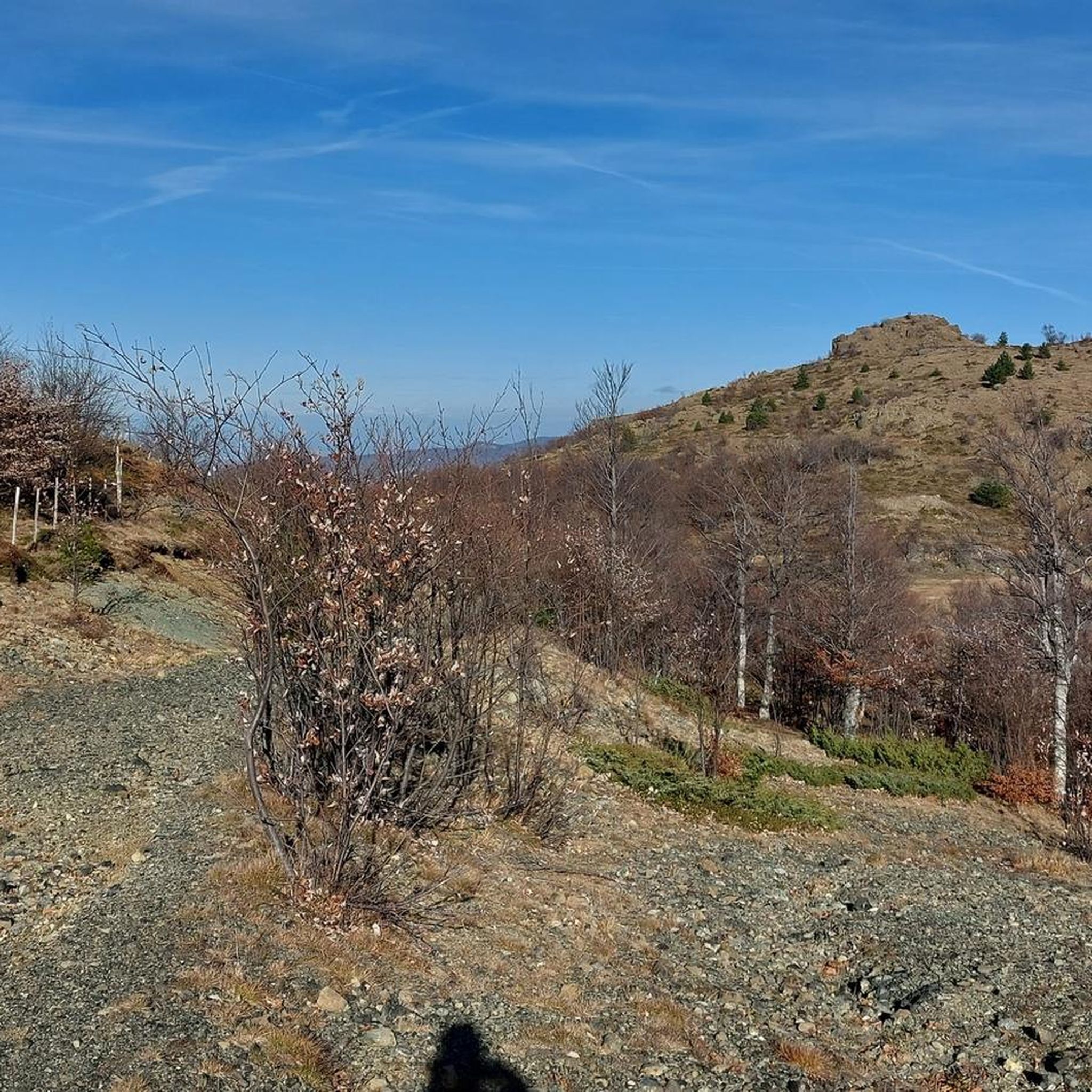
excursion done in winter, very beautiful and panoramic, with a lot of snow, good equipment is needed, gaiters and crampons, and a good shell for the strong winds on the ridge.
0
0

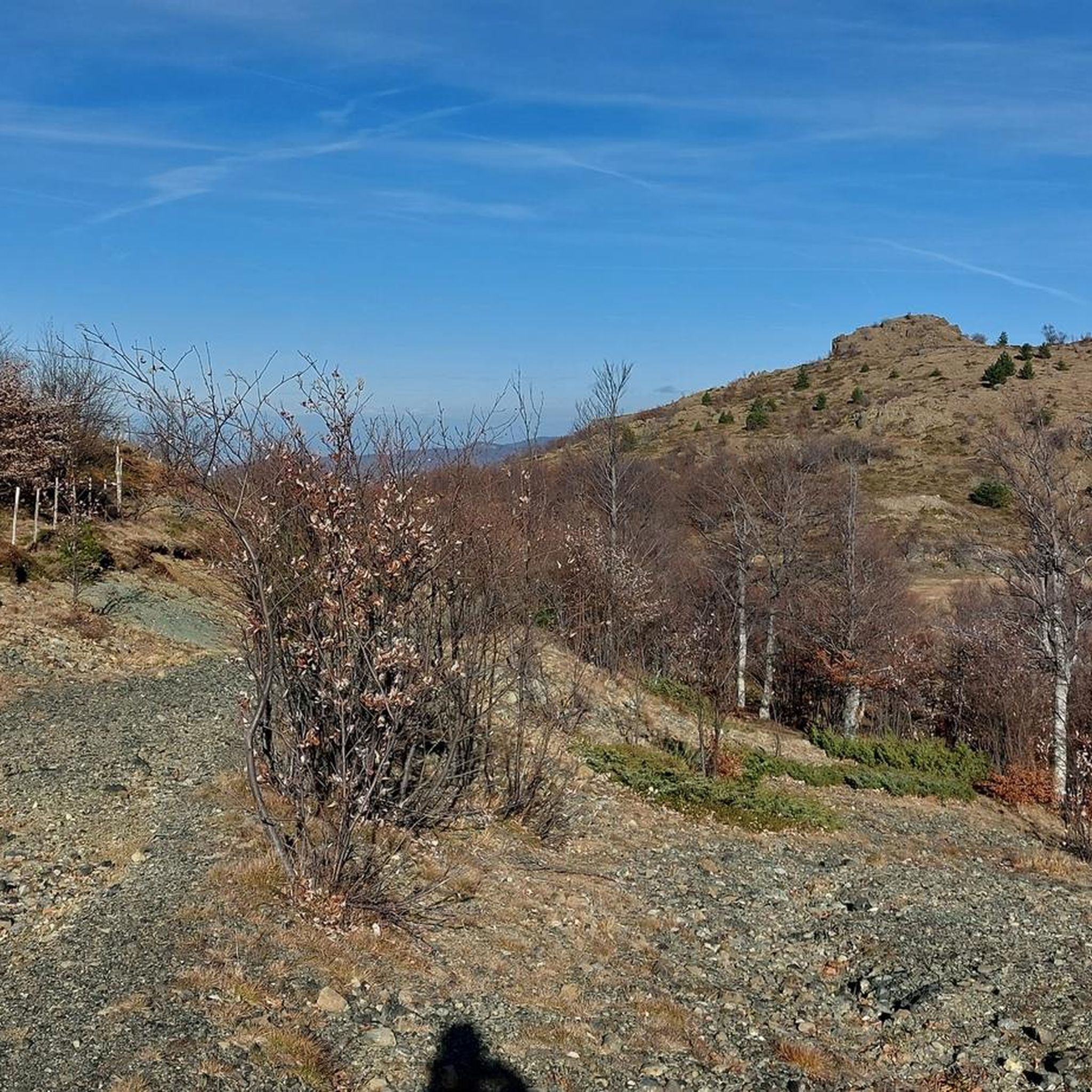
A very characteristic glacial lake to see Reachable by car Hotel.......and sport fishing
0
0
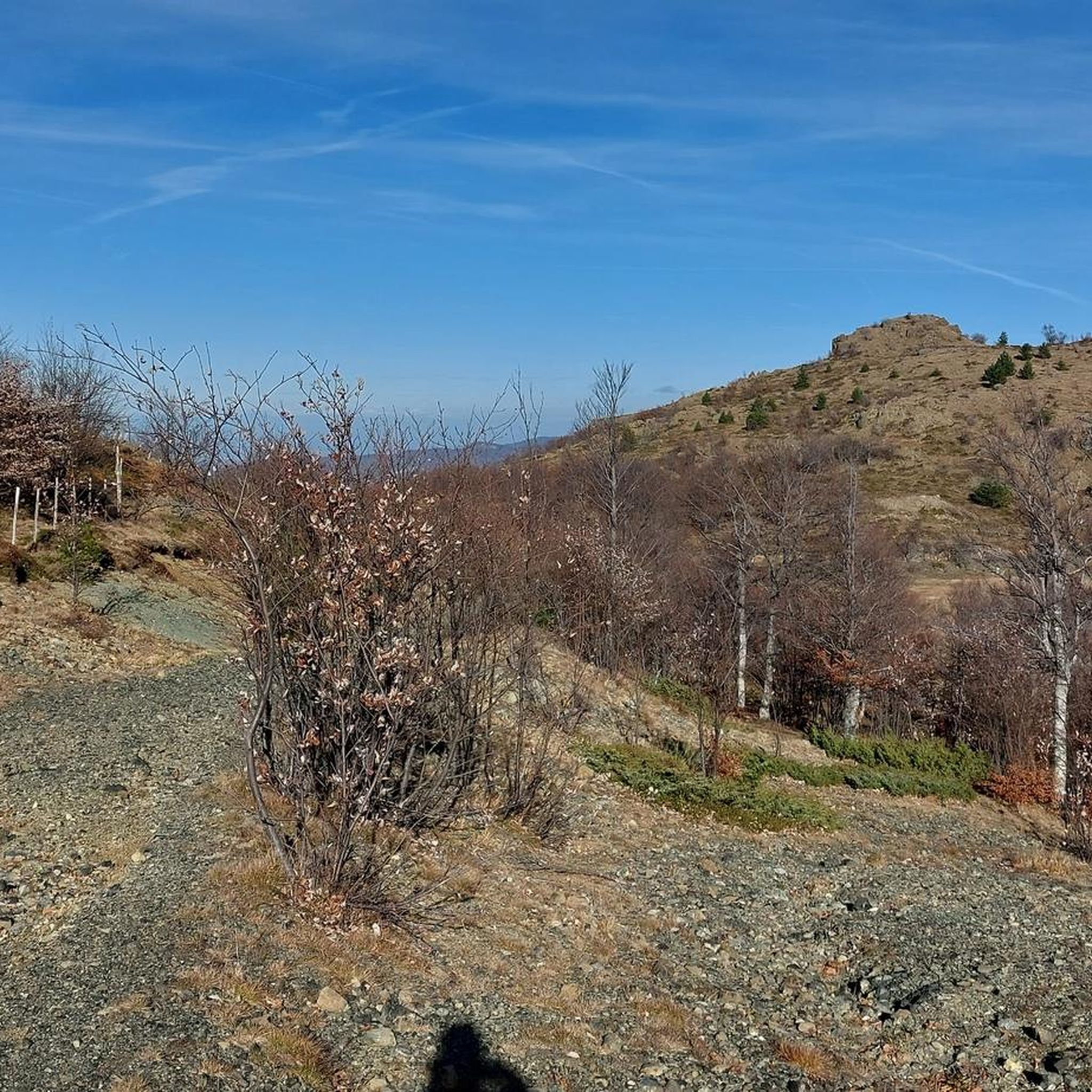
More than a mountain, a symbol
0
0

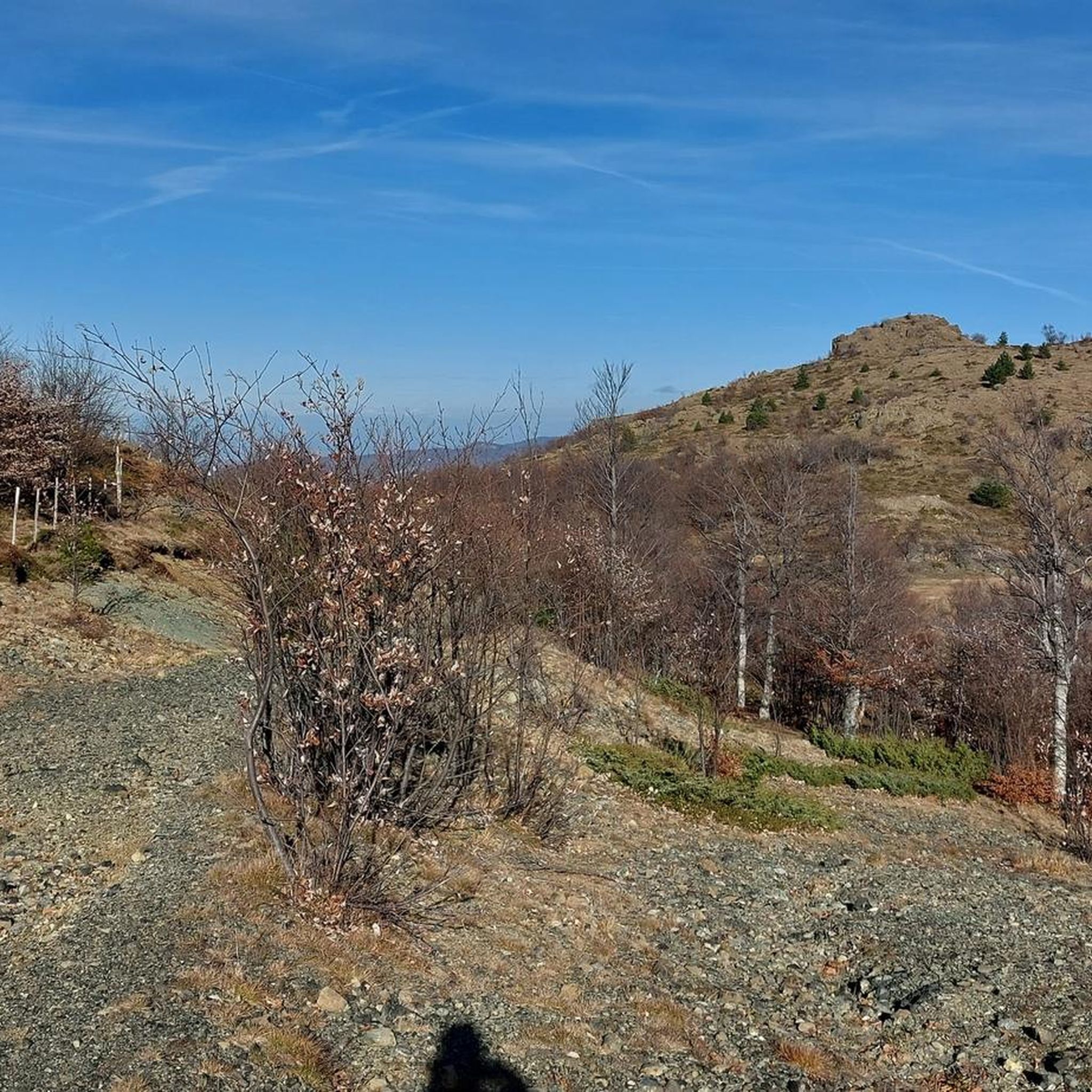
Beautiful sea view
0
0
The top of the Aveto valley together with Penna
0
0
Frequently Asked Questions
What are the most popular natural monuments around Ferriere?
The Ferriere region, nestled in the Apennine range, offers a variety of natural monuments appreciated by visitors. Among the most popular are Monte Bue summit and summit cross, which provides expansive views over the Val d’Aveto and Val Nure. Another highly regarded spot is Black Lake, a serene glacial lake at 1,541 meters altitude, known for mirroring the surrounding green forest and clouds. Visitors also frequently enjoy the breathtaking panorama from the Statue of the Madonna on Monte Penna, where on clear days, you can even glimpse the Ligurian coast.
Are there family-friendly natural monuments around Ferriere?
Yes, several natural monuments in the Ferriere area are suitable for families. Monte Bue summit and summit cross is categorized as family-friendly, offering a rewarding experience with panoramic views. Additionally, Lame Lake is another excellent family-friendly option, featuring a small glacial lake surrounded by woods and a characteristic Wood Museum nearby, perfect for little ones.
What unique natural features can I expect to see in the Ferriere region?
The Ferriere region is characterized by its prominent summits, picturesque glacial lakes, and ancient forests. You can explore high-altitude viewpoints like Monte Bue and Monte Penna, offering vast panoramas. The area also features tranquil glacial basins such as Black Lake and Lame Lake, nestled within dense woodlands. The region's geology includes ancient rock formations, particularly around Monte Aiona, which are among the oldest in Italy and known for their magnetic properties.
What outdoor activities can I do near these natural monuments?
The Ferriere region offers extensive opportunities for outdoor exploration. You can find numerous hiking trails, with options ranging from moderate to challenging, such as the 'From Passo Zovallo to Monte Nero via Lago Nero - ring tour' or the 'Monte Ragola Summit Trail'. For road cycling enthusiasts, routes like the 'Passo del Tomarlo and Passo Pianazze Loop' are available. There are also challenging running trails, including the 'Monte Nero Summit – Rifugio Prato Cipolla loop'. You can find more details on these activities and routes on the Hiking around Ferriere, Road Cycling Routes around Ferriere, and Running Trails around Ferriere guide pages.
Are there challenging hikes to viewpoints in the Ferriere area?
Yes, the Ferriere region is well-suited for those seeking challenging hikes with rewarding views. Highlights like Monte Bue summit, Monte Penna, and Monte Aiona are all categorized as challenging and offer extraordinary panoramic vistas. For example, the view from Monte Bue extends over the entire Val d’Aveto and Val Nure, while Monte Penna can offer glimpses of the Ligurian coast on clear days. These trails often involve significant elevation changes and require good equipment, especially in winter.
What is the best time to visit the natural monuments around Ferriere?
The best time to visit the natural monuments around Ferriere largely depends on the activities you plan. For hiking and enjoying the lakes and forests, late spring to early autumn (May to October) generally offers pleasant weather. During winter, the higher summits like Monte Aiona can be very beautiful and panoramic with snow, but require specialized equipment like gaiters, crampons, and a good shell for strong winds on the ridge.
Can I reach the lakes in the Ferriere region easily?
Some lakes in the Ferriere region are more accessible than others. Lame Lake is notably reachable by car, making it a convenient option for many visitors. Black Lake is easily reachable via a comfortable path from the Zovallo Pass, though the final part may require a little attention due to large stones.
Are there any historical or cultural aspects to the natural monuments in Ferriere?
While the Ferriere region in the Apennines is primarily known for its natural beauty, some sites blend natural and cultural elements. For instance, the Statue of the Madonna on Monte Penna is a man-made monument situated on a natural summit, offering both religious significance and a stunning natural viewpoint. The region's past is also reflected in the ancient industrial ruins found in other 'Ferriere' locations, such as the Valle delle Ferriere near Amalfi, which gets its name from historical ironworks and paper mills that once harnessed water power.
What do visitors enjoy most about the natural monuments in Ferriere?
Visitors consistently praise the grandiose landscapes and breathtaking panoramas offered by the natural monuments in Ferriere. The expansive views from summits like Monte Bue and Monte Penna are frequently highlighted. The tranquility of glacial lakes like Black Lake, where the water mirrors the sky and forest, is also a major draw. Many appreciate the opportunity for challenging hikes and the sense of accomplishment that comes with reaching these high-altitude natural wonders.
Are there any unique geological features in the Ferriere area?
Yes, the Ferriere area boasts unique geological features, particularly around Monte Aiona. This mountain is characterized by an impressive bare plateau with a cluster of rocks among the most ancient in Italy. These rocks are notable for attracting lightning and misleading magnetic north, a peculiarity attributed to their richness in magnetite. Their origin traces back to the depths of the Ligurian ocean during the Jurassic period, when the sub-continental mantle rose and emerged from the seabed.
What kind of forest environments can be found around Ferriere's natural monuments?
The natural monuments around Ferriere are often nestled within dense and ancient forest ecosystems. For example, Black Lake is immersed in a green forest, and Lame Lake is surrounded by thick woods, including a beech forest where a Wood Museum is set up. These forests provide shade, unique flora, and contribute to the tranquil atmosphere of the region.
Most popular attractions around Ferriere

Get inspired with the komoot mobile app


Explore more
Extend your search for the best caves by checking out these guides of the top ones around Ferriere:
