Top 20 Natural Monuments around Angrogna
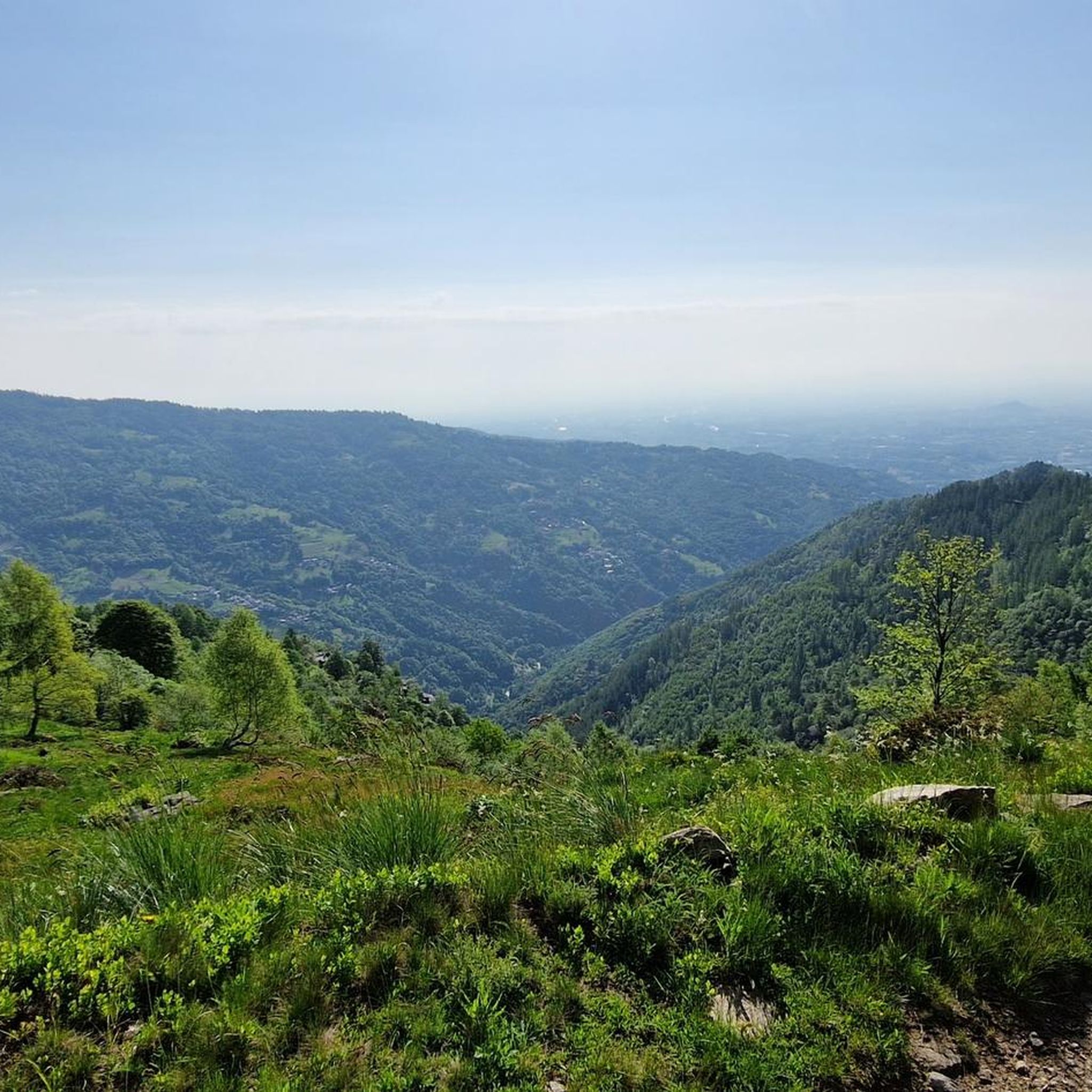
Best natural monuments around Angrogna include diverse landscapes within Italy's Cottian Alps, part of the Metropolitan City of Turin. The region features extensive forests, alpine scenery, and a network of valleys and peaks. These natural features provide opportunities for outdoor activities and offer varied ecosystems. Visitors can explore a range of natural attractions, from waterfalls to high-altitude lakes and botanical gardens.
Best natural monuments around Angrogna
- The most popular natural monuments is Pis Waterfall, a waterfall located on the…
Last updated: June 28, 2026
Pis Waterfall
Highlight • Waterfall
Translated by Google •
Tip by

13 Lakes Plateau (Pian dei 13 Laghi)
Highlight (Segment) • Lake
Translated by Google •
Tip by

Sign up now to discover places like this
Get recommendations on the best single tracks, peaks, & plenty of other exciting outdoor places.
Sign up for free
Bruno Peyronel Alpine Botanical Garden
Highlight • Natural Monument
Translated by Google •
Tip by

Villanova Waterfall
Highlight • Waterfall
Translated by Google •
Tip by

Lake of the Cannons
Highlight • Lake
Translated by Google •
Tip by

Sign up for free to discover even more natural monuments around Angrogna.
Sign up for free
Already have an account?
Start today with a free account
Your next adventure awaits.
Login or Signup
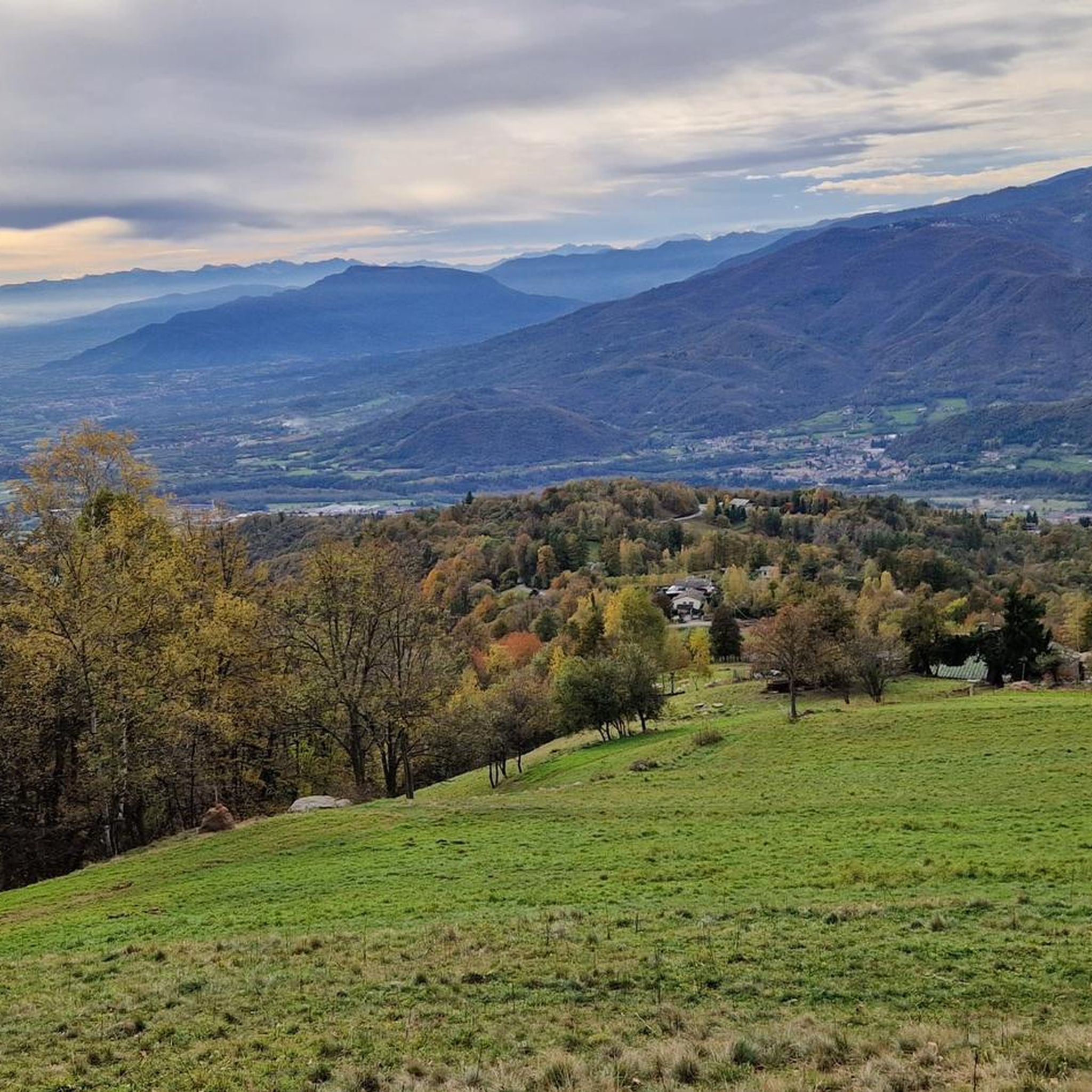
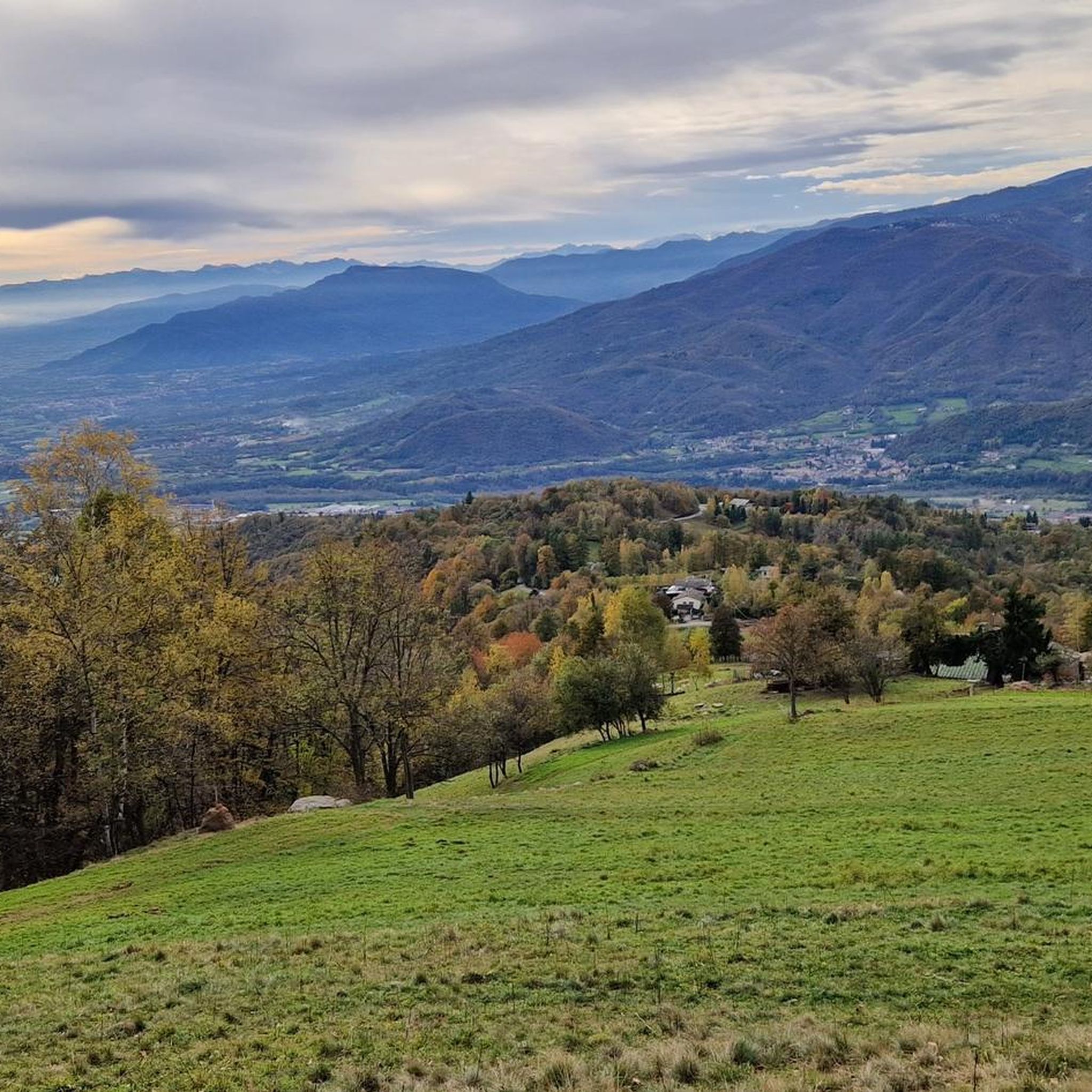
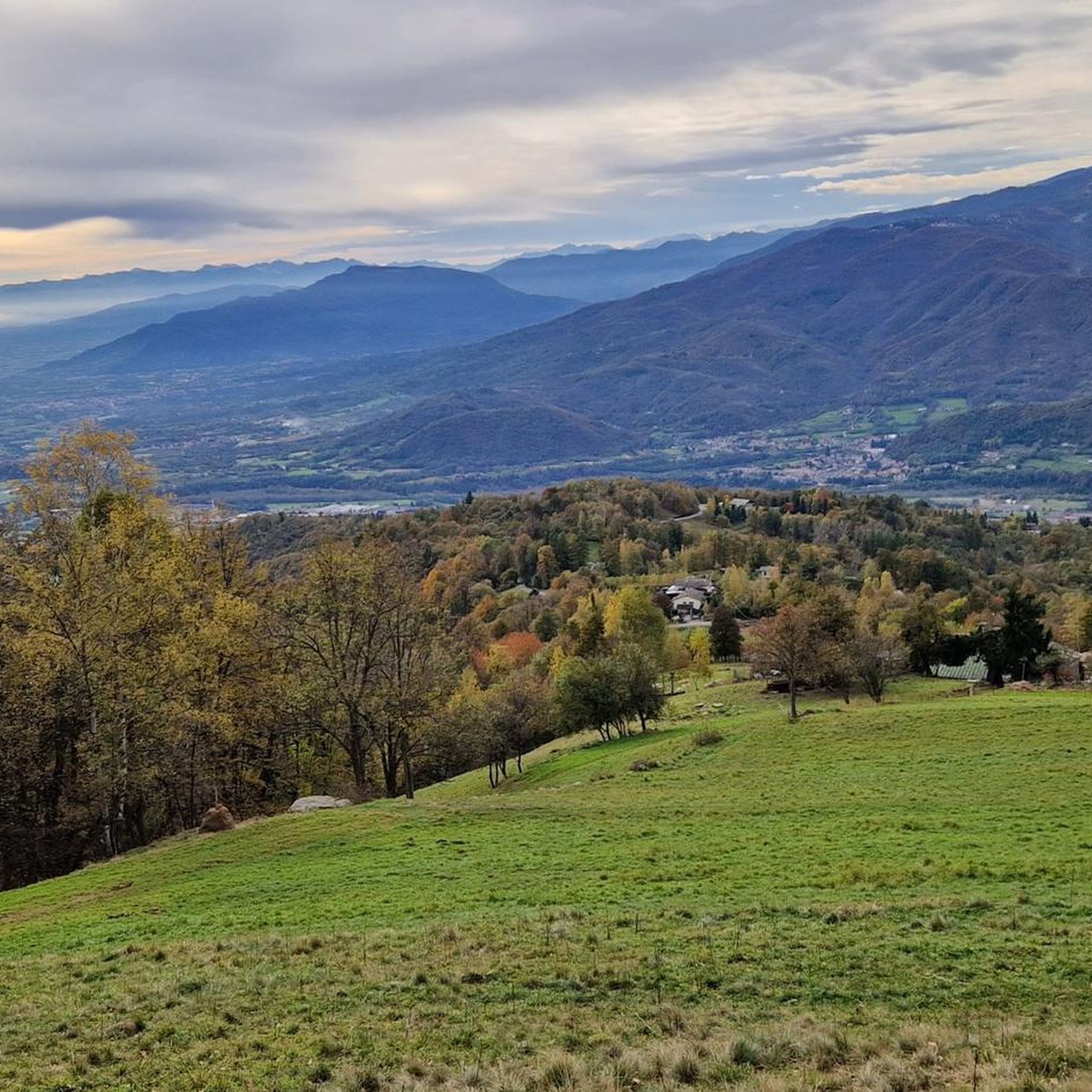
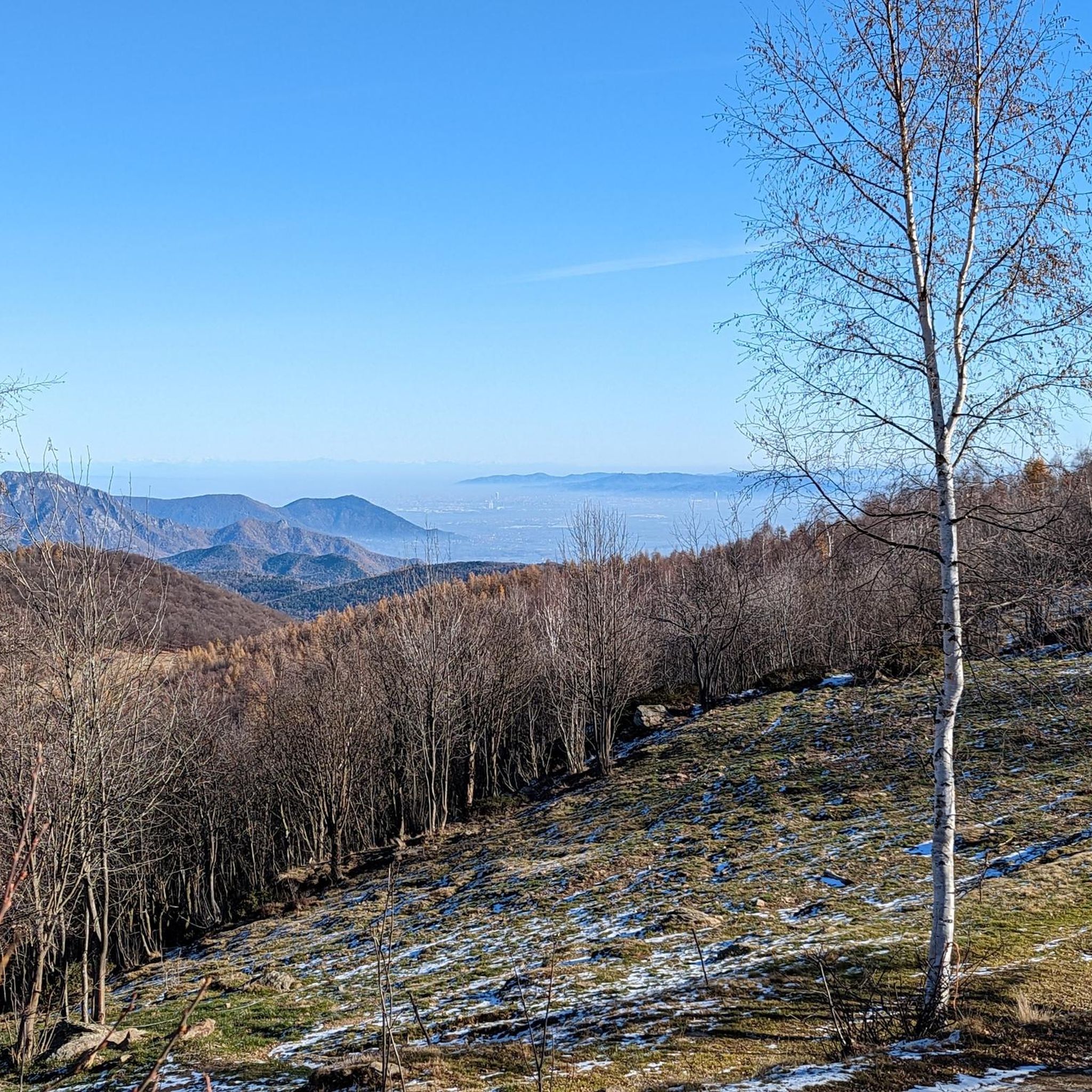

Tips from the Community

The Bruno Peyronel Alpine Botanical Garden is open year-round, being a natural and publicly accessible site. During July and August, a volunteer guide will be available to welcome you and, if you wish, accompany you free of charge along the educational trail within the Garden, to help you discover the wonders of Alpine flora.
0
0
very beautiful waterfall, enchanting
0
0

A beautiful tall waterfall that can be admired on the road that goes up to Conca del Prà
0
0

excellent trip with the possibility of loops
0
0

For those arriving by car, parking in the square before the hamlet costs €3 (2025)
0
0

A beautiful circular hike. Beware, however, of the misleading two-hour indication! Messner might be able to manage it. If you're a regular hiker, no less than three hours or more... WARNING: Once you reach Lake Cannoni or Ramella, if you suffer from vertigo, do not follow the signs for trail A on the right. There are exposed sections, and one section is equipped with a damaged rope. Turn left and you will rejoin the outward route at the level of the early 1900s forts.
1
0

Above all, the great friendliness of the commercial establishments present! Against the worms! 🤦🤦🤦🤦🤦🤦🤦🤦
0
0

Comfortable footwear for mostly soft terrain
0
0
Frequently Asked Questions
What types of natural features can I explore around Angrogna?
Angrogna, nestled in the Cottian Alps, offers a diverse range of natural features. You can discover impressive waterfalls like the Pis Waterfall, high-altitude lake areas such as the 13 Lakes Plateau, and unique alpine flora at the Bruno Peyronel Alpine Botanical Garden. The region is also characterized by extensive forests, alpine scenery, and panoramic viewpoints from peaks like Punta Freidour and Mount Vandalino.
Are there family-friendly natural monuments or trails in Angrogna?
Yes, Angrogna offers options suitable for families. The Pis Waterfall, located near Villanova Pellice, is categorized as family-friendly and provides an impressive natural sight. Additionally, the Region Research mentions the Ring of Monte Servin as a scenic route accessible to a wide range of visitors, making it a popular choice for half-day excursions.
What is the best time of year to visit Angrogna for natural monuments?
The best time to visit Angrogna largely depends on the specific natural monuments you wish to see. For high-altitude attractions like the Bruno Peyronel Alpine Botanical Garden and the 13 Lakes Plateau, July and August are ideal, as the botanical garden is open and the high-mountain lakes are most visible after the thaw. For general hiking and exploring waterfalls and valleys, late spring through early autumn offers pleasant weather.
What outdoor activities can I do near Angrogna's natural monuments?
Angrogna is a prime destination for various outdoor activities. You can enjoy extensive trekking and nature walks through the Val d'Angrogna and its surrounding peaks. For running enthusiasts, there are trails like the 'Monte Cialmetta – Monte Servin loop from Pradeltorno' found in the Running Trails around Angrogna guide. Cycling is also popular, with routes such as the 'Bricherasio – Pinerolo Historic Center loop from Torre Pellice' available in the Cycling around Angrogna guide. Gravel biking options are also available, including the 'Luserna Stone Quarries – View of the Plains from Rucas loop from Lusernetta' in the Gravel biking around Angrogna guide.
Are there any natural monuments with historical significance in Angrogna?
Yes, Angrogna's natural landscape often intertwines with its rich history. The Gheisa d'la tanaè (The Den's Church Cave) is a natural refuge that served as a hiding place for Waldensians during persecutions, offering a glimpse into both geological past and human struggles. Additionally, the Lake of the Cannons, part of the 13 Lakes Plateau, features military buildings from the late 1800s and early 1900s, with two original cannon positions still visible.
What are some notable viewpoints or panoramic spots in the Angrogna region?
The Angrogna region offers several stunning viewpoints. Colle della Vaccera, at 1,480 meters, is an important scenic junction providing expansive views of the surrounding valleys. The peaks surrounding the Val d'Angrogna, such as Punta Freidour, Mount Vandalino, and Mount Servin, also offer breathtaking panoramic views of the alpine landscape. The 13 Lakes Plateau also provides opportunities to climb nearby peaks with spectacular landscapes.
What kind of unique flora can I find in Angrogna?
Angrogna is home to a rich variety of alpine flora, particularly showcased at the Bruno Peyronel Alpine Botanical Garden. Located at 2,290 meters on Colle Barant, this nature reserve hosts over 300 native Alpine species across pastures, scree, and wetlands. It is one of Europe's highest spontaneous Alpine botanical gardens, making it a significant site for botanical exploration.
Are there any loop trails of naturalistic value in Angrogna?
Yes, Angrogna is known for several hiking loops with significant naturalistic value. The Waldensian Alps loop and the Angrogna Valley loop are celebrated for their splendid views and paths winding through forests and past historical sites. The Ring of Monte Servin is particularly noted as a scenic and accessible route for half-day excursions.
What do visitors enjoy most about the natural monuments in Angrogna?
Visitors frequently praise the pristine natural beauty and the sense of tranquility. For instance, the Pis Waterfall is described as 'wonderful' with 'crystal clear water.' The 13 Lakes Plateau is appreciated for its 'breathtaking landscapes' and the unique experience of seeing multiple high-altitude lakes. The Bruno Peyronel Alpine Botanical Garden is valued for being a 'very nice and quiet place' with magnificent views.
Are there any ancient water channels or streams worth visiting in Angrogna?
Yes, the Bialera Peirota is an ancient stream or water channel dating back to the 1400s. It's not only a historical testament to resourcefulness but also forms a scenic walking path. The route alongside the Bialera Peirota provides a pleasant, immersive experience in nature, surrounded by lush vegetation.
What should I wear when hiking to natural monuments in Angrogna?
Given Angrogna's alpine environment, especially when visiting high-altitude areas like the 13 Lakes Plateau or the Bruno Peyronel Alpine Botanical Garden, good footwear is essential, as paths can lead over scree slopes. Layered clothing is recommended to adapt to changing mountain weather, and waterproof gear is advisable. For specific trails, checking difficulty ratings (e.g., 'intermediate' or 'challenging' for some highlights) can help determine appropriate gear.
Most popular routes around Angrogna
Most popular attractions around Angrogna

Get inspired with the komoot mobile app


Explore more
Extend your search for the best caves by checking out these guides of the top ones around Angrogna:
