Top 13 Natural Monuments around Tilshead
Best natural monuments around Tilshead are situated within the expansive Salisbury Plain, a landscape rich in both natural features and historical significance. The area is characterized by vast chalk grasslands and is home to important archaeological sites. These locations offer a unique blend of ancient history and expansive natural environments. Visitors can explore prehistoric sites and appreciate the undisturbed chalk grassland habitat.
Best natural monuments around Tilshead
- The most popular natural monuments is Stonehenge, a historical site that is…
Last updated: July 1, 2026
Stonehenge
Highlight • Historical Site
Tip by

Sarsen Stone at Stonehenge Visitor Centre
Highlight • Monument
Translated by Google •
Tip by

Sign up now to discover places like this
Get recommendations on the best single tracks, peaks, & plenty of other exciting outdoor places.
Sign up for free
Cursus Barrows
Highlight • Natural Monument
Translated by Google •
Tip by
The Stonehenge Cursus
Highlight • Natural Monument
Tip by

Middle Hill
Highlight • Historical Site
Tip by

Sign up for free to discover even more natural monuments around Tilshead.
Sign up for free
Already have an account?
Start today with a free account
Your next adventure awaits.
Login or Signup
Popular around Tilshead



Tips from the Community

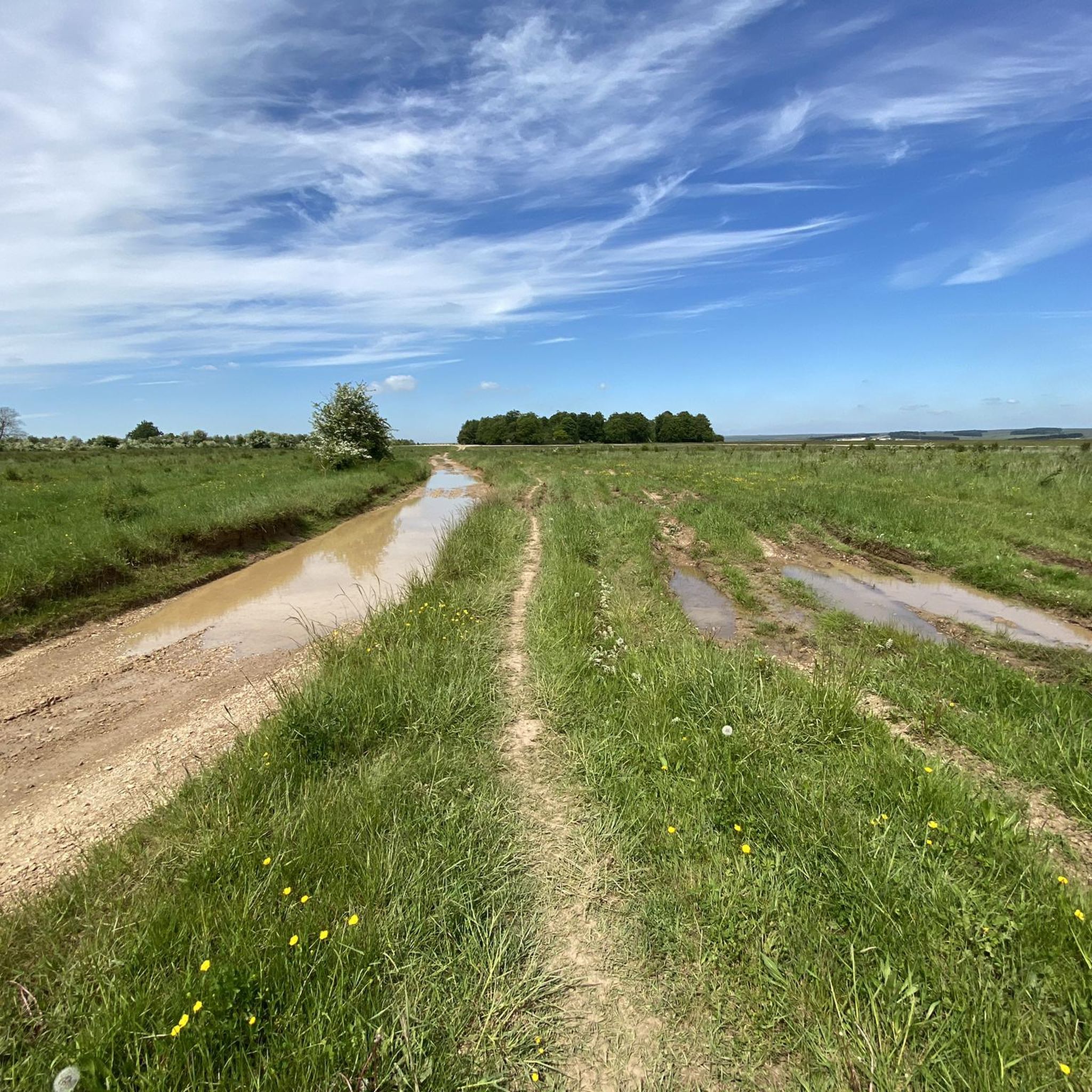
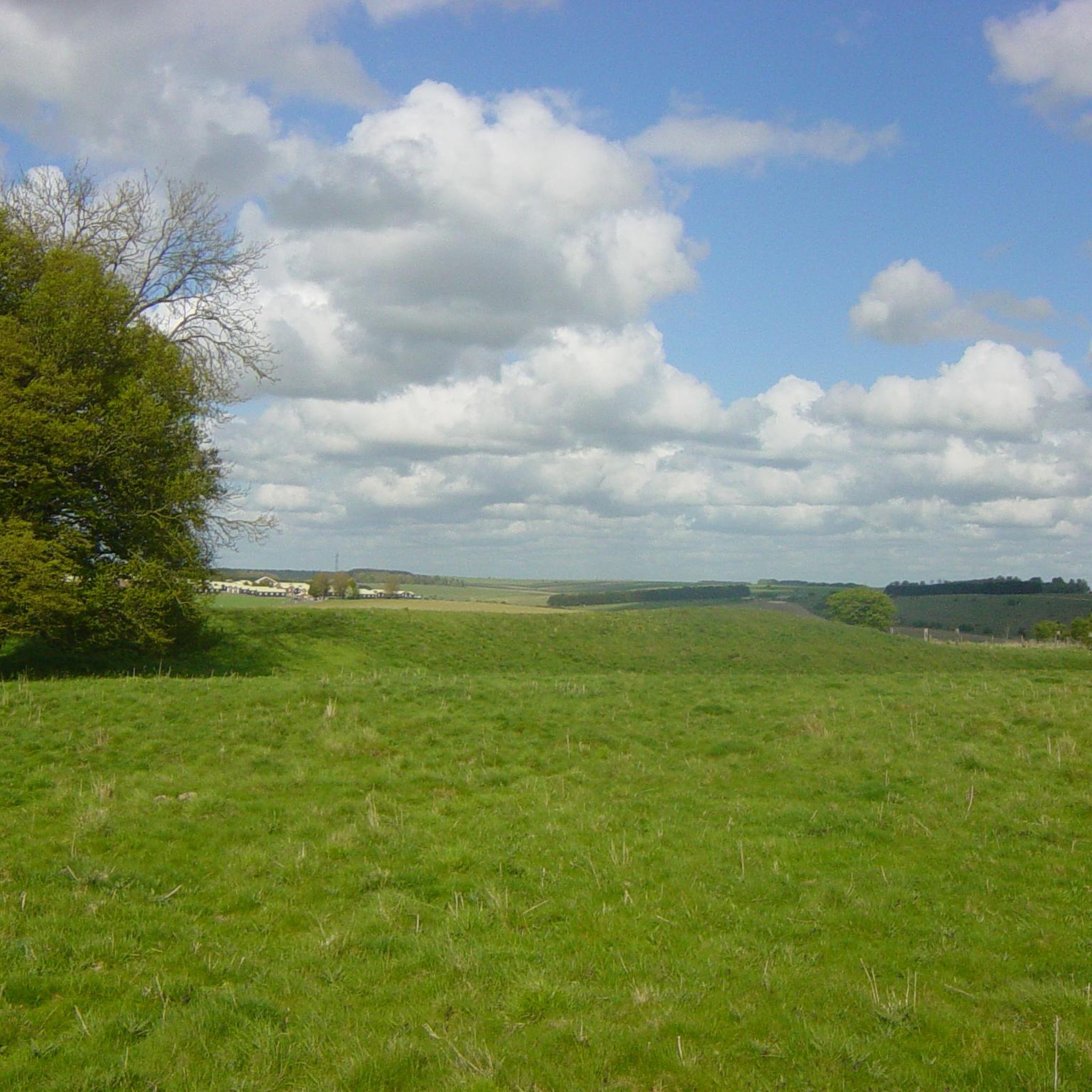
Why exactly there? Archaeologists suspect several reasons: Line of sight From the mounds, there is a direct view of Stonehenge. Sacred landscape The entire plain was a ritual area with paths, graves, and ceremonial sites. Status symbol Important people were buried near the famous sanctuary. Interesting fact There are over 300 burial mounds in the vicinity of Stonehenge – one of the largest prehistoric burial landscapes in Europe.
0
0
Here is a simple overview map explaining the landscape south of Stonehenge and why the burial mounds are located there. Landscape south of Stonehenge The most important range of mounds is called Normanton Down Barrows. It lies about 1 km south of Stonehenge. There are over 40 burial mounds there, dating from 2600–1600 BC. The mounds are situated on a long ridge that faces directly towards Stonehenge. Simplified diagram of the location North ↑ Stonehenge ○ | | approx. 1 km | ───────────────── Hill ridge with many burial mounds (Normanton Down) ○ ○ ○ ○ ○ ○ ○ ○ ○ ○ ↓ South Important hills there One particularly famous burial mound is Bush Barrow A richly furnished grave of a Bronze Age prince, containing gold objects and weapons, was found there.
0
0

It's unbelievable what people have achieved and built in the past (without any technology) - it's simply impressive and breathtaking
2
0

Around 2 miles (3 km) long and 330 feet (100 m) wide, the Stonehenge Cursus is an earthwork, thought to have been constructed between 3630 and 3375 BC, predating Stonehenge. It forms part of the wider Stonehenge and Avebury World Heritage Site and is just a short walk from the famous stone circle. Interestingly, the word cursus, meaning an ancient ditch or trend, is derived from the Latin word for 'racecourse', as this is what the first historians surmised them to be.
1
1

To the south lies a group of burial mounds called the Cursus Barrows. The footpath to the impressive stone circle leads across the fields with the burial mounds, which can be clearly seen and are well explained on a display board. Bone remains and various beads were found in the graves.
5
0
Sarsen stones are blocks of sandstone found in large numbers in England, it is a contraction of Saracen stone, where “Saracenic” is equivalent to “pagan”. In this respect, sarsen means something like “heathen stone”, “stone of the heathen”. The most famous sarsen stones can be found here in Stonehenge.
6
0

Here you can measure your strengths
4
0

The Cursus Barrows is the name given to a Neolithic and Bronze Age round barrow cemetery lying mostly south of the western end of the Stonehenge Cursus, in Wiltshire, England. The cemetery contains around 18 barrows scattered along an east-to-west ridge, although some of the mounds are no longer visible. The Cursus Barrows can be seen just north of the route between the Stonehenge Visitor Centre and Stonehenge. https://en.wikipedia.org/wiki/Cursus_Barrows
2
0
Frequently Asked Questions
What are some significant historical natural monuments near Tilshead?
Beyond the well-known sites, the area around Tilshead is rich in prehistoric natural monuments. You can explore White Barrow, a well-preserved Neolithic long barrow dating back over 5,000 years, nestled within the chalk grassland of Salisbury Plain. Another impressive site is Tilshead Old Ditch, potentially the largest true long barrow in England, offering insights into Neolithic beliefs and environment. Slightly further afield, Silbury Hill, Europe's tallest prehistoric mound, is a remarkable 4,500-year-old enigma built entirely from natural materials by human effort.
Are there family-friendly natural monuments to visit around Tilshead?
Yes, several natural monuments in the area are suitable for families. Stonehenge is a popular choice, offering a visitor centre with exhibitions and Neolithic houses. The Sarsen Stone at Stonehenge Visitor Centre is also family-friendly and wheelchair accessible, allowing visitors to interact with these massive stones. The expansive landscapes around sites like the Cursus Barrows also provide space for families to explore.
What kind of natural landscapes can I expect to see around Tilshead's monuments?
The primary natural landscape around Tilshead is the vast chalk grassland of Salisbury Plain. This unique environment covers approximately 38,000 hectares and is characterized by rolling hills, open skies, and a rich diversity of wildlife adapted to the chalk. Many natural monuments, such as White Barrow and Tilshead Old Ditch, are integrated into this grassland, offering a blend of ancient history and expansive natural beauty.
Are there hiking opportunities near the natural monuments around Tilshead?
Absolutely. The Salisbury Plain offers extensive walking and hiking opportunities. For example, you can undertake a challenging 10-mile circular trail through the Salisbury Plain Training Area to reach White Barrow. There are also numerous routes that pass by or near other monuments. You can find more hiking options in the Easy hikes around Tilshead guide.
What are some easy walks to natural monuments near Tilshead?
For easier walks, consider routes around Stonehenge. There are easy loops like the 'Neolithic houses at Stonehenge – Stonehenge loop from Winterbourne Stoke' (6 km) or the 'Stonehenge Bus Station – Stonehenge loop from Stonehenge' (4.4 km). These routes allow you to experience the historical landscape without strenuous effort. More options are available in the Easy hikes around Tilshead guide.
What wildlife might I encounter near the natural monuments in Tilshead?
The chalk grasslands of Salisbury Plain are a Site of Special Scientific Interest (SSSI) and support diverse wildlife. You might spot rare bee species, and in spring and summer, the area bursts with flora like cowslips, orchids, and fairy flax. These attract butterflies such as the common blue and marbled white. Keep an eye out for various bird species and other grassland inhabitants.
What is Middle Hill and what makes it unique?
Middle Hill, locally nicknamed ‘piggy in the middle’, is a distinctive conical chalk hill situated between Battlesbury Hill and Scratchbury. It stands on the southwestern edge of Salisbury Plain, offering views over the Wylye valley. At its summit, you'll find an ancient and sizable bowl barrow, making it a unique blend of natural topography and prehistoric archaeology.
What are the Cursus Barrows and The Stonehenge Cursus?
The Cursus Barrows are a Neolithic and Bronze Age round barrow cemetery, mostly south of the western end of The Stonehenge Cursus. This cemetery contains around 18 barrows, some of which are still visible. The Stonehenge Cursus itself is an earthwork, approximately 2 miles (3 km) long and 330 feet (100 m) wide, believed to have been constructed between 3630 and 3375 BC, predating Stonehenge. It's part of the wider Stonehenge and Avebury World Heritage Site.
What is the best time of year to visit the natural monuments near Tilshead?
Spring and summer are particularly rewarding for visiting the natural monuments around Tilshead. During these seasons, the chalk grasslands are vibrant with wildflowers like cowslips, orchids, and fairy flax, attracting numerous butterflies. The weather is generally milder, making outdoor exploration more pleasant. However, the ancient sites offer a sense of history and expansive views year-round.
Is there parking available at the natural monuments around Tilshead?
For popular sites like Stonehenge, there is a dedicated visitor centre with parking facilities. For more remote sites on Salisbury Plain, parking might be limited to roadside pull-offs or designated areas, especially when accessing military training areas. It's advisable to check specific access information for individual sites before your visit.
Are there any natural monuments near Tilshead that are wheelchair accessible?
The Sarsen Stone at Stonehenge Visitor Centre is noted as wheelchair accessible, providing an opportunity to experience a significant element of the Stonehenge landscape. While the natural terrain of Salisbury Plain and many ancient barrows can be uneven, the visitor centre facilities at Stonehenge are designed to accommodate visitors with mobility needs.
Where can I find information about visiting Stonehenge, including opening times and tickets?
For the most up-to-date information on opening hours, ticket prices, and booking details for Stonehenge, it is best to visit the official English Heritage website. Booking tickets in advance is often recommended, especially during peak seasons, and can sometimes save on parking fees.
Most popular attractions around Tilshead

Get inspired with the komoot mobile app


Explore more
Extend your search for the best caves by checking out these guides of the top ones around Tilshead:
