Top 4 Lakes around Cabeza Del Buey
Best lakes around Cabeza Del Buey are primarily artificial reservoirs, significant for their size and ecological value. The region is characterized by its proximity to the Embalse de La Serena and the Embalse del Zújar, both formed by the Zújar River. These water bodies are integral to the "Serena Esteparia," a Special Protection Area for Birds, known for its diverse steppe bird species. The area offers opportunities for nature observation and water activities.
Best lakes around Cabeza Del Buey
- The…
Last updated: July 15, 2026
La Serena Reservoir and Masatrigo Hill
Highlight • Lake
Translated by Google •
Tip by

La Serena Dam
Highlight • Monument
Location: Zújar River, in the region of La Serena …
Translated by Google •
Tip by
Sign up now to discover places like this
Get recommendations on the best single tracks, peaks, & plenty of other exciting outdoor places.
Sign up for free
Masatrigo Mountain and La Serena Reservoir
Highlight • Lake
Translated by Google •
Tip by

View of Cerro Masatrigo from Mirador Celeste de Galizuela
Highlight • Viewpoint
Translated by Google •
Tip by
Start today with a free account
Your next adventure awaits.
Login or Signup

Tips from the Community

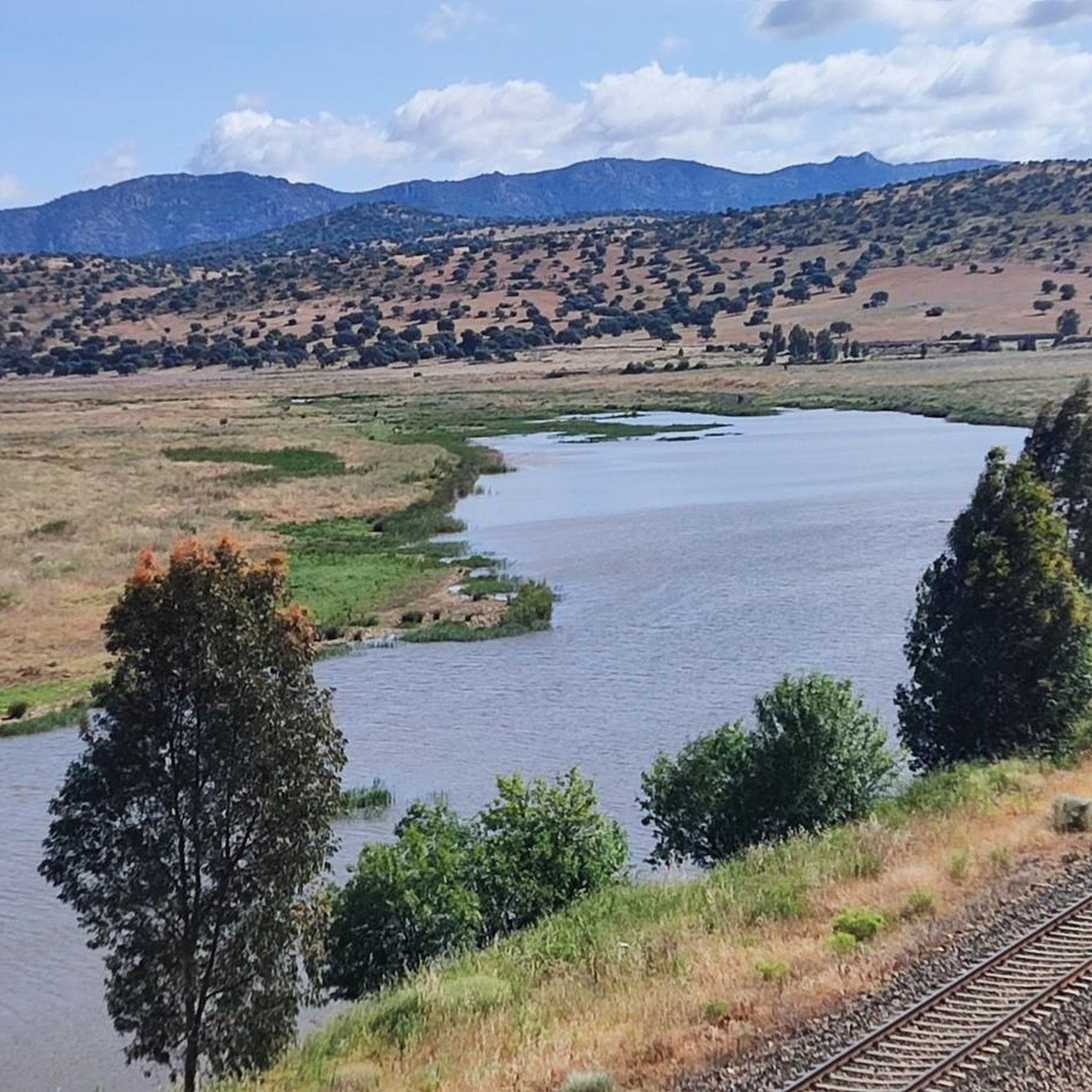
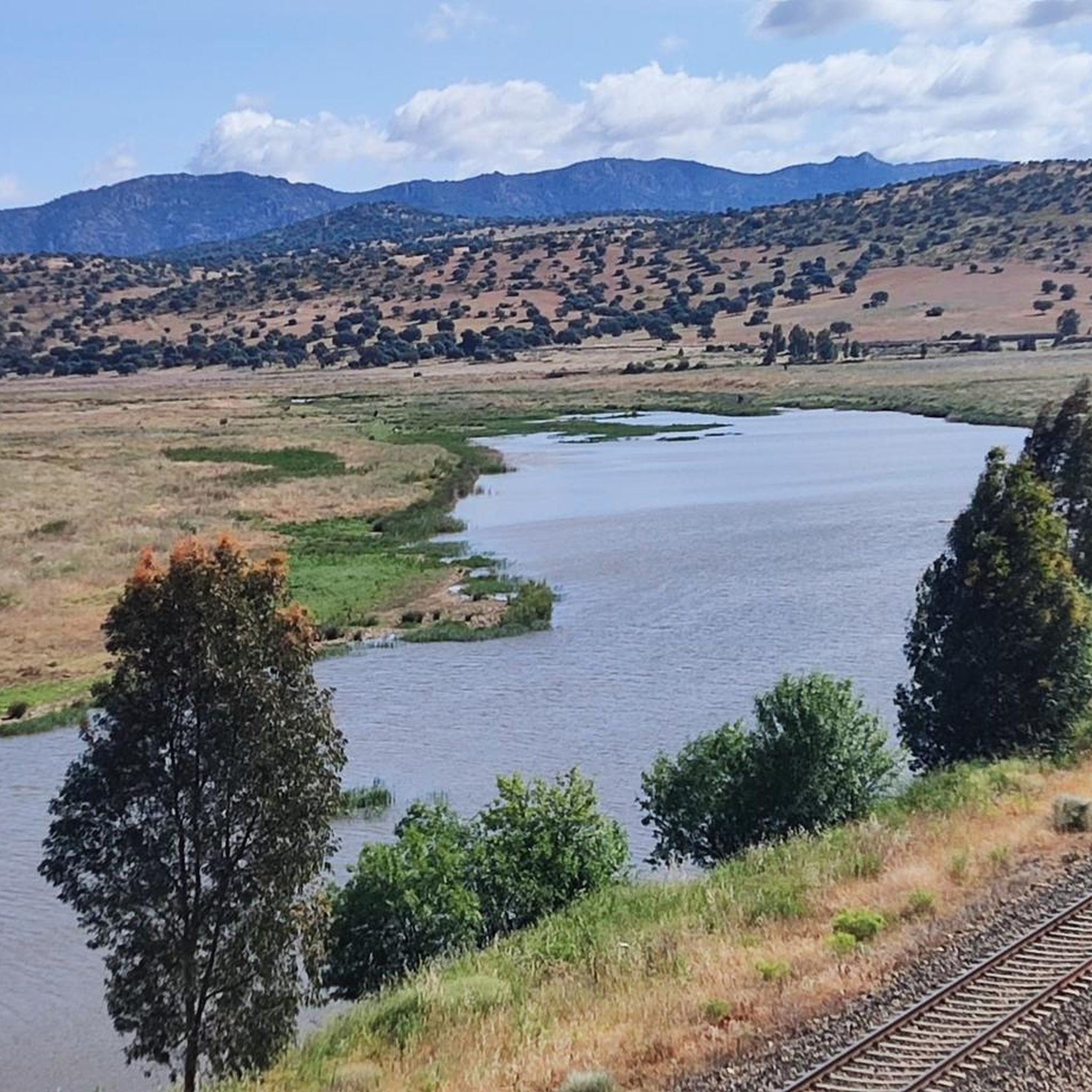
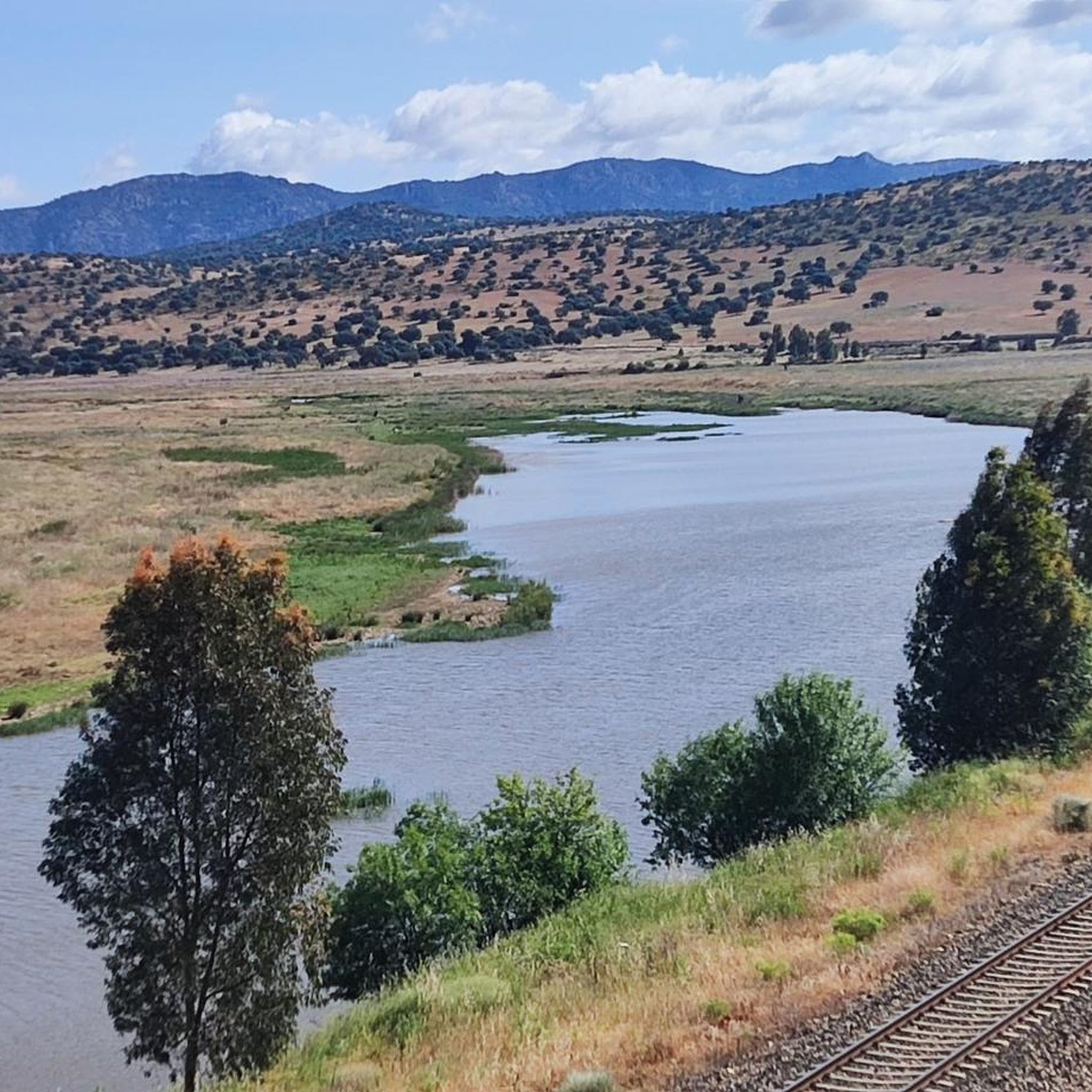
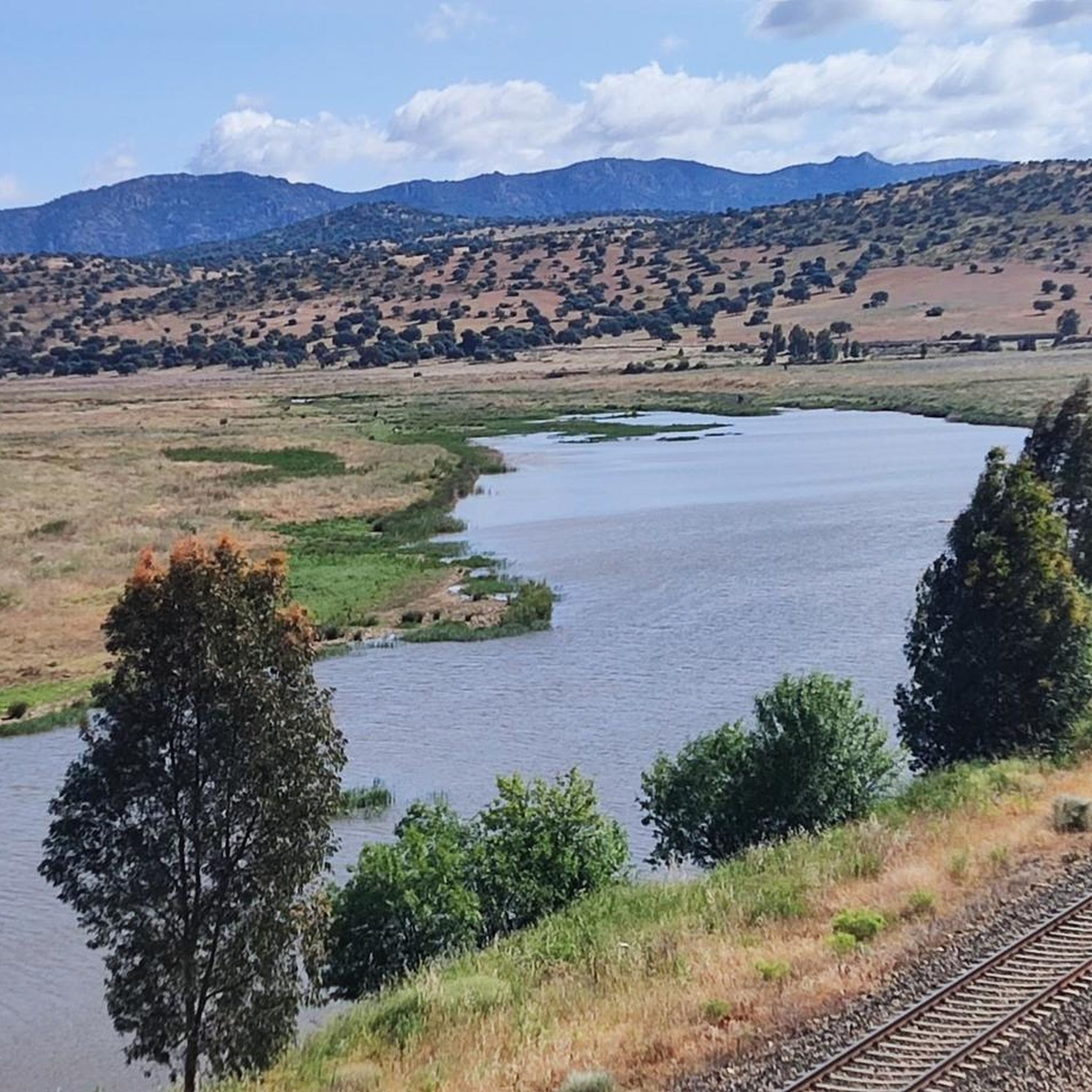
Cerro Masatrigo is a hill located in the municipality of Esparragosa de Lares. This hill is known for its almost perfect conical shape, which has earned it the nickname "the magic mountain." It rises 501 meters above sea level and 161 meters above the surrounding terrain. After the construction of the La Serena Dam, Cerro Masatrigo became a peninsula surrounded by the waters of the reservoir.
6
0
The La Serena Dam, located in the province of Badajoz (Extremadura), is one of the most impressive hydraulic infrastructures in Europe. Location: Zújar River, in the region of La Serena It is part of the La Siberia Biosphere Reserve. It houses inland islands such as Cerro Masatrigo, considered a "magic mountain" for its perfect conical shape. A SPA (Special Protection Area for Birds), ideal for watching aquatic birds and birds of prey.
6
0
Cerro Masatrigo has impressive views from Galizuela, where there is also a celestial viewpoint that shines at night.
12
2

Walk along the trail that leaves Galizuela to the Mirador Celeste de Galizuela overlooking the Embalse de la Serena and the beautifully symmetrical cone-shaped Masatrigo in the middle of the Reservoir.
3
0

The La Serena reservoir is located in the province of Badajoz on the Zújar river. This reservoir is the second largest body of water in the Iberian Peninsula (after the Alqueva reservoir in Portugal), and one of the largest in Europe.
0
1
The Serena Reservoir is one of the largest reservoirs in Badajoz and where a road crosses it, skirting a mountain called Masatrigo. This is a curious passage through the swamp but beautiful for the views it offers.
1
1

Don't forget enough water if you go in summer.
1
0
Frequently Asked Questions
What are the main lakes and reservoirs near Cabeza del Buey?
The primary water bodies in the region are the Embalse de La Serena and the Embalse del Zújar. These are artificial reservoirs formed by the Zújar River, known for their significant size and ecological value. The Masatrigo Mountain and La Serena Reservoir is a particularly popular spot.
What kind of wildlife can I expect to see around the lakes?
The Embalse de La Serena and Embalse del Zújar are both designated Special Protection Areas for Birds (ZEPA). You can observe various steppe bird species such as the Great Bustard, Little Bustard, Pin-tailed Sandgrouse, Black-bellied Sandgrouse, Lesser Kestrel, and Montagu's Harrier. During colder months, they are vital sanctuaries for birds like the Common Crane and Lapwing.
Are there opportunities for water activities on the reservoirs?
Yes, during the warmer months, both the Embalse de La Serena and the Embalse del Zújar offer opportunities for water activities. The Embalse de La Serena is suitable for sailing and motorboating, while the Embalse del Zújar is equipped with infrastructure like jetties, a beach, and a natural swimming pool for visitors to enjoy.
What is the best time of year to visit the lakes around Cabeza del Buey?
For flora and fauna observation, especially birdwatching, spring, autumn, and winter are ideal. If you're interested in water activities, the warmer months are best. The region's climate makes it suitable for outdoor exploration for much of the year.
Are there hiking trails near the lakes?
Yes, there are several hiking opportunities. For example, the Cerro Masatrigo Botanical Trail offers panoramic views of the La Serena reservoir. You can find more hiking routes in the area, including trails of varying difficulty, by visiting the Hiking around Cabeza Del Buey guide.
Can I find viewpoints to admire the scenery?
Absolutely. The region offers stunning viewpoints, such as the View of Cerro Masatrigo from Mirador Celeste de Galizuela, which provides impressive vistas of Cerro Masatrigo and the expansive Embalse de la Serena. The Cerro Masatrigo Botanical Trail also offers great views.
Are the lakes and surrounding areas suitable for families?
Yes, the natural areas around the reservoirs, particularly the Embalse del Zújar with its equipped facilities like a beach and natural swimming pool, can be enjoyable for families. The focus on nature observation and gentle walks makes it a good destination for family outings.
What is the significance of the La Serena Dam?
The La Serena Dam is a significant man-made monument. Located on the Zújar River, it is one of Europe's largest hydraulic infrastructures and forms an integral part of the La Siberia Biosphere Reserve. It's also part of a Special Protection Area for Birds.
What is Cerro Masatrigo and why is it notable?
Cerro Masatrigo is a distinctive, perfectly conical mountain located within the Embalse de La Serena. It's often referred to as a 'magic mountain' due to its unique shape and the way a road skirts around it, offering beautiful views across the reservoir. It's a popular landmark and a natural monument.
Are there cycling routes near the lakes?
Yes, the area around Cabeza del Buey and its lakes offers various cycling routes. You can explore options ranging from moderate to difficult, such as the 'Embalse de la Serena and Castillo de Puebla de Alcocer — circular from la Puebla de Alcocer'. More routes can be found in the Cycling around Cabeza Del Buey guide.
Is there parking available at the lakes?
While specific parking facilities are not detailed for every spot, the Embalse del Zújar is noted to have modern infrastructure, which typically includes parking. For hiking trails, it's advisable to check specific trailhead information, but generally, access points to popular natural areas often have designated parking.
What is the 'Serena Esteparia'?
The 'Serena Esteparia' refers to the vast, undulating, treeless plain surrounding the Embalse de La Serena, spanning approximately 100,000 hectares. It is a Special Protection Area for Birds (ZEPA) and is considered the most extensive continuous area of natural grasslands in the Iberian Peninsula and Western Europe, making it crucial for steppe avifauna.
Most popular attractions around Cabeza Del Buey

Get inspired with the komoot mobile app


Explore more
Still not found your perfect lake around Cabeza Del Buey? Check out the guides of these regions to see even more beautiful places.
