Top 20 Natural Monuments around Aísa
Best natural monuments around Aísa are found within the Aragonese Pyrenees, offering a landscape shaped by glacial action and diverse ecosystems. The region serves as a gateway to the Natural Park of the Western Valleys, which features prominent peaks, U-shaped valleys, and mountain lakes. This area is characterized by its well-preserved forests and rich biodiversity, providing a setting for various outdoor activities.
Best natural monuments around Aísa
- The most popular natural monuments is Lac Gentau and View of Pic du…
Last updated: July 1, 2026
Lac de Bious-Artigues
Highlight • Lake
Translated by Google •
Tip by

Anayet Lakes
Highlight • Lake
Translated by Google •
Tip by

Sign up now to discover places like this
Get recommendations on the best single tracks, peaks, & plenty of other exciting outdoor places.
Sign up for free
Lac Castérau
Highlight • Lake
Translated by Google •
Tip by
Pic des Moines
Highlight • Summit
This summit offers a breathtaking view of …
Translated by Google •
Tip by

Ibón de Espelunziecha
Highlight • Lake
Translated by Google •
Tip by

Sign up for free to discover even more natural monuments around Aísa.
Sign up for free
Already have an account?
Start today with a free account
Your next adventure awaits.
Login or Signup
Popular around Aísa
Haute Route Pyrénéenne – Pyrenees Crossing
Aragon along the Pyrenean Trail – GR 11
The great forgotten Jacobean pilgrimage – the Aragonese Way
Hiking around Aísa
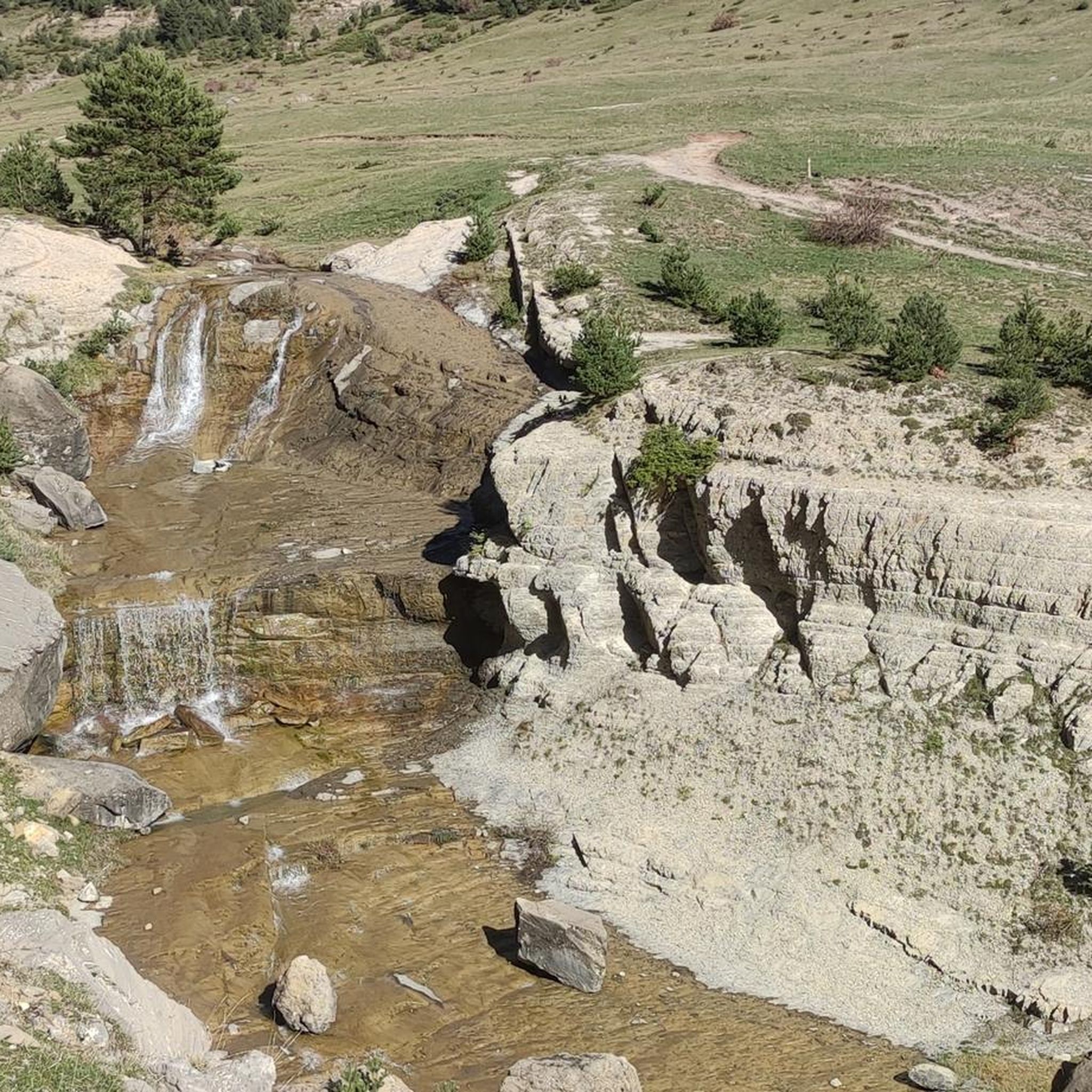
Road Cycling Routes around Aísa
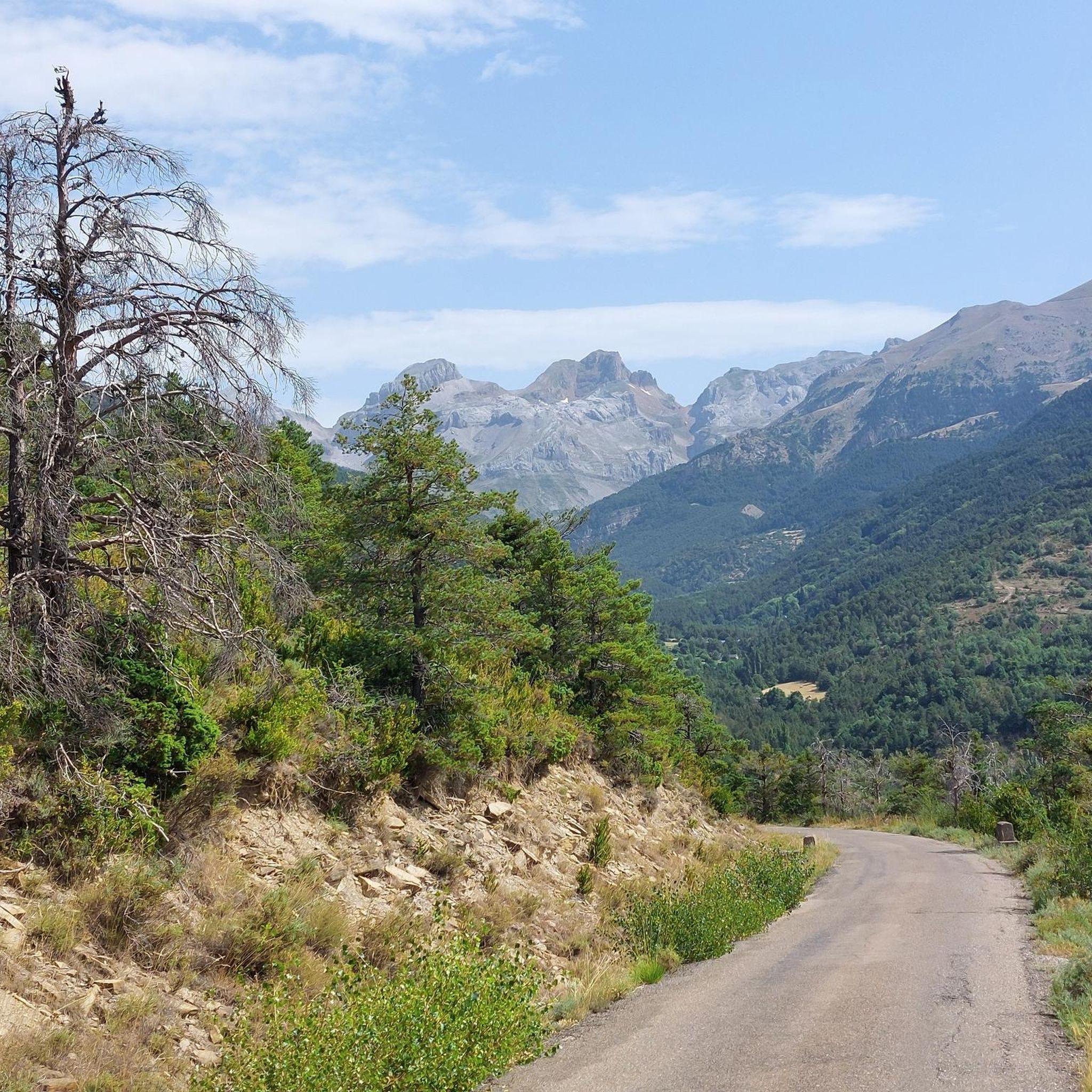
Cycling around Aísa
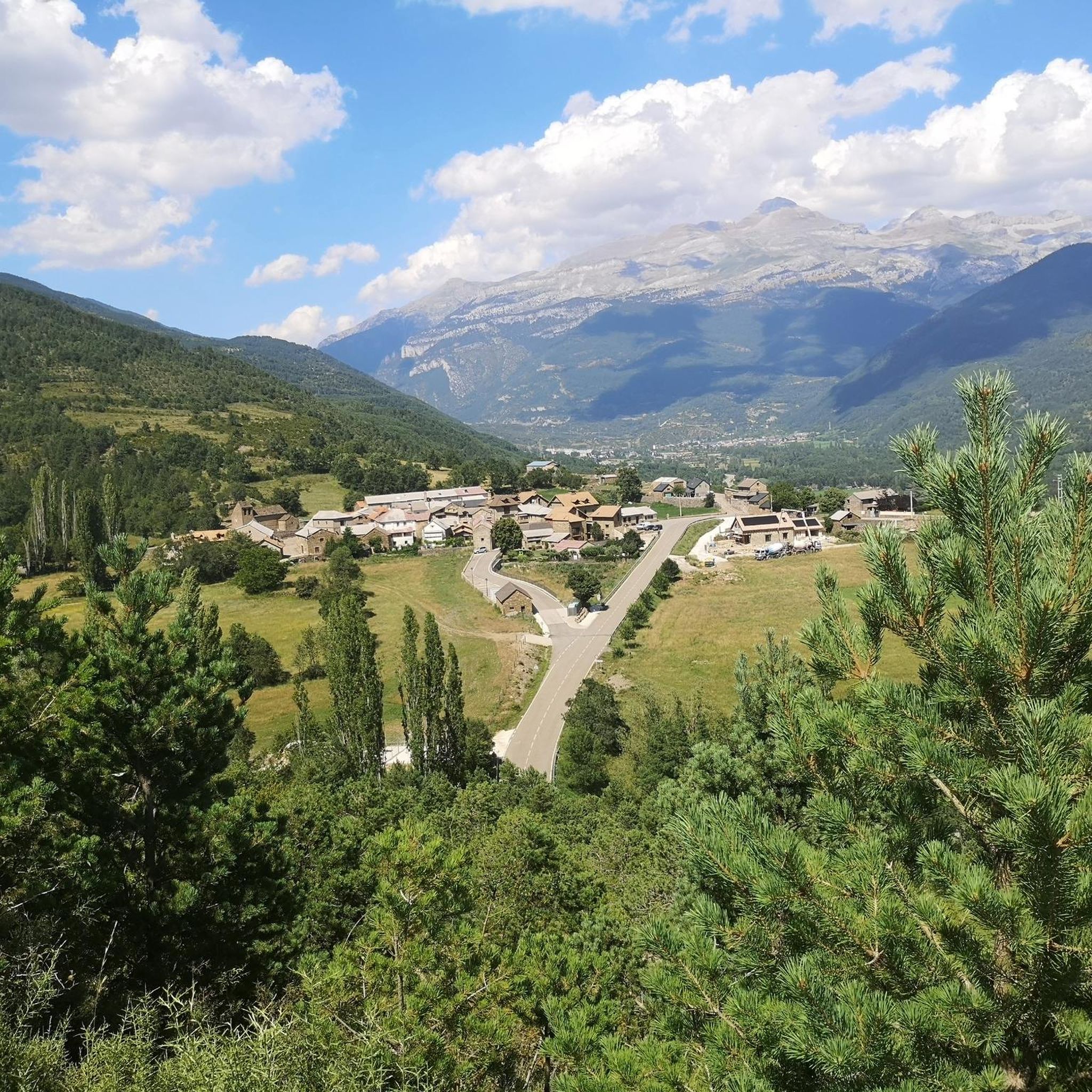
Running Trails around Aísa
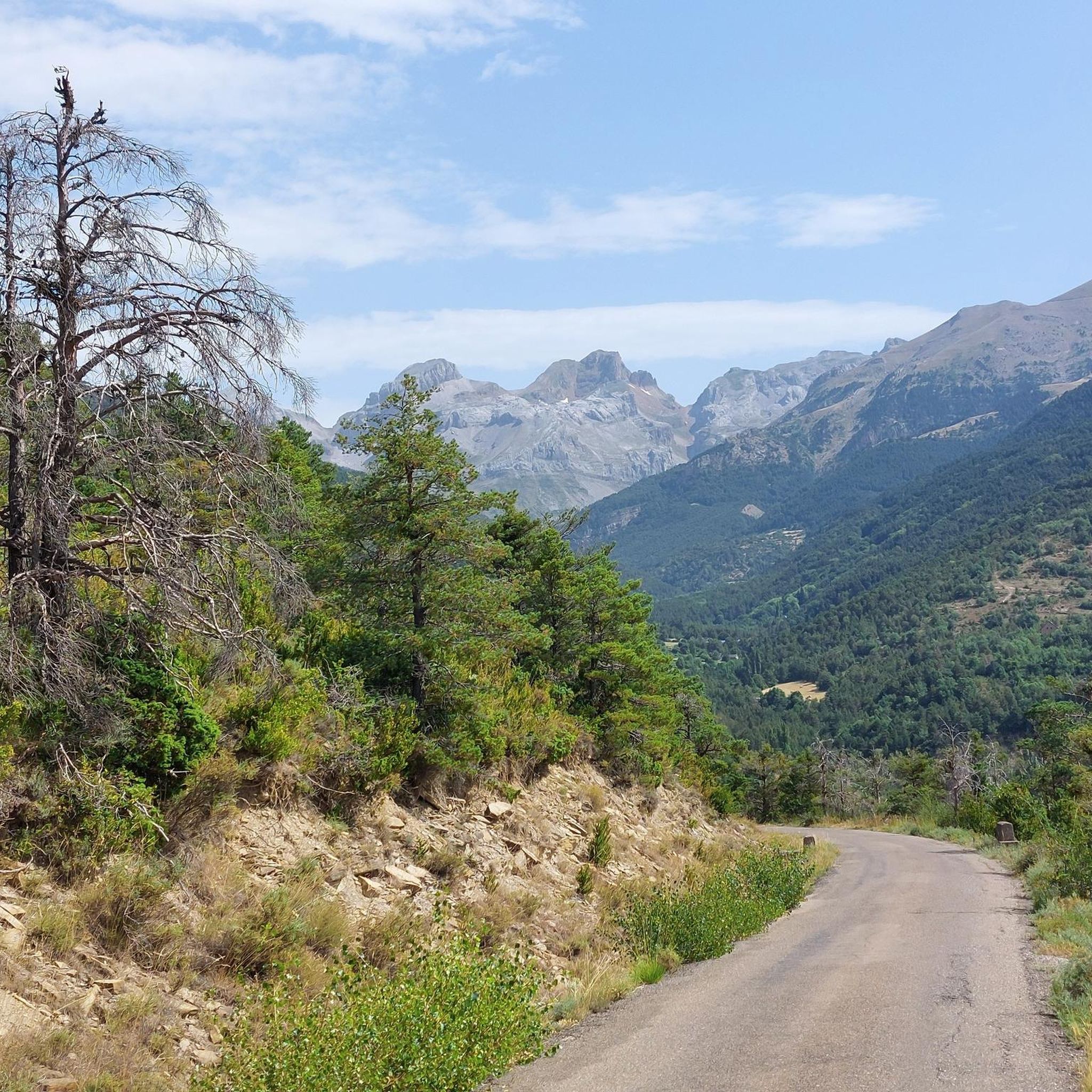
MTB Trails around Aísa
Mountain Hikes around Aísa

Gravel biking around Aísa


Tips from the Community

Emblematic peak of Canfranc, common at the start of the ski touring season, and recommended family outing to Ibón de Escalar in summer. It is a short, easy and beautiful ascent to Ibón de Escalar, and with a final climb to the peak only for mountaineers.
1
0


Evident. And this includes dogs too. It is all too common to see how people allow their pets to take a dip.
1
0

The car park became payable between June and September from 2023. €6.5 per day and obligation to leave before 7 p.m.
0
0

Culminating at 2,349 meters above sea level, the Pic des Moines is located a few meters from the border between France and Spain. This summit offers a breathtaking view of the Pic du Midi d'Ossau, its valley and the Spanish side.
0
0

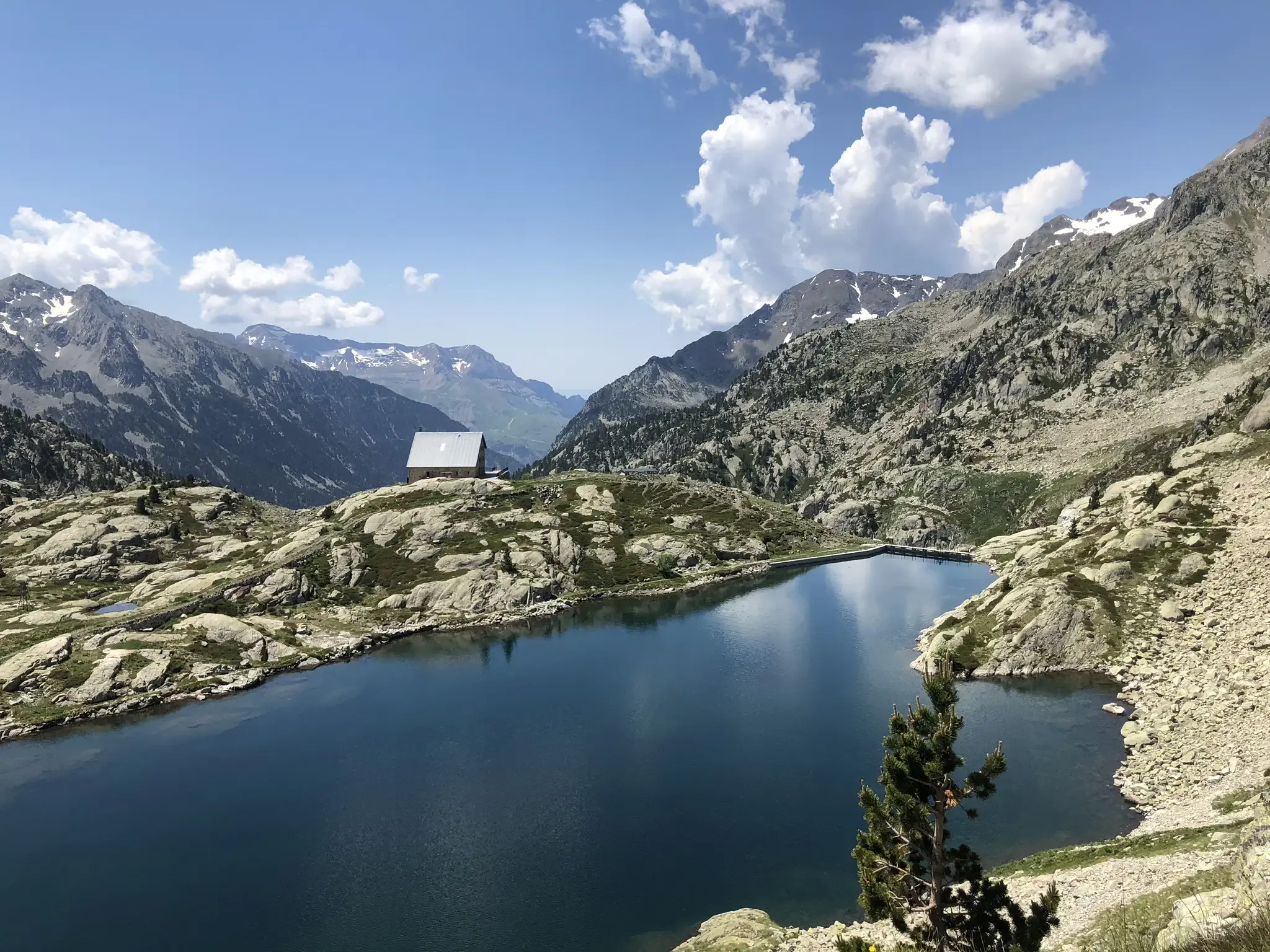
Bious-Artigues is an (artificial) dam lake located at an altitude of 1,416 metres. Its compound name is the association of the name of the valley of Bious with the term Artigues which designates clearings cleared in the Middle Ages.
0
0

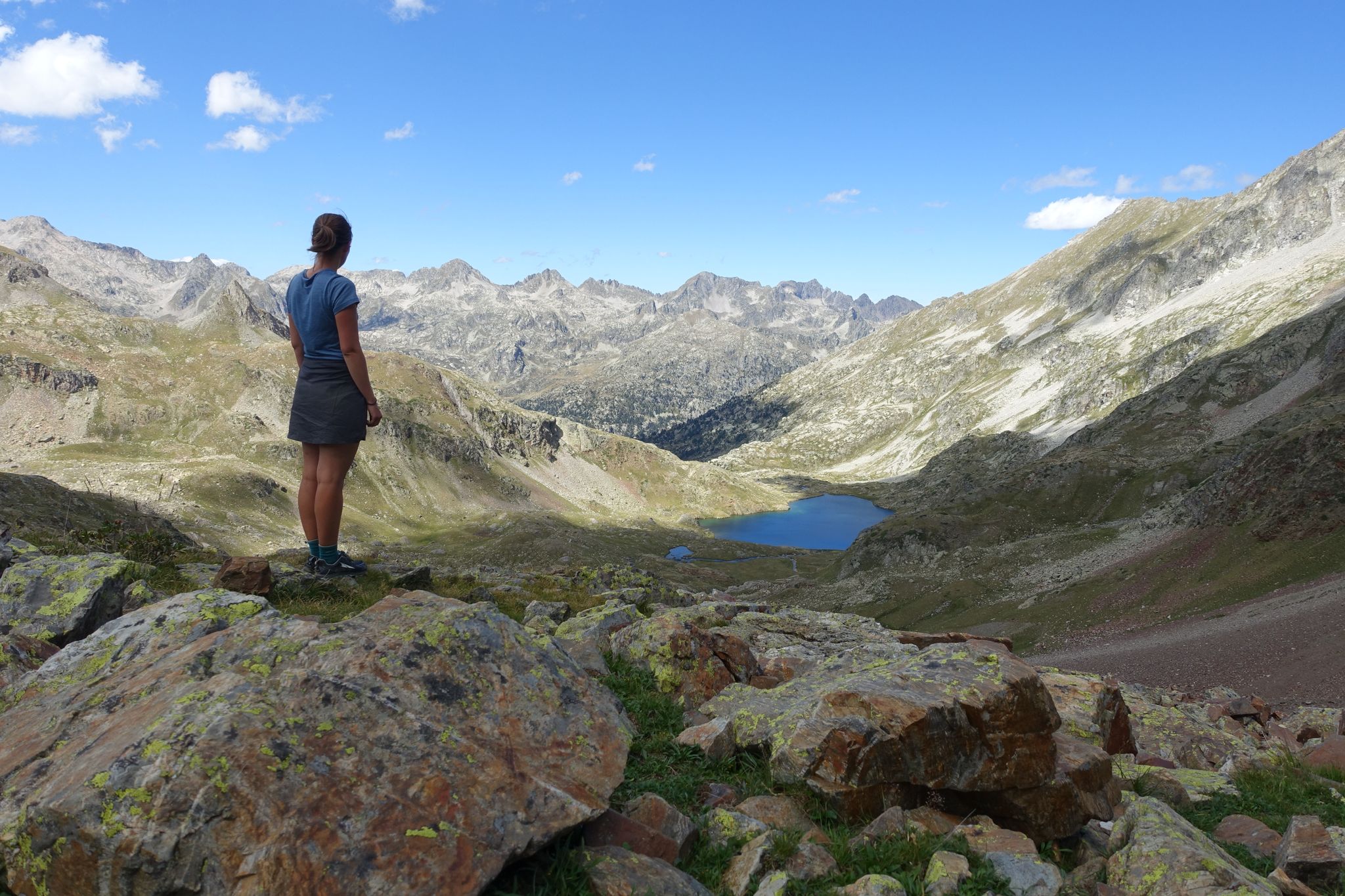
This ibón is located at an altitude of 1950 m. All the Aragonese lakes are protected as they are included in the Inventory of Singular Wetlands, so any activity that could modify the quality of their waters is prohibited. While bathing is not specifically mentioned, it is understood that bathing with chemicals on the skin such as sunscreens, deodorants, perfumes or creams is negatively affecting the quality of the water, so it cannot be done. You can read the protection decree and the list of wetlands included here: http://www.boa.aragon.es/cgi-bin/EBOA/BRSCGI?CMD=VEROBJ&MLKOB=558856590404
1
0
Frequently Asked Questions
What are some prominent natural features to explore near Aísa?
Aísa is a gateway to the Natural Park of the Western Valleys, which boasts a landscape sculpted by glacial action. You can explore graceful peaks like the Massif of the Aspe, U-shaped valleys, and numerous mountain lakes known as 'ibones'. The area also features extensive, well-preserved forests such as the Oza Forest and the Gamueta beech forest, and unique geological formations like the high meadow of Aguas Tuertas.
Are there any notable mountain peaks or summits to visit around Aísa?
Yes, the region offers several impressive peaks. The Massif of the Aspe, standing at 2,640 meters, is a significant natural draw for mountaineers. Another notable summit is Pic des Moines, which offers breathtaking panoramic views of the Pic du Midi d'Ossau and the Spanish Pyrenees from its 2,349-meter height.
What kind of mountain lakes can I find around Aísa?
The area is rich in beautiful mountain lakes, often of glacial origin. You can visit Estanés Lake, a classic Pyrenean destination nestled at 1,754 meters. Another popular spot is Lac Gentau, which is part of a group of six lakes and offers stunning views of the Pic du Midi d'Ossau. The Anayet Lakes are also a must-see, located at 2,200 meters below volcanic peaks.
Are there family-friendly natural monuments or trails near Aísa?
While many trails in the Pyrenees can be challenging, some routes offer more accessible options. For instance, the ascent to Ibón de Escalar, near Pic des Moines, is considered a recommended family outing in summer. The general area around the mountain lakes often provides opportunities for less strenuous walks, though specific family-friendly designations for all natural monuments are not always available.
Can I bring my dog to the natural monuments around Aísa?
The Natural Park of the Western Valleys, which encompasses many of these natural monuments, is a protected area. While dogs are generally welcome on trails, it's always best to keep them on a leash to protect local wildlife, especially in areas designated as Special Protection Areas for Birds (ZEPA). Specific rules may apply to certain sensitive zones, so check local signage.
What outdoor activities are available near these natural monuments?
The region around Aísa is ideal for various outdoor activities. You can enjoy extensive hiking, cycling, and gravel biking. Bird watching is also popular due to the park's rich biodiversity. In winter, snowshoeing offers a unique way to experience the snowy landscapes.
Are there specific hiking trails recommended for exploring the natural monuments?
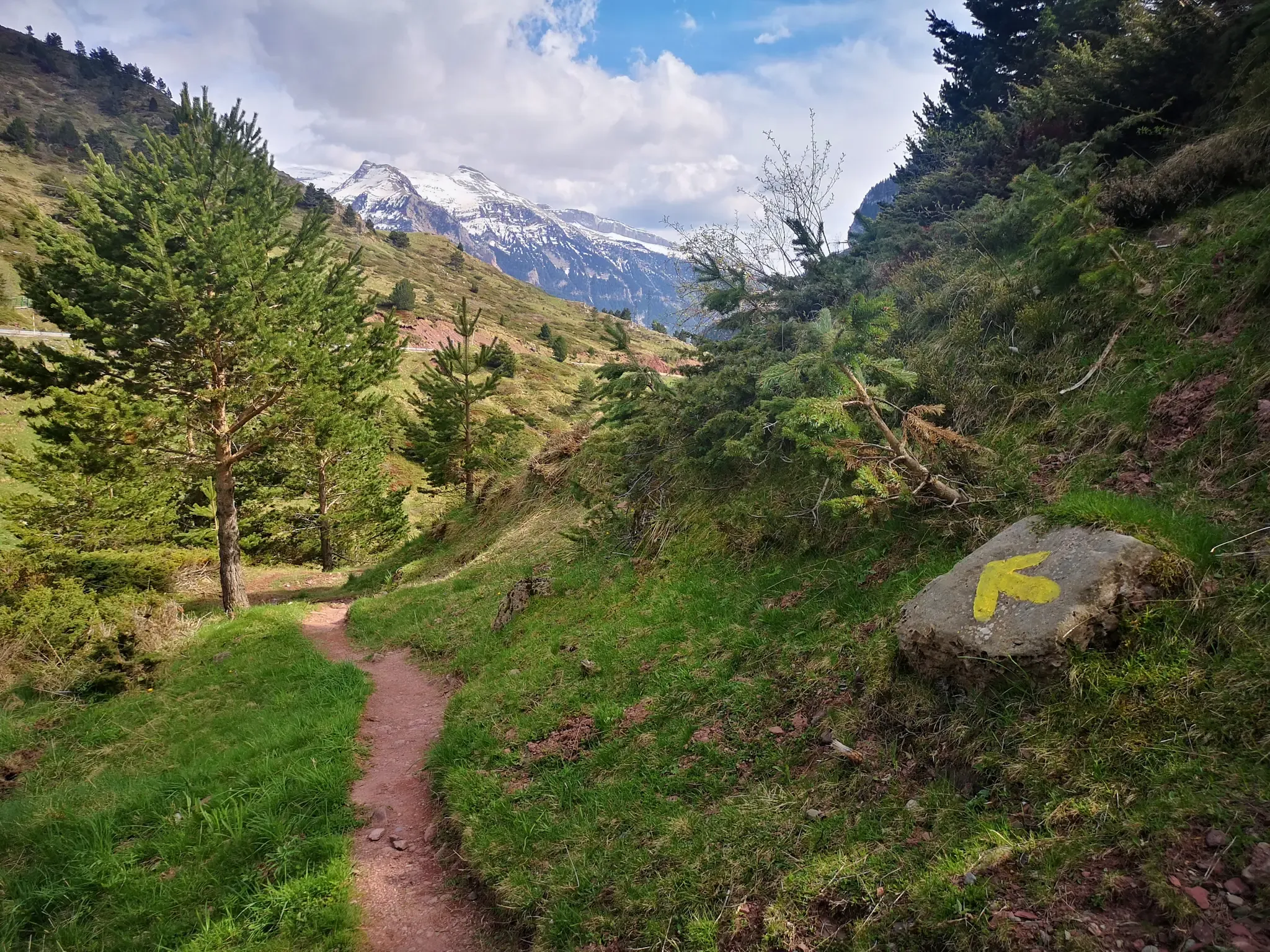
Yes, there are several notable hiking trails. For a challenging experience, consider the "Valle de Aisa – Pico Aspe desde La Cleta" route. A moderate option is the "Pre-Pyrenean Trail (GR 15): Aísa to Jasa." You can find more details and routes on the Hiking around Aísa guide page.
What is the best time of year to visit the natural monuments around Aísa?
The best time to visit largely depends on your preferred activity. Spring and summer (late May to September) are ideal for hiking and exploring the lakes and forests when the weather is mild and the flora is vibrant. Autumn offers stunning fall foliage in the beech and fir forests. Winter provides opportunities for snowshoeing and ski touring, but conditions can be challenging.
What unique geological features characterize the area around Aísa?
The landscape is primarily shaped by glacial action, resulting in distinctive 'U'-shaped valleys and numerous glacial lakes (ibones). The Anayet Lakes, for example, are situated below volcanic peaks, showcasing a unique combination of glacial and volcanic geology. The high meadow of Aguas Tuertas also presents a classic hanging valley with striking zigzag river currents.
What wildlife might I encounter in the Natural Park of the Western Valleys?
The Natural Park of the Western Valleys is a sanctuary for Pyrenean flora and fauna. It's one of the last refuges for brown bears in the Pyrenees. Birdwatchers might spot bearded vultures and golden eagles. Other notable species include Pyrenean chamois and the elusive Pyrenean desman. The park's diverse ecosystems support over 1,200 plant species, including rare and endemic varieties.
What do visitors particularly enjoy about the natural monuments around Aísa?
Visitors frequently praise the breathtaking panoramic views, especially from summits like Pic des Moines and the vantage points overlooking the Pic du Midi d'Ossau from the Ayous lakes. The tranquility of the well-preserved forests and the serene beauty of the mountain lakes, such as Estanés Lake, are also highly appreciated. Many find the effort to reach these spots incredibly rewarding.
How difficult are the hiking trails to these natural monuments?
The difficulty of trails varies significantly. Some routes, like the "Valle de Aisa – Pico Aspe desde La Cleta," are rated as difficult, suitable for experienced hikers. Others, such as sections of the "Pre-Pyrenean Trail (GR 15): Aísa to Jasa," are considered moderate. Always check the specific trail details and prepare accordingly, as mountain terrain can be challenging.
Is parking available at the natural monuments around Aísa?
While specific parking details for every natural monument are not provided, access points to the Natural Park of the Western Valleys and popular trailheads typically have designated parking areas. It is advisable to research specific trailheads in advance, especially during peak seasons, as parking can sometimes be limited.
Most popular routes around Aísa
Most popular attractions around Aísa

Get inspired with the komoot mobile app


Explore more
Extend your search for the best caves by checking out these guides of the top ones around Aísa:
