Top 14 Natural Monuments around Muxía
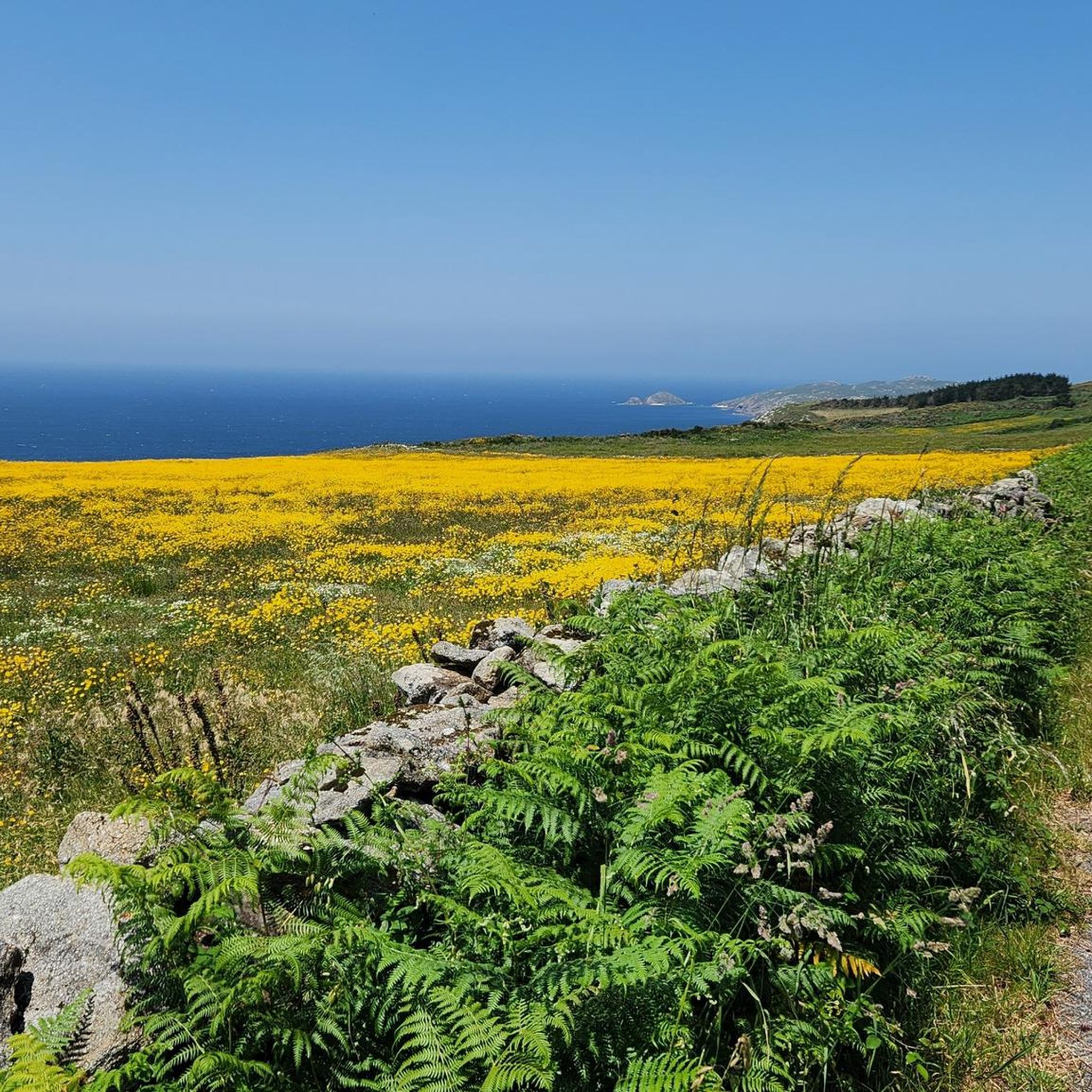
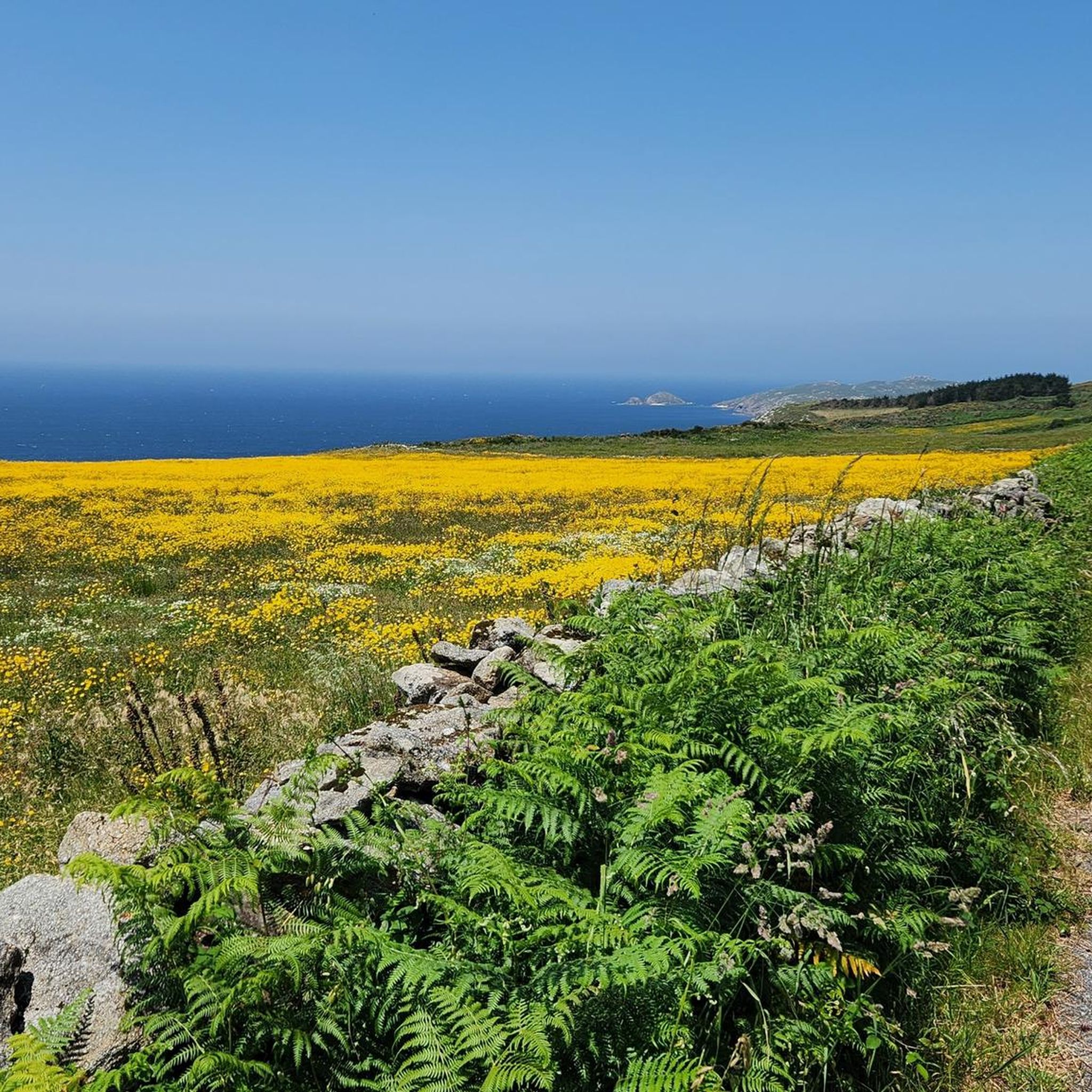
Best natural monuments around Muxía are found along Spain's rugged Costa da Morte, offering a blend of dramatic Atlantic landscapes and local folklore. This region is characterized by its wild coastline, where the ocean meets cliffs, capes, and beaches. Visitors can explore a variety of natural features that hold both geological and cultural significance. The area provides opportunities to connect with the raw beauty of the coast.
Best natural monuments around Muxía
- The most popular natural monuments is A Ferida…
Last updated: August 25, 2026
A Ferida Monument
Highlight • Monument
Translated by Google •
Tip by

Sanctuary of Our Lady of the Boat
Highlight • Religious Site
Translated by Google •
Tip by

Sign up now to discover places like this
Get recommendations on the best single tracks, peaks, & plenty of other exciting outdoor places.
Sign up for free
Fountain of San Pedro Mártir
Highlight • Structure
Translated by Google •
Tip by
Cape Vilán Lighthouse
Highlight • Monument
Translated by Google •
Tip by

Praia do Rostro
Highlight • Beach
Translated by Google •
Tip by
Sign up for free to discover even more natural monuments around Muxía.
Sign up for free
Already have an account?
Start today with a free account
Your next adventure awaits.
Login or Signup
Tips from the Community

I don't know if it's drinkable, it doesn't say anything but I drank like an animal from it.
0
0

We cooled off here too. These springs are very popular on warm days.
1
0
A memorial and a very beautiful memory.
4
0
Always there to cool down
0
0

Nice place to catch your breath.
0
0

Sturdy shoes are an advantage, rocky country
1
0
The monument, also known as the Muxia Monument, commemorates a tanker accident. Through the gap in the work of art you can see the wide sea. The rough but beautiful landscape with the strong surf reveals why this area is called the Death Coast (Galician: Costa da Morte, Galician, Spanish: Costa de la Muerte). Here is a final stone of the Way of St. James (km 0.000).
1
0

On November 13, 2002, off the coast of northern Spain, one of the world's greatest environmental disasters occurred: The tanker "Prestige", 77,000 tons of heavy fuel oil on board, reported a leak in the hull over the radio, was towed out to sea and broke up there. Thousands of tons of the highly toxic heavy oil pour into the sea - and a short time later spill onto the beaches.
5
0
Frequently Asked Questions
What are some of the most significant natural monuments to visit around Muxía?
Muxía offers a range of captivating natural monuments. You can explore the dramatic cliffs and sunsets at Cabo Touriñán, or witness the unique waterfall and natural pools at Caldeiras do Castro. The area also features the legendary Sanctuary of Our Lady of the Boat, steeped in local folklore, and the historic Cape Vilán Lighthouse, Spain's oldest electric lighthouse.
What kind of natural landscapes can I expect to see in Muxía?
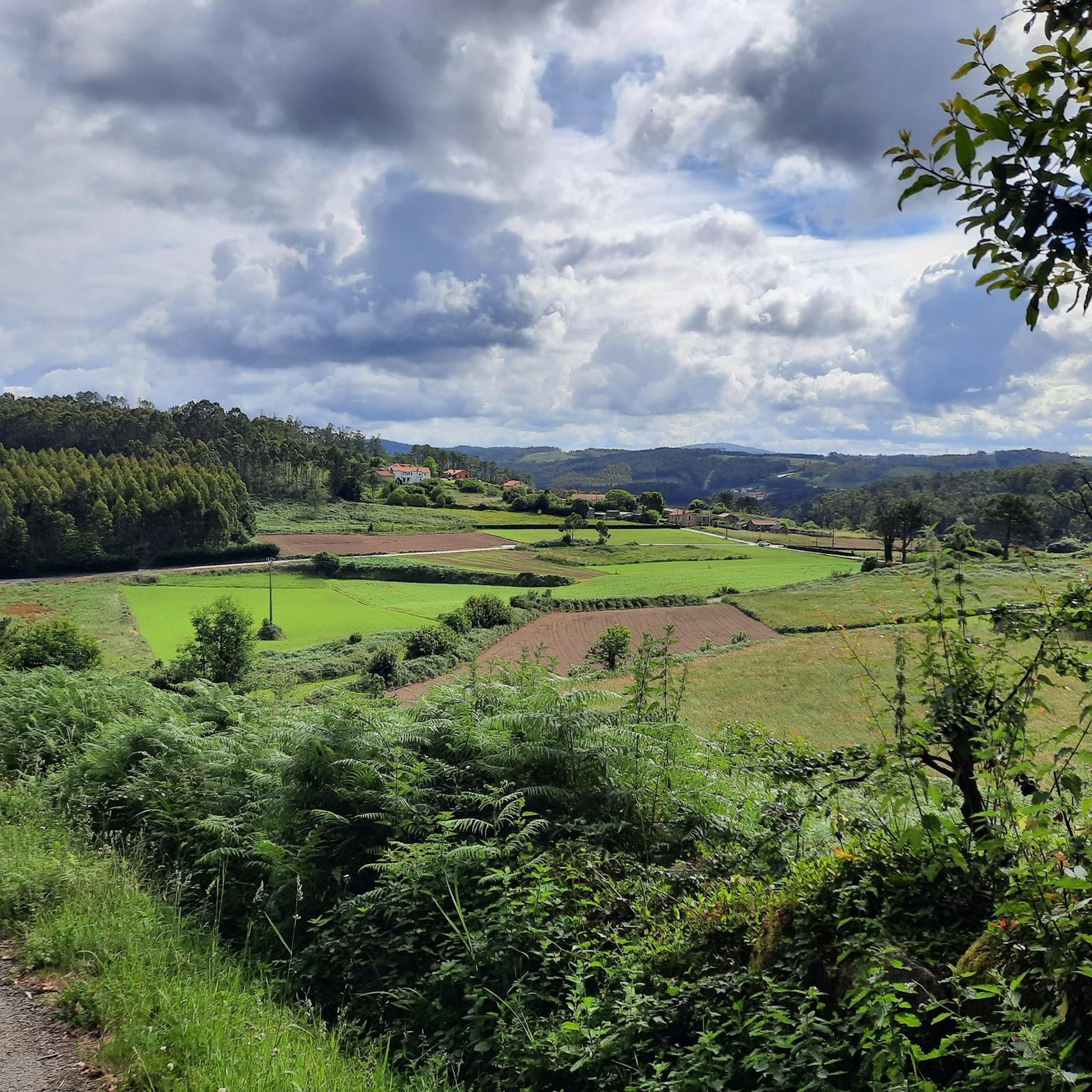
Muxía is characterized by its rugged and wild Atlantic coastline, part of the Costa da Morte. You'll find dramatic cliffs, expansive sandy beaches like Nemiña Beach, and capes offering breathtaking panoramic views. Inland, there are fluvial paths with waterfalls and natural pools, showcasing a diverse natural beauty.
Are there any natural monuments with historical or cultural significance in Muxía?
Absolutely. The region is rich in history and legend. The Magic Stones, located near the Sanctuary of the Virgen de la Barca, are ancient rock formations like Pedra de Abalar and Pedra dos Cadrís, deeply rooted in local legends of healing and spirituality. The A Ferida Monument also serves as a poignant memorial to a significant environmental event.
Are there family-friendly natural monuments or activities in Muxía?
Yes, several natural monuments are suitable for families. Caldeiras do Castro features a recreational zone with a picnic area, perfect for family outings. The Paseo del Río Negro offers a serene walk through nature, culminating at Areamaior beach. Additionally, the Sanctuary of Our Lady of the Boat and the Fountain of San Pedro Mártir are considered family-friendly sites.
What outdoor activities can I do near the natural monuments in Muxía?
The area around Muxía is excellent for outdoor activities. You can enjoy hiking on trails like the Way of Fisterra-Muxía: Muxía Loop or the Río Negro Riverside Trail. For cycling enthusiasts, there are MTB trails and road cycling routes, including those passing by the Sanctuary of Our Lady of the Boat. Find more details on routes in the Hiking around Muxía guide.
Where can I find the best panoramic views of the Muxía coastline?
For incredible 360-degree panoramic views, head to Mirador Monte Facho Lourido (also known as Corpiño Viewpoint). From here, you can see Muxía town, the Sanctuary of A Nosa Señora da Barca, and the expansive coastal landscape, especially stunning at sunrise or sunset.
Are there any natural monuments suitable for surfing in Muxía?
Nemiña Beach is a prime destination for surfing enthusiasts in Galicia. Its vast sandy stretch and consistent waves make it an ideal spot for catching some surf.
What is the best time of year to visit the natural monuments in Muxía?
The natural monuments in Muxía are beautiful year-round. However, for the most pleasant weather for hiking and exploring, late spring (May-June) and early autumn (September-October) are often ideal, offering milder temperatures and fewer crowds. Summer months are popular but can be warmer.
Can I find hiking trails that incorporate natural monuments in Muxía?
Yes, many trails in Muxía lead to or pass by natural monuments. For example, a 15-kilometer hiking route allows you to explore the surroundings of Caldeiras do Castro. You can also find routes like the A Ferida Monument – Sanctuary of Our Lady of the Boat loop. Explore more options in the Hiking around Muxía guide.
What makes Cabo Touriñán a notable natural monument?
Cabo Touriñán is renowned as the westernmost point of mainland Spain on the Iberian Peninsula. It's famous for its wild, untamed landscapes, dramatic cliffs, and particularly for its breathtaking sunsets that paint the sky with vibrant colors as the sun dips into the Atlantic Ocean.
Are there any unique geological features or rock formations to see?
Yes, the area is known for its unique geological features, especially the 'Magic Stones' near the Sanctuary of the Virgen de la Barca. These include the Pedra de Abalar (Rocking Stone), Pedra dos Cadrís (Stone of the Hips) with its healing traditions, and Pedra do Timón (Rudder Stone), each with its own distinct shape and folklore.
What do visitors enjoy most about the natural monuments in Muxía?
Visitors frequently appreciate the raw beauty of the Atlantic coast, the dramatic sunsets, and the sense of peace and disconnection offered by the wild landscapes. The rich local legends and cultural significance associated with sites like the Magic Stones and the Sanctuary of Our Lady of the Boat also add a unique dimension to the experience.
Most popular attractions around Muxía

Get inspired with the komoot mobile app


Explore more
Extend your search for the best caves by checking out these guides of the top ones around Muxía:
