Top 5 Natural Monuments around Pontecesures
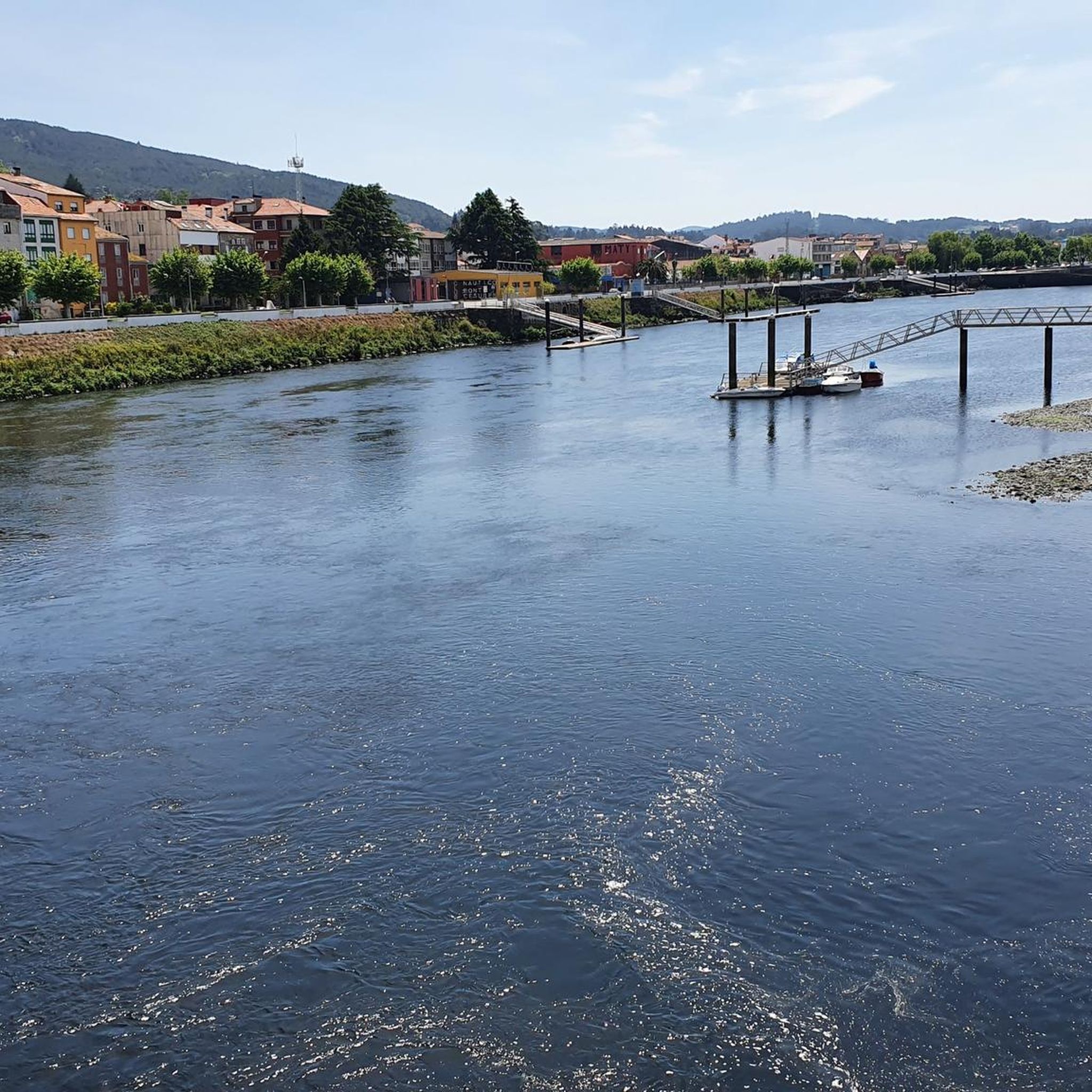
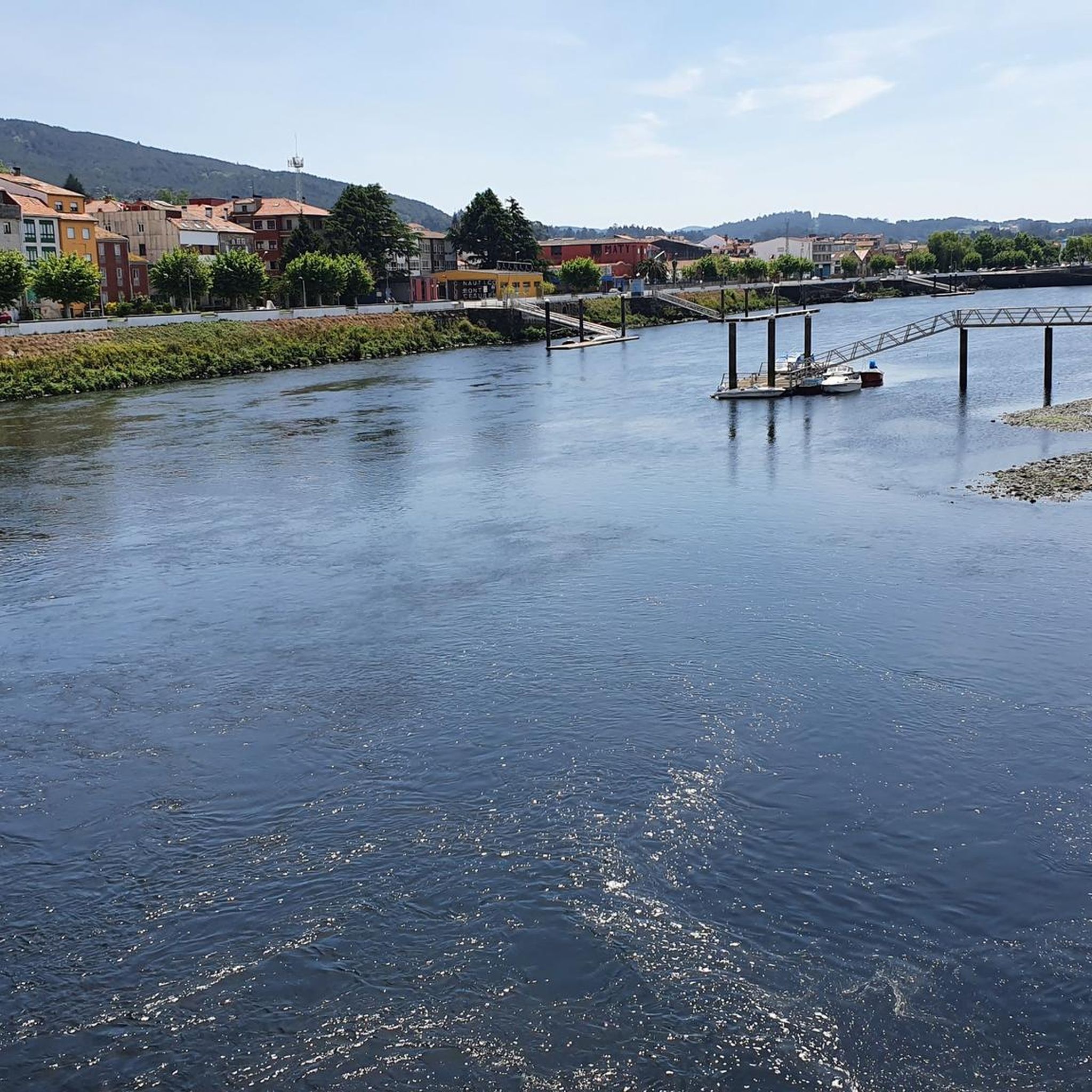
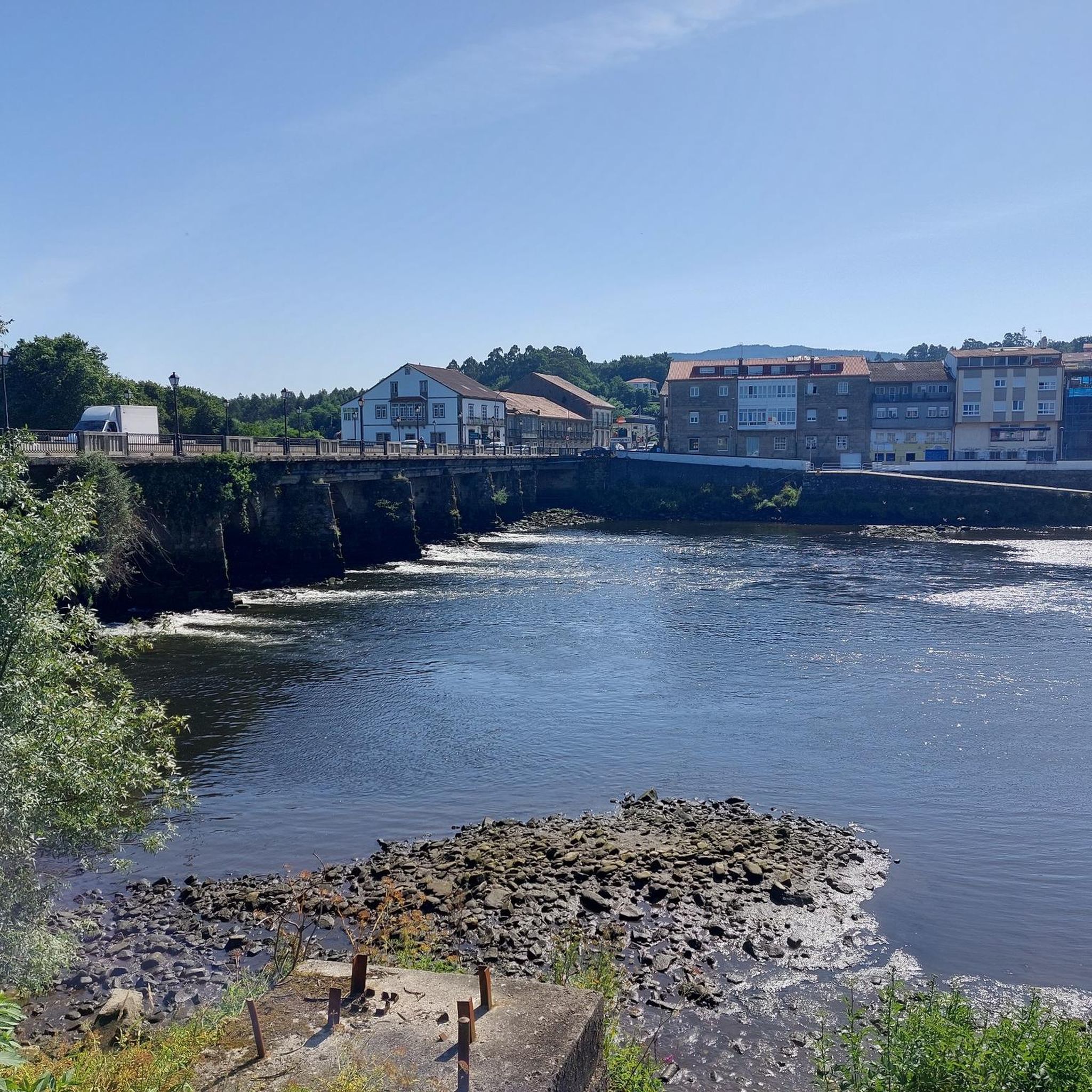
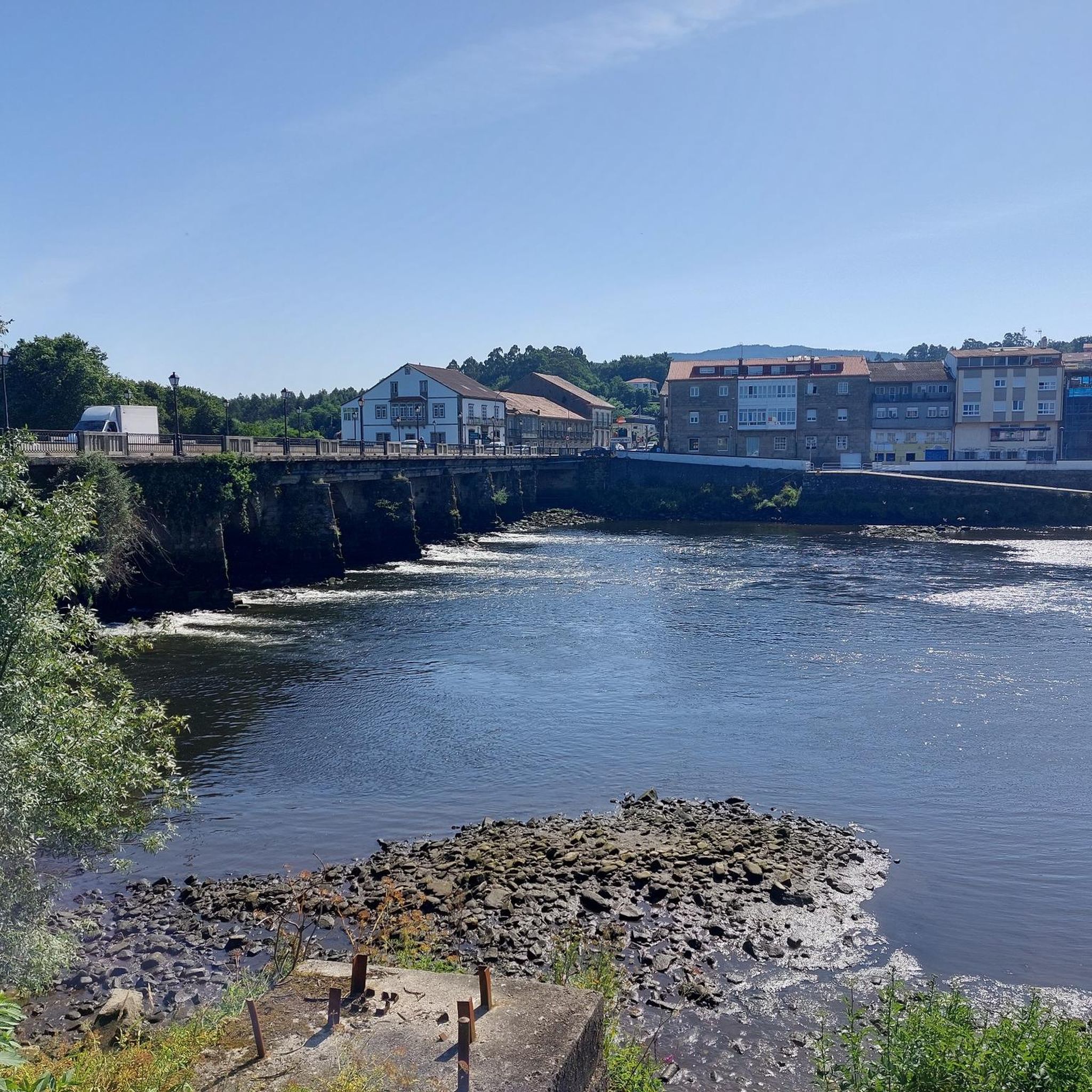
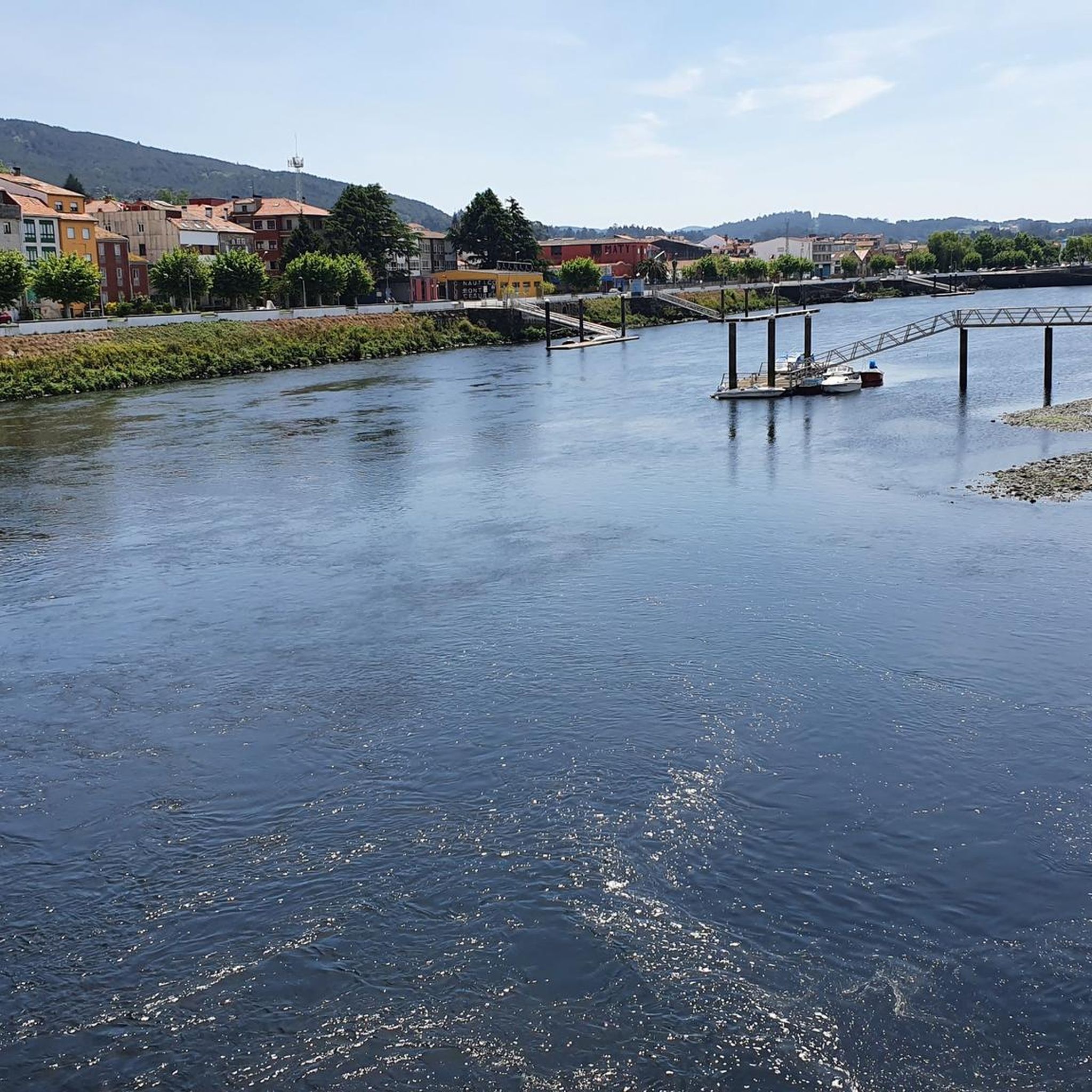
Natural monuments around Pontecesures highlight the region's scenic beauty and ecological importance. The town is situated at the confluence of the Ulla and Sar Rivers, which flow towards Arousa. The Ulla River is a defining natural feature, known for its artisanal lamprey fishing and picturesque valley. The area provides opportunities to appreciate local landscapes and natural attractions.
Best natural monuments around Pontecesures
- The most popular natural monuments is Chapel of Santiaguiño do Monte, a religious building and historical site.…
Last updated: July 1, 2026
Artistic Botanical Garden of Padrón
Highlight • Natural
Translated by Google •
Tip by

Chapel of Santiaguiño do Monte
Highlight • Religious Site
The site is characterized by the chapel and some rocks. The chapel dates back …
Translated by Google •
Tip by

Sign up now to discover places like this
Get recommendations on the best single tracks, peaks, & plenty of other exciting outdoor places.
Sign up for free
San Miguel Fountain
Highlight • Natural Monument
Translated by Google •
Tip by

Petroglyphs of Pedra da Serpe
Highlight • Historical Site
Engraved in the rock there are several drawings. Several circles can be distinguished, at least four, …
Translated by Google •
Tip by
Small Waterfall Between the Mills
Highlight • Waterfall
Translated by Google •
Tip by

Start today with a free account
Your next adventure awaits.
Login or Signup
Tips from the Community

Here you can even swim in the crystal clear water if you have suitable flip-flops to get in
0
0

Historic pilgrimage site on the Way of St. James, which however goes unnoticed by many pilgrims. The site is characterized by the chapel and some rocks. The chapel dates back to the Middle Ages, but nothing is known about its origin. On July 25th it is the destination of an important pilgrimage.
4
0

The Padrón Artistic Botanical Garden, dating from 1896, is considered the first botanical garden in Spain. Covering approximately 1 hectare, the garden is home to approximately 300 species
1
0
Padrón Artistic Botanical Garden, dating from 1896, is considered the first botanical garden in Spain. Covering approximately 1 hectare, the garden is home to approximately 300 species
0
0

Located shortly after the church of San Miguel, on the Camino de Santiago. You have to go very slightly off the route, as it is right at the beginning of an upward slope in the middle of a curve. There is also a supermarket, which comes in handy in case of need. https://bigjoe.es
2
0

Fresh water source located in San Miguel.
2
0
Petroglyph near the road, it is marked. You can see the typical spiral shapes. Engraved in the rock there are several drawings. Several circles can be distinguished, at least four, each formed by several rings and radii and with a central cup. Although barely distinguishable, the rays extend into grooves that link the circles. Along the length of the rock, from NE to SW and from top to bottom, other grooves appear, forming eses, which give the sensation of a snake, which gives the rock and the petroglyphs their name. Between some drawings and others there are other less striking or incomplete engravings that make up the whole. Currently there are fewer engravings than the originals, whose drawings are due to the archaeologist Ramón Sobrino.
2
0
Frequently Asked Questions
What are the most popular natural monuments around Pontecesures?
Visitors frequently enjoy the Chapel of Santiaguiño do Monte, a historic pilgrimage site with a medieval chapel and unique rock formations. Another highly appreciated spot is the Artistic Botanical Garden of Padrón, recognized as Spain's first botanical garden, housing approximately 300 species.
Are there family-friendly natural monuments in the area?
Yes, the Artistic Botanical Garden of Padrón is a great option for families, offering a pleasant environment to explore diverse plant species. Additionally, the San Miguel Fountain provides a refreshing stop, often appreciated by those walking the Camino de Santiago.
What kind of historical natural sites can I visit near Pontecesures?
Beyond the natural beauty, you can explore sites with historical significance. The Chapel of Santiaguiño do Monte is a medieval pilgrimage site on the Way of St. James. You can also discover the ancient Petroglyphs of Pedra da Serpe, featuring intriguing spiral shapes and snake-like grooves carved into the rock.
Can I find waterfalls or rivers to explore?
Absolutely. The Ulla River is a defining natural feature of Pontecesures, known for its picturesque valley and traditional lamprey fishing. You can also visit the Small Waterfall Between the Mills, where you can even swim in its crystal-clear waters.
What outdoor activities are available near these natural monuments?
The region offers various outdoor activities. You can find numerous hiking trails, running routes, and mountain biking paths that allow you to explore the natural landscapes surrounding Pontecesures.
Are there viewpoints offering panoramic views of the area?
Yes, the Monte Galiñeiro Viewpoint, located near Monte Salgueiras Lagoa, provides spectacular panoramic views. From here, you can observe the confluence of the Ulla and Sar Rivers as they flow towards Arousa, as well as the surrounding towns of Pontecesures, Padrón, and Valga. It's equipped with benches and tables for relaxation.
What is the Ulla River known for in Pontecesures?
The Ulla River is central to Pontecesures' natural and cultural identity. It's a significant part of the Mar de Santiago sea-river route and is particularly renowned for its artisanal lamprey fishing, a tradition practiced for centuries. Its banks and port are vital to the local economy and offer picturesque scenery.
Are there any unique botanical attractions?
Beyond the Artistic Botanical Garden of Padrón, which is home to approximately 300 species, you can also find the O Pino Manso Viewpoint within the town center, named after a magnificent stone pine (Pinus pinea) that serves as a natural focal point.
What do visitors say about the natural monuments around Pontecesures?
The komoot community appreciates the diverse natural monuments, with many visitors sharing photos and giving positive feedback. They particularly enjoy the blend of natural beauty with historical and cultural elements, such as the ancient petroglyphs and the refreshing natural springs.
Can I find places to rest or picnic near these natural sites?
Yes, some natural areas are equipped for visitors. For instance, the Monte Galiñeiro Viewpoint offers stone benches, tables, and even barbecues, making it suitable for picnics and relaxation while enjoying the scenic vistas.
Are there any natural monuments along the Camino de Santiago?
Yes, the San Miguel Fountain, a fresh water source, is conveniently located shortly after the church of San Miguel, directly on the Camino de Santiago. It provides a useful stop for pilgrims.
What kind of wildlife might I encounter?
While specific wildlife sightings vary, the Ulla River and its surrounding ecosystem support diverse flora and fauna. The river is known for its lamprey, and the general natural areas provide habitats for various bird species and small mammals typical of the Galician countryside.
Most popular routes around Pontecesures
Most popular attractions around Pontecesures

Get inspired with the komoot mobile app


Explore more
Extend your search for the best caves by checking out these guides of the top ones around Pontecesures:
