Top 20 Natural Monuments around Area Metropolitana De Madrid
Natural monuments around Area Metropolitana De Madrid encompass a diverse range of natural landscapes, from granite formations and rugged peaks to lush forests and significant wetlands. The region is characterized by its varied ecosystems, including the Sierra de Guadarrama mountains and the river basins of the Manzanares and Jarama. These areas provide habitats for numerous plant and animal species, offering opportunities for outdoor exploration. The natural features contribute to the ecological value and scenic beauty of the metropolitan area.
Best…
Last updated: July 20, 2026
Casa de Campo Lake
Highlight • Lake
Translated by Google •
Tip by

Valdeliganar Viewpoint
Highlight • Viewpoint
Translated by Google •
Tip by

Sign up now to discover places like this
Get recommendations on the best single tracks, peaks, & plenty of other exciting outdoor places.
Sign up for free
Monument to Alfonso XII, Retiro Park
Highlight • Monument
Translated by Google •
Tip by

Marmot Bridge
Highlight • Bridge
Translated by Google •
Tip by
Artichoke Fountain (Magnificent fountain)
Highlight • Monument
Translated by Google •
Tip by
Trail Between the El Gasco Dam and Molino de la Hoz
Highlight (Segment) • Trail
Personally, I prefer to upload it, as it allows you to enjoy …
Translated by Google •
Tip by

Cerro Garabitas
Highlight • Climb
Tip by

El Pardo Dam
Highlight • Structure
Translated by Google •
Tip by

Good Luck Fountain
Highlight • Monument
Translated by Google •
Tip by

Valpalomero Viewpoint
Highlight • Viewpoint
Translated by Google •
Tip by

Sign up for free to discover even more natural monuments around Area Metropolitana De Madrid.
Sign up for free
Already have an account?
Start today with a free account
Your next adventure awaits.
Login or Signup
Popular around Area Metropolitana De Madrid
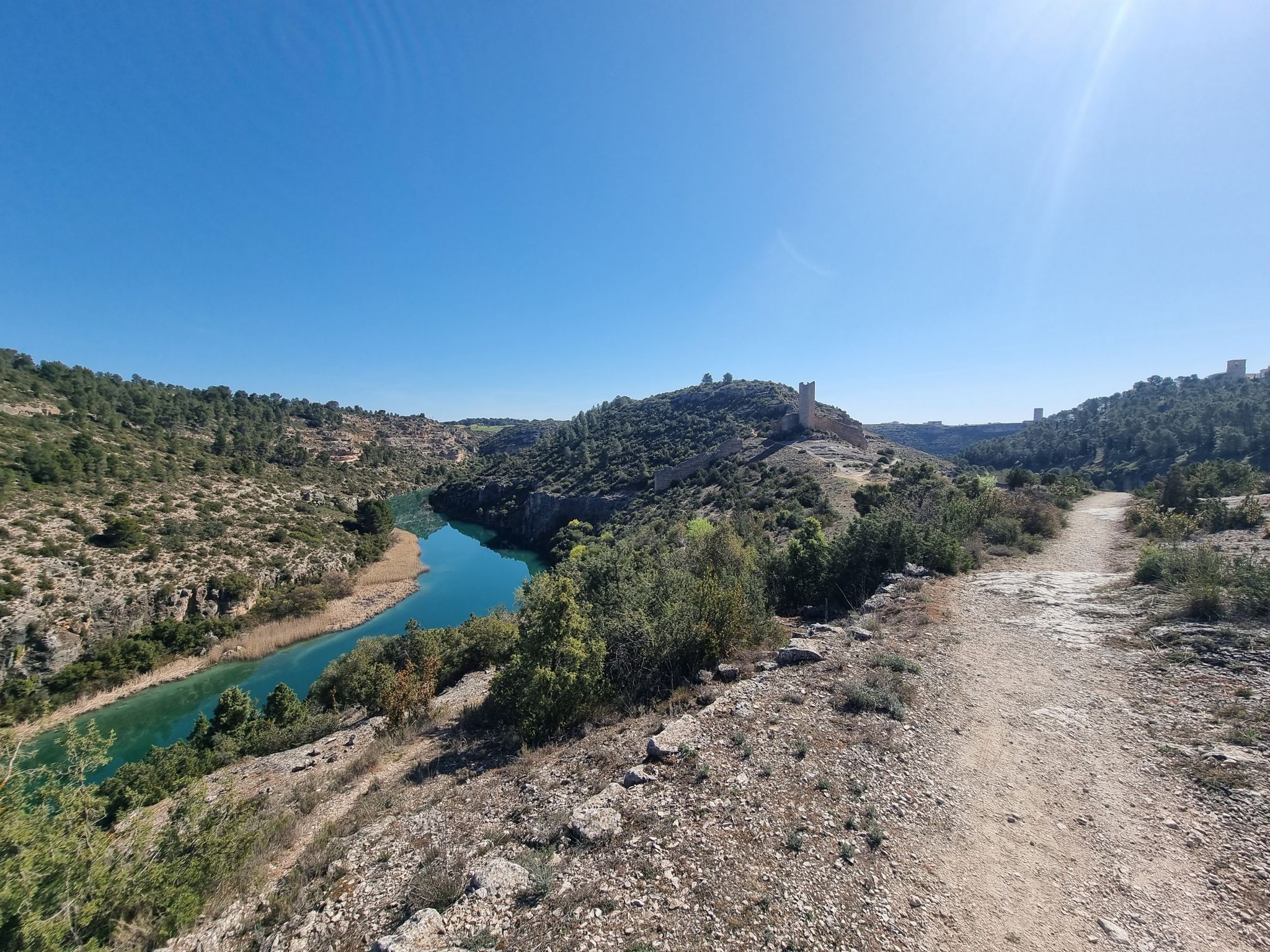
A gravel bike adventure between Madrid and Valencia
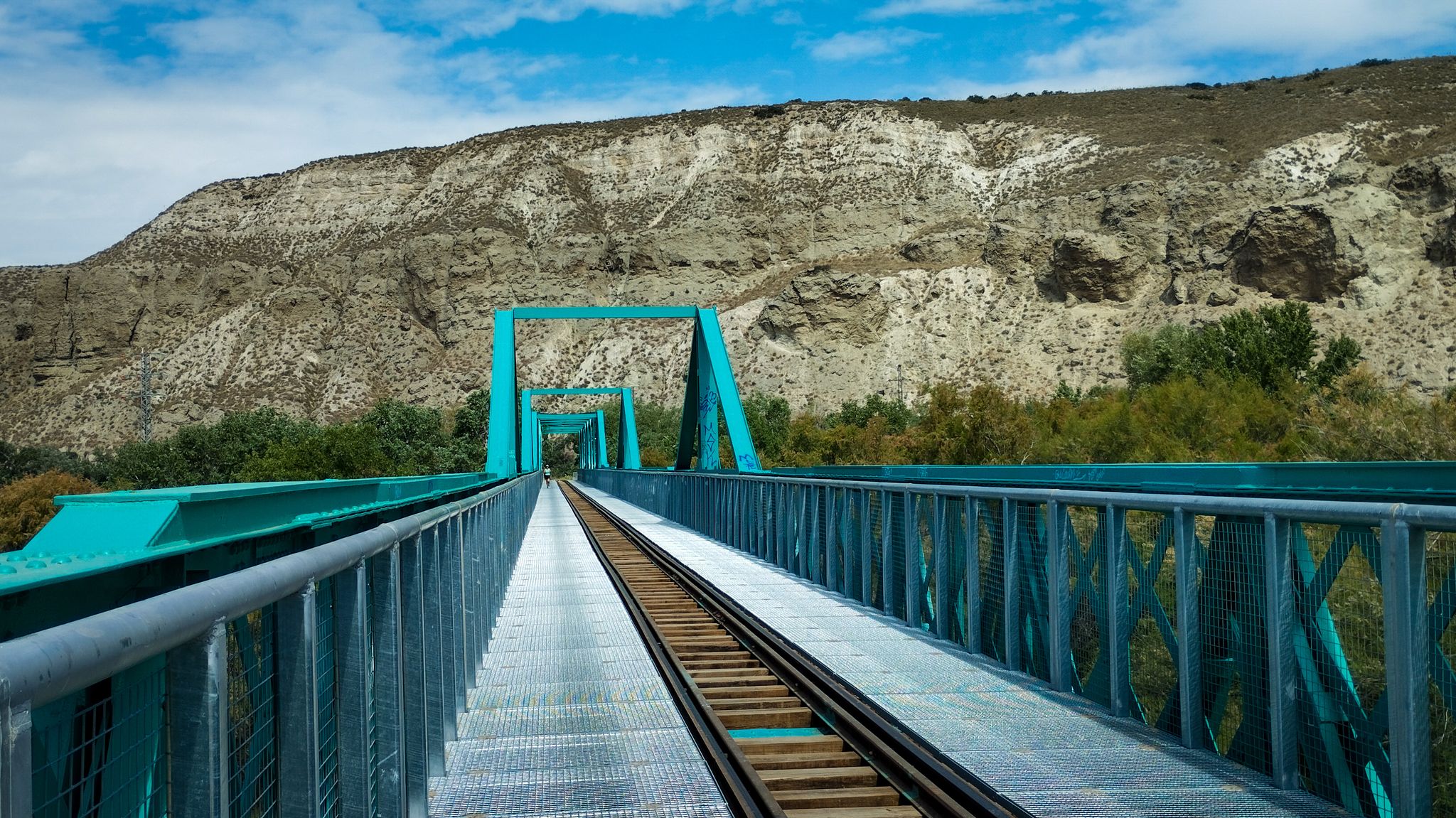
A family ride through Las Vegas de Madrid in Spain – Tajuña Greenway
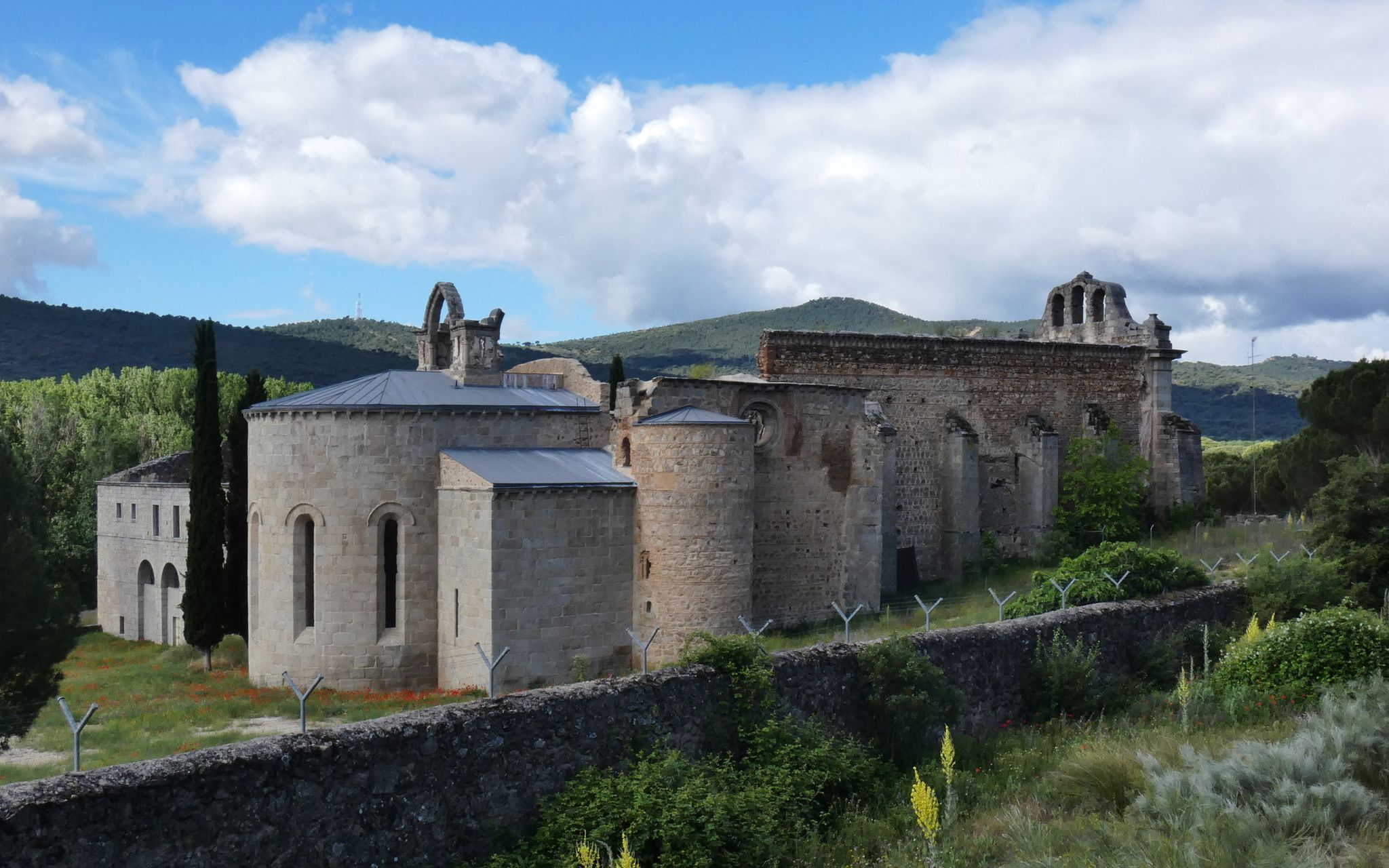
Madrid’s mediaeval castles and hidden gems by gravel bike
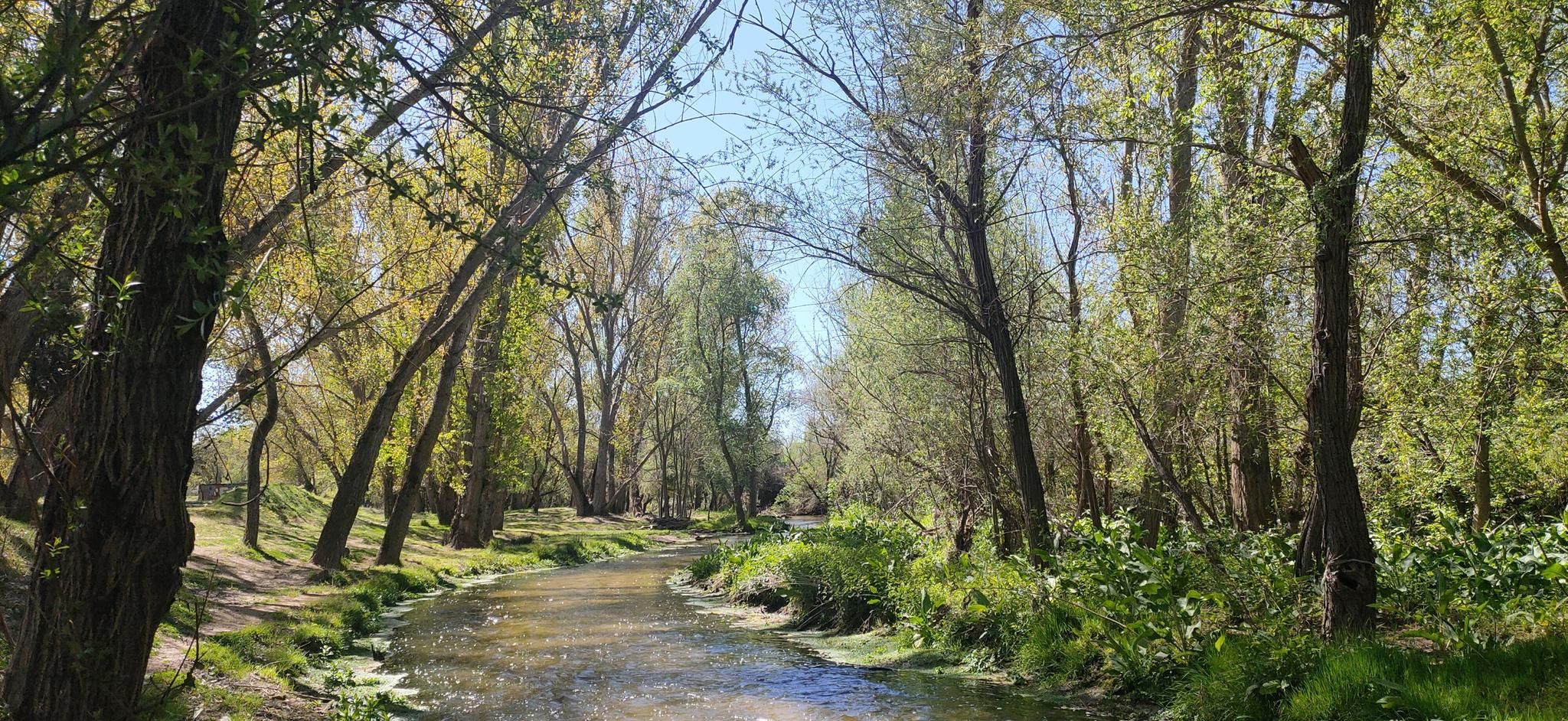
Hidden treasures in the river – hike along Spain’s Guadarrama River
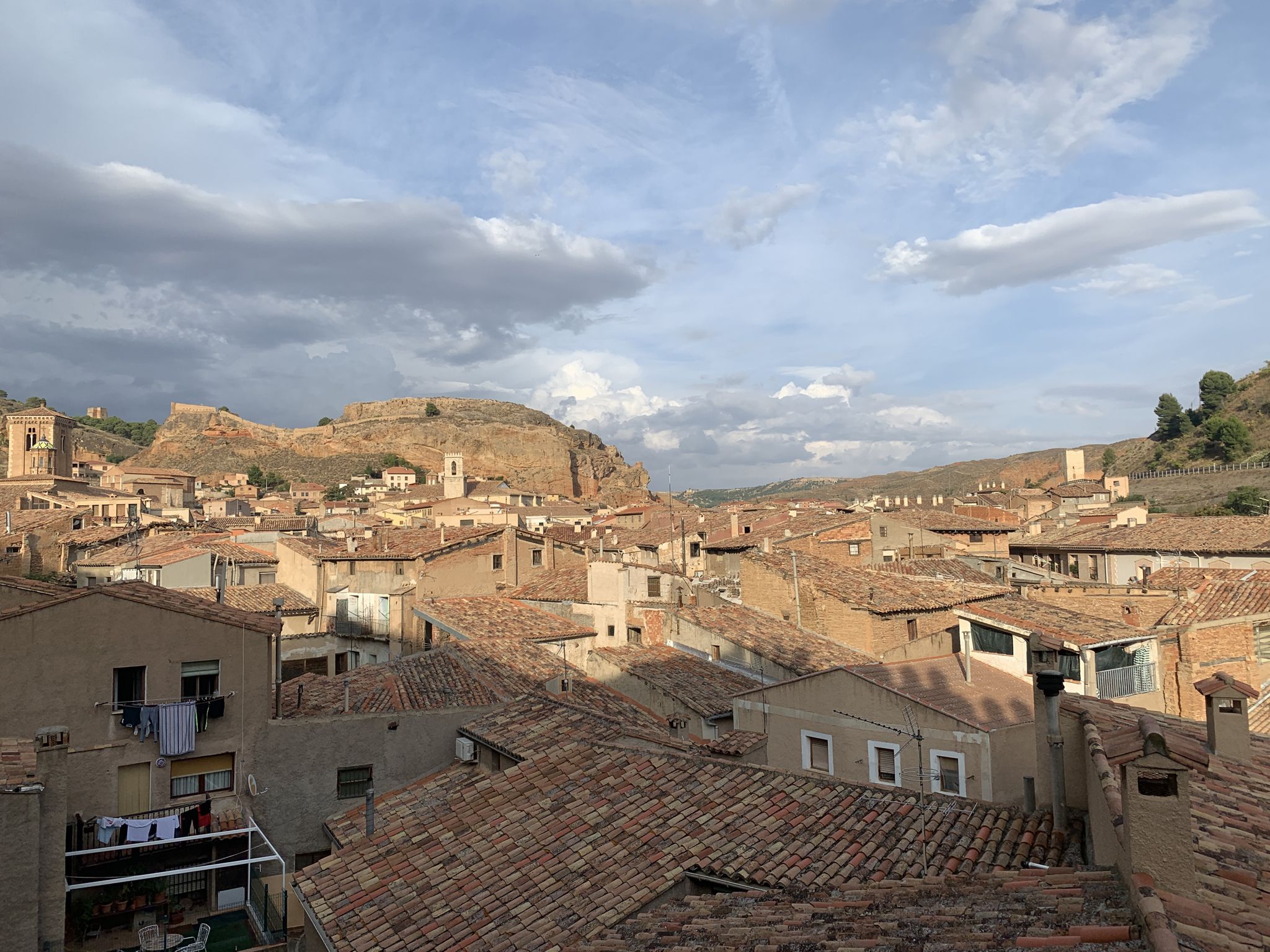
18th-century gravel – Camino Real de Aragón from Madrid
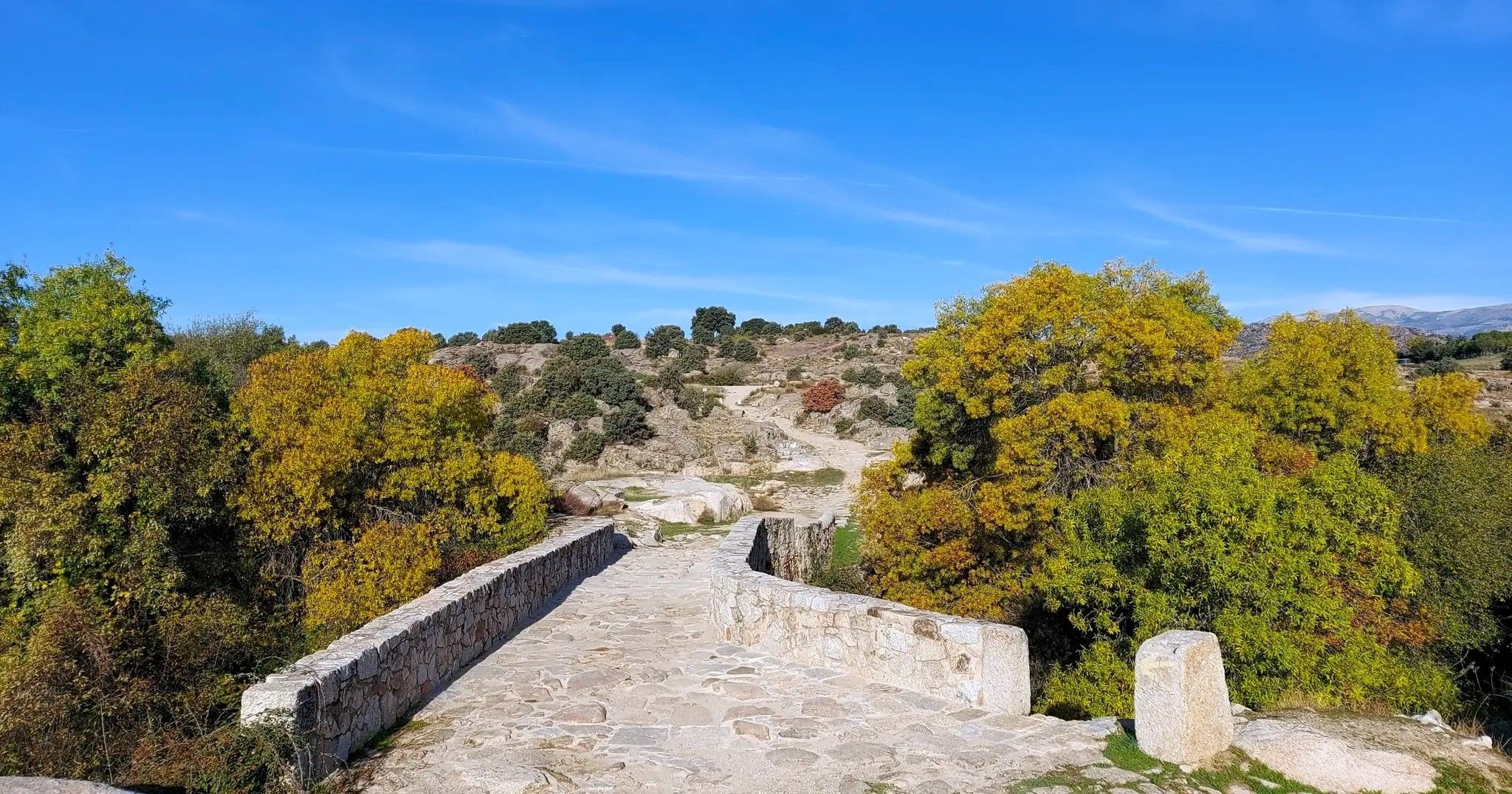
The Royal Path of Madrid – Senda Real (GR 124)
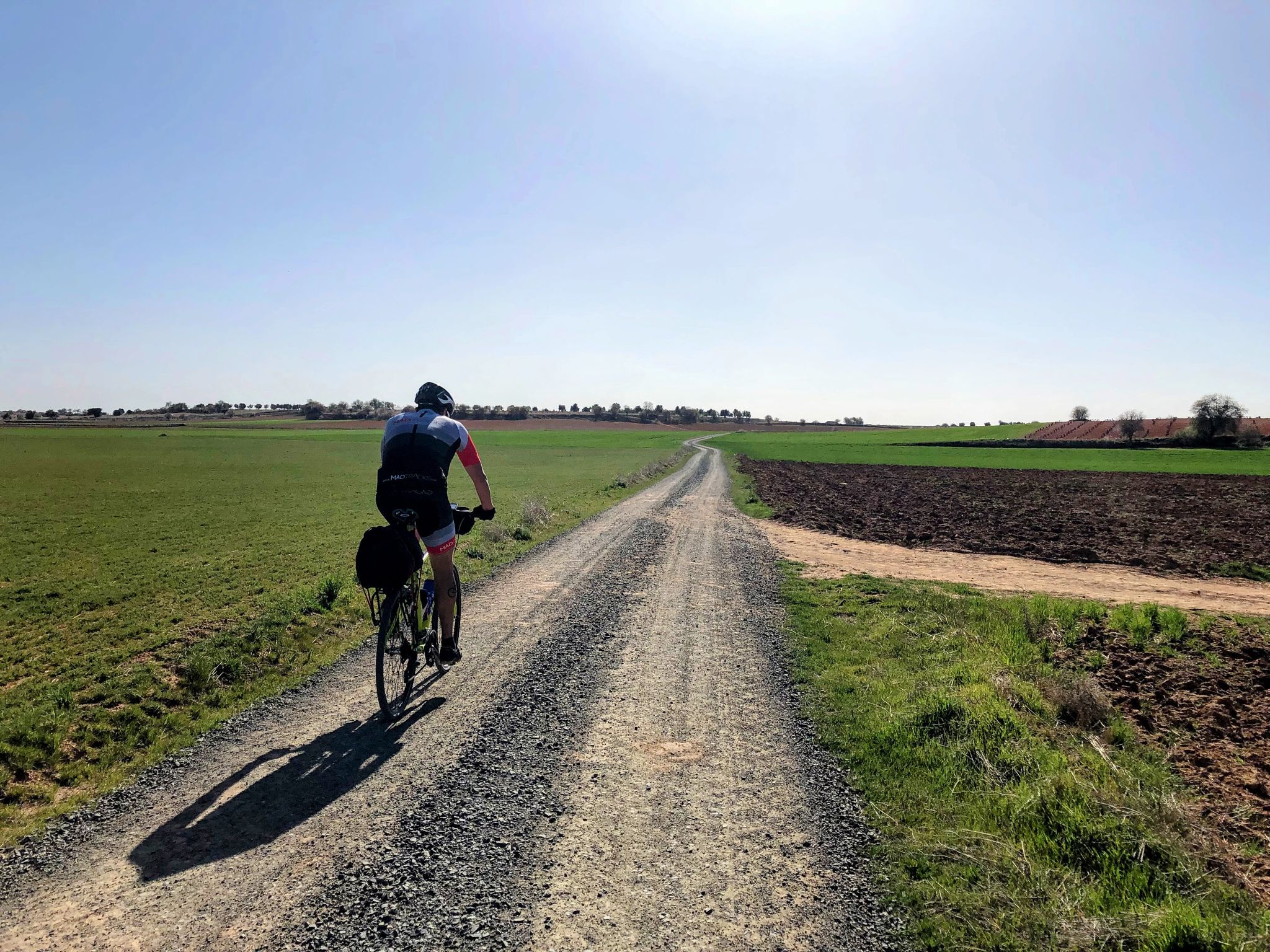
In search of the coast – Madrid to Puerto de Mazarrón
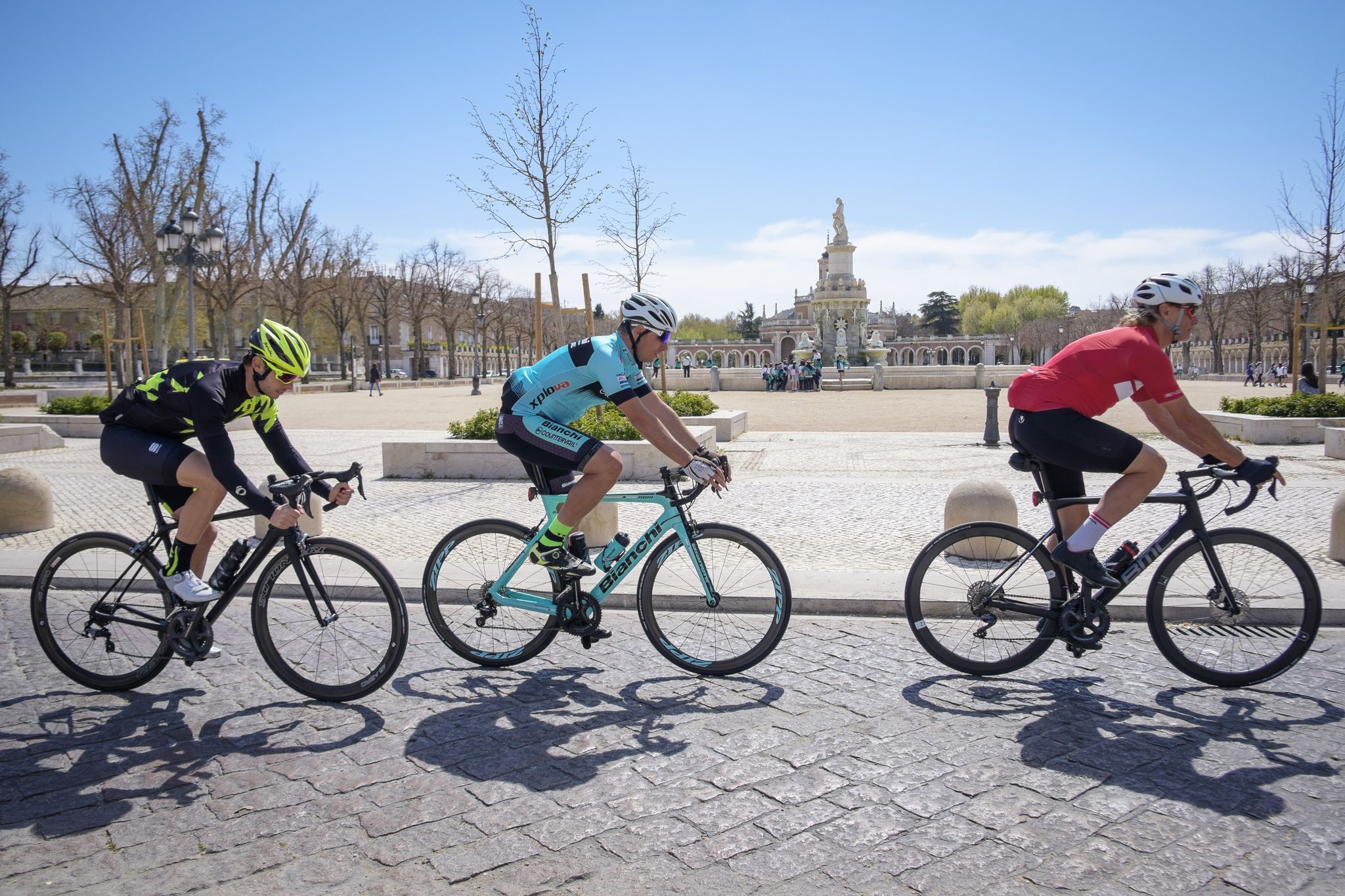
Ports, countryside and rivers – Tour of Madrid by road bike
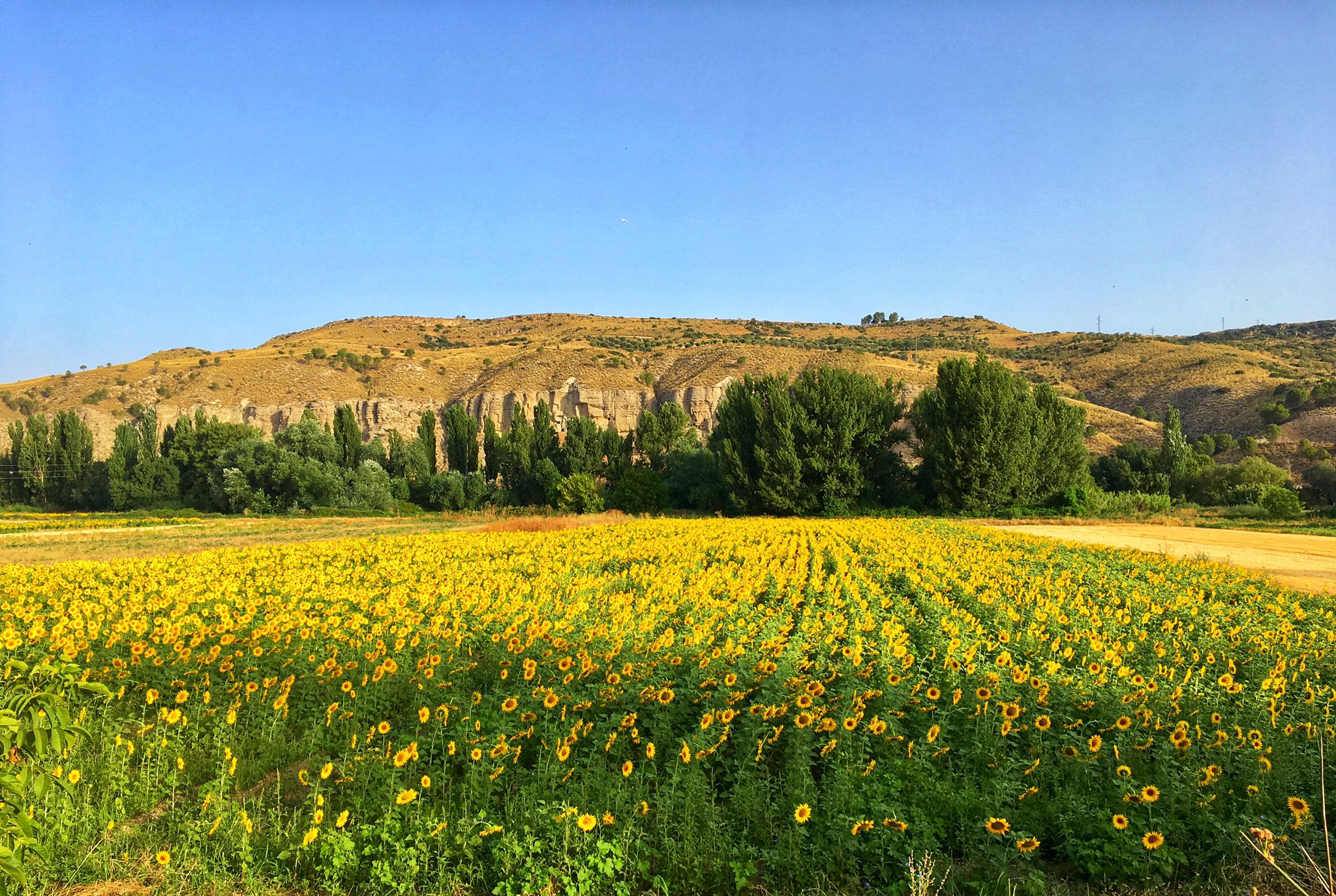
Palaces, rivers and fields — Las Vegas de Madrid gravel tour
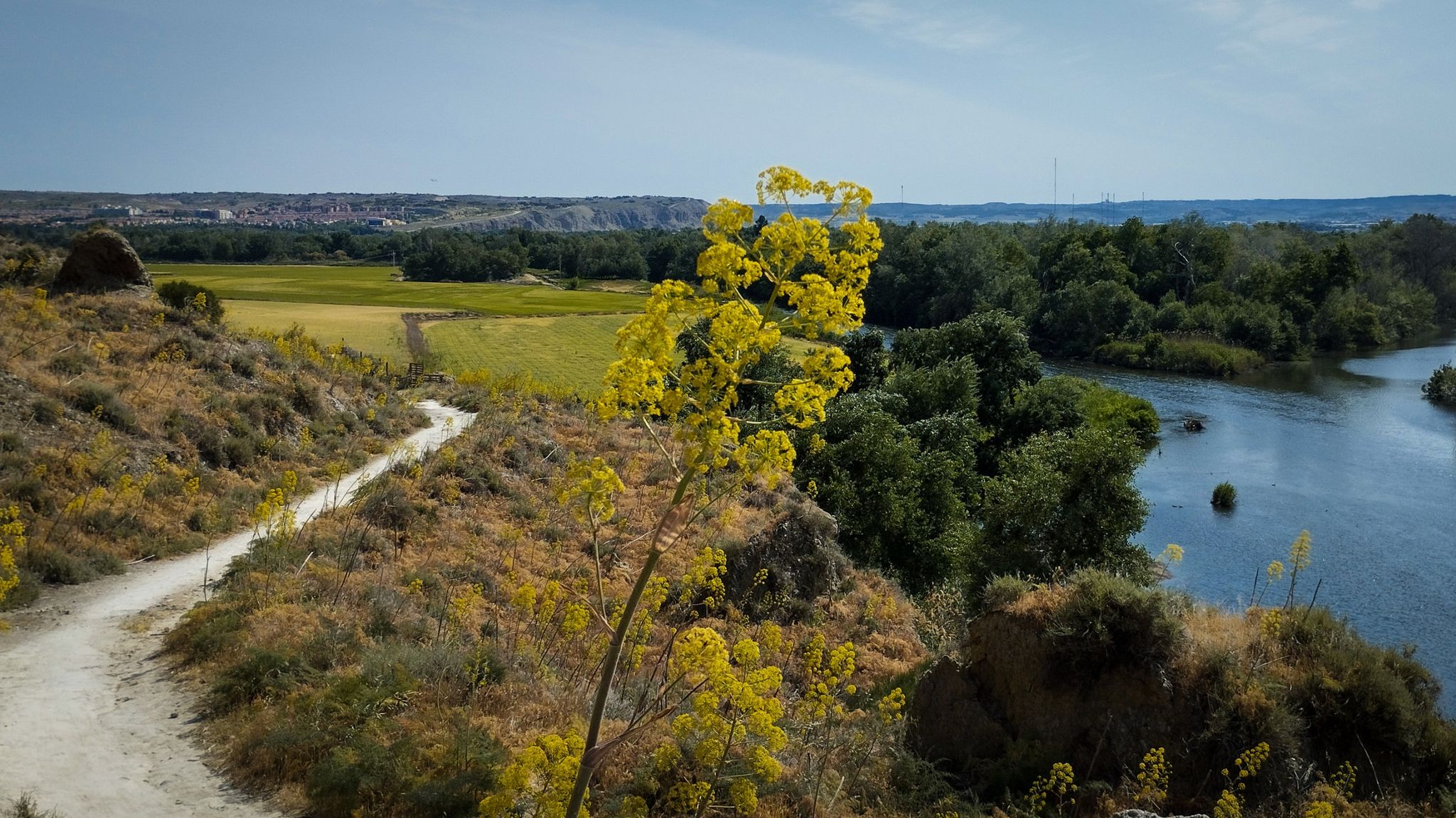
Unexpectedly wild – Jarama on a gravel bike
Other adventures around Area Metropolitana De Madrid


Tips from the Community

With its classicist design, wide sheet of water and monumental stone architecture, the fountain resembles an arch of water: a symbolic beginning for one of the most important natural and recreational spaces in the city.
7
0

The play of light on the lake is fascinating
0
1

The Great Pond of Buen Retiro is an artificial body of water located in Retiro Park, Madrid. Created in the first half of the 17th century, it is one of the park's most prominent landscape features. On its banks stands the Monument to Alfonso XII, a perfect spot to enjoy a sunny day in Madrid.
6
0

Next to the King's Bridge
1
0

On Valpalomero Hill, we'll also find viewpoints 1 and 2. Built of wood, they feature several signs with photos of the landscape and marked points of interest to identify the peaks of the Madrid mountain range that can be seen several kilometers away.
3
0

fountain, before reaching the country house
1
0
Entrance and exit of the country house with Prince Pius
1
0
The Valpalomero viewpoint on El Pardo Mountain offers panoramic views of the surrounding area, including the pastureland, the Manzanares River, and the El Pardo Palace. It's an ideal spot for birdwatching and appreciating the beauty of the natural landscape surrounding the city of Madrid.
6
0
Frequently Asked Questions
What unique geological features can I explore in the Area Metropolitana de Madrid?
The region is renowned for its diverse geology. You can explore the dramatic granite rock formations of La Pedriza, located within the Sierra de Guadarrama National Park, which is one of Europe's largest granitic ranges. Another unique feature is found in the Parque Regional del Sureste, characterized by its gypsum cliffs and escarpments, which support a singular flora adapted to these extreme conditions.
Are there any natural monuments suitable for families with children?
Yes, several natural monuments are family-friendly. The Casa de Campo Lake is a great option, offering a pleasant urban park setting where families can walk, rent boats, and enjoy the surrounding restaurants. The Valdeliganar Viewpoint also offers routes suitable for all levels, making it accessible for families to enjoy panoramic views of the Sierra de Guadarrama.
What are the best natural monuments for birdwatching in the Area Metropolitana de Madrid?
For birdwatching, the Parque Regional del Sureste is an excellent choice, especially its wetlands and riverine environments along the Jarama and Manzanares rivers, which host up to 120 different bird species. Within this park, Soto de las Juntas is particularly notable for its well-preserved riparian forest and a lake, attracting a wide variety of wetland, forest, and steppe birds. Observatories are installed there for optimal viewing.
Where can I find historical natural monuments in the region?
The Marmot Bridge, dating back to the 18th century, is a historical natural monument originally built for surveillance of the Mount of El Pardo. Another site with historical significance is the Cerro de los Ángeles, traditionally considered the geographical center of the Iberian Peninsula, which also features a 14th-century hermitage and the Monument to the Sacred Heart.
What are the best times of year to visit the natural monuments around Madrid?
The best time to visit depends on the specific natural monument and your preferred activity. For places like Hayedo de Montejo, autumn is particularly magical due to the russet shades of the beech leaves. Spring and early summer are ideal for hiking and enjoying lush greenery across most areas, while winter offers unique opportunities for snow-covered landscapes in higher elevations like parts of the Sierra de Guadarrama.
Are there any natural monuments with significant forest areas?
Yes, the region boasts several significant forest areas. The Hayedo de Montejo is a unique and exceptional beech forest, a UNESCO Natural Heritage Site and one of the southernmost beech forests in Europe. The Parque Regional de la Cuenca Alta del Manzanares also features diverse ecosystems including pine forests, holm oak groves, and juniper groves. Additionally, Cerro Garabitas is known for its pine forest.
What outdoor activities can I do near these natural monuments?
The Area Metropolitana de Madrid offers a wide range of outdoor activities. You can enjoy cycling on routes like the Anillo Verde Ciclista, or explore various hiking trails, including waterfall hikes and mountain hikes in areas like La Pedriza. Rock climbing is also very popular in La Pedriza, with nearly a thousand routes available.
How accessible are the natural monuments by public transport?
Many natural monuments are accessible by public transport from Madrid. For instance, La Pedriza is easily reachable by bus, making it a convenient escape from the city. For specific locations like Hayedo de Montejo, it's important to note that access is often via free guided tours, which may require reservations and have specific meeting points.
Can I find natural monuments with panoramic views?
Absolutely. The Valdeliganar Viewpoint provides excellent panoramic views of the Sierra de Guadarrama. From the summit of Cerro de los Ángeles, you can also enjoy expansive views of Madrid and Getafe. Additionally, the Valpalomero Viewpoint offers another opportunity to take in scenic vistas.
Are there any natural monuments that are also important for wildlife conservation?
Yes, several areas are crucial for wildlife. The Parque Regional de la Cuenca Alta del Manzanares, a UNESCO Biosphere Reserve, is home to around 300 fauna species, including endangered ones like the Iberian imperial eagle. La Pedriza hosts the largest breeding colony of griffon vultures in the Madrid area. The Parque Regional del Sureste is also vital for its rich avifauna, particularly its aquatic and riverine birds.
What are some lesser-known natural gems to discover?
Beyond the more popular spots, consider exploring the unique ecological value of the Hayedo de Montejo, a rare beech forest. The Trail Between the El Gasco Dam and Molino de la Hoz offers a scenic and somewhat technical route with impressive sights. These areas provide a chance to experience the region's natural beauty away from the main crowds.
Are there any natural monuments that are wheelchair accessible?
While many natural monuments involve trails and varied terrain, some areas offer more accessible features. The Good Luck Fountain and the Artichoke Fountain are examples of man-made monuments within natural settings that are noted as wheelchair accessible. For natural trails, it's best to check specific route details for accessibility information.
Most popular routes around Area Metropolitana De Madrid
Most popular attractions around Area Metropolitana De Madrid

Get inspired with the komoot mobile app


Didn’t find what you were looking for?
Find even more amazing natural monuments around Area Metropolitana De Madrid by checking out the top Highlights region by region:
Explore more
Extend your search for the best caves by checking out these guides of the top ones around Area Metropolitana De Madrid:
