Top 5 Natural Monuments in Rice County
Best natural monuments in Rice County showcase a landscape shaped by glacial activity, featuring diverse natural elements. The region includes remnants of the "Big Woods" deciduous forest and areas where the Minnesota prairie transitions into woodlands. These locations offer opportunities to observe unique geological formations and significant ecosystems. The Cannon River carves a path through the county, contributing to its varied topography.
Best natural monuments in Rice County
- The most popular natural monument is Hidden Falls, a waterfall that…
Last updated: June 24, 2026
Hidden Falls
Highlight • Waterfall
Tip by

Cannon River Trout Lily Scientific and Natural Area
Highlight • Natural Monument
Tip by
Sign up now to discover places like this
Get recommendations on the best single tracks, peaks, & plenty of other exciting outdoor places.
Sign up for free
River Bend Nature Center Falls
Highlight • Waterfall
Tip by
The Confluence of the Straight and Cannon Rivers
Highlight • River
Tip by
Big Rock
Highlight • Natural Monument
Tip by

Nerstrand Big Woods State Park
Highlight • Forest
Tip by

Start today with a free account
Your next adventure awaits.
Login or Signup
Tips from the Community

The Cannon River Trout Lily Scientific and Natural Area shelters one of the largest populations of the endangered Minnesota dwarf trout lily, a delicate flower that blooms in early spring. This species is Minnesota’s only endemic flowering plant, found naturally nowhere else but in three southeastern Minnesota counties—Rice, Goodhue, and Steele—within the Straight and Cannon River watersheds. The dwarf trout lily, first discovered in 1870 by botany instructor Mary B. Hedges near Faribault, has a notably brief life cycle. Classified as a spring ephemeral, it sprouts, flowers, and produces food in early spring before its leaves fade by early summer as the forest canopy fills in. The plant primarily spreads asexually through offshoots, which is reflected in its scientific name, Erythronium propullans. Only rarely does it produce fertile seeds, relying on cross-pollination with the common white trout lily when it does, making its continued survival uncertain.
4
0

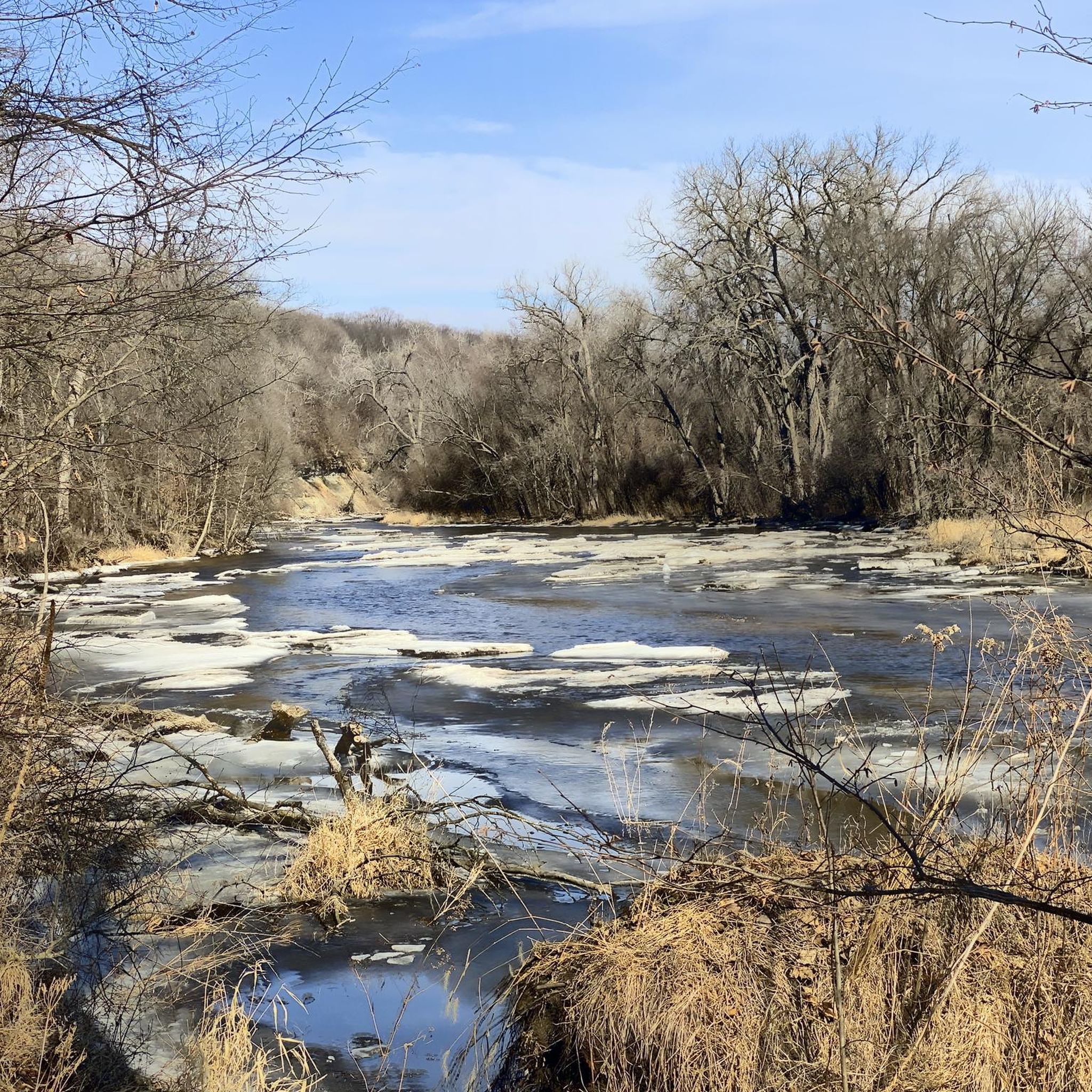
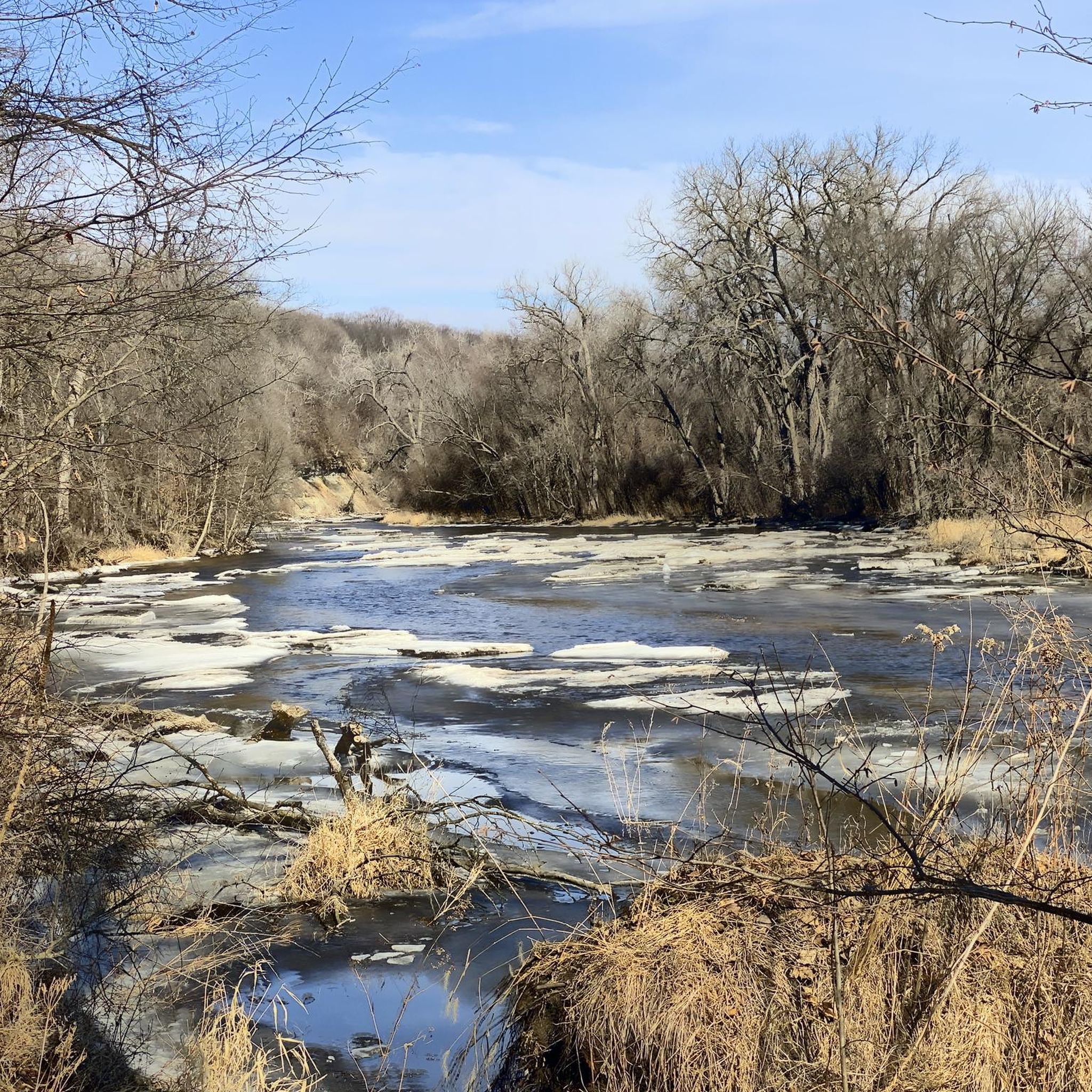
The falls is often dry during the summer, but it was fun to see it frozen in the winter on a cold day after some warm days.
1
0
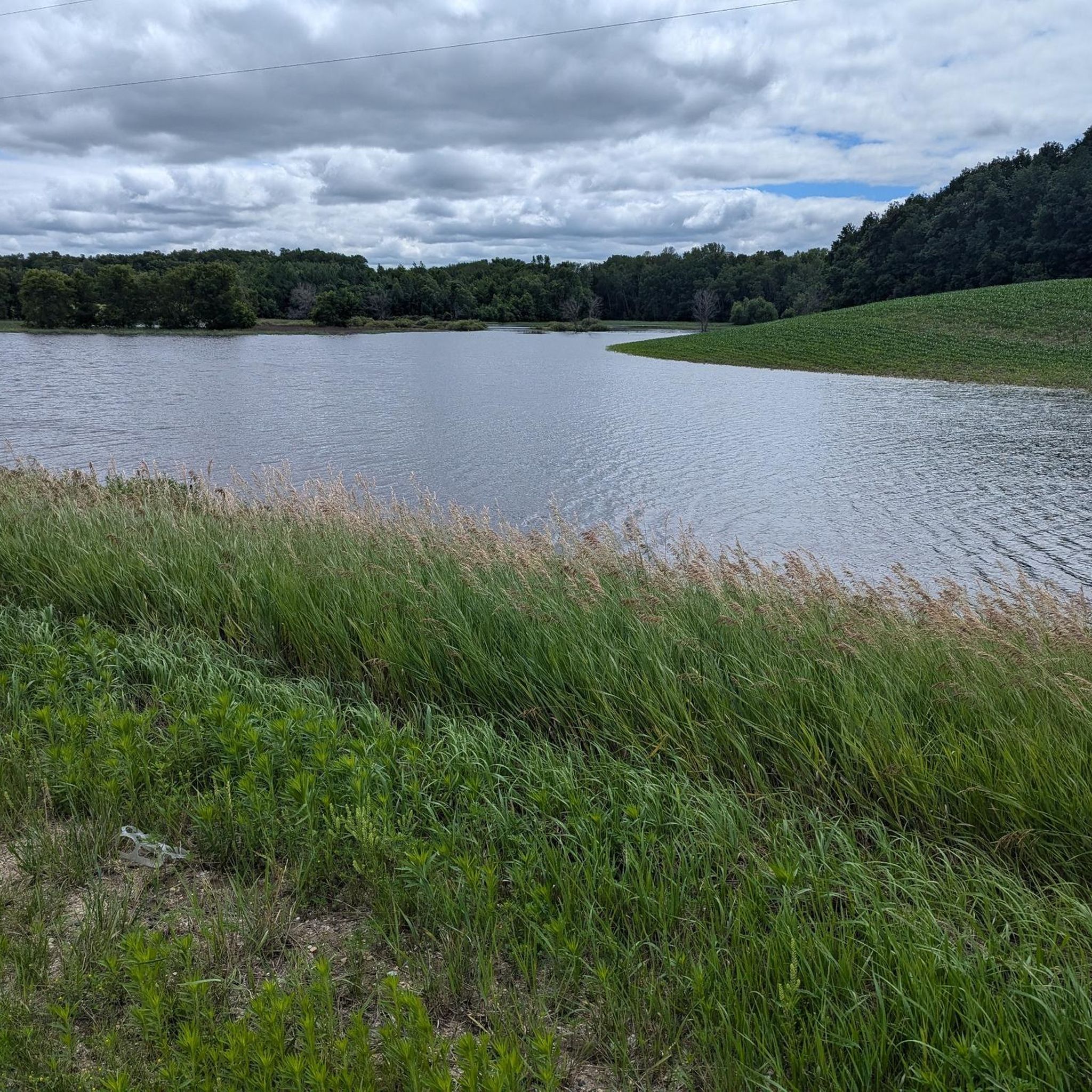
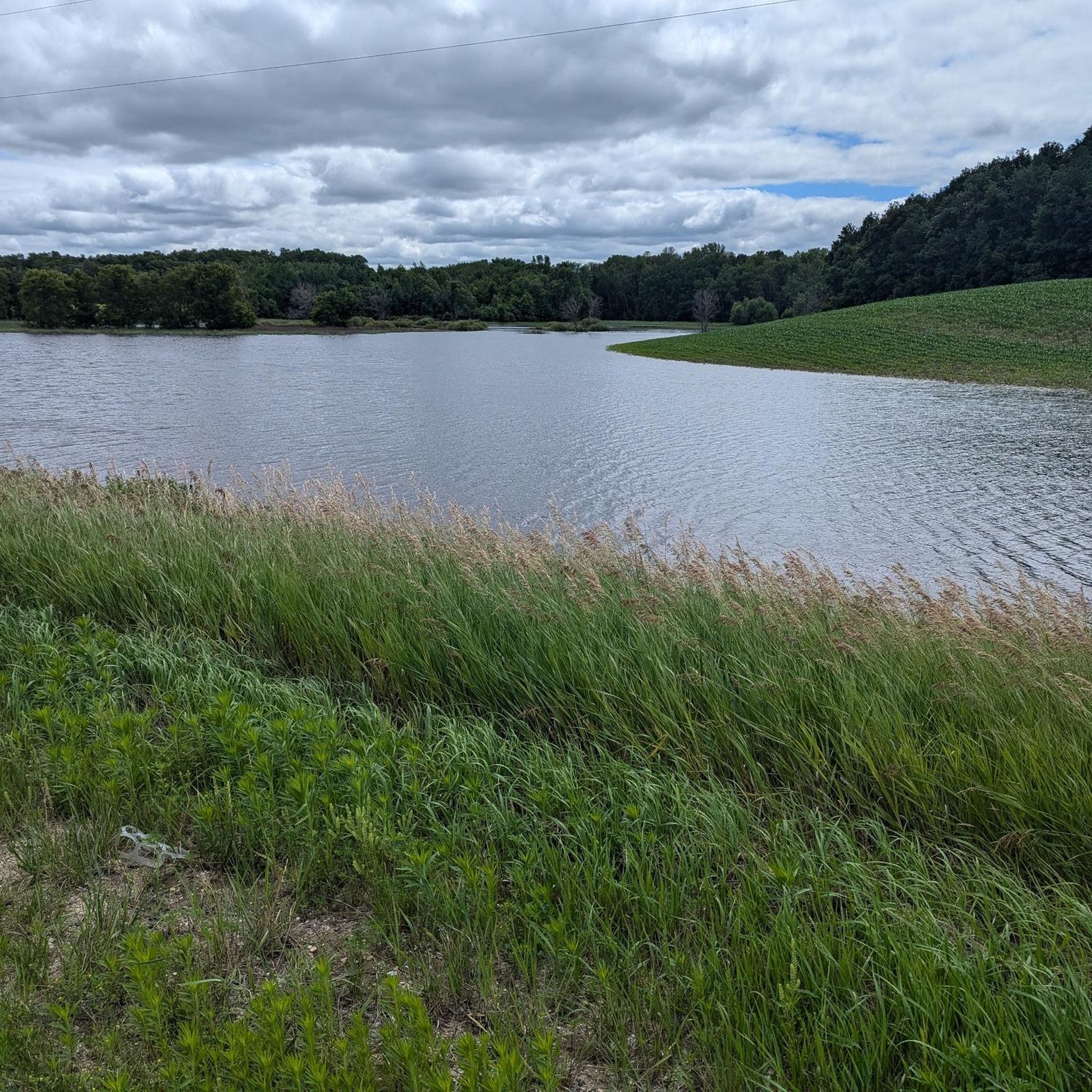
I am fascinated by the geology and the poetic and metaphorical possibilities suggested by the merging waters of two watersheds. It was worth highlighting. Now, it’s up to me to generate the metaphors and poetic thoughts inspired by this highlight. The majestic Bald Eagle presiding over the confluence of the two rivers strikes me as poetic.
4
0
A long-time volunteer at the River Bend Nature Center informed me that during the summer months, this stream is barely a trickle, if it flows at all. It’s an amazing trick of nature how this small trickle can appear to be a massive waterfall. I thought it was well worth a highlight.
4
0
Great to see all year round. It is definitely the most busy place in the park, but well worth stopping down to see it. I especially enjoy going there a few times in the winter to see the falls frozen up. I see some nice pictures of it frozen in this collection.
1
0
I love this big rock. People like to spray paint on it unfortunately, but this rock kind of reminds me of the one in the Minnesota River Valley area, just walking along and all of a sudden a rock the side of a small school bus is sitting in front of you. This one is even cracked down the middle and you can walk through it.
0
0

At this point you have options to go east to take a break in Nerstrand or west to take a hike in Big Woods State Park. There is a nice little cafe in Nerstrand with great cookies.
0
0
Frequently Asked Questions
What unique natural features can I find in Rice County's natural monuments?
Rice County's natural monuments showcase a landscape shaped by glacial activity. You can discover picturesque waterfalls like Hidden Falls in Nerstrand Big Woods State Park and River Bend Nature Center Falls. The region also features significant river systems, including The Confluence of the Straight and Cannon Rivers, and unique geological formations such as the glacial erratic known as Big Rock.
Where can I see waterfalls in Rice County?
Rice County is home to several beautiful waterfalls. You can visit Hidden Falls within Nerstrand Big Woods State Park, which flows over Prairie Creek. Another notable waterfall is at the River Bend Nature Center Falls, which can be quite substantial during certain seasons. Caron Park also features the natural limestone formation known as Wellstone Falls.
Are there any rare plants to look out for in Rice County's natural areas?
Yes, Rice County is a critical habitat for the rare dwarf trout lily (Erythronium propullans), which is Minnesota's only flowering plant endemic to the state. You can find populations of this delicate flower at the Cannon River Trout Lily Scientific and Natural Area, as well as in Caron Park and the Cannon River Wilderness Area.
What outdoor activities can I do near these natural monuments?
The natural monuments in Rice County are surrounded by opportunities for outdoor activities. You can find numerous hiking trails, including easy loops like the Hidden Pond, Oak Tree, and Sumac Trail, or moderate options like the Cannon River Wilderness Trail (West). For those interested in running, there are routes like the St. Olaf Natural Lands loop. Road cycling is also popular, with routes such as the Cannon Valley Trail available.
Are the natural monuments in Rice County family-friendly?
Many natural monuments in Rice County are family-friendly. Hidden Falls in Nerstrand Big Woods State Park, The Confluence of the Straight and Cannon Rivers, and Big Rock are all noted as suitable for families. Parks like Caron Park and Falls Creek Park also offer accessible trails and natural exploration opportunities for all ages.
When is the best time to visit Rice County's natural monuments?
The best time to visit depends on what you wish to experience. Early spring is ideal for witnessing the rare dwarf trout lily in bloom at locations like Caron Park or the Cannon River Trout Lily Scientific and Natural Area. Spring and fall offer vibrant foliage and more substantial water flow at waterfalls. Winter provides a unique perspective, with frozen falls and tranquil, snow-covered landscapes, particularly at Hidden Falls.
What is the significance of the Cannon River in Rice County?
The Cannon River is a significant topographic feature, carving a path through Rice County and contributing to its diverse ecosystems. It forms part of the Cannon River Wilderness Area, which includes savanna and fen habitats, and its watershed is crucial for the survival of the endangered dwarf trout lily. The river's confluence with the Straight River is also a notable natural monument.
What can I expect when visiting Caron Park?
Caron Park is a natural area featuring the scenic Wellstone Falls, a natural limestone formation. It is also an important site for the rare dwarf trout lily. The park is located in a transitional ecological zone, offering diverse plant life. You can find more information about Caron Park on the Rice County website: ricecountymn.gov.
Are there any natural areas that preserve historical forest types?
Yes, Nerstrand Big Woods State Park is a significant natural area that represents a remnant of the 'Big Woods,' a vast deciduous forest that once covered much of south-central Minnesota. The park's heavily wooded terrain offers a chance to experience this historically important forest ecosystem, along with features like Hidden Falls.
What kind of geological history shaped Rice County?
Rice County's landscape was significantly shaped by glacial activity, leaving behind well-preserved surficial sediments and landforms. The bedrock, often hidden by glacial deposits, consists mainly of marine sedimentary rocks, which are exposed in areas like the bluffs of the Cannon River and within parks such as Nerstrand State Park. This glacial history is evident in features like the Big Rock, a glacial erratic.
What is special about the Cannon River Wilderness Area?
The Cannon River Wilderness Area spans approximately 850 acres, encompassing a wooded river valley, savanna, and fen ecosystems. It is another critical habitat for the rare dwarf trout lily. The area provides extensive hiking and horseback riding trails along the Cannon River, allowing visitors to experience diverse natural habitats. You can find more details on the Rice County website: ricecountymn.gov.
What can I find at Falls Creek Park?
Falls Creek Park is a 61-acre natural area characterized by wooded hills, quarry rock formations, bluffs, and a spring-fed creek. Historically, it was part of the Cromer Stone Quarry. The park offers hiking trails through a diverse landscape, showcasing the interplay of natural geology and past human activity. For more information, visit the Rice County website: ricecountymn.gov.
Most popular routes in Rice County
Most popular attractions in Rice County

Get inspired with the komoot mobile app


Explore more
Extend your search for the best caves by checking out these guides of the top ones in Rice County:
