Top 7 Natural Monuments around Captain Cook
Best natural monuments around Captain Cook are characterized by their coastal settings, volcanic geology, and cultural significance. The area features diverse landscapes, from unique beaches to marine conservation districts. These sites offer insights into both natural processes and Hawaiian history.
Best natural monuments around Captain Cook
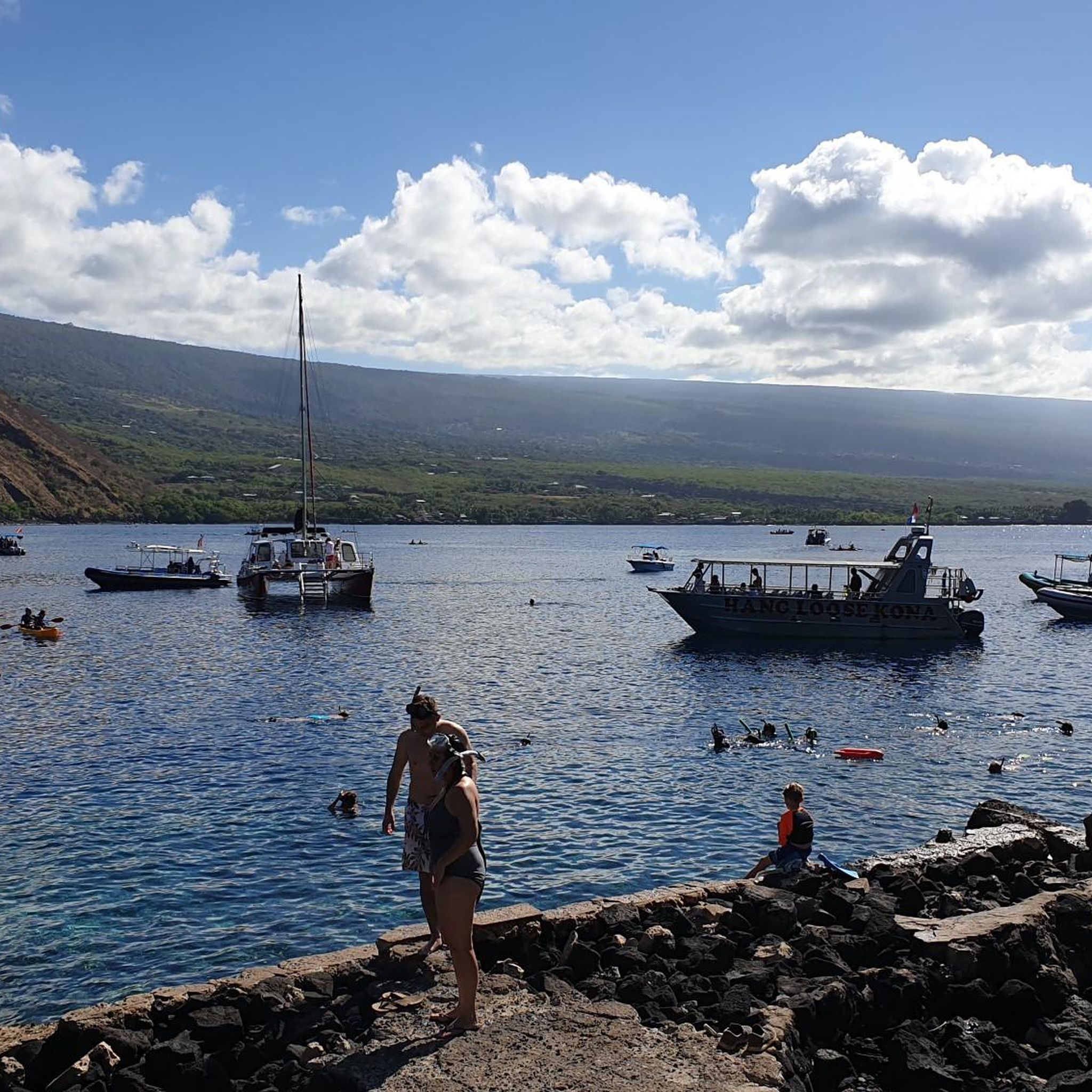
- The most popular natural monuments is Kealakekua Bay Snorkeling Area, a beach that features crystal-clear water and abundant marine life. Dolphins, manta rays, and tropical fish are commonly seen in these waters.
- Another…
Last updated: June 25, 2026
Kealakekua Bay Snorkeling Area
Highlight • Beach
Translated by Google •
Tip by

Puʻuhonua o Hōnaunau National Historical Park
Highlight • Historical Site
Tip by

Sign up now to discover places like this
Get recommendations on the best single tracks, peaks, & plenty of other exciting outdoor places.
Sign up for free
Alahaka Bay
Highlight • Beach
Tip by
Ki'i Point Overlook
Highlight • Viewpoint
Tip by

Kealakekua Bay State Historical Park
Highlight • Historical Site
Tip by

Start today with a free account
Your next adventure awaits.
Login or Signup

Tips from the Community

If the ocean is not calm, access to the snorkeling area is not easy, or dangerous . Pay attention to the sign indicating walking on the reef being not allowed.
0
0

The spectacularly crafted Ala Kahakai National Historic Trail takes you down a black rocky bluff and right up to the water's edge. You can see across the Ki'ilae Watercourse to Ki'i Point where the old lava flow meets the sea.
0
0

Interesting information with video and a short tour on historical topics.
0
0

Kealakekua Bay is a Marine Life Conservation area that offers snorkeling, scuba diving and kayaking. The bay is filled with coral and schools of tropical fish. Occasionally you can see spinner dolphins swimming in the clear blue waters of the bay. If you want to stay dry, there is a picnic area to relax and spectate from.
1
0

Kealakekua Bay State Historical Park has lots of attractions and is a great stop. Here, cyclists can find the Picnic Pavilion and restroom. Trash Cans. The water fountain and scenic viewpoint of this beautiful area This area is said to be the place of the first extensive contact between Hawaiians, Captain Cook, and other westerners in 1779. There is a Captain Cook monument across Kealakekua Bay.
0
0

This cliffside overlook at Ki'i Point showcases breathtaking ocean vistas, providing a peaceful yet dramatic spot to take in the dynamic seascapes and natural beauty.
0
0

Puʻuhonua o Hōnaunau is a temple complex and a great place to learn about Hawaiian culture. The area once was royally owned and a refuge for people who broke the kapu (holy laws). If the lawbreaker made it to the area without getting caught by his pursuers, he was given absolution and could return to society.
1
0
Alahaka Bay is located in Puʻuhonua o Hōnaunau National Historical Park. Around the bay you will find beautiful, black lava stones to walk on, and you can see the so called 'Pāhoehoe-Lava' (lava with a very smooth surface). Enjoy the contrast of the black stones and the blue ocean.
0
0
Frequently Asked Questions
What unique natural features can I explore around Captain Cook?
The Captain Cook area is known for its diverse natural features. You can visit Kealakekua Bay Snorkeling Area, a marine conservation district with crystal-clear waters, abundant marine life like dolphins and tropical fish, and fascinating lava rock formations. Another unique spot is Papakōlea Green Sand Beach, one of only four green sand beaches globally, featuring olivine crystals from a volcanic cinder cone.
Are there any historical natural monuments in the Captain Cook region?
Yes, the region is rich in historical natural monuments. Puʻuhonua o Hōnaunau National Historical Park is a significant site that served as a place of refuge for ancient Hawaiians, offering a tranquil setting amidst coastal scenery. Additionally, Kealakekua Bay State Historical Park marks the site of the first extensive contact between Hawaiians and Captain Cook in 1779, alongside its natural beauty.
What are the best natural monuments for families with children?
For family-friendly natural attractions, Puʻuhonua o Hōnaunau National Historical Park is an excellent choice. It offers a tranquil setting where families can learn about Hawaiian culture and history, enjoy coastal views, and often spot Hawaiian Green Sea turtles. Kealakekua Bay State Historical Park also provides a picnic area and opportunities for wildlife viewing, making it suitable for families.
Where can I find scenic viewpoints of the ocean and coastline?
The Captain Cook area offers several stunning viewpoints. Ki'i Point Overlook provides breathtaking cliffside ocean vistas, perfect for taking in the dynamic seascapes. You can also enjoy scenic views from Kealakekua Bay Snorkeling Area and Kealakekua Bay State Historical Park, which offer panoramic views of the bay and its surrounding cliffs.
Are there hiking trails near the natural monuments around Captain Cook?
Yes, there are several hiking opportunities. The Papakōlea Green Sand Beach is accessible via an invigorating two-mile hike with scenic bay views. For more options, you can explore trails like the 'Ala Kahakai National Historic Trail' or the 'Alahaka Bay – Ki'i Point Overlook loop' which are part of the hiking routes around Captain Cook.
What kind of wildlife can I expect to see at these natural monuments?
The natural monuments around Captain Cook are excellent for wildlife spotting. At Kealakekua Bay Snorkeling Area, you can frequently see dolphins, manta rays, and various tropical fish in the water, along with colorful birds and mongooses on land. Hawaiian Green Sea turtles are often observed resting on the shores within Puʻuhonua o Hōnaunau National Historical Park and Kealakekua Bay State Historical Park.
What are some easy walks or accessible natural monuments in the area?
For easy walks, consider exploring the grounds of Puʻuhonua o Hōnaunau National Historical Park, which offers a tranquil setting with coastal scenery. While some natural monuments require more effort, you can find several easy hiking routes in the region, such as 'The End of the World Trail' or the 'Kahaluu Beach Park loop', which are listed in the easy hikes around Captain Cook guide.
Can I go snorkeling or kayaking at any of the natural monuments?
Absolutely! Kealakekua Bay Snorkeling Area and Kealakekua Bay State Historical Park are renowned for their crystal-clear, calm waters, making them prime locations for snorkeling, scuba diving, and kayaking. The bay is a designated Marine Life Conservation District, teeming with vibrant coral reefs and diverse marine life.
What is the best time of year to visit the natural monuments around Captain Cook?
The Captain Cook area generally enjoys pleasant weather year-round. However, for optimal conditions for water activities like snorkeling and kayaking, the calmer seas during the summer months (May to September) are often preferred. Winter months can bring larger swells, which might affect water access at some coastal sites. Always check local conditions before your visit.
Are there any natural monuments featuring unique geological formations?
Yes, the volcanic geology of the Big Island provides unique formations. Papakōlea Green Sand Beach is a prime example, with its rare green sand composed of olivine crystals. Additionally, Alahaka Bay features beautiful black lava stones, including 'Pāhoehoe-Lava' with its distinctive smooth surface, creating a striking contrast with the blue ocean.
What do visitors enjoy most about the natural monuments in Captain Cook?
Visitors frequently praise the stunning natural beauty, the abundance of marine life, and the rich historical significance of the area. Many highlight the crystal-clear waters of Kealakekua Bay for snorkeling and the tranquil, culturally immersive experience at Puʻuhonua o Hōnaunau National Historical Park. The unique geological features, like the black lava stones at Alahaka Bay, are also highly appreciated.
Are there options for road cycling near the natural monuments?
Yes, the Captain Cook area offers several road cycling routes that allow you to explore the scenic surroundings. You can find routes like 'Two Step Beach to Kealakekua Bay State Historical Park loop' or 'Keauhou to Lava Tube' in the road cycling guide for Captain Cook. These routes provide a different perspective on the region's natural beauty.
Most popular routes around Captain Cook
Most popular attractions around Captain Cook

Get inspired with the komoot mobile app


Explore more
Extend your search for the best caves by checking out these guides of the top ones around Captain Cook:
