Top 9 Natural Monuments around Heeia
Best natural monuments around Heeia are concentrated on the windward side of Oahu, offering a blend of natural landscapes and cultural heritage. This region features Heʻeia State Park, which provides views of Kaneohe Bay and the historic Heʻeia Fishpond. The dramatic Koʻolau Mountains form a backdrop to the area's serene waters and lush environments. Heeia is known for its significant natural features and ancient Hawaiian aquaculture practices.
Best natural monuments around Heeia
- The most popular natural monument is View from…
Last updated: June 25, 2026
Nu'uanu Pali Lookout
Highlight • Viewpoint
Translated by Google •
Tip by

View from Pu'ukeahiakahoe (Stairway to Heaven)
Highlight • Viewpoint
Translated by Google •
Tip by

Sign up now to discover places like this
Get recommendations on the best single tracks, peaks, & plenty of other exciting outdoor places.
Sign up for free
Pakuʻi (Second Peak of Olomana)
Highlight • Summit
Translated by Google •
Tip by

Waimano Falls
Highlight • Waterfall
Tip by

Alālā Point
Highlight • Viewpoint
Alāla means 'awakening' as for decades, beach houses in Lanikai were mainly used …
Tip by

Sign up for free to discover even more natural monuments around Heeia.
Sign up for free
Already have an account?
Start today with a free account
Your next adventure awaits.
Login or Signup

Tips from the Community

If you were fine getting to the first peak then you'll be able to get here without too much difficulty as well. Be aware that the third peak is considerably more dangerous (although not particularly physically difficult).
0
0

As a waterfall it is about 5/10, as a hike about 3/10, ( extremely muddy when we did it), but for forest birdlife, 8/10.
1
0

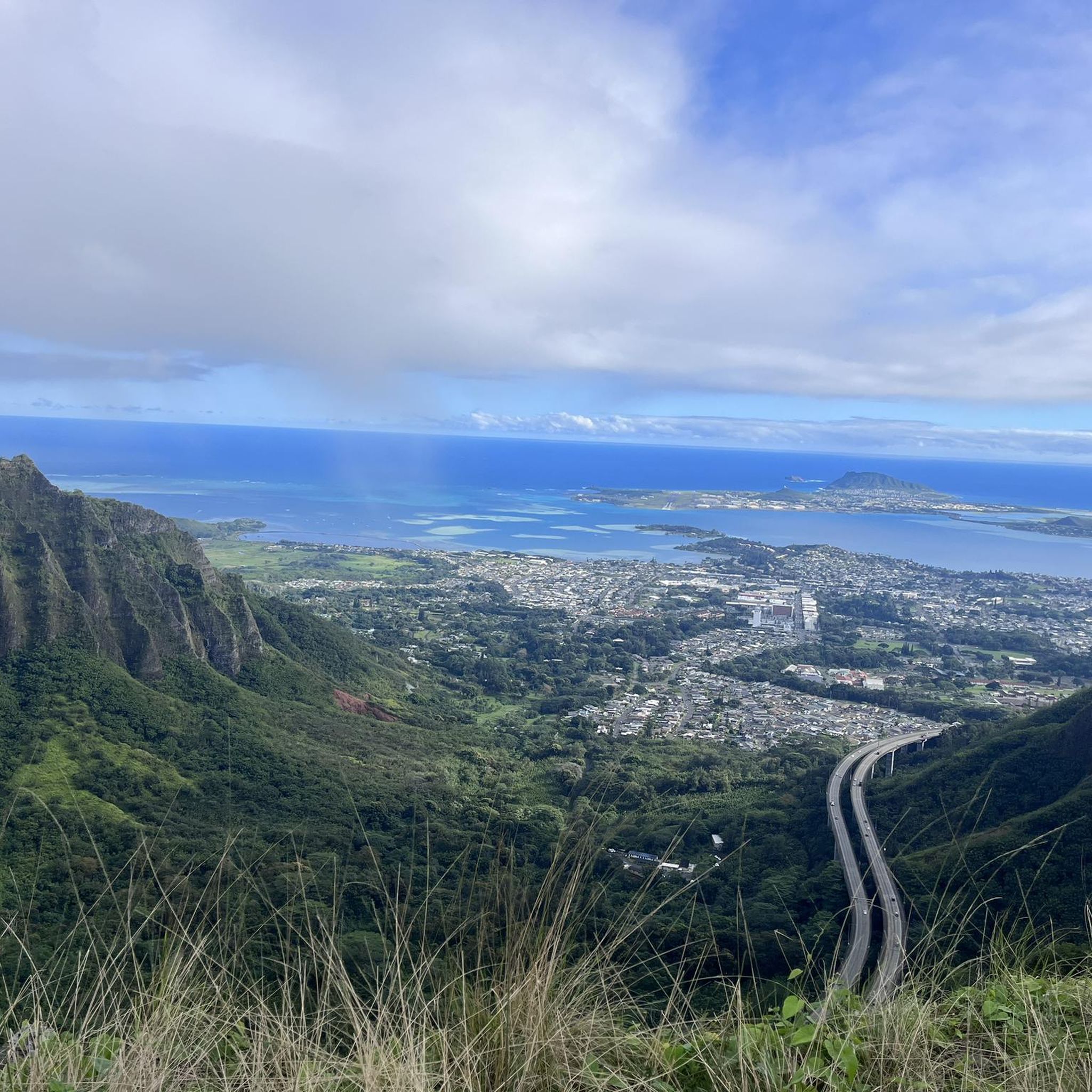
The point takes its name from the fishing shrine, a natural stone formation, on the ridge above. Alāla means 'awakening' since for decades, beach houses in Lanikai were mainly used as a retreat/return to nature spot from Honolulu. However, in the 1950s, the area began to develop into a more suburban residential area.
0
0
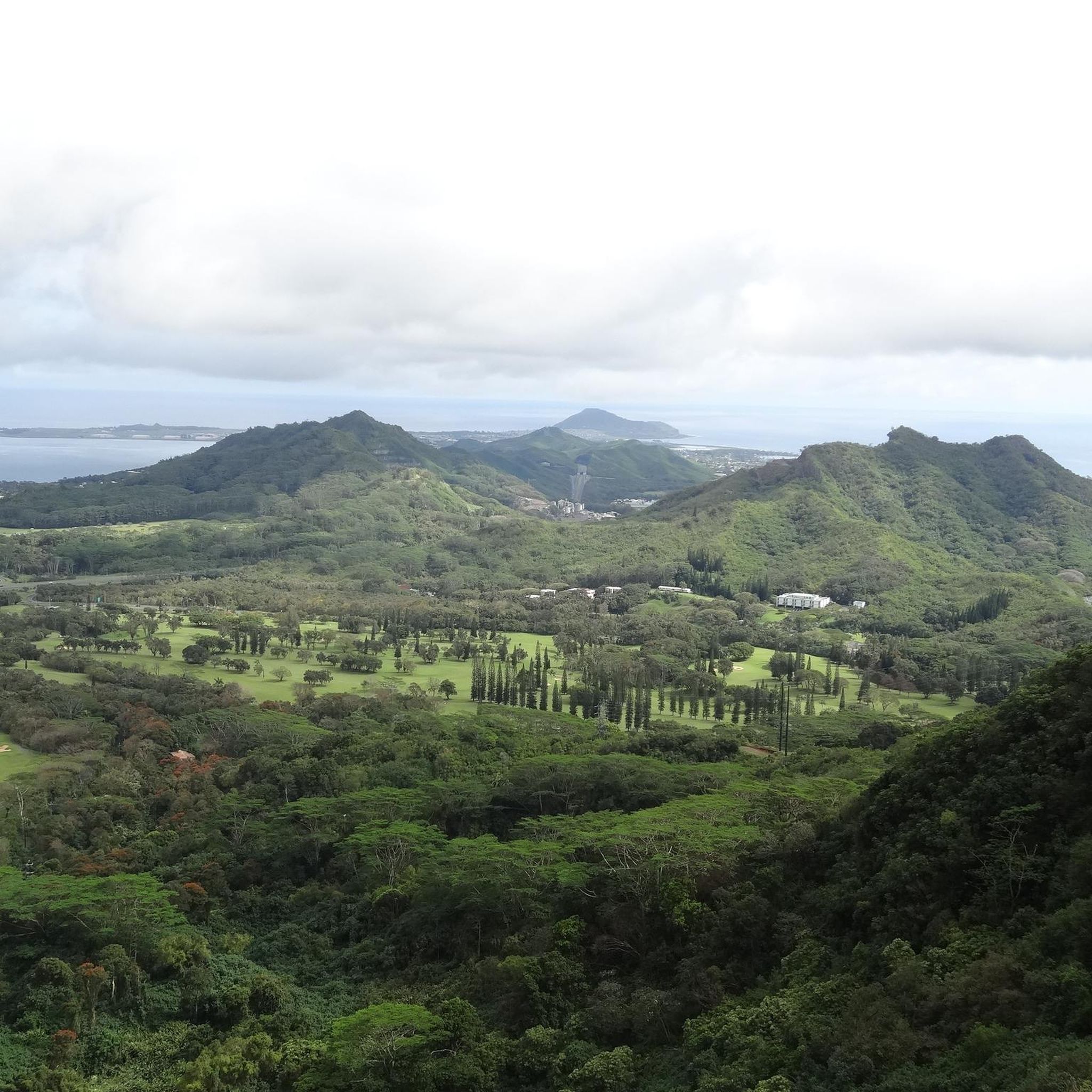
The Pali (meaning "cliff") Lookout is the site of the Battle of Nuʻuanu, where in 1795 King Kamehameha I won the struggle that finally united Oʻahu under his rule. This fierce battle claimed hundreds of soldiers’ lives, many of which were forced off of the Pali’s sheer cliffs. Site is free for pedestrians / $7 for cars.
0
0
The point takes its name from the fishing shrine, a natural stone formation, on the ridge above. Alāla means 'awakening' as for decades, beach houses in Lanikai were mainly used as a retreat from Honolulu. However, in the 1950s, the area began to develop into a more suburban residential area.
0
0
The Pali (meaning "cliff") Lookout is the site of the Battle of Nuʻuanu, where in 1795 King Kamehameha I won the struggle that finally united Oʻahu under his rule. This fierce battle claimed hundreds of soldiers’ lives, many of which were forced off of the Pali’s sheer cliffs. Site is free for bikes, $7 for cars.
0
0

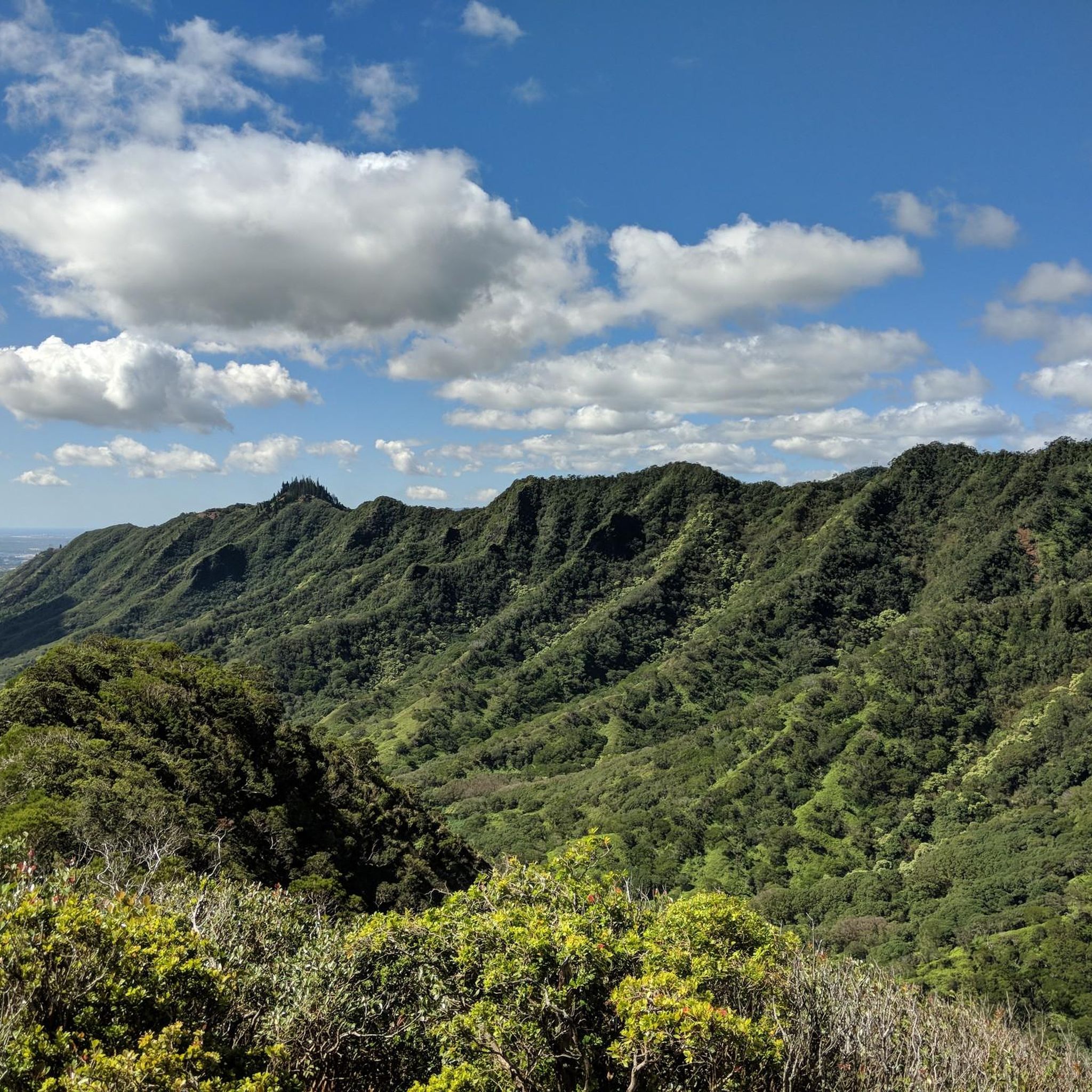
Pakuʻi is the name of the second peak of Olomana. To get here from the first peak, only takes a very short hike but the views will certainly get better. From here you can see the ridge-line to the third peak. Please be aware, that the hike to the third peak should only be attended by experienced hikers.
0
0

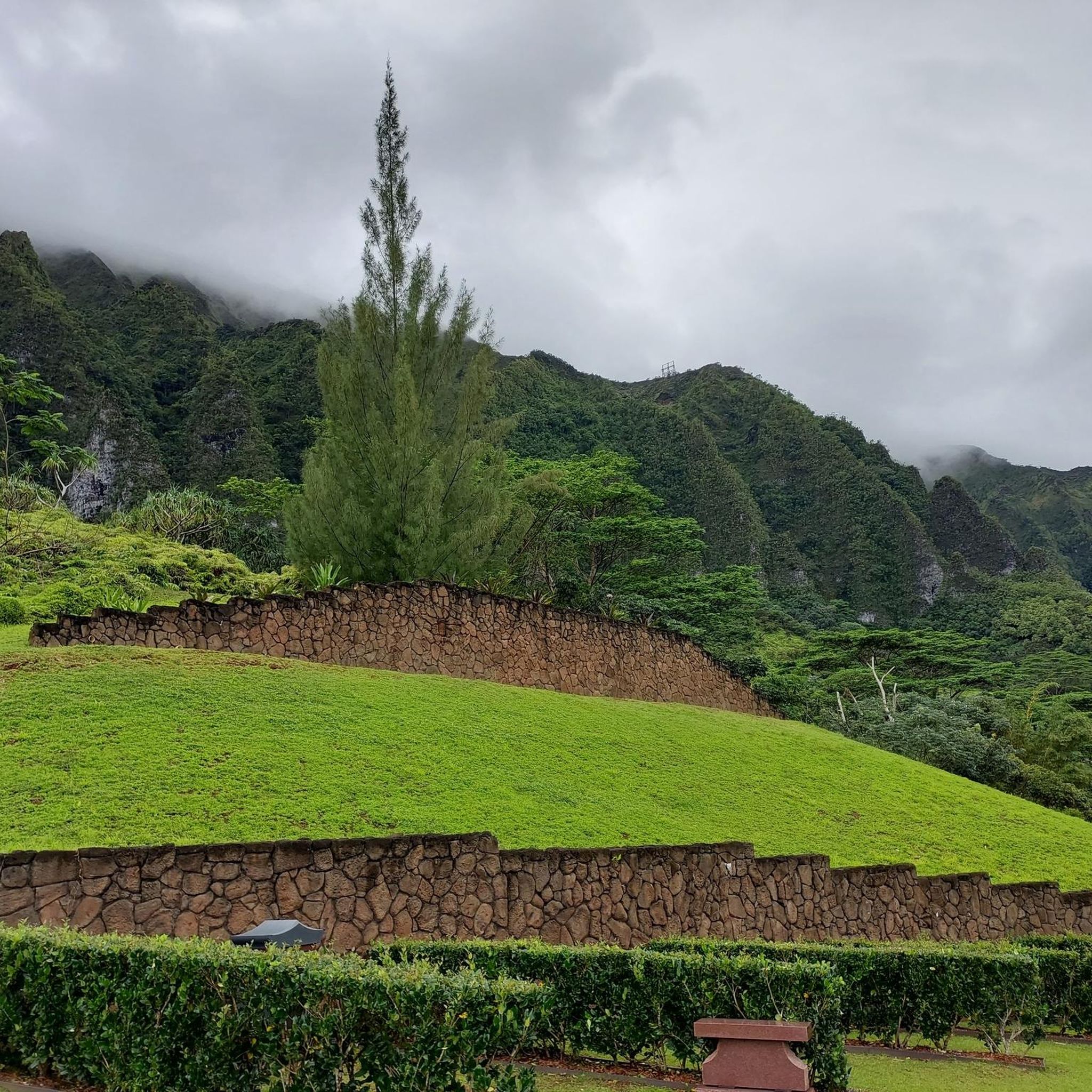
Even in foggy weather, it's worth waiting 30 minutes. Sometimes the clouds suddenly break up and then you have the view that you came up here for (among other things)...
0
0
Frequently Asked Questions
What are the main natural attractions in Heeia?
Heeia is home to significant natural monuments, primarily centered around Heʻeia State Park. This area offers picturesque views of Kaneohe Bay, the historic Heʻeia Fishpond, and Coconut Island. The dramatic Koʻolau Mountains also serve as a verdant backdrop to the serene waters and lush environments.
What is the Heʻeia Fishpond and why is it significant?
The Heʻeia Fishpond (Loko Iʻa O Heʻeia) is an ancient Hawaiian aquaculture site, built approximately 600-800 years ago. It's one of the largest Hawaiian fishponds, encompassing about 88 acres with a unique 5,000-foot wall of lava stones. It demonstrates sophisticated traditional Hawaiian resource management, using a brackish water ecosystem to cultivate fish. You can learn more about its history and ongoing restoration efforts.
What can I experience at Kaneohe Bay?
Kaneohe Bay, bordering Heeia, is a large, sheltered bay known for its calm, clear waters and vibrant marine life. It's an ideal environment for activities like kayaking and paddleboarding. The bay is teeming with coral, tropical fish, Hawaiian Green Sea Turtles, and Manta Rays, offering excellent opportunities for wildlife spotting and enjoying serene ocean vistas with the Koʻolau Mountains in the background.
Are there family-friendly natural monuments in Heeia?
Yes, several natural monuments around Heeia are suitable for families. Nu'uanu Pali Lookout is a historic viewpoint that is family-friendly. Alālā Point, a beach and viewpoint, is also considered family-friendly. Additionally, Lake Waimaluhia offers a fantastic setting with free entry, making it a great family stop.
What kind of views can I expect from natural monuments around Heeia?
The natural monuments around Heeia offer diverse and spectacular views. From Nu'uanu Pali Lookout, you can see expansive vistas of the windward coast. Pakuʻi (Second Peak of Olomana) provides improved views over the first peak, including ridge-lines. Heʻeia State Park itself offers picturesque views of Kaneohe Bay and Coconut Island, with the Koʻolau Mountains as a dramatic backdrop.
Are there any challenging natural monument trails near Heeia?
Yes, for those seeking a challenge, the area offers options. While trekking the Haiku Stairs (Stairway to Heaven) to the View from Pu'ukeahiakahoe is prohibited, the viewpoint itself is part of a challenging area. The hike to Pakuʻi (Second Peak of Olomana) is intermediate, and continuing to the third peak of Olomana is recommended only for experienced hikers due to its difficulty.
What historical significance do some natural monuments in Heeia hold?
The region is rich in history. Nu'uanu Pali Lookout is a historic site where King Kamehameha I won the battle that united Oʻahu in 1795. The Heʻeia Fishpond is an ancient Hawaiian aquaculture site, a testament to indigenous Hawaiian resourcefulness and sustainable practices dating back 600-800 years. These sites offer a direct connection to ancient Hawaiian history and culture.
What outdoor activities can I do near Heeia's natural monuments?
Near Heeia's natural monuments, you can find various outdoor activities. For cycling enthusiasts, there are options like the Ohana Trail Loop or the Kamehameha Highway Scenic Drive. Mountain biking trails are also available, such as the Ohana Trail. Kaneohe Bay offers excellent opportunities for water activities like kayaking and paddleboarding.
What is the best time of year to visit Heeia's natural monuments?
Heeia, located on the windward side of Oahu, generally experiences pleasant weather year-round. However, the dry season (typically May to October) offers sunnier days and less rain, which can be ideal for outdoor activities and enjoying the scenic viewpoints. The cooler, wetter season (November to April) can still be beautiful, but be prepared for occasional showers, especially in mountain areas.
Are there any hidden gem natural monuments around Heeia?
While the Heʻeia Fishpond and Kaneohe Bay are well-known, exploring the less-trafficked areas within Heʻeia State Park can reveal quieter spots with stunning views. The park's lush landscapes, adorned with tropical plants and large monkeypod trees, offer tranquil ocean vistas and refreshing breezes away from more crowded locations. Additionally, the various smaller viewpoints and coastal areas along Kaneohe Bay can offer unique perspectives.
What should I bring for a visit to Heeia's natural monuments?
For a comfortable visit, it's recommended to bring essentials like water, sunscreen, a hat, and comfortable walking shoes, especially if you plan on exploring trails or viewpoints. If you intend to spend time near Kaneohe Bay, swimwear and a towel might be useful. For challenging trails like those near Olomana, proper hiking gear and sufficient water are crucial.
Can I find wildlife in the natural areas around Heeia?
Yes, the natural areas around Heeia are rich in wildlife. Kaneohe Bay is a vibrant ecosystem teeming with marine life, including various species of coral, tropical fish, Hawaiian Green Sea Turtles, and Manta Rays. The bay's protected waters also provide refuge for birthing sharks and resting spinner dolphins. Birdwatchers might also spot various seabirds along the coast and within Heʻeia State Park.
Most popular attractions around Heeia

Get inspired with the komoot mobile app


Explore more
Extend your search for the best caves by checking out these guides of the top ones around Heeia:
