Top 13 Natural Monuments around Poltonhall And District
Best natural monuments around Poltonhall And District include geological formations and prominent peaks within the Pentland Hills and near Edinburgh. These sites offer a blend of natural features, historical significance, and expansive views. The area is characterized by rounded hills, open grassland, and moorland, providing diverse landscapes for exploration. Many natural monuments here are also sites of archaeological importance, with evidence of ancient human activity.
Best natural monuments around Poltonhall And District
- The most popular natural monuments is Arthur's Seat…
Last updated: July 14, 2026
Arthur's Seat
Highlight • Summit
Tip by

Carnethy Hill
Highlight • Natural Monument
Tip by

Sign up now to discover places like this
Get recommendations on the best single tracks, peaks, & plenty of other exciting outdoor places.
Sign up for free
View from Allermuir Hill
Highlight • Viewpoint
Translated by Google •
Tip by

Nelson Monument, Calton Hill
Highlight • Monument
Tip by

Glencorse Reservoir
Highlight • Lake
Tip by

Sign up for free to discover even more natural monuments around Poltonhall And District.
Sign up for free
Already have an account?
Start today with a free account
Your next adventure awaits.
Login or Signup
Tips from the Community

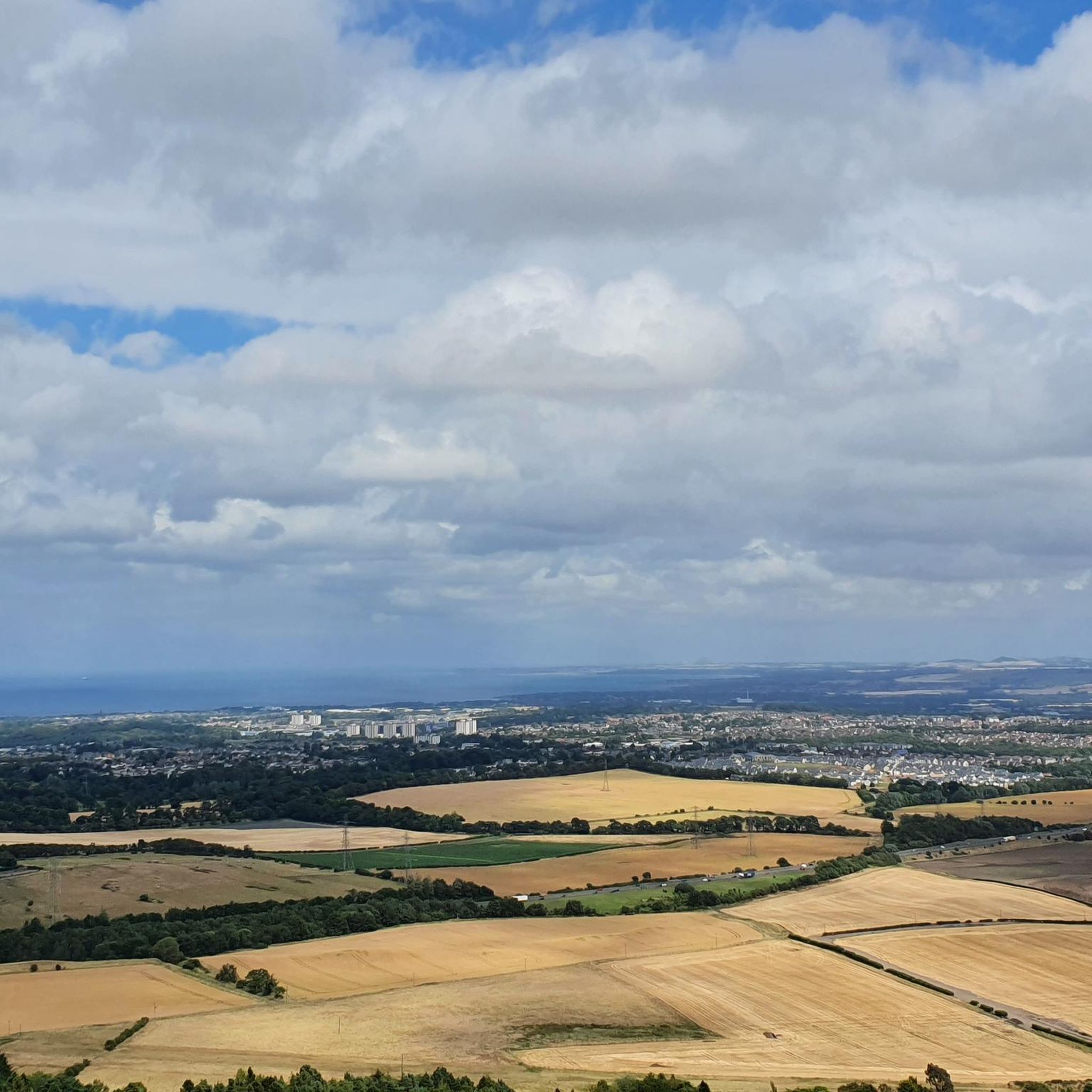
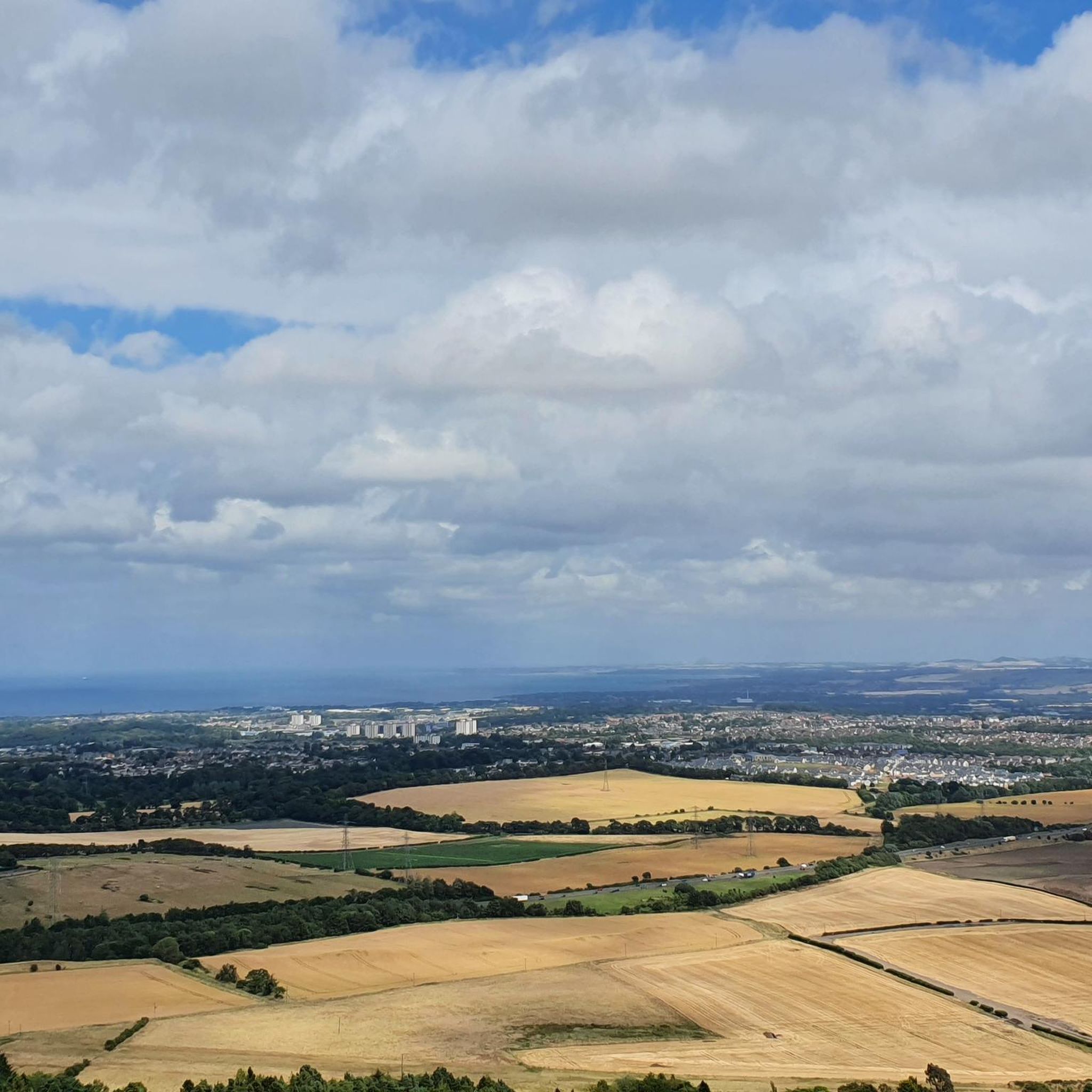
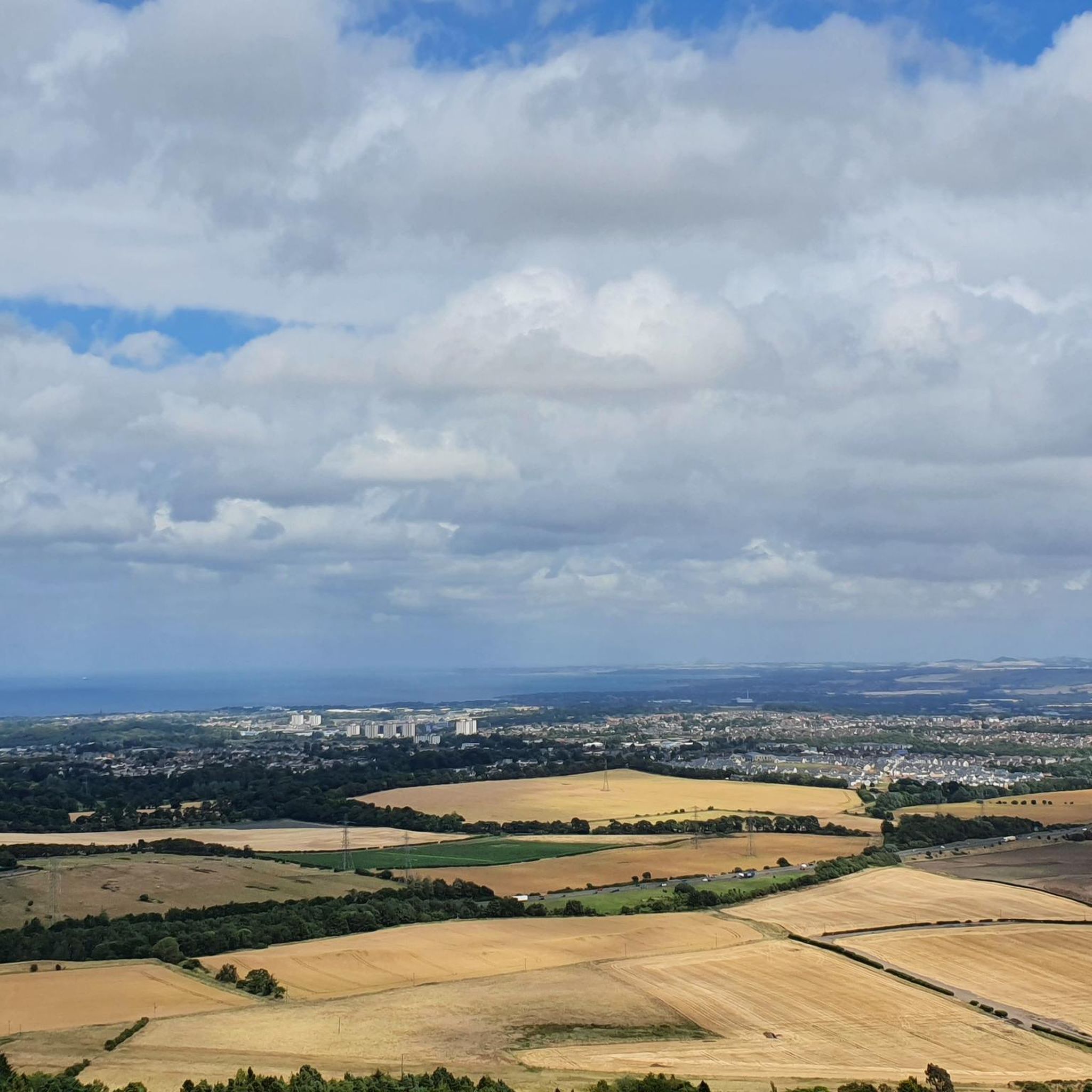
The Pentland Hills (a range of hills south of Edinburgh) offer countless hiking opportunities. One of the "best" (= the northernmost) is Allermuir Hill. There are many paths up the mountain, but the best route is undoubtedly the panoramic route from the Midlothian Snowsports Center parking lot to the summit. The center is...???...interesting... (Skiing on mats in the summer is also possible!), and the summit offers magnificent views in all directions!
0
0


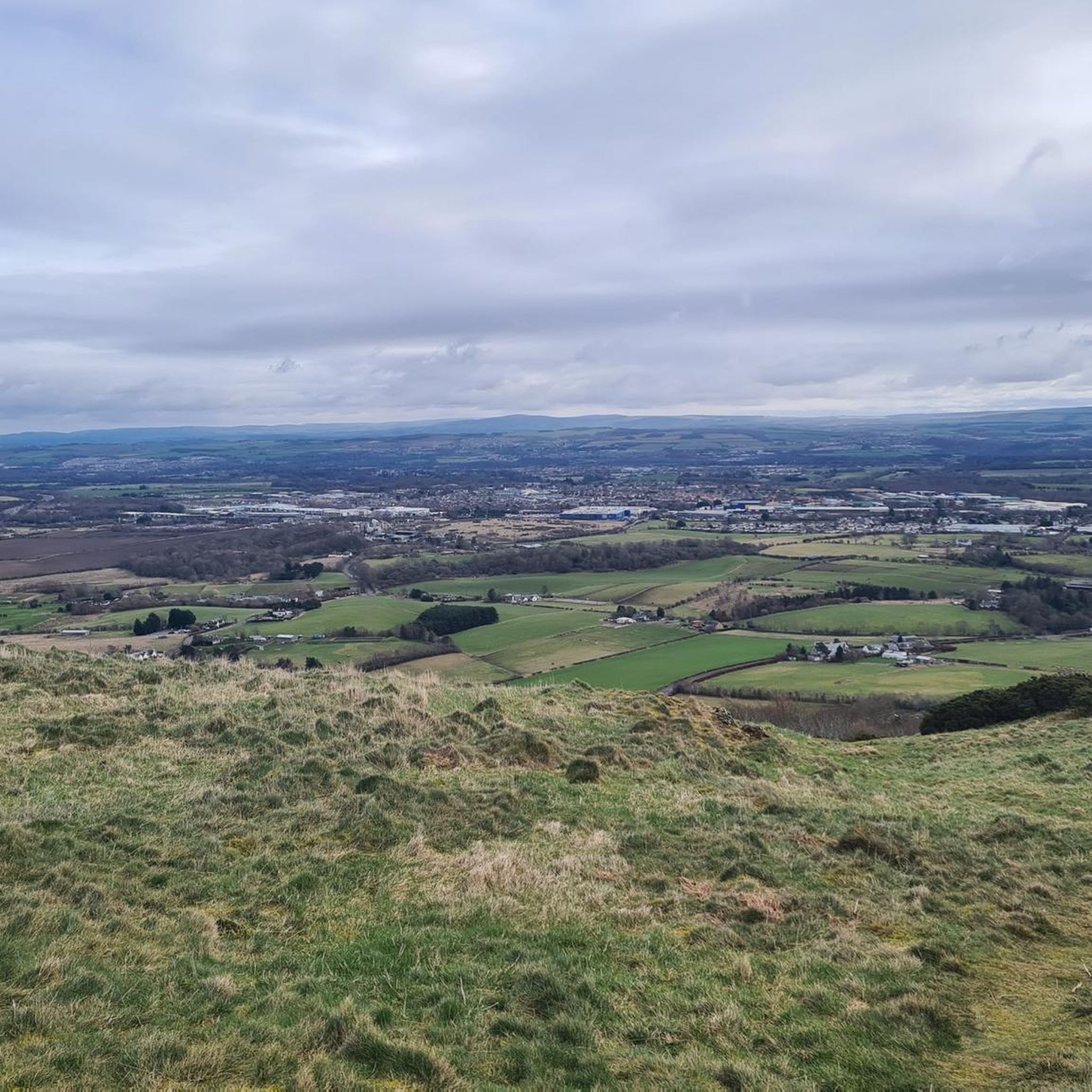
Stunning views. Path gets very gravelly so care needed if you are less experienced off-road
0
0

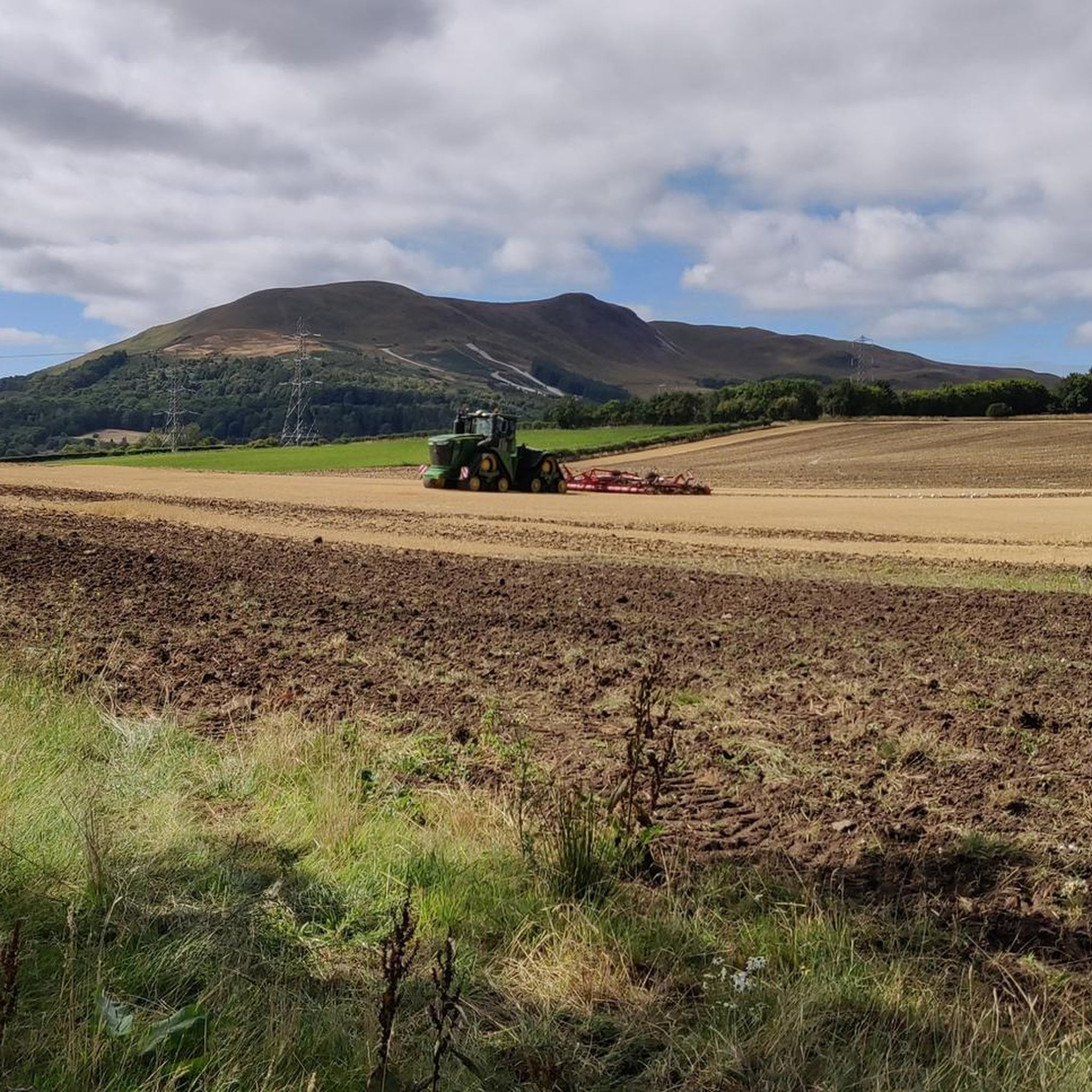
This is one of the most prominent hills of the Pentland Hills. You have superb views toward Edinburgh, the Firth of Forth, and on clear days, even the Fife and Scottish Highlands. The walk to the summit is moderate, and you'll be walking through diverse landscapes from grassy slopes to more rugged and rocky sections near the top.
1
0

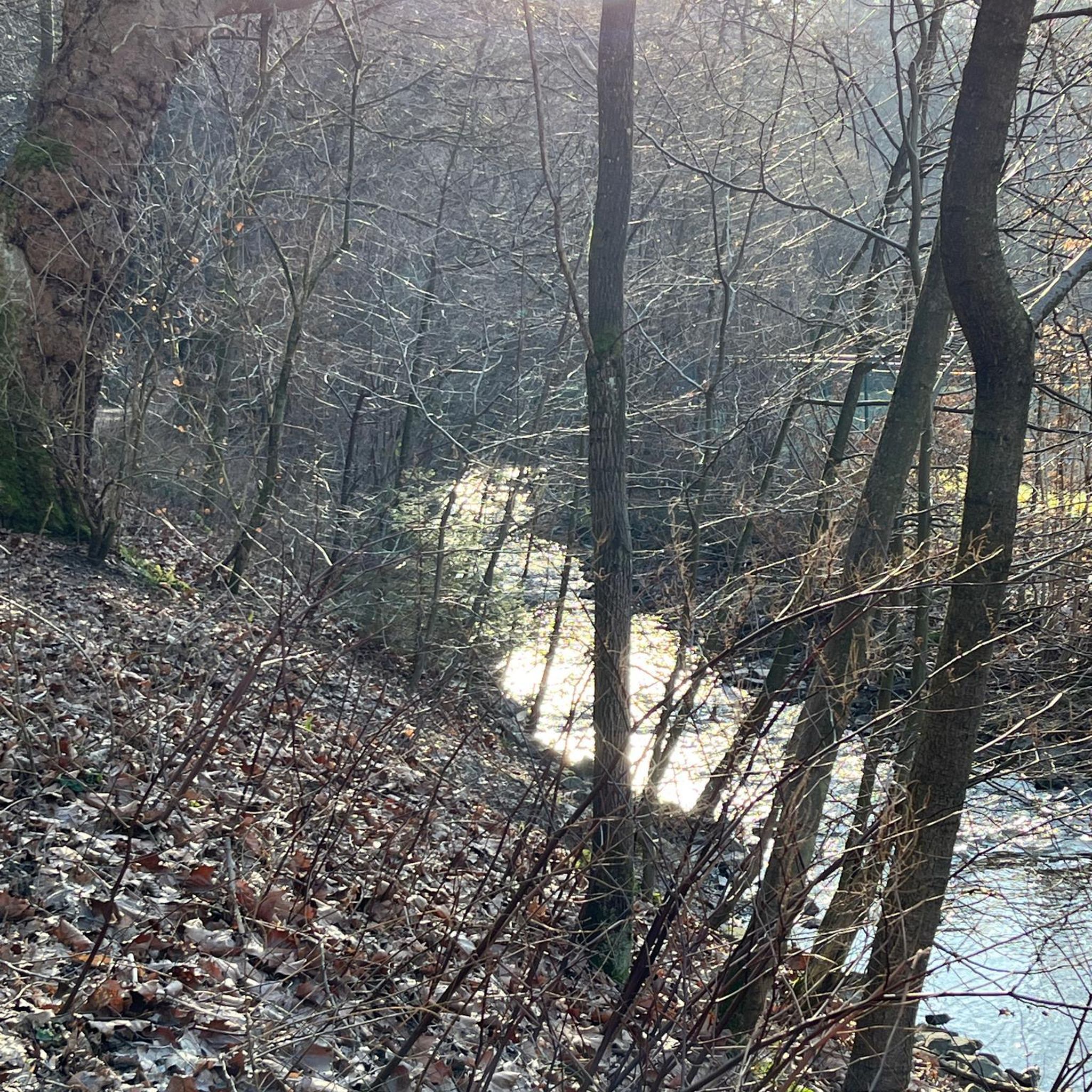
Nestled amongst the Pentland Hills, Glencorse Reservoir is incredibly picturesque. It was built between 1820 and 1824 to provide water to mills in the area and supply drinking water to Edinburgh. Today, the reservoir still supplies water to 450,000 people. The reservoir was created by constructing a dam, which is 77 feet (23.5 m) at its highest point.
2
0


Rising gently above the Pentland Hills, this hill offers not only stunning views of Edinburgh and the surrounding coast, but also a welcome escape from the hustle and bustle of everyday life.
0
0

The Nelson Tower was completed in 1816, to commemorate Nelson's victory at Trafalgar, subsequently restored in 2009. It marks the highest point of Calton Hill (171m) and the monument itself is 32m high. A time ball was installed in 1853 and is raised just before 1pm, and at precisely 1pm is dropped from the top of the mast.
2
0
Frequently Asked Questions
What are some popular walking routes near the natural monuments around Poltonhall And District?
Many natural monuments in the area, such as Arthur's Seat and Carnethy Hill, are popular for walking. For easy hikes, you can explore routes like the 'Hiking loop from Bonnyrigg' or 'Rosewell New Pond – Old Railway Path loop from Rosewell'. You can find more details and routes on the Easy hikes around Poltonhall And District guide.
Are there family-friendly natural monuments to visit in the area?
Yes, several natural monuments are suitable for families. Arthur's Seat offers various routes to the summit, some suitable for 'little legs and future Munro baggers'. The area around Glencorse Reservoir is also listed as family-friendly, providing picturesque views and a more gentle experience.
How can I access these natural monuments by public transport?
Arthur's Seat is conveniently located just east of Edinburgh's city center, making it highly accessible via public transport from the city. The Pentland Hills, where Carnethy Hill and View from Allermuir Hill are situated, can be reached by bus services from Edinburgh, with various stops providing access to different parts of the park.
What kind of wildlife can I expect to see around the natural monuments?
The natural monuments around Poltonhall And District are rich in wildlife. Holyrood Park, home to Arthur's Seat, supports over 350 plant species, including many rare to Scotland, and is a haven for various bird species and even deer. The Pentland Hills, encompassing Carnethy Hill and Glencorse Reservoir, feature open grassland, moorland, and small lochs, providing habitats for diverse flora and fauna typical of Scottish uplands.
Are there any historical or archaeological sites among the natural monuments?
Yes, the area is rich in history. Carnethy Hill's summit features a Bronze Age cairn. Arthur's Seat and Holyrood Park have archaeological importance, with evidence of Iron Age hill forts and prehistoric activity dating back at least 5,000 years. Additionally, the Nelson Monument, Calton Hill, while man-made, is a significant historical landmark offering panoramic views.
What is the best time of year to visit the natural monuments around Poltonhall And District?
The natural monuments can be enjoyed year-round, but each season offers a different experience. Spring and summer provide lush greenery and longer daylight hours, ideal for extended walks. Autumn brings beautiful colors to the landscape. Winter walks are possible, but be prepared for potentially windy and cold conditions, especially at higher elevations like Carnethy Hill, where stable shoes and warm clothing are recommended.
Are there options for easy walks or less strenuous visits?
While some summits like Arthur's Seat involve steep sections, there are easier routes available. The area around Glencorse Reservoir offers more gentle paths. For specific easy hiking options, refer to the Easy hikes around Poltonhall And District guide, which lists routes like the 'Rosewell New Pond – Old Railway Path loop'.
Where can I find panoramic views of the region?
For breathtaking panoramic views, consider climbing Arthur's Seat, which offers commanding vistas across Edinburgh, the Firth of Forth, and the Pentland Hills. Carnethy Hill and View from Allermuir Hill in the Pentland Hills also provide expansive views over the Pentlands, Edinburgh, and even the Scottish Highlands on clear days.
What should I wear when visiting these natural monuments?
When visiting natural monuments like Arthur's Seat or Carnethy Hill, stable, firm footwear is highly recommended due to uneven and potentially steep paths. Layers of clothing are advisable, as it can be windy and cold at higher elevations, even on mild days. Don't forget something to drink, especially for longer climbs.
Are there any natural monuments suitable for dog walking?
Many of the natural areas, including the Pentland Hills where Carnethy Hill is located, are popular for dog walking. It's generally advised to keep dogs on leads, especially near livestock or in areas with ground-nesting birds, and to follow the Scottish Outdoor Access Code. Holyrood Park, surrounding Arthur's Seat, also welcomes dogs.
What other outdoor activities are available near these natural monuments?
Beyond hiking and walking, the region offers various outdoor activities. You can find mountain biking trails, such as the 'Gladhouse Reservoir & Roslin Chapel loop', detailed in the MTB Trails around Poltonhall And District guide. Running enthusiasts can explore routes like the 'Rosslyn Chapel – Battle of Roslin Monument loop' from the Running Trails around Poltonhall And District guide.
What are the geological features of the natural monuments in this area?
The natural monuments around Poltonhall And District are characterized by significant geological features. Arthur's Seat is an ancient, extinct volcano, showcasing features like rocky crags, lava lakes, and multiple volcanic vents shaped by glacial erosion. The Pentland Hills, home to Carnethy Hill, are known for their rounded hills and moorland, remnants of ancient geological processes.
Are there any natural monuments with water features like lochs or reservoirs?
Yes, the area features notable water bodies. Glencorse Reservoir is a picturesque natural monument nestled within the Pentland Hills. Holyrood Park, surrounding Arthur's Seat, also encompasses three lochs: the natural Duddingston Loch and the man-made Dunsapie Loch and St Margaret's Loch, all providing havens for wildlife.
Most popular routes around Poltonhall And District
Most popular attractions around Poltonhall And District

Get inspired with the komoot mobile app


Explore more
Extend your search for the best caves by checking out these guides of the top ones around Poltonhall And District:
