Top 4 Natural Monuments around Lowca
Best natural monuments around Lowca include coastal cliffs, secluded bays, and elevated fells, offering diverse natural features and viewpoints. Located in Cumbria, the area is characterized by its dramatic coastline and proximity to the Lakeland fells, shaped by geological activity. These sites provide opportunities for exploring varied terrain, from sea-level beaches to summit cairns. The region's natural heritage includes significant geological formations and important wildlife habitats.
Best natural monuments around Lowca
- The most popular natural monument is St Bees South…
Last updated: May 3, 2026
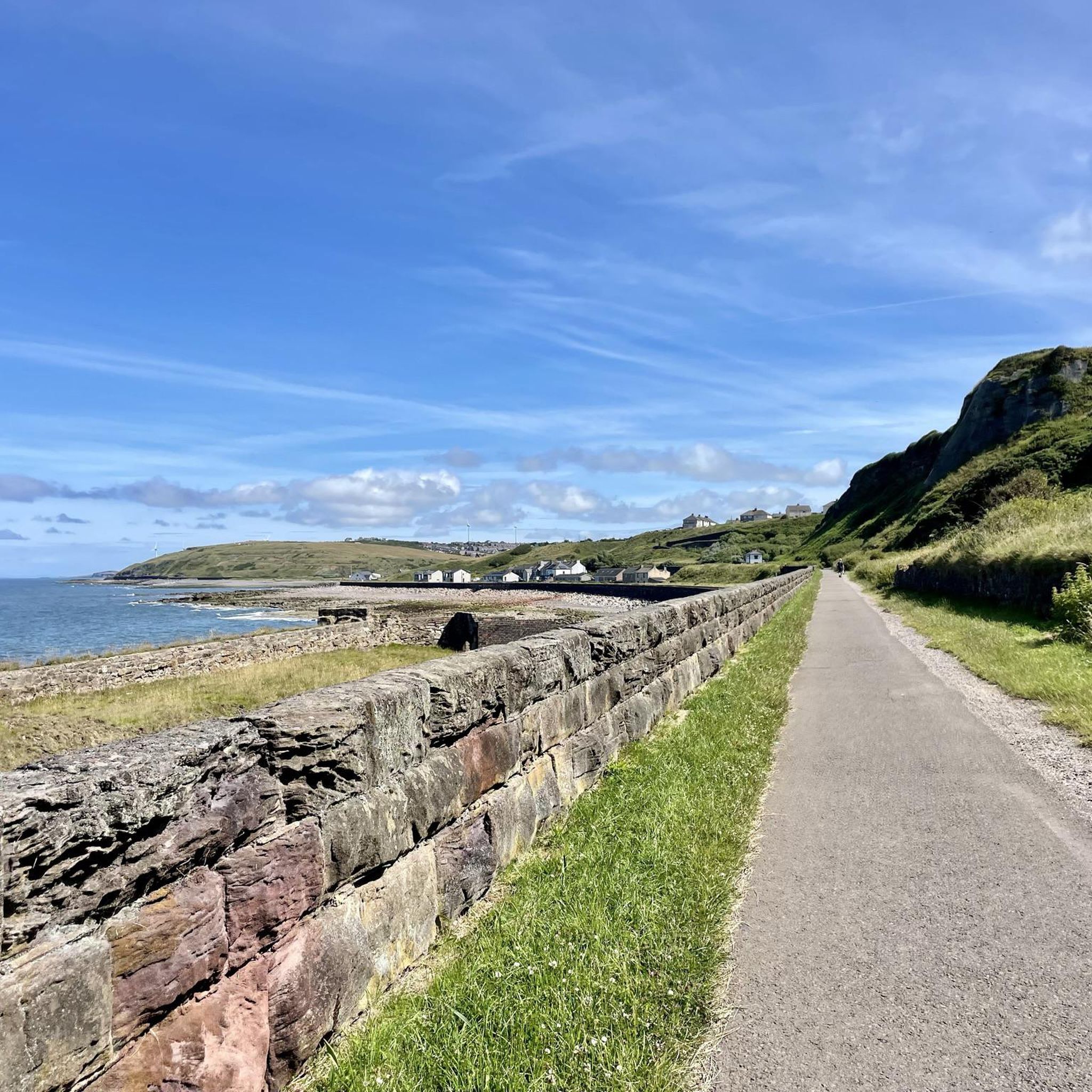
St Bees South Head
Highlight • Beach
Tip by

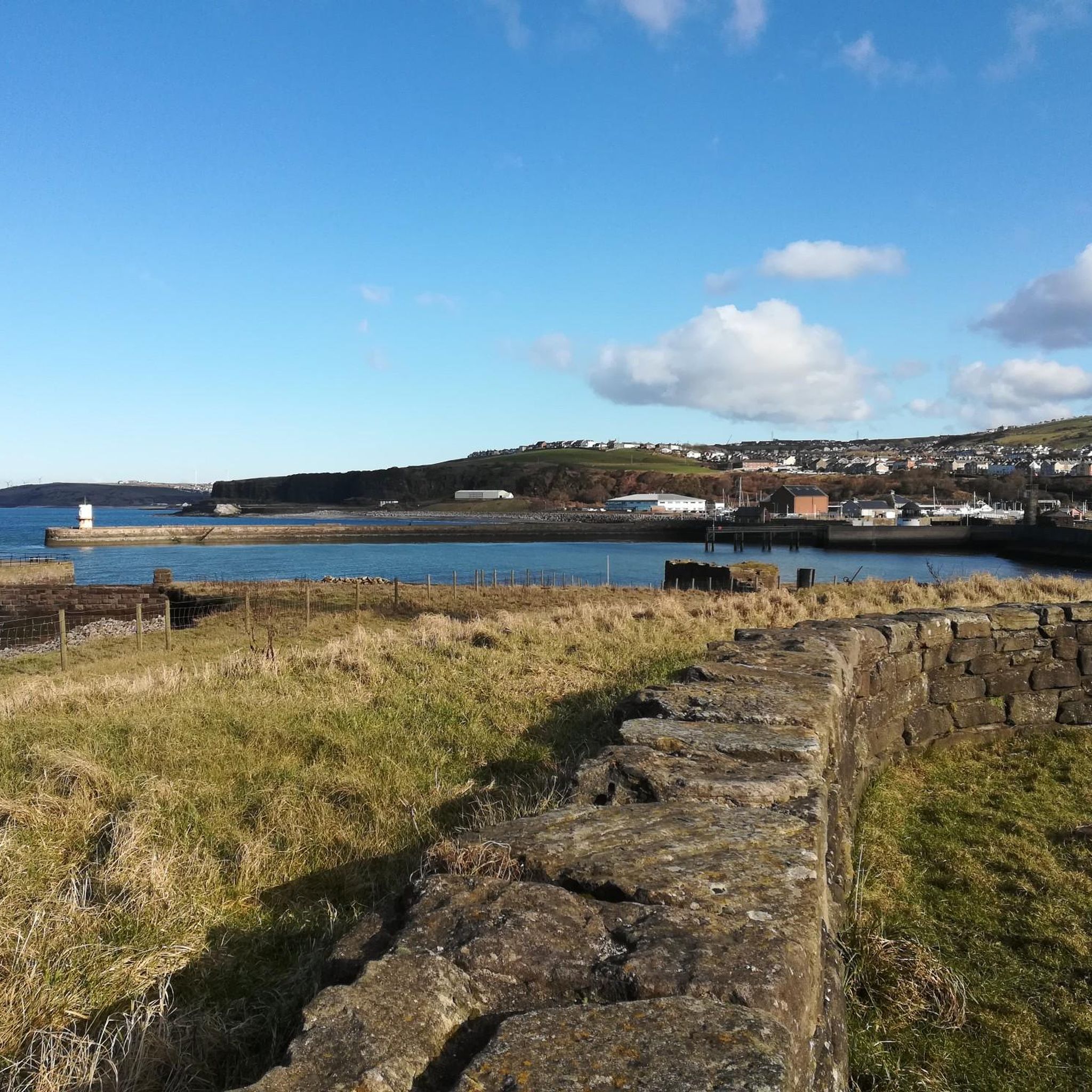
Fleswick Bay
Highlight • Natural Monument
Tip by

Sign up now to discover places like this
Get recommendations on the best single tracks, peaks, & plenty of other exciting outdoor places.
Sign up for free
St Bees North Head
Highlight • Climb
Tip by
Flat Fell Summit Cairn
Highlight • Viewpoint
Tip by

Clints Quarry
Highlight • Natural Monument
Tip by

Start today with a free account
Your next adventure awaits.
Login or Signup
Tips from the Community


The red sandstone is impressive.
1
0

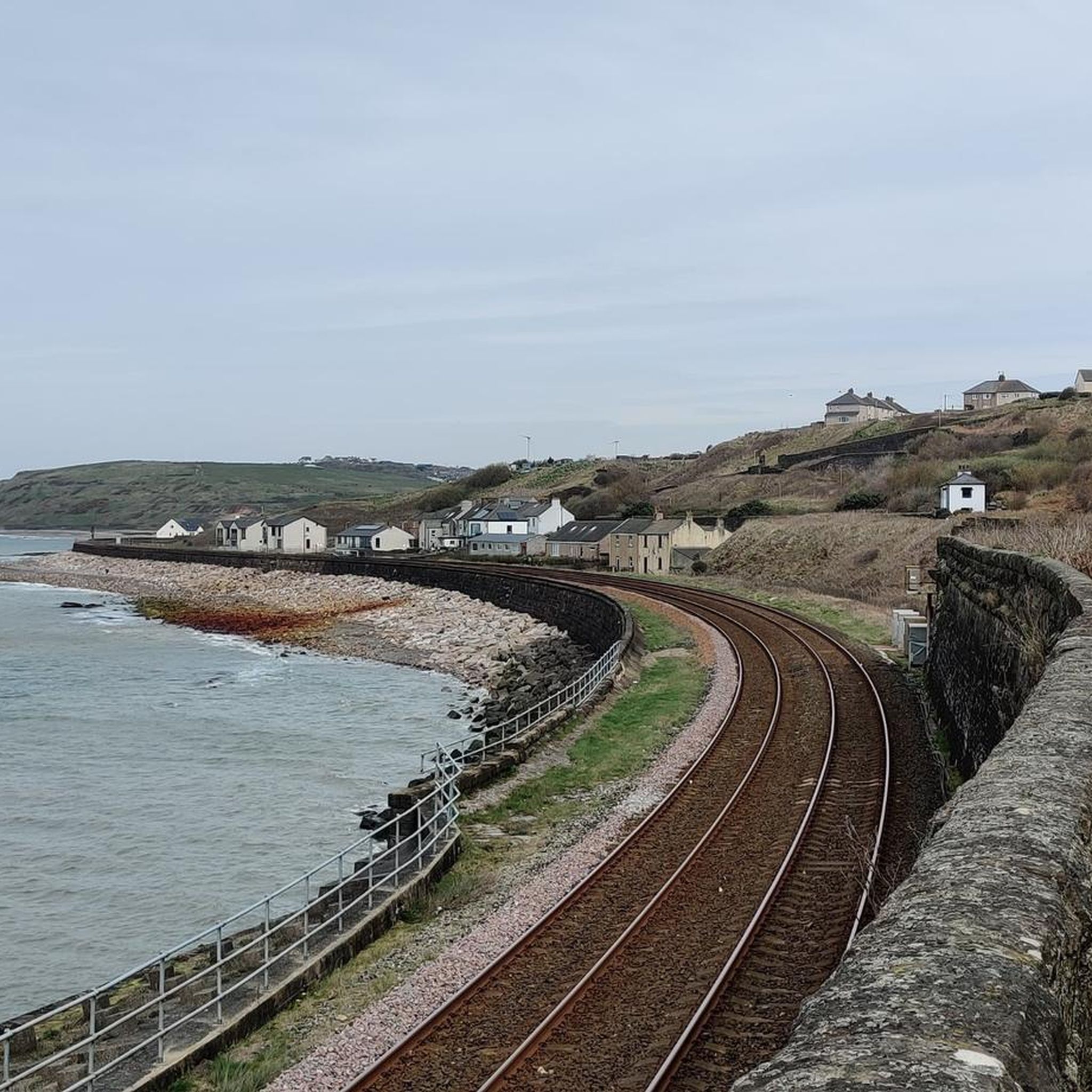
St Bees North Head is the highest point on the north west coast of England, rising to 295 feet (90 m) above sea level. From its clifftop paths are huge views west to the sea and east to the fells of Lakeland. It is part of the only western stretch of Heritage Coast between Wales and Scotland. Birdlife is abundant, with many nesting species. A lighthouse stands proud on the headland, whilst the cliffs also host rock climbers, with many bolted routes.
2
0
St Bees North and South Head (collectively referred to as St Bees Head) make up the most westerly point of northern England and rise some 295 (90 m) feet from the sea. The South Head, often known as Tomlin, is not as dramatic as its sibling, but it is still a fine viewpoint in its own right. It is the first landmark of note on Wainwright's Coast to Coast from St Bees to Robin Hood's Bay.
1
0

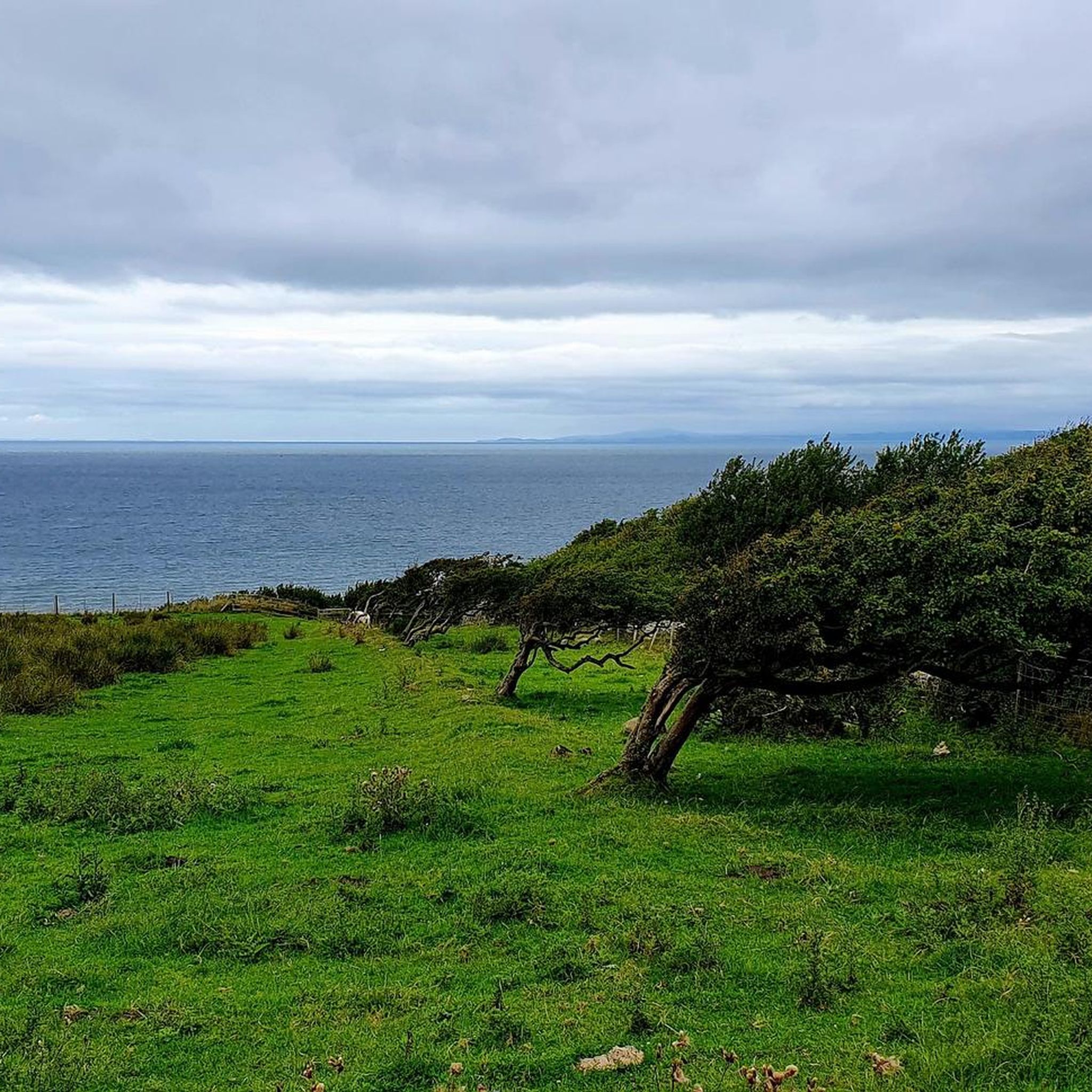
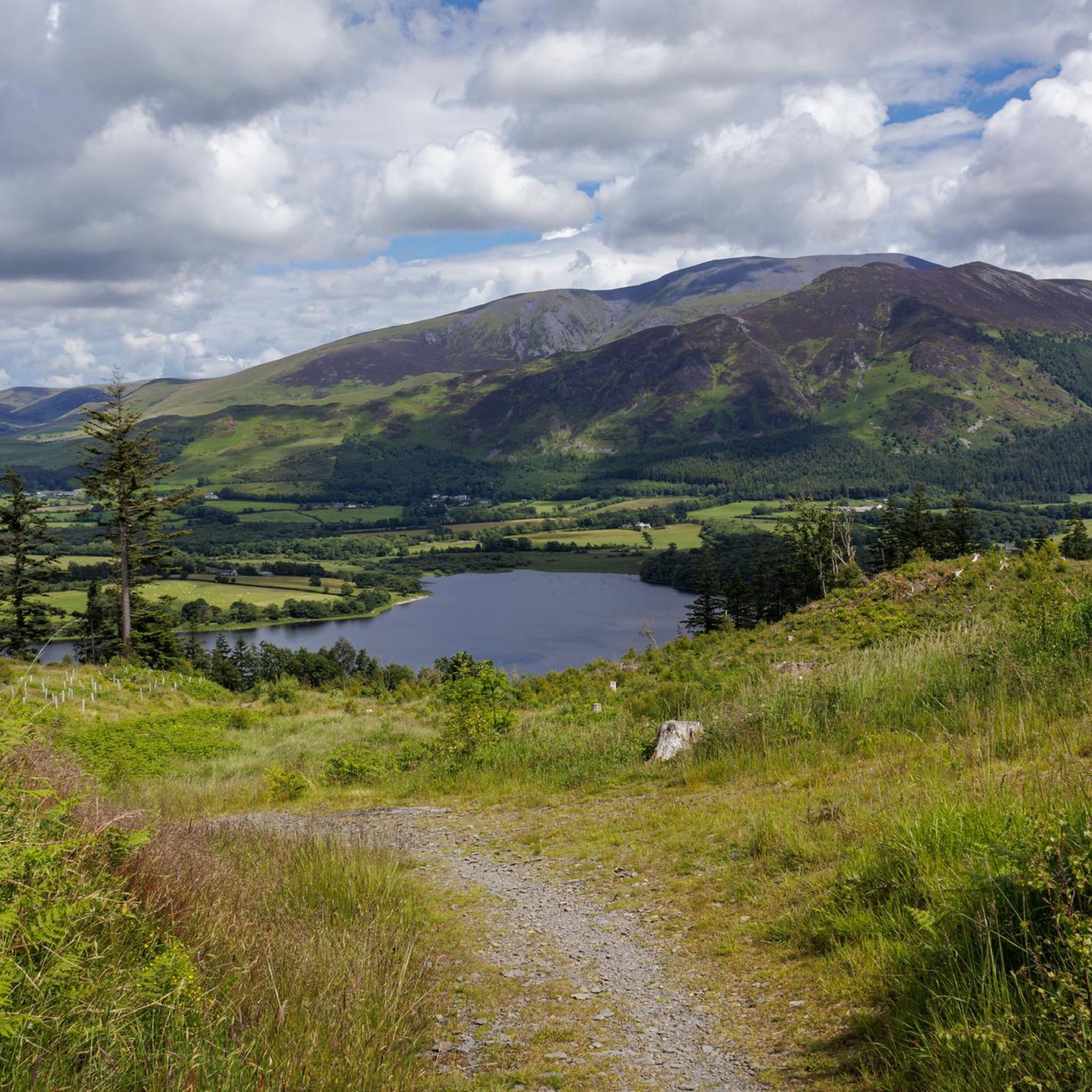
Flat Fell is a small hill close to Cleator Moor. It overlooks the Ennerdale Fells and beyond to Grasmoor. The summit is easy to reach over grassy terrain. The summit cairn is quirky in its shape.
1
0

Once quarried for limestone in the 19th century, Clints Quarry is a curious nature reserve today. Seen as a Site of Special Scientific Interest, the fallen blocks of stone contain various fossils and corals. There are also unusual plants found here. Today, the site is owned and managed by Cumbria Wildlife Trust.
1
0

Once a notorious smuggling hotspot, these days Fleswick Bay is a haven for hikers and holidaymakers. This stretch of coastline is the only designated Heritage Coast in Cumbria. An RSPB nature reserve on the headland is home to England’s only colony of black guillemots. You can also see puffins, terns and other seabirds here.
2
0
Frequently Asked Questions
What are some of the most notable natural monuments to visit around Lowca?
The area around Lowca, situated in Cumbria's dramatic landscape, offers several notable natural monuments. These include St Bees South Head, which marks the start of Wainwright's Coast to Coast walk, and Fleswick Bay, a designated Heritage Coast known for its red sandstone cliffs and seabird colonies. Another significant spot is St Bees North Head, the highest point on the north-west coast of England, offering extensive views.
Are there any natural monuments around Lowca that are good for wildlife spotting?
Yes, Fleswick Bay is an excellent choice for wildlife spotting. This stretch of coastline is home to an RSPB nature reserve where you can see England’s only colony of black guillemots, as well as puffins, terns, and other seabirds. The clifftop paths of St Bees North Head also boast abundant birdlife with many nesting species.
What kind of geological features can I expect to see at the natural monuments near Lowca?
The natural monuments around Lowca showcase diverse geological features. You'll encounter dramatic red sandstone cliffs at Fleswick Bay and St Bees South Head, rising significantly from the sea. Clints Quarry, a former limestone quarry, is now a Site of Special Scientific Interest where you can find fallen blocks of stone containing various fossils and corals, remnants of ancient marine life.
Are there family-friendly natural monuments or walks suitable for children near Lowca?
While specific 'family-friendly' designations aren't always explicit, many of the natural monuments offer accessible paths. The grassy terrain leading to Flat Fell Summit Cairn is relatively easy to reach, making it suitable for families. Coastal walks around St Bees South Head and St Bees North Head can also be enjoyed by families, though some clifftop paths require supervision.
Can I bring my dog to the natural monuments around Lowca?
Many natural areas in Cumbria, including the fells and coastal paths, are generally dog-friendly, provided dogs are kept under control, especially near livestock or nesting birds. When visiting places like Fleswick Bay or St Bees North Head, which are RSPB nature reserves, it's particularly important to keep dogs on a lead to protect ground-nesting birds and other wildlife.
What are the best times of year to visit the natural monuments around Lowca?
The natural monuments around Lowca can be enjoyed year-round, but each season offers a different experience. Spring and summer (April to September) are ideal for birdwatching at the coastal sites like Fleswick Bay, and for enjoying longer daylight hours for walks. Autumn brings beautiful colours to the fells, while winter can offer dramatic, stark landscapes, though paths may be more challenging due to weather conditions.
Are there hiking opportunities near the natural monuments around Lowca?
Yes, there are numerous hiking opportunities. The natural monuments themselves often feature walking paths, such as the clifftop trails at St Bees North Head. For more extensive hiking, you can explore routes like the 'Whitehaven Harbour – King Pit Memorial loop' or the 'Whitehaven Harbour loop from Lowca'. You can find more details on these and other trails in the Hiking around Lowca guide.
How can I reach the natural monuments around Lowca using public transport?
Access to some natural monuments, particularly coastal ones like those around St Bees, can be achieved via local bus services or the Cumbrian Coast Line railway, which has a station in St Bees. However, reaching more secluded spots like Clints Quarry or Flat Fell Summit Cairn may require a combination of public transport and walking, or personal vehicle.
Are there parking facilities available at the natural monuments near Lowca?
Parking availability varies by location. For popular coastal sites like St Bees Head (which includes St Bees South Head and St Bees North Head), there are usually designated parking areas in or near St Bees village. For less frequented spots or fells, parking might be limited to small lay-bys or roadside spaces. It's always advisable to check local information for specific parking details before your visit.
What should I bring when visiting the natural monuments around Lowca?
When visiting the natural monuments around Lowca, especially for walks or hikes, it's recommended to bring appropriate footwear for varied terrain (coastal paths can be uneven, fells can be muddy). Layers of clothing are advisable due to changeable Cumbrian weather, along with waterproofs. Don't forget water, snacks, a map or GPS device, and binoculars for birdwatching at sites like Fleswick Bay.
Are there any natural monuments with historical significance near Lowca?
Yes, Clints Quarry holds historical significance as a former limestone quarry from the 19th century. While now a nature reserve, its industrial past is evident, and the site is notable for its geological history, containing fossils and corals. Additionally, the broader Cumbrian landscape, including areas like the Old Man of Coniston, has a rich history of slate quarrying and copper mining, shaping its natural and industrial heritage.
What other outdoor activities can I do near the natural monuments around Lowca?
Beyond exploring the natural monuments themselves, the area around Lowca offers diverse outdoor activities. You can enjoy cycling on routes like the 'Waggon Way Coastal Path' or the 'Workington Cycle Path'. For more cycling options, refer to the Cycling around Lowca guide. The coastal location also provides opportunities for beach activities and enjoying sea views.
Are there any natural monuments around Lowca that offer panoramic viewpoints?
Absolutely. St Bees North Head is the highest point on the north-west coast of England, providing extensive views west to the sea and east towards the Lakeland fells from its clifftop paths. St Bees South Head also offers fine viewpoints. Further inland, Flat Fell Summit Cairn provides views overlooking the Ennerdale Fells.
Most popular attractions around Lowca

Get inspired with the komoot mobile app


Explore more
Extend your search for the best caves by checking out these guides of the top ones around Lowca:
